

Every passport carries an invisible ranking that shapes what life actually looks like for a woman: whether she can work, whether the courts will help her, whether armed conflict is within walking distance. That ranking is her country’s score on the Women, Peace and Security Index, and the distance between the best and worst scores in the world is a chasm.
Progress for women’s rights and wellbeing has stalled globally. Scores show advancement has largely stagnated since tracking began in 2017, with declines recorded in certain regions. As lead author Haleema Hasan put it: “As wars and conflicts reach a historic peak, progress on women’s status nears a historic low.”
The Countries Leading the World

Denmark ranks first with a score of 0.939, taking the top spot for the third consecutive time. Iceland, Norway, Sweden, and Finland follow. Luxembourg, Belgium, the Netherlands, Austria, and New Zealand round out the global top 10.
Historical WPS Index score data show sustained positive gains in several European countries. Denmark increased its score from 0.845 to 0.939 and Norway from 0.879 to 0.924 over the period from 2018 to 2026, reflecting strengthened social protections and improved access to services. These are not overnight transformations but the product of generations of policy built on top of policy.
New Zealand, the only non-European country in the top ten, earns its place through consistent performance on legal protections, political representation, and low rates of gender-based violence. Geography matters less than governance. A country does not need to be Nordic to protect its women. It needs functional institutions, enforceable laws, and a political culture that treats gender equality as infrastructure rather than ideology.
For the first time in the index’s history, two countries in the Latin America and Caribbean region have entered the top 20 percent: Costa Rica, ranking 34th (up from 60th in the previous edition), and Uruguay, ranking 35th (up from 59th). Moving 25 or 26 places in a single cycle signals deliberate, structural investment in the conditions that determine whether women’s lives are safe and free.
Where the United States and Canada Land

The United States ranks 31st, up from 37th in the previous edition, based on data available through 2024. The report notes that recent policy changes threaten to undo that progress. The U.S. climbed six positions largely because of improvements in maternal health indicators, including the first recorded decline in maternal mortality in 20 years.
Landing at 31st puts the United States behind Serbia and Malta, and ahead of countries like Czechia and Hungary. Canada ranks in the upper tier of the index. Mexico ranks considerably lower, reflecting significant gaps in access to courts, exposure to violence, economic participation, and educational attainment.
The WPS Index finds that countries where women’s status is higher are also more peaceful, prosperous, and resilient, including in the face of climate change and economic shocks. The ranking is not just a report card on how women are doing. It is a proxy for how well a society functions overall.
For context on how far women’s rights have come, the history of legal protections for women makes clear that the current rankings are built on foundations that took generations to lay, and that they are not guaranteed to hold.
The Countries at the Bottom
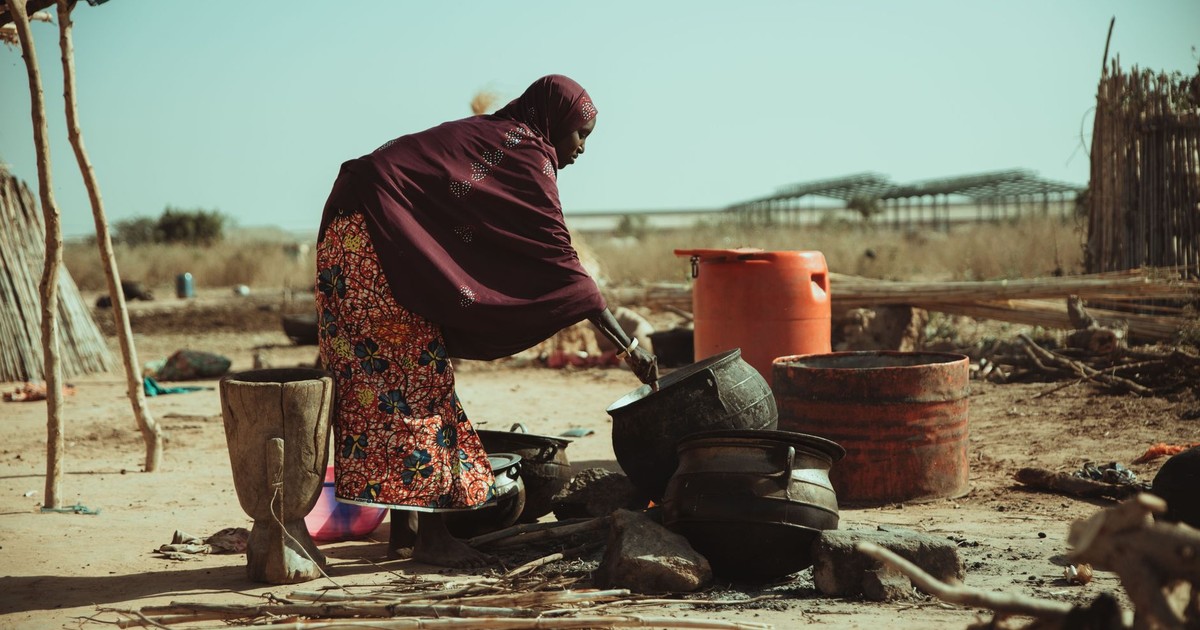
At the opposite end of the rankings are Afghanistan, Yemen, the Central African Republic, Syria, Sudan, Haiti, the Democratic Republic of the Congo, Burundi, South Sudan, and Myanmar. The index does not rank these countries poorly because they are poor. It ranks them poorly because armed conflict, collapsed governance, and the deliberate restriction of women’s rights have compounded each other for years, in some cases for decades.
According to Visual Capitalist’s analysis of the WPS Index data, more than 70 percent of women living in the 12 lowest-ranked countries reside within 50 kilometers of armed conflict, exposing them to higher risks of displacement and gender-based violence. For the majority of women in the world’s worst-ranked countries, active armed conflict is not a distant news story. It is a practical condition of daily life.
The 2025/26 WPS Index names Afghanistan as the world’s most dangerous place for women, with a score of 0.279. Afghanistan’s score reflects Taliban edicts that stripped women of access to schooling, work, and freedom of movement. Denmark scores more than three times higher. That ratio measures how unequally the world distributes safety, justice, and opportunity based on gender.
Yemen holds the second-highest ranking for danger, with a score of 0.323. The Central African Republic follows with a score of 0.362, and Syria ranks fourth with a score of 0.364. Haiti, the Democratic Republic of Congo, Burundi, South Sudan, and Myanmar complete the bottom of the list.
The Broader Picture: What the Numbers Reveal

Approximately 676 million women worldwide were exposed to conflict in 2024, a 74 percent rise since 2010 and the highest number ever recorded. Women are not just living in conflict zones. They are living in conflict zones in numbers that have nearly doubled in the space of fifteen years.
The fifth edition of the WPS Index reveals that progress on women’s status is stalling globally, but it also shows that improvements can come from some of the most conflict-affected places. Among the greatest improvements in women’s status in the current edition are those recorded in conflict-affected countries, including Congo and Yemen. The countries where women face the most danger are also, in some cases, the countries where the most measurable progress is occurring. Reform is possible even inside catastrophe.
The WPS Index data show that advancing women’s rights is not only an ethical imperative but a practical and collective one: the societies where women are doing well are also more peaceful, more prosperous, and more resilient. Nearly every bottom-20 country is in active conflict or extreme fragility, and the gap between the best and worst countries keeps widening.
What the Rankings Actually Mean
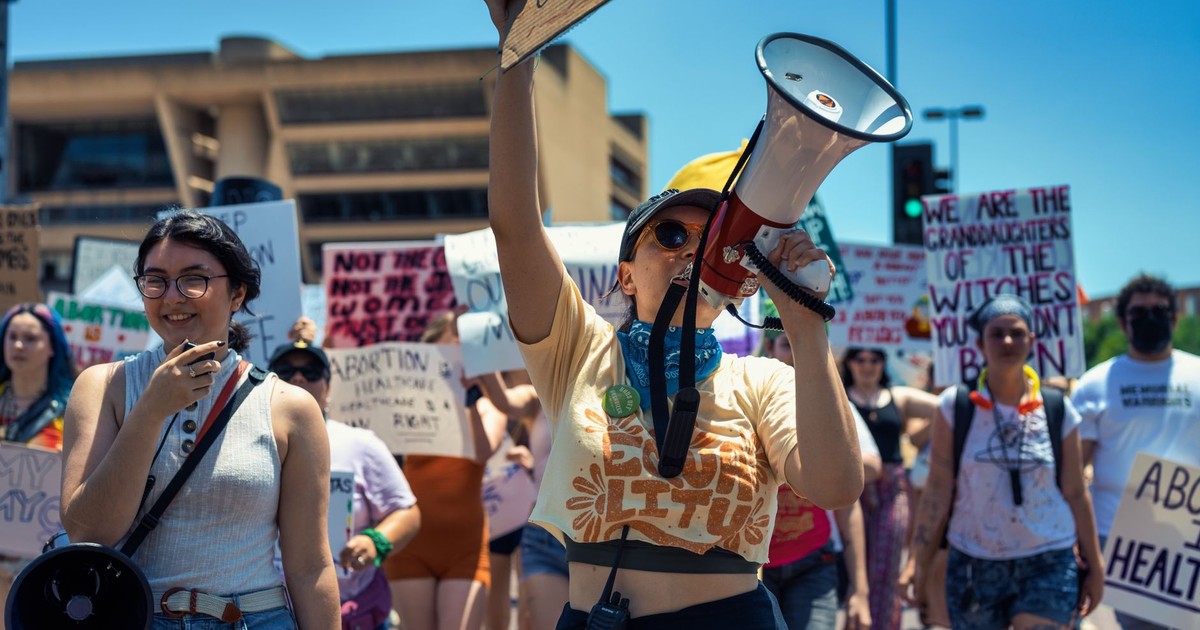
A country’s WPS Index score reflects what women in that country experience when they need a lawyer, try to open a bank account, look for work after having a child, or walk home at night. It reflects what happens when they report violence, what their daughters will be allowed to study, and whether their government treats their safety as a policy priority or an afterthought.
The Nordic countries at the top of this list did not arrive there by accident, and they will not stay there without maintaining the systems that earned them those scores. The countries at the bottom did not fall there overnight either. Each one carries a specific history of conflict, colonial extraction, geopolitical neglect, or political collapse that interacted with existing gender inequality to produce the conditions women are living in now.
Global progress on women’s status has largely stagnated since tracking began in 2017. For hundreds of millions of women, the pace of change is too slow to matter in their lifetimes. The distance between Denmark and Afghanistan is not closing. It is growing.