
Somewhere between getting dressed and walking out the door, most women run a mental checklist that would exhaust a project manager. The hair isn’t right. The stomach looks different than it did last Tuesday. The concealer isn’t blending the way it should. The jeans fit, but in that way where you know they fit – and you’re going to think about that all night. The checklist is long, it’s specific, and it runs on a loop that the men in the room are not running. Not even close.
The gap between what women notice about themselves and what men actually register is not a small one. Research keeps confirming what most women quietly suspect and then dismiss: a significant amount of what we agonize over simply does not land on the male radar. That’s not a compliment aimed at men’s observational skills, by the way. It’s just a fact about where attention goes and why. Women are trained from childhood to monitor appearance, to preempt criticism before it arrives, and to hold themselves to a standard of visual presentation that men, as a group, are not asked to meet. Comments about weight, clothing, or aging are a regular feature of women’s lives, and that constant evaluation creates pressure to criticize ourselves before anyone else gets the chance.
The result is a whole category of suffering that is completely invisible to the person sitting across from you. He’s not calculating your pore size. He didn’t notice the chip in your nail polish. He did not register the fact that you wore this dress three months ago and is therefore unable to judge you for repeating it. This list exists not to tell you to stop caring – caring about how you look is fine, even fun – but to at least let you know where your mental energy is going and whether the jury that’s convicting you is actually in the room.
1. Cellulite
The mental real estate women spend on cellulite is extraordinary, given that it is a near-universal feature of female bodies. Cellulite forms when fat pushes up against connective tissue beneath the skin. Women have vertical collagen bands that allow fat to protrude more visibly, while men’s connective tissue forms a crisscross pattern that holds fat in more evenly – meaning even if a man and a woman have the exact same body fat percentage, she’s far more likely to have visible cellulite. This is architecture, not failure. According to Little Seed Farm, cellulite affects up to 90 percent of women precisely because of this connective tissue difference, not because of diet or fitness failures.
Even women who are incredibly lean – visible-abs, low-body-fat lean – can still have cellulite, because it’s not just about fat. It’s about skin thickness, hormones, connective tissue, and genetics. Men, for their part, tend to be several layers of observation away from registering it at all. They’re not running their eyes over your thighs with a dermatological checklist. The whole thing is one of those beauty-industry-generated concerns that women carry for each other and for themselves, not for men.
2. The Outfit You’ve Already Worn

Women track their outfits across time with a precision that would be genuinely impressive if it weren’t so exhausting. She wore this to the birthday dinner. She wore it to the work event. She cannot wear it again until enough time has passed that its previous appearances have been sufficiently forgotten. Meanwhile, the average man will recognize an outfit approximately never, unless it has a novelty graphic he found funny the first time.
The mental gymnastics of wardrobe rotation – the whole “people will know” math – operates on the assumption that everyone else is running the same archive that you are. They are not. The person across from you at dinner has retained zero information about what you wore at Christmas. He could not tell you his own outfit from that evening. He is not tracking yours.
3. The State of Your Eyebrows
The eyebrow industry exists because women will study their own faces at a level of granularity that has no equivalent in most men’s lives. Whether the arch is right, whether they’re symmetrical, whether one is slightly thicker than the other – these are genuine sources of distress for a lot of women on a lot of mornings. The market for brow pencils, gels, powders, lamination treatments, and tinting appointments is enormous, and it is almost entirely sustained by women scrutinizing their own faces in mirrors.
Men notice eyebrows when they are dramatically, comically absent or when they are drawn on with a Sharpie at a forty-five-degree angle. Short of those extremes, the brow situation does not compute. Research published in PLOS ONE in 2024 found that women consistently overestimate the degree of facial femininity men actually prefer in a partner – meaning the face women think men want to see is significantly more “done” and calibrated than the face men are actually looking for. The eyebrow math, in particular, is being done for a test that has already been called off.
4. Stretch Marks
Stretch marks are the body’s record of rapid change – growth spurts, pregnancy, weight fluctuation, puberty. They are a document, not a flaw. Women who have had children often carry them across their stomachs or hips in ways that cause genuine distress, particularly in any context involving exposed skin. The energy spent on cover-ups, oils, and strategic positioning in pools or bedrooms adds up to a significant amount of time.
The real bodies movement exists precisely because stretch marks and similar features have been so thoroughly erased from mainstream imagery that women feel aberrant for having them. Partners, by and large, either don’t notice them or have already made their peace with the reality that human bodies change – through pregnancy, through age, through the full run of a life lived in one. The distress runs almost entirely in one direction.
5. The Pores on Your Nose
The beauty industry has convinced a significant portion of women that their pores are both enormous and a problem, despite pores being the biological structure by which skin breathes and functions. The market for pore-minimizing primers, strips, toners, and serums is built on this particular anxiety. Women will examine their noses in magnifying mirrors under lighting conditions that no one else in the world will ever use to view their face.
Men do not look at women’s pores. This is not a low bar – it is simply accurate. The resolution at which most men process a woman’s face does not include individual follicles. Distorted body image can lead individuals to become excessively focused on non-existent or dramatically exaggerated flaws – and pore scrutiny is a textbook example of that distortion at work. The mirror lies at that zoom level.
6. Your Weight Fluctuation During the Month
Women who track their weight know that the number can shift by several pounds across a hormonal cycle without anything meaningful having changed. That number, whatever it reads on a given Tuesday morning, tends to travel with a woman through her whole day in a way that a partner standing three feet away has no access to and would find genuinely baffling if he knew it was happening.
The body he’s looking at and the body she’s cataloguing are two entirely different data sets. He’s working from a general impression. She’s working from a specific number, compared against last week’s specific number, filtered through how she feels in her clothes that morning, and cross-referenced with what she ate yesterday. These are parallel but completely non-overlapping experiences of the same physical body.
7. Whether Your Hair Looks “Done Enough”
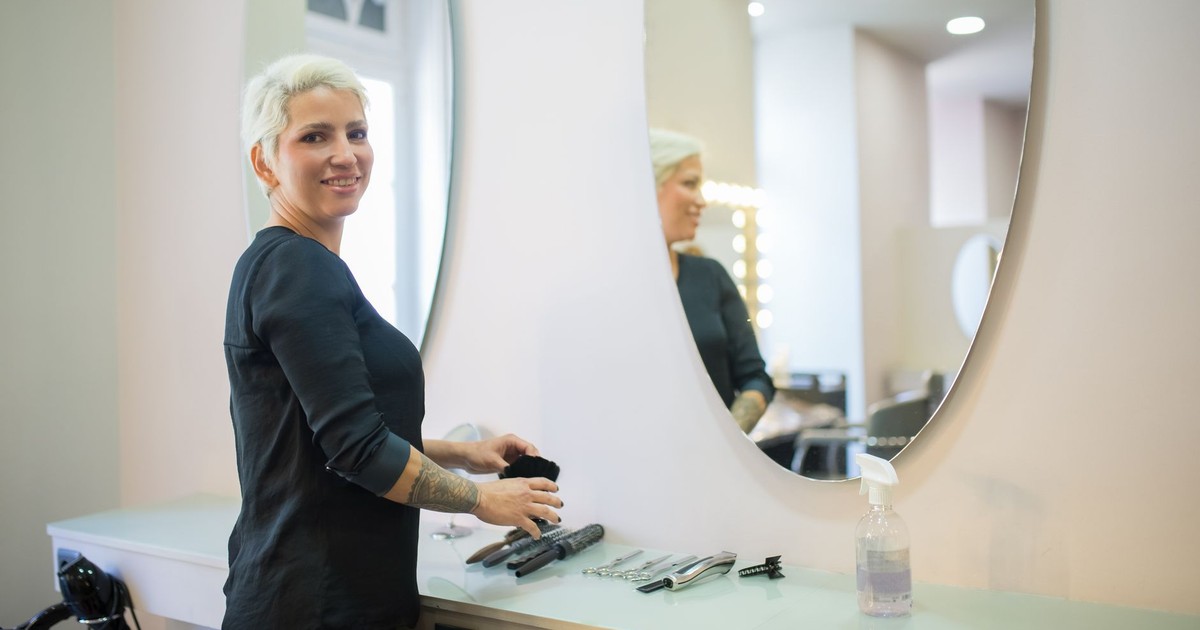
There is a whole taxonomy of female hair states that women understand fluently and men cannot parse at all. The difference between hair that is casually undone and hair that is “lazy” and unwashed; the difference between beachy waves and “I gave up”; the difference between a chic low bun and “she didn’t try.” These are distinctions that live almost entirely within female social perception. Men typically register “her hair looks good” or, on a bad day, nothing.
Boys grow up hearing they’ll be valued for what they accomplish. Girls often hear mixed messages that beauty matters just as much, if not more. The hair anxiety is downstream of that. The calibration started early and it runs on a loop long after the original audience has stopped paying attention.
8. The Way Your Stomach Looks When You Sit Down

Sitting down changes the silhouette of every body that has ever existed. Skin folds. Flesh redistributes. The stomach, specifically, does things in a seated position that no amount of fitness preparation can fully prevent. Women at dinner parties, on sofas, in airplane seats – a significant number are spending mental energy on exactly this, arranging themselves in ways that manage or minimize what their midsection does when they sit.
The person sitting across from them is eating his dinner. He is not cataloguing the topography of her torso from across a restaurant table. Body image research has mainly focused on women because they are more dissatisfied with their bodies than men. Society conveys a thin ideal for women that is internalized widely, and women often experience a discrepancy between their own body and the – often difficult to achieve – ideal, leading to body dissatisfaction. The standard being applied at that dinner table was set by something far larger than the man across from her.
9. The Chip in Your Nail Polish

Nail maintenance as a social obligation is a uniquely female phenomenon. A chipped nail, for many women, produces a level of self-consciousness disproportionate to the actual chip – a need to hide hands, to explain, to apologize. Some women will not leave the house with chipped polish. The chip feels like evidence of something, though it’s never entirely clear of what.
Men do not notice chips in nail polish unless the nail is dramatically, theatrically destroyed. They often cannot reliably tell you whether you were wearing nail polish at all. The chip you’ve been hiding under your sleeve for the last forty minutes has gone completely unregistered.
10. Upper Arm “Jiggle”
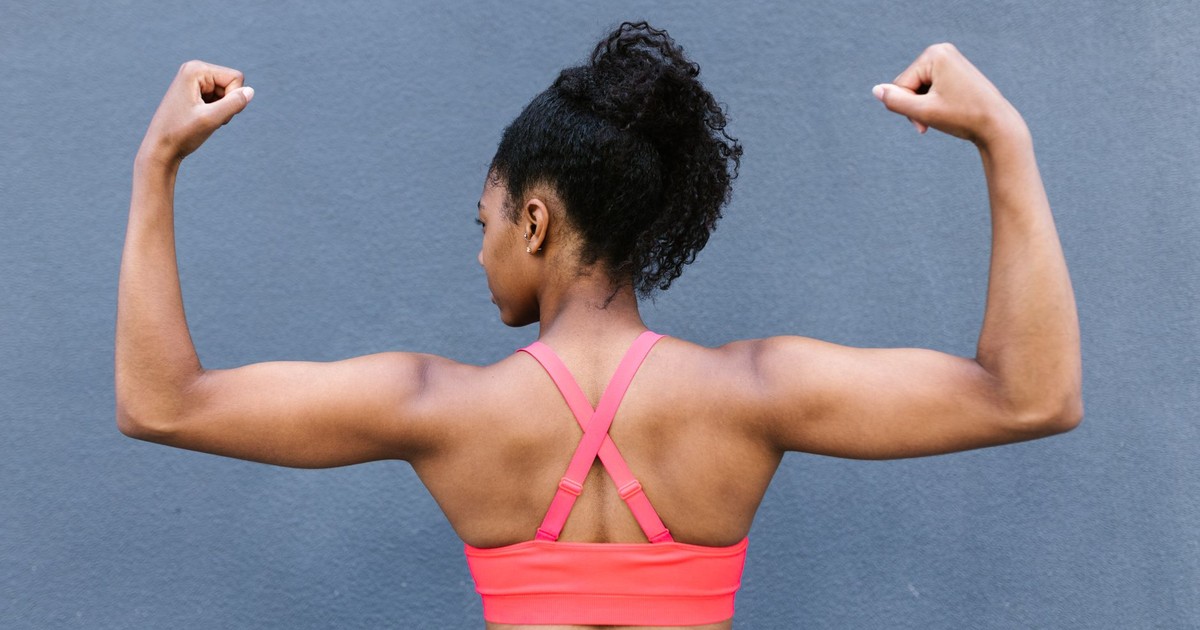
The bare-arm calculation is real: whether to wear a sleeveless dress, whether it’s warm enough to justify a cardigan, whether the angle of a photo will be forgiving or not. Upper arm appearance is one of those body areas that shapes decisions about clothing, posture, and photo-taking in ways that add up.
Research published in the journal Body Image found that girls report weight concerns and body dissatisfaction as young as age five – which means by the time a woman is standing in front of her closet at forty-three wondering whether she can pull off a tank top, the critical voice has been running for decades. The man she’s dressing for does not have that voice. He is thinking about whether he can find his keys.
11. Dark Circles Under Your Eyes
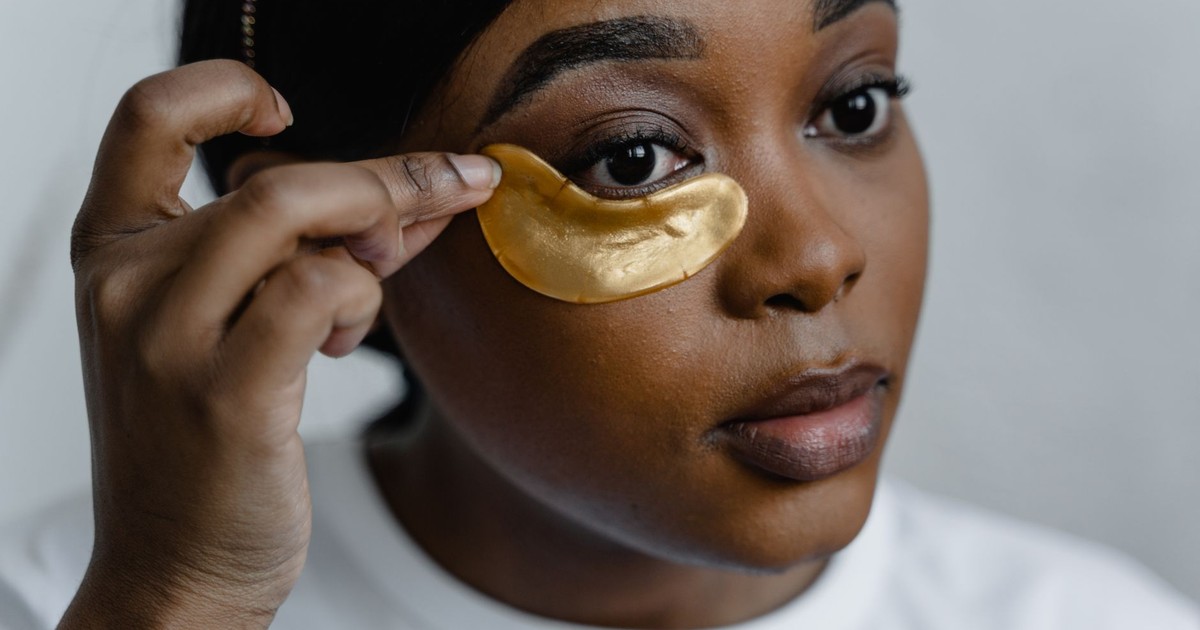
Dark circles get blamed on poor sleep, poor diet, poor genetics, and insufficient concealer. Women who have them tend to track them with the vigilance of a dermatologist – worse today than yesterday, better after the good week, “I look exhausted” when they don’t feel exhausted at all. The concealer-and-setting-powder ritual exists specifically to neutralize something that, without it, registers to most people as “her face.”
Men will occasionally notice when someone looks extremely unwell – when the dark circles are so pronounced they suggest a medical emergency. Short of that, they will not be able to tell you whether you are wearing concealer or not, and they will not notice that you skipped it.
12. Visible Veins
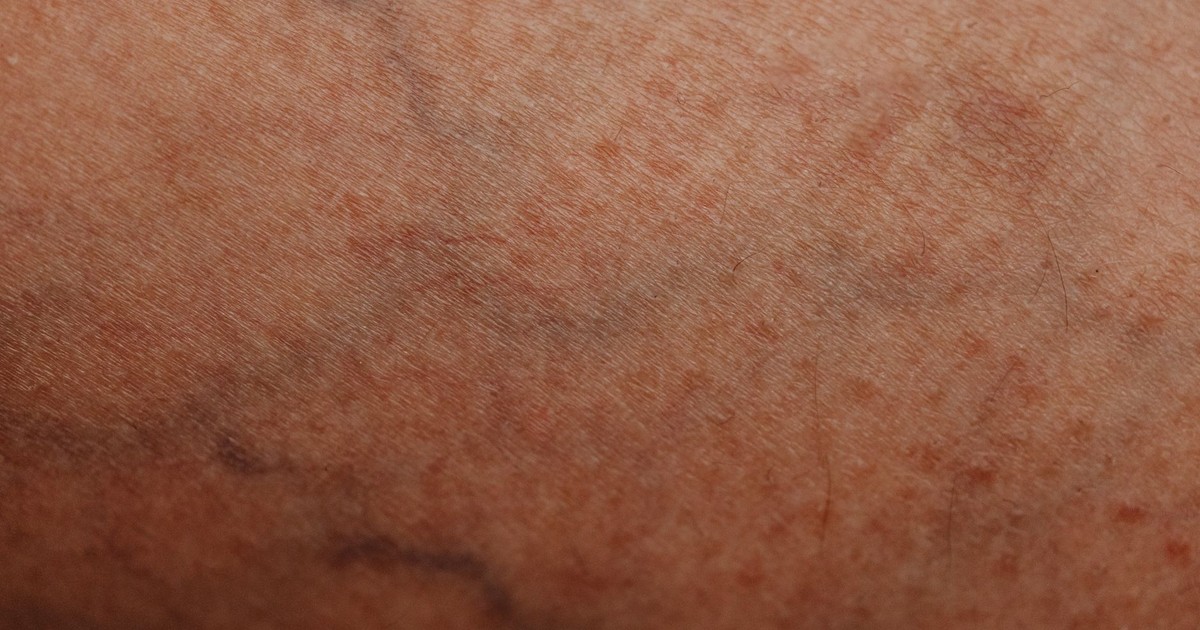
Hands and legs with visible veins are something women often flag in themselves as a sign of aging, something to be covered or injected or otherwise managed. The beauty industry has products and procedures for this. Women compare the visibility of their veins against some ideal of smooth, even skin that, like most female beauty ideals, has very little to do with what men are actually looking at.
Research confirms that women misperceive what men prefer – women exaggerate the thinness men like, and the overall standard of physical perfection women hold themselves to is considerably more demanding than men’s actual stated preferences. Veins are nowhere in that conversation. They are a feature of a living body. Most men are not even aware they are supposed to have an opinion about them.
13. The Texture of Your Skin
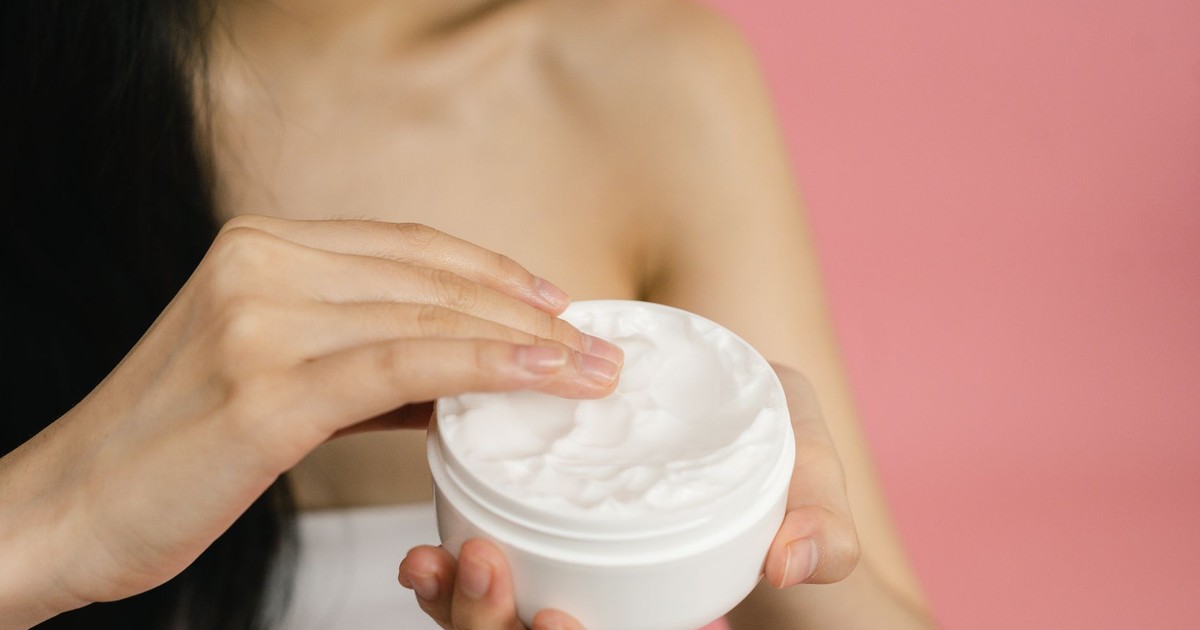
Smooth skin has been the female beauty ideal for long enough that its absence – any roughness, bumps, redness, or unevenness – registers to many women as a problem to be solved. The skincare industry, now worth hundreds of billions globally, is largely built on this. Primers that blur. Foundations that erase. Setting sprays that give the impression of a surface that no adult skin actually has.
The person looking at you is not seeing pixels. He is seeing your face. The texture of your skin at normal conversational distance is simply not information that most men are collecting. The gap between the face in the magnifying mirror at 7 a.m. and the face anyone else encounters all day is wider than almost any woman fully believes.
14. Whether You Sound Too Much

Women often overthink how much space they take up acoustically – whether they laughed too loudly, talked too much, interrupted someone, repeated a story. The internal post-event audit can last hours and cover ground that no one at the actual event thought to record. “Did I dominate the conversation?” “Was that story too long?” “I said that thing wrong and everyone noticed.”
Men don’t typically run this audit at the same frequency or duration. The mental energy women spend on the conversational replay – cataloguing and editing a social interaction that everyone else has already forgotten – is a specific form of exhaustion that has very little payoff. The room moved on before you got home.
15. Wearing the Same Makeup Look Every Day
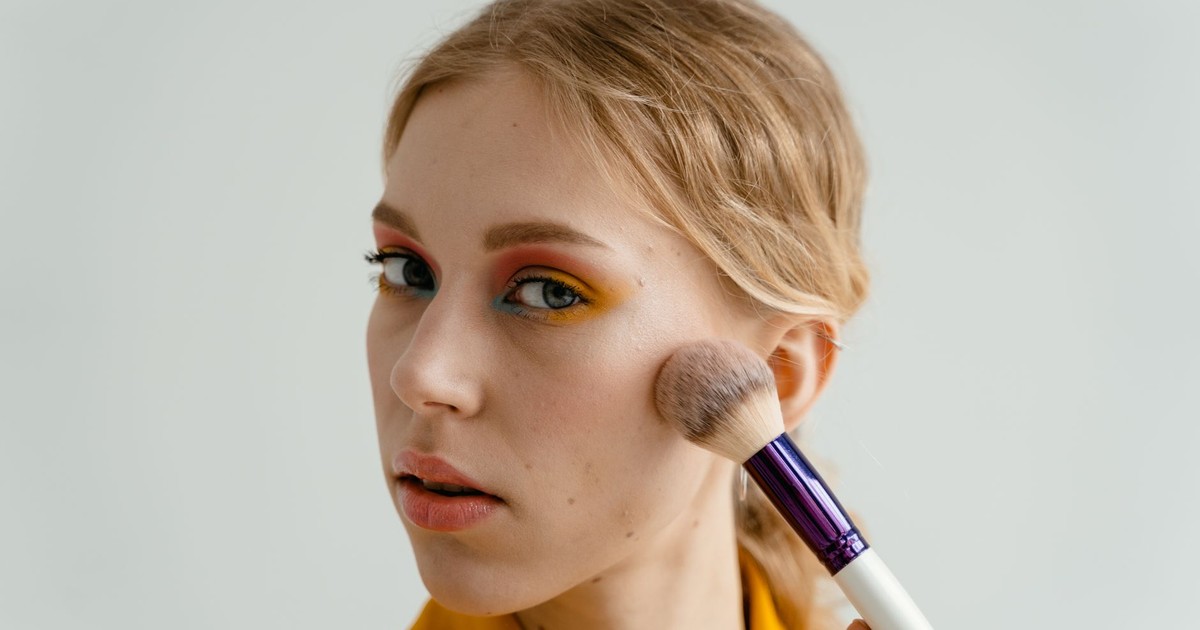
There is a fear, among women who wear makeup, that wearing the same look consistently signals a lack of creativity, effort, or versatility. The pressure to rotate through different eye looks, different lip colors, different levels of “done-ness” is real and comes mostly from within the female gaze – from other women, from social media, from the voice that sounds like an amalgamation of everyone who has ever commented on your appearance.
Partners who see you every day are usually not aware you’ve been wearing the same eye look for three years. They would describe your makeup as “nice” or “you looked pretty” with absolutely no consciousness of the specific product composition that went into it. The eyeliner wing debate is happening in a forum he hasn’t been invited to.
16. Your Laugh Lines
Laugh lines – the creases around the eyes and mouth that appear with age and, as the name implies, laughter – are one of the primary targets of the anti-aging industry. Women start noticing them, tracking them, calculating whether they’re deeper than last year, and investigating filler consultations while they are still in their thirties. They represent, to many women, evidence of time passing in a way that is meant to be concealed.
To most men, laugh lines read as a feature of a human face that has had expressions in it. They are not registering the depth or the trajectory. Changes in body image can develop in distorted ways depending on self-awareness, and those distortions directly affect self-esteem. The laugh line math – comparing this year’s face against last year’s, calculating the rate of change – is the kind of distorted self-monitoring that does real damage without a corresponding audience.
17. The Gap Between Your Thighs (or Lack Thereof)

The thigh gap – or more accurately, the entire thigh-touching situation – has had an extraordinarily long run as a female preoccupation, given that it is almost entirely determined by hip width and bone structure rather than any amount of effort. Women who have one worry that it will disappear. Women who don’t have one have often spent years wishing they did. It appears in how women pose for photos, how they sit, how they feel in shorts or swimwear.
Men as a group are not running comparative thigh architecture analyses. They are not aware that a gap is supposed to be there, that its presence or absence signals anything, or that the person sitting across from them has opinions about her own thigh geometry. The whole taxonomy was built within female culture and largely stays there.
18. Whether Your Perfume Is “Too Much”
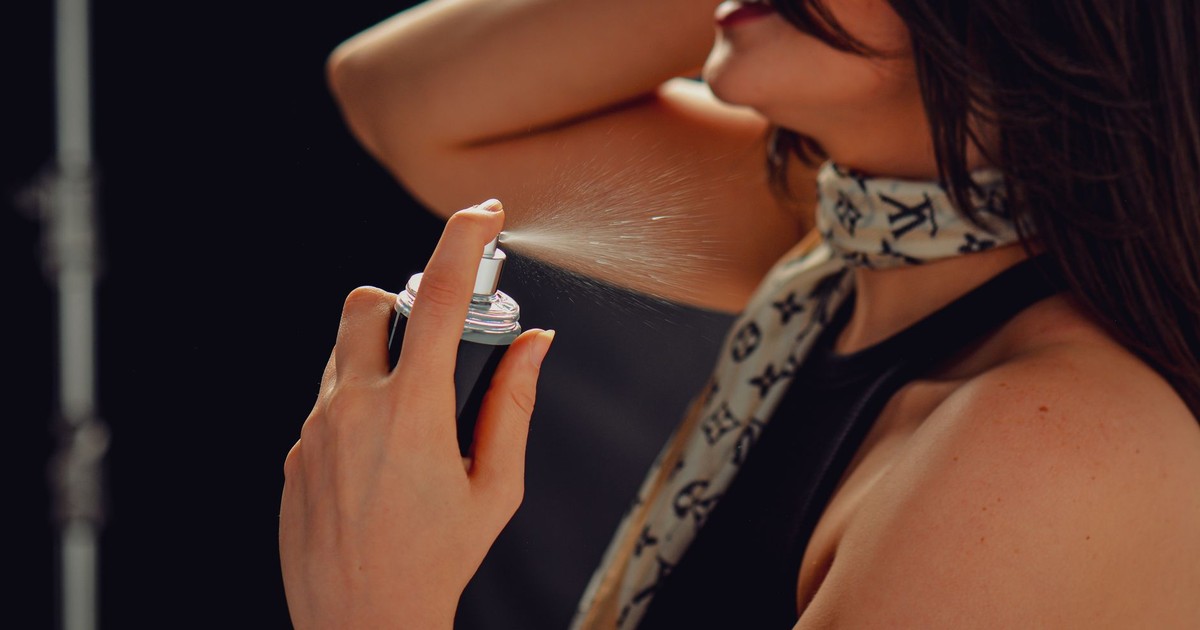
Women who wear fragrance often spend real mental energy on calibration – did I apply too much, is it lingering in the room after I’ve left, will people think it’s overpowering. The fear of being “too much” extends even into scent. There is a worry about taking up olfactory space that parallels the worry about taking up conversational space and physical space. It’s a consistent theme.
Men’s relationship to women’s perfume tends to be: smells good or doesn’t. There is not a calibration framework. The concern that someone is quietly judging the application-to-wrist ratio of your fragrance is not one that exists in the rooms you’re in.
19. The Appearance of Your Hands
Hands are one of those body parts women start scrutinizing with more intensity as they age – the skin thinning, veins becoming more visible, any unevenness in tone, the joints looking more prominent. Women will reach for long sleeves or gloves in contexts where their hands will be photographed. They will decline certain angles in pictures. They will apply SPF to their hands with a diligence usually reserved for medical necessity.
The person shaking your hand at a meeting is thinking about the meeting. The person holding your hand in the car is thinking about the drive, or the dinner, or whether he left the stove on. The hand audit is a solo project.
20. Your Postpartum Body
Postpartum body image is its own category of female suffering – the loose skin, the changed shape, the body that did something extraordinary and now looks like it. Women who have given birth are handed an unreasonable set of cultural expectations about “bouncing back,” while the bodies that actually carry and deliver children are treated as temporary inconveniences to be corrected rather than evidence of something significant.
While “dad bods” have been widely celebrated, women are given no such leeway – despite being the ones who actually carry and birth children. They are instead expected to return to their pre-birth body to be considered conventionally attractive. Partners who have watched a pregnancy and a birth and a recovery tend to be working with a completely different emotional frame than the one culture has handed to the woman herself. The standard being enforced is not coming from him. It never really was.
Read More: One Woman Wants To Know Why The Dad Bod Is Celebrated But The ‘Mom Bod’ Is Shamed
Where All This Actually Lives

When women overthink things men barely notice, the loop rarely has anything to do with the man in question. It has to do with something much older and more embedded than any individual relationship – the accumulated weight of being looked at and evaluated since childhood, the internalized voices of every comment made about a body that was never quite right, the beauty standard that keeps moving just far enough ahead to stay out of reach. Most women can remember their first negative thought about their own body, and it happened surprisingly young. The audit started long before any romantic relationship did.
None of this means the anxiety isn’t real. It is real, and it is exhausting, and it takes up a genuinely unfair amount of cognitive bandwidth. The jury most women imagine is not actually sitting in the room. The person beside you on the couch is not cataloguing your arm texture or calculating your pore size or noticing that you wore this sweater in October. He is just there. The trial you’re conducting – the one with the evidence and the closing arguments and the verdict – is happening in a courtroom he doesn’t have the address for. Some of these patterns started before you were old enough to name them, and identifying that isn’t a solution – but it’s at least the beginning of an honest conversation with the actual critic, who has never been him.
Disclaimer: This information is not intended to be a substitute for professional medical advice, diagnosis, or treatment and is for information only. Always seek the advice of your physician or another qualified health provider with any questions about your medical condition and/or current medication. Do not disregard professional medical advice or delay seeking advice or treatment because of something you have read here.
AI Disclaimer: This article was created with the assistance of AI tools and reviewed by a human editor.