

Nobody asked 11 women to sit down and write a press release about their lives. They just answered a question honestly, and what came back was a portrait of a generation quietly, definitively rethinking something that their grandmothers didn’t get to rethink at all. Not because they failed at love. Not because they hate the idea of partnership. But because when you remove the economic necessity, the social pressure, and the assumption that a woman’s life only counts once it’s been legally witnessed by a courthouse, what you’re left with is a real question: do I actually want this, or did I just assume I was supposed to?
The numbers have caught up with the feeling. In 2024, just 47.1% of US households were headed by a married couple – a near all-time low, down from 78.8% in 1949. Ever-married shares are at historic lows for both 35-year-old and 45-year-old men and women, and projections suggest that plausibly one-third of men and women who turn 45 in 2050 will not have married. Women not getting married, or getting married much later, is no longer a statistical footnote. It’s the dominant trend of modern adult life.
What’s actually driving it isn’t cynicism. For most of the women described below, it’s something closer to clarity. They looked at the institution as it actually exists – not as it appears in the movies, not as it was described to them growing up – and made a deliberate call. Here’s what eleven of them had to say about it.
The Wedding Industry Was Never for Her
According to USAFacts, married couple households have fallen to near-record lows, a decline that tracks with Institute for Family Studies projections suggesting roughly one-third of today’s young adults may never marry. Research from the University of Houston and data from the Gender Equity Policy Institute on unpaid labor help explain why so many women are making that call deliberately, not reluctantly.
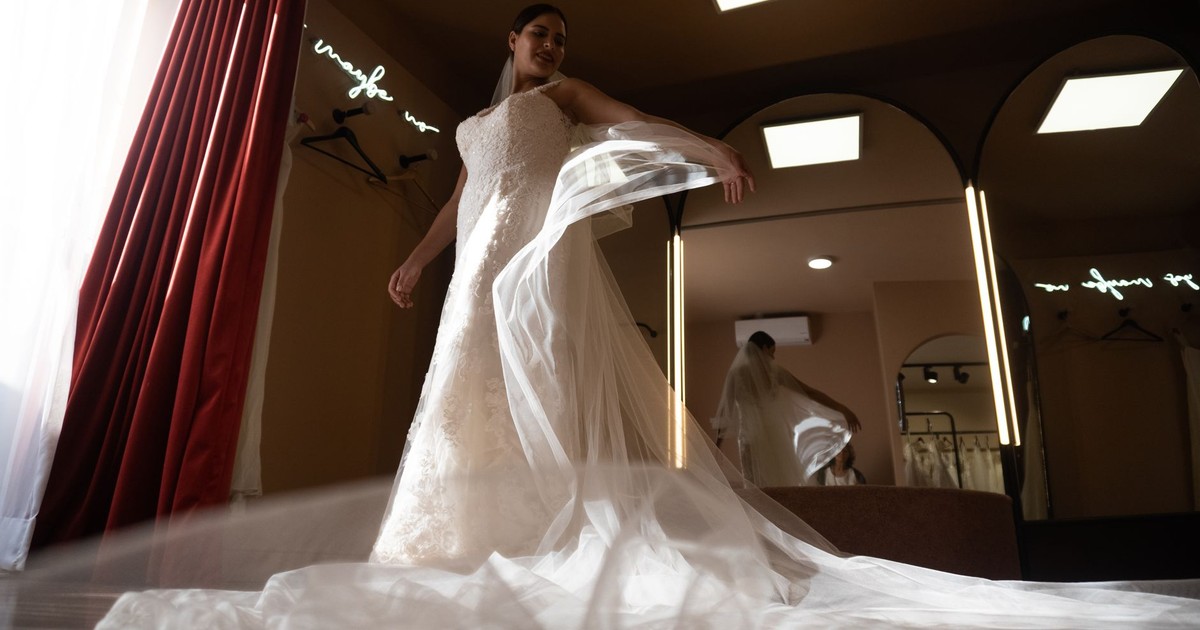
One woman described looking at the cost of a wedding and deciding, very simply, that she’d rather have a down payment. Which is not an unreasonable position. The average American wedding now costs tens of thousands of dollars, an outlay expected to mark the beginning of a shared financial life, which is a strange way to start anything. She wasn’t against love or commitment or celebrating something real. She was against staging an expensive performance of those things for people she’d see twice a year at most.
This is one of the cleaner breaks women make from the institution – not from partnership, but from the theater that surrounds it. The distinction matters because it’s often misread as anti-romance when it’s really anti-pageant.
She Watched Her Parents’ Marriage
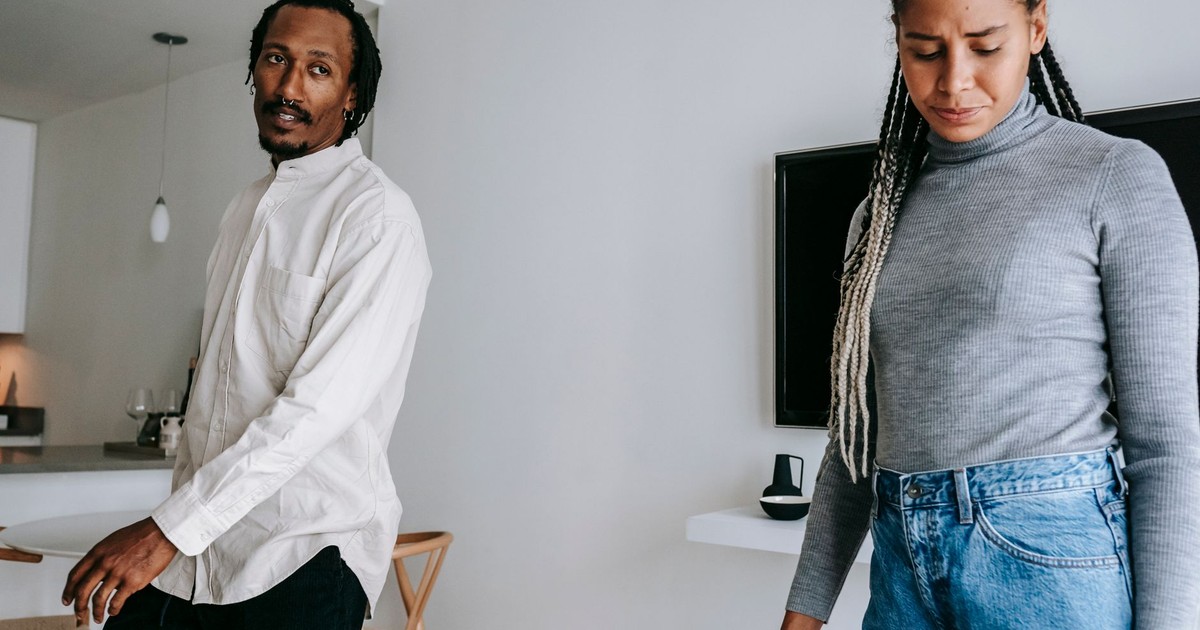
This one comes up repeatedly, and it’s worth taking seriously because it’s not just bitterness dressed up as analysis. Several women described watching a marriage up close – not a bad marriage, not necessarily, but a real one – and drawing conclusions. They saw what their mother absorbed silently at the dinner table, what she gave up without naming it a sacrifice, what the household looked like when it was organized around one person’s career trajectory and another person’s willingness to accommodate it.
Researchers at the University of Houston studying why women worldwide are opting out of marriage noted that anthropologist Alison Hannaford put it plainly: “Marriage has mostly not been a great situation for women historically and across the world, and they’re trying to find alternative solutions. As new opportunities open up for women to be full people without it, they’re opting for that.” The women who watched their mothers’ marriages weren’t being dramatic. They were doing research.
The Division of Labor Was Already Obvious
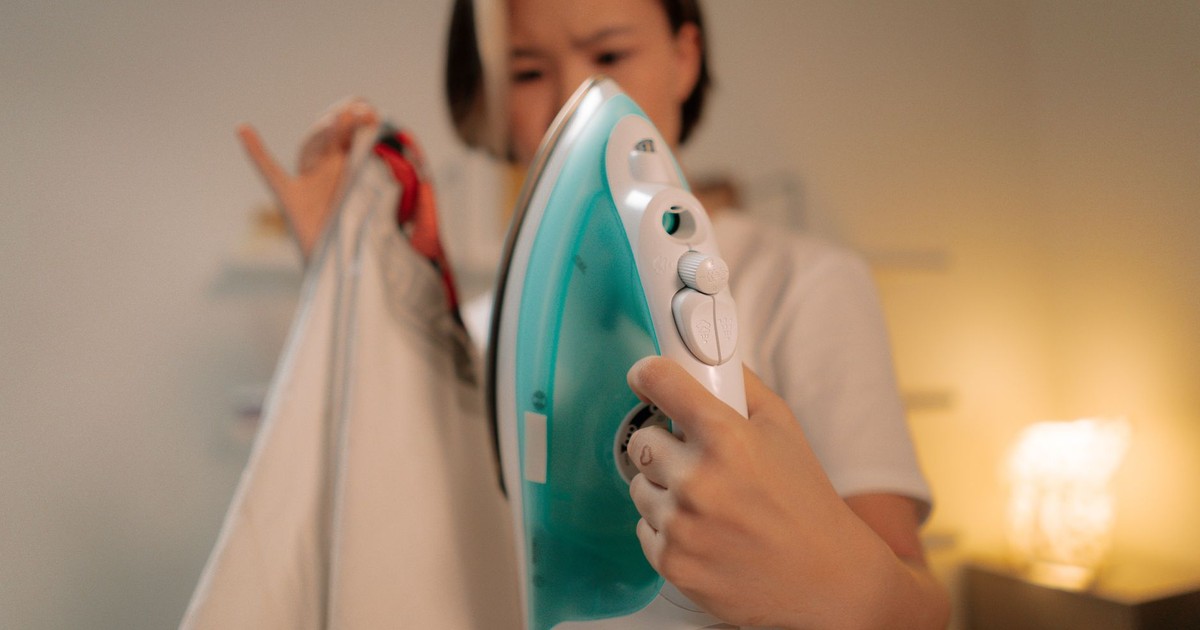
Some of the women in this group had lived with partners before and noticed something. Not dramatic betrayal, not cruelty – just the slow accumulation of tasks that seemed to transfer onto their plate the longer the relationship lasted. The cooking. The keeping track of whose birthday was coming. The remembering to buy the thing. The managing of the shared calendar that was technically shared but operated by one person.
Research from the Gender Equity Policy Institute (October 2024) found that getting married seems to exacerbate the household work burden on women: married women do substantially more household work than their single peers, while married men spend just a few minutes a day more than their single counterparts. Married women without children do 2.3 times as much household work as their male partners – 14.4 hours per week versus 6.2 hours.
There’s a whole article on this site about having a husband and housework that captures the same dynamic. The data isn’t new. The conclusions women are drawing from it are finally getting louder.
She Doesn’t Want to Compromise Her Career

This was stated plainly by more than one woman, with zero apology attached. They had built something, or were in the process of building something, and they had watched enough women in enough workplaces make accommodations – for a spouse’s job opportunity, for a relocation, for the unspoken expectation that the household would run more smoothly if someone dialed back – to know how those compromises tend to go.
Currently, 89% of the world’s population lives in a country with falling marriage rates, and career opportunity is consistently cited as one of the primary drivers. Researchers studying why women worldwide are opting out identified increasing career opportunities and independence as among the central reasons women are choosing not to marry. For a generation of women who outpace men in college graduation rates and have built financial lives that are theirs alone, the question “but what about marriage?” increasingly sounds like a question from a different era.
She’s Watched Too Many Divorces

Not a pessimist – a statistician with feelings. She’s attended the weddings and she’s attended, in spirit, the divorces. She’s seen the legal process described. She’s been present for the conversations about the house, the kids, the money, the years of life that become subject to mediation. She went to one friend’s wedding where the vows were genuinely beautiful and watched the same couple, eight years later, spend eighteen months in court figuring out who gets the dog.
Her reasoning isn’t that all marriages end badly. It’s that even the ones that don’t end sometimes transform into something that looks less like partnership and more like a merger gone sideways. She’d rather not take the risk. That’s not a character flaw. That’s a risk assessment.
She Already Has the Life She Wants

This is perhaps the most quietly radical thing any woman can say, and several of the women said it. They had friends, work they cared about, a living situation that suited them, the ability to make decisions without consulting anyone else, and a Saturday morning that belonged entirely to them. They weren’t waiting for something. They weren’t settling. They had simply looked at their own life and found it full.
A 2023 Pew Research Center survey of 5,073 US adults revealed that 48% of women said being married was not too or not at all important for a fulfilling life – up from 31% in 2019. And more than half of single women surveyed in a 2024 American Enterprise Institute study said they believed they were happier than their married counterparts. That’s not a statistic about sadness or deprivation. It’s a statement about what a good life looks like when women get to define it themselves.
She Values Her Independence Too Much

Related to the above, but distinct. Several women were specific about what independence meant to them in practice: her money, her space, her time, her decisions. Not having to negotiate the small things, and there are so many small things. Where to eat dinner. Whether to visit his family for Thanksgiving or hers. Whose name goes first on a lease. The accumulation of those negotiations was, to her, not the price of intimacy but a slow erosion of something she’d worked to build.
For women who have spent their adult lives making their own choices – financial, professional, personal – the prospect of having those choices filtered through a partnership carries genuine weight. The living apart together trend has emerged partly for this reason: couples who want connection without the full merger of their daily lives. Some women take that further and decide they prefer the independence on its own.
She’s Not Interested in the Legal Piece

Commitment, yes. A ceremony, possibly. A legally binding contract registered with the government that requires a lawyer to undo? Several women said they found the legal dimension of marriage not romantic but administrative, and not in a way they wanted to participate in. Love, to them, didn’t need a state certificate. A relationship that was working didn’t become more real because it had paperwork.
This isn’t a fringe position. The Wall Street Journal documented the phenomenon in a piece titled “American Women Are Giving Up on Marriage,” citing polling data showing that the share of women who said marriage was NOT important for a fulfilling life increased from 31 percent to 48 percent between 2019 and 2023. That’s not a marginal shift. That’s a 17-point swing in four years. The women who are done with the legal piece are not outliers. They’re the emerging majority.
She Doesn’t Want to Become Someone’s Caretaker

This one was said plainly, with a kind of preemptive self-defense that made sense the moment it was named. She’d seen what happened when husbands got sick, or aged, or simply stopped doing the emotional maintenance of a household. She’d watched women in her life – mothers, aunts, friends further along – absorb that labor quietly, indefinitely. She didn’t want to build a life structured around a role she hadn’t agreed to play.
Research notes that women are far more likely to file for divorce and report feeling happier after ending their marriages, which suggests the caretaking asymmetry isn’t just anecdotal – it’s felt, named, and eventually acted on, even by women who did marry. For this woman, the calculation happened earlier.
She Finds the Institution Itself Outdated

A few women went here, and they were precise about what they meant. Not that partnership was outdated. Not that love was outdated. But the specific legal and social structure of marriage – historically designed to transfer property and establish paternity, requiring a woman to change her legal identity, built on centuries of rules that benefited men and constrained women – they find it an odd structure to step into voluntarily in 2026. They’re not wrong about the history. For centuries, marriage functioned primarily as an economic and social institution: men were expected to earn income, women to manage the household and raise children, and in many places women had limited legal rights to property, employment, or financial independence. The structure has modernized. The residue of that history hasn’t entirely gone.
She Just Hasn’t Wanted To
The most honest answer, and maybe the most important one. Not every woman’s reasoning is a manifesto. Some of them looked at the question the same way they look at any other life decision – does this actually suit me? – and the answer kept coming back no, not particularly. Not because of trauma, not because of ideology, not because of a specific bad relationship. Just a genuine, clear-eyed preference.
Plausibly, one-third of men and women who turn 45 in 2050 will not have married, and for a meaningful portion of that group, the reason will be this simple: they didn’t want to. That is, by any reasonable measure, a complete answer.
What Doesn’t Need Explaining

None of these eleven women owe anyone a better reason than the ones they gave. The question “but why don’t you want to get married?” carries a built-in assumption – that marriage is the default and opting out requires justification – that doesn’t apply to any other major life decision. Nobody asks a married woman to defend why she wanted to merge her finances and legal identity with another person’s. The asymmetry there is its own kind of answer.
What these women are describing isn’t the absence of love or the rejection of commitment. It’s the refusal to accept that one specific institutional form of those things is the only legitimate container for them. That’s a different thing entirely, and it’s worth holding onto, especially if you’ve ever found yourself mid-conversation with a well-meaning relative trying to explain your own life back to you.
The honest conversation about women not getting married isn’t about marriage being good or bad. It’s about the fact that for the first time in recorded history, women have enough economic independence and legal protection that choosing marriage – or not – is a genuine choice. Some are choosing marriage. A growing number are choosing something else. Both are, at their core, the same exercise: figuring out what a full life looks like and building it.
Disclaimer: This information is not intended to be a substitute for professional medical advice, diagnosis, or treatment and is for information only. Always seek the advice of your physician or another qualified health provider with any questions about your medical condition and/or current medication. Do not disregard professional medical advice or delay seeking advice or treatment because of something you have read here.
AI Disclaimer: This article was created with the assistance of AI tools and reviewed by a human editor.