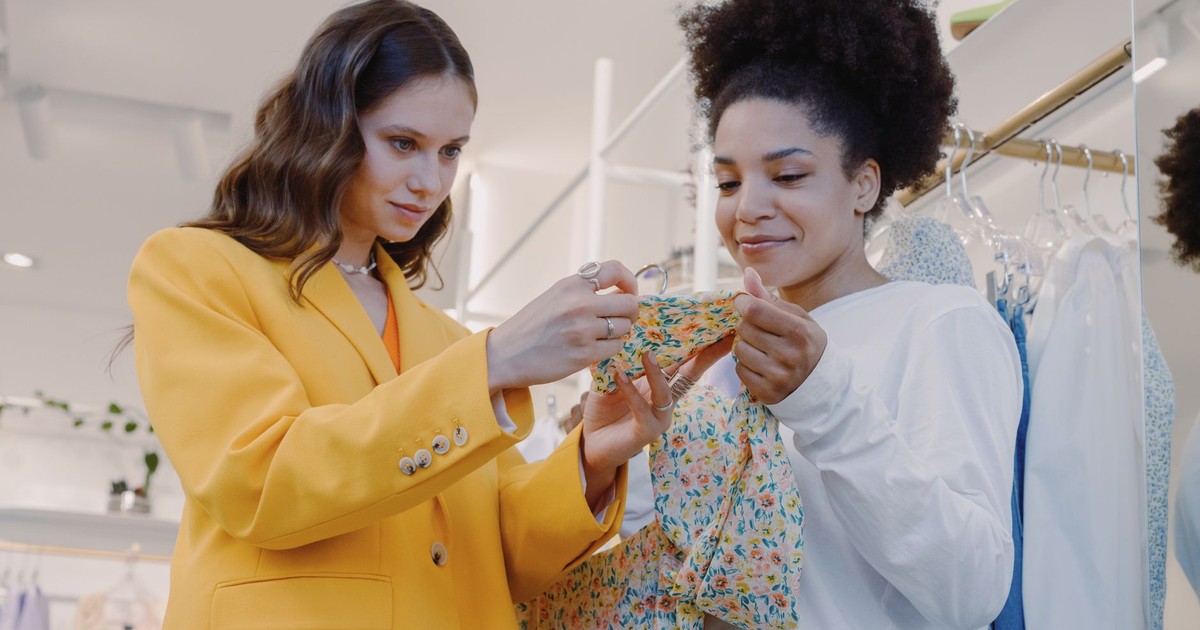

Nobody ever says it out loud. The look lasts maybe a half-second, and then you both move on. But something passed between you, a quick visual assessment delivered and received, the kind that women have been conducting on each other since clothes became a social currency. It happens at school drop-off, in the office elevator, at a friend’s birthday dinner. You do it. The woman next to you does it. Everyone does it, and everyone pretends they don’t.
Women fashion judgment rarely has anything to do with cruelty. It is not about wanting someone to feel bad. Clothes function as communication, as shorthand for taste, effort, affiliation, and aspiration, the specific kind of social positioning nobody taught you but that you learned before you were old enough to name it. We read outfits the way we read faces: fast, reflexively, and with a level of interpretation that would embarrass us if we said it out loud.
This list is not a guide to dressing better so other women will approve of you. It is an honest accounting of the items that have become the most loaded in the unspoken code, the pieces that reliably trigger a second look, a recalibration, a private conversation among friends on the ride home. Some of them are fair. Some of them absolutely are not. All of them are real.
1. Logomania Handbags
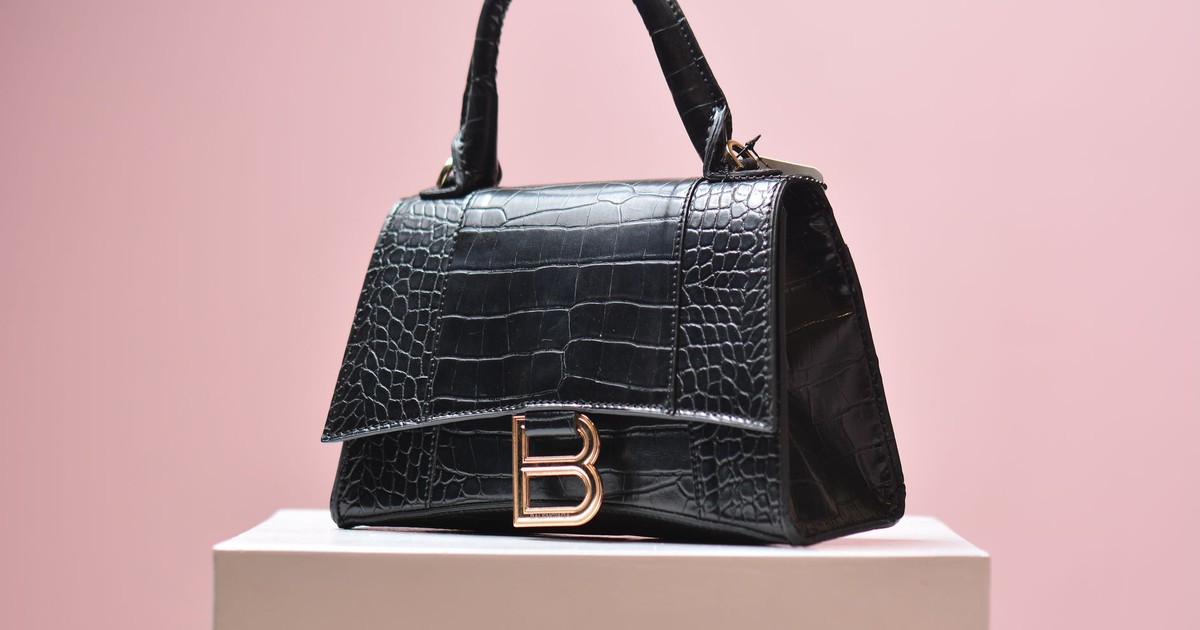
The oversized monogram has never really gone away, but what it communicates has shifted considerably. There was a time when a bag covered in interlocking initials meant you had made it. Now it reads differently depending on which letters they are, how the rest of the outfit is assembled, and whether the hardware is the right color. Women who care about fashion have developed a surprisingly sophisticated internal taxonomy for this.
The bag that causes the most internal commentary is not the obviously fake one, though that has its own separate category. It is the real one worn in a way that announces its own expensiveness too aggressively. A head-to-toe logo outfit in a setting where that level of dressing makes no contextual sense gets noticed, and not in the way the wearer likely intended. The judgment is not about money. It is about whether the person seems to be communicating the price tag rather than the piece.
At the other end of the spectrum, the quiet brand, the one with a logo so small it requires reading glasses, has become its own form of status signaling. Nothing gets away with quite as much as an understated leather bag with a barely-visible folio stamp, and the women who have clocked that particular move are acutely aware of exactly how much it costs.
2. Athleisure Worn Everywhere, All the Time

Leggings and a performance jacket at school pickup: fine. The same outfit at a sit-down dinner where everyone else is in something with a button: a choice the table will discuss on the way home. Athleisure judgment is less about the clothes themselves and more about the context in which they appear, and the question underneath the observation is almost always about effort, specifically whether the person made any.
A 2023 study published in Body Image found that apparel segments which emphasize the value of women’s bodies are particularly effective at triggering appearance comparison, and that activewear ranked as the second-most popular clothing category women browse after casualwear. The social reading of athleisure is happening on at least two levels simultaneously: the outfit itself and the body wearing it, which is perhaps why the judgment around this category carries more weight than it should.
In February 2025, Nike and SKIMS announced NikeSKIMS, a new brand merging Nike’s performance technology with SKIMS’ focus on fit and inclusivity for women athletes. The launch landed in a cultural moment where the difference between a $30 legging and a $200 one has become genuinely legible to a certain kind of shopper. Women notice which brand the legging is, notice the fabric, notice whether the seams are what they should be.
3. The Statement Sneaker
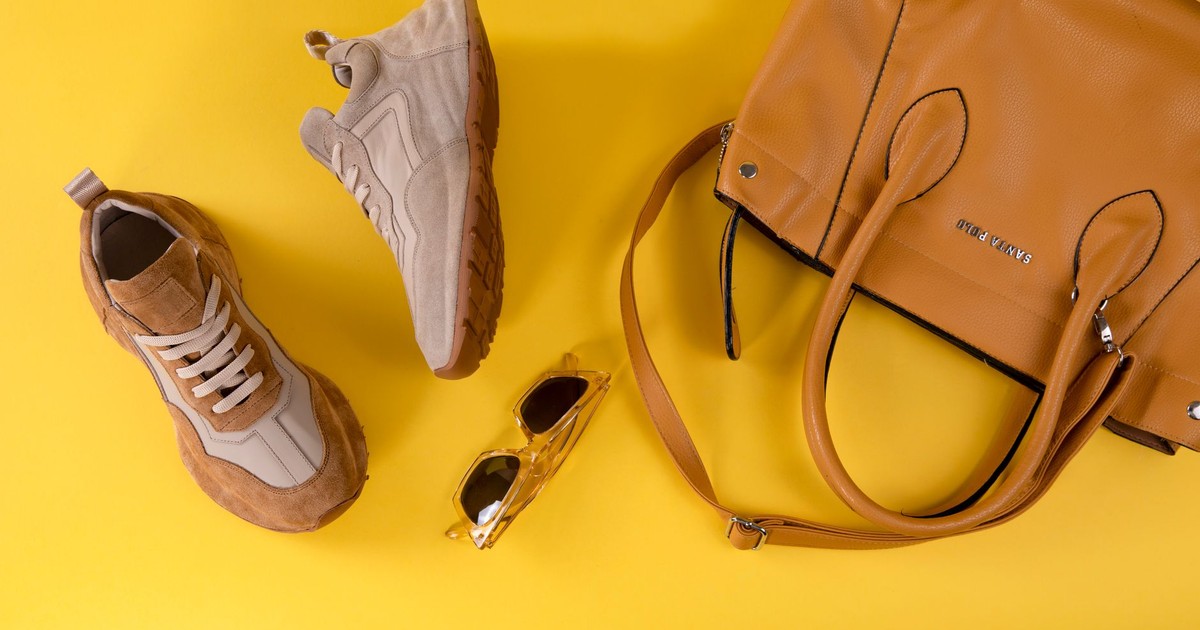
Sneakers on women used to be straightforward. Now they are a whole conversation. Few trends arrived as fast or as comprehensively as the Adidas Samba in recent years – once it reached the so-called “It girl” circle, there was no stopping it until it was on every celebrity and content creator around. Which is precisely when women who had been wearing them before the wave started moving on to something else. The life cycle of a trendy sneaker is almost mathematical: discovery, adoption, ubiquity, abandonment by early adopters, continued wear by everyone else.
The sneaker that gets the most active judgment is not the out-of-date one. The out-of-date sneaker barely registers. What registers is the one that is aggressively, conspicuously of-the-moment in a way that signals the wearer checked a list somewhere before buying. There is a specific look reserved for the woman wearing the sneaker that was on every “top trends” roundup from three months ago, assembled with the other two items from the same roundup. The look is not mean. It is just.. a look.
The sneaker that escapes judgment is always the one that feels like it belongs to the person wearing it. An old pair of New Balance in the right shade, worn with an outfit that makes no reference to any current trend, reads as style. Fashion has always been more lenient with items that appear to be loved rather than purchased.
4. Fast Fashion in Nice-Clothes Contexts

Wearing something inexpensive is not the thing that gets noticed. Most women of ordinary means wear something inexpensive, and everyone quietly knows it. The judgment kicks in when the item is recognizably from a specific fast fashion retailer, identifiable because it appeared in the same exact version on three different people in the same month, and is being worn in a context where it is doing a lot of work it was not built for.
A polyester blazer that loses its shape by 3pm reads a certain way in a job interview. A dress with a distinctive pattern that went viral on social media and was available in seventeen color variants for $28 reads a certain way at a wedding. The judgment is partly about the clothes, partly about context, and partly about the slightly uncomfortable awareness that most of us have bought things from the same places and just happened not to wear them to this particular event.
Thrifted and secondhand clothing, which might objectively be of lower quality than a new fast fashion piece, carries no social penalty at all. It carries a small social premium in certain circles, because the story attached to it is better. A thrifted vintage blazer that cost eight dollars forgives every fabric shortcoming. Fashion judgment has always been about narrative as much as quality.
5. The Visible Shapewear Layer
Shapewear is everywhere and has been for years, which has created an interesting split in how it reads. Wearing it is not the issue. Wearing it in a way that it is clearly visible through or above the outer garment has become one of the most commented-on fashion observations among women. The rolled waistband visible above the top of a dress. The mid-thigh hemline that ends right where the shapewear begins. The pale beige panel peeking through a slit skirt.
The observation is not unkind, exactly. Every woman in the room knows what shapewear is, has worn it herself, and completely understands the tradeoff. The judgment is really more of a recognition than a condemnation. It is the fashion equivalent of someone’s tag being out: you notice it, you feel a small sympathetic wince, you do not say anything. The conversation happens later, usually in hushed tones, almost always accompanied by “she looked great though.”
Women who pay close attention to clothing can now distinguish between different brands of shapewear by visible panel placement. This is not knowledge anyone was trying to acquire. It accumulated the way all fashion knowledge does, one observation at a time, over years of paying close attention without realizing that’s what you were doing.
6. Mismatched Formality Levels

This is possibly the most pervasive form of women fashion judgment — a pattern that Secret Life of Mom identifies among the core dressing rules women internalize — and also the hardest to explain to someone who doesn’t already feel it. Formality mismatch – a sequined top with athletic shoes, a ballgown-worthy bag on a Monday morning, business formal shoes below weekend-casual jeans – registers as a specific kind of discord in people who think about clothes. It is not that any individual item is wrong. It is that the items are not speaking to each other.
The formality-mismatch judgment is interesting because intentional rule-breaking and accidental rule-breaking look completely different despite being technically the same thing. A woman who clearly knows what she is doing when she pairs a vintage tuxedo jacket with a ratty rock band tee reads as cool. A woman who clearly does not know what she is doing when she pairs the same items reads as someone who got dressed in a hurry. The clothes are identical. The legibility of intention is everything. Women who think about fashion are reading for intention constantly, mostly without realizing it.
7. Heavily Branded “Quiet Luxury” Items
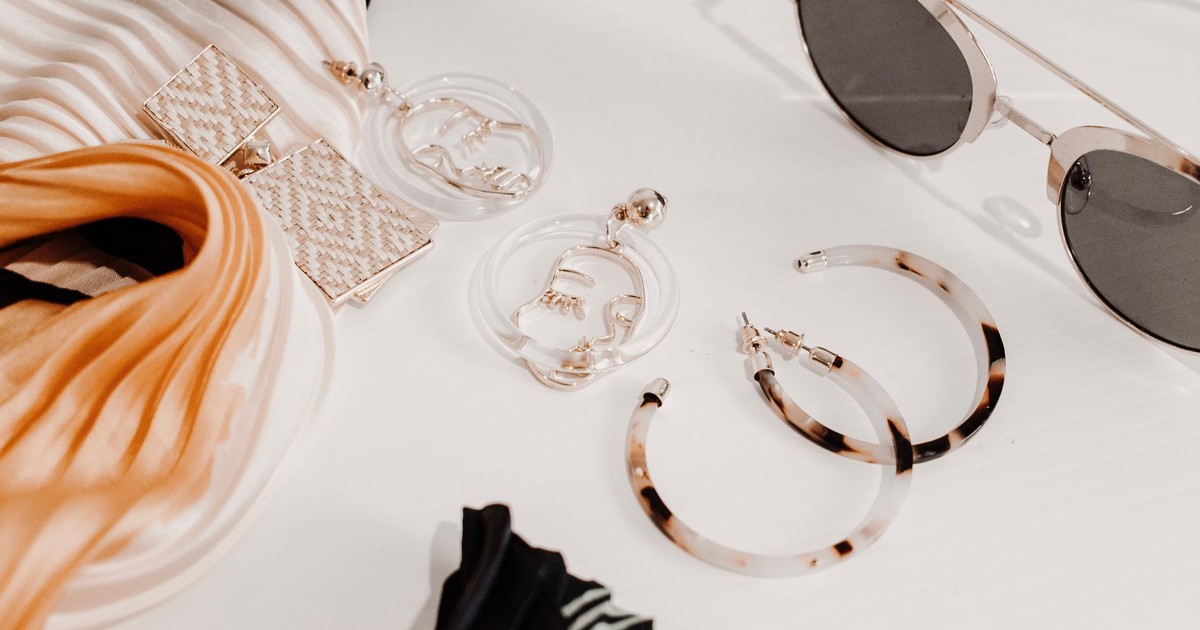
The great irony of the quiet luxury trend that peaked a few years ago is that it quickly became its own form of conspicuous consumption, just with a different vocabulary. A $900 cashmere sweater in oatmeal with no visible branding was supposed to say “I don’t need to tell you.” But once the aesthetic became recognizable enough to have a name, and once it spread far enough that the whole look became identifiable as a category, it stopped being quiet about anything.
The version that generates the most commentary now is the very earnest, very assembled quiet luxury outfit. Every item is technically correct. The palette is muted. The fabrics are expensive-looking. The shoes are pointy in the right way. But the overall effect is of someone who followed instructions, which is the one thing that quiet luxury was specifically designed to avoid looking like. The judgment here is never really about money. A well-assembled outfit from mid-priced stores that feels genuinely personal will out-read a $4,000 ensemble every time.
The shift currently underway is away from quiet luxury as an aspirational end point. Individuality is back, and with it the explicit acknowledgment that following a trend, even an expensive and tasteful one, is still following a trend.
Read More: 15+ Fashion Mistakes Men Don’t Realize They’re Making When Getting Dressed
The Thing Nobody Says Directly
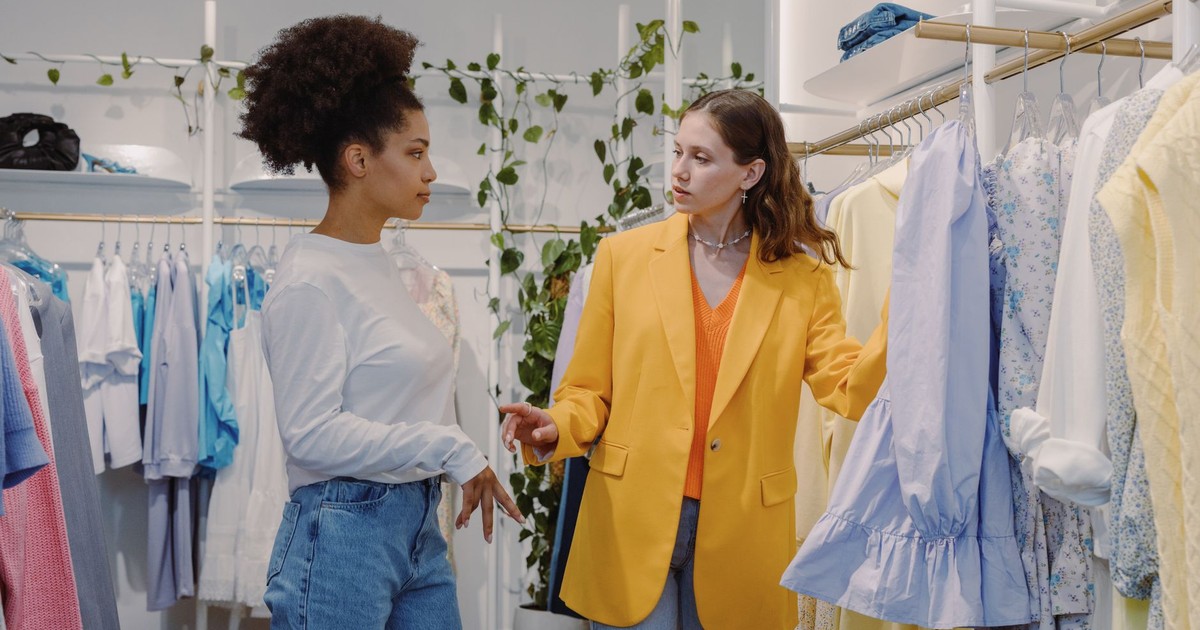
Every item on this list generates judgment for the same reason: it invites a question about what the wearer is communicating, intentionally or not. Women read clothes as text. The handbag, the sneaker, the rolled-up shapewear waistband, each one is a sentence in a language that nobody formally learned and that everybody speaks anyway.
The judgment almost never comes from cruelty. It comes from attention. Women who pay close attention to clothing notice things. The noticing happens, the thoughts follow, and whether those thoughts get voiced, to the person, to a friend, to yourself on the drive home, is a different matter entirely. Most of the time they don’t, because most women also know what it feels like to be on the receiving end of a look that lasted half a second too long.
Stopping the noticing is impossible. Dressing for an imagined jury is exhausting. Some of these patterns run deeper than any single outfit, touching on what it means to be looked at, to be read, to be sorted and assessed by people who are themselves being sorted and assessed. That sits right underneath every half-second look.
AI Disclaimer: This article was created with the assistance of AI tools and reviewed by a human editor.