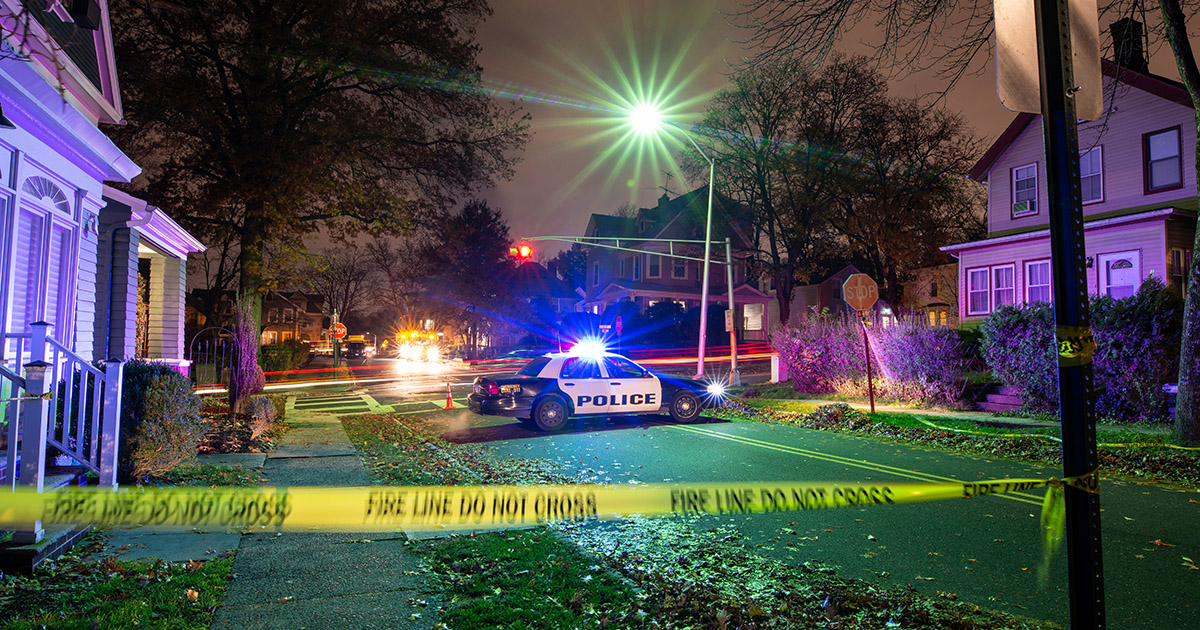

Phyllis Pena was returning home from a trip to the store around 7 a.m. on January 31 when she saw a man looking directly into her 15-year-old daughter’s bedroom window. Her daughter was not even in the room at the time, but the man took off as soon as he spotted Pena, who immediately called the police. What happened next was captured in full on a police dashcam.
Responding officers spotted a man matching the suspect’s description nearby, but he took off running, straight in the direction of Pena’s home, where she was standing in the front yard. The suspect, later identified as 19-year-old Zane Hawkins, turned and ran directly toward Pena, who moved in and made the tackle. The dashcam caught the whole thing: a mother on her front lawn, zero hesitation.
Pena and her daughter then reportedly helped hold down the suspect until officers detained him. She tackled him, and then her daughter came out to help pin him down.
What the Police Said – and What the Dashcam Showed
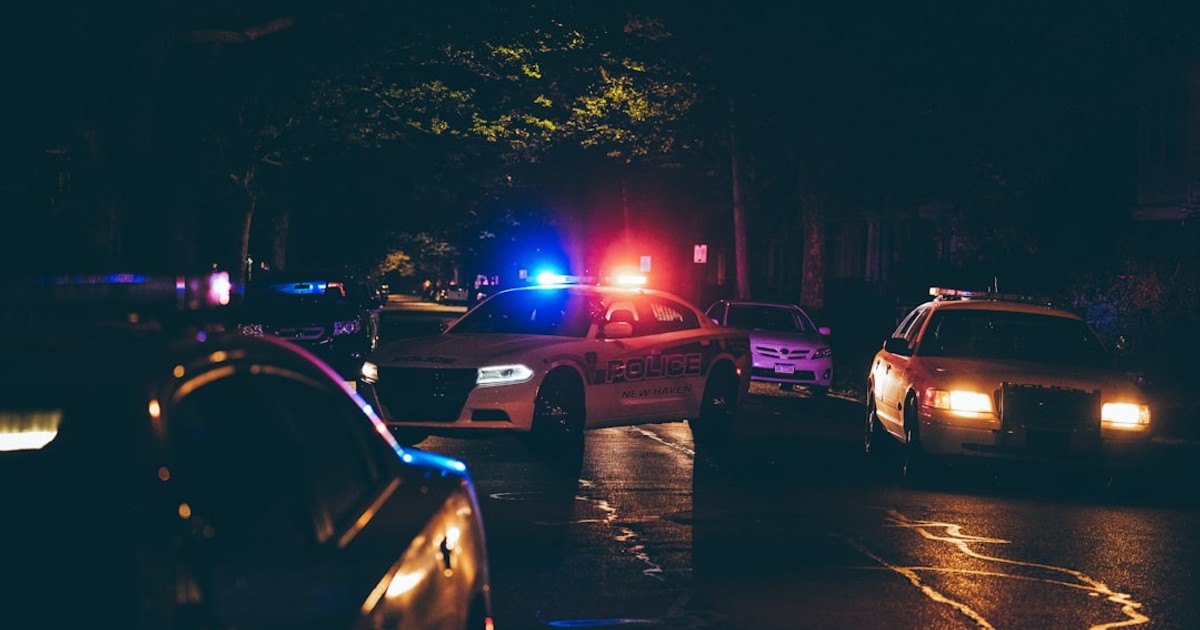
According to NBC News, Pena told KPRC, the NBC affiliate in Houston, that she had returned from the store when she saw Hawkins at her daughter’s window and called police after he ran off. CBS News reports that a police dashcam caught the moment Pena tackled the man who was allegedly outside her home, with Pena explaining her thinking: “I figured at least I could do, if I got him down, tripped him up, whatever, then they’d have a chance to get caught up.” Her first instinct, she said, was “just to make sure he didn’t go any further.”
Lake Jackson Police Sgt. Roy Welch said, “It’s not very often that we have somebody that actually steps in, puts themself in harm’s way to assist in apprehending somebody.” Pena recalled afterward that “the cop fist bumped me and he was like, ‘Hey, so I heard the Texans are looking for a new linebacker.'” Hawkins was booked into the Lake Jackson Police Department Jail on charges of possession of a controlled substance, evading arrest, and resisting arrest, with the potential for additional charges.
What the Law Says About Peeping
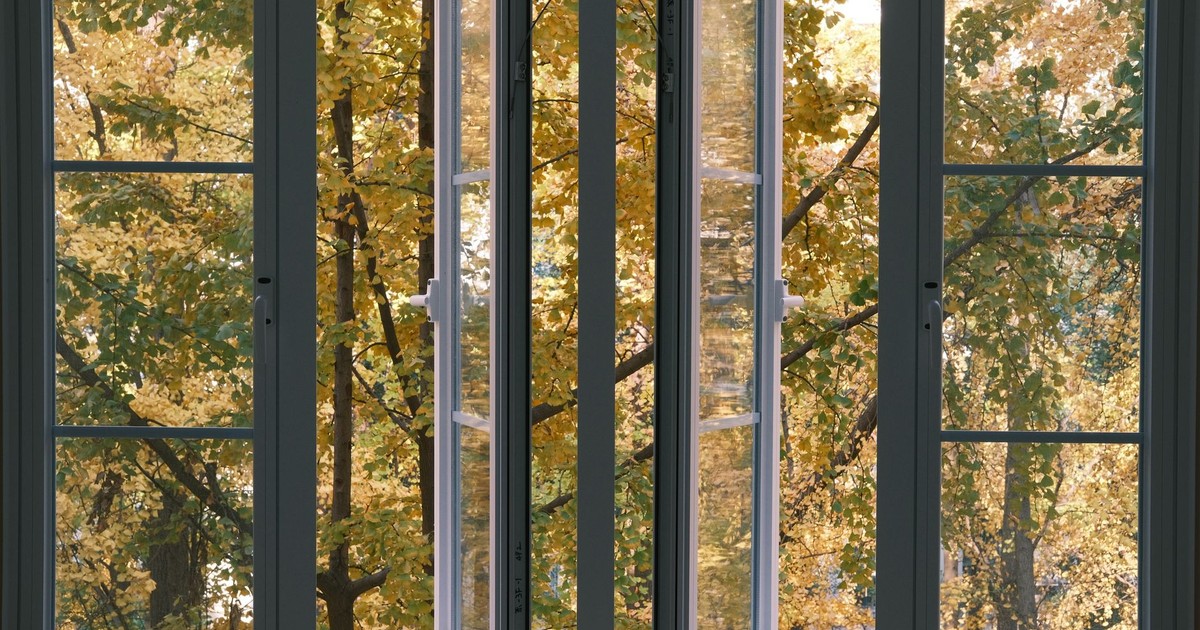
Texas criminalized voyeurism as its own offense in 2015. Before that, people caught peering into private homes were typically charged with disorderly conduct. Under Texas Penal Code Section 21.17, a person commits an offense if they observe another person without consent while that person is in a dwelling in which they have a reasonable expectation of privacy. The 2025 amendments raised the base classification to a Class A misdemeanor and added new penalty enhancements.
The charge escalates to a state jail felony if the actor has a prior conviction under the statute, if the victim was younger than 18 at the time of the offense, or if the offense was committed on the premises of a postsecondary educational institution. Pena’s daughter was 15, which means the voyeurism charge alone, if it had been pursued, would have reached state jail felony level under the age threshold. The Texas legislature updated the law in 2023 to clarify that observing through electronic means, including drones or hidden cameras, also constitutes an offense under the statute. The 2025 amendments built on that change by raising both the baseline penalty and the number of circumstances that trigger felony-level charges.
The difference between how violating this experience is for a family and how the legal system classifies it on paper is considerable. Most mothers do not need a law professor to tell them that someone lurking at their child’s window at 7 a.m. is not a misdemeanor-level event in any emotional sense. Prevention is the thing that actually works while the law catches up.
What Actually Keeps Someone From Seeing In
The easiest entry point for window peeping prevention is also the most overlooked: what someone can see from your front yard at any hour of the day or night. Turn on your interior lights, go outside, and find out whether someone can see in. Most people have never done this.
One-way reflective window films are popular for daytime privacy, but they do not work at night. In daylight, sunlight is brighter than indoor light and the film creates a mirrored effect. At night, indoor lighting reverses that effect, allowing people to see clearly inside. The film installed because someone felt watched during the day gives zero protection at 7 a.m. when a light is on inside and the sun is barely up.
Combining window film with curtains or blinds provides around-the-clock privacy. Blackout window film turns windows into solid opaque surfaces and is considered ideal for bedrooms. First-floor bedrooms, particularly those belonging to children, are more susceptible to unwanted attention, and replacing a clear glass window with a privacy window removes the direct line of sight entirely.
The Yard, the Shrubs, and the Things Nobody Checks

Tall, unmanaged shrubs directly under windows are not a privacy feature. They are cover. The same goes for unlighted corners between a fence and the side of the house, areas that read as enclosed and private to the homeowner and as concealed and useful to someone who should not be there.
Security professionals recommend inspecting your home from the exterior during both daytime and nighttime hours, assessing areas where someone might conceal themselves or approach without being seen. From the inside, the house looks like home. From the outside at 2 a.m., it can look like an opportunity.
Exterior lighting connected to motion sensors is one of the more practical deterrents available. Keeping exterior lights on at night makes it more difficult for a would-be peeper to see inside and makes anyone attempting to look in significantly more visible. People who intend to go unseen do not want to be illuminated. Motion-activated lights require no changes to your landscaping and cost less than a night out.
The Neighbor Factor and the Camera Question
Phyllis Pena called the police the moment she saw Hawkins run. That call, made from her own front yard, brought officers into her neighborhood fast enough to intercept him. Some parts of that sequence can be approximated.
Asking neighbors to watch for suspicious activity is a practical measure. They can identify anyone spending unusual amounts of time near the property or attempting to look in windows. Neighbors who know to look are categorically different from neighbors who are passively present.
Outdoor security cameras aimed at the perimeter of the house, particularly at ground-floor bedroom windows, create a record and function as a visible deterrent. A camera housing mounted outside a window is something most people would notice before committing to standing in front of it. The dashcam that captured Pena’s tackle was a police vehicle’s, but the footage existed because there was a camera pointed at the right place. Home cameras serve the same purpose before officers arrive.
For parents of teens, there is also the life-saving tips for women conversation worth having: oversharing location and daily routines on social media is how strangers learn when a teenager is home alone, which bedroom is theirs, and what the house looks like from the street.
The Conversation That Comes After

Pena’s daughter was not in the room when Hawkins was at her window, but she knew he had been there. She came outside and helped hold him down. That is a 15-year-old who processed something genuinely frightening and acted. It is also a 15-year-old who now knows that someone stood outside her bedroom looking in.
What parents tend to underestimate is how much that knowledge changes a person’s relationship to their own room. A bedroom is supposed to be the one place in the house where you do not have to think about being watched. When that assumption is broken, it takes a long time to rebuild.
Read More: The Meaning Behind Different Colored Porch Lights
What Pena Got Right That Most People Won’t

Phyllis Pena did several things correctly before she ever left her feet. She called the police immediately. She stayed outside where she could see what was happening. She did not go looking for the suspect before officers arrived. The tackle itself was instinct, and it worked. Sgt. Welch was careful to note that stepping in to physically apprehend a suspect carries real risk, and that is worth taking seriously even in a story with a good outcome.
The less cinematic version of this story is still worth thinking through. The window in your child’s bedroom: does it have a covering that actually works at night? Do the lights come on when someone walks across the side yard? Does your neighbor know to text you if they see a strange car parked on the street for the third day in a row? Window peeping prevention is almost entirely boring, right up until it isn’t.
Pena got her fist bump. She earned it. But the story that does not make the news, the one where nothing happened because nobody could see in, the motion light scared someone off, and a neighbor noticed the same unfamiliar figure twice, is the goal. It just does not come with dashcam footage.
AI Disclaimer: This article was created with the assistance of AI tools and reviewed by a human editor.