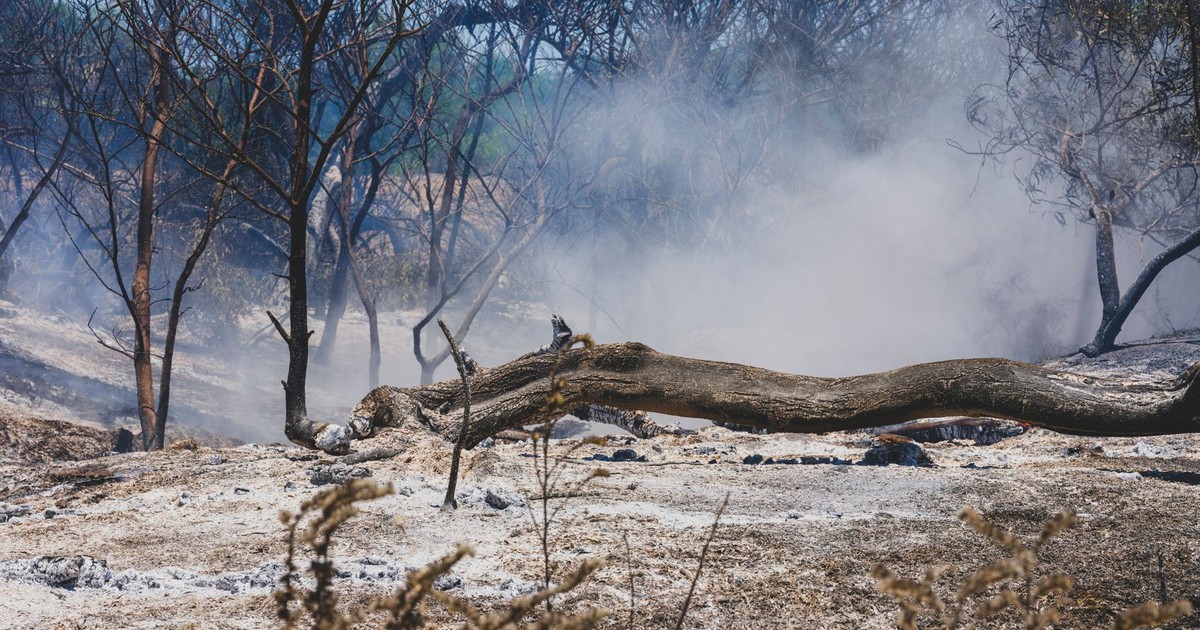

Wildfire smoke doesn’t need to be close to cause problems in your garden. Smoke travels hundreds or even thousands of miles from its source, degrading air quality across entire regions, which means a fire burning in one state can be actively affecting someone’s vegetable patch three time zones away. Most gardeners know something is off when the sky turns hazy and the light goes flat, but very few know what’s actually happening at the leaf level, or whether it matters as much as it looks like it does.
Plants are more resilient than we give them credit for. That resilience has limits, and those limits depend heavily on how long the smoke sticks around, what phase of growth the plants are in, and which plants you’re dealing with in the first place.
Here’s what the science actually says about wildfire smoke and your garden, broken down into the effects that matter most, from the ones you can see to the ones happening at the cellular level.
Smoke Reduces the Sunlight Your Plants Can Use
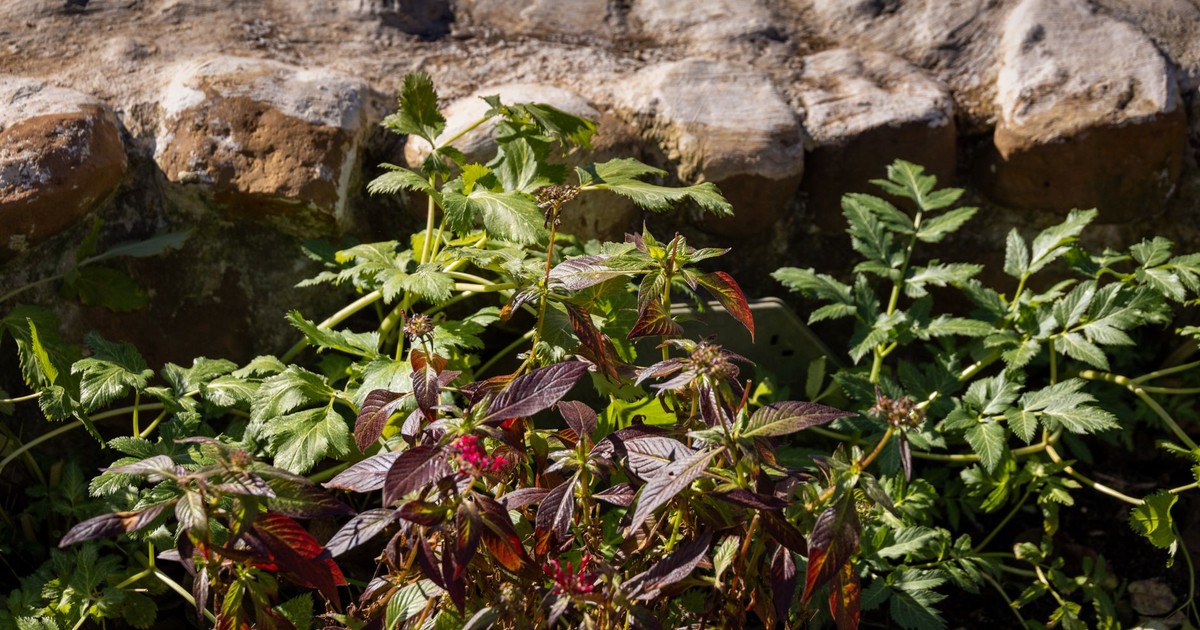
The most obvious effect of wildfire smoke in the atmosphere is a reduction in total solar radiation. Much like a hazy cloud cover, smoke reflects a portion of incoming sunlight, reducing the amount of light available to plants. For a garden that’s already fighting heat stress in summer, losing even a fraction of its light supply puts another straw on the camel’s back.
Ample sunlight is critical for maximizing plant photosynthesis and crop yield, and lower than normal solar radiation during grain fill can be detrimental. For home gardeners, this translates most visibly in fruiting plants – tomatoes, peppers, squash – that need sustained light energy to push fruit from flower to table. A few smoky days mid-season won’t ruin a harvest, but an extended stretch of heavy smoke during the critical weeks when fruit is setting can slow everything down.
The effect varies by plant type. Sun-loving annuals feel it more acutely than shade-tolerant perennials, which were already adapted to lower light conditions. If you’ve got a garden bed that sits partly in dappled shade anyway, it’s going to handle a smoky week better than the raised bed in full southern exposure you planted specifically for maximum sun.
Ash Buildup on Leaves Blocks the Tiny Pores Plants Breathe Through

Wildfire smoke does more than reduce visibility. After several days, it can leave behind a thin layer of ash on leaves, stems, and flowers that interferes with the plant’s normal functions. Ash buildup on leaves blocks the stomata – the tiny pores that allow plants to exchange gases and regulate water loss.
Think of stomata as the plant’s equivalent of nostrils. When they get clogged, the plant can’t take in carbon dioxide efficiently, can’t regulate its temperature properly, and starts to operate under a kind of low-grade suffocation. Tiny particulate matter can get into the plant and block openings that plants use to take in carbon dioxide and release oxygen. Plants can begin to choke and could suffer or be killed if the buildup is severe enough and prolonged.
The fix, fortunately, is simple. You can wipe down leaves that are coated in ash or dust. Do not water plants from above, as the water makes the ash stick – always water at the soil level. A gentle rinse from below, or a soft damp cloth on larger leaves, can make a real difference when smoke has been lingering for days.
Ground-Level Ozone From Smoke Damages Plant Tissue
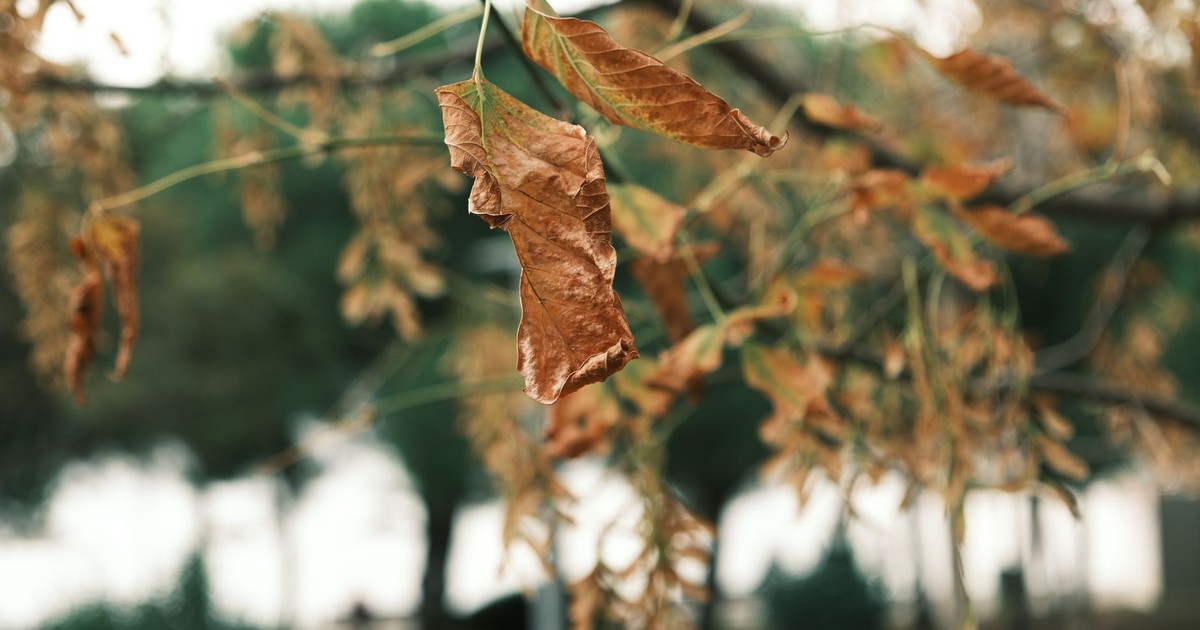
The same smoke event that dims your sky is also generating ozone at ground level, and that ozone is actively corrosive to plant tissue. Ozone formation, while beneficial in the upper atmosphere, is very damaging to plants at ground level. As ozone enters the leaf, this highly reactive form of oxygen interferes with photosynthesis and damages plant tissue on a cellular level, increasing the rate of senescence – it speeds up the aging and breakdown process in leaves.
Toxic gases present in smoke, such as nitrous oxide, sulfur dioxide, and ozone, can enter plants through their stomata and cause damage to plant tissues. Bayer Crop Science reports that ozone can burn or oxidize tissues in sensitive plants. If you’ve noticed strange pale spots or a papery, bleached look on leaves after a smoky stretch, ozone injury is a plausible culprit – one that’s easy to misread as a watering problem or a fungal issue.
The injury tends to appear on the upper surface of older leaves first, since those are the ones most exposed to incoming air. Young growth, still tucked closer to the stem, is often less affected. It’s not a reason to panic, but it’s worth watching, especially in years when fire season overlaps with the peak of the growing season.
There’s a Surprising Upside: Diffused Light Can Actually Help
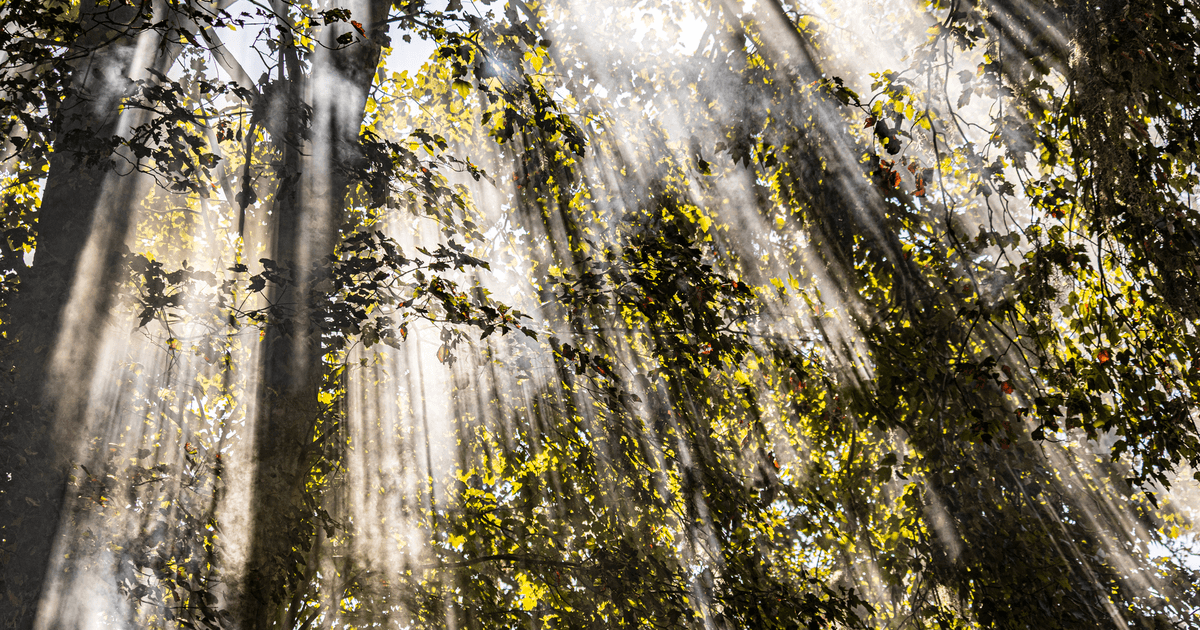
A study published in the Journal of Geophysical Research found that smoky conditions nearly doubled the light use efficiency of crops like corn and alfalfa, because smoke scattered incoming sunlight rather than simply blocking it.
Smoke scatters the sun’s energy, allowing it to penetrate more deeply into plant canopies than direct sunlight can manage on its own. Direct sunlight is actually a blunt instrument for plant canopies – it floods the top leaves while the lower canopy sits in shadow. Diffused, scattered light reaches more of the plant, more evenly. When light is scattered and direct sunlight is reduced, this can also lower leaf surface temperatures, which can benefit crops under drought stress. Lower leaf temperatures can reduce the amount of transpiration needed to cool the plant and reduce overall water stress.
This benefit is real, but it has a ceiling. Some plants benefit from diffused sunlight, as the smoke creates a softer, filtered light. However, prolonged exposure can block too much sunlight, slowing plant growth or causing stress. The scattering benefit applies to light smoke, not the heavy orange-sky variety that has people checking their AQI apps every hour.
Smoke Disrupts the Bees Your Garden Depends On
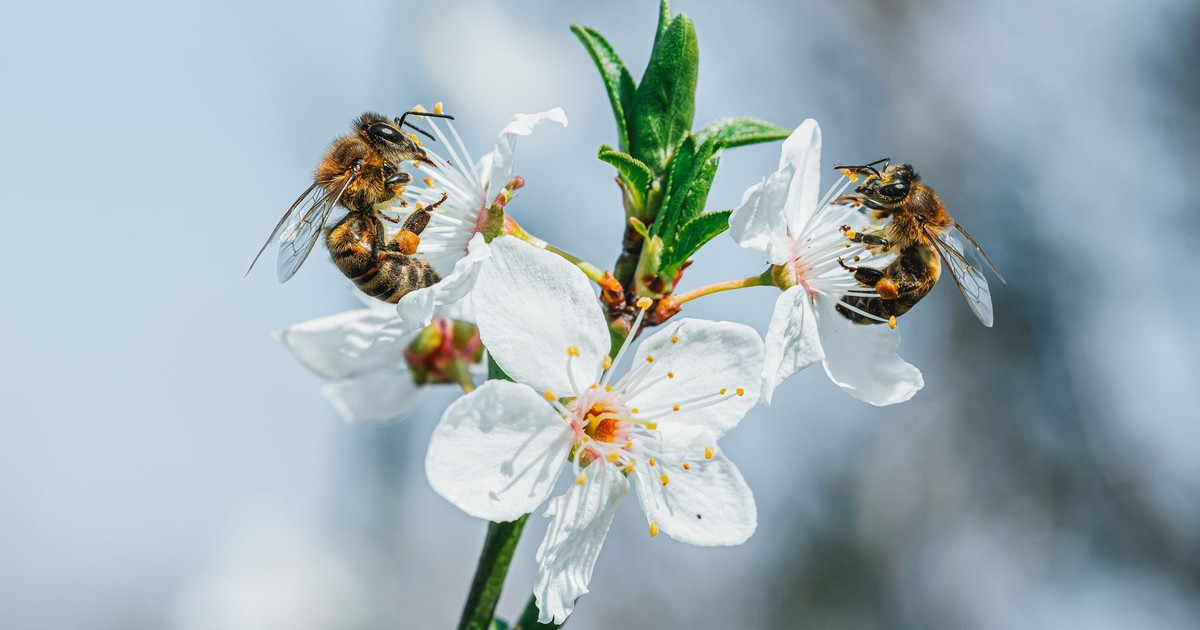
A garden mid-summer without pollinators isn’t a functioning garden – it’s just a collection of plants that look busy but aren’t getting much done. Michigan State University entomologist Zachary Huang found that hazy conditions disrupt bee behavior during a critical time for pollination, potentially impacting the fall harvest.
According to the U.S. Department of Agriculture, 35% of the world’s food crops depend on animal pollinators to reproduce, but wildfire smoke is making their work much harder by disrupting their ability to navigate and communicate. Bees use visual landmarks and chemical signals to navigate; smoke interferes with both. When bees retreat to their hives on smoky days, the plants they’d normally visit don’t get pollinated – and no amount of healthy soil or careful watering compensates for that gap. Squash, cucumbers, and fruiting beans are especially vulnerable, since they rely on active pollination to set fruit rather than self-pollinating quietly on their own.
The disruption is temporary in most cases, and bee populations rebound as air quality improves. But if the smoky stretch overlaps with peak bloom time for your fruiting plants, the timing matters more than the duration.
Your Vegetables Are Still Safe to Eat
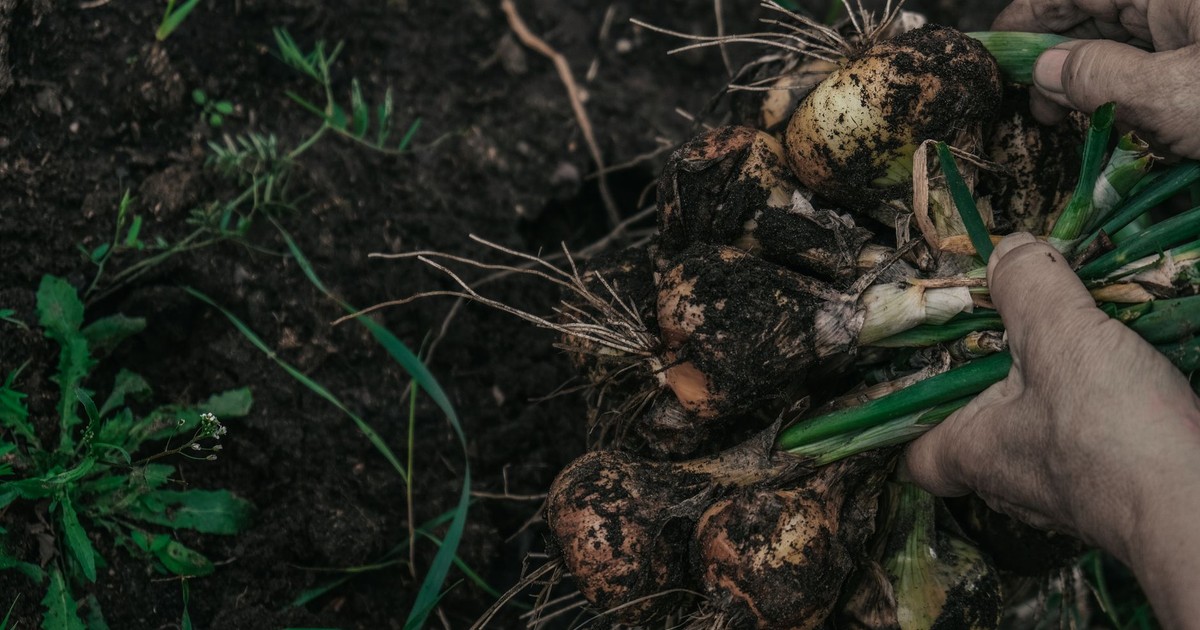
Steve Reiners, a horticulture professor at Cornell University, wrote plainly during the 2023 Canadian wildfire smoke events that concerns about leafy greens picking up a smoky flavor or volatile chemicals are unwarranted, and that research done in California after wildfires showed leafy greens had no issues with flavor or chemicals on or within the leaves.
A 2020 California study examined 200 samples of greens – collard greens, lettuces, kale, and chard – exposed to wildfire smoke and ash. The study found no detectable levels of lead, arsenic, mercury, or chromium in any of the samples. That said, basic produce hygiene still applies: wash everything before eating, which you were presumably doing anyway.
Exposure to wildfire smoke can affect the flavor of certain crops like wine grapes, giving them a smoky taste – a well-documented problem in wine regions hit by smoke during harvest. For home vegetable gardeners, though, that level of flavor transfer doesn’t appear to be a meaningful concern. Your lettuce is not going to taste like a campfire.
Ash in the Soil Actually Adds Nutrients – Up to a Point
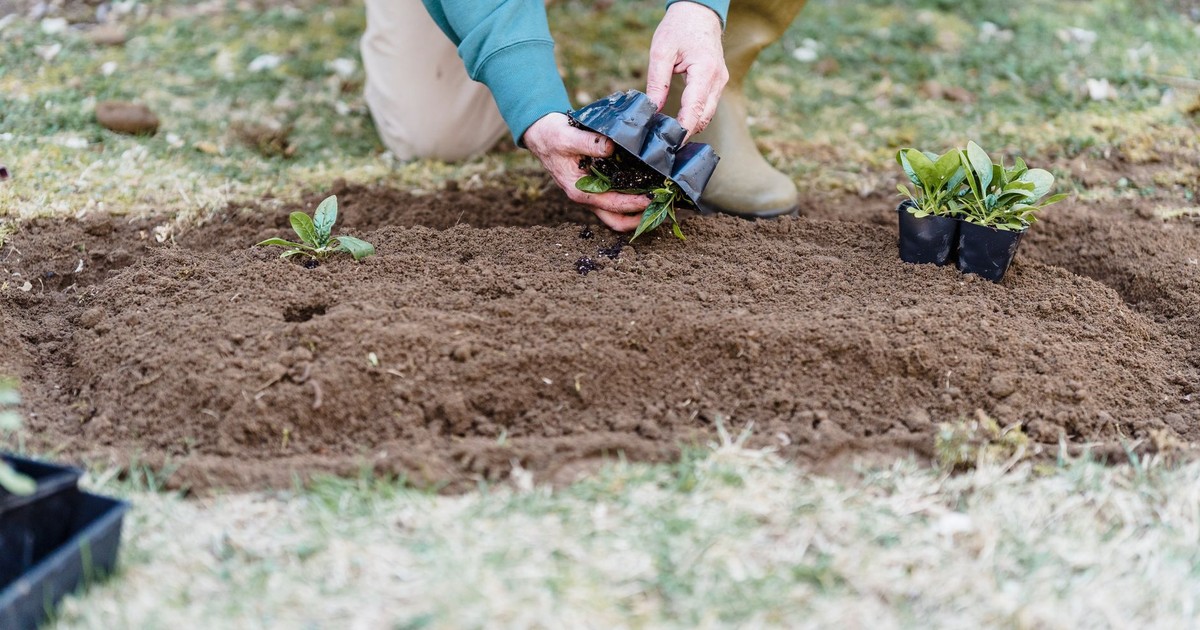
The white powder coating your garden beds after a heavy smoke event is not just a cosmetic nuisance. Wood ash from wildfires contains loads of potassium, phosphorous, calcium, and other minerals. For a soil that was already low in those nutrients, a modest deposit of ash can be a genuine benefit.
The ash adds organic nutrients to the soil, such as calcium, potassium, and magnesium. Even some cultivated garden vegetables appreciate the nutrient boost, including lettuce, asparagus, leeks, garlic, and chives, as well as stone fruit like peaches and plums. The catch is that too much ash raises the soil pH, pushing it toward alkaline – which most vegetable gardens don’t want. If you’re seeing a heavy accumulation after a prolonged smoke season, it’s worth testing your soil before adding anything else that could push the pH further.
If there is just a bit of ash covering the garden, you can work it into the soil so the plants can take advantage of the nutrients. A light dusting can simply be left to integrate naturally through rain and watering. A thick layer is worth raking up and testing rather than immediately incorporating wholesale.
Some Plants Are More Vulnerable Than Others

Not every plant in your garden responds to smoke the same way. Corn is generally more sensitive than soybean to reduced solar radiation during reproductive and grain fill growth stages. At the home garden scale, the same logic applies across plant families: plants that are in an energy-intensive phase of development – actively flowering, setting fruit, or filling out roots – are more susceptible to smoke stress than plants that are in a holding pattern.
Sensitive vegetables like cucumbers, watermelons, beans, and potatoes are particularly prone to ozone injury. Established perennials, shrubs, and trees generally handle a smoky stretch better than annual vegetables mid-season. Smoke contains fine particles and chemicals that can interfere with normal plant functions. Even when damage appears minor, smoke exposure can slow a plant’s metabolism, making it more susceptible to pests, disease, or stressors like drought. A plant that looked fine during a smoke event might be running on lower reserves than usual, making it easier for aphids or fungal problems to take hold in the weeks after.
If you’re gardening in a region where smoke seasons are now a regular summer feature, it’s worth factoring plant vulnerability into what you grow and when. A smoke event during the last two weeks of July matters very differently depending on whether your tomatoes are setting fruit or your garlic is already cured and out of the ground.
Read More: Create a Mosquito-Free Zone in Your Backyard with These 9 Plants
What You Can Actually Do About It
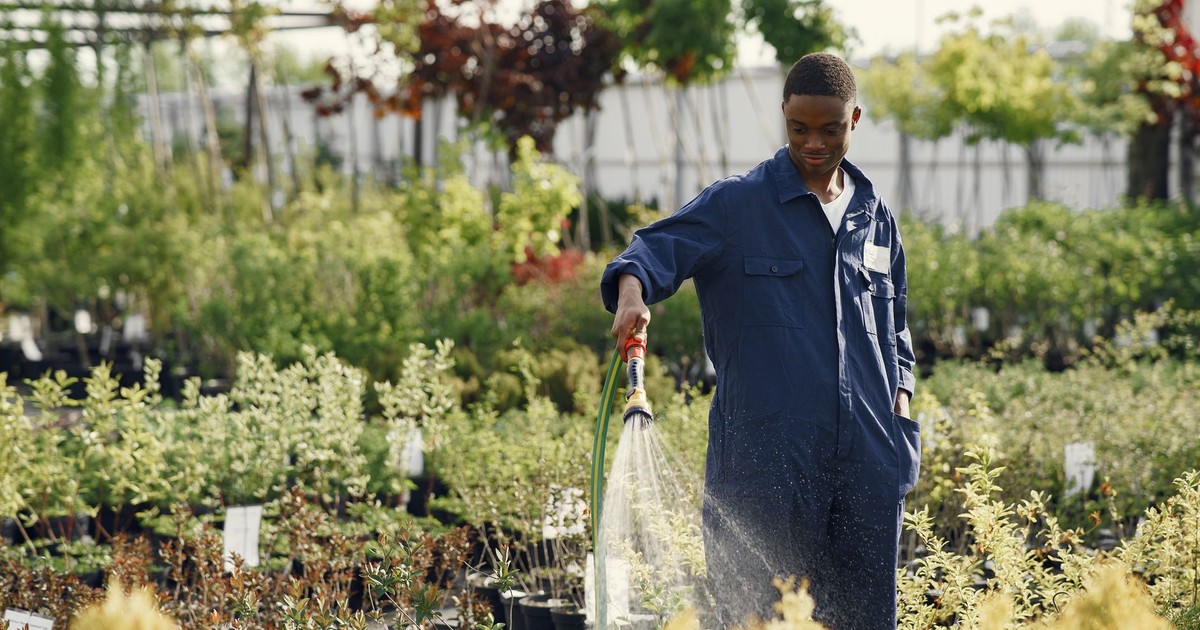
Most of the protective steps are low-effort, and some of the damage – particularly ozone injury and pollination gaps – isn’t something you can fully prevent, only manage around the edges.
Keep the soil consistently moist during smoky stretches. The most important thing you can do is maintain good soil moisture by optimizing irrigation – this will keep the pores open and clean. Moist soil supports root health, keeps the plant’s own cooling system working, and helps it push through the stress of reduced light and increased air pollution at once. Wipe down or gently rinse ash off leaves, always watering from below rather than overhead. And if you have fruiting plants at peak bloom during a bad smoke event, hand-pollination with a small paintbrush is a real option – tedious, yes, but effective when your usual pollinators have gone quiet.
The Honest Middle Ground
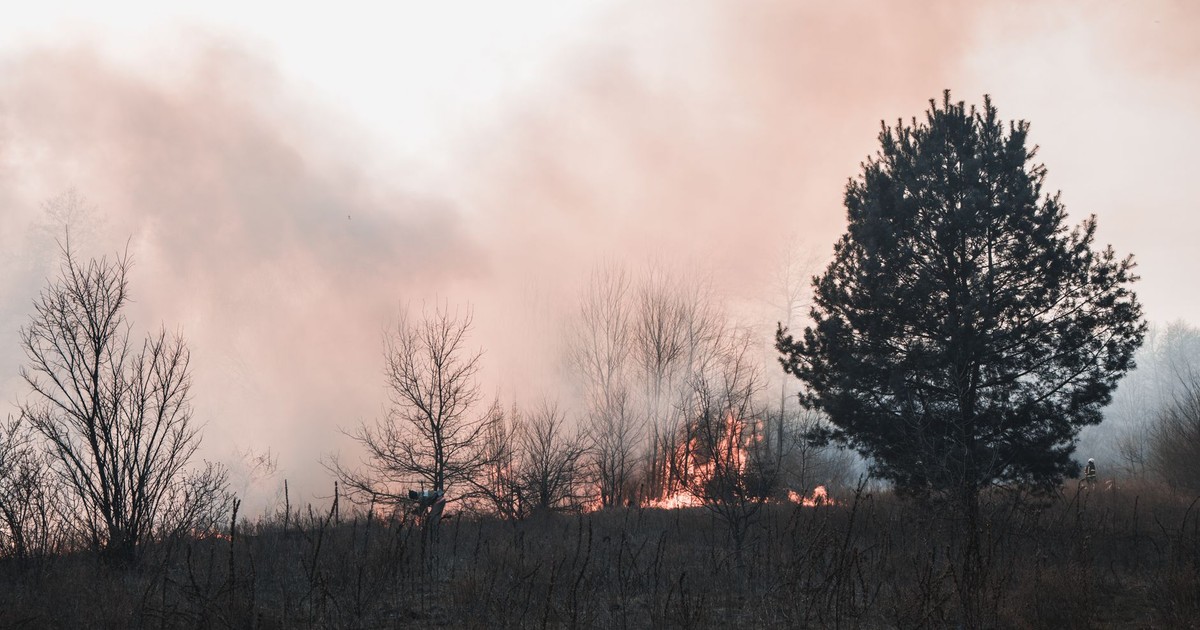
Most wildfire smoke plants encounter will not cause immediate, catastrophic damage. The threat is real enough to take seriously and manageable enough not to panic over. A few smoky days mid-season, a garden that was healthy going in, consistent watering, and a quick wipe-down of ash-coated leaves: that combination covers most of what you can actually control.
What the research makes clear is that smoke’s effects stack. Reduced light, ground-level ozone, clogged stomata, and fewer pollinators all happening at once during the same two-week window is a different situation than any one of those factors in isolation. The plants in your garden can feel the effects of smoke, and if it lingers for several days, the growth and overall health of some plants will begin to suffer. Not catastrophic, not harmless, and worth paying closer attention to the longer the season runs.
Disclaimer: This information is not intended to be a substitute for professional medical advice, diagnosis, or treatment and is for information only. Always seek the advice of your physician or another qualified health provider with any questions about your medical condition and/or current medication. Do not disregard professional medical advice or delay seeking advice or treatment because of something you have read here.
AI Disclaimer: This article was created with the assistance of AI tools and reviewed by a human editor.