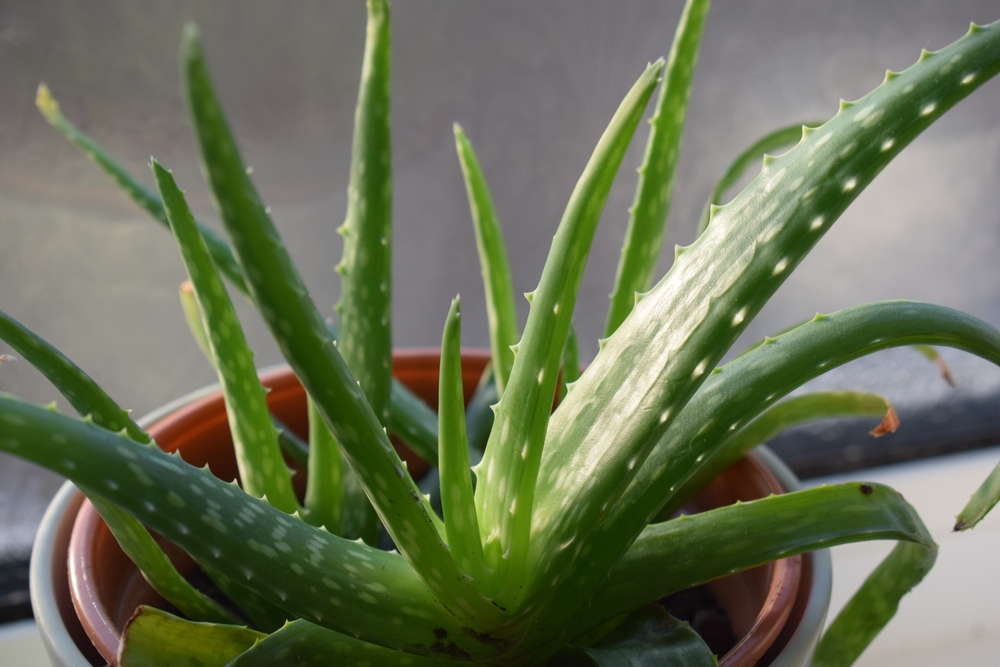

Aloe vera has been used as a natural remedy across at least six continents for more than 3,500 years – and modern science is still catching up to everything it can do. Records of its medicinal use stretch back to 1500 BC, with evidence of its application in ancient Greece, China, and Mexico. Today, the plant shows up in everything from drugstore burn gels to high-end face serums, but its reach goes well beyond skin care. This article breaks down 10 documented ways aloe vera interacts with the human body, based on clinical research and peer-reviewed findings – along with an honest look at what the evidence actually supports.
Before getting into the specifics, it helps to understand what aloe vera actually is. The plant – formally known as Aloe barbadensis – is a thick, short-stemmed succulent that stores water in its fleshy leaves. Those leaves contain two medically relevant substances: a clear inner gel and a yellow latex layer that sits just beneath the outer skin. They have very different properties, and as you’ll see below, the safety profile of each one is not the same.
Aloe vera contains 75 potentially active compounds, including vitamins A (beta-carotene), C, E, B12, folic acid, and choline. It also provides calcium, chromium, copper, selenium, magnesium, manganese, potassium, sodium, and zinc. That nutritional range is part of why aloe vera health benefits have attracted serious scientific interest – and why the research keeps growing.
1. Accelerated Healing of Burns and Surface Wounds
Ask most people what they know about aloe vera and burns will come up within seconds. That reputation is well earned. Clinical research suggests that applying aloe gel topically may speed burn healing and reduce burn-related pain. The mechanism behind this is better understood than many people realise.
Glucomannan, a mannose-rich compound, and gibberellin, a growth hormone, interact with growth factor receptors in the skin’s fibroblast cells, stimulating their activity and significantly increasing collagen production when aloe vera is applied topically or taken orally. In plain terms: aloe encourages the skin to build the structural protein it needs to close a wound faster. A review of experimental studies found that aloe vera could reduce the healing time of burns by around 9 days compared with conventional medication. That is not a small gap.
Putting aloe gel on first- and second-degree burns and wounds may speed healing, though there’s not enough proof yet to know if aloe gel helps sunburns heal. It’s worth approaching the research with that nuance in mind – strong evidence for burns, still inconclusive for other wound types.
2. Skin Hydration and Anti-Aging Effects
One reason aloe vera shows up in so many moisturizers is structural. The gel extracted from aloe vera leaves contains a high percentage of water, which helps hydrate the skin and prevent excessive fluid loss – a moisture-retentive property that is crucial for maintaining skin integrity and promoting healing, especially in dry or damaged tissues.
Beyond basic hydration, there is early clinical evidence that aloe vera may help slow visible skin aging. A study published in the Annals of Dermatology by researchers at Yonsei University in Korea found that aloe vera gel supplementation clinically improved facial wrinkles and skin elasticity while increasing type I procollagen gene expression in the skin. Procollagen is the building block of collagen – the protein that keeps skin firm. When its production goes up, skin tends to look and feel younger over time. The study did have limitations, including a lack of a control group, so these findings should be taken as promising rather than definitive.
There is also preliminary evidence to suggest that topical aloe vera gel can slow some signs of skin aging. The aloe vera skin benefits in this area are real, but they build gradually – this is not an overnight fix.
3. Dental and Oral Health
Tooth decay and gum disease are very common health problems, and one of the most effective ways to prevent them is to reduce the buildup of plaque – the bacterial film that forms on teeth. Aloe vera, it turns out, may be a surprisingly capable tool for that job.
In a study of 152 school children aged 8 to 14 years, researchers compared an aloe vera mouthwash with the standard ingredient chlorhexidine. After four weeks, the aloe vera mouth rinse decreased plaque, gingivitis, and levels of Streptococcus mutans – a plaque-producing bacterium – making it comparable to chlorhexidine. That last detail matters. Chlorhexidine is the gold standard of antiseptic mouthwashes, so matching its performance using a plant extract is a meaningful result.
Studies have also shown that aloe vera treatment can accelerate the healing of mouth ulcers. A 2022 review of nine randomised controlled trials concluded that aloe vera treatment heals mouth ulcers better than other interventions and offers a shorter healing time. If you or your kids are prone to canker sores, that finding is worth remembering.
4. Digestive Comfort and Gut Function
Aloe vera has a long folk history as a digestive aid, and researchers have been working to find out how much of that reputation holds up. The answer is: some of it, with caveats. Gastroesophageal reflux disease (GERD) is a condition where stomach acid travels up into the esophagus and causes heartburn. Aloe vera may help by lowering inflammation in the esophagus and reducing stomach acid – and one early study suggested that aloe vera syrup worked as well as reflux medications like ranitidine and omeprazole, but with fewer side effects.
For irritable bowel syndrome (IBS), the picture is more cautious but still interesting. Research from 2018 found that aloe vera can help support digestive health in people with digestive issues, and a 2021 analysis of two randomized double-blind controlled studies also found that aloe vera extract helped support gut health in people with bowel issues. These were controlled trials, which makes them more reliable than anecdote alone.
A 2004 randomized, double-blind, placebo-controlled study found that oral intake of aloe vera gel – 100 mL twice daily for four weeks – safely induced clinical remission and clinical improvement in outpatients with ulcerative colitis, a condition directly associated with compromised intestinal barrier function. Larger, longer-term trials are still needed to confirm these findings, but the direction of the evidence is encouraging.
5. Blood Sugar Management
This is one of the more researched areas of aloe vera health benefits, and also one where the evidence carries the clearest caveat. Some studies show that aloe vera juice may help lower blood sugar levels in people with diabetes and prediabetes. Researchers say substances in aloe vera may repair damaged cells in the pancreas that produce insulin, and aloe might also help the body’s cells respond better to insulin.
A 2021 review concluded there is moderate to high quality evidence supporting the effects of aloe vera in patients with prediabetes or type 2 diabetes. However, the quality of the existing studies is not ideal, and scientists do not currently recommend using aloe vera specifically for this purpose. The honest framing here is that the signal is there, but the research needs to mature before aloe vera replaces or supplements prescribed diabetes management. Aloe vera can lower blood glucose levels, which may enhance the effects of anti-diabetic medications – raising the concern that blood sugar could drop too low if not monitored properly. Anyone managing diabetes should talk to their doctor before adding aloe vera to their routine.
6. Anti-Inflammatory Properties

Inflammation is the body’s natural response to injury or infection – but when it becomes chronic, it drives a long list of health problems, from joint pain to heart disease. Anthraquinones, flavonoids, polysaccharides, and other bioactive substances found in aloe vera exhibit significant anti-inflammatory, antioxidant, antibacterial, and immune-modulating effects.
One specific compound, bradykinase, helps reduce excessive inflammation when applied to the skin topically, while other enzymes assist in the breakdown of sugars and fats. At the cellular level, aloe vera essentially tells the inflammatory response to dial it back – which is why it’s effective across so many different conditions that share inflammation as a root cause.
Traditionally recognized for its anti-inflammatory and antimicrobial effects – which are very important in wound healing – aloe vera relies on its polysaccharides to confer immunomodulatory, antioxidant, and tissue-regenerative properties. Much of this research is still based on lab and animal studies, so translating it directly to human outcomes requires care, but the underlying biological mechanism is well established.
7. Antibacterial and Antiviral Action
Aloe vera is known for its antibacterial, antiviral, and antiseptic properties. This is part of why it may help heal wounds and treat skin problems. Aloe vera inhibits the growth of different bacteria, with the most studied being Staphylococcus aureus and Pseudomonas aeruginosa – two common culprits in skin infections.
Aloe vera provides 12 anthraquinones – phenolic compounds that have traditionally been used as laxatives, but aloin and emodin among them also act as analgesics, antibacterial agents, and antivirals. These natural aloe vera remedies for infection have been documented in conditions ranging from genital herpes to oral ulcers.
Beyond the skin, aloe extract cream might ease symptoms of mild to moderate psoriasis, though you may need to use it several times a day for a month or more before seeing improvement. For topical antibacterial use on minor cuts, scrapes, or skin irritation, the evidence is solid enough that aloe vera remains one of the most commonly recommended plant-based options.
8. Immune System Support
Research on aloe vera juice has revealed benefits on internal human physiology, potentially assisting in digestion, reducing symptoms of irritable bowel syndrome, and enhancing immune response. The immune connection is linked specifically to acemannan, a polysaccharide found in the inner gel.
Research has shown that compounds in aloe vera can enhance immune responses, which may influence the efficacy of immunosuppressive drugs used in conditions such as autoimmune diseases or organ transplantation. That last point is a reason for caution as much as optimism – people on immunosuppressive medication should check with their doctor before taking aloe vera internally, since it may work against those drugs’ intended effects.
For generally healthy people, the immune-supportive effects of aloe vera appear to come from its antioxidant vitamins and its polysaccharide content, which together help the body manage free radical damage (unstable molecules that can damage cells over time) and maintain a balanced immune response.
9. Skin Condition Management: Acne, Psoriasis, and More
When it comes to aloe vera skin benefits for specific conditions, the research covers more ground than most people expect. Research suggests that using aloe gel with the prescription acne medicine tretinoin might work better than tretinoin alone. This makes aloe a practical complement to an existing skincare routine rather than a standalone cure.
In the cosmetics field, aloe vera has documented effects in whitening, sun protection, antioxidant activity, anti-aging, and moisturizing. In treating skin conditions specifically, it has shown effects in managing common acne, skin itching, skin ulcers, and radiation dermatitis. The anti-pigmentation properties of aloe are particularly interesting: aloe vera extract can form a membrane on the epidermis that reduces UV damage to the skin, and research has found that aloe vera extract can inhibit the enzyme tyrosinase – the key enzyme that triggers melanin (pigment) production in the skin.
For anyone dealing with psoriasis – a chronic skin condition involving inflamed, scaly patches – the National Center for Complementary and Integrative Health notes that topical aloe gel use is likely safe, and early trials show promise, though consistent long-term results are still being studied.
10. Hair and Scalp Health

Aloe vera plant uses for hair have been documented in traditional medicine across South Asia, the Middle East, and the Americas for centuries. The science behind it is increasingly coherent. The gel’s high water content delivers direct hydration to a dry scalp, while its enzymes help remove dead skin cells that can clog hair follicles. Salicylic acid in aloe vera possesses anti-inflammatory and antibacterial properties, while lignin – an inert structural compound – enhances the penetrative effect of other active ingredients into the skin when aloe is used in topical preparations. That penetration-boosting effect is one reason aloe vera works well as a carrier in hair masks and scalp treatments.
The anti-fungal properties that have been studied in relation to aloe vera’s antibacterial action may also support a healthier scalp environment. Dandruff, in many cases, has a fungal component – and a scalp regularly soothed with aloe vera gel may experience fewer of those flare-ups. Research specifically on aloe vera for hair growth and scalp health in controlled human trials is still limited, so these benefits should be understood as plausible and supported by mechanism, even if large-scale clinical proof is still catching up.
Read More: 10+ Foods Most Likely to Be Contaminated with Microplastics
A Few Things to Know Before You Start
Knowing what aloe vera benefits for skin, hair, and digestion look like in practice is useful, but so is knowing the boundaries. The National Center for Complementary and Integrative Health says that topical use is likely safe. Internal use is a different story – specifically when it comes to aloe latex, the yellow layer beneath the leaf skin.
Taking 1 gram a day of aloe latex for a few days can cause kidney damage and might be fatal. That is not a scare tactic – it’s in the Mayo Clinic’s published guidance on aloe vera. The gel from the inner leaf, which is what most commercial aloe vera juice products use, has a much better safety record. A 2023 review of animal and laboratory studies on inner leaf gel extract and decolorized whole leaf extract used in commercially available food-grade drinkable products found that these products were not genotoxic.
Aloe in gel, latex, or whole leaf extract form taken by mouth may be unsafe during pregnancy and while breastfeeding, so if you’re considering it, consult your health care provider first. Similarly, if you take any regular medications, checking in with your doctor is wise before starting a daily aloe vera routine – some interactions have been documented, particularly with heart medications and blood thinners.
What This Means for You
So, what should you actually take away from all of this? The honest answer is that aloe vera benefits are real, meaningful, and in some cases quite well supported – particularly for topical use on burns, minor wounds, acne-prone skin, and oral hygiene. The aloe vera healing properties for surface-level conditions are among the most consistently replicated findings in natural medicine research. Internal use, such as aloe vera juice for digestive support or blood sugar management, shows genuine promise based on early trials, but requires a more careful approach.
For most people, starting with a pure inner-leaf aloe vera gel – either straight from the plant or from a product that specifies decolorized, latex-free gel – is the lowest-risk entry point. Apply it topically after a burn, mix a small amount into a hair mask, or add a measured amount of commercial aloe juice to a smoothie. The plant that Egyptian queens relied on for their skincare routines and that Alexander the Great reportedly used to treat soldiers’ wounds has earned its place on the shelf – just read the label, know which part of the leaf you’re using, and let the science guide how far you take it.
This article is for informational purposes only and does not constitute medical advice. Always consult a qualified healthcare provider before beginning any new supplement or treatment routine, especially if you are pregnant, breastfeeding, or managing a medical condition.