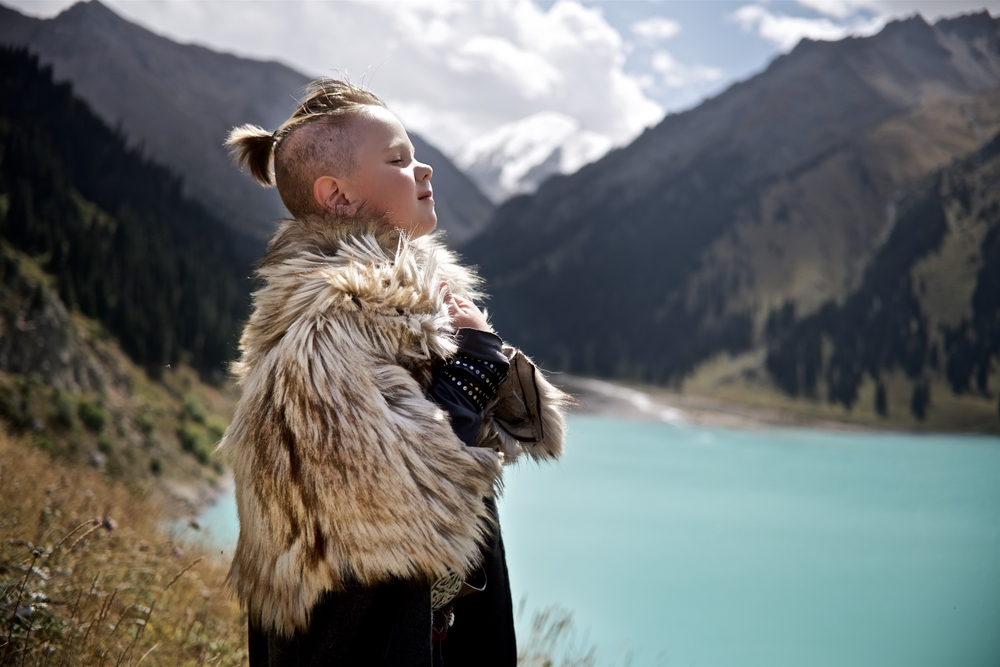

There is something about a name that reaches a child before they can speak. Before the first word, before the first step, a name is already doing something – carrying history, invoking character, signaling to the world what kind of person you’re expecting to raise. Viking boy names do that with particular weight. They don’t whisper aspiration; they announce it. A boy named Sigurd is walking around with a dragon-slayer’s legacy on his birth certificate.
The Norse people who flourished across Scandinavia and beyond between roughly 793 and 1066 CE took naming seriously in a way most modern cultures have largely abandoned. According to the National Museum of Denmark, in the Viking Age, many boys were named after the god Thor, while animal names were also popular – it was not unusual to meet Vikings with names like Orm (Serpent), Ulf (Wolf), and Bjørn (Bear). These weren’t whimsical choices. The names celebrated the gods’ formidable enemies – such as the Midgard serpent and the wolf Fenrir – and were believed to carry special powers attributed to them. A name was a form of armor. It was the first gift a parent gave, and it was supposed to last.
What follows is a list of 51 Viking boy names rooted in historical legend, mythology, and the sagas – names that carry moral weight, not just aesthetic appeal. Some of them belonged to real chieftains, explorers, and kings. Others come from the Poetic Edda, the Prose Edda, and the great legendary sagas. All of them mean something specific, and that specificity is the point.
1. Erik
Erik, from the Old Norse Eiríkr, means “eternal ruler” – a name borne by kings and warriors across old Scandinavia. The most famous bearer is Erik Thorvaldsson, known to history as Erik the Red, the Norse explorer who was exiled from Iceland and went on to found the first European settlement in Greenland around 985 CE. His son Leif would go further still. The name carries a legacy of relentless forward motion – when the world closes a door, Erik opens a continent.
The moral virtue embedded here is perseverance. Erik the Red was twice exiled, once from Norway and once from Iceland, yet built something lasting each time. For a boy, it’s a name that says: you don’t stop when it gets hard.
2. Leif
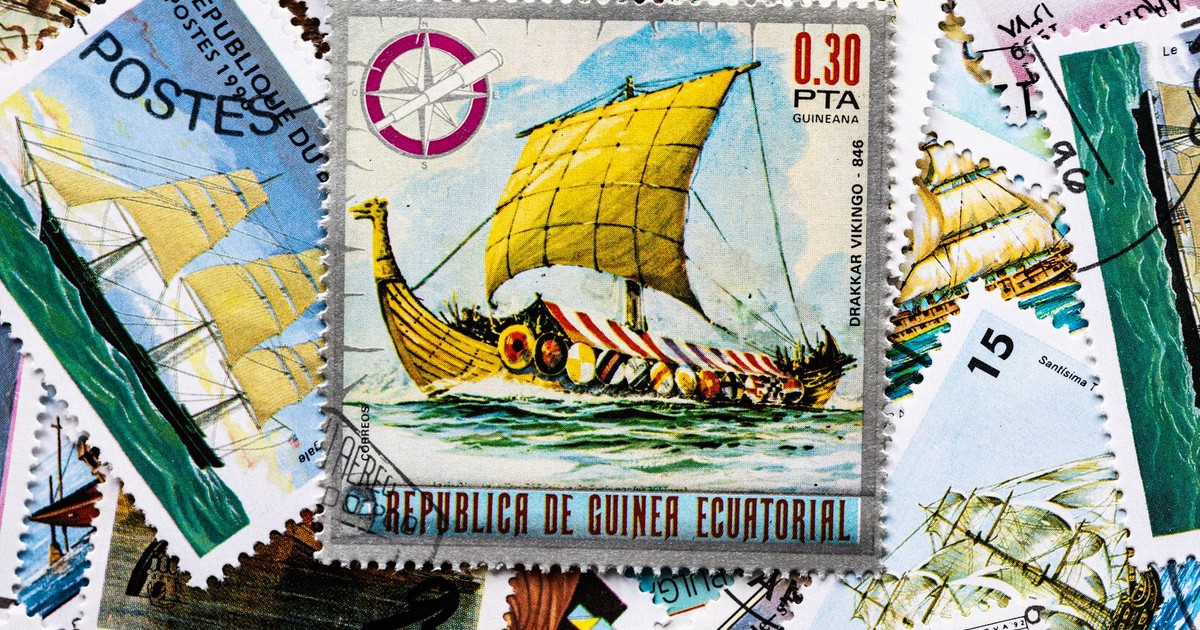
The Viking name Leif means “beloved” or “descendant” – aptly so, since Leif Erikson was the son of the famous Viking explorer Erik the Red, and went on to become an explorer himself, setting foot on America centuries before Columbus did. The Norse sagas record him landing in a place he called Vinland, believed today to be the northern tip of Newfoundland, Canada.
The name carries the virtue of curiosity and courage in equal measure. Leif didn’t inherit a throne; he inherited a spirit of exploration and did something extraordinary with it. A boy named Leif has a lot to live up to, in the best possible way.
3. Ragnar
Ragnar, from the Old Norse Ragnarr, means “warrior” or “judgment” – a name famously held by Ragnar Lothbrok, a legendary Viking figure. According to Wikipedia’s account of the saga, Ragnarr Loðbrók is described as a great warrior and son of the Danish king Sigurðr, whose first legendary achievement was bravely killing the serpent guarding the beautiful Þóra borgarhjǫrtr. Whether historical or mythological – scholars debate how much of Ragnar’s saga is fact – his name became synonymous with daring and decisive action.
Ragnar as a name for a boy today carries that same quality: someone who faces what others won’t and makes a decision when others hesitate. The judgment part of the meaning is often overlooked, but it matters. Ragnar wasn’t just a fighter; he was supposed to be wise.
4. Bjorn
Bjorn, from the Old Norse Bjǫrn, means “bear,” symbolizing strength and bravery. In the saga tradition, Bjorn Ironside was the legendary son of Ragnar Lothbrok who reportedly led raids deep into France and the Mediterranean. In Norse mythology, Bjørn Ironside was a legendary Viking chief, the King of Kattegat and son of Ragnar Loðbrok.
As Tales of Valhalla notes, in Viking culture, the bear was a symbol of resilience, and the Berserkers – Bear-shirts – were warriors who channeled the rage of the bear. Naming a boy Bjorn is naming him after something that is strong enough to survive winter and calm enough to know when to rest.
5. Sigurd
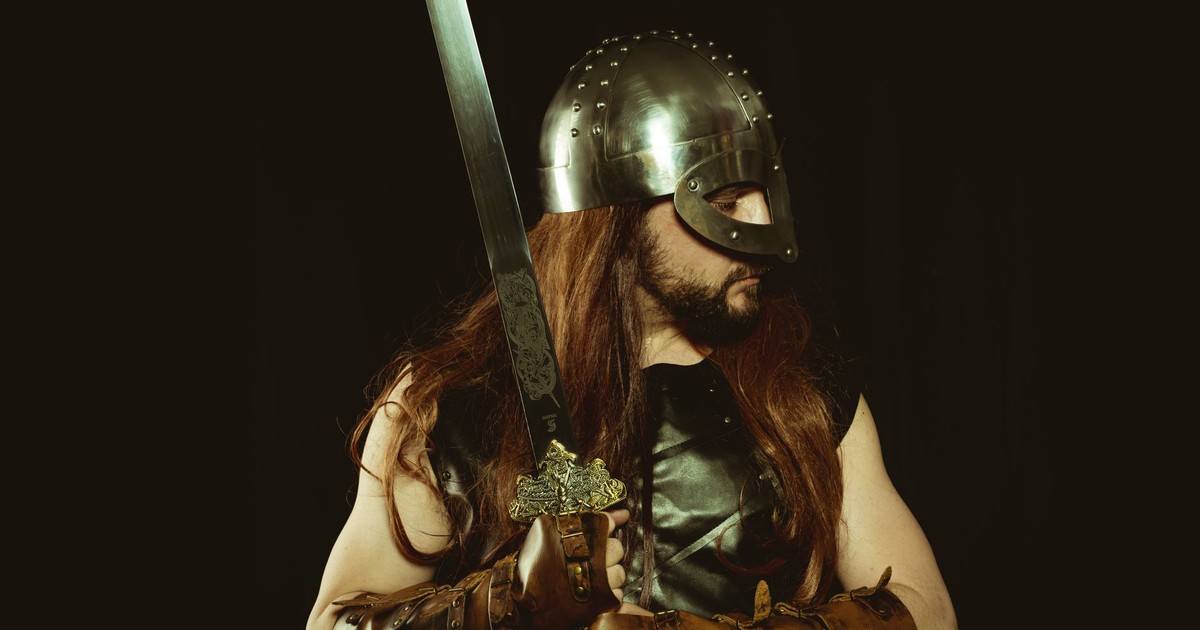
Sigurd, from the Old Norse Sigurðr, means “victory guardian” – a hero of Norse sagas. He is most famous from the Völsunga saga, where he slays the dragon Fáfnir, acquires cursed gold, and wakes the valkyrie Brynhildr. His story is one of the great tragic hero arcs of Norse literature – enormous capability, deeply flawed choices, and a fate that cannot be outrun.
For a boy’s name, Sigurd offers the combination of protection and victory. The moral weight is in the “guardian” half: Sigurd’s failure in the saga comes precisely when he forgets his duty to protect those he loves. The name is a reminder as much as it is an aspiration.
6. Thor
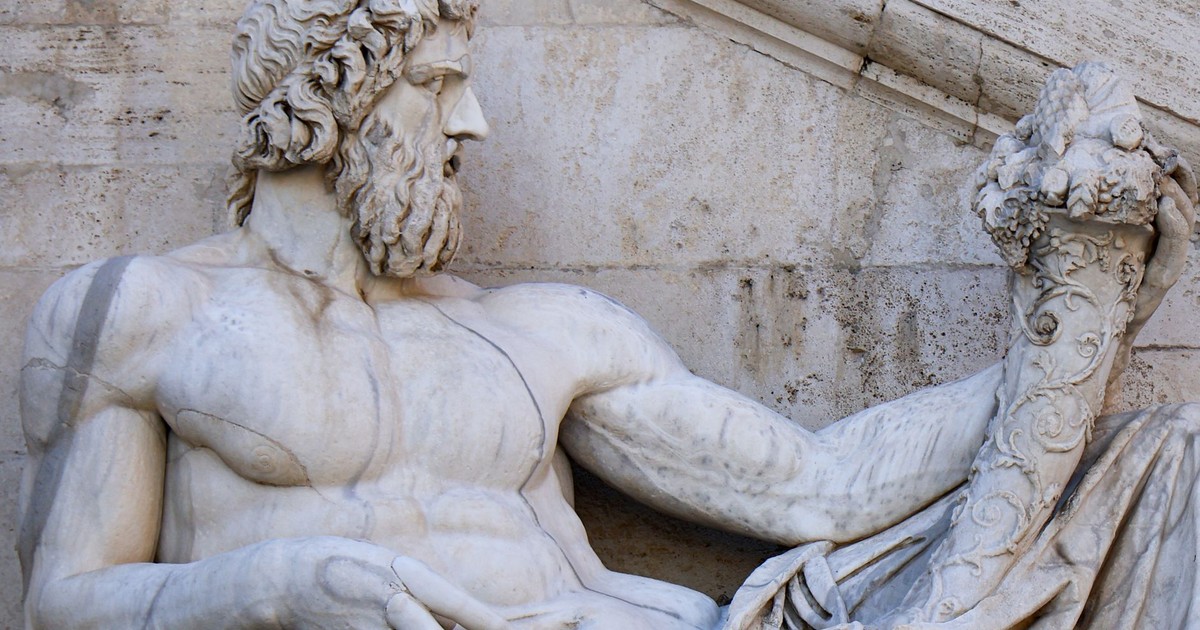
Thor, from the Old Norse Þórr, is named after the Norse god of thunder – a symbol of might and protection. Thor was among the most worshipped gods in Viking Age Scandinavia, invoked for protection on sea voyages, during harvests, and in battle. His name appeared in compounds like Thorvald, Thorstein, and Thorfinn across the Norse world.
Thor as a standalone name is about as direct as it gets – you are naming your son after the protector of both gods and humans. The Marvel version is entertaining, but the original is richer: a god who is powerful enough to destroy mountains but who consistently uses that power on behalf of ordinary people.
7. Odin
Odin, the Allfather, stands at the top of the Norse pantheon as the god of wisdom, war, poetry, and death. He sacrificed one eye at the well of Mimir to gain cosmic wisdom, and he hung himself from the world tree Yggdrasil for nine days to receive the knowledge of runes. No other figure in Norse mythology is more associated with the relentless pursuit of understanding.
Odin appeared in names less frequently than Thor due to his more complex, sometimes dangerous nature. That complexity is part of what makes it compelling for a boy today. Odin doesn’t represent simple strength; he represents a willingness to sacrifice comfort for knowledge. That’s a value worth passing on.
8. Harald
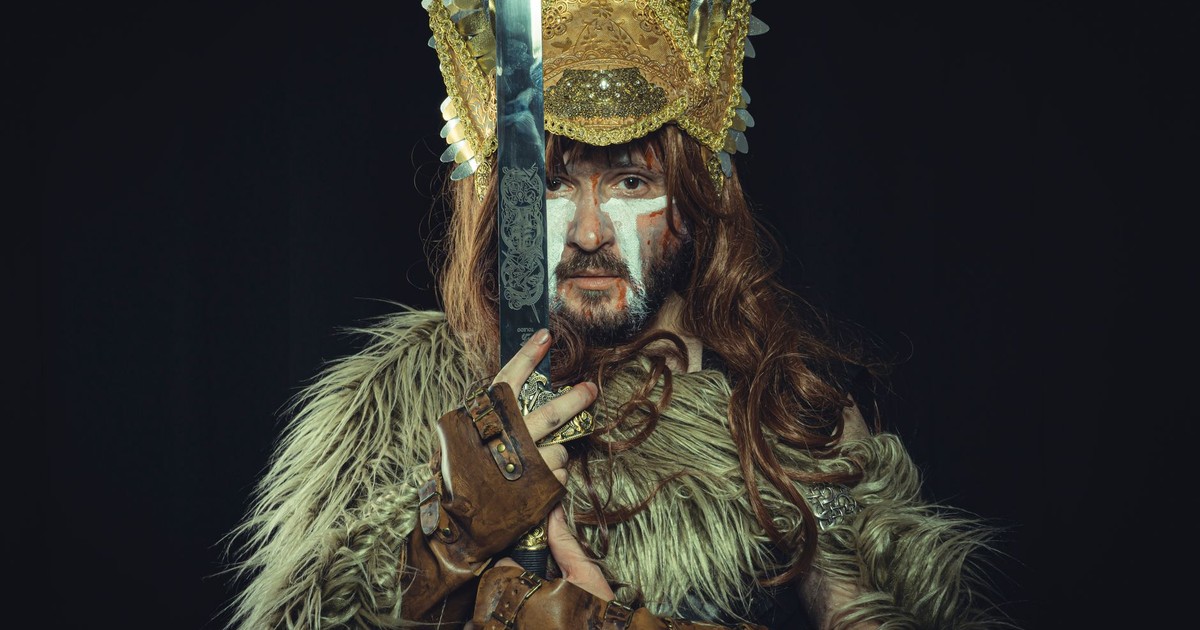
Harald, from the Old Norse Haraldr, means “ruler of the army” – a common name for kings in Norse history. Harald Fairhair is credited with unifying Norway into a single kingdom in the late 9th century, making him one of the most consequential figures in Scandinavian history. Harald Bluetooth, his descendant, united Denmark and converted the Danes to Christianity – his legacy literally lives in your phone’s Bluetooth symbol, which is his runic initials.
The name means leadership, but it’s a specific kind: the leadership of someone who brings people together rather than simply commanding them. For a boy, it’s a name with a strong civic backbone.
9. Gunnar
Gunnar comes from the Old Norse Gunnarr, combining the elements gunnr (war) and arr (warrior), making it essentially “bold warrior.” Gunnar Hámundarson, one of the great heroes of Njáls saga, is considered the ideal of the Norse man: physically extraordinary, morally principled, and loyal to a fault. His tragedy in the saga comes from his refusal to break his word, even when doing so might save his life.
The virtue inside the name is integrity. Gunnar died because he chose honor over survival. Whether you find that inspiring or foolhardy probably says something about you, but as a name for a boy, it carries a rare weight – the story of someone who meant what he said.
10. Ivar
Ivar, from the Old Norse Ívarr, means “bow warrior” – a name associated with legendary Viking leaders. In Norse mythology, Ivar the Boneless was the son of Ragnar Loðbrok and his wife Aslaug, and went on to invade England and Ireland. The sobriquet “the Boneless” remains mysterious – some historians suggest it referred to extraordinary flexibility, others to a condition that required him to be carried into battle, which somehow made his military reputation even more remarkable.
For a boy’s name, Ivar represents adaptability and strategic intelligence. Ivar was rarely the biggest fighter in the room; he was invariably the sharpest thinker.
11. Magnus
Magnus comes from the Latin magnus, meaning “great,” and entered Norse culture through the historical figure Magnus the Good, King of Norway and Denmark in the 11th century. He was named, according to the sagas, after Charlemagne – Karl Magnus in Norse – by his father King Olaf II. The name traveled across the Viking world and stuck precisely because it meant what it said.
The moral character embedded here is excellence pursued without arrogance. Magnus the Good earned his epithet through genuine statecraft and relative restraint at a time when Scandinavian kings were not known for either. A boy named Magnus has an expectation built into his name: not greatness by inheritance, but greatness earned.
12. Sven
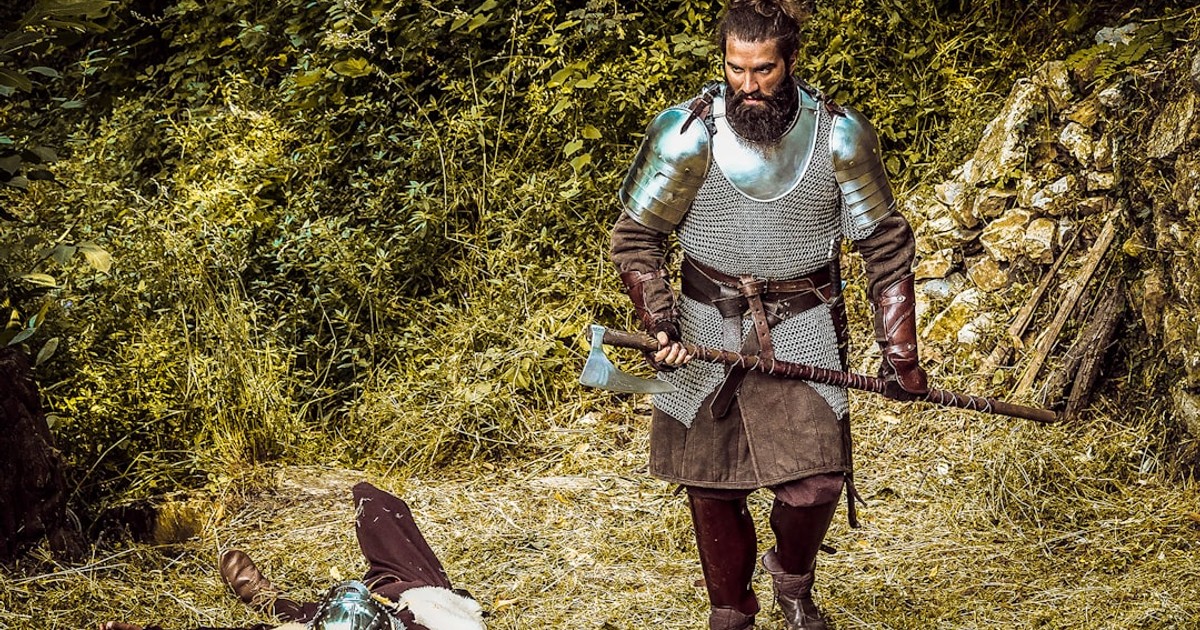
Sven, from the Old Norse Sveinn, means “boy” or “youth” – a popular name in Viking and modern Scandinavian times. It’s deceptively simple. Sven Forkbeard, son of Harald Bluetooth, became King of Denmark, England, and parts of Norway in the early 11th century. The name, despite its modest literal meaning, was carried by some of the most powerful men in the Viking world.
There’s something honest about naming a child “youth.” It acknowledges that he is, at this moment, a boy – and that becoming a man is still ahead of him, with everything that entails. Sven is a name without pretense, which gives the boy carrying it room to grow into his own version of it.
13. Knud
Knud, from the Old Norse Knútr, means “knot” – possibly indicating strength, complexity, and endurance. Knut the Great, the 11th-century king of Denmark, England, and Norway, is best known for allegedly attempting to command the tides – a story almost certainly invented to demonstrate that even a king cannot exceed his natural limits.
The actual Knut was a formidable administrator who held together a North Sea empire through political skill as much as military force. As a name for a boy, Knud carries the idea of something that holds things together under pressure – which is, when you think about it, a genuinely useful quality to name after.
14. Ulf
From the Old Norse Úlfr, meaning “wolf,” names inspired by animals were common in the Viking Age and often symbolized bravery, loyalty, and protection. Ulf remains a traditional name in parts of Scandinavia today. The wolf in Norse mythology is a complicated figure: Fenrir, the monstrous wolf, represents chaos and destruction, while Odin’s wolves Geri and Freki represent loyalty and companionship. The name Ulf generally draws from the latter tradition.
A boy named Ulf is being associated with the wolf’s better qualities: pack loyalty, tenacity, and the ability to read a situation quickly. It’s a short, hard-edged name that has aged remarkably well.
15. Orm
Orm comes from the Old Norse Ormr, meaning “serpent” or “dragon.” The serpent in Norse cosmology is a loaded symbol – the Midgard Serpent Jörmungandr is one of the most powerful creatures in existence, destined to battle Thor at Ragnarök. To name a child after a serpent was to invoke that coiled, patient power.
The virtue here is less about aggression than about endurance. A serpent waits. It survives by being almost impossible to fully destroy. For a boy, Orm is a name about outlasting what comes at you.
16. Bragi
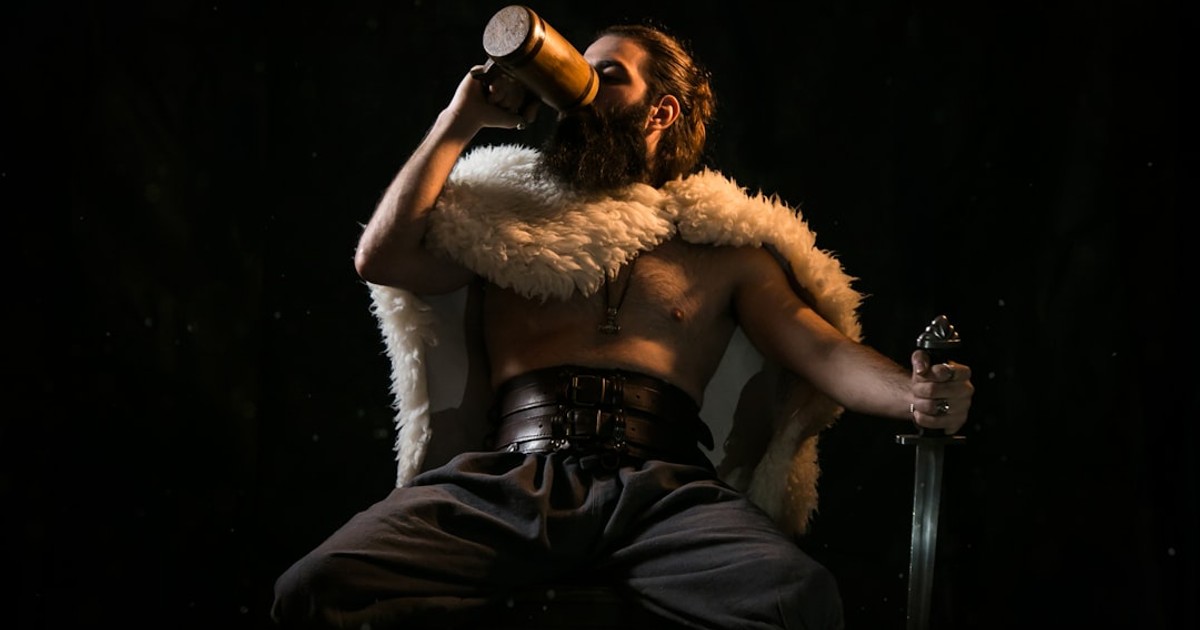
Bragi is associated with the Norse god of poetry and eloquence, and the name reflects wisdom, artistic skill, and the power of words. In the Prose Edda, Bragi is described as the greatest of poets among the gods, and his wife Iðunn guards the apples of immortality. He represents the idea that language and storytelling are as powerful as any sword.
In a culture obsessed with warriors, Bragi is a reminder that the Norse also deeply valued the person who could hold a hall’s attention with words. The skalds – court poets – were as celebrated as fighters. Naming a boy Bragi is naming him after a different kind of power: the ability to make something that lasts.
17. Freyr
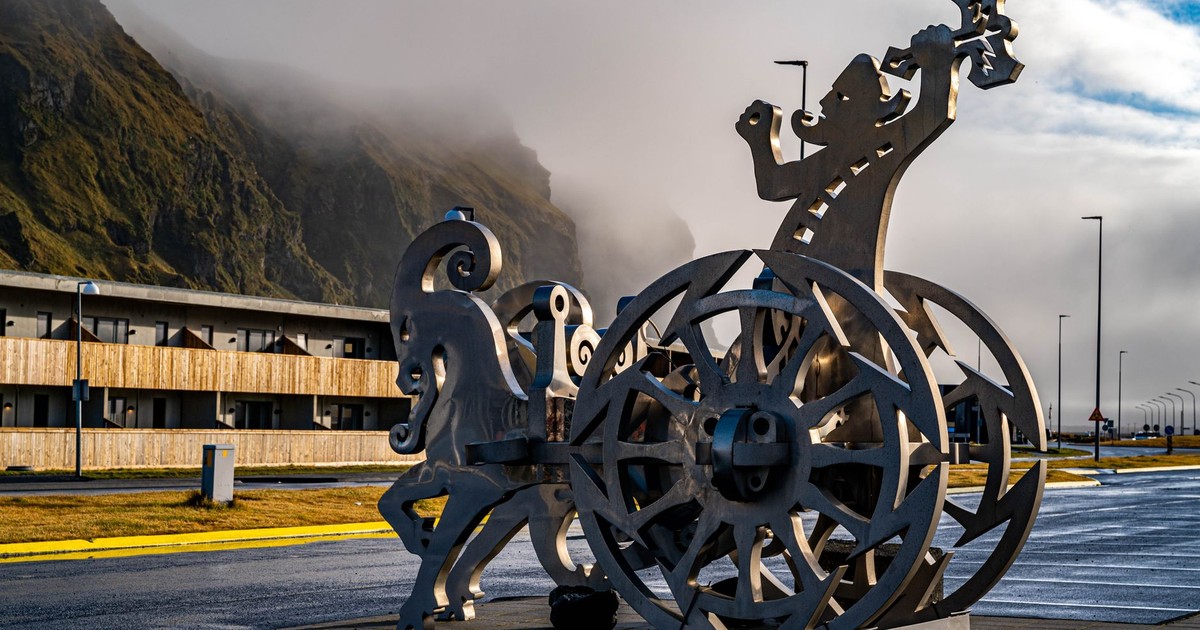
Freyr is the Norse god of fertility, prosperity, sunshine, and fair weather. He rules over Alfheim, the realm of the elves, and is associated with good harvests, peace, and the pleasures of life. In the Skírnismál from the Poetic Edda, he falls desperately in love with the giantess Gerðr and sends his servant Skírnir to win her – sacrificing his magical sword in the process, which will ultimately cost him at Ragnarök.
The name carries generosity as its core virtue. Freyr is the god who gives away what he needs most because he values connection over security. For a boy, that’s not a small thing to name after.
18. Vidar
Vidar is described as the silent god. In Norse mythology, Vidar is Odin’s son who will survive Ragnarök and avenge his father’s death at the jaws of Fenrir. He is associated with silence, thick forests, and revenge – but specifically with the kind of revenge that is precise, patient, and just.
The virtue in Vidar’s name is restraint. He doesn’t speak much; he acts when it counts. For a boy who will grow up in a noisy world, Vidar is a name that says: you don’t have to fill every silence.
19. Tyr
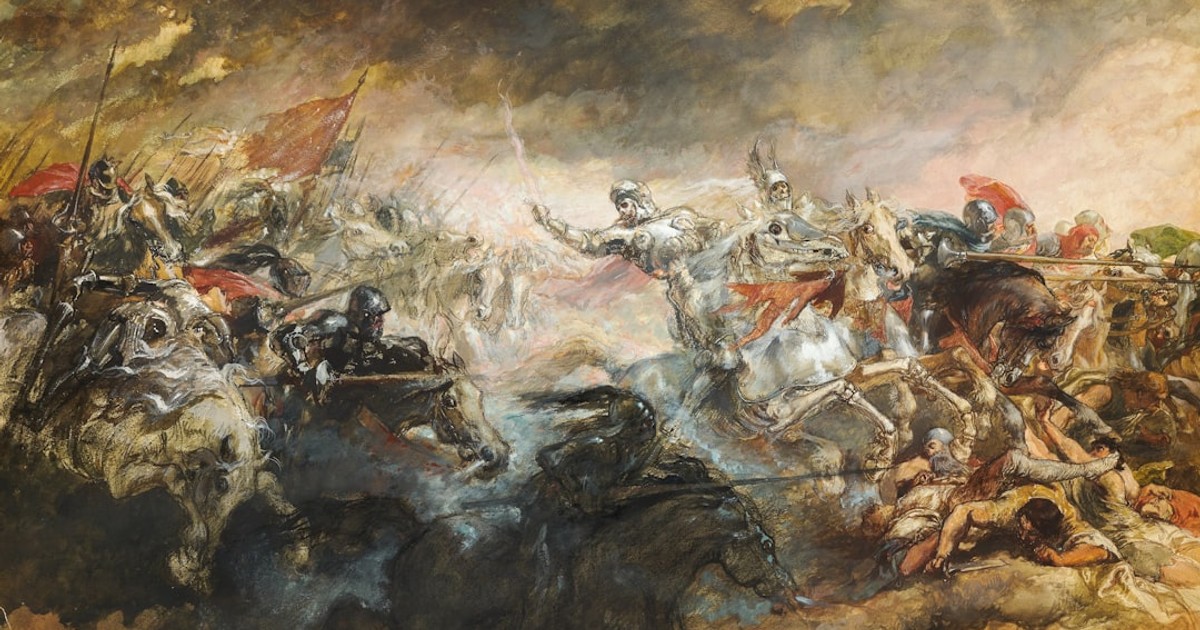
Tyr is the Norse god of justice, law, and honorable combat. He is perhaps the bravest of all the Aesir gods: when the gods needed to bind the monstrous wolf Fenrir and Fenrir would only submit if one of the gods placed a hand in his mouth as a pledge of good faith, Tyr was the only one willing to do it. Fenrir was bound. Tyr lost his hand. He accepted that cost because it was the right thing for everyone else.
As a name, Tyr carries one of the clearest moral foundations in the entire Norse tradition: sacrifice for the collective good. A boy named Tyr has a specific and demanding story attached to his name.
20. Heimdall
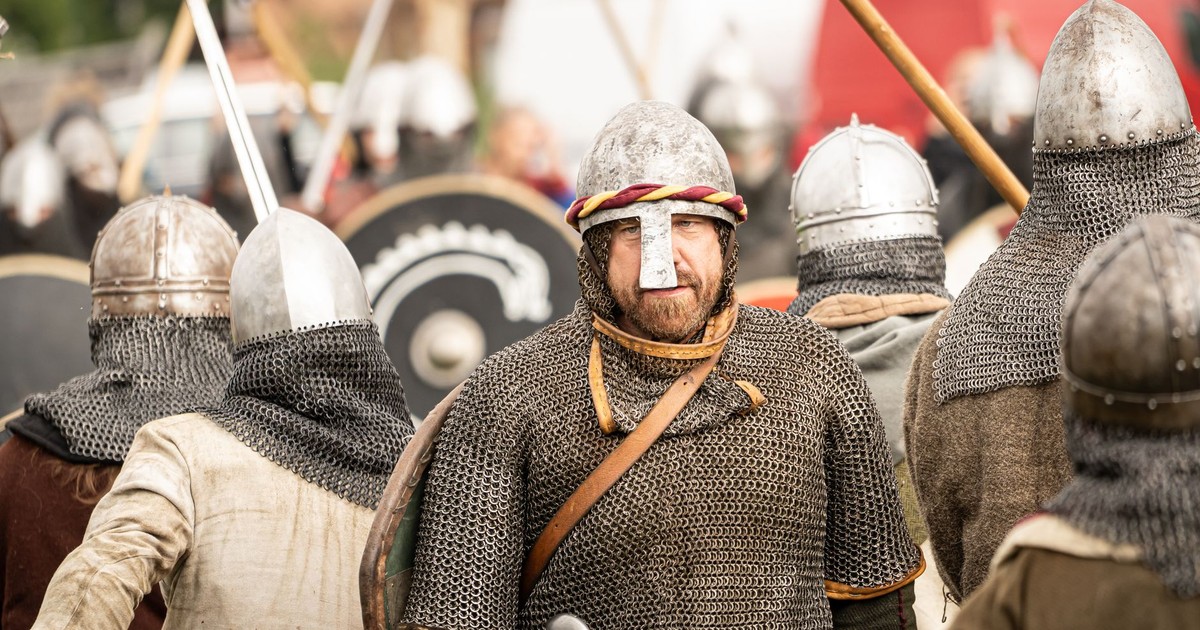
Heimdall is the watchman of the gods, the guardian of the Bifrost bridge connecting Asgard to the other realms. He requires less sleep than a bird, can see for hundreds of miles in any direction, and can hear grass growing. He holds Gjallarhorn – the horn that, when blown, will summon the gods to Ragnarök. He is, essentially, the god of vigilance and faithful service.
The name is a strong choice for a boy because it doesn’t glamorize violence or conquest. Heimdall’s power is in his attention. He protects by being present, by paying close enough attention to see what’s coming before it arrives.
21. Baldur
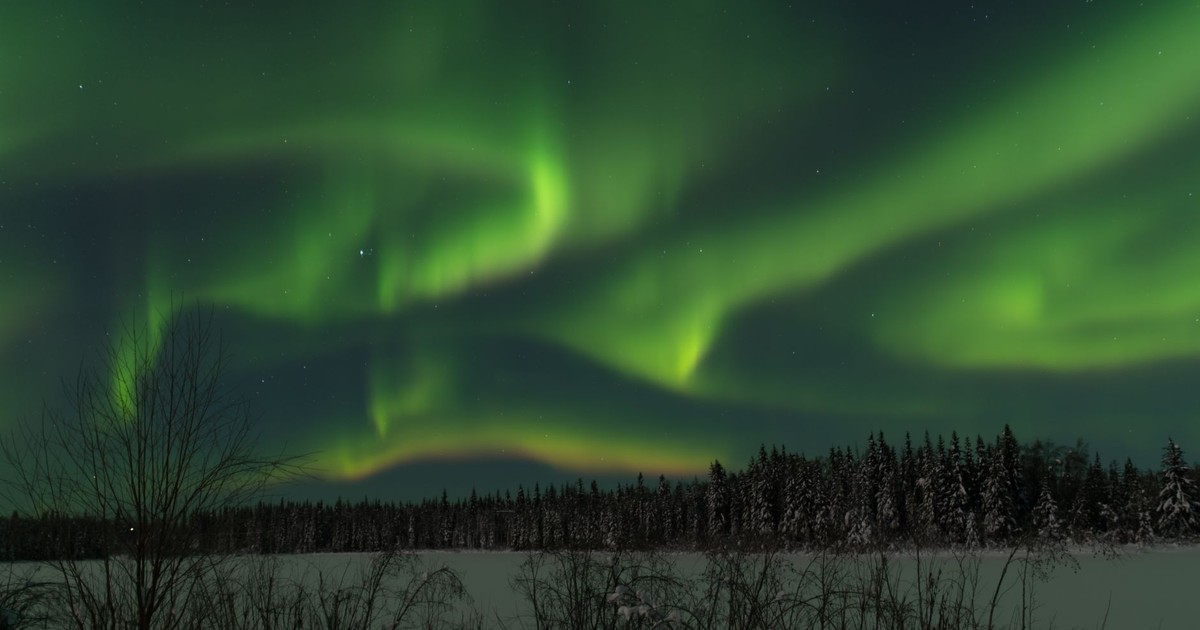
Baldur, or Baldr, is the Norse god of light, beauty, love, and happiness. His story is one of the most heartbreaking in the Norse pantheon: his mother Frigg extracted a promise from every object in the world not to harm him, except the mistletoe, which she considered too young and harmless to bother. Loki discovered this, fashioned a dart of mistletoe, and guided the blind god Höðr to throw it at Baldur – killing him and beginning the sequence of events that leads to Ragnarök.
A boy named Baldur carries the weight of that story: that beauty and goodness are not protected by their own virtue, and that they require active defense. It’s a name that understands something about the fragility of good things.
22. Loki
The name Loki actually means “airy,” but has now become synonymous with the trickster god or god of mischief from Norse mythology. Loki is one of the most morally complicated figures in any mythology – by turns heroic, helpful, cruel, and catastrophically destructive. He saves the gods from giants, helps Thor retrieve his stolen hammer, and then eventually engineers Baldur’s death and brings Ragnarök closer.
The virtue in Loki’s name, such as it is, is ingenuity. He is always the cleverest person in the room. Whether that cleverness is used well or badly depends entirely on the choices he makes. For a boy, it’s a name that says: your intelligence is a tool, and tools can build or destroy.
23. Arne
Arne comes from the Old Norse Arni, meaning “eagle.” The eagle in Norse mythology is one of the most significant birds, perched at the top of Yggdrasil, the world tree, in a constant ancient conflict with the serpent Níðhöggr at its roots. Eagles represented vision, sovereignty, and the capacity to see the whole picture from above.
A boy named Arne is being associated with perspective. The eagle doesn’t fight for scraps at ground level; it rises and sees what others can’t. It’s a name about the kind of intelligence that involves knowing where you are in a larger picture.
24. Rune
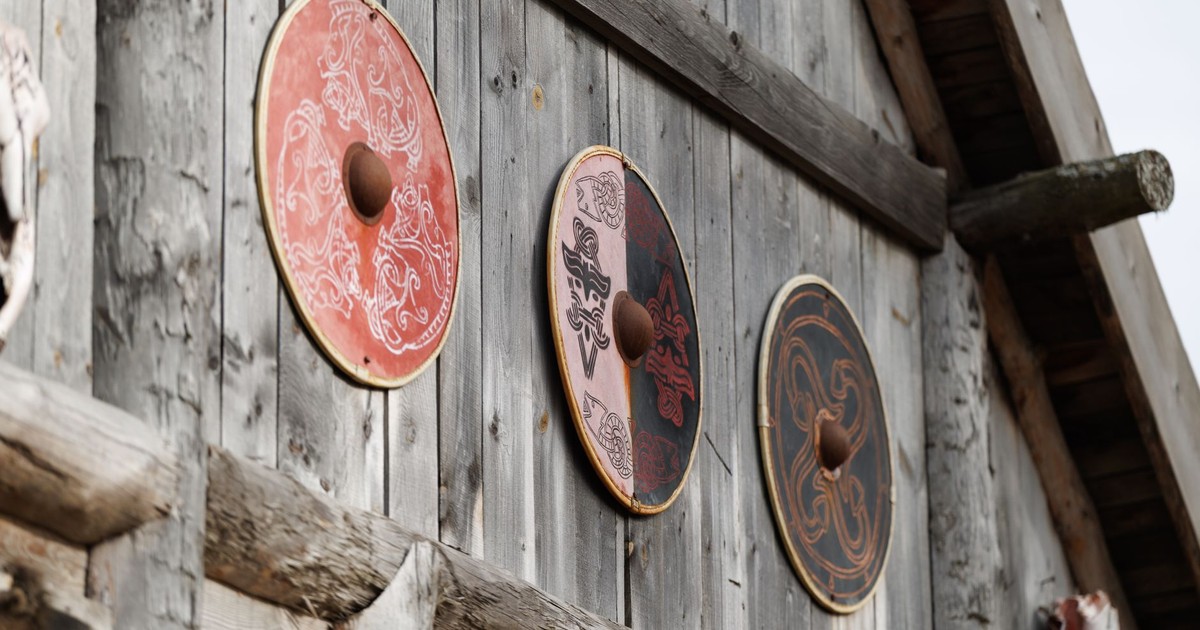
Rune comes from the Old Norse Rún, meaning “secret” or “hidden lore.” The runes were not simply an alphabet; they were believed to be a system of cosmic knowledge that Odin discovered at enormous personal cost. Each rune carried meaning, power, and instruction. A person who understood runes understood something hidden from ordinary sight.
For a boy, Rune is a name about the value of quiet knowledge over loud declaration. The person who understands things deeply, who keeps learning when others stop, who reads what isn’t written on the surface – that’s the spirit the name invokes.
25. Leiv

Leiv is the Old Norwegian spelling of Leif, distinct enough to stand on its own. Where Leif has become well known in the English-speaking world, Leiv retains a more authentically Scandinavian feel. It carries the same meaning – “descendant” or “heir” – but with a slightly more rugged edge to its presentation.
The additional layer here is lineage. Leiv as a name reminds a boy that he comes from somewhere, that there are people behind him whose choices and sacrifices made his life possible. That’s not a burden; it’s an inheritance.
26. Hakon
Hakon, from the Old Norse Hákon, is generally understood to mean “high son” or “chosen son.” Hakon the Good, the 10th-century King of Norway, was raised at the English court of King Athelstan and returned to Norway to claim his throne – bringing with him a rare quality for the Viking Age: a genuine resistance to pointless cruelty. He was known for attempting to moderate some of the more brutal practices of his time.
For a name list about moral strength, Hakon belongs near the top. He wasn’t the most powerful king of his era, but he was arguably one of the most ethical. A boy can do a lot worse than that comparison.
27. Gorm
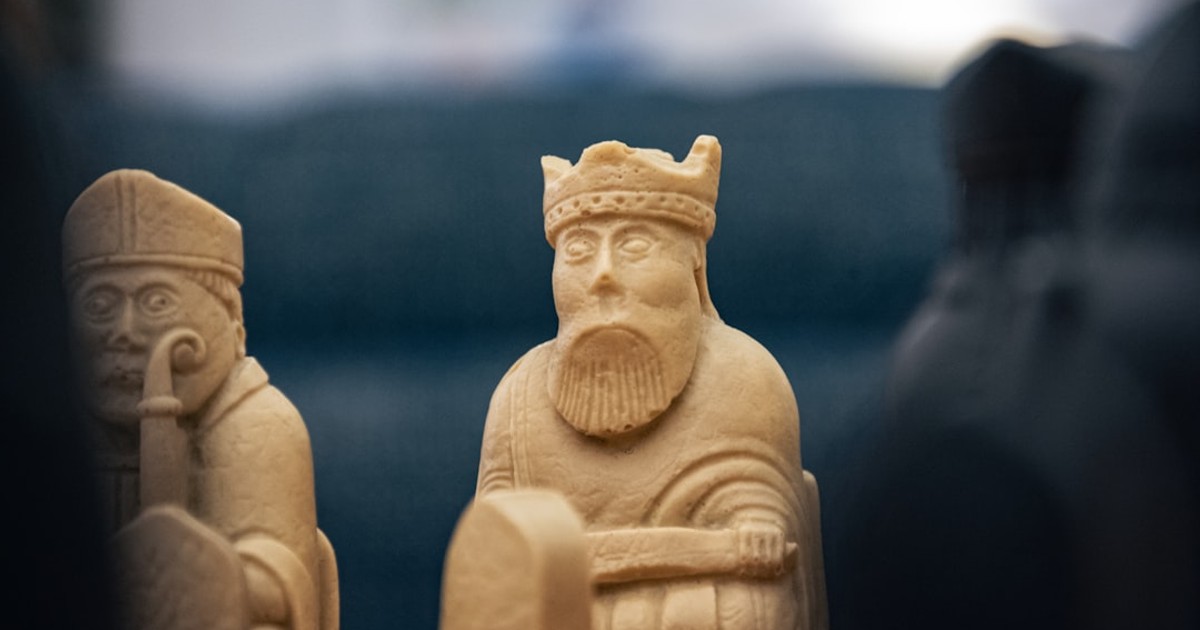
Gorm comes from the Old Norse Gormr, possibly derived from gó-ormr meaning “good serpent” – though etymology here is genuinely debated. Gorm the Old was the first recognized King of Denmark, ruling in the early 10th century, and is considered the ancestor of all subsequent Danish monarchs. He built the Jelling stones, among the most important Viking Age monuments still standing.
The name carries foundation-building as its central virtue. Gorm was the beginning of something that lasted a thousand years. For a boy, it’s a name that says: you can be the start of something.
28. Sigmund
Sigmund comes from the Old Norse Sigmundr, combining sigr (victory) and mundr (protection). In the Völsunga saga, Sigmund is the father of Sigurd the dragon-slayer – a hero in his own right, the sole survivor of his family’s massacre who spends years rebuilding and preparing for a reckoning. He is the man who pulls the sword Gram from the tree in which Odin had plunged it, a feat no one else could accomplish.
Sigmund as a name carries perseverance and protective instinct in equal measure. He endured because he had something worth surviving for – and then he passed that on.
29. Einar
Einar means “lone warrior.” In the saga tradition, Einar Thambarskelfir was one of the most celebrated Norwegian archers of the 11th century – a man so associated with the bow that his nickname referred to his bowstring snap. He was present at the Battle of Svölðr, one of the most famous naval engagements of the Viking Age.
The virtue in Einar is self-sufficiency. Not aloofness, not selfishness – but the capacity to be capable on your own. A boy who can rely on himself is better placed to be reliably present for others.
30. Torben
Torben comes from Norse mythology and means “bear of Thor” or “thunder bear.” It’s a compound name that pulls together two of the most potent symbols in the Norse world: Thor’s divine protection and the bear’s earthly strength. The combination suggests someone who brings both heavenly authority and grounded physical resilience.
For a boy, Torben is a name that refuses to choose between spiritual depth and practical toughness. Both matter. Neither cancels the other out.
31. Eirik
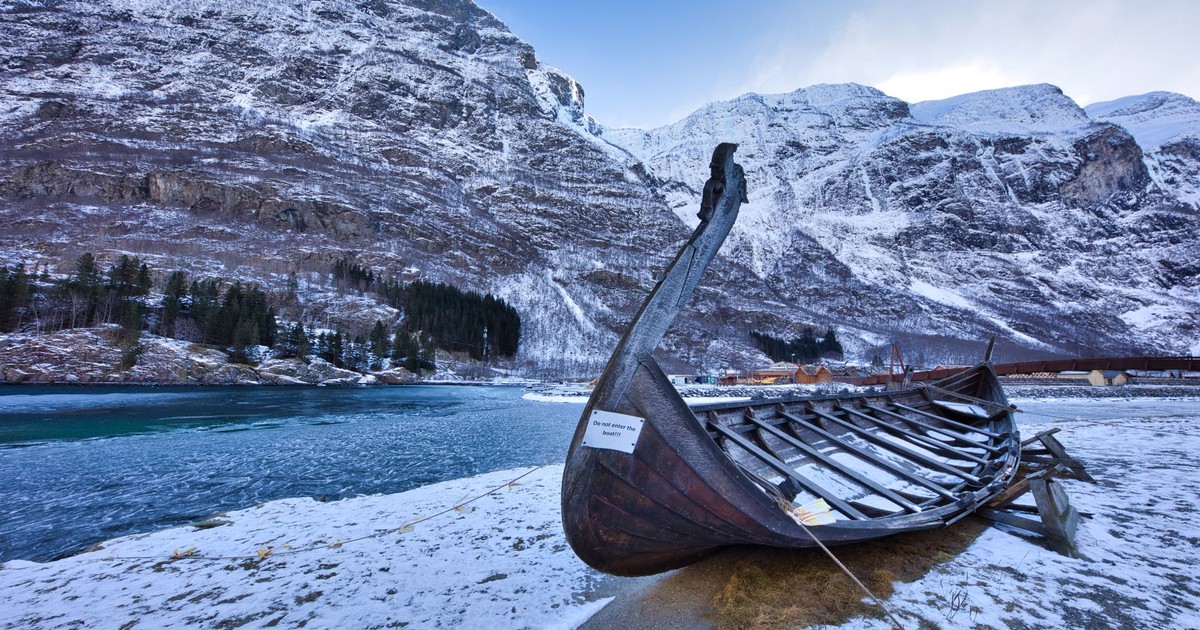
Eirik is the Old Norse original form of Erik, distinct in its spelling and slightly more formally grounded in Scandinavian orthography. The meaning remains “eternal ruler,” but Eirik preserves the sound of the original in a way that Erik, anglicized and widely familiar, does not. It’s a name for a family that wants the historical weight without the modern ubiquity.
Every generation of the Norse world produced an Eirik worth knowing – an explorer, a king, a jarl, a skald. The name has earned its longevity.
32. Thorstein
Thorstein, from the Old Norse Þorsteinn, means “Thor’s stone.” The combination of divine invocation and geological permanence is deliberate: stone doesn’t yield, and Thor’s protection doesn’t waver. Thorstein Egilsson was a figure in Egils saga, one of the great family sagas of Iceland, a man of steadiness and good sense.
The moral virtue here is reliability. Not excitement, not heroism in the obvious sense, but the quality of being someone others can build on. A boy named Thorstein is being named after something load-bearing.
33. Ingvar
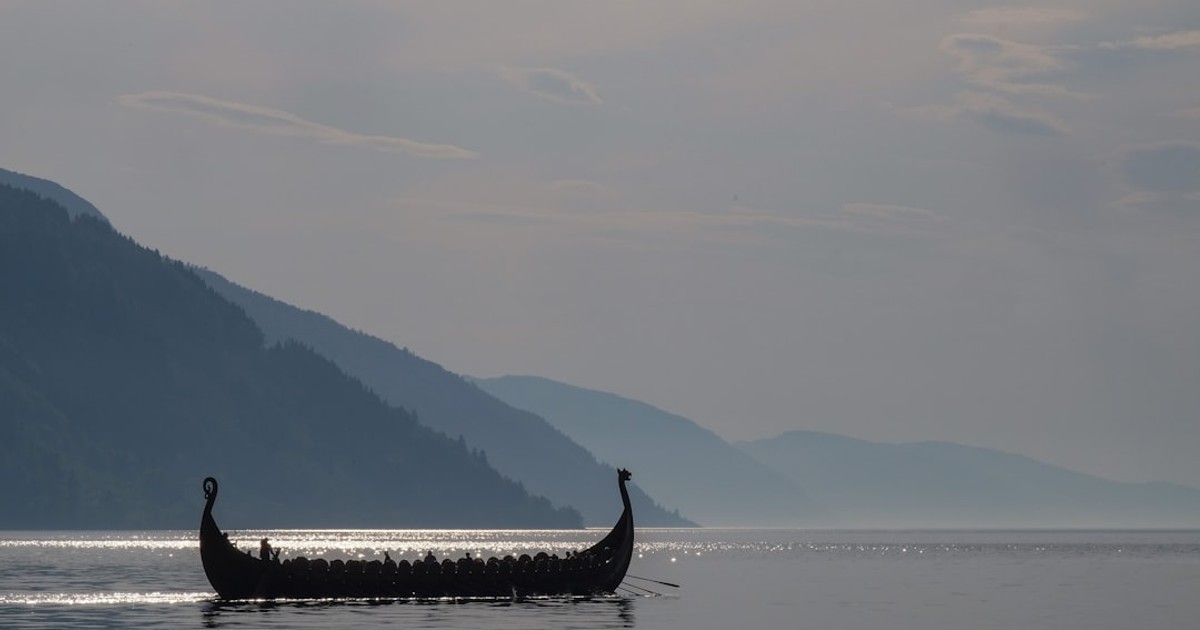
Ingvar combines the name of the Norse god Ing, a deity associated with fertility and the Germanic tribal community, with arr (warrior). The result is “Ing’s warrior” – a name that ties individual strength to communal purpose. Ingvar the Far-Travelled was an 11th-century Swedish Viking who led an expedition east, deep into what is now Russia and Central Asia.
The virtue in the name is ambition directed outward, toward discovery rather than conquest. Ingvar didn’t stay home. He went to find out what was there.
34. Haakon
Haakon is the Norwegian spelling of Hakon, distinct enough in its double-a to deserve separate consideration. In modern Norway, Haakon is the name of the Crown Prince – heir to a monarchy that traces its roots directly to the Viking Age. The name has traveled from saga to living constitutional history without losing any of its gravity.
A boy named Haakon is connecting himself to something unbroken – a thread of identity that runs from the 10th century to the present day, which is a remarkably long thread to hold.
35. Njord
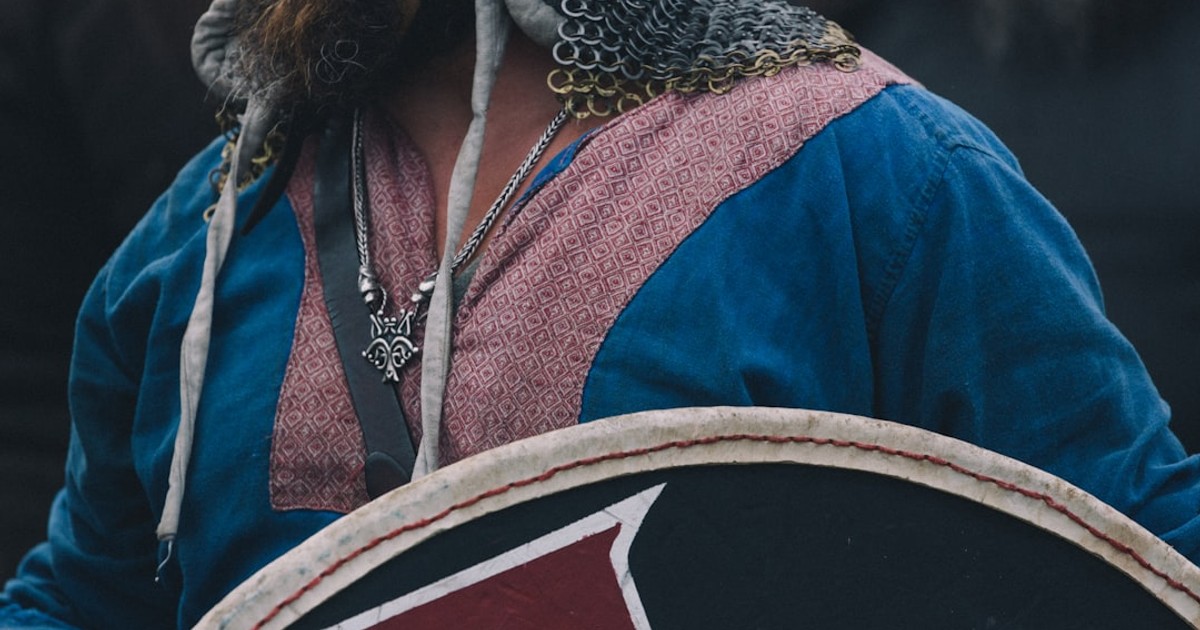
Njord is the Norse god of the sea, wind, fish, and seafaring. He is the father of the twins Freyr and Freyja, and his domain is the coastal world where so much of Viking life was conducted. He represents abundance through movement – the sea is dangerous, but it also provides everything.
The name invokes comfort with the unpredictable. Njord’s worshippers were fishermen and sailors who understood that you cannot control the sea; you can only know it well enough to move through it. For a boy, it’s a name that builds in an early tolerance for uncertainty.
36. Magni
Magni is the son of Thor in Norse mythology, and his name means “mighty” or “strong.” He is destined to survive Ragnarök, making him one of the gods of the renewed world that follows the end of the old one. At three days old, he lifted the giant Hrungnir’s leg off his father’s neck – something none of the other gods could do.
A name about strength that regenerates rather than simply destructs. Magni’s world comes after the old one ends. He is about what’s built after the hardest thing.
37. Sten
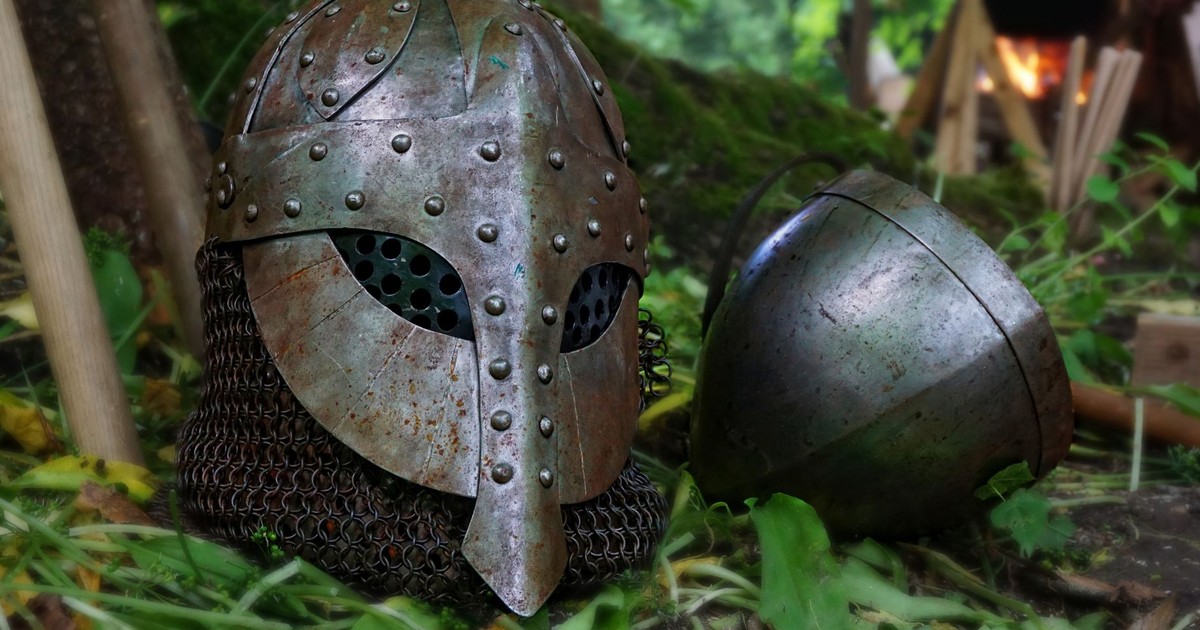
Sten comes from the Old Norse Steinn, meaning “stone.” It’s one of the simpler Norse names and one of the most enduring – used across Scandinavia for over a thousand years precisely because it says something clear and keeps on saying it. Stone is permanent. Stone holds weight. Stone is what you build on.
For a boy, Sten is a name without decoration. It doesn’t promise anything flashy. It promises something more useful: that he will be there, solid, when it matters.
38. Rolf
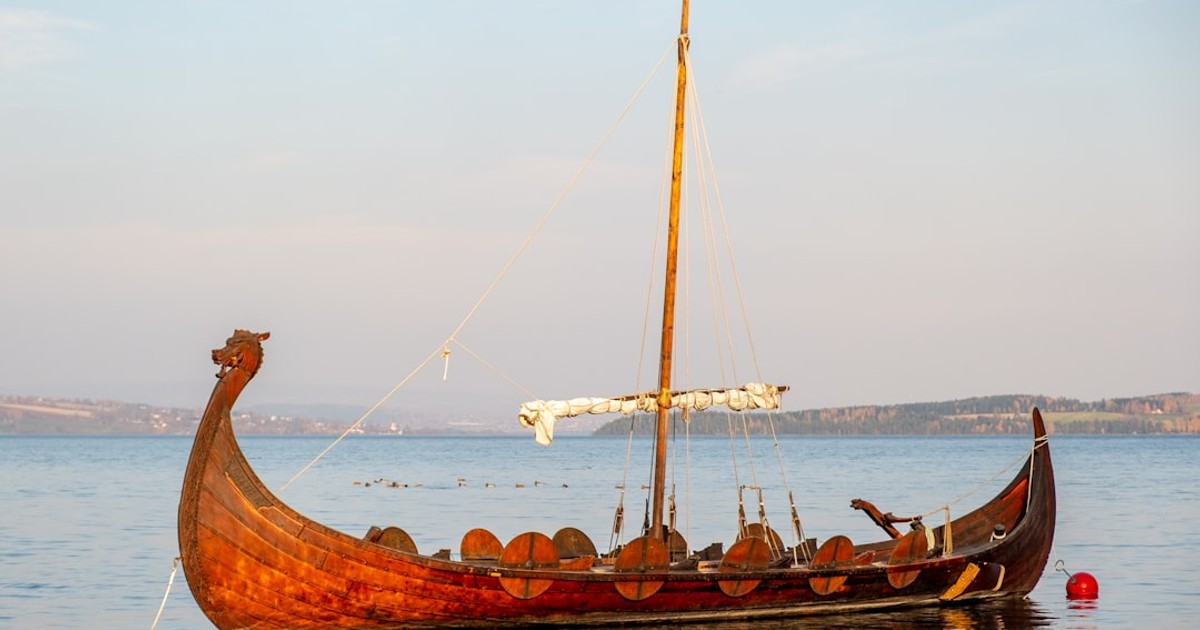
Rolf comes from the Old Norse Hrólfr, meaning “famous wolf.” Its most historically significant bearer is Rolf the Walker – also known as Rollo – a Viking chieftain who became the first ruler of Normandy in 911 CE after negotiating the Treaty of Saint-Clair-sur-Epte with the Frankish King Charles the Simple. His descendants include William the Conqueror.
Rolf carries a particular moral character: the ability to negotiate as well as fight, to recognize when the right move is to build rather than raid. That’s a quality that ages better than most.
39. Dag
Dag comes from the Old Norse Dagr, meaning “day.” In Norse mythology, Dag is the personification of the day itself – the son of the night goddess Nótt – and he rides across the sky in a shining chariot. The name is short, clear, and luminous in its meaning.
There’s a quality in the name of bringing light to what was dark. Not heroism in the sense of combat, but presence in the sense of illumination. A boy named Dag is being associated with clarity and the simple, repeating goodness of a new day.
40. Hrolf
Hrolf is a variant form of Rolf, from the Old Norse Hrólfr. Its most famous bearer is Hrolf Kraki, the legendary King of Denmark celebrated in the saga Hrólfs saga kraka and referenced in the Old English poem Beowulf, where he appears as Hrothulf. He was known for surrounding himself with the finest warriors in the Norse world, the Berserkers of legend, and for his generosity and personal honor.
The name carries the virtue of leadership through example. Hrolf drew the best people to him not by commanding them but by being the kind of person worth following.
41. Olaf
Olaf comes from the Old Norse Áleifr, meaning “ancestor’s descendant” or “heir of the ancestors.” It was the name of two Norwegian kings who defined their country’s history: Olaf Tryggvason, who brought Christianity to Norway in the 990s, and Olaf II Haraldsson, later Saint Olaf, the patron saint of Norway. Both were men defined by conviction – they held positions that cost them everything and held them anyway.
A boy named Olaf is connected to the idea that what came before you matters, and his purpose is to honor those ancestors by doing something worthy of the line they left him.
42. Trygve
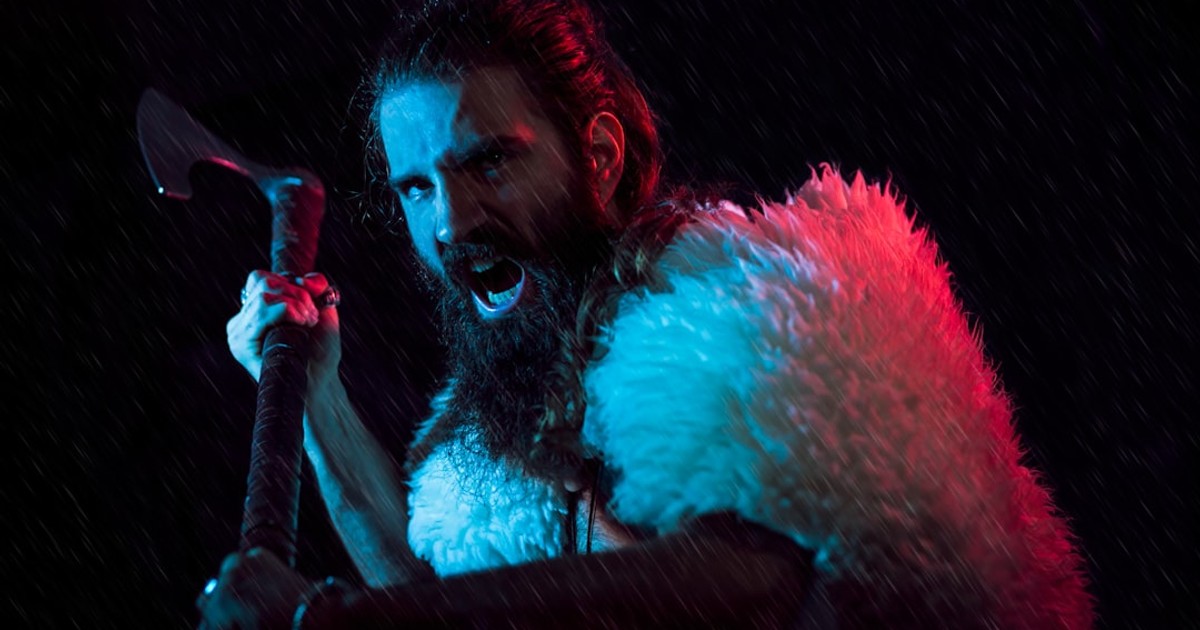
Trygve comes from the Old Norse Tryggr, meaning “trustworthy” or “true.” It’s a name that’s almost entirely about character – not power, not ancestry, not divine connection. Just the simple, rare quality of being someone who can be trusted absolutely. Trygve Lie was the first Secretary-General of the United Nations, a Norwegian who took on the impossible task of building global peacekeeping from scratch.
For a boy, Trygve is a name with a single, demanding promise built into it. You are reliable. You mean what you say.
43. Halfdan
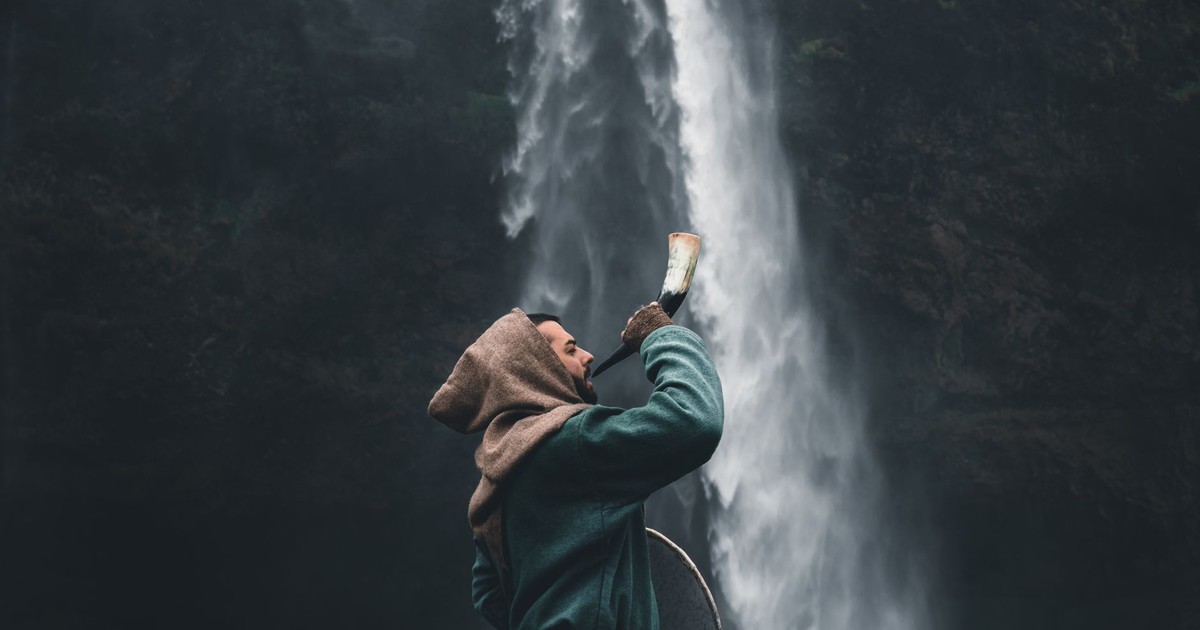
Halfdan comes from the Old Norse Hálfdan, meaning “half Danish” – a name that reflects the mixing of peoples and cultures that characterized the Viking Age. Several historical figures bore this name, including Halfdan the Black, the father of Harald Fairhair, whose life is recorded in Snorri Sturluson’s Heimskringla. He drowned in a lake when the ice broke under his sleigh – a remarkably ordinary end for someone so historically significant.
The name invokes mixed heritage and, by extension, the strength that comes from being between worlds. It’s a name for a boy who belongs somewhere complicated, which is more common than it sounds.
44. Vali
Vali is the son of Odin born specifically to avenge the death of Baldur. He is raised and fights on the same day of his birth – a figure of pure, focused purpose in Norse mythology. Unlike Baldur’s murder, which was caused by grief and mischief, Vali’s response is righteous and deliberate. He is one of the gods who survives Ragnarök.
The name holds a specific moral stance: accountability and justice. Vali doesn’t let things slide. He sees what happened, understands what is owed, and acts. For a boy, it’s a name with a clear ethical spine.
45. Thorfinn
Thorfinn, from the Old Norse Þórfinnr, combines the name of the thunder god with Finnr – which can refer to the Sami people of northern Scandinavia or simply mean “Finn” as in a person from Finland. The most famous bearer is Thorfinn Karlsefni, the Icelandic explorer who led a serious attempt to colonize Vinland (North America) around 1010 CE, bringing settlers, livestock, and families.
The name carries the virtue of commitment. Thorfinn didn’t just visit; he tried to stay, to build something permanent in a new land. That’s a different kind of courage than raiding.
46. Skarde
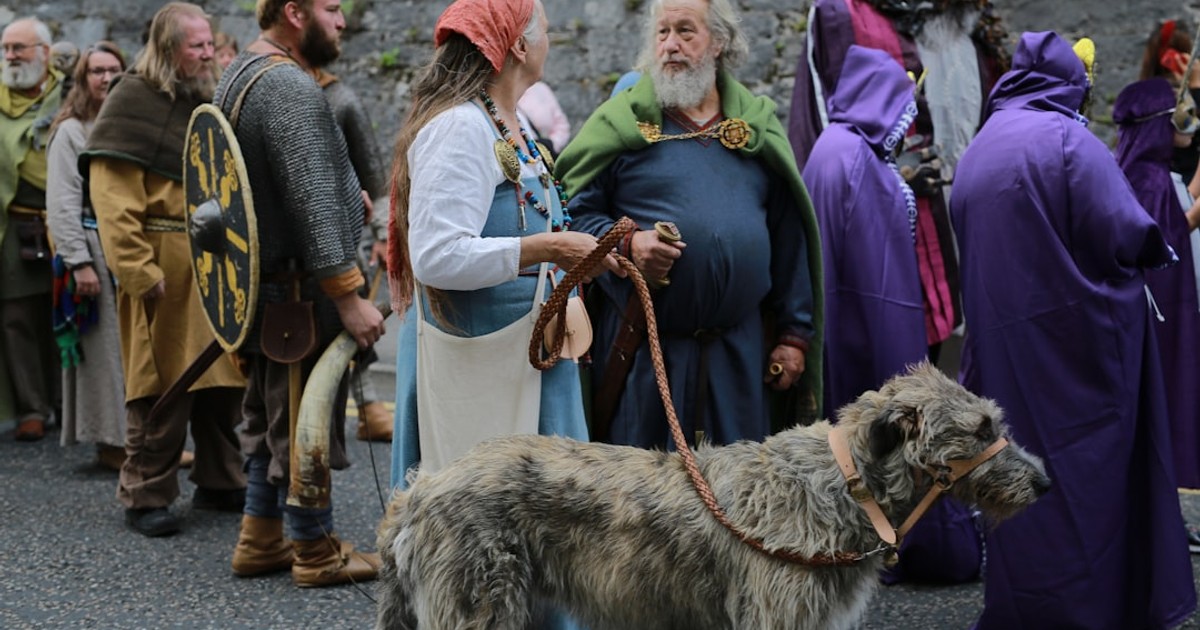
Skarde comes from the Old Norse Skarði, meaning “one with a cleft” or, more broadly, “the notched one” – a name that often referenced a physical characteristic, but was also used as a byname for warriors who bore significant battle scars. In Norse culture, scars were not hidden; they were evidence of survival and experience, worn with the matter-of-fact honesty of someone who had been in the middle of something hard.
For a boy, Skarde is a name that acknowledges imperfection as part of the story. You don’t have to arrive unmarked. You have to arrive.
47. Geir
Geir comes from the Old Norse Geirr, meaning “spear.” The spear was Odin’s weapon of choice – he carried Gungnir, which never missed its mark – and it was the most widely used weapon of Viking Age warfare. More than the sword, the spear was the everyday tool of the Norse warrior: practical, accurate, and in constant use.
A boy named Geir is being associated with purpose and precision rather than spectacle. The spear doesn’t make speeches. It does what it’s for.
48. Valdimar
Valdimar comes from the Old Norse Valdimárr, generally understood to mean “ruler of the sea” or “famous ruler.” It’s a name that migrated between the Norse world and the Slavic east through the extensive trade and settlement routes the Vikings maintained along the rivers of Russia. Vladimir the Great of Kievan Rus’ bears a cognate name, reflecting how far the Viking world extended.
For a boy, Valdimar is a name that carries both authority and range – the kind of person whose influence extends further than the room he’s standing in.
48. Ask
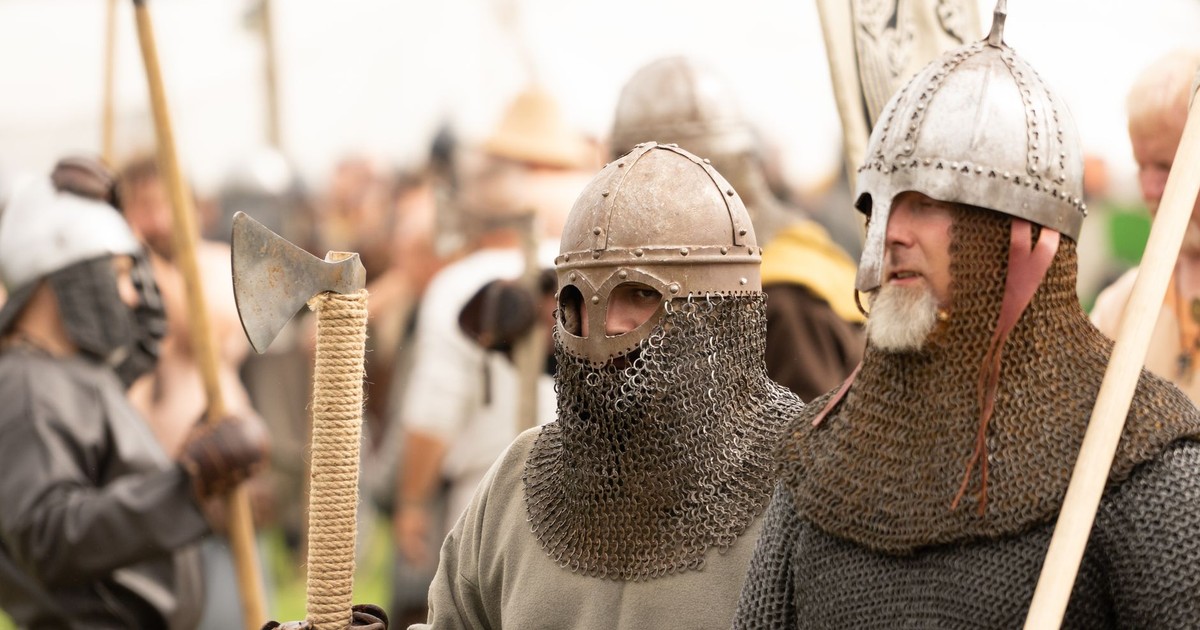
Ask is considered the first human created in Norse mythology, symbolizing beginnings and the origin of mankind – a name that connects one to mythic roots and the foundation of life. In the creation myth recorded in the Völuspá, Odin and his brothers found Ask and his female counterpart Embla as trees on land and breathed life into them, giving them breath, warmth, color, and speech.
A boy named Ask carries the dignity of being, in a sense, the first of anything. A fresh start, a new chapter, a beginning without precedent. It’s a profound thing to name a child after the original human.
50. Audun
Audun comes from the Old Norse Óðinn, meaning “furious” and “eager.” There is a short and celebrated saga simply called Auðunar þáttr vestfirzka – the Tale of Audun from the West Fjords – in which an Icelander of modest means acquires a polar bear, travels to Greenland, and gives it to King Svein of Denmark, refusing enormous wealth along the way because he believed it was the right thing to do. His integrity eventually wins him more than the wealth he refused.
It’s one of the most quietly moral stories in the entire Norse canon. A boy named Audun is connected to that story: the person who does the right thing when no one would blame him for doing the easier one.
51. Ragnvald
Ragnvald comes from the Old Norse Ragnvaldr, combining regin (divine power or counsel) and valdr (ruler), giving it the meaning of “ruler with divine counsel” or “powerful ruler.” Ragnvald Møre was a powerful 9th-century Norwegian jarl who was among the most trusted allies of Harald Fairhair in unifying Norway, and whose descendants went on to rule Orkney as the Norse earls for generations.
The name’s virtue is governance under principle – not power for its own sake, but authority held in trust, guided by something larger than personal ambition. For a boy, it’s a name that asks: when you are in a position to decide things, what are you deciding them by?
The Names That Outlast Everything
What holds all 51 of these Viking boy names together isn’t the thunder or the dragons or the dramatic battles, though those are there. It’s the understanding that the Norse people named their children the way they built their longships: for purpose, for endurance, and for the conditions they knew were coming. They weren’t naive about the world. They named children after gods who sacrificed eyes and hands, after heroes who made catastrophic mistakes, after animals that survived by adaptation rather than domination. The names carry the full picture, not just the highlights.
A name like Tyr, who gave his hand for the safety of everyone else, or Audun, who gave away wealth because it was right, or Gunnar, who died rather than break his word – these are not simple stories. They’re instructions. And handing a child a name that comes with a story attached is one of the oldest forms of moral education there is. He’ll grow into it, or he’ll push against it, or he’ll find his own meaning in it. Any of those outcomes is worth something.
AI Disclaimer: This article was created with the assistance of AI tools and reviewed by a human editor.