

Every generation thinks its style and habits will last forever. We always assume we have reached peak culture, but history proves us otherwise. Bell-bottoms felt timeless once. So did MySpace and frosted tips. Now, they live in old photos that we try not to remember. Today, we are oversaturated with trends that won’t last, even if they feel permanent right now. Social media speeds everything up, and something viral today can be cancelled tomorrow.
Oversharing Every Life Detail Online
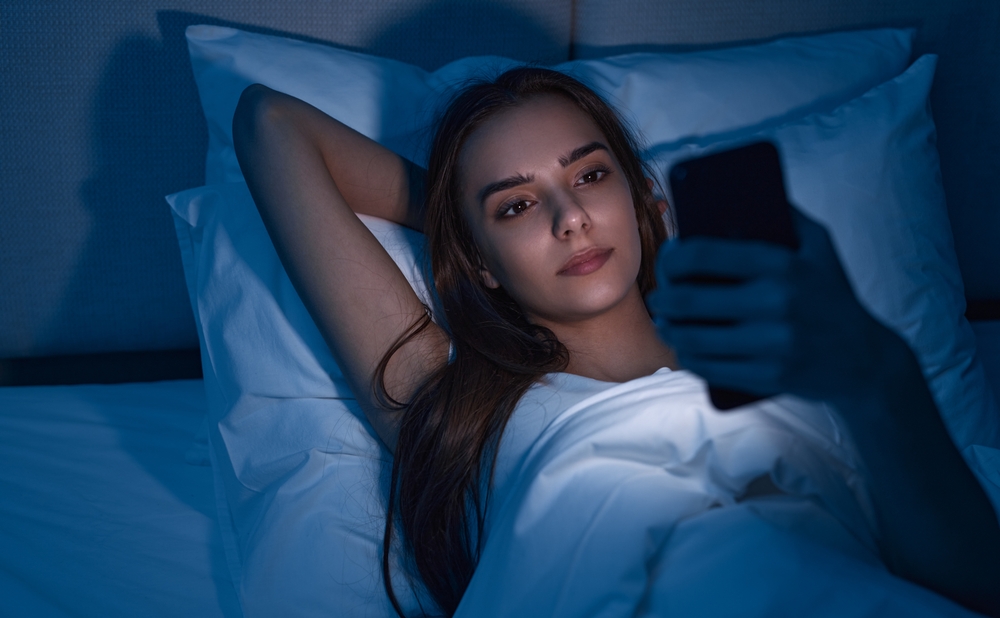
Image credit: Shutterstock.
Right now, it feels normal to post everything. Breakfast, fights, therapy wins, even breakups. Platforms like Instagram and TikTok reward that kind of visibility. The more you share, the more attention you get. But here is the thing: the internet does not really forget. Researchers talk about something called context collapse, where personal and public spaces mix together. Years from now, we might scroll back and wonder why we documented every mood swing.
Fast Fashion Hauls

Massive clothing hauls fill feeds daily. Brands such as Shein release new pieces constantly, sometimes thousands a week. It feels affordable and fun in the moment, but the environmental cost is real. The United Nations Environment Programme reports that the fashion industry contributes heavily to carbon emissions and waste. Textile waste piles up fast. Looking back, disposable wardrobes may feel careless. Just like past generations ignored smoking risks for years, we might question why we consumed so quickly without thinking much about the impact.
AI Everything, Even When It Is Not Needed
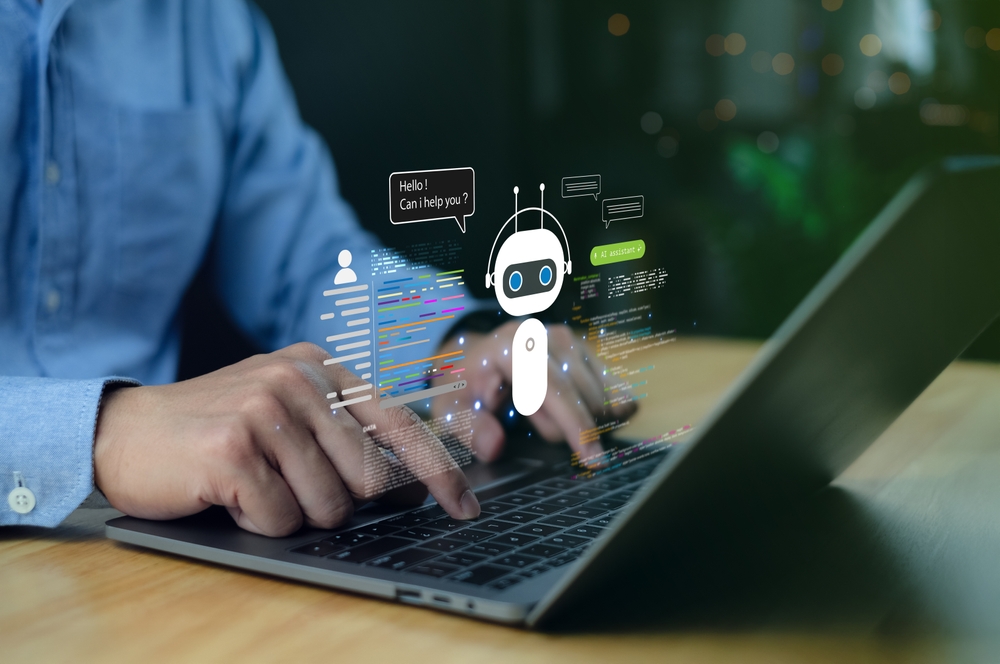
Image credit: Shutterstock.
Artificial intelligence is suddenly everywhere. From emails to art, tools powered by companies like OpenAI and Google promise to make life easier. And yes, some of it is impressive. But we are also using AI for things that maybe did not need replacing. Auto-generated captions, AI friends, even AI apology texts. Eventually, we might look back and ask why we outsourced so much thinking. Convenience is great, but over-reliance could age like other short-lived tech obsessions.
Public Proposal Stunts for Views

Image credit: Shutterstock.
Grand proposals are not new. What is new is doing them mainly for content. Flash mobs in malls, hidden cameras, dramatic edits uploaded within hours. The pressure to go viral changes the tone. Instead of intimacy, it becomes a performance. Years from now, these staged spectacles might feel less romantic and more like reality TV auditions. Not every life event needs a comment section.
Ozempic as a Casual Weight Loss Shortcut

Image credit: Shutterstock.
Medications like Ozempic were developed for type 2 diabetes, but now they are widely discussed for weight loss. While semaglutide has proven clinical benefits, doctors stress medical supervision. Social media sometimes treats it like a trendy quick fix, but this is very risky. Every medication carries side effects and long-term considerations. Future conversations may look back at the hype and see it as another extreme wellness phase.
Extreme Face Filters and AI Beauty
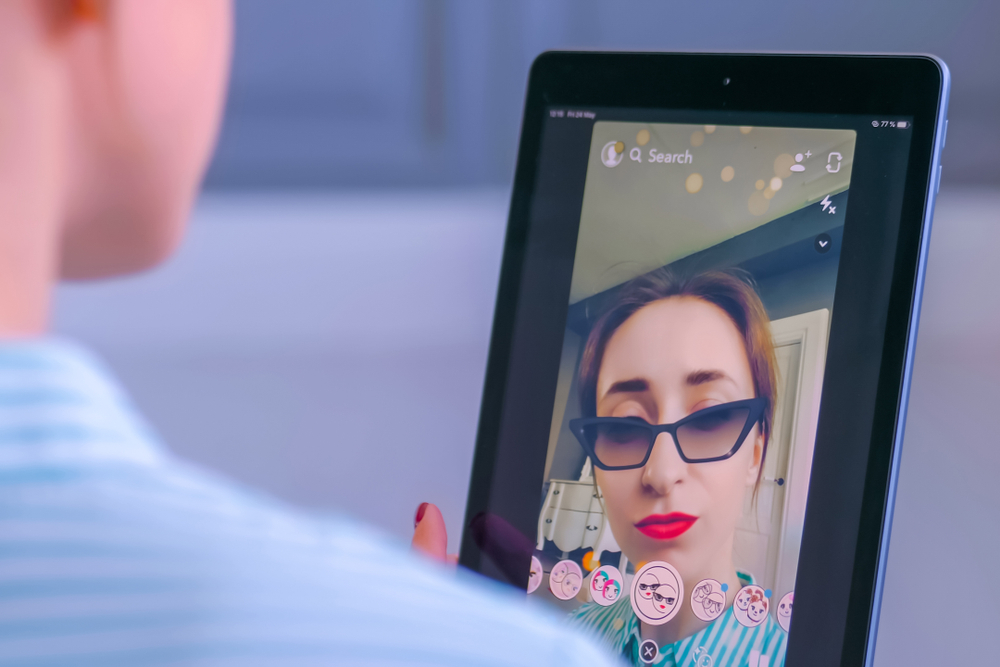
Open your camera app, and you can change your whole face in seconds: smoother skin, bigger eyes, sharper jaw. Psychologists have linked heavy filter use to body dissatisfaction. The American Psychological Association has discussed how unrealistic beauty standards affect self-esteem. When everyone looks digitally sculpted, reality starts to feel wrong. In a few years, these hyper-polished selfies may look oddly artificial. Like old glamour shots from the 90s.
Hustle Culture as a Personality

Being busy has turned into a personality trait. People brag about 5 a.m. wake-ups and skipping vacations. On professional platforms like LinkedIn, burnout can look like ambition. But the World Health Organization recognizes burnout as an occupational phenomenon. Chronic stress is not a badge; it is a health risk. Future generations may look back and ask why we treated exhaustion like proof of worth. Maybe one day rest will be the flex instead of overwork.
Recording Strangers for Content
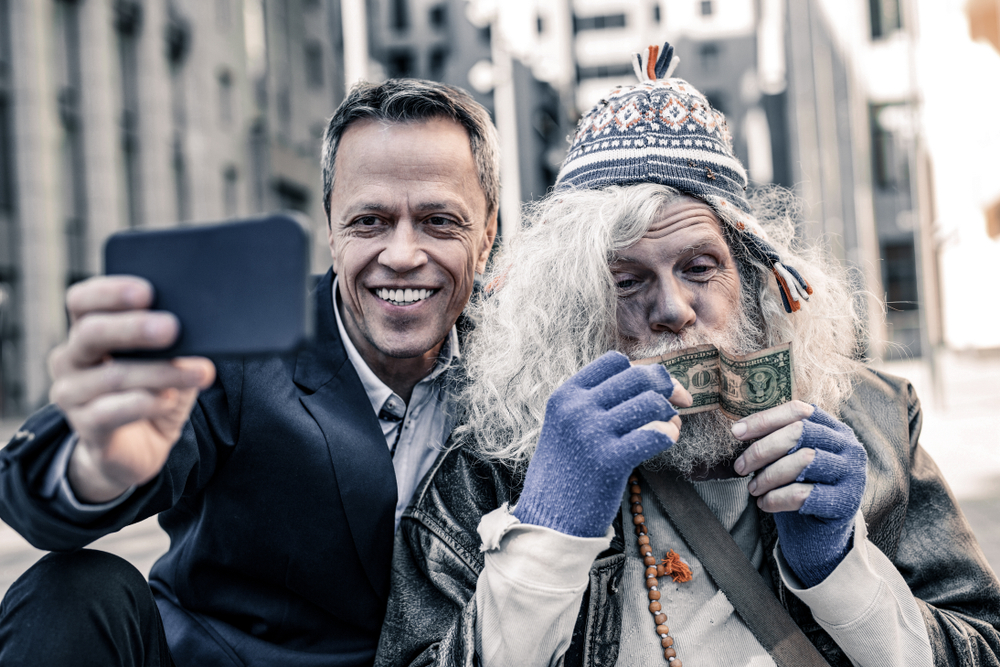
It has become common to film strangers in public for reaction videos. Privacy laws vary, but ethically, the line can blur. Platforms like YouTube reward shocking or emotional content, and that incentive pushes creators to capture raw moments without consent. Later, society may question why we normalised turning random people into viral characters. Just because you can film someone does not always mean you should.
Hyper Specific Micro Trends
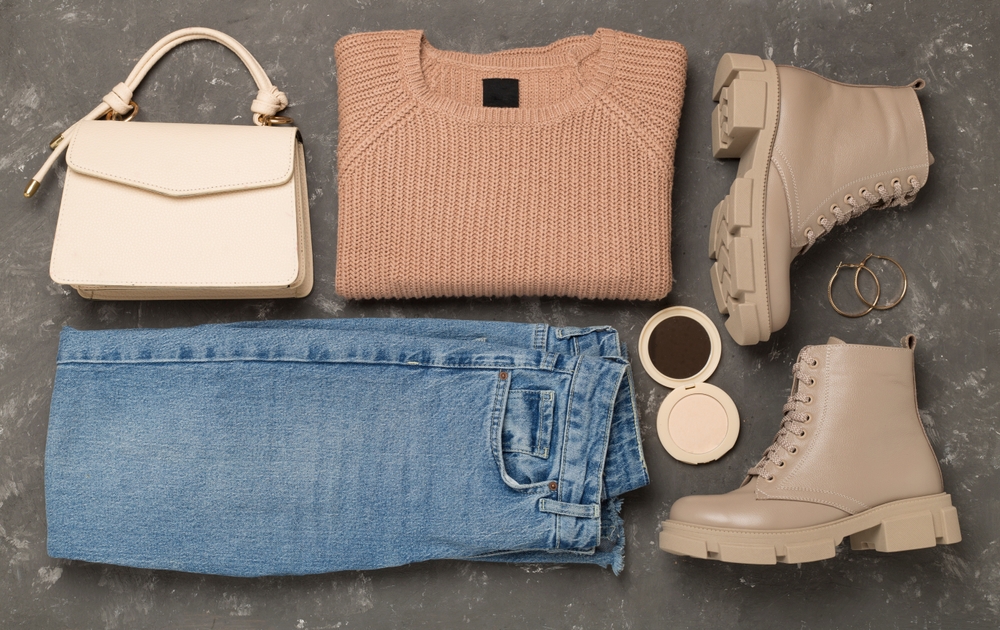
One week, it is a coastal grandmother. Next week it is tomato girl summer. Then a new aesthetic appears and replaces it. Social media accelerates micro-trends so quickly that they barely have time to breathe. What feels iconic today may last two months, and some of these cultural crazes are clearly trends that won’t last. Eventually, we might laugh at how seriously we took niche labels.
Child Influencers and Family Vlogging
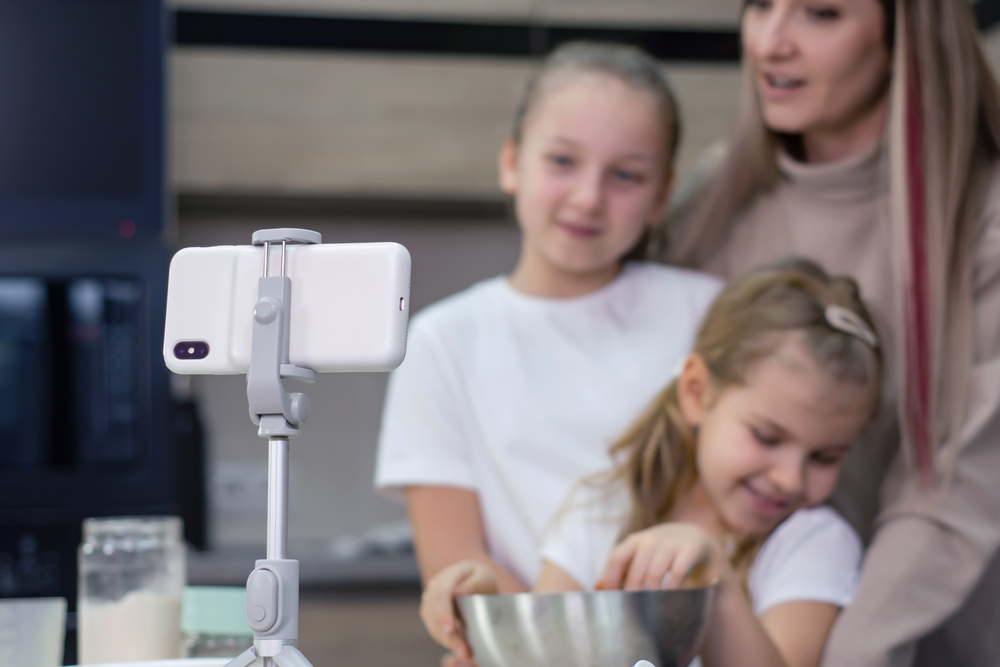
Family vlogs feel wholesome on the surface, with cute routines, birthday surprises, and daily life. Channels on YouTube and short clips on TikTok can turn kids into full-time content creators. The problem is consent. Children cannot fully understand what global exposure means, and digital footprints begin before they can read. Child development experts already raised concerns about privacy and long-term impact. In a decade, we may wonder why we monetised childhood so casually.
Viral Pranks That Cross the Line

Harmless jokes are one thing, but many viral pranks rely on fear or humiliation. Platforms reward shock value, and the bigger the reaction, the better the views. Yet psychologists note that repeated embarrassment can damage trust and emotional safety. What looks funny in a clip may not feel funny in real life. Eventually, society may shift toward consent-based humour. Looking back, scare tactics for clicks might feel immature.
Over the Top Gender Reveal Parties

Gender reveal parties started small, but now some involve fireworks, planes, or even explosives. A few have even caused wildfires and property damage. News reports have linked certain reveals to real environmental harm. What was once a simple announcement became a spectacle. Future families might choose quieter ways to celebrate.
Crypto and Meme Coin Hype
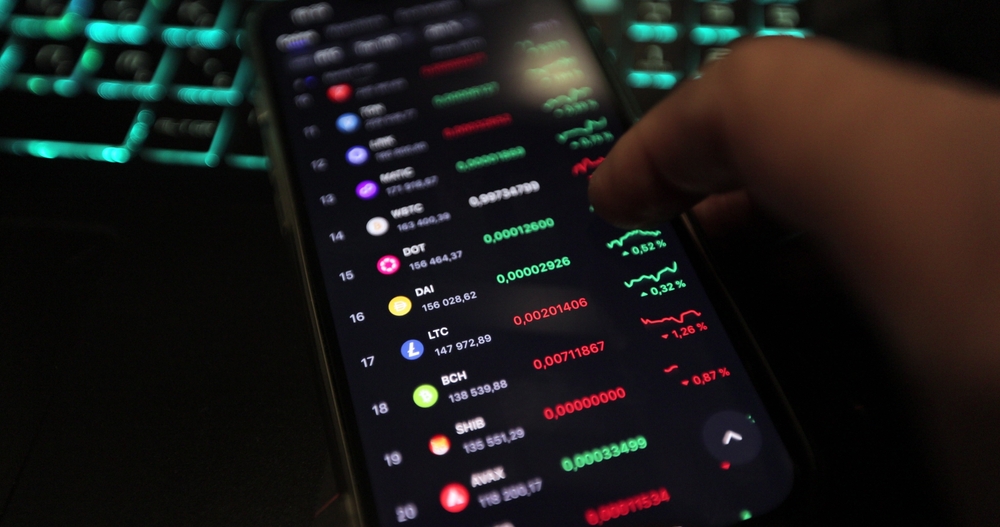
Cryptocurrency is built on real technology, and some of it is truly innovative. But meme coins and sudden buying frenzies are a different story. Social platforms like X can quickly spread hype, pushing prices up fast. New investors often jump in without fully understanding the risks. Financial experts regularly warn that crypto prices can swing wildly. Looking back, some of these digital gold rush moments may seem reckless. Like past investment bubbles, excitement can blur common sense.
Constant Self-Diagnosis on Social Media

Mental health awareness is important, and open conversations reduce stigma. However, scrolling through short videos can sometimes blur the line between education and self-diagnosis. A few traits do not equal a clinical condition, and professionals use detailed criteria for diagnoses, not quick checklists. In the future, we may look back and see this as an awkward learning phase. Awareness and accuracy matter, so it’s best to see a professional.
Stanley Cup Obsessions and Aesthetic Hydration
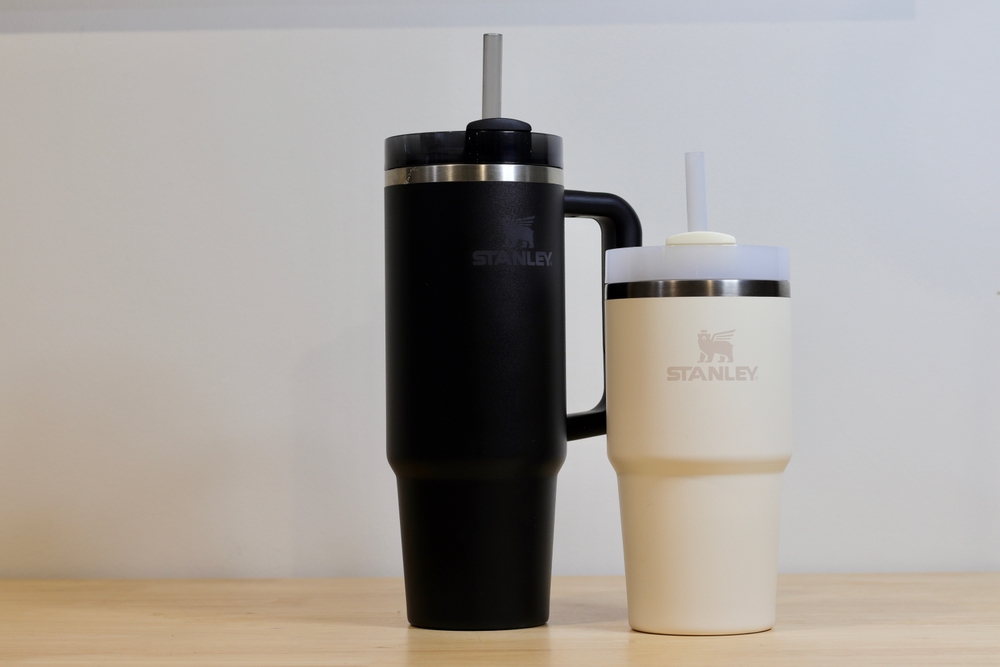
Reusable bottles are a good idea to help reduce plastic waste. The Stanley Quencher became a status symbol almost overnight, with limited colours selling out in minutes. People lined up before sunrise, and hydration turned into an aesthetic competition. Years from now, we might laugh at how emotionally invested we were in insulated metal. The sustainability message got through, but it’s not necessary to spend so much on a reusable bottle.
Therapy Speak in Everyday Arguments

Mental health vocabulary has entered daily conversation. People now use words like gaslighting, boundaries, and trauma, which are now common online. That change helped reduce stigma, but therapists caution against misusing clinical language. Not every disagreement is abuse, and not every uncomfortable moment is trauma. When serious terms get diluted, their meaning weakens. In hindsight, we may see this as an adjustment period. We were learning to talk about emotions better, but we sometimes overcorrected in the process.
Quiet Quitting as a Lifestyle Identity

The phrase ‘quiet quitting’ exploded on TikTok and spread quickly to news headlines. At its core, it meant setting work boundaries by doing your job without overextending yourself. The label soon turned into a cultural debate. Some framed it as laziness, and others called it self-respect. Over time, the buzzword itself may fade. Healthy boundaries will stay, but the catchy slogan probably won’t. The same goes for quiet vacationing.
Unrealistic Morning Routine Videos

Morning routine videos are everywhere. Waking up at 4 am. Ice bath. Journal. Meditate. Green juice. And film it all in perfect lighting. Sleep researchers consistently stress the importance of adequate rest. Productivity is not about extreme rituals; it is about sustainability. In a few years, hyper-optimised mornings may look performative. People might prefer balanced routines instead of cinematic ones. The pressure to live like a wellness influencer every day may quietly fade.
Renting Luxury for the Gram

Luxury cars for the weekend. Designer bags for a photo shoot. Private jet backdrops staged on studio sets. Social media can blur what is owned and what is borrowed, but when it comes to social media, the image sometimes matters more than reality. Financial advisors often emphasise long-term stability over flashy spending. Eventually, curated wealth signals might feel outdated, and people may opt for more authentic financial literacy, which could become more aspirational than staged. Some of these flashy lifestyle moments are likely trends that won’t last, even if the photos remain online.
Extreme Skincare Layering
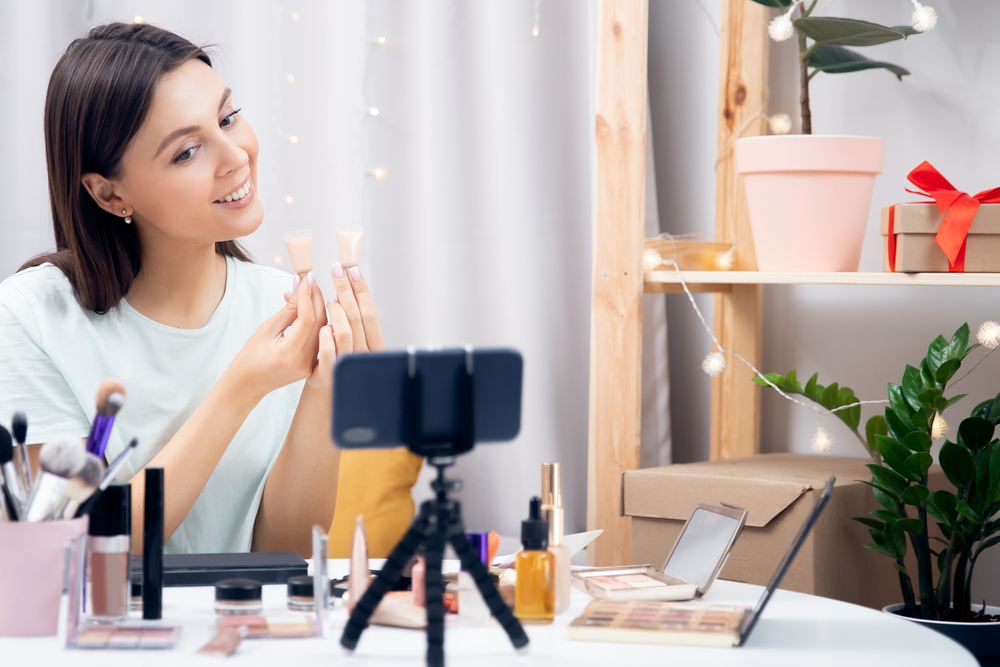
Ten-step routines became normal almost overnight. Toner, essence, serum, ampoule, cream, oil. Then repeat. Dermatologists often say simple routines work well for most people. The American Academy of Dermatology regularly emphasises sunscreen and gentle cleansing as basics. Overlayering can irritate skin barriers, yet social feeds reward overflowing bathroom shelves. In a few years, minimalist skincare may feel smarter. We might laugh at how we treated our faces like science experiments instead of skin that needed balance.
Viral Diet Cycles and Wellness Extremes

Every year brings a new miracle plan. Carnivore. Juice cleanses. Detox teas. Influencers promote dramatic before-and-after photos. Yet nutrition science moves slowly and relies on long-term studies. Organisations stress balanced diets over extremes, as rapid weight shifts often reverse. Eventually, some of these dramatic wellness crazes may feel like recycled ideas with new branding. Sustainable habits usually outlast flashy promises.
Main Character Syndrome

Imagine you romanticise your life and start acting like you are the main character in your own story. That mindset can genuinely boost confidence and motivation. However, when every moment turns into content, a real connection can start to feel insignificant. Constant self-narration can slowly shift your focus away from the people around you. Psychologists consistently point out that strong social bonds improve overall well-being. When life is framed only through a personal spotlight, it can become isolating rather than inspiring. Living fully and being present will likely matter more than curating a soundtrack for strangers online.
Algorithm-Driven Echo Chambers

Platforms tailor feeds to match what we already like. Companies such as Meta design algorithms to keep users engaged longer, and the result can be echo chambers. You see more of what you agree with and less of what challenges you. Researchers have warned that this can intensify polarisation. At some point, we may question why we let code shape so much of our worldview. Personalised feeds feel convenient now, but they might look limiting in hindsight.
Turning Every Hobby Into a Side Hustle

You may have people telling you to monetise your passion. If you love baking, turn it into a business. If you enjoy photography, build a brand around it. While entrepreneurship can be empowering and financially rewarding, constantly trying to monetise every interest can slowly drain the joy out of it. Leisure actually has psychological value on its own. Research on well-being consistently highlights the importance of play and creative activities without performance pressure. When every hobby becomes a side hustle, it can start to feel like work. Years from now, we may look back at this mindset and realise how exhausting it was. Not every interest needs a price tag. Some hobbies deserve to stay hobbies simply because they make life more enjoyable.
Biohacking Without Medical Guidance
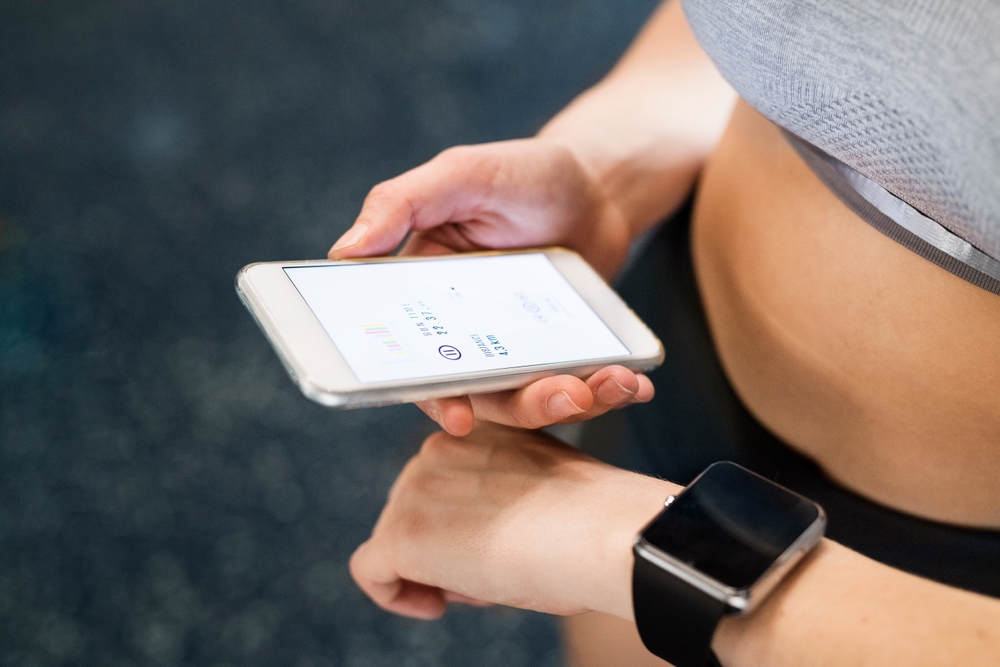
Cold plunges, supplement stacks, wearable trackers measuring everything. Biohacking sounds futuristic and empowering, and some tools are backed by research, while others are not. Devices these days provide sleep and recovery data, which can be helpful. Still, physicians often warn against self-experimenting without supervision. In a few years, extreme optimisation culture may look obsessive. Caring about wellness is wise, but treating your body like a tech startup, maybe less so.
Rage Bait Content for Engagement

Outrage spreads fast online, and creators sometimes post intentionally controversial takes just to spark arguments. Platforms such as X amplify high engagement posts, even negative ones. The algorithm does not care why people react, only that they do. Over time, constant anger becomes exhausting. Communication scholars already discuss how outrage cycles erode trust. Eventually, we might look back and wonder why we fed so much energy into digital fights with strangers.
Celebrity Worship Through Parasocial Bonds
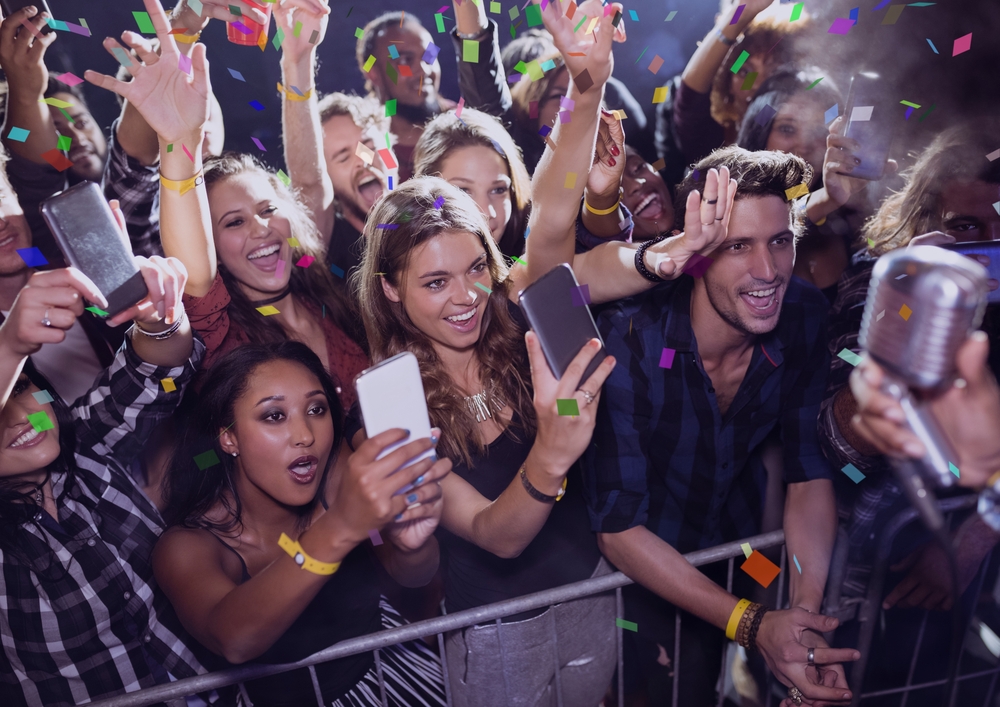
Following actors and musicians is not new. What is different now is the intensity. Fans analyse every move of figures like Taylor Swift or Kylie Jenner as if they were close friends. Psychologists describe parasocial relationships as one-sided emotional bonds. They can feel real, even though the connection is distant. In moderation, fandom is harmless, but when it replaces real-world relationships, it becomes unhealthy. This hyper attachment phase may look excessive in hindsight.
Greenwashing Marketing Claims
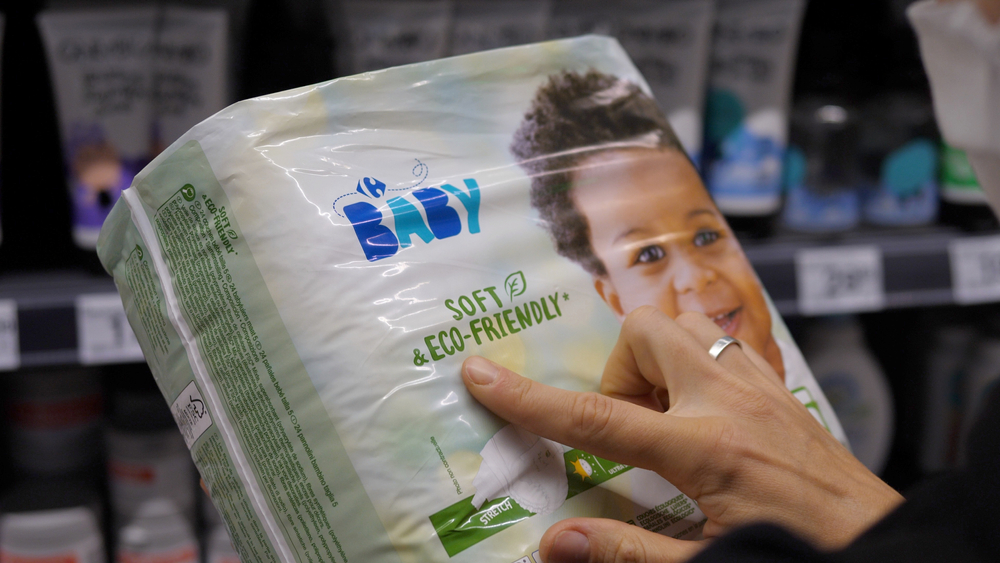
Sustainability sells, and many brands now label products as eco-friendly or clean. However, environmental researchers warn about greenwashing, where companies exaggerate their impact. Without regulation and transparency, labels can mislead consumers. Climate awareness is rising, which is good, yet vague marketing buzzwords may not survive scrutiny.
Read More: Bizarre Things Millennials Grew Up Doing That Would Shock Gen Z Today
Constant Productivity Tracking
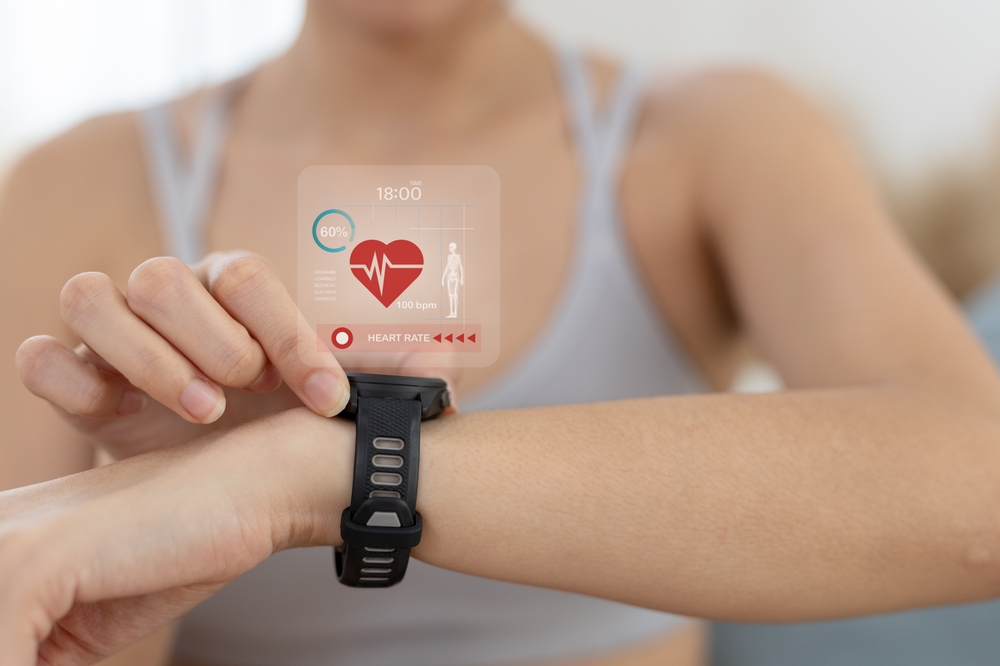
Apps count steps, screen time, calories, and focus minutes. There is a metric for everything that can help build awareness around your health and body. But when every moment becomes data, life starts to feel like a performance review. Behavioural scientists note that intrinsic motivation often works better than constant measurement. Balance will likely outlast obsession, and some of these data-driven habits feel like trends that won’t last, especially if they steal joy from daily life.
Final Thoughts

If history teaches us anything, it is that we are not as timeless as we think. Some of today’s viral sensations, lifestyle fads, and digital obsessions will age fine, and others will not. Cultural shifts happen over time, and what feels normal now may look excessive later. The smartest move is staying curious and flexible. After all, every era has its cultural crazes and short-lived movements, and ours is no exception.
A.I. Disclaimer: This article was created with AI assistance and edited by a human for accuracy and clarity.
Read More: People Are Noticing Toxic Trends They See With Gen A