
Riddles have a way of waking up your brain in seconds. They mix logic, wordplay, and a bit of misdirection to keep your thoughts sharp. Let’s explore 25 clever brain teasers designed to challenge how you think. These riddles range from classic puzzles to trickier mind games. Along the way, you will see hints to guide you. Take your time, enjoy the challenge, and trust your instincts as you go. You can find the correct answers at the end of the slideshow.
Riddle 1
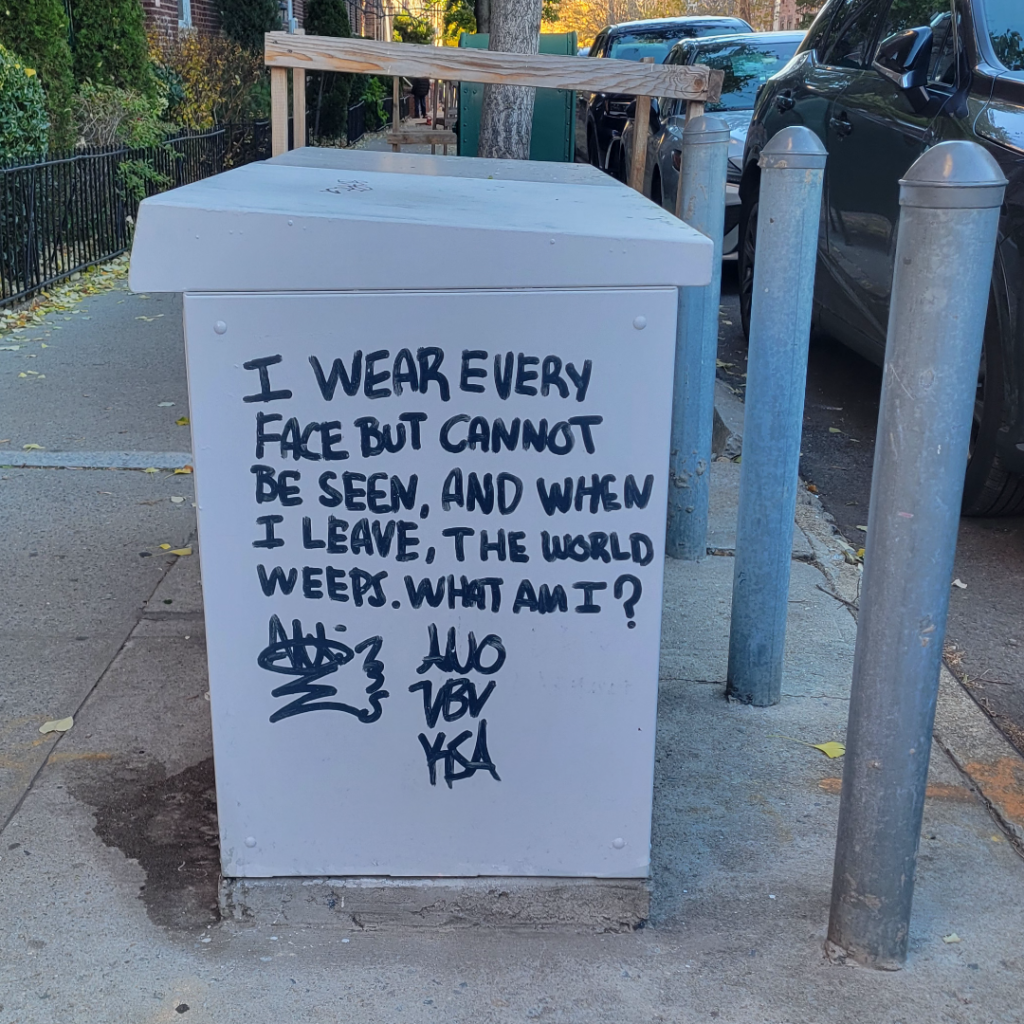
I wear every face but cannot be seen, and when I leave, the world weeps. What am I?
The answer connects to something universal that shapes mood, memory, and shared human experience.
Hint: Think about everyday experiences tied to emotion and nature. It touches every person, even without form.
Riddle 2

What has keys but no locks, space but no room, and you can enter but never go inside?
This riddle uses everyday words in unexpected ways. Each clue points toward something familiar, yet easy to overlook.
Hint: Focus on modern objects, not buildings. Pay attention to how we use the word “enter” in daily life.
Riddle 3

The more you take, the more you leave behind. What am I?
This is short, but it forces you to rethink the idea of taking something away. Instead of objects, consider actions.
Hint: Imagine movement rather than possession. Think about what happens every time you walk across a surface or move through a space.
Riddle 4
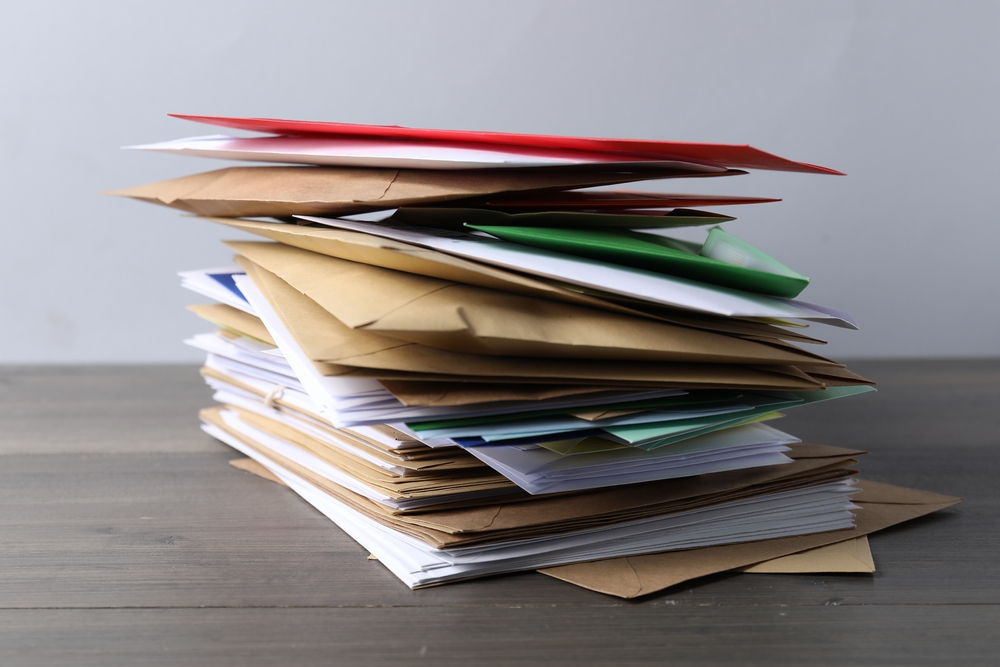
What can travel around the world while staying in the same corner?
This sounds impossible at first. Still, the answer is surprisingly simple once you change perspective.
Hint: Think small, not large. Also consider items that move because people carry them, rather than moving on their own across land or water.
Riddle 5
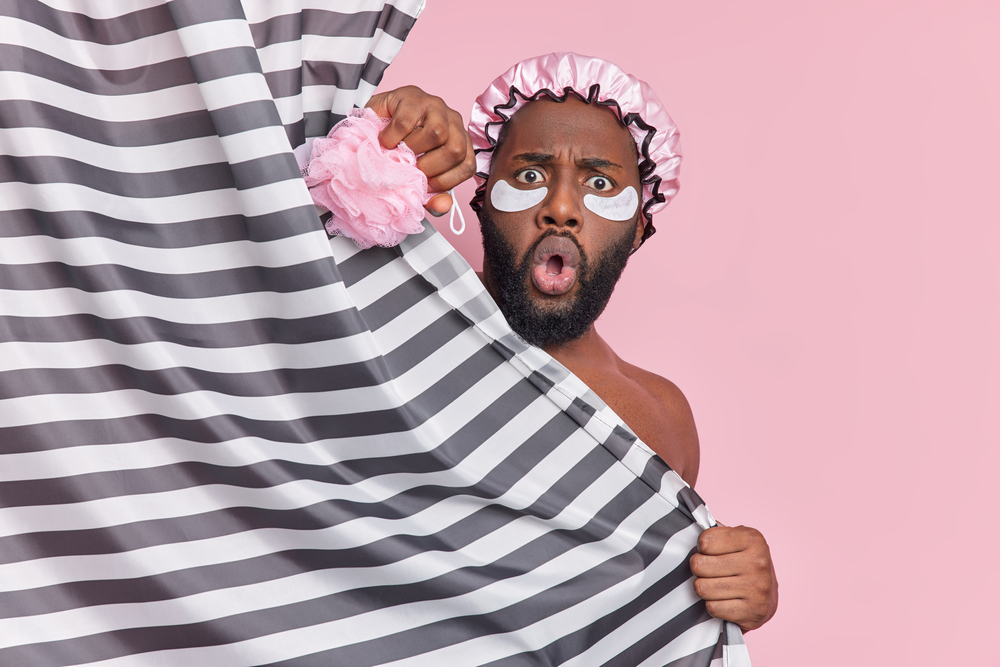
What gets wetter the more it dries?
This brain teaser feels backwards on purpose. You expect drying to remove moisture, not create it. However, the trick lies in what does the drying, not what gets dried.
Hint: Think about a common household item. It helps after a shower or a spilled drink. Also, notice how it changes as it absorbs water from something else.
Riddle 6

What has many teeth but cannot bite?
This little puzzle uses body language to mislead you. Teeth make you think of animals or people. Yet the “teeth” here line up in a neat pattern and serve a practical job.
Hint: Picture an everyday object used for grooming. It moves through hair smoothly. It may break, but it still will not chew anything.
Riddle 7

What has a head and a tail but no body?
At first, it sounds like a creature. Still, the answer is something you likely carry or use often. This relies on familiar words with a different meaning.
Hint: Think about something small and round. It can flip from one side to another. It often decides outcomes in games and quick choices.
Riddle 8
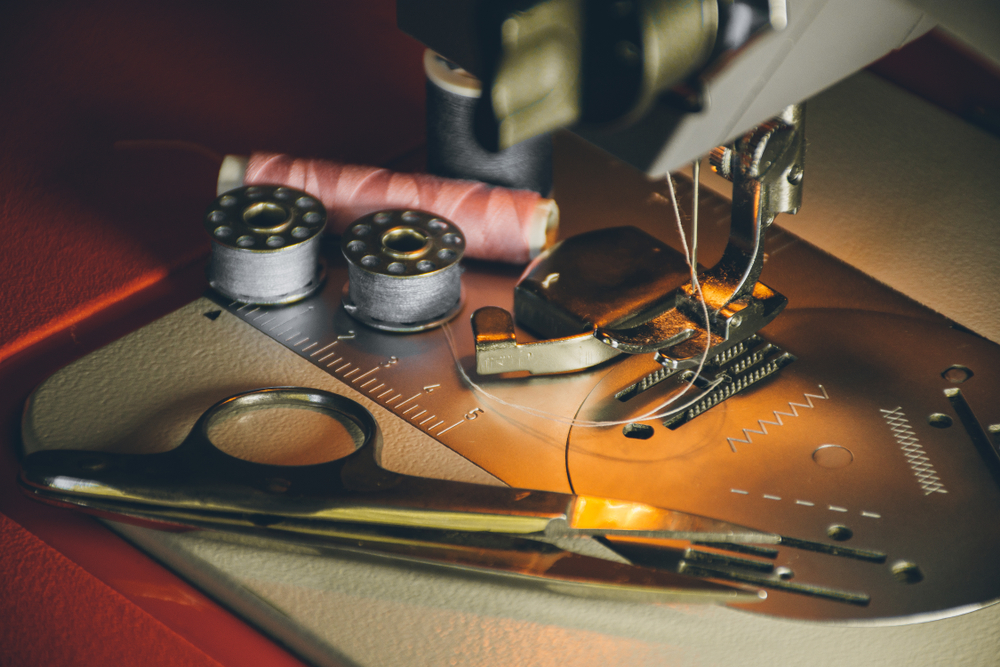
What has one eye but cannot see?
This puzzle sounds like it describes a character in a story. Yet it points to a simple object. Once you spot the “eye,” it becomes much easier.
Hint: It helps pull something through fabric in a straight line.
Riddle 9

What has hands but cannot clap?
This one plays with the meaning of “hands.” It sounds human, but it is not alive. It still “moves” in a way that feels familiar and steady.
Hint: Look for something that measures time. Its hands point, turn, and repeat.
Riddle 10
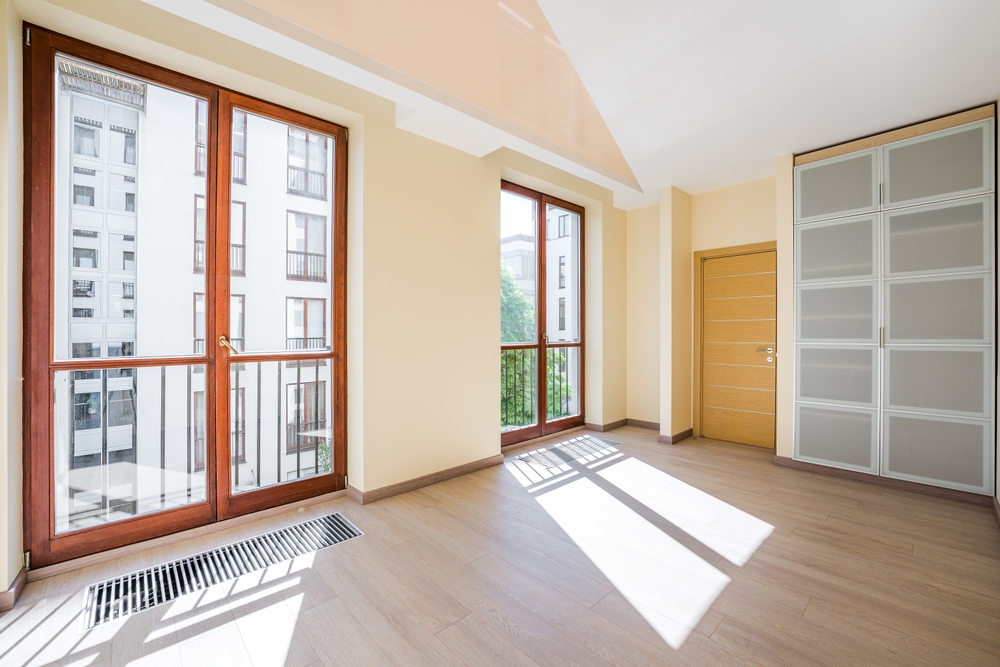
What can fill a room but takes up no space?
This feels strange because it challenges how we think about space. You expect something physical, yet the answer is not solid at all.
Hint: Think about natural elements that travel freely. It helps you see but has no weight.
Riddle 11

What has a neck but no head, and wears a cap?
This puzzle borrows terms from clothing and the body to confuse you. Once you separate the words from their usual meanings, the answer becomes clear.
Hint: Think about items found in a kitchen or bar. The “cap” twists or pops off. The neck holds something liquid, not thoughts.
Riddle 12

I move without legs, speak without a voice, and vanish the moment you chase me. I can comfort you or confuse you, yet I leave no trace behind. What am I?
Hint: Think about experiences that live in the mind rather than the body. It often arrives uninvited, especially in quiet moments or just before sleep.
Riddle 13

What has a ring but no finger?
This sounds like it belongs to jewelry. Yet the answer has nothing to do with hands. It uses the word “ring” in a broader sense.
Hint: Think about objects that make sounds. The ring refers to noise, not decoration. Consider something that alerts people when attention is needed.
Riddle 15

I have cities, but no houses. Mountains, but no trees. I have water, but no fish. What am I?
This pushes you to picture a whole world, then strips away what should be there. The answer is something that represents reality, but is not reality itself.
Hint: Think of something flat that can still show distance. It helps with directions. You might fold it, zoom it, or hang it up.
Riddle 16

What comes once in a minute, twice in a moment, but never in a thousand years?
This is a word-based riddle that rewards careful reading. It feels like a time puzzle, yet it is not about clocks at all. Look closely at the wording.
Hint: Ignore the passage of time. Instead, focus on the letters inside the keywords. One small detail repeats in specific places.
Riddle 17

What begins with T, ends with T, and has T in it?
It looks like a spelling trick, but it also connects to something you might use daily. It plays with what “in it” can mean.
Hint: Think of an item with a clear purpose. It holds something, rather than being something. The middle clue matters more than it first seems.
Riddle 18
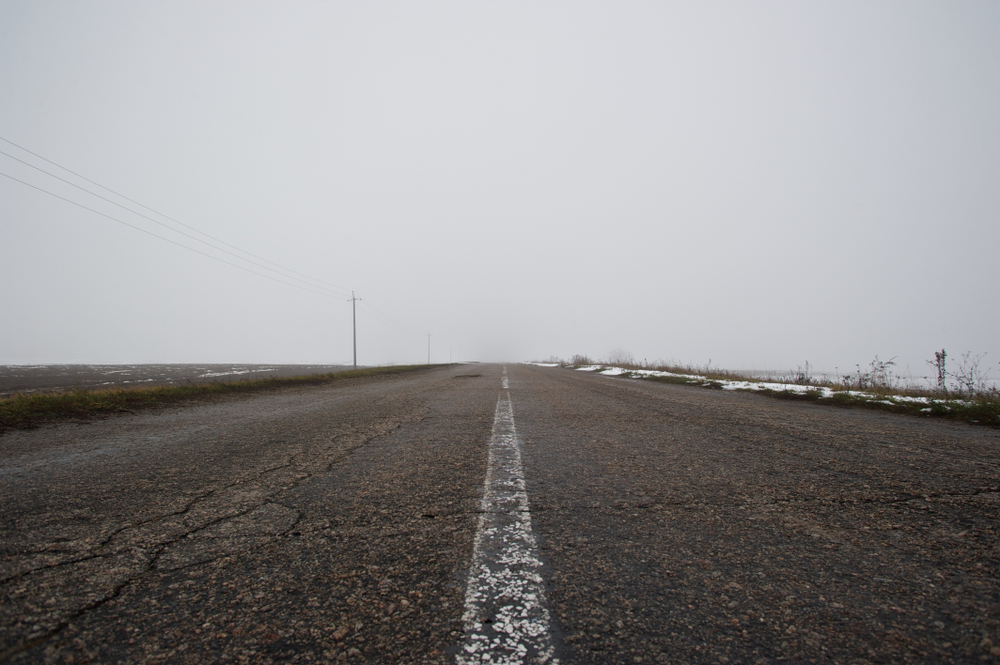
What is always in front of you but cannot be seen?
This one feels philosophical, yet it has a clean answer. You experience it constantly, but you cannot point to it like an object on a table.
Hint: Think about what you move into, not what you leave behind. It relates to time and expectation. You can plan for it, but never view it directly.
Riddle 19

What is so fragile that saying its name breaks it?
This depends on a moment you have probably felt in real life. The answer is not physical, but it can still be “broken” instantly.
Hint: Think about a situation where noise changes everything. It often happens in libraries, tense meetings, or quiet rooms. One word can ruin it.
Riddle 20
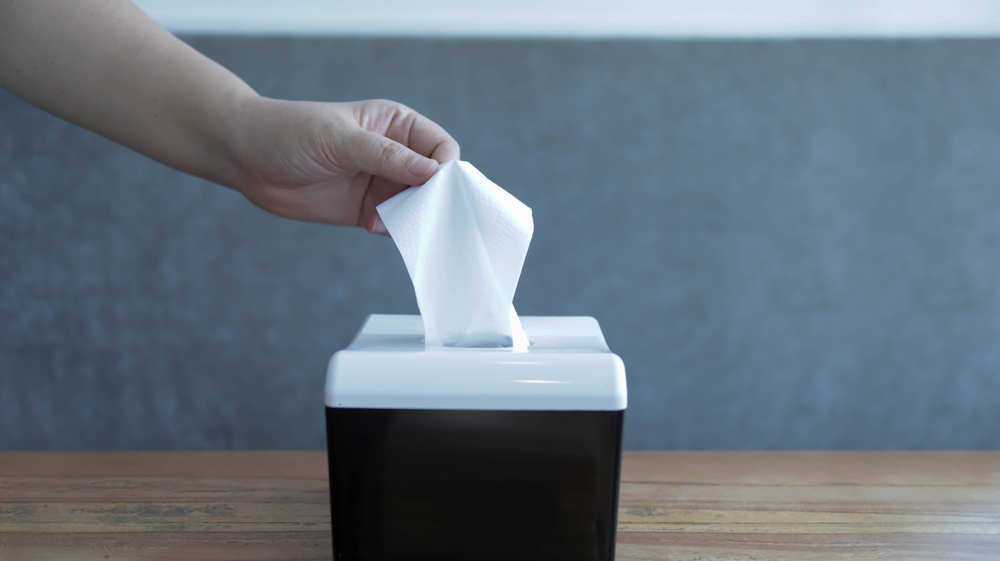
What can you catch, but never throw?
This one sounds like a sports question at first. However, it is not about hands or strength. The trick sits in how we use the word “catch” in daily life.
Hint: Think about things that spread from person to person. It can start small and grow fast. You might “catch” it without noticing at first.
Riddle 21

What breaks yet never falls, and what falls yet never breaks?
This comes as a pair, so you solve it in two parts. The wording feels physical, but the answers are not identical types of things.
Hint: One part relates to time and routine. The other part relates to nature and movement. Keep your thinking broad, then narrow it down.
Riddle 22
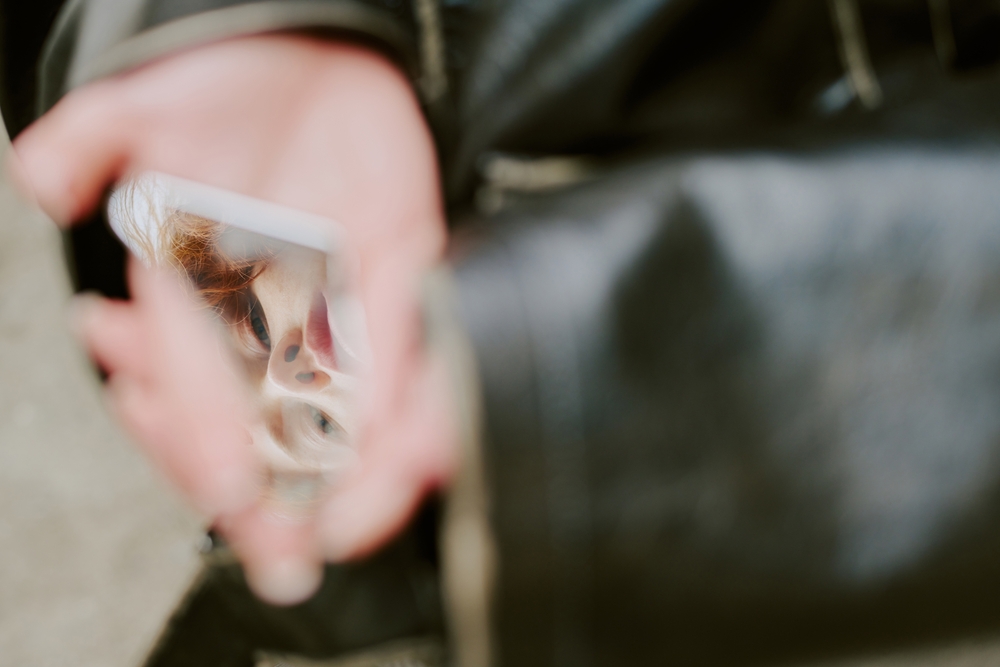
If you drop me, I am sure to crack, but smile at me, and I will smile back. What am I?
This riddle uses a human action to point toward a non-human object. It is classic misdirection. The “smile” is not real, but it is still visible.
Hint: Think about reflections and surfaces. Consider what can “copy” your expression. It can show you the truth, yet it can also distort it.
Riddle 23
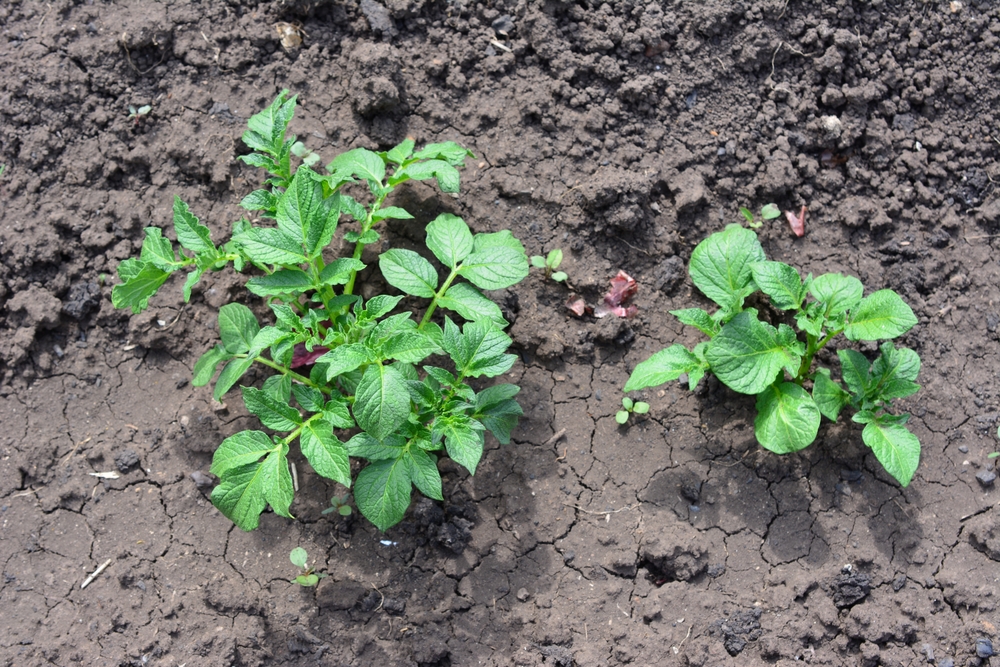
What has lots of eyes, but cannot see?
This puzzle makes you imagine a creature, but it is not alive. The “eyes” are repeated shapes, not organs. The answer is common and simple.
Hint: Think of something that grows. Its “eyes” are points that can turn into something new. You might find it in a garden, or on a dinner plate.
Riddle 24

What has words, but never speaks?
This riddle sounds like it points to a person, yet it does not. It highlights the difference between containing language and producing sound.
Hint: Think about objects that store stories or information. It can be old-fashioned or modern. It teaches, entertains, or informs without making a sound.
Riddle 25
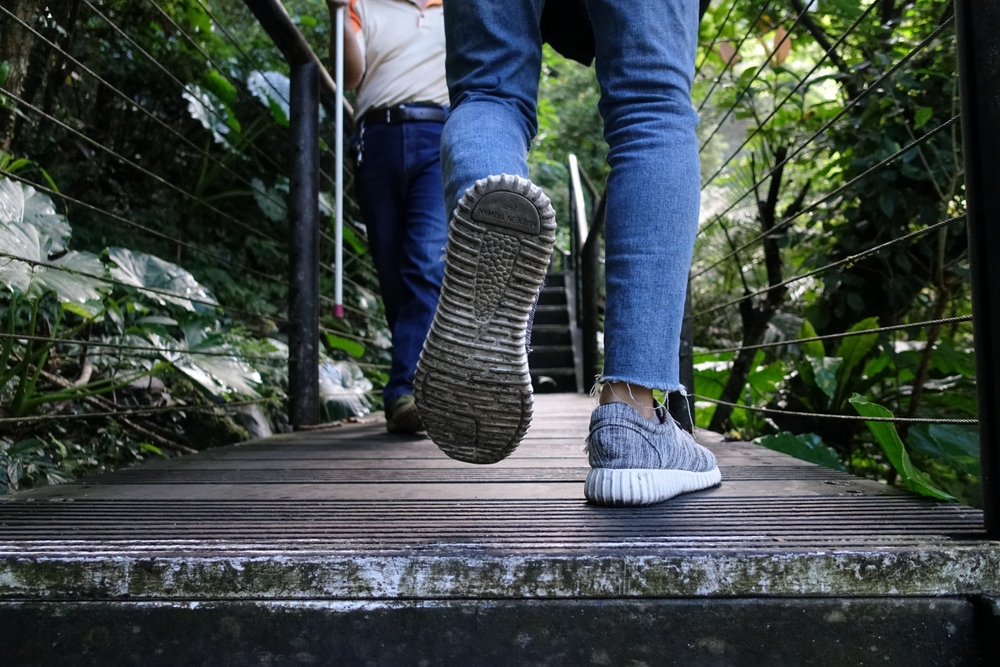
What has a bottom at the top?
This riddle flips expectations on purpose. You read it once and feel confused. Then you read it again and realize the trick lies in how we describe position.
Hint: Think about clothing or accessories. Consider how we label parts even when they are worn upside down compared to the body itself.
Answers to Riddles

Riddle 1 – wind, Riddle 2 – a keyboard, Riddle 3 – footsteps, Riddle 4 – a stamp, Riddle 5 – a towel, Riddle 6 – a comb, Riddle 7 – a coin, Riddle 8 – a needle, Riddle 9 – a clock, Riddle 10 – light, Riddle 11 – a bottle, Riddle 12 – a thought, Riddle 13 – your age, Riddle 14 – a telephone, Riddle 15 – a map, Riddle 16 – the letter M, Riddle 17 – a teapot, Riddle 18 – the future, Riddle 19 – silence, Riddle 20 – a cold, Riddle 21 – day breaks and night falls, Riddle 22 – a mirror, Riddle 23 – a potato, Riddle 24 – a book, and Riddle 25 – your legs.
If a few of these mind challenges caught you off guard, that means they worked. These riddles and brain puzzles show how shifting perspective can reveal surprisingly simple answers.
Read More: 20 Head-Scratching Riddles You and The Kids Will Love