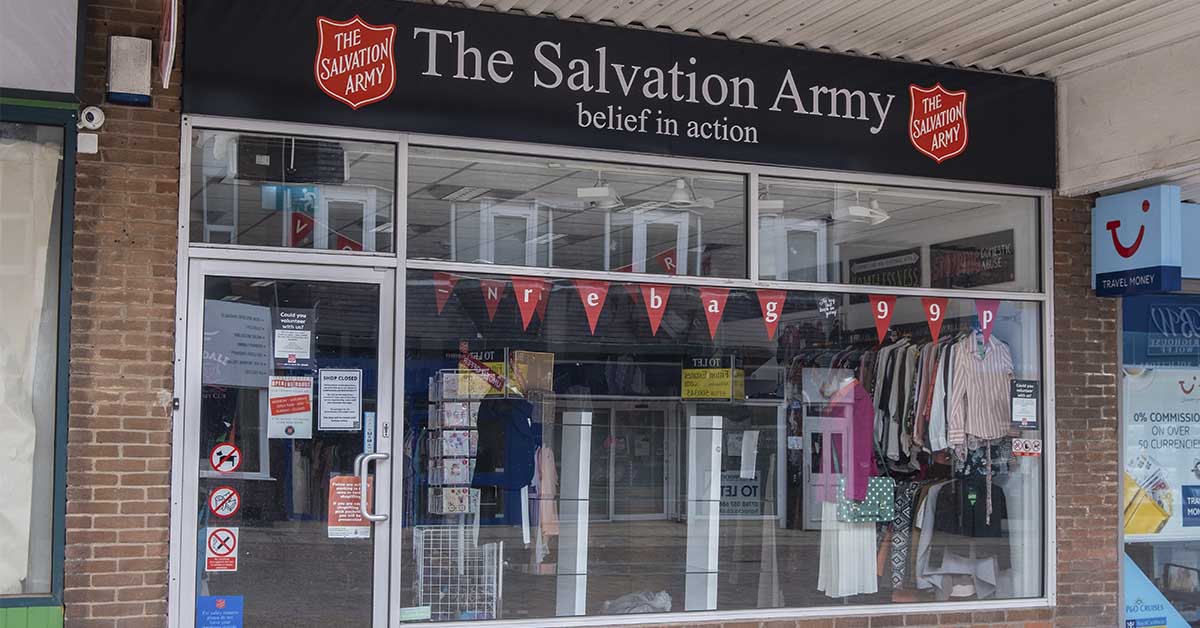

Shopping at a Salvation Army store can be affordable and rewarding when you know how to approach it. With donations arriving daily and frequent sales rotating through the racks, there are always opportunities to find something worthwhile. The challenge is that these items move quickly, and only shoppers with a solid plan walk away with the best pieces. Learning the right strategies makes thrifting less overwhelming and more successful. These thrift store tips cover clothing, furniture, books, and even store policies to help you get the most value from each visit. Whether building a new wardrobe, decorating a home, or saving money, these steps will help you thrift like a pro.
1. Go In With a Plan but Stay Open to Surprises

Shoppers who start with a specific list usually spend less and stay focused. Having a plan helps avoid picking up items you do not need or already own. At the same time, flexibility is key because thrift stores always hold unexpected finds. It is common to walk in looking for a jacket and leave with quality cookware or a bookshelf instead. Staying disciplined while leaving room for discovery keeps shopping practical and fun. Balance is the key to making each trip worthwhile.
2. Learn the Color Tag Sale Schedule

Most Salvation Army stores use a rotating discount system based on color-coded tags. One or more tag colors are marked down every week, often by 50 percent or more. Some stores even offer special days where certain items are reduced to under a dollar. When you enter the store, checking the tag schedule can help you prioritize racks with discounts. Staff members are usually happy to explain how the system works. Knowing which colors are on sale weekly is one of the most useful thrift store tips.
3. Visit Often Since Inventory Changes Daily
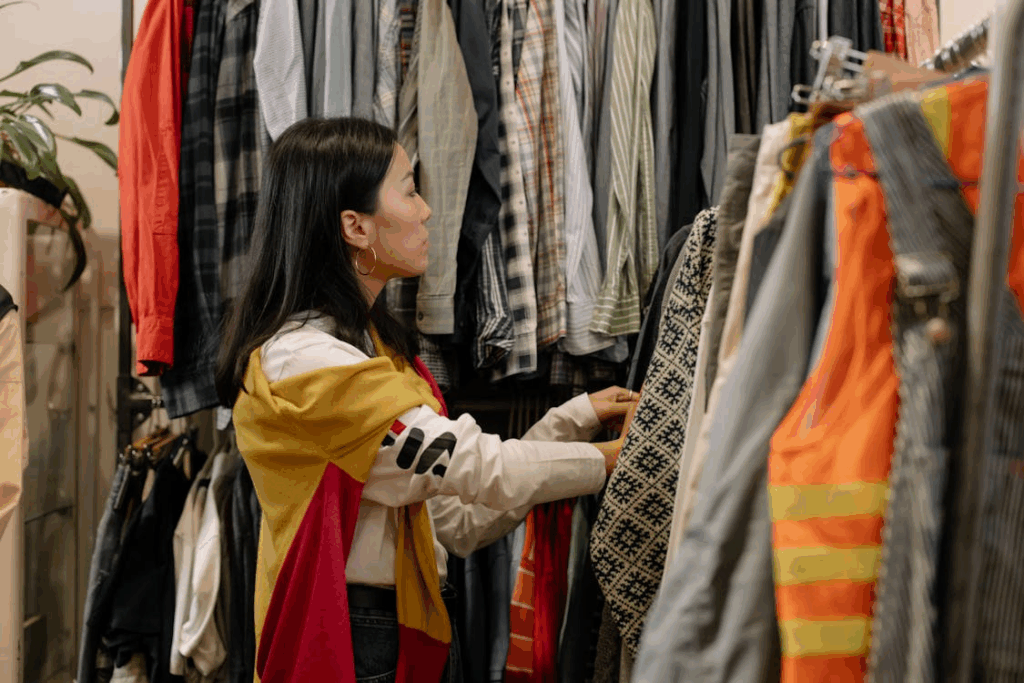
Unlike traditional retail stores, thrift shop inventory changes constantly. New donations are processed and placed on the floor nearly every day. Because of this, the best way to find high-quality pieces is to stop by frequently. Even short visits can result in valuable discoveries. Regular shoppers have a clear advantage because they see items before others do. Treating the store like a frequent stop pays off if you want consistent success.
4. Shop Early in the Day for First Pick
Arriving early gives you access to fresh merchandise before it gets picked over. Many stores restock either the night before or in the early morning hours. You avoid crowded racks and gain the first chance at new donations by showing up when doors open. Shopping early also means shorter checkout and fitting room waits. While not everyone can shop at opening, those who do often see the best results. Timing can directly affect the quality of your haul.
5. Check All Sections, Not Just Your Size

It is common for thrift stores to misplace or mislabel clothing sizes. Items can also shrink or stretch over time, making tags unreliable. For this reason, looking in multiple sections can uncover valuable finds that others overlook. Depending on style trends or layering, oversized clothes or smaller items can still work. Even furniture or shoes may appear in unexpected aisles. Expanding your search across the store increases your chance of finding something unique.
6. Try Things On When Possible
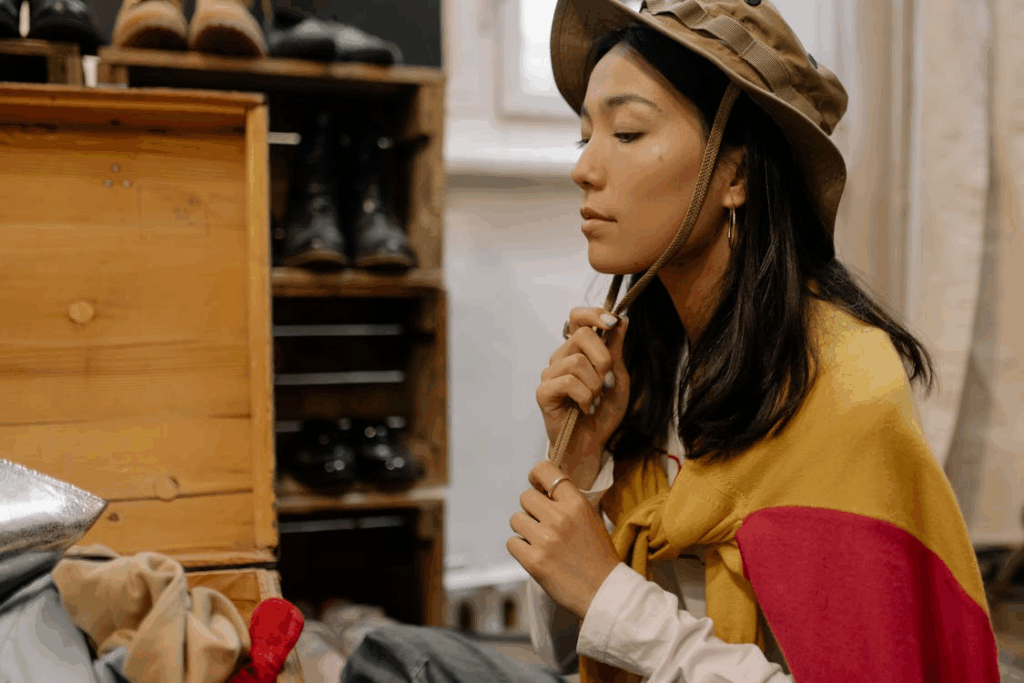
Sizing standards have changed significantly, and brands measure clothing differently. A pair of jeans from the 1990s labeled as a size medium may fit closer to a modern small or large. Because of these variations, trying items on before purchase is essential. Taking a few extra minutes in the fitting room prevents you from wasting money on something that does not fit well. Comfort and accuracy are more reliable than the tag. Fitting before buying ensures satisfaction once you get home.
7. Inspect Items for Stains, Damage, or Smells
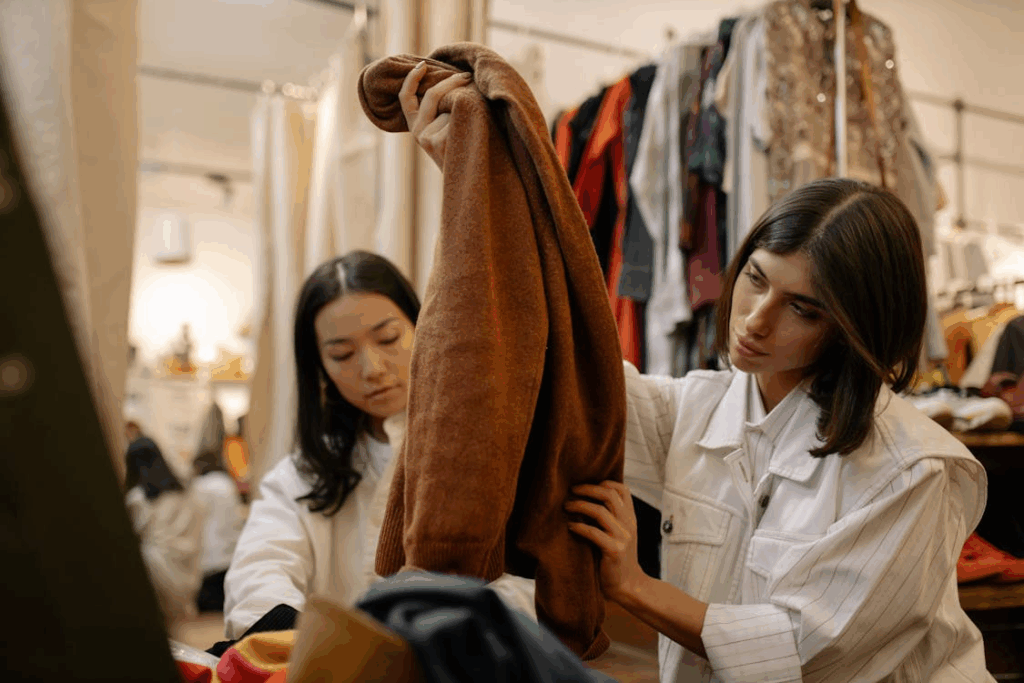
Every thrifted item should be sifted through before checkout. Look for hidden stains under collars, missing buttons, or small tears along seams. Smelling fabrics is also crucial because odors from smoke or mildew can be hard to remove. Some flaws are easy to fix, while others make the item unusable. Taking time to inspect reduces future disappointment and wasted money. This step is crucial but straightforward for every thrift store trip.
8. Bring Cash in Case Cards Are Not Accepted

Although many locations accept debit and credit cards, some smaller branches may not. A small amount of cash ensures you will not miss out on a purchase. Cash also speeds up transactions when lines are long or systems go down. Being prepared avoids frustration at checkout. It is a small step that makes the entire process smoother. Carrying cash is one of those thrift store tips that often saves the day.
9. Be Patient Because Good Finds Take Time
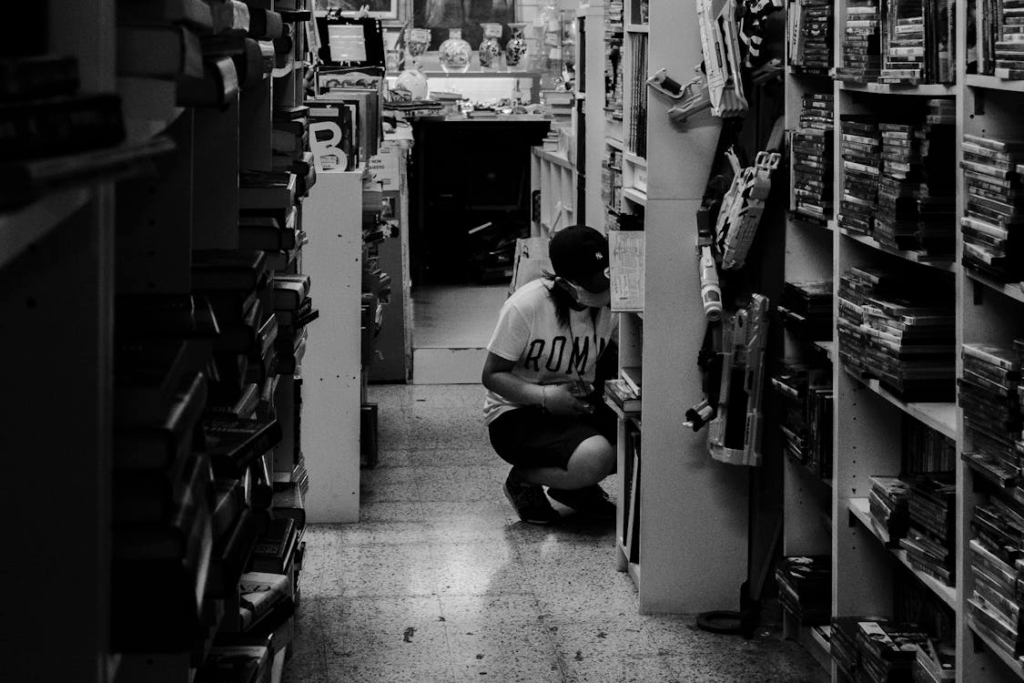
Thrifting is not usually a quick task. It requires time to sift through racks and compare options. Shoppers who move too quickly often miss valuable items hidden among the clutter. Patience also applies to waiting for better discounts or for restocks to occur. Accepting that some trips will be better than others makes the process less stressful. Consistency and patience are what turn casual shoppers into skilled thrifters.
10. Explore Furniture and Home Goods Sections
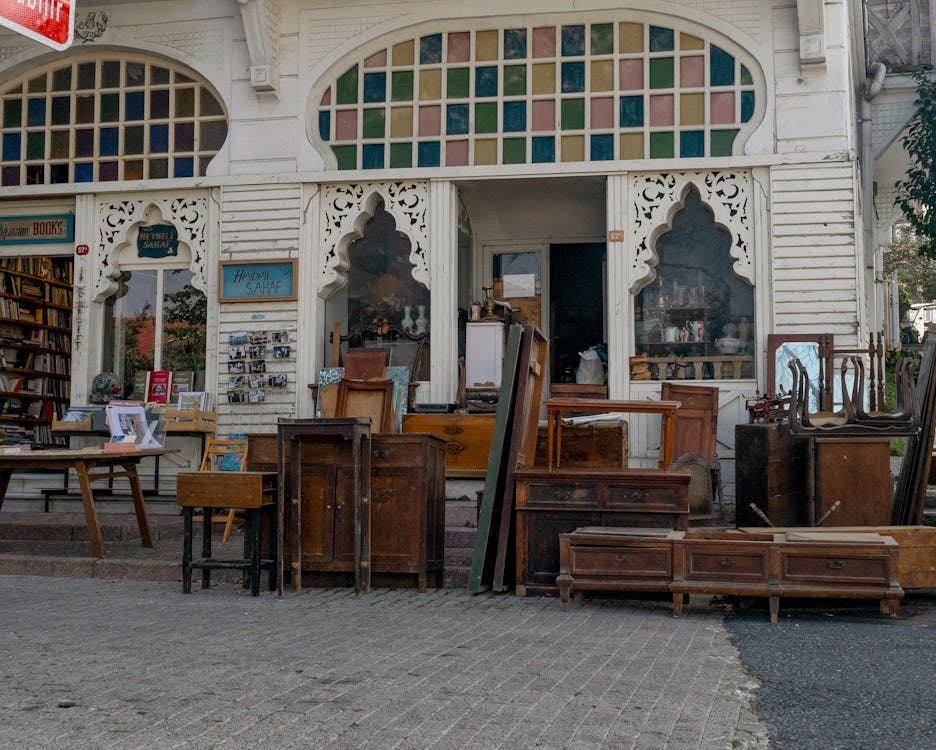
Many shoppers overlook the furniture and household areas of Salvation Army stores. These sections often contain sturdy wooden furniture, lamps, and decorative items at very low prices. Some pieces may need light repairs, but the savings are often worthwhile. Kitchenware and dishes are another category that provides excellent value. Because these sections are less crowded, careful browsing can yield big rewards. Ignoring them could mean missing some of the best deals in the store.
11. Look for Quality Fabrics and Brand Labels

High-quality materials last longer and often feel better to wear. Fabrics like wool, linen, silk, or leather are signs of durability. Brand labels can also indicate craftsmanship and resale value. Checking fabric tags and labels helps separate everyday items from long-lasting pieces. While brand names are not everything, they often suggest higher quality. This habit ensures your purchases hold up over time.
12. Do Not Skip the Book and Media Section

Books, records, and DVDs are usually inexpensive and sometimes highly valuable. Collectors often find rare or out-of-print titles in thrift store book sections. Even for casual readers, the prices beat retail costs significantly. Students and teachers benefit by picking up affordable study materials. Movies, CDs, and vinyl also provide budget entertainment. Skipping this area means leaving extra savings behind.
13. Follow the Store on Social Media for Deals
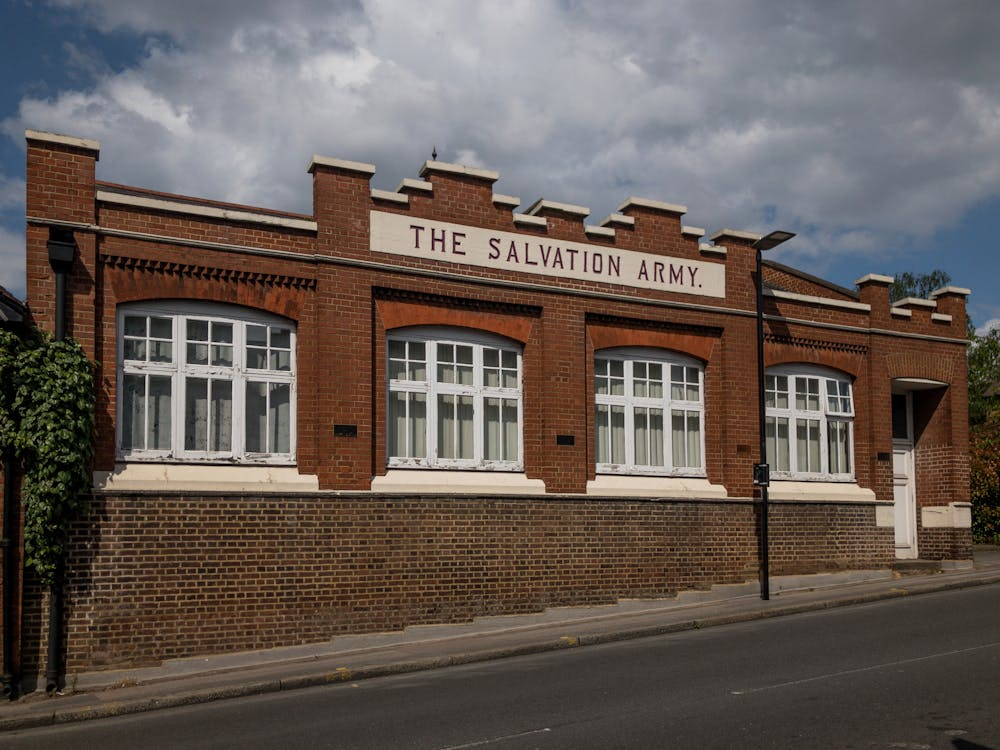
Many Salvation Army stores post discounts, coupons, or sales events on social media. Following their pages provides advance notice of promotions you would otherwise miss. Stores may also announce extended hours or community events online. These updates help you plan visits more effectively. Staying connected gives you a real advantage over casual shoppers. Checking posts regularly keeps you informed and prepared.
14. Bring a Measuring Tape for Clothes or Furniture

Clothing sizes are inconsistent, and furniture dimensions can be hard to judge by sight. A small measuring tape helps avoid mistakes. This is especially useful for curtains, shelving, or fitted clothing. Keeping measurements of your body or home space written down makes shopping faster. Since measuring tapes are small and portable, there is no reason not to bring one. It is one of the simplest ways to shop smarter.
15. Keep a Thrift Wishlist on Your Phone

Walking into a thrift store without direction can feel overwhelming. A wishlist helps you stay focused and prevents buying unnecessary items. Recording sizes, styles, or categories keeps you organized. Reviewing the list before shopping also saves time and energy. This digital note can be updated anytime, making it a reliable tool. A wishlist is a practical way to stay on track while browsing.
16. Shop Off-Season for Better Prices

Seasonal clothing is often heavily discounted when demand is low. Buying coats in summer or swimsuits in winter saves significant money. Shopping this way requires planning but pays off during the following season. Off-season trips also mean less competition from other buyers. Since thrift stores need space for new donations, they are motivated to clear out seasonal stock. Taking advantage of this cycle helps maximize savings.
17. Ask Staff When Restocks Happen

Employees know when new items are placed on the floor. Asking politely can give you a better idea of when to visit. Some stores restock at specific times of day or on certain weekdays. You increase the chance of finding quality donations by timing your visits to match. Building rapport with staff also makes the experience friendlier. Simple questions often lead to valuable insider knowledge.
Read More: People Share What It Was Like Growing Up Poor
18. Donate Items Because Some Stores Offer Discounts
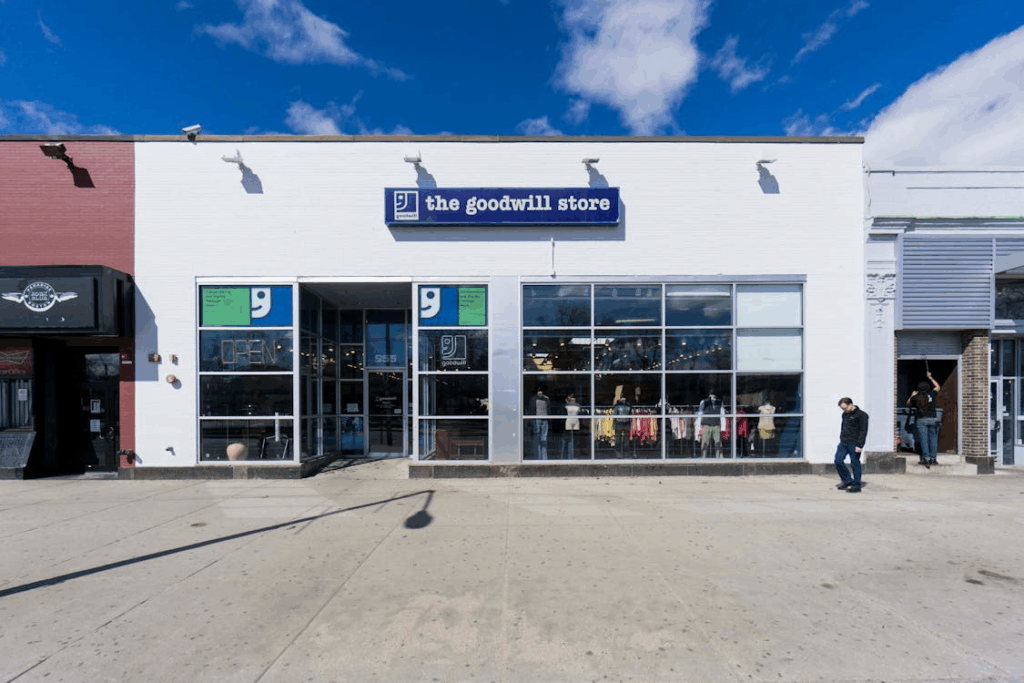
Many Salvation Army branches reward donations with coupons or price reductions. Donating also clears space at home and supports the community. By giving back, you participate in the same cycle that makes thrifting possible. Discounts are a bonus, but the benefit is keeping valuable items in circulation. Every donation helps sustain the store and benefits other shoppers. Supporting the system ensures it continues for years to come.
19. Wash or Sanitize Items After Buying
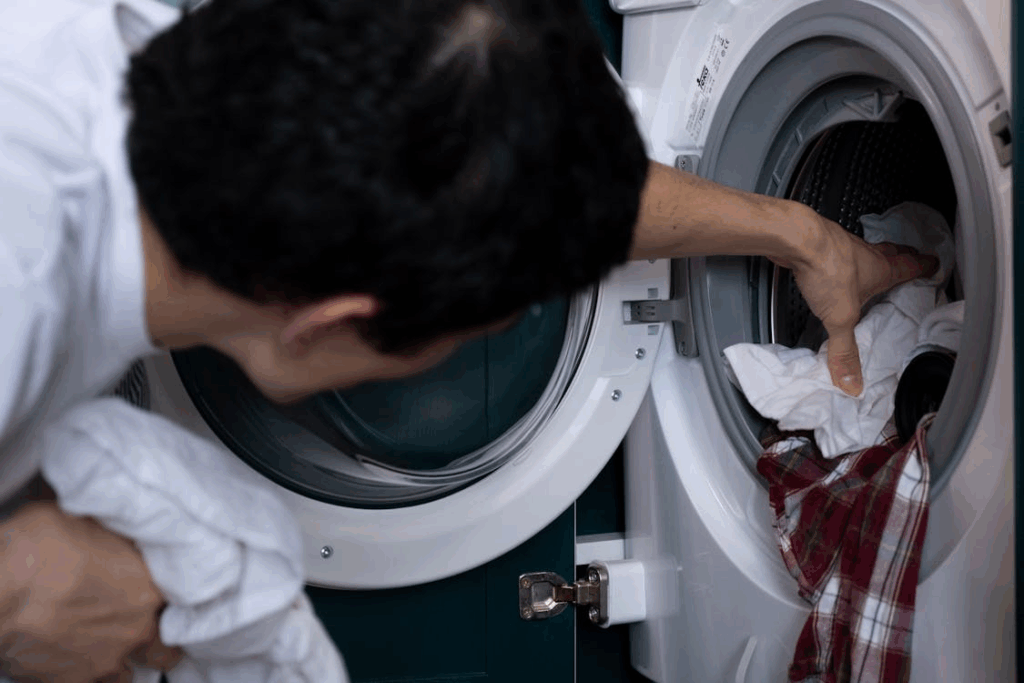
Thrifted items should always be cleaned before use. Clothes need a proper wash, while furniture and home goods may require sanitizing wipes or sprays. Even if something looks clean, you cannot be sure where it originated. Proper cleaning protects your health and extends the life of the item. Some fabrics may need dry cleaning, so budget accordingly. Cleaning is a final but essential step in thrifting.
20. Think Creatively by Repurposing or DIY
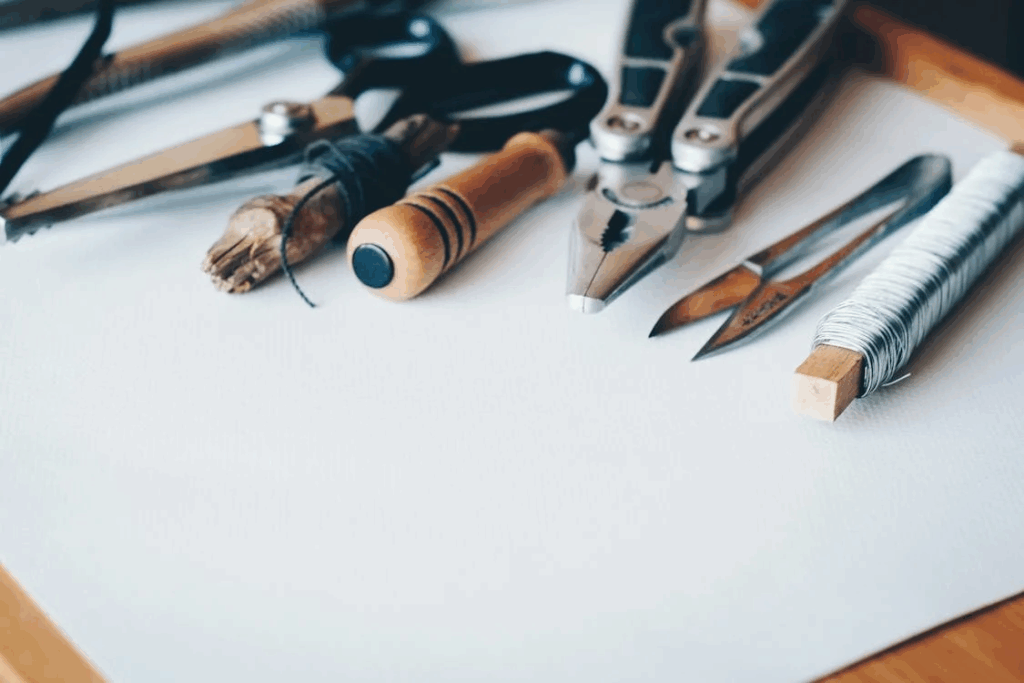
Not every item has to be used in its original form. A large shirt can be tailored into a new style, and glass jars can be turned into storage. Repurposing adds both function and personal flair. DIY projects often transform inexpensive pieces into something unique. This creative approach ensures nothing goes to waste. With imagination, even simple finds become valuable.
Thrifting Success

Thrifting at Salvation Army stores is about preparation, awareness, and patience. By combining simple strategies like checking color tag sales, scrutinizing items, and visiting often, shoppers can maximize savings and quality. Small steps such as bringing cash, carrying a measuring tape, or keeping a wishlist make each visit more effective. Donating items and cleaning purchases afterward ensures the cycle remains sustainable and safe. With these thrift store tips, anyone can shop confidently, reduce waste, and build value from secondhand finds.
Disclaimer: This article was created with AI assistance and edited by a human for accuracy and clarity.