
Nobody hands you a manual for this part. Not at your first gray hair, not when you wake up unable to place your own phone on the nightstand without squinting, not the morning you realize you’ve started bringing a sweater everywhere. The things about getting older that actually catch you off guard aren’t the ones people warned you about – the wrinkles, the grey, the reading glasses perched on the end of your nose. Those ones you saw coming. It’s the other stuff.
Some of it is physical. Some of it is emotional. A few of them turn out to be good news, which nobody warns you about either, because “things that get better when you’re older” is not a sentence the culture tends to complete out loud. What follows is an honest accounting of fourteen of the things that tend to catch people completely off guard, backed by what current research actually says.
1. Your Body Has Two Biological Cliffhangers, Not a Slow Slide

The popular idea is that you age like a gradually warming pot of water. The reality, according to a landmark 2024 study, is dramatically different.
Researchers found that the biggest biological transformations cluster into two distinct bursts of change: one averaging around age 44, and another around age 60. The study, from Stanford Medicine and published in Nature Aging, tracked age-related changes in more than 135,000 different molecules and microbes, generating nearly 250 billion distinct data points, and found that around 81 percent of all the molecules studied showed non-linear fluctuations.
The cluster of changes in the mid-40s surprised even the scientists. They initially assumed that menopause or perimenopause was skewing the data among women, but when they broke the group out by sex, the same pattern appeared in men. The body appears to essentially reorganize itself twice, according to a 2024 Stanford Medicine study. If your mid-40s felt like everything changed at once, you were not imagining it.
2. Metabolism Isn’t Slowing the Way You Think

“Slow metabolism” is the explanation people reach for whenever their body starts behaving differently in their 40s. The changes happening are more targeted than that phrase implies.
According to NBC News reporting on 2024 Nature Aging research, Stanford researcher Michael Snyder identified two particularly notable biological reorganizations: a pronounced change in how the body metabolizes lipids in the 40s, and a significant change in carbohydrate metabolism in the 60s. Your body isn’t necessarily burning fewer calories – it’s processing the same food differently.
In the mid-40s, people show reduced activity in cellular pathways responsible for breaking down alcohol and fats. If you’ve noticed that alcohol registers harder than it used to, or that a weekend of eating the way you ate at 32 takes ten days to recover from, that’s the biology rather than a character defect.
3. Hangovers Become a Two-Day Event
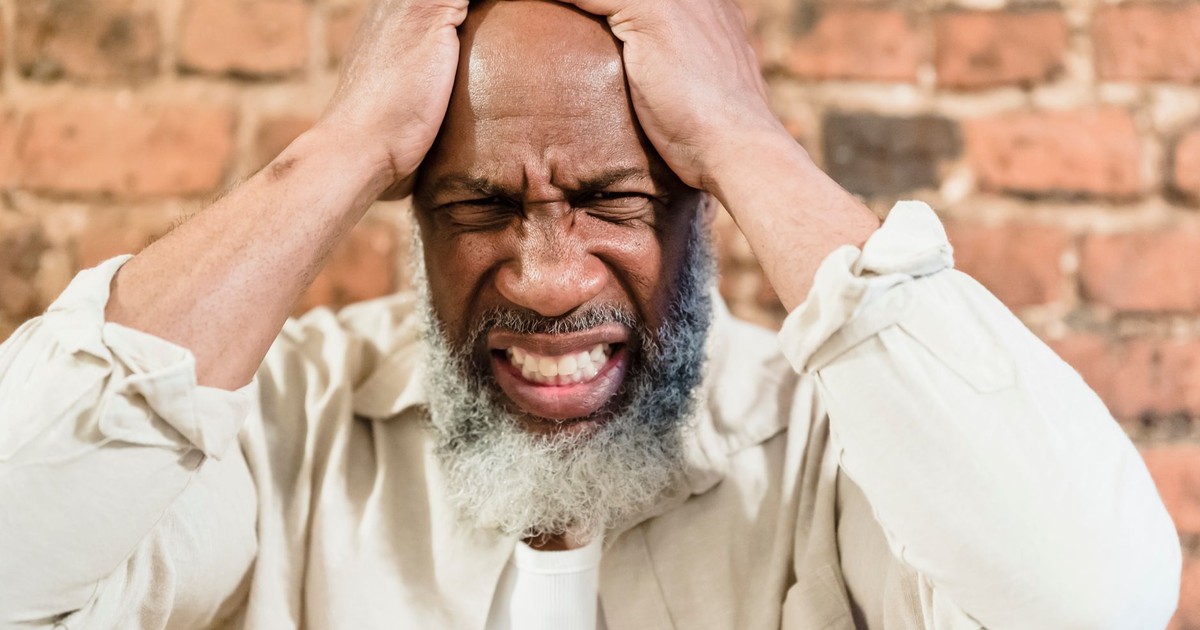
This one is so well-known anecdotally and so underdiscussed clinically that it deserves its own slot. People joke about it. What they don’t realize is that there is a concrete biological reason for it.
Research found that people in their 40s show biological differences linked to inefficient caffeine metabolism and reduced activity in pathways responsible for breaking down alcohol. The liver’s ability to produce alcohol dehydrogenase (the enzyme that breaks down alcohol) changes as you age, body water percentage drops, and alcohol ends up more concentrated in the bloodstream from the same amount of drink.
No one puts this in a birthday card. It simply arrives one Sunday morning, the remnants of two glasses of wine from the night before announcing themselves at 6 a.m. with the kind of tenacity that would have required a full bottle a decade earlier. The good news is it’s not a sign anything is wrong. The less good news is that it doesn’t improve.
4. Your Sense of Temperature Goes Rogue

Women in particular know about hot flashes. But the temperature dysregulation that comes with aging runs deeper than perimenopause and persists well past it.
Arteries grow progressively stiffer with age, which affects how efficiently the body distributes and regulates heat. The heart works harder to pump blood through less flexible vessels, and the downstream effect on circulation alters temperature perception throughout the body.
The woman who is always cold at the restaurant. The man who has somehow acquired seventeen fleece pullovers. The friend who opens every window the minute she walks into a room. These are not personality quirks. The thermostat your body once ran automatically starts requiring more manual input, and the range between “fine” and “freezing” or “fine” and “overheating” narrows considerably.
5. Sleep Architecture Dismantles Itself Completely
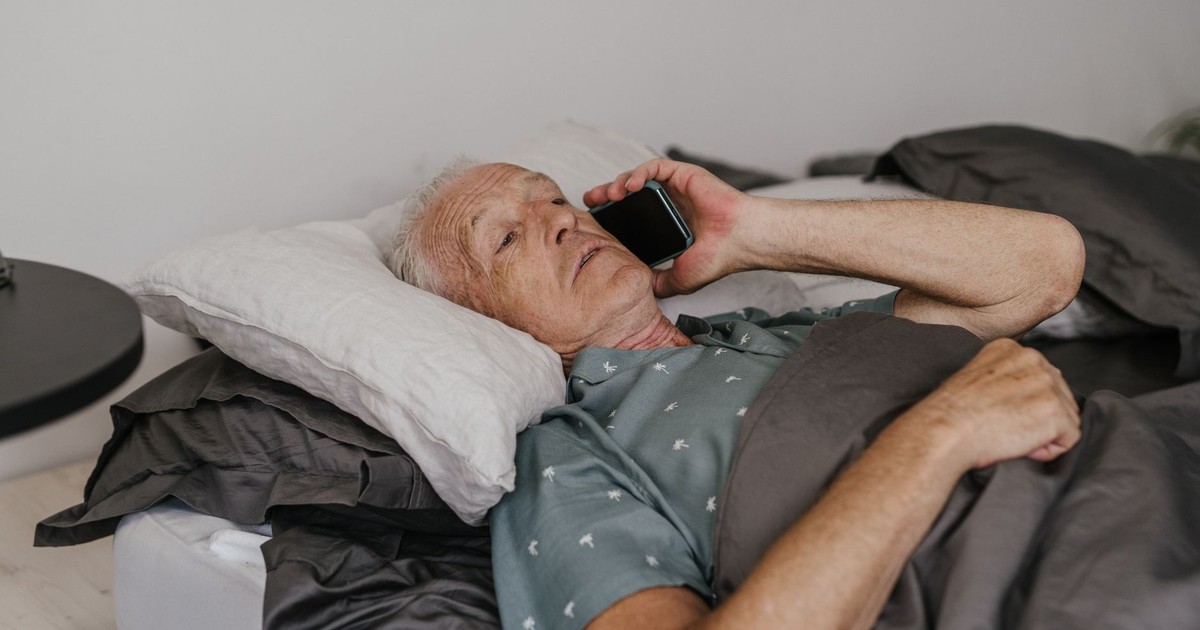
Everyone knows sleep gets worse with age. What people don’t prepare for is how it gets worse.
A 2025 study in Bioinformation found that middle-aged adults sleeping fewer than six hours per night showed significantly greater declines in memory, executive function, and attention across a three-year period, and that chronic sleep deprivation appears to be an independent predictor of accelerated cognitive decline. But the more common complaint isn’t that people can’t fall asleep – it’s that they can’t stay asleep past 4 a.m., no matter what time they went to bed.
What’s happening is a change in sleep stages. Deep slow-wave sleep, the most restorative kind, decreases with age. Your circadian rhythm moves earlier, which is why 10 p.m. starts to feel genuinely late. The body also produces less melatonin as it ages. None of these changes were in the brochure for turning 45.
6. Bone Loss Is Already Happening and You Can’t Feel It
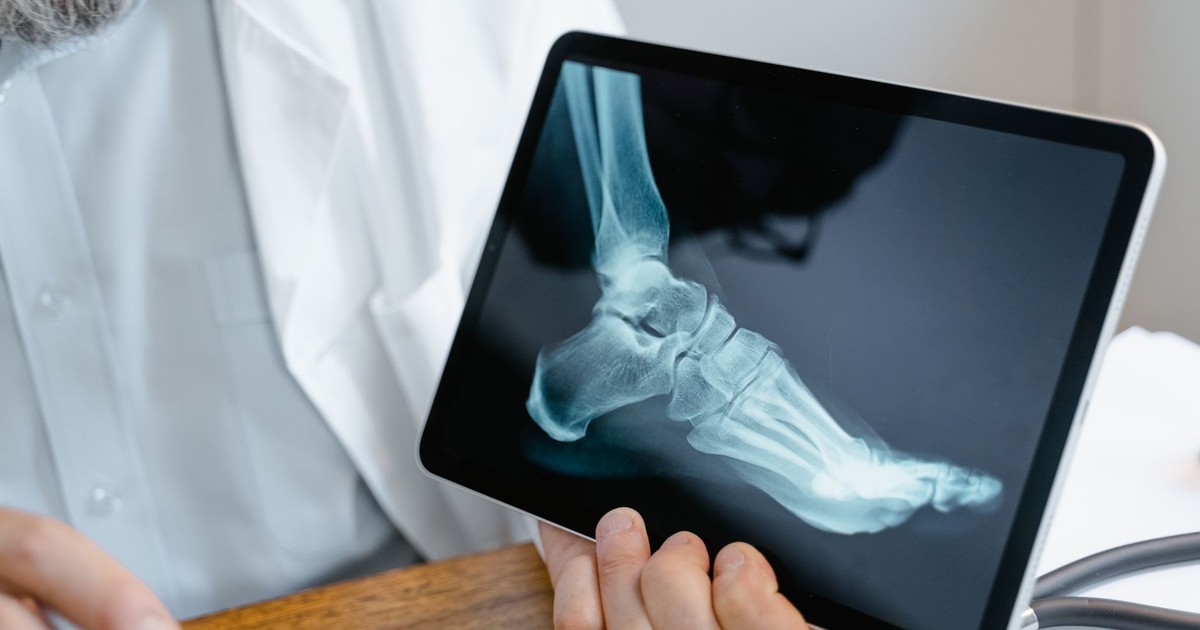
Most people think of bone density as something they’ll think about later. By the time most women reach menopause, significant loss is often already underway.
According to the Bone Health and Osteoporosis Foundation, one in two women over age 50 will break a bone because of osteoporosis, and more than half of all Caucasian women over 50 are estimated to have low bone mass already. By the time any symptom is noticeable, years of loss have already occurred. Women are more prone to significant loss because of hormone changes after menopause – estrogen supports healthy bones, and decreased estrogen production after menopause leads to a rapid decline in bone density.
The frustrating part is that there is no sensation attached to this change. Nothing aches. Nothing announces itself. The first sign is often a fracture from a fall that would have been trivially minor at 35. Resistance training and adequate calcium and vitamin D are the unglamorous prevention strategies that keep appearing in every credible source on the topic, because they actually work.
7. Muscle Mass Quietly Disappears Without a Fight

According to the Office on Women’s Health, the body naturally begins losing about 3 to 5 percent of its muscle mass per decade starting around age 30 – a process called sarcopenia (age-related muscle loss) – and those changes often become more noticeable by age 60. This can start as early as the mid-40s even in people who are active and eat well.
What makes this one particularly sneaky is that scale weight can stay the same while the ratio of muscle to fat changes substantially. Someone can weigh exactly what they weighed at 38 and have significantly less muscle and more fat than before. The scale doesn’t tell you that. Your energy levels, your ability to recover from physical effort, and eventually your strength, do. The reason this matters extends beyond aesthetics: muscle tissue is metabolically active and plays a role in insulin sensitivity, balance, and the ability to avoid falls in later decades.
Resistance training is the intervention that appears consistently in the research – not as a way to look a certain way but as a genuine form of preventive medicine. Starting it before the loss is significant is considerably more effective than trying to reverse the deficit later.
8. Your Relationship With Alcohol Changes Even If You Don’t
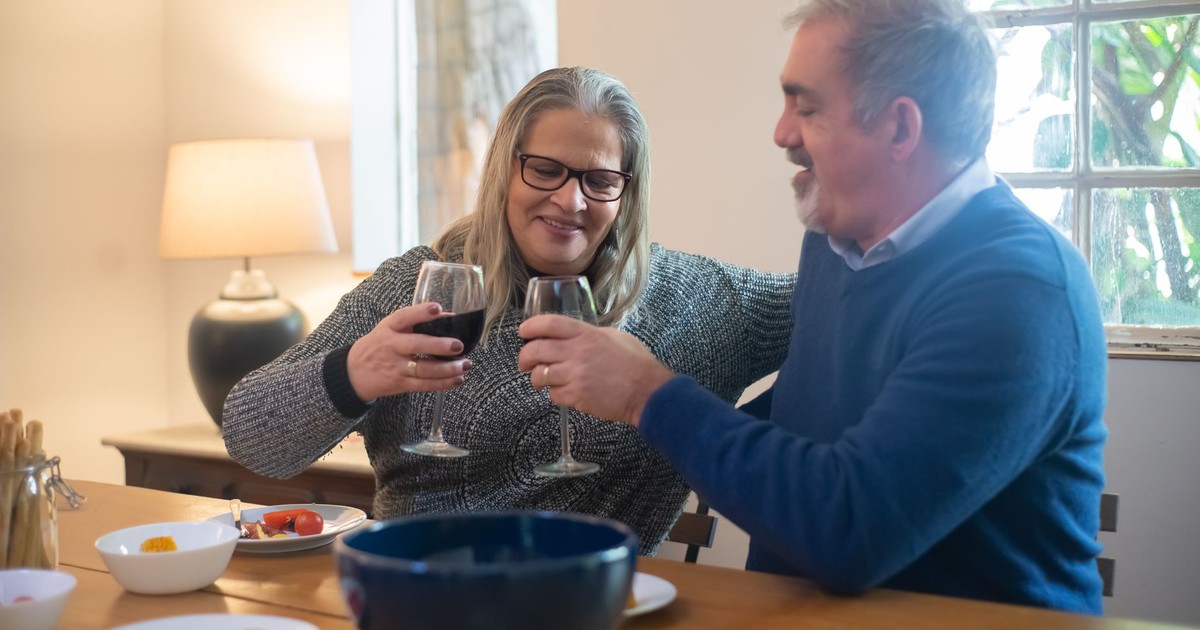
The cultural norm around drinking in middle age tends to drift upward – more wine with dinner, a standing cocktail hour that didn’t exist in your 30s. What’s happening biologically goes in precisely the opposite direction.
As you age, the immune system becomes less efficient in a process called immunosenescence – a 2024 review in Frontiers in Aging describes it as an age-related deterioration that affects both innate and adaptive immunity, compromising immune function and leading to chronic inflammation. Alcohol is an inflammatory substance. The liver’s capacity to process it decreases. Body water percentage drops with age, meaning alcohol is more concentrated in the blood from the same amount consumed. And the sleep disruption that one or two drinks causes at 50 is markedly different from what it caused at 30, even if nothing feels dramatically different in the moment.
Nobody stages an intervention over two glasses of wine on a Thursday. But the research suggests that the threshold for physical consequence is genuinely lower in your 40s and 50s than it was before, regardless of how much or how little you drink.
9. Hearing Loss Sneaks In Through the High Notes
The cliché is the elderly person who can’t hear anything. The actual experience of age-related hearing loss begins far earlier and far more subtly, making it easy to miss for years.
Hearing loss is a leading source of disability in the United States, affecting up to 65 percent of adults aged 71 and older. But it typically begins in the higher frequency ranges – the consonants of speech, the voices of women and children – well before anyone would describe themselves as hard of hearing. The first sign is often something subtle: asking people to repeat themselves more often, struggling to follow conversation in a restaurant, turning up the TV by a few clicks each year without noticing the accumulation.
Research drawing on longitudinal data from the Health and Retirement Study found that worse hearing predicted greater loneliness, with the effect particularly pronounced among older adults living alone. The implications extend beyond inconvenience. Hearing loss is linked to increased social withdrawal, depression, and – in a finding that surprises most people – accelerated cognitive decline. Getting hearing checked regularly, and taking the results seriously, is one of the more underrated things about getting older that is genuinely within a person’s control.
10. Your Skin Changes in Ways Sunscreen Alone Can’t Prevent
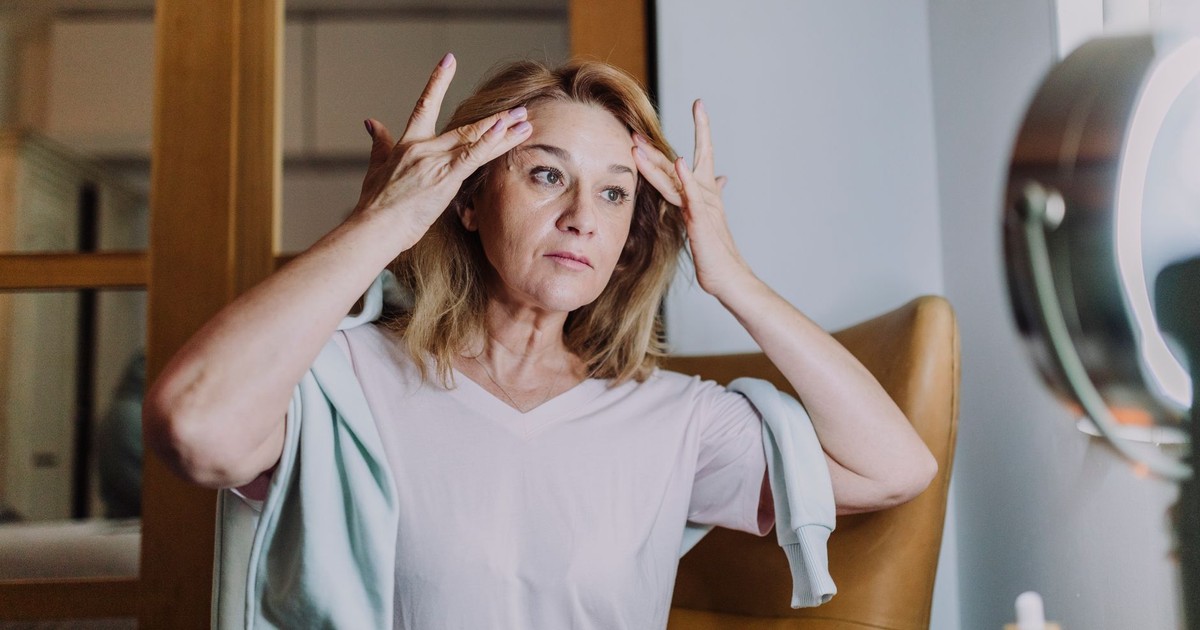
Sun damage, yes. Everyone knows that one. But the changes to skin structure that come with aging are happening at a cellular level regardless of UV exposure, and they alter the skin in ways that are distinct from what a good SPF routine addresses.
Collagen production decreases by roughly 1 percent per year beginning in the mid-20s, which means by the time someone is in their 40s or 50s, the cumulative decline is substantial. Skin becomes thinner and less elastic. The subcutaneous fat layer that sits beneath the skin (which provides volume and contributes to the plump appearance of younger skin) also thins with age, creating a structural change that topical products can’t fully replicate. These are normal, if unannounced, things about getting older that simply reflect the body doing what it was always going to do.
The texture changes that start to appear – the way skin on the backs of hands or around the eyes behaves differently – are a combination of collagen loss, changes in hydration capacity, and the slow thinning of the dermis itself. Moisturizer helps. Retinoids have a real evidence base. And then there’s a point at which knowing it’s biology rather than neglect is its own kind of relief.
11. Recovery Takes Noticeably Longer After Everything

Not just workouts. A bad night of sleep, a period of high stress, a busy travel week, a minor illness – the baseline bounce-back time extends on all of them.
The body’s ability to recover from exercise tends to slow down with age, with soreness lasting longer and the time needed to bounce back from intense effort increasing. This is partly because of the molecular changes in muscle tissue, partly because inflammation takes longer to resolve, and partly because deep sleep (which is when much of the physical repair happens) is already more limited. The combination means the body is doing more with less.
The instinct is often to push through, the same way one did at 30. The more useful move turns out to be building actual recovery into the routine rather than treating it as failure to keep up. This is one of those areas where the things about getting older can actually be worked with rather than against – it just requires acknowledging the change first.
12. Friendship Requires Active Maintenance in a Way It Never Did Before

The social networks most people built in their 20s and 30s were maintained largely by proximity – the same office, the same neighbourhood, the same stage of life. By the mid-40s, those structural scaffolds have been dismantled by moves, career changes, different parenting timelines, and the general divergence of adult life. Friendships that felt solid don’t disappear suddenly; they thin out gradually, the way a path through a field disappears if no one walks it.
Research on community-dwelling older adults identifies loss of social networks, widowhood, and health deterioration as significant risk factors for loneliness and social isolation. The expectation that close friendships sustain themselves passively – the way they seemed to in earlier decades – turns out to be one of the more costly assumptions of midlife. The people who maintain rich social connections as they age tend to be the people who treat those relationships with the same intentionality they bring to the rest of their lives.
You can find more on this dynamic – particularly how aging affects social lives and the choices that define how we present ourselves as we get older – throughout the site.
13. Your Emotional Range Deepens and Sharpens Simultaneously
Here is one of the genuine surprises that tends toward the good. Emotional regulation – the ability to manage intense feelings, let things go more readily, feel less destabilized by daily irritations – tends to improve with age in ways the research consistently documents.
The irritating coworker who would have occupied three hours of mental real estate at 28 gets thirty minutes. The embarrassing moment from Tuesday evening dissolves faster. Older adults show greater activity in brain regions associated with positive emotion and reduced reactivity in the amygdala (the part of the brain that processes threat and triggers fight-or-flight responses) in response to negative stimuli. This is one of the more significant and least discussed things about getting older: the emotional noise-to-signal ratio improves.
At the same time, the emotions that do land tend to carry more weight. The commercial about the dog. The friend’s health scare. The moment you see your own face in an old photograph and realize how young you were when you thought you were so old. The range doesn’t narrow; it clarifies.
14. Your Sense of Urgency About the Wrong Things Evaporates
The particularly useful thing about the emotional recalibration that comes with getting older is that it tends to be selective. What goes first is often the anxiety about social performance – the need to be liked by every person in the room, the second-guessing of what was said at a party three days ago, the preoccupation with whether someone’s response to your email was slightly curt.
Psychologists describe this midlife recalibration as a reassessment rather than a crisis. Research suggests that women often enter a phase of reevaluation in their 40s and 50s, reassessing career paths, values, and balance. What replaces the earlier preoccupations isn’t complacency – it’s a sharper sense of what is actually worth energy and what isn’t. The things that generated anxiety at 29 because they felt urgent often turn out to be genuinely unimportant. Getting older has the strange effect of making that difference visible in a way that no amount of therapy in your 30s could fully accomplish.
The change doesn’t arrive all at once, and it doesn’t mean the hard things stop being hard. It means the trivial things start to announce themselves as trivial more quickly, and that turns out to be worth more than almost any other change on this list.
Read More: David Attenborough’s Longevity Secrets at Age 100
What Nobody Actually Tells You
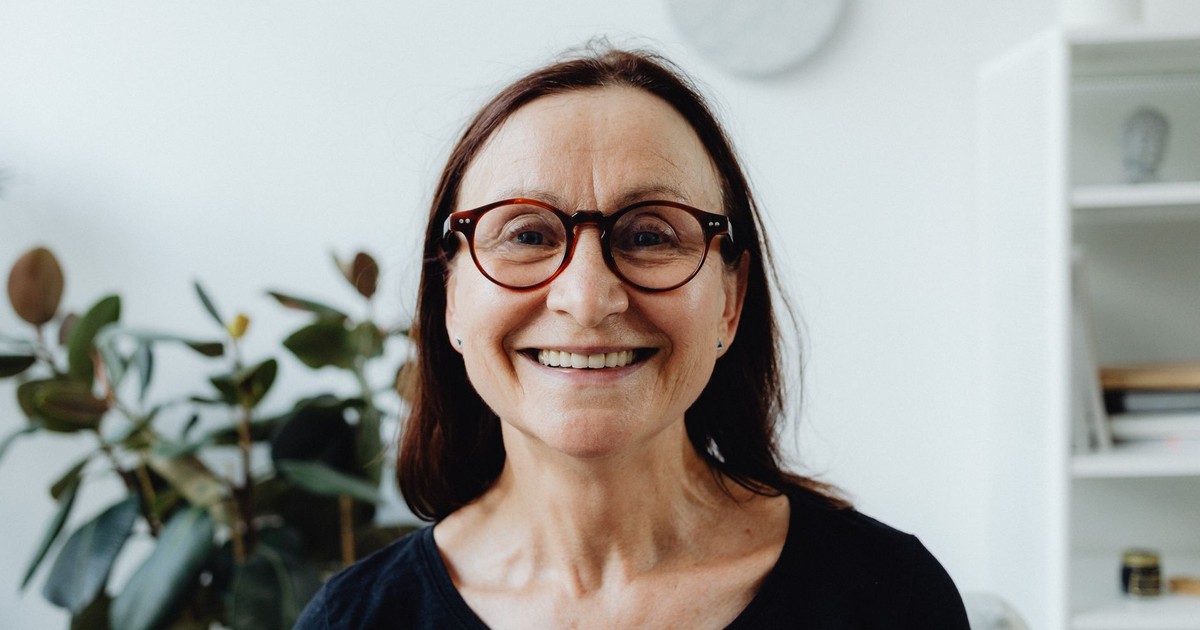
The overarching thing about getting older that doesn’t get said enough is that it is not a uniform decline. Some systems genuinely improve. Some changes that feel like loss turn out to be more complicated than that. The emotional clarity that comes with the mid-40s and beyond is real, and the research supports it. The body changes are real too, and many of them are more manageable – or at least more understandable – once you know what you’re actually looking at rather than panicking that something has gone wrong.
What the list above can’t give you is the felt sense of the thing: the specific morning when you looked in the mirror and realized that the face looking back was older than the one you still picture when you imagine yourself, and that you weren’t entirely sure how to feel about that. That moment is its own kind of information. It doesn’t mean you’ve arrived somewhere bad. It means you’ve arrived somewhere real, which is a different thing entirely. Naming them isn’t a solution, but it’s usually where the real conversation starts.
Disclaimer: This information is not intended to be a substitute for professional medical advice, diagnosis, or treatment and is for information only. Always seek the advice of your physician or another qualified health provider with any questions about your medical condition and/or current medication. Do not disregard professional medical advice or delay seeking advice or treatment because of something you have read here.
AI Disclaimer: This article was created with the assistance of AI tools and reviewed by a human editor.