
A single picture on r/FindTheSniper can pull thousands of people into the same puzzle, and the hidden girl in the rocks sparked that kind of response immediately. The subreddit focuses on photos where something blends into a setting so well that it hides in plain sight. The girl in this image became a standout post because nothing about the scene points to a person being tucked inside it. The rocks fill the frame with uneven lines, and the entire picture looks straightforward until you learn a human figure is part of it. That shift in expectation gives the challenge its appeal. People in the thread compared guesses, shared false leads, and laughed at how long they missed something that later felt obvious. The rush of comments turned the post into a shared hunt rather than a quick scroll. Before we move into how your vision reacts to this kind of scene, place the image in your mind as a simple landscape with one hidden detail waiting to be identified.
Why These Images Pull People In
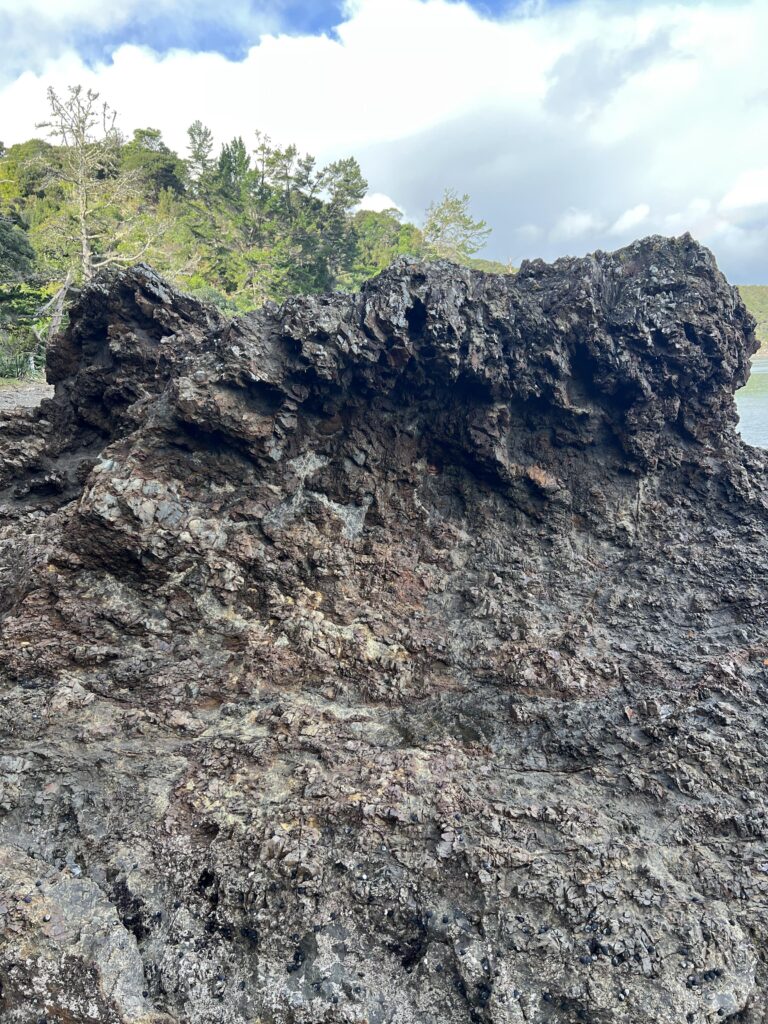
When someone shares a picture on r/FindTheSniper, the draw comes from how ordinary the scene looks before you know what is hidden inside it. This specific image of the hidden girl shows a wall of rocks arranged in uneven layers, each piece carrying its own lines and edges. Nothing in the layout points to a person, which gives the photo a flat, uniform look at first glance. The girl is positioned in a section where the stone arrangement runs in a similar direction, allowing her outline to sit inside the pattern without drawing attention. People on the Reddit thread posted circles, guesses, and cropped edits while trying to narrow down possible spots. Some focused on lighter patches, others on darker corners, and many landed in entirely different areas before someone finally identified the correct place.
The layout invites many interpretations because there is no single section that stands out more than the rest. In the next part, her location will be marked clearly so you can check your guess against the actual placement in the frame.
Giving Your Eyes a Better Chance to Spot the Girl
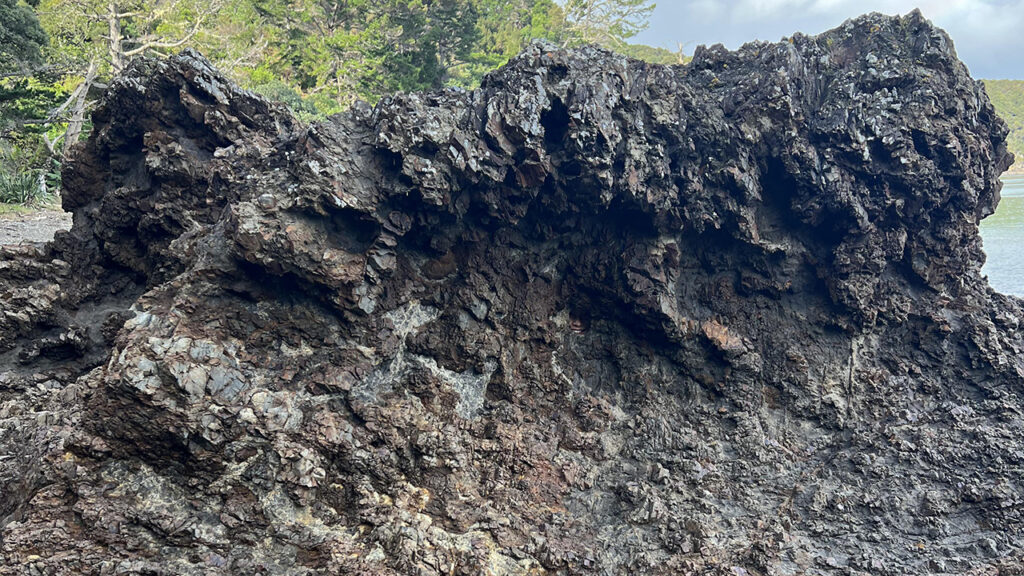
Images like this can overwhelm you at first glance, so the most useful approach is simply to pause. Look at the picture without naming anything or searching for a clue. Let the scene register as one complete view. Once it settles in your mind, return to it with the intention of noticing shapes rather than guessing where the girl might be. The rocks create a busy surface with many edges running in different directions, so letting your eyes rest before focusing can make the search more manageable. Some people in the Reddit thread mentioned that they stopped looking for a moment, came back, and immediately spotted her. That short reset helped them see the image with a fresh perspective.
You may have a similar experience once you step back and return to the scene. In the following section, her position will be identified so you can compare it with what stood out to you during your own pause.
How to Spot the Girl in the Rocks
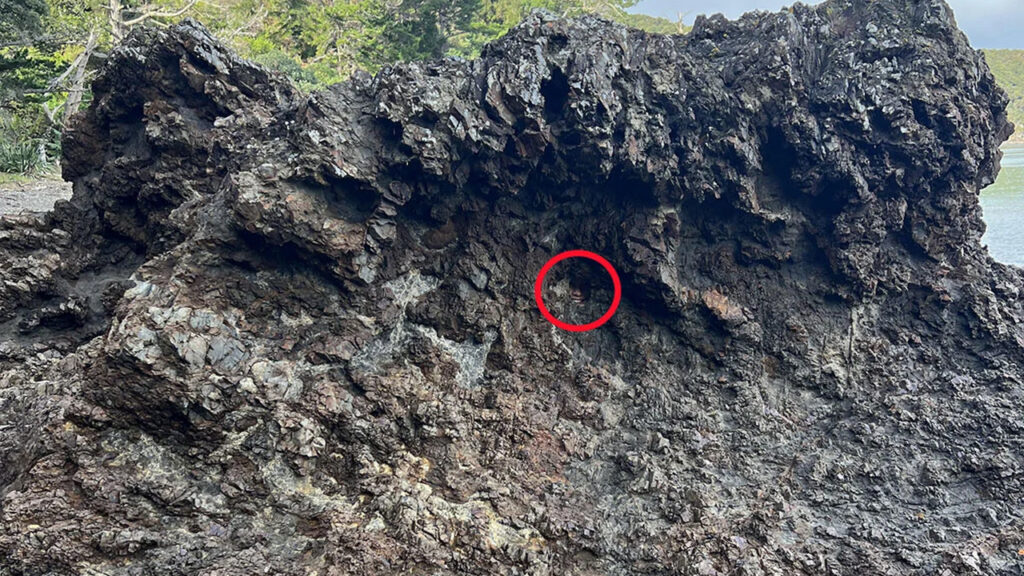
The girl sits inside a small opening near the upper right side of the rock formation. Her face is tucked into a pocket in the wall, and only part of it is visible. The easiest detail to notice is her smile. It forms a curved shape that stands out once you recognize it. Her eyes and nose sit just above that smile, framed by the darker edges of the hole. The rest of her blends fully into the stone, so the opening is the key landmark. Many people who looked at the photo focused on the lower sections first, then moved across the rock until they reached the spot where the shadows form a rounded outline. Once you find that section, her features appear clearly. Look for the small, cave-like dip in the rock on the upper right side of the image. Her face sits inside that space, peeking through the narrow gap.
Why Hidden Image Brain Teasers Are Fun
People enjoy brain teasers with hidden images since the rules are simple and the goal is clear. You see a picture, you are told something is hiding, and the challenge starts immediately without instructions or tools. There is a built in curiosity in that setup, and many people like the moment when a confusing scene finally makes sense. These puzzles also give a quick break from routine. You are still looking at a screen, but your mind is doing something different from scrolling headlines or messages. When friends or commenters compare how long they searched or where they looked first, the picture turns into a shared activity instead of just another post. The brain plays a big part in why this works. Vision tends to lean on repeated layouts and regular spacing in a scene, so wide areas of rock, grass, or leaves all get grouped together.
At the same time, certain things draw extra attention, such as faces, bodies, and animals. Hidden image teasers sit right between those two tendencies. The background encourages grouping, while the hidden element triggers circuits that look for important targets. The brain keeps moving between those two tasks, sorting the repeating parts and testing any area that looks slightly out of place. That simple back and forth holds interest long enough for the hidden person or object to finally stand out.
Searching the Clouds for a Hidden Cruise Ship

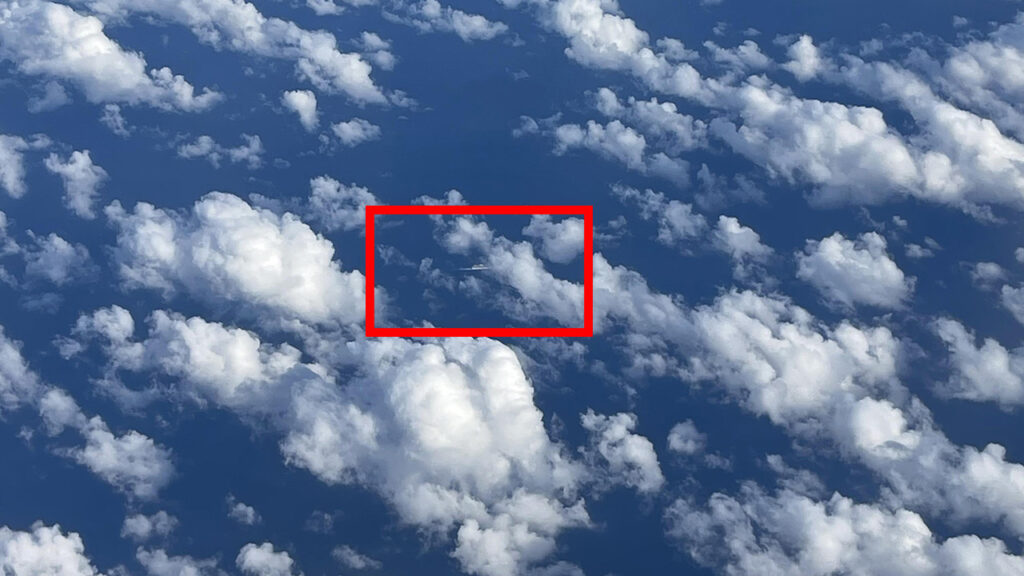
This next image looks like something snapped from a window seat on a long flight. White clouds scatter across deep blue water, some in dense clusters, others drifting in thinner trails. At first glance it reads as pure scenery, nothing to solve, just sky and ocean layered together. Somewhere inside that scene, a cruiseship sits in plain sight. It is tiny compared to the clouds, more like a straight stroke of white than a full vessel, and the repeating cloud pattern makes it easy to overlook. Your eyes may keep jumping to the thicker cloud piles, since those stand out most against the dark water. The trick is reminding yourself that ships leave clean lines, not soft outlines, and that detail sets them apart from the surrounding cloud cover. Spend a moment checking the stretches of blue that sit between clusters rather than staring only at the brightest sections. The cruiseship is there, tucked into one of those gaps, waiting for you to catch it.
Finding the Cruise Ship in the Clouds
Did you find it? This is one of the easier challenges in the subreddit, but just as fun as the more challenging ones. The cruise ship sits near the center of the image, slightly left of center, in the band of clouds that runs horizontally across the photo. Look for a straight, bright line resting on dark blue water, not on top of a cloud. The clouds around it have rounded edges and uneven outlines. The ship looks different, more like a short dash drawn across the water. Focus on the middle row of thicker clouds. In that row, one gap reveals a narrow streak of white that stays even from end to end. That streak is the ship seen from above.
The rest of the clouds act like a frame around it, and once you see the line, your eyes return to it again and again. Many people in r/FindTheSniper mention this post as a favorite. The answer sits in plain view, and the distance from the plane to the water hides the ship just enough to turn a vacation photo into a search puzzle.
Read More: Exercise Your Eyes! How Many Dogs Do You See?
Santa And The Missing Hat
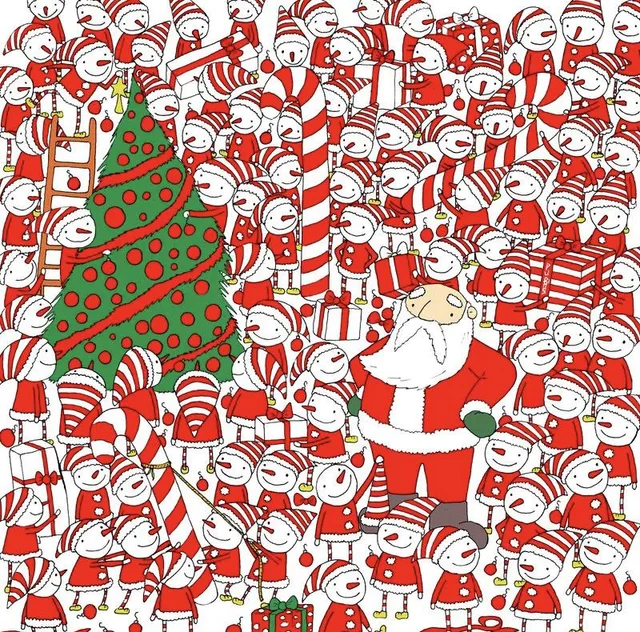
This scene trades rocks and clouds for a crowd of helpers in red and white. Santa stands in the middle of the picture with his coat, boots, and beard, but his head is bare. Every snowman around him wears a striped hat, and candy canes, presents, and ornaments repeat the same colors in nearly every corner. The Christmas tree on the left pulls the eye at first, with green branches and red dots breaking the pattern. Somewhere among all of this, Santa’s hat is hiding. It matches the red color on the helpers, which turns the search into a careful comparison game.
The task is simple to explain. One hat does not match the rest of the snowmen, and your job is to track it down. Let your attention move across the tree, the ladders, the stacked presents, and the sea of striped caps. Any section might carry the missing piece. This kind of illustration puzzle rewards patience rather than tricks, and the answer waits in plain sight once your eyes land on the right spot.
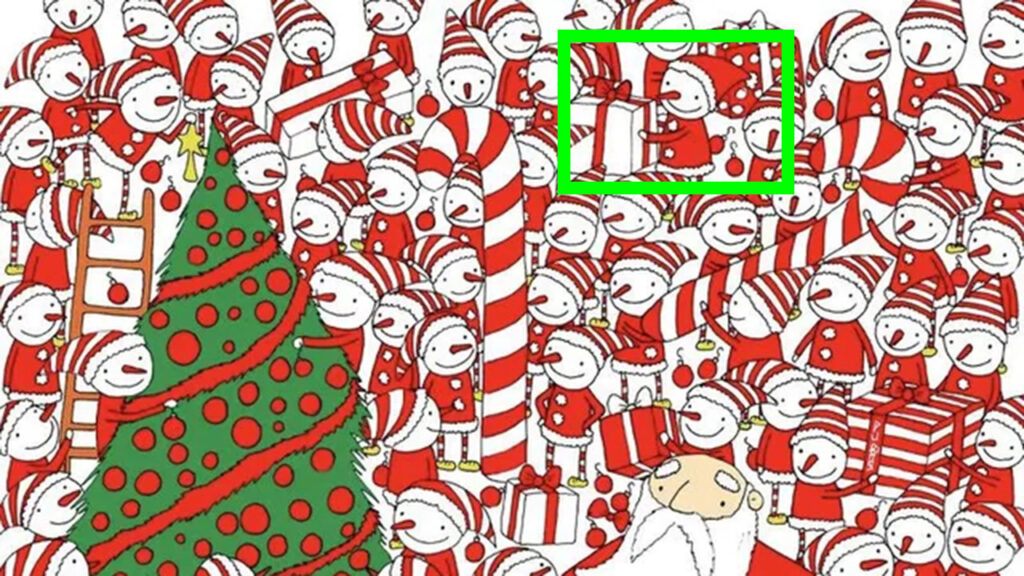
Give your eyes a moment to relax and scan the image. These types of hidden image brain teasers are the most challenging because the repeated patters (the red and white stripes in this instance) end up tricking your eyes into moving over sections faster than you should. Almost every helper wears the same striped cap, so it is easy to assume the missing hat sits somewhere on the ground or near the tree. Instead, it is on the head of one of the snowmen near the top right section of the picture.
Look past Santa and follow the crowd upward and to the right. Find the group standing around a tall stack of gifts. In the middle of that cluster is a snowman holding a white present with a red ribbon. On that snowman’s head rests a plain red hat with a white trim and pom, matching Santa’s outfit instead of the striped caps around it. That detail separates it from the others once you notice it. The rest of the scene stays the same, but the search ends the moment that single hat stands out from the striped ones nearby.
What These Puzzles Leave You With
Hidden image challenges turn eyesight into a task instead of a background sense. You are asked to pick out one detail from a crowded scene, and that simple demand changes how you look at everything in front of you. The next time you study a photo, document, or map, you may notice that you pause a little longer and check the corners instead of trusting the first glance. In research settings, similar “find the target” exercises are used to study attention and visual search, and these internet versions are a casual cousin of that work. They remind you that vision is active, not automatic, and that attention can be directed rather than left on autopilot. Whether the hidden target is a girl in stone, a ship under clouds, or a missing hat, the main gain is the same. You practice looking with intention, and that habit carries beyond a single puzzle.
Disclaimer: This article was written by the author with the assistance of AI and reviewed by an editor for accuracy and clarity.
Read More: The First Thing You See Uncovers Surprising Facts About You