
Nobody ever just puts the bottle back in the cabinet. You pick up Tajín seasoning to try it on a slice of watermelon at someone’s backyard barbecue, and suddenly it’s in your pantry, you’re reaching for it on scrambled eggs, and you’re wondering why it took you this long. Three ingredients, forty years on the market, and it’s still the seasoning people talk about like a discovery.
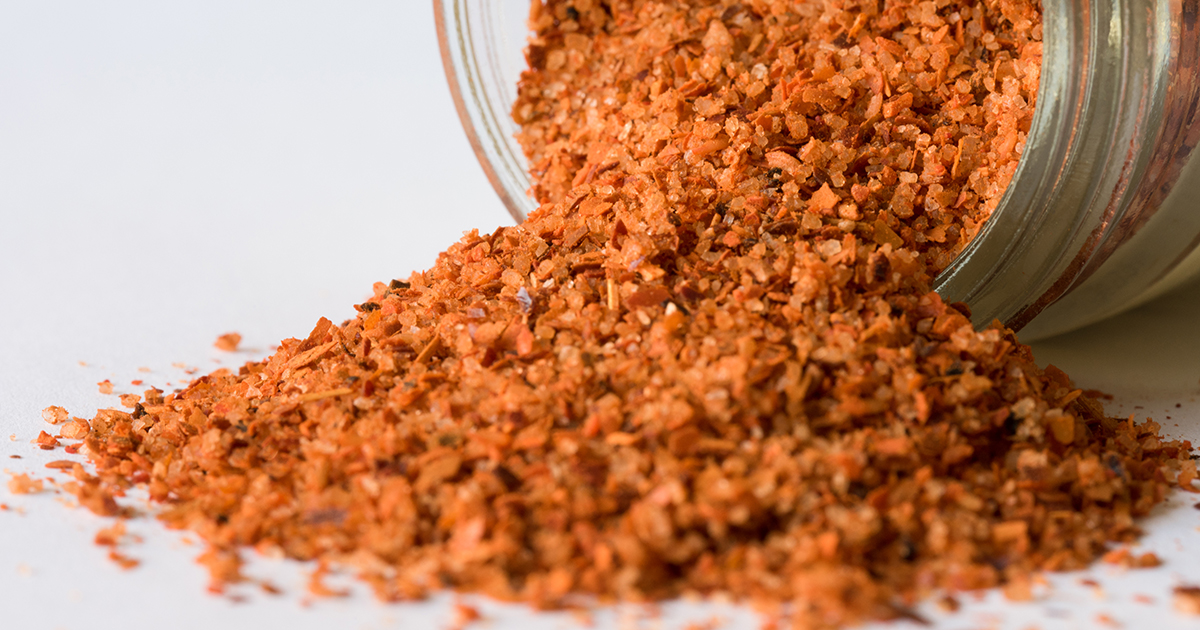
Tajín is a zesty Mexican seasoning made of dried chiles, dehydrated lime, and sea salt. The genius of it is in the proportion and the balance: a mild, fruity heat from the chiles, a bright tartness from the lime, and enough salt to make both of them louder without tasting salty. It doesn’t overpower anything. It just makes whatever it touches taste more like itself, only better.
The origin is specific and personal. This isn’t a seasoning that came out of a food lab or a corporate flavor-testing session. It started with a grandmother and a sauce that her neighbors began asking for by name, in quantities large enough to last an entire year.
It Was Born in a Family Kitchen in Jalisco
Mental Floss reports that Tajín was founded in 1985 by Horacio Fernández, and the seasoning was originally based on a sauce created by his grandmother. The powder he came up with is made of a combination of chiles de árbol, guajillo, and pasilla; sea salt; and dehydrated lime. His grandmother – known to the family as Mama Necha – had been making her chile sauce for years before demand outpaced what a home kitchen could handle. Neighbors asked for huge batches to last them the whole year, and as demand grew, she started selling small jars of the spice.
Fernández saw a shelf-stable opportunity in that sauce. He wanted to recreate those flavors in powdered form so that anyone could carry them anywhere – no refrigeration, no preparation, no lime to squeeze if you didn’t have one handy. He began to sell it in easy-use shakers in the early 2000s, earning Tajín a place alongside the average salt and pepper pots on tables throughout the nation.
The company launched officially on December 23, 1985. It’s a very precise founding date for something that feels so instinctive, so rooted in daily life.
The Name Comes From an Ancient Archaeological Site

The name came about while Fernández was on a trip to El Tajín, a pre-Columbian archaeological site in southern Mexico, where he learned that the Uto-Aztecan word for chile was “aji.” The fact that “aji” was embedded right inside the name of this ancient place felt like a sign he couldn’t ignore. He named the company and the seasoning after it.
El Tajín is a UNESCO World Heritage Site that preserves the cultural relevance and monumental architecture of the indigenous Totonac capital city. The name choice was Fernández connecting a new commercial product to something deep and specific in Mexican history. Each bottle is decorated in the colors of its home country’s flag.
The correct pronunciation is “ta-HEEN” – the “j” makes an “h” sound in Spanish, and the accent on the “i” is not decorative.
What’s Actually Inside the Bottle
Tajín Clásico Seasoning is made with a unique blend of 100% natural chile peppers, lime, and sea salt. The full ingredient list on the label reads: chili peppers, sea salt, citric acid, dehydrated lime juice, and silicon dioxide (to prevent caking). That last one sounds more alarming than it is – silicon dioxide is a naturally occurring anti-caking agent, the same substance that keeps table salt from clumping in humid conditions.
The chile blend matters more than people realize. The combination of árbol, guajillo, and pasilla creates a flavor profile that is warm and slightly fruity rather than aggressively spicy. Chile de árbol brings the heat; guajillo contributes a brick-red color and a tangy sweetness; pasilla adds depth and a hint of earthiness. Together they produce a mild burn – mild enough that children use it freely, which is part of why it travels so well across generations and cultures. This is not a seasoning that makes you reach for a glass of water.
The dehydrated lime juice is the other key player. Fresh lime and dehydrated lime taste different – the dehydration process concentrates the citric acid and strips out some of the floral brightness, leaving something more intense and more stable. Combined with actual citric acid in the formula, the sourness in Tajín is concentrated enough to wake up a bland piece of fruit in a single shake.
The Product Line Has Grown Well Beyond the Classic

Tajín is actually the name of the company; the seasoning is just called Tajín Clásico. The Clásico remains the flagship – the one people mean when they just say “Tajín” – but Industrias Tajín has expanded considerably beyond its original product. The line now includes a reduced-sodium version, a habanero variety for those who want the heat dialed up, a chamoy sauce, and seasoning packets small enough to carry in a wallet.
The reduced-sodium version uses potassium chloride alongside the standard ingredients and contains 37% less sodium than the original, making it the option for those who love the flavor but need to watch their salt intake. The habanero version swaps mild chiles for habanero, delivering a noticeably sharper burn while keeping the same lime-forward formula. Tajín Chamoy is a 100% natural sauce made with a select blend of mild chili peppers, lime, sea salt, and a hint of apricot – and if you’ve ever had a mangonada, you’ve already met it, probably without knowing what to call it.
The pocket-sized packets, introduced specifically for on-the-go use, tell you a lot about how people now relate to this seasoning. This is something people want with them. At the stadium, on a lunch break, on a flight.
Its Traditional Home Is on Fruit and Street Food

The pairing of chile and lime with fresh fruit isn’t a trend Tajín invented. It’s a flavor logic that’s been present in Mexican cooking for centuries. From fruit carts selling watermelon and jícama to elote vendors drizzling mayo and sprinkling chili-lime salt, Tajín seasoning is part of Mexico’s sensory landscape, and this love for chili-citrus flavor is deeply rooted in history, as ancient Mesoamerican cuisine often paired these two elements for balance.
Tajín bottled that logic and made it portable. A mango sliced at a street cart and hit with lime juice and chile powder is one of the most purely satisfying things you can eat – tart, sweet, salty, and spicy in a single bite. Tajín delivers that entire experience in a single shake, which is why it became the condiment of choice for fruit stands across Mexico and, eventually, everywhere else.
Elote – Mexican street corn – is one of the most classic applications. Corn on the cob grilled or boiled and covered in a creamy sauce made with mayonnaise, crema, cotija cheese, chile powder, lime juice, and cilantro is a staple of street food culture across Mexico, with many cooks reaching for Tajín instead of regular chile powder because it adds another layer of those quintessential Mexican flavors. Esquites, the cup-served version of elote made with loose kernels, is another natural home for it. So is jícama, cucumber, pineapple, and papaya.
It Has Moved Aggressively Into Cocktails and Bars
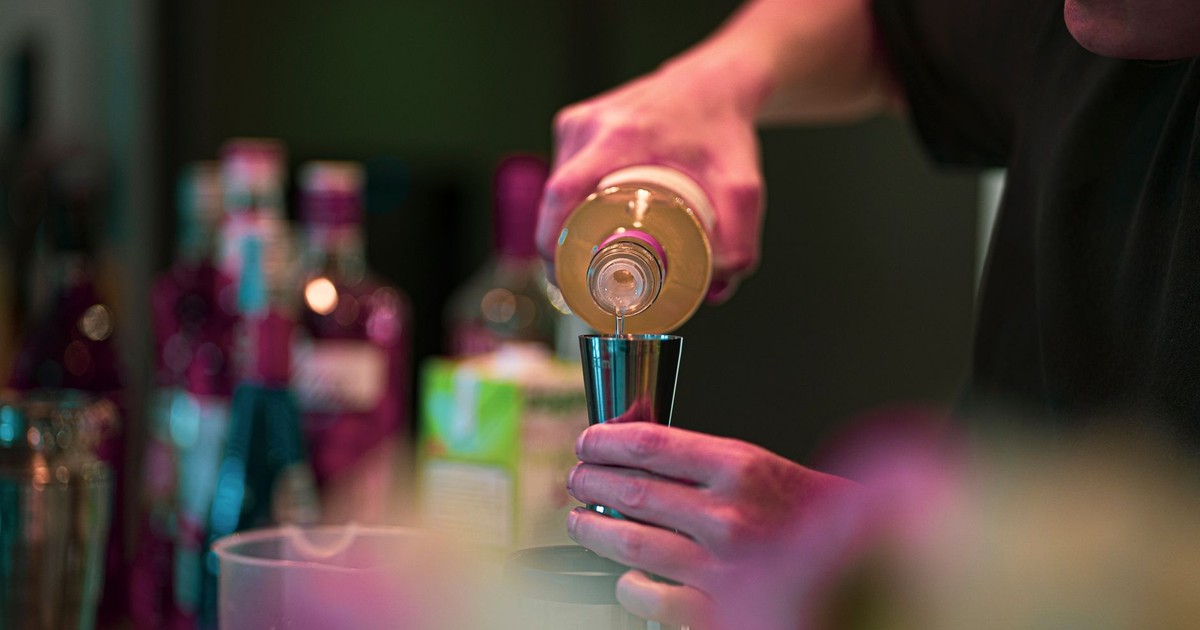
Tajín has become a staple at bars, where bartenders use it to season craft cocktails like mangonadas and add a zesty punch to margarita and michelada rims. The rim application makes obvious sense – the chile-lime combination echoes what a margarita already has going on with its salt rim and lime juice, and Tajín gives you both elements in one hit while adding a faint heat that makes the tequila feel warmer.
The michelada use is a little different. A michelada is a beer cocktail built with tomato juice, hot sauce, lime, and Worcestershire, rimmed with salt or Tajín. The seasoning cuts through the richness of the tomato and lifts the brightness of the lime, doing the same structural work it does on fruit. Bartenders have also started using it in spicy palomas, ranch waters, and even some mezcal cocktails where a little heat and citrus acid at the rim sets up what’s coming inside the glass.
The mangonada – a layered frozen drink made with mango sorbet, chamoy, Tajín, and fresh mango – is arguably the cocktail (or mocktail, depending on the version) most associated with the brand. If you’ve seen a drink arrive at your table with a bright red powdery rim and smelled that immediate hit of citrus, you already know what’s in it.
A TikTok Moment Turbocharged Its US Popularity

According to TODAY.com, Tajín made its way to the US in 1993, and it’s now in more than 65 countries. But the trajectory from “available in US Latino grocery stores” to “in every Target and Costco in the country” wasn’t a straight line. It accelerated dramatically in the early 2020s, driven by social media in general and TikTok in particular, where videos of people putting Tajín on everything – watermelon, Hot Cheetos, ice cream, ramen, popcorn – accumulated hundreds of millions of views.
The product’s popularity surged in the late 2010s and early 2020s, fueled by social media platforms like TikTok, where viral recipes and challenges showcased its versatility on fruits, cocktails, and snacks, contributing to a 28% sales increase in 2020 amid heightened at-home snacking during the COVID-19 pandemic. That’s a meaningful number for a product that was already well-established – a 28% single-year increase, in a year when people were cooking at home and looking for anything interesting to put on the food they’d already eaten twelve times in a row.
The seasoning has since earned the public support of celebrities including Megan Thee Stallion, who name-drops it in a song, Mexican singer Thalia, Kim Kardashian, and RuPaul’s Drag Race star Jaida Essence Hall, who reportedly eats it plain before performances. Celebrity endorsements tend to be hollow. This one wasn’t – these are people who grew up with it or found it and genuinely became devoted to it.
The Flavor Profile Is More Layered Than It Looks
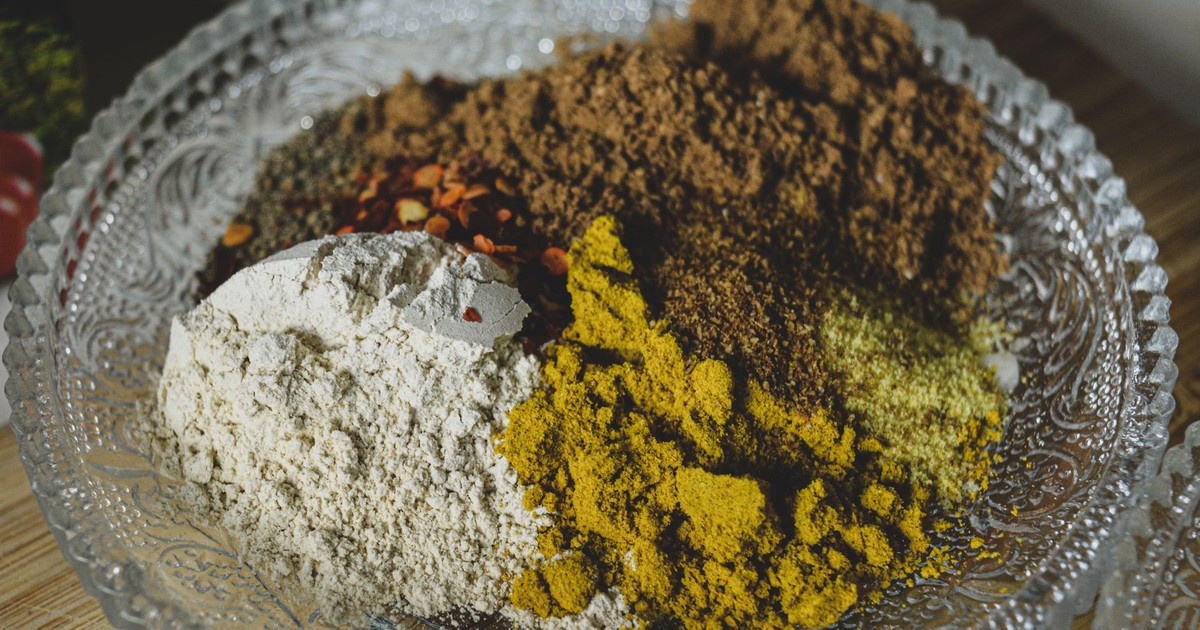
Most people who encounter Tajín for the first time describe it as “spicy and sour.” That’s accurate as far as it goes, but it undersells what’s actually happening. The three chile varieties in the blend create something that reads as warm and slightly smoky before the heat arrives. The dehydrated lime is tart but not sharp – it’s more of a sustained sourness than the immediate brightness of fresh lime juice. And the salt doesn’t just add salinity; it amplifies everything else, which is what good salt does.
The marriage of peppers and citrus brings out a mild heat and brightness that gives foods a pleasant sharpness. Tajín doesn’t challenge you. The heat level sits around a mild-to-medium that most people, including children who have very loud opinions about spice, find accessible. What it does do is add contrast, and contrast is what makes food interesting. Sweet fruit becomes more complex. Savory snacks become more dimensional. Drinks become more layered. The whole thing costs about four dollars and takes two seconds to apply.
You Can Use It on Almost Everything Savory (and Some Things Sweet)
Tajín is just as welcome on shrimp and chicken as it is on ice cream and fruit salads – and new uses for it are being dreamed up every day by natives of Mexico and a global food scene that has embraced its trademark kick. The short list of applications that actually work is long enough to fill a cookbook: mango, watermelon, pineapple, cucumber, jícama, popcorn, potato chips, avocado toast, guacamole, eggs, grilled fish, chicken thighs, shrimp tacos, roasted sweet potatoes, elote, esquites, chamoy candy, sorbet, yogurt, and yes, the rim of your margarita glass.
The places where it doesn’t work are fewer than you’d expect. Dishes that are already highly acidic can become unbalanced with an extra hit of lime. Delicate white fish prepared simply can get overpowered if you’re too heavy-handed. And if you’re cooking something where you want a pure, clean heat without citrus – a dry-rubbed brisket, for instance – then Tajín is the wrong tool. But those are narrow exceptions. Some straightforward ideas: sprinkle it into guacamole, use it as a rim for margaritas or ranch water cocktails, add it to fresh sliced cucumber or pineapple, or use it to season popcorn.
It’s Now a Billion-Dollar Global Brand With No Signs of Slowing

What started in a home kitchen in Jalisco is now a major international food company. By 2025, Tajín had achieved widespread availability in over 65 countries spanning North America, Europe, Asia, Africa, and beyond, with the company reporting annual revenue of around $300 million – with the US accounting for 60% of sales and 40 million pounds annually.
Tajín has reached as far as South Africa and a kindergarten class in South Korea, and while brands like Trader Joe’s have released their own versions, people largely still seem to opt for the original. That brand loyalty is unusual in the commodity spice world, where most shoppers will reach for whatever’s cheapest on the shelf. Tajín has built something that feels personal enough that people don’t want the substitute. The bottle looks specific. The name means something. The grandmother it started with is not a marketing fiction.
The company has also expanded into brand collaborations, including a 2025 partnership with Wholly Guacamole, combining Tajín Clásico with America’s top-selling refrigerated guacamole into a single ready-to-eat product. It’s the kind of deal that confirms how fully the seasoning has crossed over from specialty import to mainstream American pantry staple.
Read More: Why You Should Grow These Seven Vegetables from Seeds
The Real Reason It’s Everywhere Now
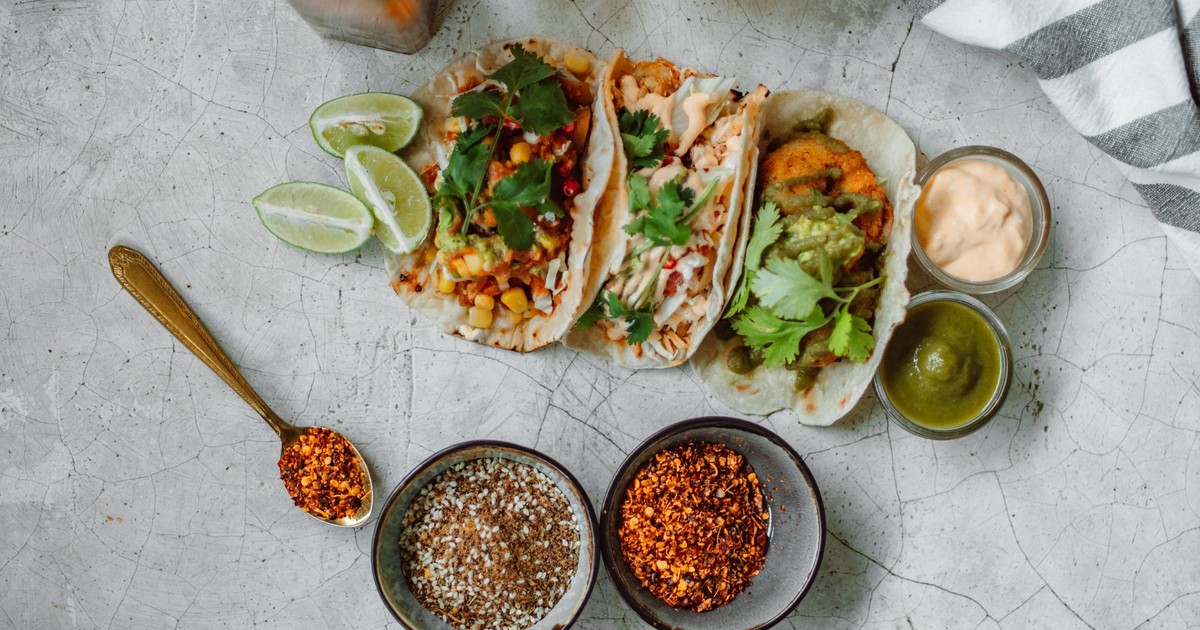
The Tajín story is partly about marketing savvy and social media timing. But that doesn’t fully explain why the seasoning stuck. Plenty of things go viral and don’t stay. Tajín stayed because the flavor actually works, and because it solves a real problem: how do you add complexity to something simple without complicating the cooking?
The answer has been sitting in Mexico all along. The chili-lime-salt combination is older than the brand, older than packaged food, older than most of the cuisines it’s now infiltrating. Tajín didn’t invent the idea. It just put it in a shaker bottle and made it easy enough that a kindergartner in South Korea could reach for it. Some patterns in food endure because they’re genuinely correct – because the human palate responds to the contrast between heat, acid, and salt in a way that doesn’t vary much across cultures or decades. Tajín is one of those patterns. The grandmother knew. Now everyone else is catching up.
Disclaimer: This information is not intended to be a substitute for professional medical advice, diagnosis, or treatment and is for information only. Always seek the advice of your physician or another qualified health provider with any questions about your medical condition and/or current medication. Do not disregard professional medical advice or delay seeking advice or treatment because of something you have read here.
AI Disclaimer: This article was created with the assistance of AI tools and reviewed by a human editor.