

Every forty seconds, someone in the United States has a stroke. That number comes from the American Stroke Association, and it sits differently once you’ve read it twice. What makes it harder to absorb is the other figure that tends to follow it: according to the American Heart Association, up to 80 percent of strokes are preventable. Not manageable – preventable. That gap between what is happening and what could be different is enormous, and a lot of it comes down to habits so ordinary they barely register as choices.
The window right after a meal and the hour or two before sleep turn out to be two of the most consequential stretches of the day for cardiovascular health. Not because of dramatic events, but because of what the body is quietly doing during both of those periods – balancing blood sugar, modulating blood pressure, cycling through hormones that govern repair. The habits that disrupt those processes are not dramatic either. They’re things most people do every single night without a second thought.
This is not a list of exotic lifestyle overhauls. It is seven specific, evidence-backed habits that researchers have linked to elevated stroke risk – three that happen after eating, and four that tend to cluster in the hour or two before bed. Some of them will feel obvious in retrospect. One or two might genuinely surprise you.
1. Lying Down Right After a Meal

That gravitational pull toward the couch after a large dinner is real and nearly universal. The food coma is setting in. The cushions are right there. But the body’s digestive process does not run smoothly when you tip it sideways too soon.
When you lie down shortly after eating, stomach contents are no longer held in place by gravity, and acid reflux becomes significantly more likely. That sounds like a digestion problem, not a heart problem – but the connection runs deeper than it appears. Reflux that happens habitually can inflame the esophagus and disrupt sleep architecture, contributing to the kind of fragmented, poor-quality sleep that is independently associated with elevated cardiovascular risk. The path from “I always lie down after dinner” to stroke risk is not a single step, but it is a shorter path than most people assume.
Research presented at the European Society of Cardiology Congress found that waiting at least one hour after dinner before going to sleep was associated with a roughly two-thirds reduction in stroke risk – and for every additional 20 minutes of waiting beyond that first hour, stroke risk dropped by another 10 percent. The study was observational, so it can’t establish direct cause and effect, but the magnitude of the association is notable. Researchers suggested the link may run through acid reflux, which is associated with sleep apnea – itself a recognized risk factor for stroke. The practical guidance is simple: stay upright for at least two hours after a meal. A walk, some light tidying, time at a table – anything that keeps you vertical.
2. Skipping a Post-Meal Walk

The instinct to sit down after eating is understandable. Digestion is happening; the body feels like it wants stillness. But those first 60 to 90 minutes after a meal represent a specific metabolic window, and what you do during it has a measurable effect on blood sugar control.
Research shows that even a five-minute walk after eating has a measurable effect on moderating blood sugar levels, with the beneficial window running from 60 to 90 minutes following the meal. For people who walked during that window, changes to blood sugar were not only less extreme but also more gradual – and sudden blood sugar spikes and drops are believed to raise cardiovascular risk and play a role in the development of Type 2 diabetes.
A 2025 study published in Scientific Reports put this more precisely: a 10-minute walk immediately after eating produced significantly lower two-hour blood glucose levels compared to rest, and resulted in a notably lower peak glucose level – 164 mg/dL versus 182 mg/dL in the control group. Researchers concluded that a 10-minute walk may be a practical and effective option for controlling after-meal blood glucose, and noted that elevated postprandial glucose contributes directly to the risk of cardiovascular disease. The walk does not have to be fast, or far, or particularly intentional. Around the block, up and down the hallway, a lap of the yard. The key is that the muscles are active during the window when blood sugar is at its peak.
3. Bathing Immediately After Eating

This one tends to catch people off guard, partly because a post-dinner shower feels like good self-care. But the timing creates a specific circulatory conflict.
After eating, the body directs significantly more blood flow toward the digestive system – the stomach and intestines need extra circulation to process the meal. Hot water on the skin triggers a competing response: the blood vessels near the surface of the skin dilate to regulate temperature, drawing blood toward the periphery and away from the core. The two demands compete, and in most people the result is something mild – sluggish digestion, perhaps a little lightheadedness. In people with underlying cardiovascular vulnerability, the blood pressure fluctuation caused by this redistribution can be more significant.
Cardiologists generally recommend waiting at least 30 minutes to an hour after eating before bathing, and preferring warm water over very hot, particularly for people with high blood pressure or known heart conditions. The risk is not dramatic in healthy individuals, but for anyone already managing cardiovascular risk factors, the timing matters more than it might seem. It is one of those habits that has accumulated enough clinical attention to become standard advice, even if the underlying circulatory reason is rarely explained.
4. Eating Late at Night

The research on late-night eating and stroke risk has become substantially more specific in recent years, and the numbers are harder to dismiss than a vague warning about eating close to bedtime.
A study published in Nature Communications found that people who regularly ate dinner after 9 pm were 28 percent more likely to suffer a stroke or mini-stroke compared to those who ate before 8 pm – a finding drawn from more than 103,000 participants in France, tracked over an average of seven years. With each additional hour that dinner was delayed beyond 8 pm, participants’ risk of stroke or mini-stroke increased by 8 percent. The study also found that overnight fasting duration mattered: each extra hour of overnight fasting was associated with a 7 percent reduced risk of stroke or mini-stroke.
The reason this happens involves the body’s circadian rhythms, which govern insulin sensitivity, blood pressure regulation, and digestive function. In the evening, those processes are winding down. Forcing the digestive system and pancreas to remain active late into the night – when the body’s clock is already in repair mode – raises blood sugar and puts strain on the cardiovascular system in ways that eating the same food earlier in the day does not. A general guideline of finishing the last meal two to three hours before bed is well-supported by this body of research.
5. Drinking Alcohol Before Bed

A glass of wine before sleep is one of those habits that has gotten a pass for years because it feels like unwinding. And it does produce relaxation – initially. What it does to the body’s cardiovascular system over the following hours is a different story.
Alcohol disrupts the architecture of sleep even when the amount consumed seems modest. It suppresses REM sleep in the first half of the night and triggers a rebound effect in the second half, leading to fragmented, lighter sleep that does not allow blood pressure to undergo its normal nighttime drop. During healthy sleep, blood pressure typically falls by 10 to 20 percent – a process that gives the cardiovascular system a genuine rest. Alcohol interrupts that dip. A meta-analysis of 23 studies found a positive association between any alcohol use and the risk of hypertension. Sustained elevated blood pressure, including the kind that results from poor sleep quality, is one of the most reliable predictors of stroke.
The American College of Cardiology specifically recommends avoiding alcohol in the hours leading up to bedtime because of its capacity to disrupt sleep and cardiovascular function. This does not require total abstinence for most people – it is a timing issue as much as a quantity issue.
6. Keeping an Irregular Sleep Schedule
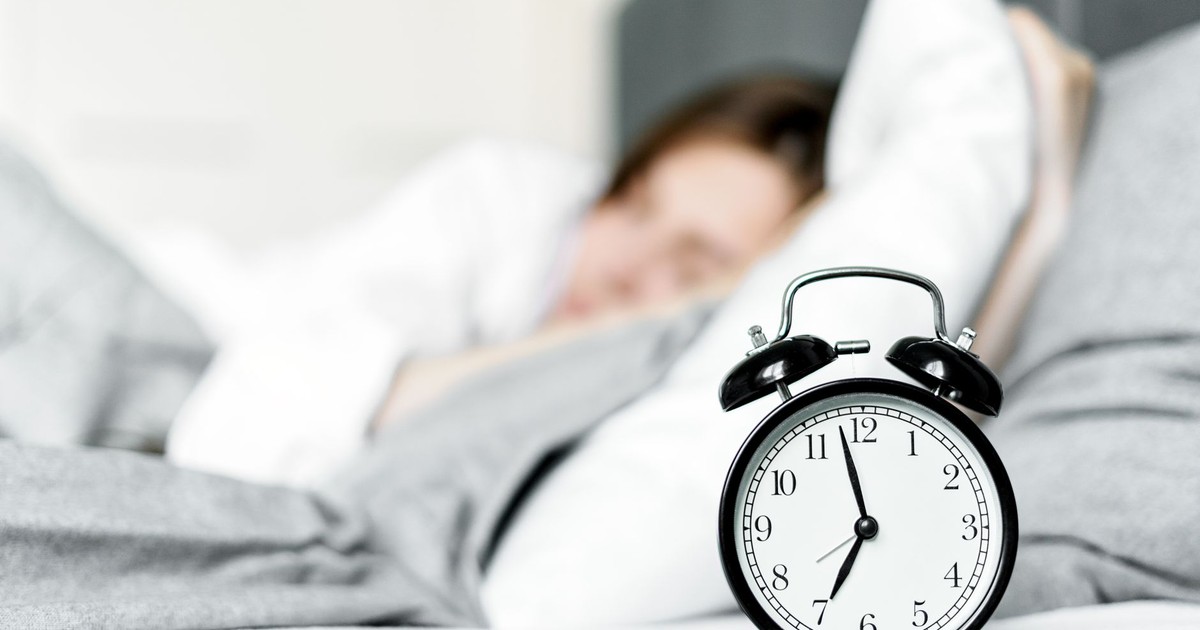
Most conversations about sleep and health focus on duration – seven hours versus five hours. But a significant body of recent research suggests that consistency of sleep timing may matter as much as, or more than, total sleep time.
A 2024 study involving more than 72,000 healthy people between the ages of 40 and 79 found that those whose sleep and wake times fluctuated most had a 26% higher risk of having a heart attack, stroke, or similar cardiovascular problem, compared with those whose sleep patterns fluctuated least. Critically, this elevated risk was present even among people who got the recommended amount of sleep – at least seven hours per night. Getting enough hours while going to bed at random times was not enough to cancel out the risk.
Researchers suggest that sleep regularity may be more relevant than sleep duration alone, and that keeping bedtime and wake time within a 30- to 60-minute window of the usual schedule supports the body’s natural circadian rhythm. The body uses consistent sleep timing to regulate blood pressure cycles, hormone release, and inflammation. When those cues shift from night to night – later on weekends, earlier on weekdays, different across the week – the cardiovascular system loses the predictability it needs to function efficiently. The American Heart Association has now added healthy sleep patterns to its Life’s Essential 8 list of factors for preventing heart attack and stroke, reflecting how seriously this evidence has been taken.
7. Consuming Caffeine Too Late in the Day

Caffeine’s effect on sleep is well understood in broad terms – most people know it can keep them awake. What is less commonly known is how far back that interference window actually extends.
Research has consistently found that caffeine consumed up to six hours before bedtime can measurably reduce total sleep time and delay sleep onset. Caffeine works by blocking adenosine receptors – adenosine is the compound that accumulates in the brain throughout the day and creates the pressure to sleep. Block those receptors in the evening, and the sleep pressure that should be building does not register properly. The result is that you might fall asleep eventually, but the quality and depth of sleep is compromised, even if the total hours look acceptable on paper.
For cardiovascular health, this runs through the same process described across the sleep sections above: poor sleep quality prevents blood pressure from dropping normally overnight, keeps inflammatory markers elevated, and creates the kind of chronic low-grade strain on the cardiovascular system that accumulates into real risk. The National Heart, Lung, and Blood Institute specifically recommends avoiding caffeine in the hours before bed as part of its heart-healthy living guidelines. A general cutoff of early to mid-afternoon – around 2 pm – gives the body enough time to metabolize most of the caffeine before the evening sleep window opens.
What This Means in Practice

The thread running through all seven of these habits is the body’s need for predictable, uninterrupted recovery time – after meals, and after dark. Digestion, blood sugar regulation, blood pressure cycling, hormonal repair: these are not passive processes. They happen on a schedule, and they go better when the habits surrounding them cooperate rather than compete.
None of these changes require a dramatic overhaul. A short walk after dinner, a consistent bedtime, moving the last cup of coffee to early afternoon, finishing the last meal before 8 pm when possible – these are not punishing restrictions. They are small calibrations to timing that the research increasingly suggests carry disproportionate weight when it comes to stroke prevention habits. The fact that so many strokes are preventable is not a guilt trip. It is actually the most hopeful part of all of this: the risk is real, and so is the ability to change it.
Some of these habits have been studied for decades without good evidence behind them. What’s different now is that the evidence has caught up. The 2024 sleep regularity study, the late-night eating research out of France, the post-meal walking data from Scientific Reports – these are large, carefully designed studies, not preliminary trials with a few dozen participants. They are adding specificity to advice that used to be general. “Don’t eat so late” now comes with a number attached to it. That specificity is what makes it actionable.
Where to Start

If there is one thing the research on stroke prevention habits makes clear, it is that timing is doing more work than most of us realized. Not the dramatic stuff – not whether you exercise five days a week or eat a perfect diet – but the small, structural choices about when you eat, when you stop eating, when you lie down, and when you go to bed.
None of these changes solve everything, and they are not meant to. Some people will do all of this and still face cardiovascular risk from factors entirely outside their control – genetics, prior health conditions, circumstances that no bedtime routine addresses. That is worth naming honestly. But the window between dinner and sleep is genuinely one of the few places where relatively low-effort habit adjustments have strong, specific, measurable evidence behind them. Not a vague promise of better health, but actual numbers: a 28 percent lower stroke risk if dinner ends before 8 pm, a 26 percent lower cardiovascular event risk with consistent sleep timing, a blood glucose peak that drops by 18 points with a ten-minute walk. The specificity does not make the problem smaller. It just makes the path forward a little more visible.
Disclaimer: This information is not intended to be a substitute for professional medical advice, diagnosis, or treatment and is for information only. Always seek the advice of your physician or another qualified health provider with any questions about your medical condition and/or current medication. Do not disregard professional medical advice or delay seeking advice or treatment because of something you have read here.
AI Disclaimer: This article was created with the assistance of AI tools and reviewed by a human editor.