
Every culture on earth has a version of the same warning. Don’t do that. Not because anyone can explain exactly why, but because someone who came before you learned the hard way, and they made sure you wouldn’t have to repeat the mistake. These aren’t laws written down in books. They’re the kind of knowledge passed across kitchen tables, whispered by grandmothers, and enforced with a look that needed no translation.
Spiritual taboos are the rules that live below the level of formal religion. They belong to the overlap between folk belief, ancestral memory, and the very human instinct that certain actions carry weight beyond their surface appearance. Some of them feel immediately logical, even if you can’t explain why. Others sound like old superstitions you’d brush off, until you notice how many completely unrelated cultures landed on the same warning independently, separated by thousands of miles and centuries of history.
That convergence is worth paying attention to. When Turkish, Korean, Chinese, Brazilian, and Filipino traditions all arrive at the same conclusion about a specific action, it’s worth asking what they collectively understood that modern life has mostly forgotten. The twelve spiritual taboos below are among the most widely shared. Some will feel familiar. Some will make you think differently about habits you didn’t know you had.
1. Whistling After Dark
Whistling at night is thought to attract evil spirits or bad luck in various cultures, according to research into Asian spiritual taboos. The belief appears in Chinese, Korean, Thai, and Turkish folklore, and despite the geographic spread, the pattern is strikingly consistent. Sound carries differently after dark, and in many spiritual traditions, nighttime is when the boundary between the living world and the spirit world thins. Whistling doesn’t just make noise; it sends out a signal, and the concern is always the same: something might answer.
In Korean shamanic tradition, whistling in the dark is said to attract snakes or wandering spirits, because sound was believed capable of summoning unseen entities. In Thailand, the same taboo holds: in Thai folk belief, whistling after sunset is said to call bad spirits, known as phi, or dangerous snakes to the home. Whether the danger takes the form of a snake or a spirit, the underlying warning is identical. You called out into the dark, and the dark called back.
The practical wisdom underneath the taboo isn’t hard to find. Nighttime called for stillness, caution, and conserving your energy. Drawing attention to yourself – audibly, deliberately – ran counter to every instinct that kept people safe after sunset. The spiritual framing made sure the rule stuck.
2. Mirrors Facing the Bed

Mirrors facing the bed are believed to drain energy or invite spirits during sleep. In feng shui tradition, this is one of the most consistently taught bedroom corrections, and the explanation has taken different forms across different schools of thought. Old feng shui masters warned that a mirror directly facing the bed always brings a third party into the marriage, while the older superstition explains it differently: the sleeping soul may enter the mirror and be unable to return to the body upon waking.
The image of a mirror as a portal rather than a reflective surface runs through many traditions. Another explanation holds that the mirror attracts wandering spirits who come to steal consciousness during sleep. Whether you believe that literally or understand it as a metaphor for disrupted rest and psychological unease, the practical effect is the same: sleeping in front of a large reflective surface tends to disturb sleep, and has done so long before anyone coined the term “sleep hygiene.”
Covering mirrors after a death in the household is a related practice found across European, Jewish, and Asian traditions. During a period when the threshold between life and death is considered open, mirrors are treated as surfaces that shouldn’t be left unguarded. The bedroom mirror taboo is just the everyday version of the same concern.
3. Gifting a Clock
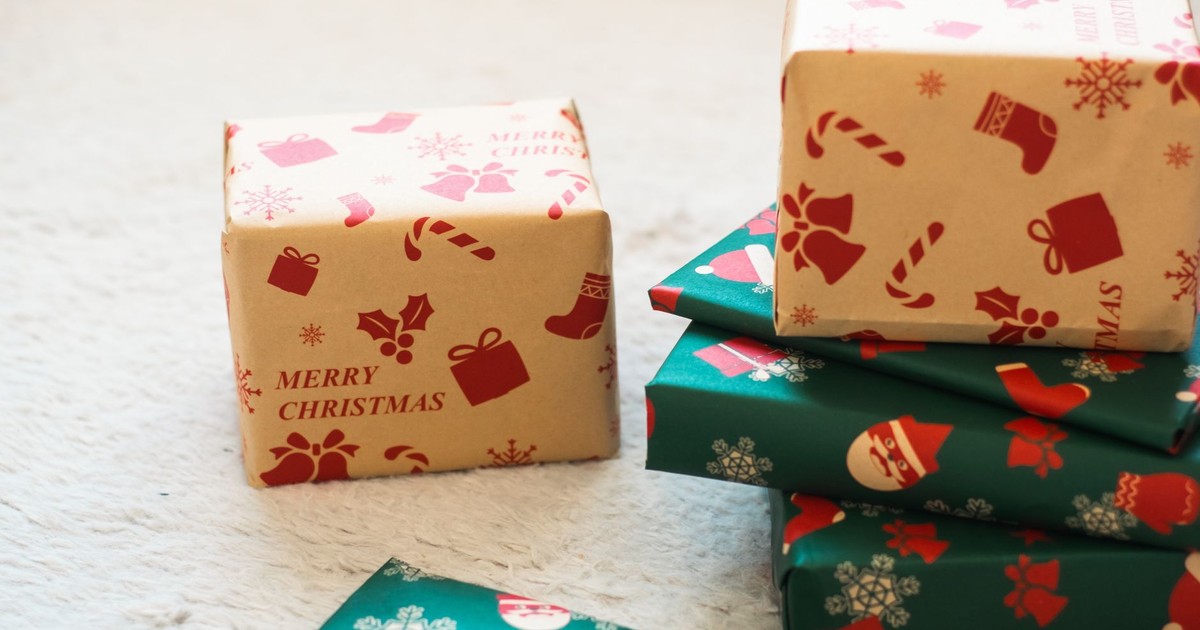
Certain gifts carry unintended meanings due to homophones. In Mandarin, the phrase for giving a clock — “sòng zhōng” (送钟) — sounds identical to the phrase for attending a funeral (送终, also “sòng zhōng”), making it highly inappropriate. The ticking nature of a clock also gives the impression that someone’s life is ticking away. This is not a minor sensitivity. Clocks given as housewarming gifts, to elderly relatives, or to business partners represent one of the most well-known spiritual taboos in Chinese and Chinese-influenced cultures across East and Southeast Asia.
Watches are not entirely immune from this taboo either. In 2015, a UK transport minister gave the Mayor of Taipei a watch as a gift, and he was later quoted as saying he would either re-gift it or sell it to a scrap metal dealer. The story is instructive not because of the diplomatic awkwardness but because of what it reveals: these taboos remain active, not archaic. A well-meaning gift can communicate the opposite of its intention when the symbolic weight of the object is misread.
4. Chopsticks Upright in a Bowl of Rice

This one carries enough weight across East Asia that even people with no formal awareness of the taboo often know not to do it. Sticking chopsticks vertically into a bowl of rice resembles incense sticks at a funeral offering. The image maps directly onto a specific ritual: offerings of food made to the deceased, with incense burned upright in exactly the same way. Putting your chopsticks in your rice dish during a meal is, in effect, staging a funeral at the table.
It is considered deeply inappropriate to stick chopsticks upright into a bowl of rice, because this resembles the way incense sticks are placed in a bowl to be offered to the dead. Leaving a single chopstick lying around carries similar weight, because it looks like a single incense stick. The taboo is documented in Japan, Korea, China, and Vietnam, which makes this one of the most geographically widespread spiritual taboos in the world, and one of the most straightforward to avoid once you know what you’re inadvertently referencing.
5. Writing Someone’s Name in Red Ink
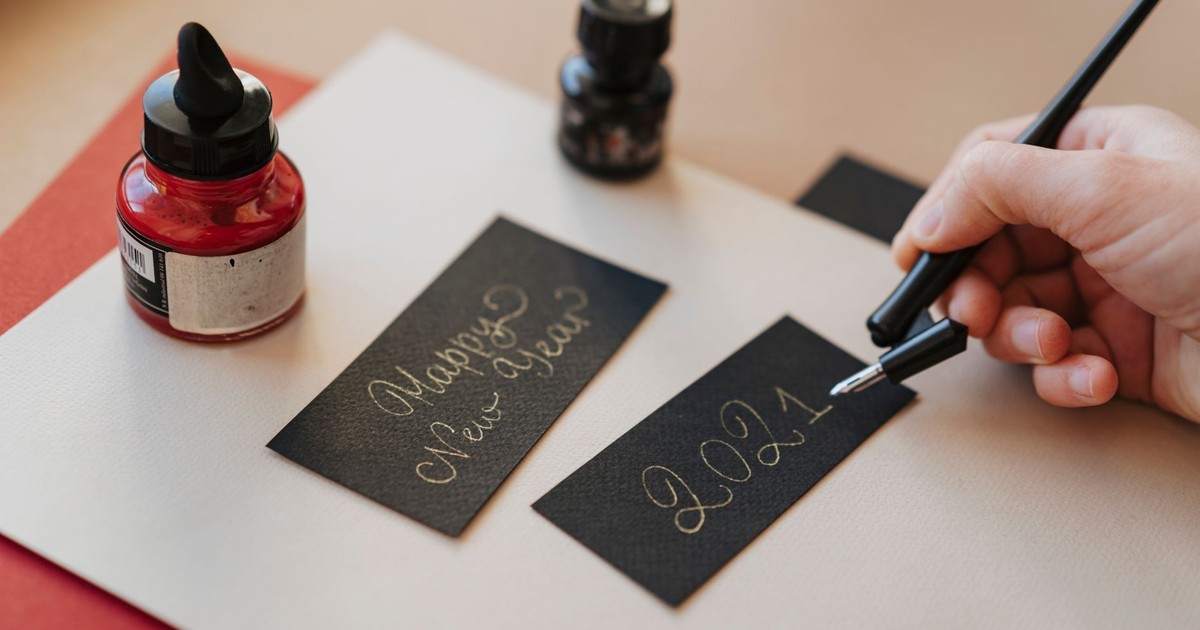
In Korea, writing someone’s name in red ink is associated with death and is considered taboo. Red ink was traditionally reserved for death registers and tomb inscriptions, marking separation from the living. The implication of writing a living person’s name in red, then, is that you are effectively placing them in the register of the dead – an act understood as inviting misfortune toward that person, or at minimum expressing a wish for their end.
The association of red with death in this context can seem counterintuitive, given that red is generally lucky in many East Asian traditions. The distinction is the application: red envelopes carry blessings, red decor at New Year brings good fortune, but red ink on a name belongs to an entirely different category. The color’s meaning changes based on context, which is precisely what makes this taboo easy to violate accidentally, and why it has remained in active cultural memory, particularly in Korean and Chinese-influenced communities.
6. Gifting Shoes
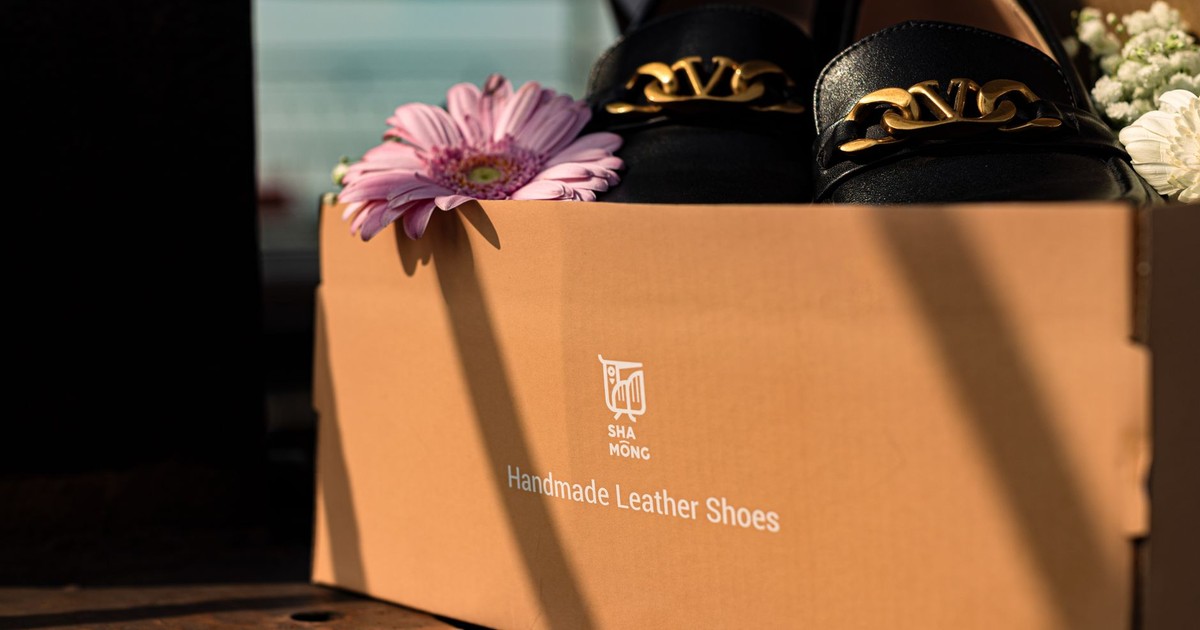
In Korea, shoes symbolize departure, and gifting them may cause the recipient to “walk away” from the relationship. To counteract this, it is customary for the receiver to return a small coin as a symbolic purchase, converting the gift into a transaction and neutralizing the omen. The same pattern appears elsewhere in Asia: in Chinese-dialect contexts, the word for shoes resembles the word for “evil.”
The walking-away symbolism is intuitive when you consider what shoes do – they move people toward departure. Giving someone the means to leave you, wrapped up as a gift, sits uncomfortably in traditions that take symbolic meaning seriously. The coin workaround is elegant, and the fact that it exists tells you something about how these taboos function. They’re not about being paralyzed by superstition; they’re about knowing the symbolic vocabulary well enough to rewrite an unfavorable sentence.
7. Sweeping Toward the Door
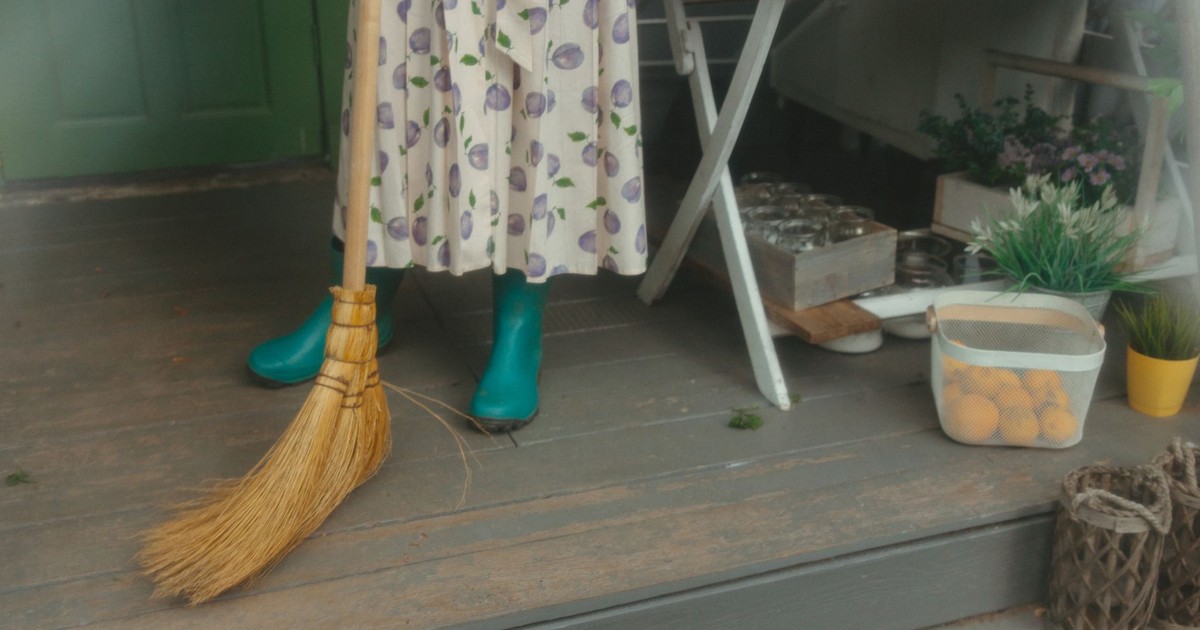
According to traditional Chinese belief, one should never sweep outward at the front of a house or shop. Sweeping should always move inward from the main door and work progressively toward the back, because the front of the house is where good luck enters and the back is where bad luck leaves. Sweeping good fortune out the front door – literally pushing it across the threshold and out into the street – is considered an invitation for financial and energetic loss.
The directional pattern here runs through other domestic spatial practices too: a home organized with intention reads entirely differently from one that feels scattered and draining, and the same principle of directed flow applies to both. The taboo against sweeping outward is ultimately about the front threshold of your home as a significant, protected boundary – one that requires deliberate management rather than casual disregard.
8. Placing Your Purse or Bag on the Floor
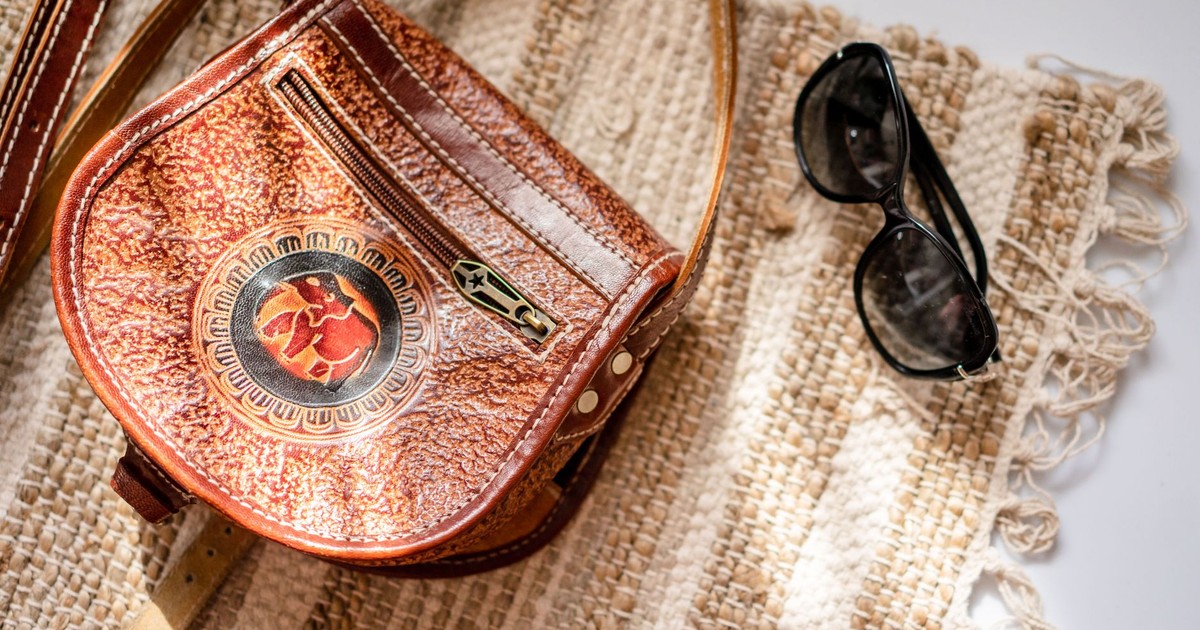
Placing a purse on the floor is believed to cause financial loss or disrespect money. This is one of those spiritual taboos that spans cultures in a way that makes it hard to dismiss as region-specific folklore. The belief appears in Chinese, Latin American, and various Southeast Asian traditions. The core idea: money has dignity, and resting it on the ground – the lowest point, the domain of dirt and disregard – is an act of symbolic carelessness toward it. Money treated carelessly tends to leave.
The practical angle is easy to see if you’ve ever actually placed your bag on a restaurant floor and had something fall out, or left it somewhere you couldn’t see it. The taboo encodes awareness: keep your valuables close, keep them elevated, treat the things you value as though they have worth. The spiritual version just attaches consequences to the lapse that the practical version doesn’t quite articulate.
9. Gifting Sharp Objects
Gifting knives or scissors is thought to sever relationships unless a coin is exchanged in return – a solution that appears across Chinese, Thai, Korean, and Eastern European traditions alike. Items such as knives, scissors, and letter openers are not appropriate gifts in Chinese culture, because gifting someone a sharp object symbolizes the severing of the relationship.
The coin exchange follows the same pattern as the shoe taboo: by making it technically a purchase rather than a gift, the symbolic act is redirected. You’re no longer giving someone the means to cut you out of their life; you’re selling them a useful tool. The pattern is tidy, almost lawyerly – which speaks to something important about how these traditions work. They’re not asking you to live in fear of a kitchen knife. They’re asking you to pay attention to what objects communicate, and to know the workarounds when the communication goes sideways.
If you’re curious about how the energy carried by everyday objects and home decor plays out more broadly, the unlucky plants in your home follow a similar thread – the idea that what you bring into a space carries energetic meaning beyond the purely decorative.
10. Opening an Umbrella Indoors
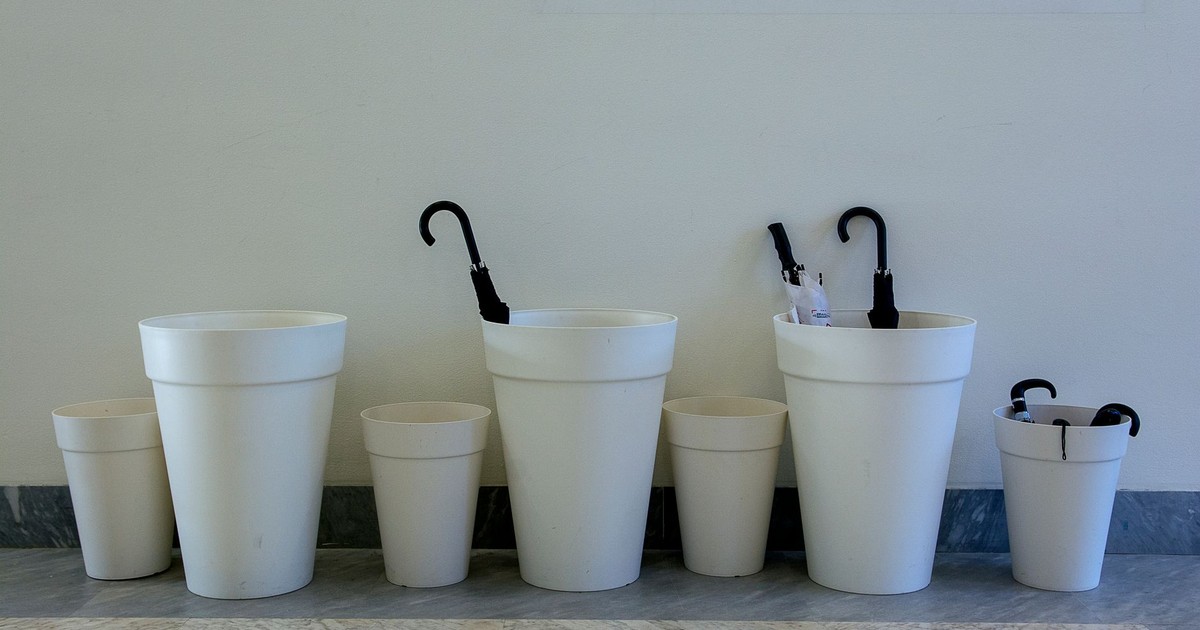
Few spiritual taboos have crossed from East to West as thoroughly as this one. The Western version is usually framed as plain bad luck, while the Eastern versions attach more specific concerns. In many traditions, an umbrella opened indoors is thought to offend the household spirits who protect the space, or to inadvertently invite rain – and all the misfortune that flooding and water damage historically implied. In Chinese symbolic language, the word for umbrella shares phonetic similarity with the word for “separation,” making an umbrella an unwelcome gift in certain relational contexts as well.
The universality of this one is striking. From Victorian England to rural China to the American South, the indoor umbrella earned the same nervous response. When a taboo survives translation across cultures that share none of the same language, religion, or historical contact, it’s reasonable to wonder what collective human instinct it’s encoding. At minimum, it seems to be about not inviting chaos into a protected space by acting as though the storm is already inside.
11. Placing a Hat on a Bed

Placing a hat on a bed is thought to invite bad luck or death, stemming from old funeral customs. The origin traces back to a time when undertakers and doctors would remove their hats and set them on the bed of the recently deceased – or when a person’s hat was placed on their deathbed as a sign of their passing. Repeating that gesture, even casually, touched the same symbolic territory and carried the same associations forward.
Like many spiritual taboos, this one survived the disappearance of the original context. Most people placing a hat on a bed today are not thinking about nineteenth-century funeral customs, and yet the taboo persists as a felt unease – the kind you might experience even if you can’t explain where it came from. That’s how transmitted knowledge works. The reason eventually fades; the warning stays.
12. Cutting Hair or Nails at Night
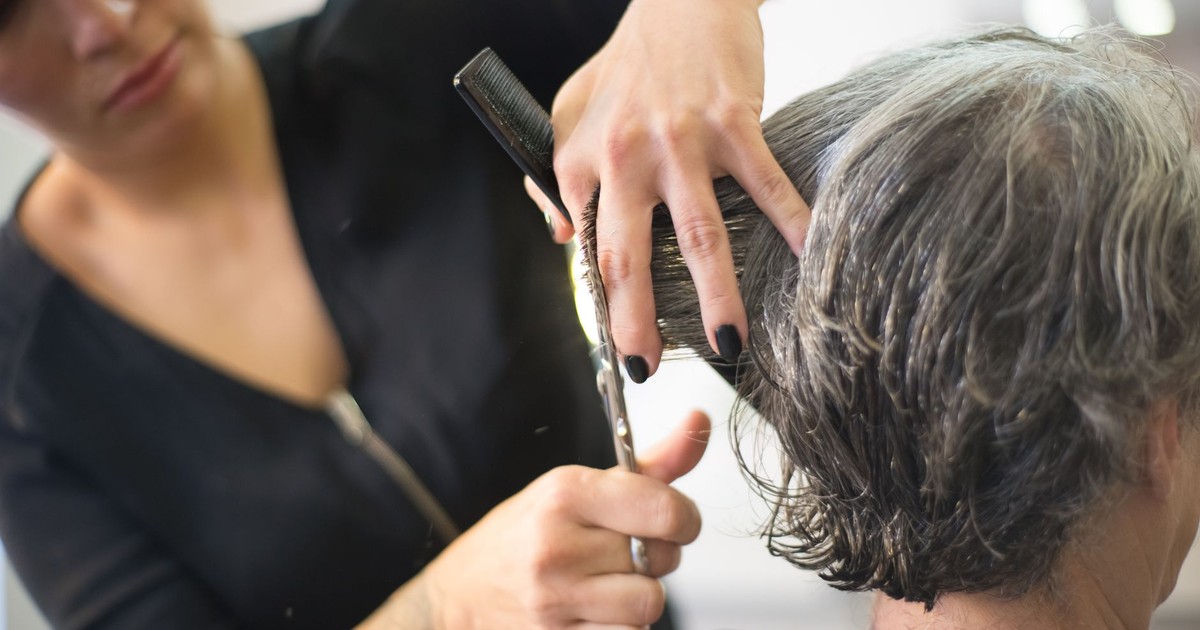
An old belief found in Chinese tradition holds that cutting hair at night is taboo, with some accounts warning it severs ties to ancestors. Similar taboos appear in Korean, Turkish, and Indian folklore, often with slightly different stakes attached: some say it shortens your own life, others say it draws in spirits, others say it cuts the thread of good fortune. The specifics vary, but the instruction doesn’t: finish these tasks before dark.
The practical root of this one is probably the most apparent of all the taboos on this list. Before electric light, cutting hair or nails after dark meant doing so by firelight or candlelight – a genuinely risky activity involving sharp objects and poor visibility. Attaching a spiritual consequence to it made the warning compelling enough to follow reliably. The taboo is the safety rule wearing different clothes.
What They’re Actually Saying

Across all twelve of these spiritual taboos, there’s a consistent theme running underneath the individual rules: pay attention to what your actions communicate. Not just what they do, but what they say. The gift that means harm you didn’t intend. The gesture that references death you weren’t thinking about. The habit that signals carelessness toward something that deserves respect.
What’s interesting about this framework is how little it requires of you in terms of belief. You don’t need to be convinced that whistling at midnight will literally summon a spirit to find value in the underlying message – which is simply that sound, gesture, and action carry symbolic weight, and that cultures who encoded these warnings into memorable rules were doing something worth understanding. The coin you hand over for the knife. The direction you sweep. The name you don’t write in red. Each one is a small, deliberate act of attention – a way of saying that the things you do with your hands and your objects and your voice carry meaning beyond the moment. Some of these patterns go back further than any single tradition. Naming what they share doesn’t resolve them or explain them away. It just gives you somewhere to start.
Disclaimer: This information is not intended to be a substitute for professional medical advice, diagnosis, or treatment and is for information only. Always seek the advice of your physician or another qualified health provider with any questions about your medical condition and/or current medication. Do not disregard professional medical advice or delay seeking advice or treatment because of something you have read here.
AI Disclaimer: This article was created with the assistance of AI tools and reviewed by a human editor.