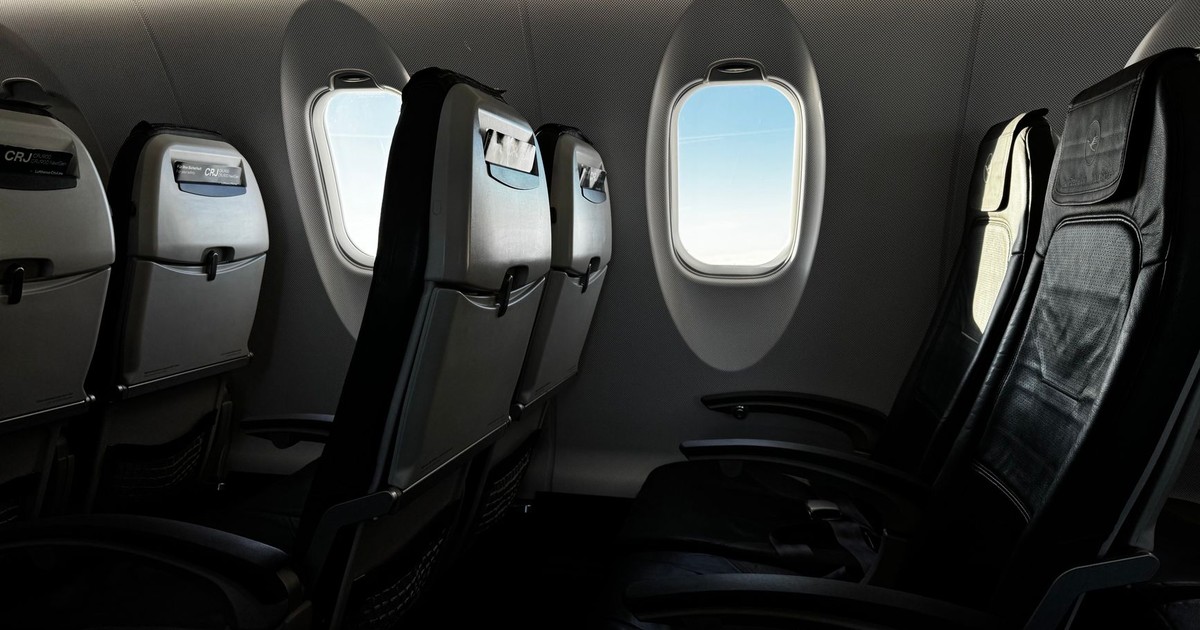

Most of us have experienced the specific misery of a flight delay that doesn’t stay politely at thirty minutes. It creeps. Six PM becomes eight PM becomes midnight, and somewhere around hour five you’ve eaten everything in your bag, given up on your connecting plans, and developed an unreasonable personal grudge against the airport’s choice of ambient lighting. For one traveler on July 4, 2026, the delay became something else entirely.
The man, a Reddit user posting under the handle Jaykwono, had started his day on what should have been a routine transatlantic journey. His British Airways flight from London Heathrow to Chicago O’Hare was diverted to Cincinnati/Northern Kentucky International Airport due to adverse weather near Chicago. Landing in Cincinnati when you expected to step off into Illinois would be enough to derail most people’s holiday weekend on its own.
He claims that British Airways then “refused to help me or get me home” despite making “10+ calls” to British Airways and American Airlines representatives, and was told to organize his own onward travel. Not exactly the white-glove diversion experience the brochure implies. So he did what a resourceful, exhausted person stranded at baggage claim on the Fourth of July does.
The Chain of Events That Made It Possible
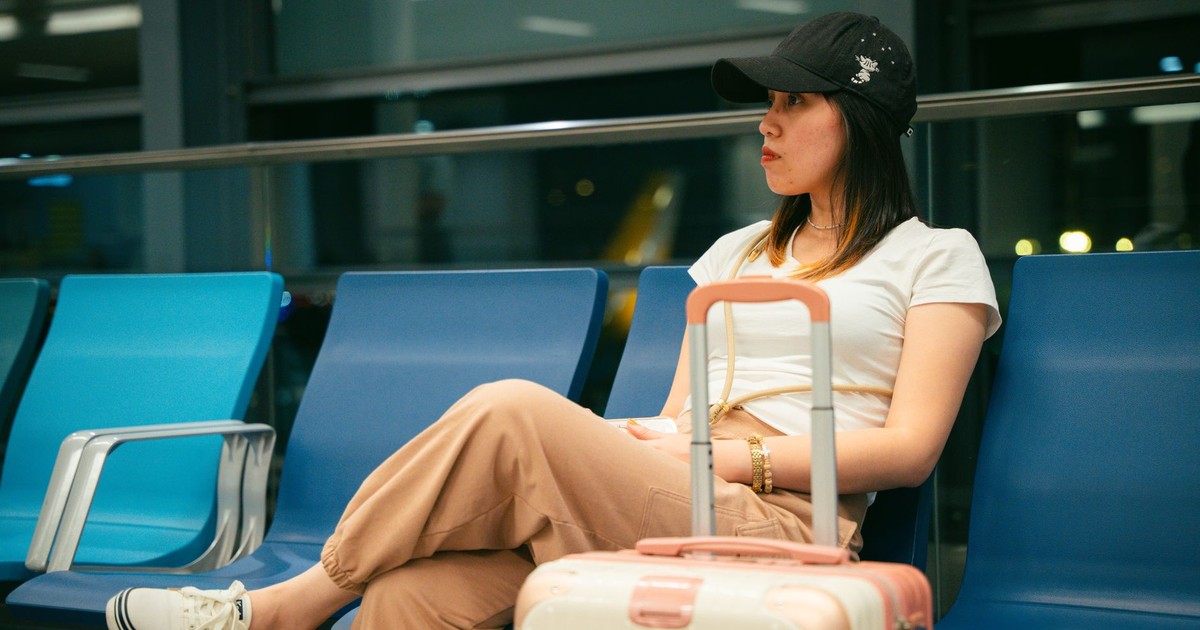
He later purchased a seat on United flight UA1813 from Cincinnati to Chicago after receiving help from an airport baggage claim employee. The flight was on the board. It was delayed, but it was going to Chicago. That was enough.
If you’re the kind of traveler who reads up on long-haul flight mistakes before a big trip, you already know that the seat you end up in, and the crew you happen to get, can make or break the experience. On this flight, the crew made it.
Flight tracking data confirms that British Airways flight BA299 landed in Cincinnati at around 6:00 PM local time. Severe storms impacted operations at O’Hare on Friday and Saturday, leading the FAA to issue a ground stop on July 4. The FAA ground stop is the key detail that most retellings of this story gloss over. It wasn’t a minor inconvenience. It was a full halt on arrivals, the kind of systemic pause that sends ripples through every gate, every connecting crew, every passenger schedule for the rest of the night.
UA1813 was originally scheduled to leave Cincinnati at 6:12 PM, but the Chicago ground stop kept it pinned to the tarmac for hours. By the time the flight was finally cleared to leave at 1:28 AM the next morning, every other passenger who had been booked on UA1813 had either cancelled, changed their flights, or found alternative transportation. He was the only one left.
A 179-seat Boeing 737-900, fully staffed, fueled, and finally cleared to depart, sitting at the gate with a single human being holding a boarding pass for it. One person. One ticket. One very long wait that was about to become a very unusual flight.
What a 179-Seat Plane Feels Like With One Person In It
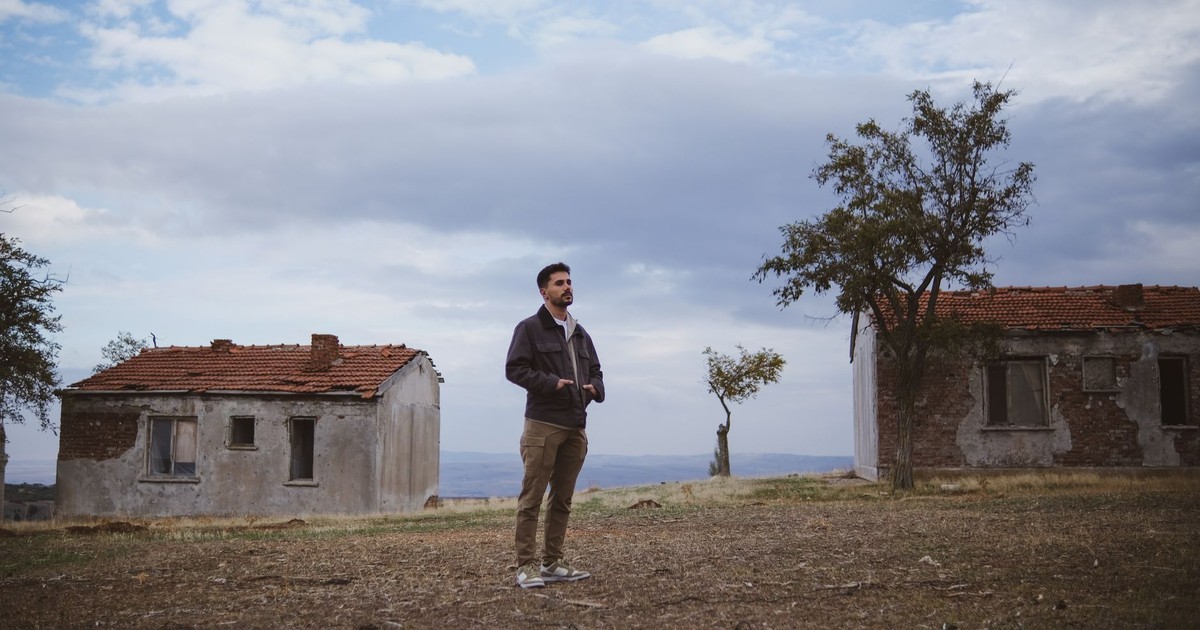
The aircraft operating UA1813 was one of United Airlines’ Boeing 737-900 jets, which can accommodate up to 179 passengers in two cabin classes. The jet is configured with 20 United First and 159 United Economy seats, of which 42 are United Economy Plus seats offering additional legroom and recline.
Judging from his photos, the passenger appears to have chosen seat 1B in United First, which is in the first of five rows in the airline’s domestic first class cabin. A reasonable choice, all things considered. If you are the only person on a plane, moving to row 1 is not a power move. It’s just common sense.
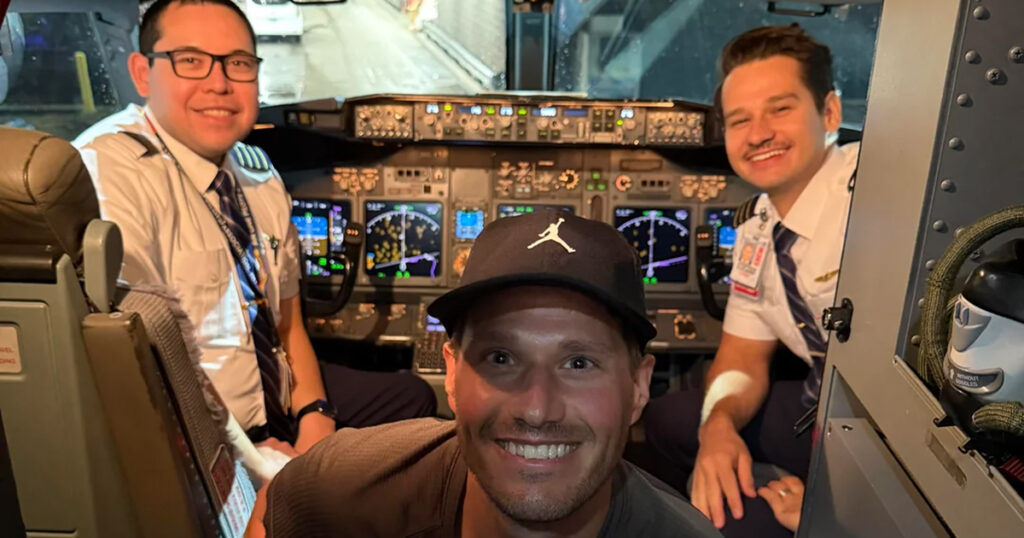
During the flight, the crew let the traveler sit anywhere he wanted, made their onboard announcements directly to their only customer, and invited him to meet the pilots and sit in the cockpit for a photo. The personalized announcements are the detail that gets people. Imagine a flight attendant picking up the intercom handset and addressing safety information to a specific, singular individual who can see them from six feet away. There is something genuinely funny about it and something genuinely touching about it at the same time. The crew did not phone it in. They ran the full flight, just for one guy who’d spent his Fourth of July on a series of phone calls that went nowhere.
He was handed several free snacks by flight attendants, as well as one of United’s Boeing 777 trading cards, likely acquired directly from one of the pilots. The trading card is the detail aviation enthusiasts fixated on, because United Airlines produces collectible cards featuring its aircraft, and they aren’t typically handed out to economy passengers as a matter of course. Someone on that crew made a point of finding one and giving it to him.
Why United Flew the Plane Anyway
Airline timetables rely on planes being in specific locations at specified times. Most airlines also move cargo in their holds, and canceling flights could lead to lost cargo revenue even if the seats aren’t full of paying passengers. In either case, an airline being able to function properly relies on the aircraft getting to where it’s supposed to be, with or without a full load of passengers on board.
There’s a downstream logic to it that has nothing to do with generosity. Airlines still fly and reposition hardware even if a flight only carries a single passenger. Any airline executive would tell you that planes don’t make money on the ground. Even though it’s possible that a given flight might lose money, having that plane at its next destination means it’s hopefully making money on the next leg.
In plain terms: the Boeing 737 needed to be in Chicago for whatever it was scheduled to do on the morning of July 5. The fact that only one ticketed passenger happened to still be at the gate when the ground stop lifted was incidental. United was flying that aircraft regardless. The passenger just got extraordinarily lucky with his timing.
The flight departed Cincinnati at 1:28 AM, with the roughly 55-minute hop to Chicago arriving in the early hours of July 5. A sole passenger on a nearly 200-seat aircraft, and the whole experience wrapped up well before sunrise.
It’s Happened Before (But Not Often)
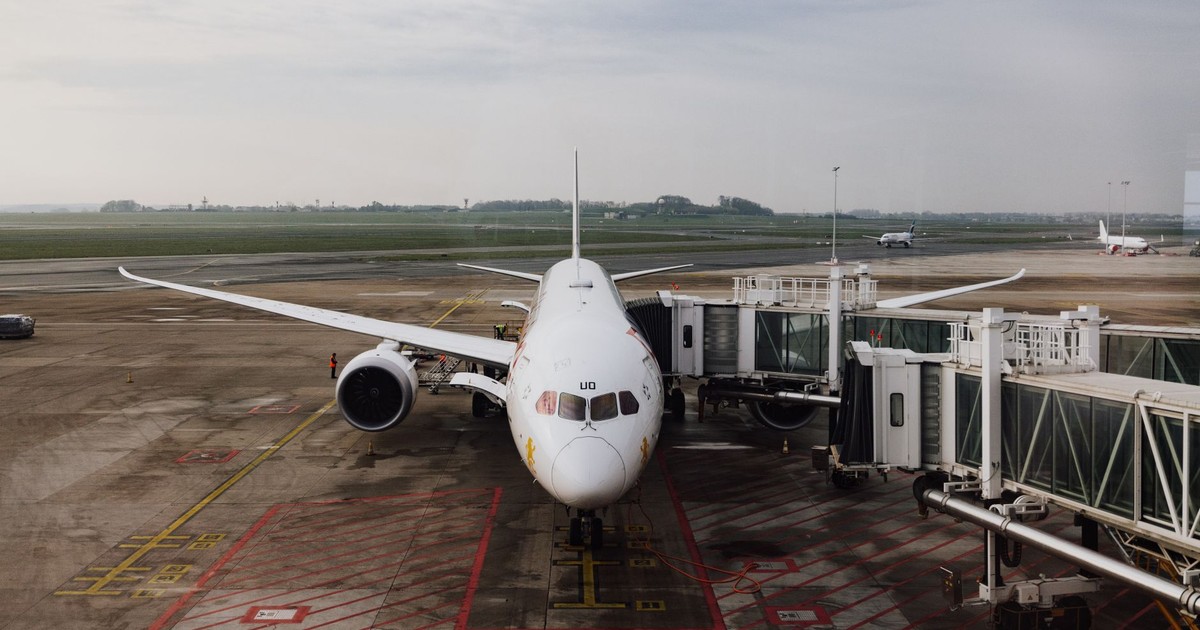
It is highly unusual for a commercial flight to have just a single passenger on board, but it isn’t unprecedented. Usually, it happens when a flight is severely delayed, leading to passengers rebooking on other flights or deciding not to fly at all.
While solo-passenger commercial flights remain rare, they have occurred before. Similar cases have emerged following prolonged operational disruptions, including an American Airlines flight in 2023 and an Emirates Boeing 777 service during pandemic-era travel restrictions. The pandemic-era Emirates example is the most extreme of these, given that a Boeing 777 can carry more than 300 passengers.
A mere two weeks before the Jaykwono flight, another United Airlines customer had a flight all to themselves. Two in two weeks, on the same airline. Whether that reflects some statistical cluster in the disruption patterns of summer 2026 or is simply a coincidence that got amplified by internet attention is hard to say, but it’s notable.
British Airways’ diverted London-Chicago service left one passenger stranded in the US Midwest, forcing him into last-minute rebooking chaos that ended on a near-empty United flight. When systems fail, passengers often fall through operational gaps rather than receiving coordinated assistance.
A baggage claim employee helped him find the United flight. That human detail, that the whole thing pivoted on someone at a baggage carousel taking an interest, is easy to overlook when you’re focused on the 179-empty-seats image. But it belongs right alongside the rest of the story. He didn’t find his way through the official channels. He found it through a person.
Read More: 15+ Stunning View From Plane Windows That People Will Always Remember
The Part Nobody Really Talks About
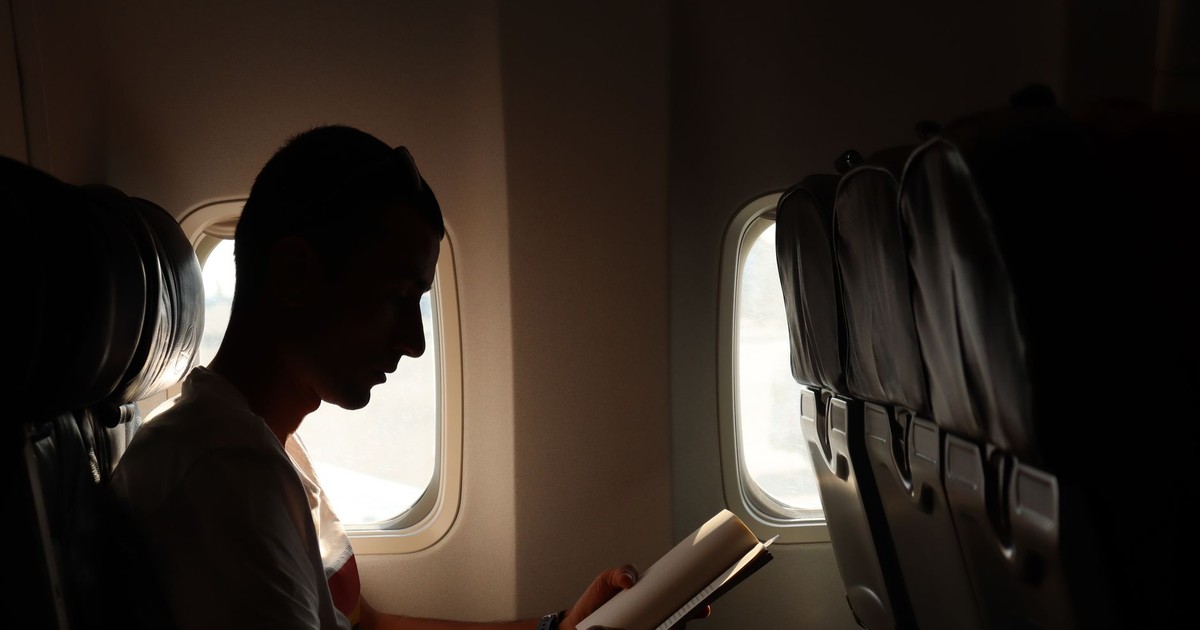
The story went viral for the obvious reason: the images of an empty aircraft cabin are inherently surreal, and the idea of having an entire commercial jet to yourself taps into a fantasy most frequent travelers have entertained at least once, usually around the third hour of a middle seat. But the backstory is less fantasy and more chaos.
This person’s July 4th involved a transatlantic flight that ended in the wrong city, more than ten phone calls to airline representatives who declined to help, hours in an unfamiliar airport waiting for a delayed flight to a city he could have been in six hours earlier, and a final arrival in Chicago in the early hours of July 5. The trading card is genuinely great. The cockpit photo is legitimately cool. The fact that the crew gave personalized safety announcements to a single human being is the kind of absurdist detail that belongs in a novel. But none of it undoes the day that preceded it.
The difference between a nightmare travel day and a memorable one often comes down to which people around you actually came through. British Airways, by his account, did not. A United crew operating a technically pointless flight at 1:28 AM absolutely did: free snacks, cockpit access, personalized announcements, trading card and all. The disruption was the same. The experience on either side of it was not.
Some travel days become stories you tell for years. Most of the time, those aren’t the days that went smoothly.
Disclaimer: This information is not intended to be a substitute for professional medical advice, diagnosis, or treatment and is for information only. Always seek the advice of your physician or another qualified health provider with any questions about your medical condition and/or current medication. Do not disregard professional medical advice or delay seeking advice or treatment because of something you have read here.
AI Disclaimer: This article was created with the assistance of AI tools and reviewed by a human editor.