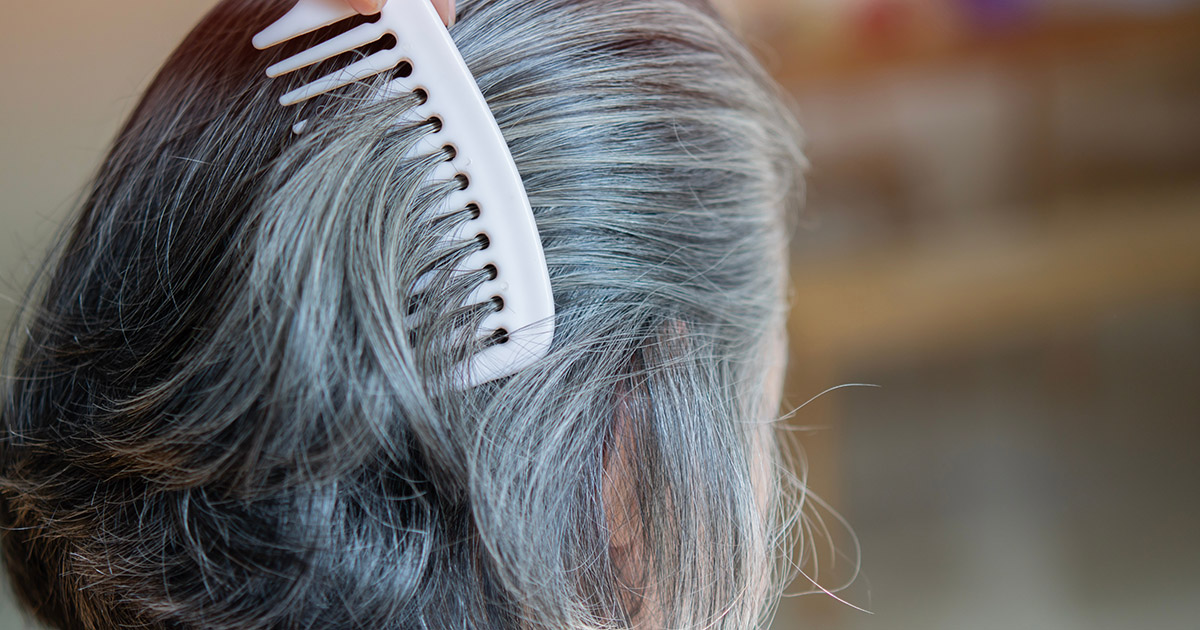

Gray hair does not arrive alone. It brings a new texture with it – something stiffer, drier, and more resistant than the hair you’ve managed for decades – and your entire product shelf suddenly stops making sense. The shampoo you’ve used since forever feels like dish soap. The conditioner you swore by does approximately nothing. You’re not imagining it, and you haven’t suddenly lost the ability to take care of your own hair. The biology has changed, and the routine needs to catch up.
The shift catches most people off guard because the assumption is that going gray is a color story. It isn’t only that. Within the hair follicle, melanocytes, sebaceous glands, and a complex web of other factors interact to produce both hair color and hair texture. As we age, the activity of these factors declines – resulting not just in reduced pigmentation but in reduced levels of lipids and growth factors, producing coarser, less manageable hair. The color change is visible. The structural change is something you feel the moment you run your fingers through your hair and wonder when it turned to wire.
Start With What You’re Washing It With
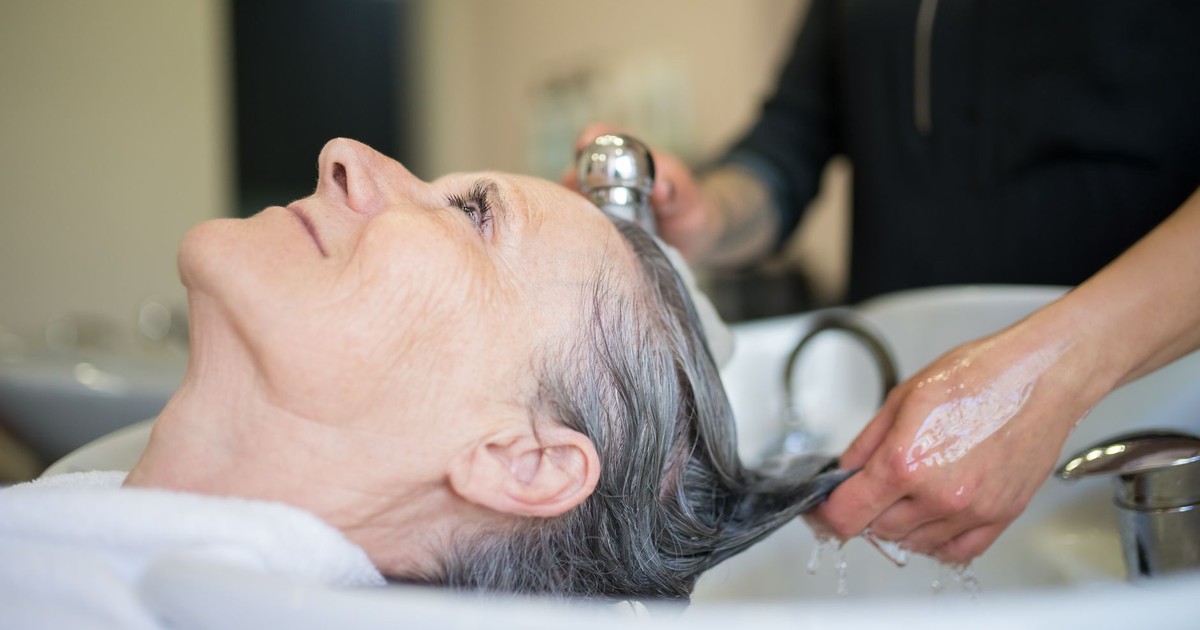
There’s a specific quality to it that’s hard to articulate – not exactly coarse in the way that dry, color-damaged hair is coarse, but something more architectural, almost structural. The cuticle, which is the outermost layer of each hair shaft and ideally lies flat and smooth, lifts and becomes uneven in gray hair, creating a surface that resists both moisture and styling products. And because the scalp is producing less sebum – the natural oil that keeps strands lubricated – nothing is compensating for that roughness from the inside.
The approach just has to match the actual problem. According to Britannica, within the hair follicle, melanocytes and keratinocytes interact alongside numerous other factors to give hair its color and texture – and with age, the level and activity of many of these factors declines, resulting not only in reduced pigmentation but also in reductions of lipids and growth factors. Inochroma notes that gray strands often have raised or less tightly sealed cuticle scales, which is why they feel rougher to the touch than pigmented hair and are more prone to tangling.
The shampoo problem is real and it’s usually the first thing to fix. Most mainstream shampoos contain sulfates, the detergent agents responsible for that satisfying lather. They work fine on hair that still has abundant natural oils. On gray hair, which is already running low on sebum, they strip out what little moisture is left and make everything worse. Switching to a sulfate-free formula preserves the hair’s natural moisture balance and prevents further coarseness and dryness.
The adjustment period for sulfate-free shampoo is real. The lather is different – thinner, less foamy – and for the first week or two, your hair may not feel as “clean” in the way you’re used to. That’s the adjustment, not a sign that it isn’t working. Use more water and work the product in slowly, giving the ingredients time to do what sulfates used to do more aggressively. After a few weeks, most people notice their hair holds moisture between washes better than it did before.
Beyond the sulfate question, consider how often you’re washing. Gray hair generally benefits from less frequent washing than you might be used to – every other day or even every two to three days – because each wash, even with the gentlest shampoo, removes some of the moisture you’re trying to preserve.
The Deep Conditioning Question

Conditioner used for two minutes in the shower before rinsing is not deep conditioning. It’s better than nothing, but it’s not addressing the structural dryness in gray hair. Weekly deep conditioning treatments – left on for 20 to 30 minutes, ideally with a shower cap to add warmth and help the product penetrate – make a difference that daily conditioning can’t replicate.
The ingredients that consistently perform well for coarse gray hair are the ones that get to the shaft rather than just sitting on top of it. Coconut oil is among the most effective because its small molecular structure allows it to penetrate deeply into the hair shaft and provide intense moisture from within. Argan oil, which is rich in vitamin E and antioxidants, is better as a finishing product because it locks in moisture and reduces frizz without the heaviness of coconut oil. Shea butter, full of fatty acids and vitamins A and E, works particularly well on the ends, where gray hair tends to be at its most brittle and rough.
The DIY route here is genuinely effective and doesn’t require a specific product label. A ripe avocado mashed with two tablespoons of olive oil applied from roots to tips, covered for 30 minutes, then rinsed with a gentle shampoo, is one of the more reliable homemade masks for coarse gray hair. It works because avocado contains vitamins A and E along with fatty acids that absorb into the hair shaft rather than just coating it. Honey used in masks serves a similar purpose – it’s a natural humectant, meaning it draws moisture from the air into the hair and helps keep it there.
If you prefer a ready-made approach, look for products containing glycerin, which functions the same way. Glycerin is a humectant that draws moisture from the air into the hair, keeping gray strands hydrated and soft, and it works particularly well when combined with other moisturizing ingredients.
Heat, Hard Water, and the Things That Make It Worse
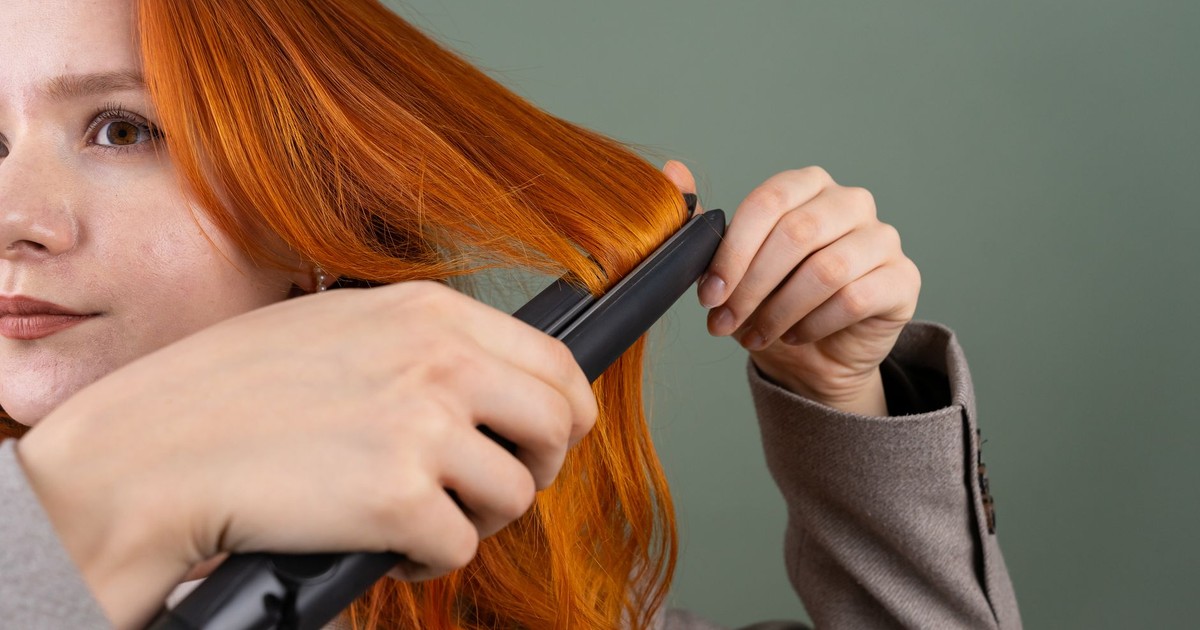
Heat protectant on gray hair is non-negotiable – not optional, not just for days when you’re using high heat. Gray hair’s raised cuticle makes it more porous, meaning it absorbs moisture quickly but releases it just as fast, leaving strands more vulnerable to heat damage at temperatures that wouldn’t have caused problems before. Ionic hair dryers, which emit negative ions that break down water molecules and reduce frizz, tend to produce noticeably better results on gray hair than conventional dryers – the difference in texture can be striking.
Hard water genuinely affects gray hair. Gray hair holds onto minerals from hard water, which exaggerates coarseness – making a clarifying rinse a surprisingly effective step in any gray hair softening routine. If your tap water is hard, a chelating or clarifying shampoo used once a month can remove the mineral buildup that’s contributing to that stiff, rough texture. It’s not a glamorous fix, but it’s one that people consistently describe as more effective than expected.
Styling products with high alcohol content – which includes many hairsprays, mousse formulas, and gels – also dry gray hair out in the same way that sulfate shampoos do. If you’re using products to style and then wondering why your hair still feels rough an hour later, check the ingredients list for alcohol near the top. A lightweight serum or a small amount of argan oil applied to damp hair before styling tends to deliver better texture results than alcohol-based products, and without the rigidity.
When DIY Isn’t Enough: In-Salon Treatments
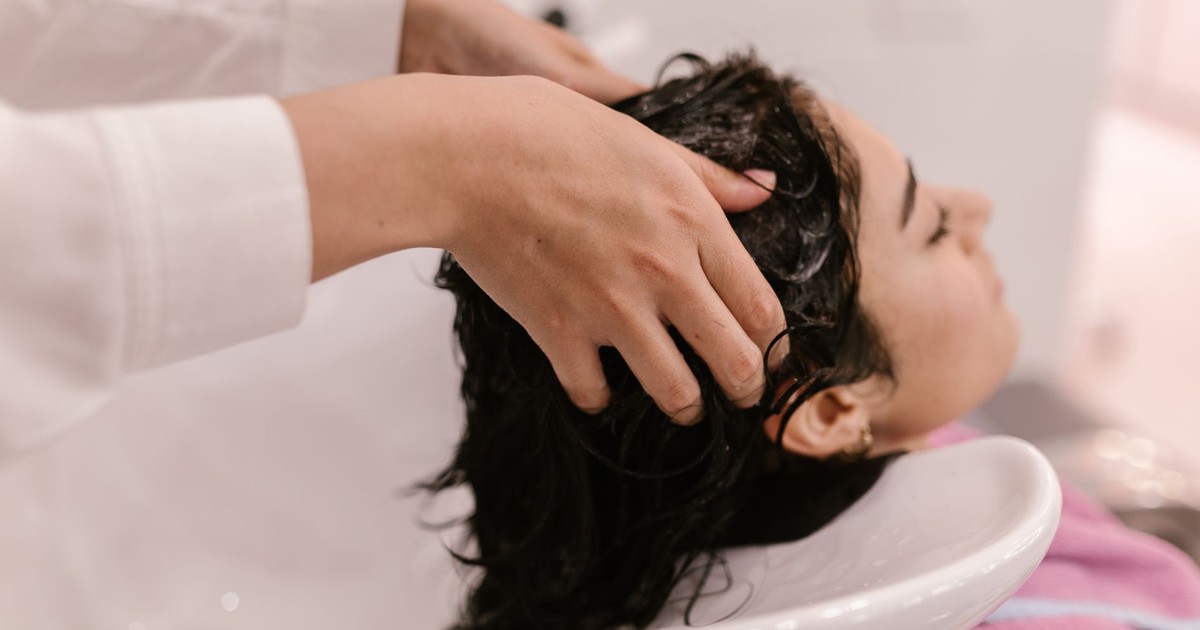
At some point the at-home routine is doing everything it can and the texture still isn’t where you want it. That’s usually when a salon treatment makes sense, and the options don’t all do the same thing.
Keratin treatments are surface treatments. They infuse the outer layer of the hair shaft with keratin protein, smooth the cuticle, reduce frizz, and add shine. The results typically last three to five months, and for gray hair dealing primarily with frizz and surface roughness, the improvement in manageability can be dramatic. The limitation is that they change how your hair behaves without addressing any underlying structural weakness – and many traditional formulas contain formaldehyde or formaldehyde-releasing agents. According to Make Beauty International, the presence of formaldehyde is the single most important factor to evaluate when choosing any smoothing treatment for gray hair, since formaldehyde is classified as a known carcinogen. If you’re pursuing a keratin treatment, look specifically for formaldehyde-free formulas and confirm with your stylist what the product contains before committing.
Bond-building treatments work differently. Rather than coating the outside of the hair, they work at the level of the hair’s internal structure. According to Dermatology Times, bond-building treatments aim to restore hair strength by reconnecting disulfide bonds and enhancing hydrogen and ionic bonds, with technologies including bis-aminopropyl diglycol dimaleate, 18-peptide technology, and hydroxypropyl gluconamide, each working through slightly different processes. If your gray hair is brittle and prone to breakage in addition to being rough, a bond builder is addressing the right problem. If the primary issue is frizz and manageability on otherwise healthy strands, a keratin treatment gets there more directly. Many people, particularly those who color or heat-style their gray hair regularly, benefit from both – strengthening first, smoothing after.
Bond-building shampoos and instant conditioners that are washed out of the hair are less effective than products left on the shaft, such as leave-in conditioners and styling products – worth keeping in mind when you’re evaluating whether a product is actually doing anything or just marketing itself as a bond builder.
The Brushing Detail Nobody Talks About

The tools you use matter as much as the products, and the brush is an underrated factor. A brush with natural boar bristles distributes the scalp’s existing sebum along the hair shaft, which is exactly the kind of natural oil delivery that gray hair is missing. Most people with gray hair have switched to wide-tooth combs for detangling (correct) but abandoned brushing altogether. A few gentle passes with a natural-bristle brush before bed is one of the lower-effort moves in this whole routine, and the cumulative effect over weeks is real.
The cutting schedule also matters more than many people realize. Gray hair that is not getting trimmed accumulates split ends and breakage that travel progressively up the shaft, compounding the texture problem with each passing week. Regular trims every six to eight weeks don’t slow growth – they prevent the split-end progression that makes hair feel rough from the ends up. If you’re curious about how long gray hair responds to all of this maintenance versus shorter cuts, the short answer is that the length is not the enemy. The condition is.
What’s Actually Worth Your Time
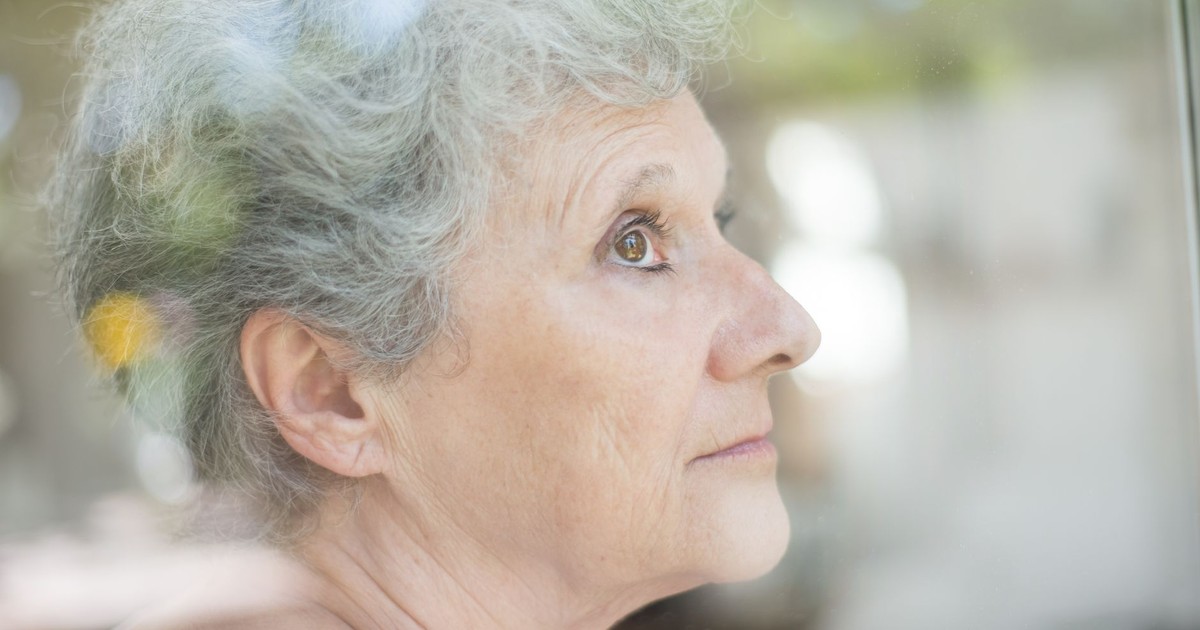
The gray hair texture problem is not one you solve once and move on from. It’s a new set of conditions that your hair is operating under – different oil levels, different cuticle structure, different porosity, different response to products – and the routine that works is the one you actually do consistently, not the one with the most impressive ingredient list.
Start with the sulfate-free shampoo and a weekly mask before worrying about anything else. Those two changes do more than most people expect, and once you’ve established a baseline of moisture, you’ll be better placed to evaluate what else the hair actually needs. If the texture problem is primarily frizz and roughness, a good leave-in serum with argan oil used on damp hair goes further than an occasional deep treatment. If it’s brittleness and breakage, a bond builder is worth trying – but use it as directed and give it several weeks before drawing conclusions.
Gray hair requires more deliberate care than pigmented hair did, not because it’s weaker or less beautiful, but because it’s genuinely different in structure and the old routine was calibrated for different biology. Some of these changes happen gradually enough that you don’t notice them until your entire shelf of products has stopped working. That’s not a personal failure. It’s just your hair asking for something different than what it used to need.
AI Disclaimer: This article was created with the assistance of AI tools and reviewed by a human editor.