

Nobody tells you that the version of yourself who appears when you’re flying solo is often the clearest, most honest one you’ll ever meet. Not the version who adjusts her laugh, swallows opinions at dinner, or silently wonders why she keeps apologizing for things she didn’t do. The one who knows what she wants for breakfast without negotiating it, who books the trip she’s been putting off for three years because someone else wasn’t sure about the dates.
The cultural story about being single has always been a placeholder story, a phase you endure before the real thing starts. But research and lived experience keep complicating that narrative in interesting ways. Psychologist Bella DePaulo ran the numbers in a 2023 study for the Journal of Family Theory and Review and found that single people and coupled people aren’t as far apart in happiness as everyone pretends – and once personal choice is factored in, the difference shrinks to almost nothing. Which means the question isn’t really “are single people happy?” It’s whether you, specifically, are someone whose life opens up or closes down when a partner enters the picture.
That’s the question this list is designed to help you sit with honestly. Not as a case for permanent singlehood, and not as a dismissal of love or partnership. Just as a chance to recognize the signs that, right now or possibly longer than right now, being on your own is not the consolation prize. It might be the whole point.
1. You’re More Yourself Without an Audience

There’s a specific kind of relief that arrives when you close the door after someone leaves, and it’s not the relief of an introvert recharging after socializing. It’s the relief of dropping a performance you didn’t fully realize you were giving. If you consistently feel more like yourself when you’re alone than when you’re in a relationship – freer to make choices, say things, take up space – that gap is telling you something worth listening to.
Some people move through relationships the way certain plants grow toward windows. They bend in the direction of whoever is present. That isn’t weakness, and it doesn’t mean you’re bad at relationships. It may mean you’re in a period of life where your own identity still needs room to develop, and a partnership keeps crowding it out before it can take hold. The solo period isn’t a failure of partnership. It’s often the condition that makes a genuine partnership possible later.
2. Your Peace of Mind Is Directly Connected to Your Solitude

If your baseline mental state is calmer, clearer, and more grounded when you’re not managing another person’s presence in your daily life, pay attention to that. Not every person experiences solitude as peace – some find it deeply uncomfortable. But if you’re someone who thinks more clearly alone, sleeps better alone, and wakes up with more purpose when the day is yours to design, that’s not a character flaw. That’s information.
A 2025 study published in Frontiers in Psychology found that among single people with high well-being, a preference for solitude was a distinguishing feature – and crucially, the key variable wasn’t solitude itself but autonomy, meaning the solitude was chosen rather than imposed. If you’re choosing your aloneness and flourishing in it, your contentment is real. Distress comes from solitude you didn’t want. Contentment comes from solitude that fits.
3. Your Relationships Have a Pattern You Can’t Fully Explain

Most people who’ve had a few relationships have, at some point, noticed a theme. The specifics differ – the names, the arguments, the particular Tuesday in November when everything fell apart – but the shape of the story is familiar. You attract a similar dynamic, make a similar set of compromises, feel a similar kind of slow erosion of yourself. And after enough cycles, the honest question isn’t “when will I find the right person?” It’s “what is it in me that keeps organizing itself this way?”
Research on relationship-contingent self-esteem has consistently found that people who rely on romantic partnerships for their sense of worth are more likely to suppress their own needs within relationships and stay in unsatisfying ones – and are ultimately less satisfied, even when things appear to be going well. The harder part of that finding is that building a more stable self-concept that doesn’t depend on being chosen can only happen while single. A new relationship entered before that foundation is in place doesn’t replace it. It delays it.
4. You Feel Relieved, Not Sad, When Relationships End
There’s the grief version of a breakup – the kind where you lose something real and feel the shape of the loss for months. And then there’s the other version, the one where the overwhelming feeling, once the dust settles, is relief. If you find yourself breathing more easily after relationships end rather than missing what’s gone, that’s a signal worth taking seriously rather than explaining away.
Relief after a breakup doesn’t mean you’re cold or commitment-averse. It often means the relationship was costing you something significant – energy, identity, honesty – and your nervous system knew it before the rest of you caught up. Three or four experiences of this particular relief, and it stops being a coincidence. It starts being a pattern that’s describing something real about what partnership currently does to your life.
5. You’re Excellent at Being Alone – Not Just Tolerating It
Being alone that people white-knuckle through until something better comes along is a recognizable thing. That’s not what we’re talking about. The sign worth noting is when you’re genuinely good at it: you have a full life, interesting friendships, projects that absorb you, and an inner life that doesn’t collapse without external company to prop it up. Being alone, for you, is a state with texture and possibility, not a waiting room.
Researcher Bella DePaulo, writing in a 2026 review of singlehood studies in Sociology Compass, argued that fulfillment for single people doesn’t come only from the people in their lives – it grows out of their valuing of freedom and autonomy, solitude as well as companionship, and meaningfulness in work and caring. If that description fits you better than a life organized around a partner, you may simply be someone whose best life doesn’t require one.
6. You Have Strong, Deep Friendships You’d Hate to Lose Ground On

For a lot of people, romantic relationships and close friendships exist in a kind of zero-sum competition for time and emotional energy. The couple who used to host dinner parties quietly disappears into their own world. The person who used to call you twice a week now texts back two days later. If you’ve watched this happen to friendships you care about – or noticed it happen in your own past relationships – it’s worth asking how much your friendship life is worth protecting.
Being single gives people the chance for introspection and self-exploration, and single people often prioritize friendships, potentially leading to deeper and more meaningful connections with friends who become like chosen family. If your friendships are genuinely sustaining and your romantic relationships have historically thinned them out, the math is not obvious in the direction most people assume.
7. You Have Goals a Relationship Would Genuinely Complicate

Not every goal is partnership-compatible. Starting a business that requires total focus for two years. Moving across the country for an opportunity. Spending a season living somewhere impractical because you want to. Some of these things are technically doable with a partner, but only with a level of negotiation, guilt, and compromise that quietly changes what the thing becomes. If you have ambitions that are fully yours and fully portable, being unattached is an asset, not a problem.
Without the time and energy a relationship requires, people have more freedom to explore who they are, pursue hobbies and passions, deepen friendships, and take risks that foster independence – and research shows that staying single longer can build resilience, helping people better navigate future challenges in relationships and life. The goals you build toward alone often become a stronger foundation for anything that comes later.
8. You’ve Never Actually Wanted What the Relationship Escalator Offers

The relationship escalator is what researchers call the standard script: you date, you become exclusive, you move in, you get engaged, you get married, you buy the house, you have the children, you stay until death. Most people are handed this script early and spend years either executing it or feeling guilty for not wanting to. If you’ve looked honestly at that sequence and found that almost none of it lights you up, that’s not a fear of commitment. That might just be a preference for a different kind of life.
A growing number of adults are spending more of their lifetime as single – taking longer to form unions, re-entering singlehood after the dissolution of relationships, or avoiding union formation entirely – yet existing relationship research still generally positions singlehood as something to avoid, limiting understanding of singlehood’s implications for health and well-being. The research is catching up to the reality that the escalator is one option, not the only one.
9. Compromise, for You, Always Feels Like Loss

Some people compromise in relationships and feel genuinely okay with what they gain in exchange. Others compromise and feel a slow, specific grief over what they gave up. If you’re consistently in the second camp – if meeting in the middle feels less like collaboration and more like erosion – that’s a meaningful distinction. Not everyone experiences partnership as net positive. For some people, the cost of constant negotiation exceeds the return.
This doesn’t mean you’re inflexible or impossible to be with. It may mean your life is organized in a way that is genuinely full, that you’ve built something you value, and that folding another person’s entire existence into yours doesn’t add as much as it takes. That’s a legitimate position, not a character flaw that therapy will eventually fix.
10. You’ve Spent Most of Your Relationships Waiting to Feel Ready to Leave
If you’ve spent stretches of your relationships mentally calculating exit strategies, thinking “six more months,” or staying because leaving seemed harder than enduring – and this has happened more than once – then the thread running through those experiences is worth examining. The common denominator isn’t bad luck in choosing partners. The common denominator is you in a role that doesn’t fit.
A 2025 study in Frontiers in Psychology found that its two happiest single profiles – “Happy Explorers” and “Happy Non-daters” – mirrored what researcher Bella DePaulo described as “single at heart”: people who find singlehood authentic, meaningful, and fulfilling. People who find their way into that category often arrived there not through some dramatic realization but through a gradual accumulation of evidence that being in relationships was costing them more than being out of them.
11. You Don’t Actually Trust Anyone Enough to Be Fully Honest With Them

There’s a difference between being private and being guarded. Private people choose what to share and feel fine about the rest. Guarded people are performing a version of themselves in even their most intimate relationships, editing constantly, revealing strategically, never quite letting anyone see the real account. If you’ve never been fully honest with a romantic partner – not because the right person hasn’t come along, but because the idea of full transparency feels genuinely unsafe – that’s a pattern that belongs to you, and singlehood may be the only environment in which to start unpicking it.
Relationships don’t heal guarded people by magic. They often give guarded people more to perform and more to protect. Becoming honest with yourself about yourself is almost always solitary work first – you can’t hand that process to a relationship and expect it to do the job.
12. You’ve Been Described as “Too Independent” More Than Once
Usually by someone who meant it as a criticism. If multiple people across multiple relationships have used that phrase – or a version of it – what they’re describing is a person whose autonomy doesn’t vanish comfortably into a partnership. That can mean you haven’t found the right partner. But it can also mean your independence is a real feature of who you are, not a bug that the right relationship will resolve. The case for intentional singlehood in 2026 isn’t just about freedom – it’s about precision: when you’re not constantly calibrating your choices around another person’s needs, moods, or timelines, something clarifying happens. For some people, that clarity is the whole point.
13. Other People’s Relationship Problems Don’t Sound That Bad to You

You’re listening to a friend describe a fight with her husband – the way he leaves dishes, the passive-aggressive comment about her mother, the argument that started at 11pm and ended at 2am – and your honest internal response is not sympathy but something closer to gratitude. Not because you don’t care about your friend, but because the overhead of that life sounds genuinely exhausting to you in a way you can’t quite explain. When other people’s ordinary relationship friction sounds like a deal-breaker, it may be because your threshold for that particular kind of friction is simply different.
That’s not a deficiency. Some people genuinely don’t find relational friction worth the trade. They’d rather build a life with fewer negotiations, fewer temperature checks, fewer 2am resolutions. That preference is real and it deserves to be taken seriously rather than pathologized.
14. You’re Only Interested in Relationships When You’re Lonely – Not When You’re Content
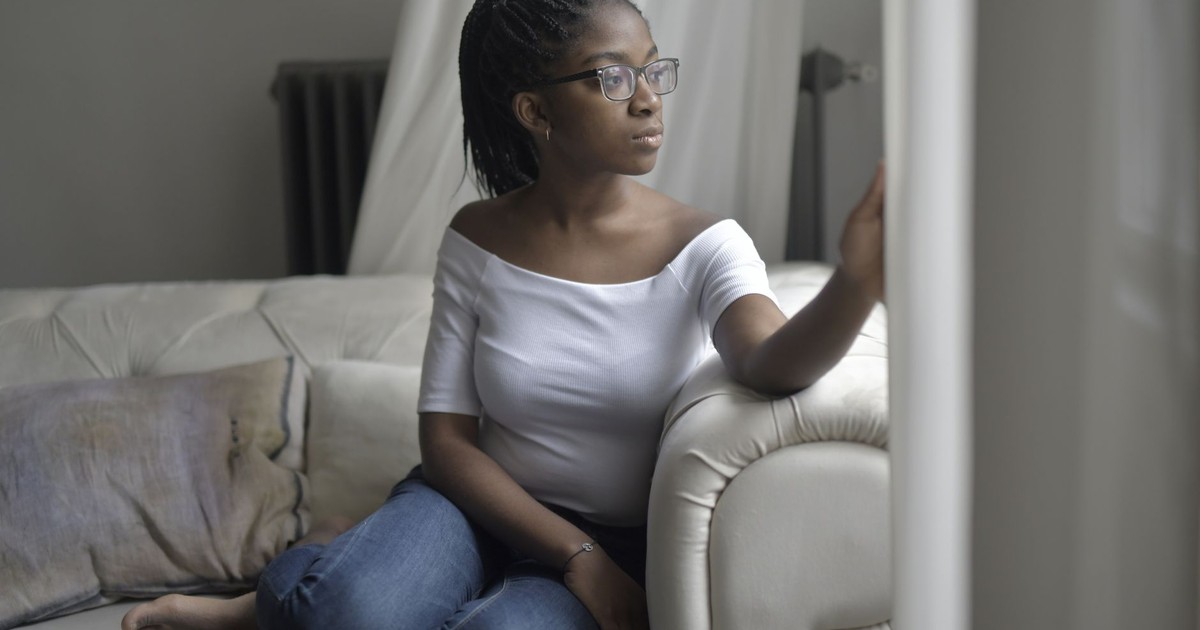
Loneliness and genuine desire for partnership are not the same thing, but they can feel identical in the moment. If you notice that your interest in finding someone spikes during quiet Sunday afternoons and drops back to zero the moment your life fills up again – if the urgency evaporates as soon as you’re busy and engaged – that’s the loneliness talking, not a deep want for a relationship specifically. The distinction is worth sitting with carefully.
Entering a relationship to solve loneliness is one of the more reliably effective ways to create a different, more complicated loneliness inside a relationship. If what you actually want is more stimulation, more connection, or more meaning in daily life, those needs have solutions that don’t require building a relationship around them.
15. Your Finances Are Finally Starting to Make Sense and You Want to Keep It That Way

Money inside relationships is one of the great unspoken complications. Not because having a partner is inherently bad for finances, but because financial incompatibility – different spending styles, different values around saving, different ideas about what “being comfortable” means – is one of the most common and least-discussed sources of relationship strain. If you’ve worked hard to understand your own money, built a budget that reflects your actual values, and feel a genuine freedom in that, the prospect of merging that with someone else’s entire financial reality is not a small thing to take on.
Research shows median ages for first-time marriages are at record highs for both women and men – rising from 20 to 28 for women and from 22 to 30 for men since the 1950s. Part of what’s driving that is people spending more years building economic independence and being thoughtful about what they’re willing to adjust. Knowing your own number and wanting to protect it is a legitimate reason to stay solo.
16. You’re in a Season of Life That Requires Your Whole Attention

Some periods just do. A parent’s illness. A career shift that demands everything. A creative project that is finally, finally moving. A recovery from something that broke you in a way only you fully understand. These seasons are real, and they don’t always coexist well with the demands of a new relationship, which also requires attention, emotional availability, and a version of yourself that is present rather than stretched thin.
Recognizing that you’re in one of those seasons is not an excuse to avoid connection forever. It’s the opposite of avoidance – it’s honest accounting. You know what you have to give right now, and it’s spoken for. A relationship entered in that state usually serves neither person particularly well.
17. You’re Living in Alignment With Your Values and a Relationship Would Disrupt That
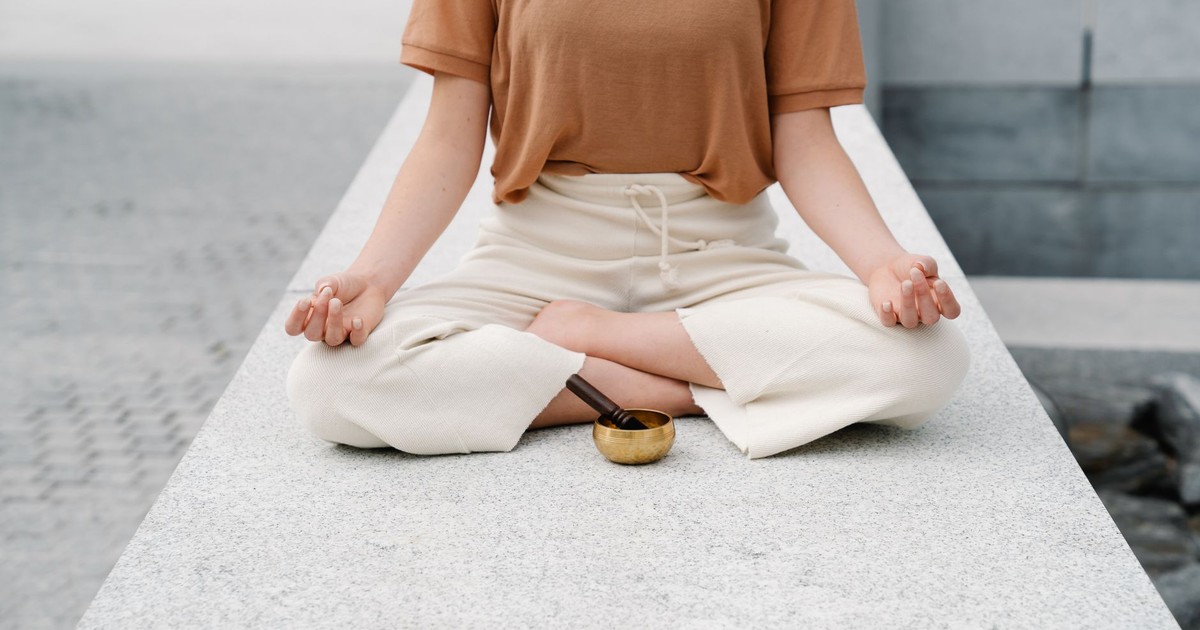
You’ve sorted out, more or less, what you care about. How you want to spend your weekends. What your home feels like and why. Which friendships you prioritize and how. Where you put your energy. The life you’ve built reflects your actual values, not a compromise between yours and someone else’s. And when you imagine bringing another full human being’s needs, preferences, and values into that picture, what you feel isn’t excitement. It’s something closer to protectiveness.
That protectiveness is worth examining rather than dismissing as selfishness. The life you’ve constructed with care is an expression of who you are. Older women describe this as one of the most compelling reasons to stay single: not bitterness about relationships past, but a genuine appreciation of a life that finally fits them. That clarity can arrive at any age.
18. You Regularly Mistake “Not Being in a Relationship” for “Something Is Wrong With You”
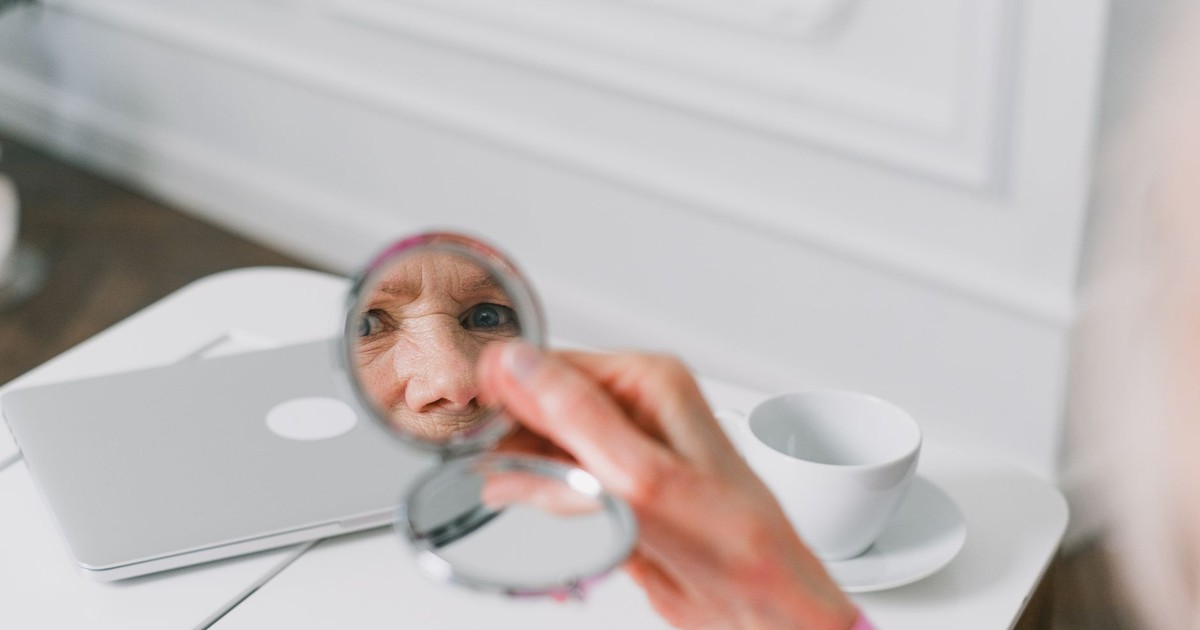
If you spend more time worrying about why you’re single than you spend enjoying that you’re single, that’s worth examining. The cultural pressure to be partnered is pervasive enough that it can create a background hum of inadequacy even in people who are, by any honest measure, doing extremely well on their own. The worry isn’t evidence that something is broken. It’s evidence that the cultural script got there first.
According to a Pew Research Center analysis released in January 2025, the share of unpartnered U.S. adults declined from 44% in 2019 to 42% in 2023 – the first decline in nearly two decades, leading the Pew researcher who conducted the analysis to note that “singledom has peaked.” And yet, among young adults especially, large numbers remain unpartnered by choice. The stigma persists long after the statistical reality has diversified.
19. You Wouldn’t Actually Change Anything About Your Life If Given the Chance
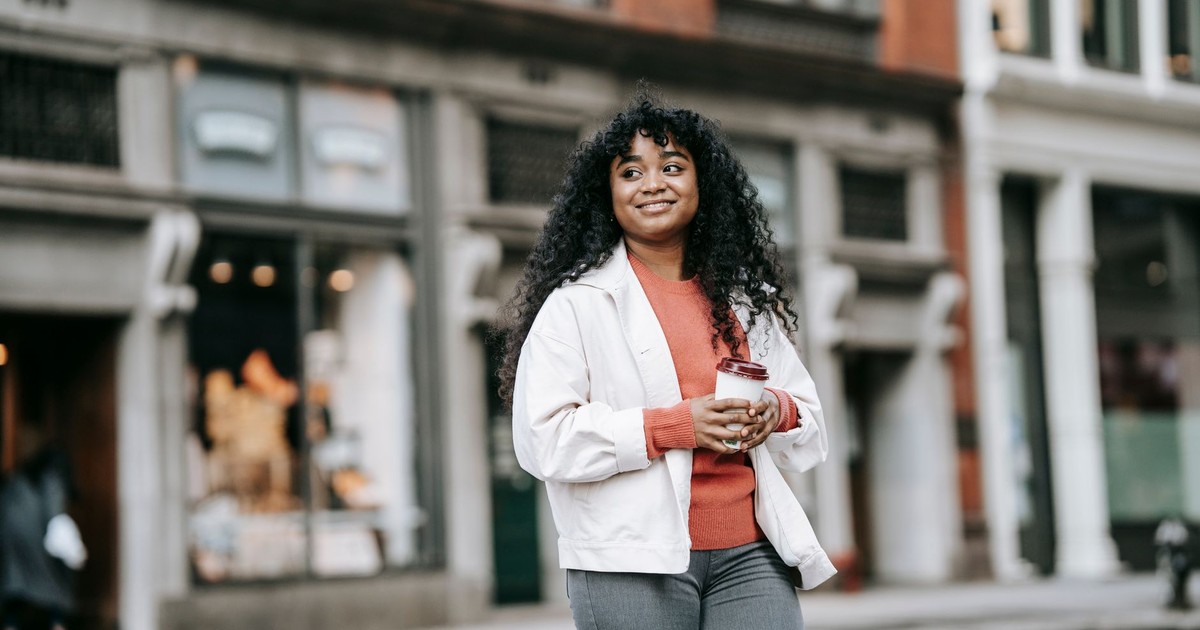
Here’s an honest test: if you imagine your life exactly as it is but with a relationship added, what would you have to give up? Time, probably. Some autonomy, almost certainly. Some portion of your current friendships, statistically likely. Some version of the decisions you now make unilaterally. If the answer to “what would I change to make room for a partner?” is “things I’m not willing to change,” then the desire for a partner may be more theoretical than actual. Theory is fine. But it shouldn’t be driving major life decisions.
This isn’t about being inflexible or demanding. It’s about knowing yourself well enough to recognize when the picture you’re reaching for doesn’t actually match the life you’d be willing to live to get it.
20. The Best Version of Yourself Has Always Appeared When You Were Single
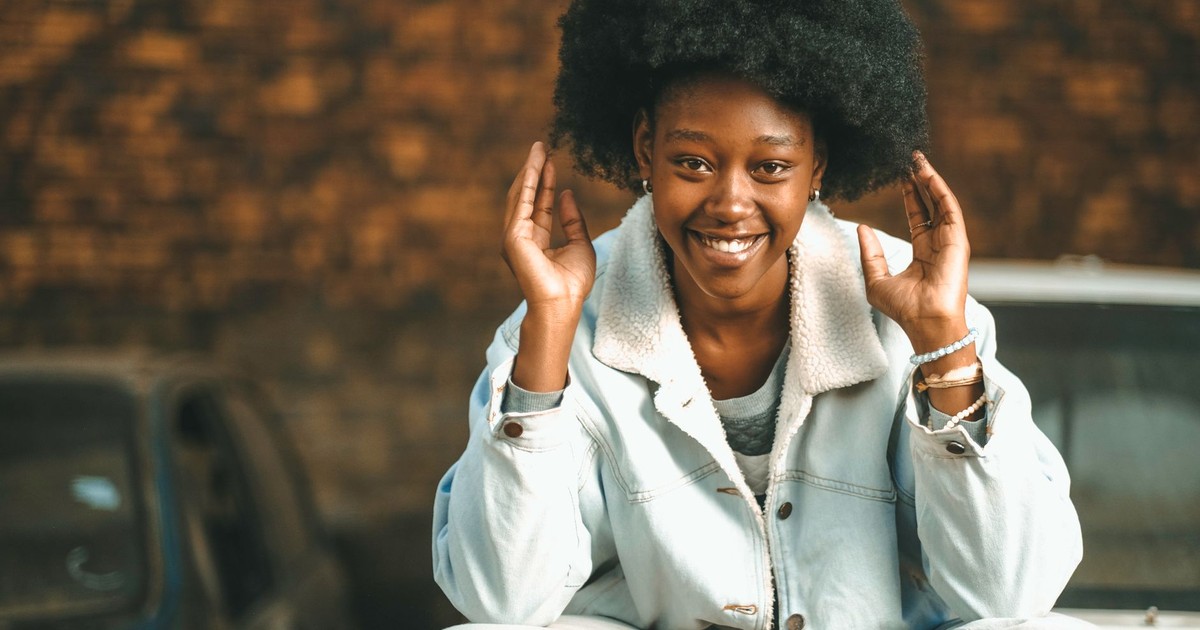
Not the anxious version, not the lonely version, but the one you respect most. The one who made the brave decision, handled the hard thing without asking for permission, built something from scratch, said what she actually thought in a room full of people. If that version of you is most reliably present when you’re unattached – if she gets smaller, quieter, more managed the moment a relationship enters the picture – that’s a data point worth taking seriously, not explaining away.
Research on people who thrive in singlehood finds that they report high well-being alongside a preference for solitude – and crucially, they also show low anxiety, depression, and loneliness. That’s not a profile of someone waiting to be saved. That’s a profile of someone who has figured something out.
What This Is Really About

None of this is an argument that relationships are bad, or that wanting one is weakness, or that you should barricade yourself in a studio apartment with your independence and call it a life. Partnership is genuinely good for a lot of people. The research on belonging and connection is real. But the signs listed here point at something specific: the gap between what the cultural script says you should want and what, when you’re honest with yourself in a quiet moment, you actually want.
Some of these patterns go back further than the most recent relationship does. Some of them are about a season you’re in. Some of them are permanent features of who you are, and no version of the future quietly resolves them into conventional couplehood while everyone stays fine with it. Naming that isn’t a conclusion. It’s just the place where an honest conversation with yourself can finally start.
You don’t need to decide anything today. But if you’ve read twenty items on this list and recognized yourself in most of them without feeling the urge to argue back – that’s not nothing. You already know what it means.
AI Disclaimer: This article was created with the assistance of AI tools and reviewed by a human editor.