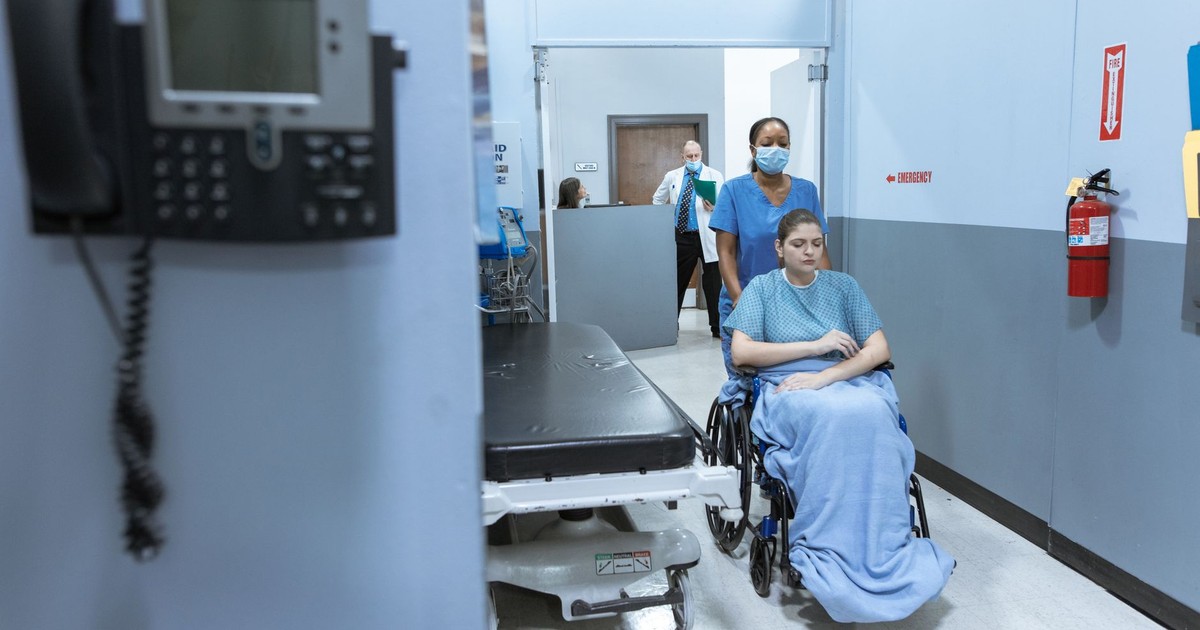

The morning after her daughter was born, Serena Williams walked out of her hospital room so her mother wouldn’t see the look on her face. She didn’t want to worry her. Standing in that corridor, she felt that she couldn’t breathe properly, and she had felt this exact sensation before.
Williams had delivered Alexis Olympia Ohanian by emergency C-section on September 1, 2017, after the baby’s heart rate dropped sharply during contractions. The surgery itself had gone as well as anyone could hope, but by the following morning, something had changed. Williams, who had survived a pulmonary embolism (a blood clot in the lungs) in 2011 and had lived with an elevated clotting risk ever since, recognized what her body was telling her. She walked up to a nurse and said exactly what she needed: a CT scan with contrast and an IV heparin drip, a blood thinner given through a vein.
The nurse thought the pain medicine might be making her confused.
What She Knew That the Room Didn’t
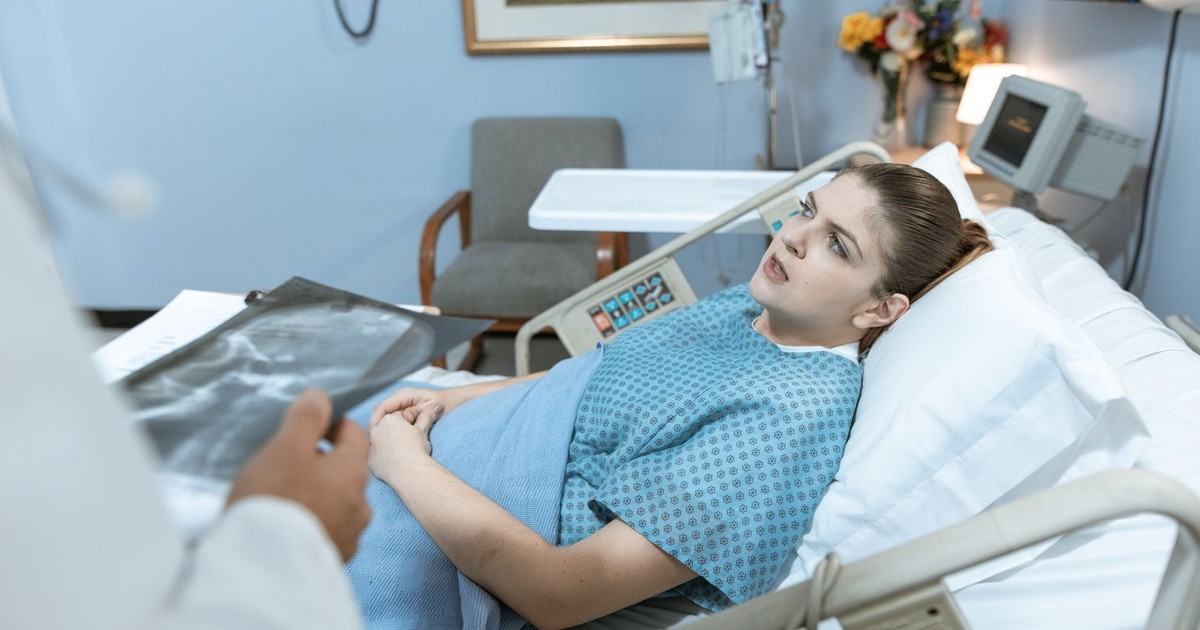
Williams had been taken off her daily anticoagulant medication because of the surgery, which is standard practice, since blood thinners and fresh surgical wounds are a genuinely dangerous combination. She understood this. She also understood that going off anticoagulants while recovering from major abdominal surgery, with a documented history of blood clots, left her in a window of real risk. She was not guessing. She was connecting facts she had spent years learning about her own body, as she told Vogue in its February 2018 cover story.
The medical team first ordered an ultrasound of her legs, and it found nothing. Williams kept pushing for the scan she had asked for, and eventually a CT scan was ordered. It showed several small blood clots in her lungs, and she was soon started on the heparin drip she had requested.
A blood clot in a new mother’s lungs is not unheard of. What stops you is how close she came to being dismissed: between “I need a CT scan” and “we found what you said we’d find,” someone looked at one of the most decorated athletes in the history of sports and thought she was just confused from the pain meds.
Read More: Doctors told her it was pregnancy exhaustion. It was leukemia.
The Complications That Followed
A pulmonary embolism, once caught, is not simply treated and resolved. For Williams, it started what The Cut called “a harrowing six days in the hospital.” She endured additional surgeries and other complications. A coughing spell caused her C-section wound to reopen, and doctors discovered a large hematoma in her abdomen. Later, a filter was placed in a major vein to keep more clots from traveling to her lungs. Each intervention created the conditions for the next one.
The clots in her lungs triggered intense, uncontrollable coughing, which put pressure on a wound that had been surgically closed only a day or so earlier. The wound opened. During the surgery to repair it, doctors discovered a hematoma, a large pocket of pooled blood, in her abdomen. The Cut reported that the bleeding happened after a blood thinner caused bleeding at the C-section site. Each of these events followed from the last one.
When she was finally able to go home, she discovered that her night nurse had fallen through, and Williams spent her first six weeks of motherhood in bed, unable to get up. She had a newborn, a body that had been through several surgeries, and less help than she had planned on. Those were the weeks that are supposed to be about learning how to be someone’s mother, not about recovering from what birth almost did to you.
The Risk She Already Carried
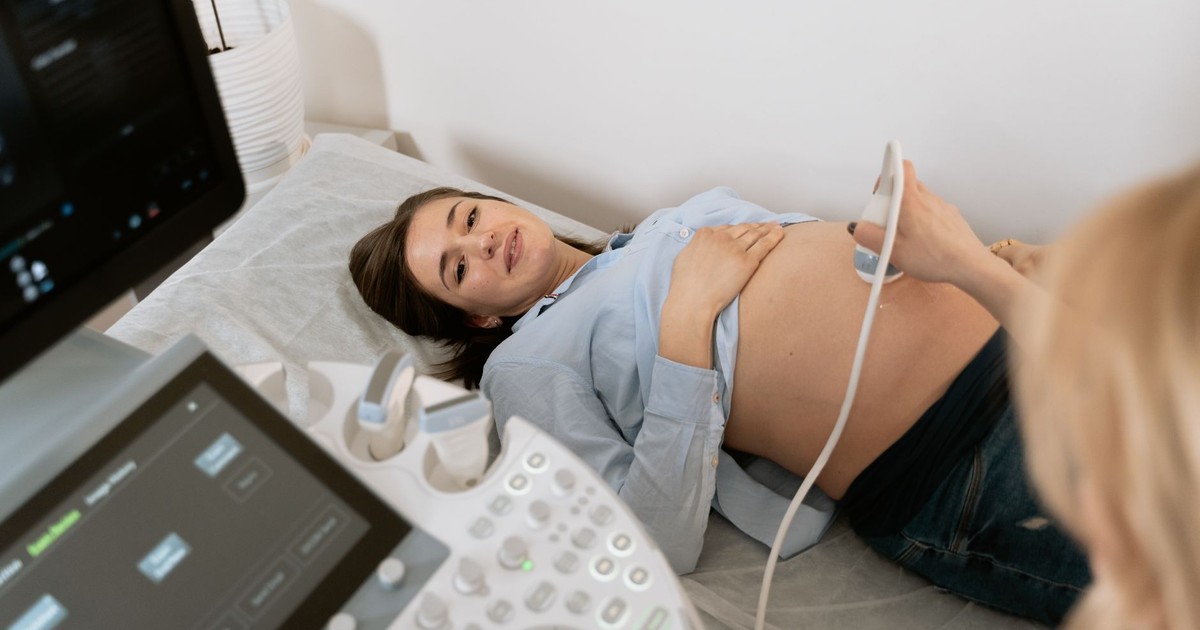
Women with a history of blood clots, varicose veins, or deep vein thrombosis have a higher than normal risk of a pulmonary embolism during pregnancy, according to Weill Cornell Medicine. Williams had that history: she experienced her first pulmonary embolism in 2011, and for years she had known about her tendency toward blood clots. She was a patient with a detailed, documented medical history who arrived at that nurse’s station with an informed, specific request, and she was second-guessed anyway.
What happened in that corridor, and what happens in similar corridors across the country, is a gap between what a patient knows about her own body and what a healthcare provider is willing to hear. Williams had the resources, the medical knowledge, the vocabulary, and the persistence to close that gap herself. Most people do not.
At the 2026 Forbes Power Women’s Summit in New York City, Williams reflected on the life-threatening complications she experienced after giving birth, and said she eventually realized just how many women had their own frightening stories about pregnancy and childbirth. “So many women from every single background had a nightmare’s tale of their birth,” she said, as reported by Yahoo, citing People.
The Wider Picture

The Serena Williams childbirth complications story is not an isolated case; it fits a pattern that the medical community has documented for decades and has not yet fixed. In 2024, the maternal death rate for Black women was 44.8 deaths per 100,000 live births, according to the CDC. That was significantly higher than the rates for white women (14.2), Hispanic women (12.1), and Asian women (18.1).
Education does not erase that gap. A CDC report on 2007 to 2016 data found that Black women with a college degree died of pregnancy-related causes at 1.6 times the rate of white women who had not finished high school. Williams is a professional athlete with round-the-clock access to medical care, the resources to hire every specialist she needed, and direct knowledge of what a pulmonary embolism feels like from the inside. And she still had to argue for a CT scan.
What made Williams’s outcome different was not the hospital. It was her. It was her refusal to accept “probably just the pain meds” as an answer, her specific clinical request, and her willingness to stand in a hallway, short of breath, the morning after major abdominal surgery, and make her case. Williams has since used her experience to raise awareness about the maternal health crisis, particularly the risks faced by Black mothers.
A Specific Kind of Advocacy

Serena Williams resists the easy framing. She is not simply a victim of a broken system, though the system did fail her; she is also a person who had the knowledge, the vocabulary, and the platform to push back, and she now speaks openly about what that means for women who don’t have those same advantages.
At the 2026 Forbes summit, she said what she had told Vogue in 2018: giving birth to her daughter nearly killed her. “I knew something was wrong with me and it was super important that I was heard,” she said. “Thankfully, my doctor listened to me.” The experience transformed her into a maternal health advocate.
In the end, she got the heparin drip she had asked for before anyone was listening. The clots were found. The filter went in. She left the hospital after about a week. She spent six weeks in bed. Her daughter grew up. She went back to tennis and played in a Grand Slam final.
What Doesn’t Change Just Because She Survived
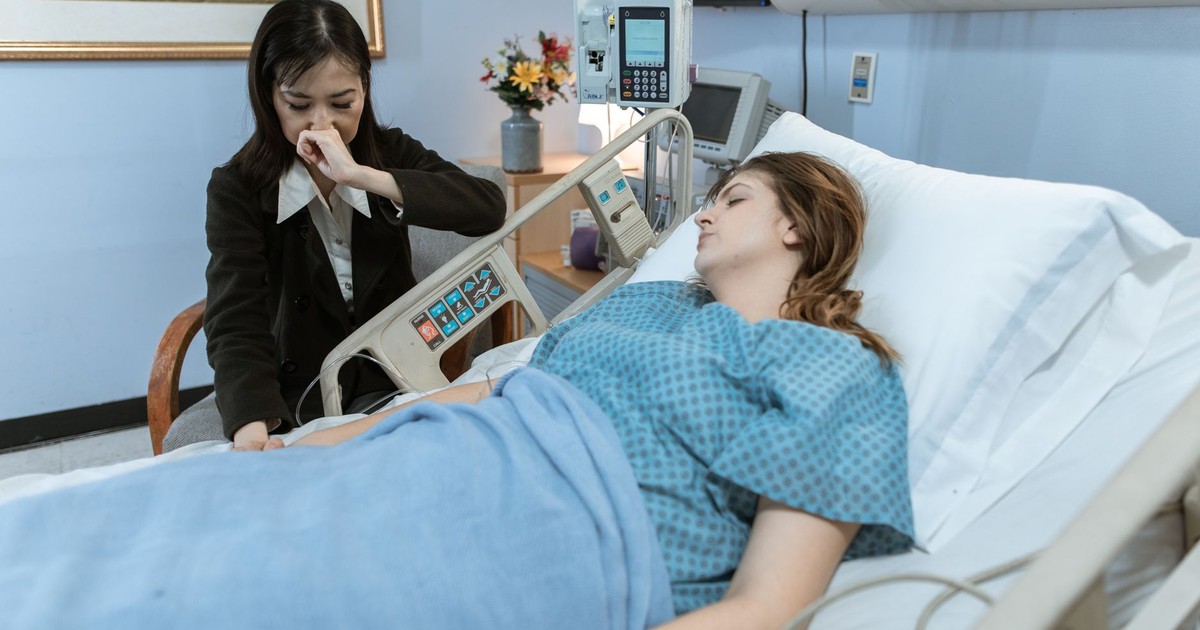
Williams first shared her account in Vogue’s February 2018 cover story and has repeated it since in various forums, including the 2026 Forbes summit. Telling it publicly has put a recognizable face and a specific sequence of events onto a problem that otherwise exists as aggregate data: rates, ratios, and percentages.
The numbers are real and they are damning. But numbers do not explain the moment a nurse looks at a patient who is telling her exactly what is wrong and decides the patient is too medicated to know. Numbers do not capture what it costs, physically and emotionally, to stand your ground in a hospital gown the morning after a C-section.
Eight years on, Williams’s account still keeps the event concrete. A hallway. A specific request. A pause. An ultrasound that found nothing. A second request. A CT scan. A filter. Six weeks in bed. A daughter who will one day read how her mother’s first full day as a parent went.
Some of these patterns in maternal care go back further than any single hospital visit. Naming what happened to Serena Williams does not solve them. But she made sure her story could not be waved away, and that gives other women words to use when they need to be heard. If something feels wrong in the days and weeks after giving birth, such as shortness of breath or chest pain, tell your care team right away and keep asking until you get answers.
Disclaimer: The author is not a licensed medical professional. The information provided is for general informational and educational purposes only and is based on research from publicly available, reputable sources. It is not intended to constitute, and should not be relied upon as, medical advice, diagnosis, or treatment. Always consult a licensed physician or other qualified healthcare provider regarding any medical condition, symptoms, or medications. Do not disregard, avoid, or delay seeking professional medical advice or treatment because of information contained herein.
AI Disclaimer: This article was created with the assistance of AI tools and reviewed by a human editor.