

Rubbing your eyes is one of the most common things a person does without thinking about it. The reflex fires before you’ve had time to make a decision: eyes get dry, or itchy, or heavy after hours of screen work, and a hand goes to a face. Most people do it multiple times a day and have never once paused to wonder whether it matters.
It does, though. And if you do it often enough, or hard enough, it may be creating a problem considerably worse than the one you started with.
When your eyes are irritated from conditions like dry eyes or allergies, the urge to rub can feel overwhelming. That reflex is so automatic that most people don’t register they’re doing it until they already have. But eye specialists are increasingly clear that rubbing your eyes can increase your risk of infection, damage delicate tissue, and worsen dry eyes and allergies. The mechanics of why that is, and what you should do instead, are worth knowing, because some of the damage is not the kind that repairs itself.
Why Rubbing Eyes Feels Good (and What It’s Actually Doing)
Rubbing your itchy, dry, sore, or tired eyes feels good because it generates tears. The pressure of your fingers stimulates the lacrimal glands – the tear-producing glands above your eye – and that brief flood of moisture does actually relieve the dryness or irritation you were feeling. For exactly three to seven seconds. Then the sensation returns, usually worse than before, and you rub again, and the cycle continues.
Rubbing is often a reaction that occurs when your eyes feel uncomfortable or itchy. According to two eye specialists writing in The Conversation, the most common reason for that itchy sensation is allergic conjunctivitis, which accounts for nearly 50 percent of itching cases. Allergic conjunctivitis is an inflammatory reaction of the conjunctiva – the clear skin on the surface of the eye – where allergens bind to the surface of cells and trigger the release of inflammatory chemical molecules that produce the sensation of itching. In other words, the pollen or dust or pet dander has already set off a chemical chain reaction in the surface tissue of your eye, and rubbing doesn’t interrupt that reaction. It amplifies it.
People may also experience redness, swelling, and little bumps on the inside of the eyelids. Rubbing your eyes when you’re in this state is a little like scratching a mosquito bite until it bleeds: the relief is real and brief, the aftermath is worse, and you already knew that before you started.
The Infection Risk Nobody Thinks About
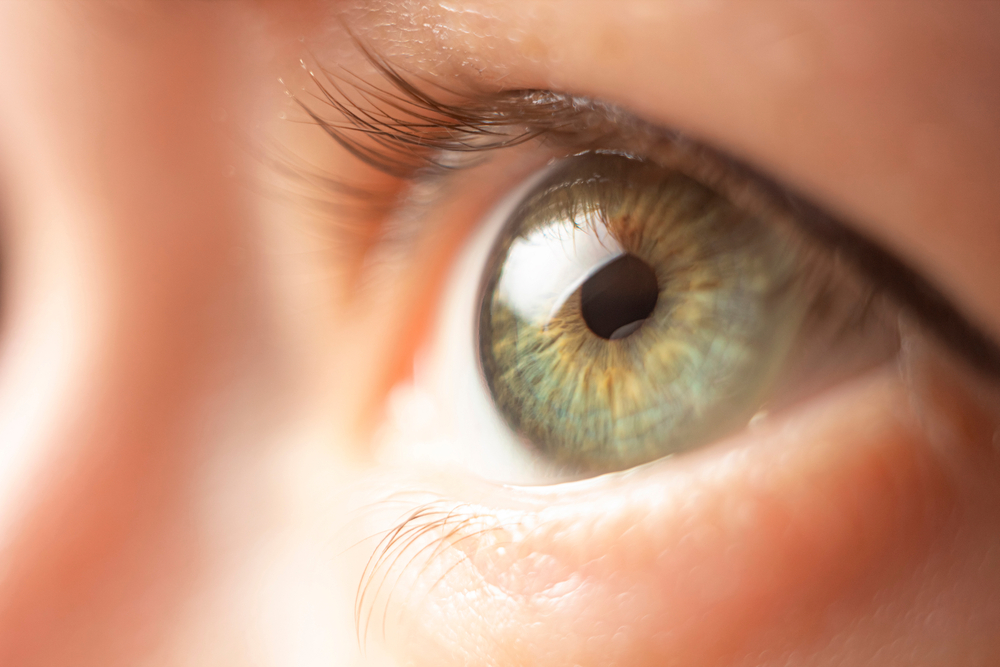
Your hands come into contact with bacteria, viruses, and allergens throughout the day, and when you rub your eyes, those contaminants transfer directly onto the eye’s surface, increasing the risk of infections such as conjunctivitis – commonly known as pink eye. According to University of Utah Health, when sick people cough or talk, they release virus droplets that can enter the body through the mucous membranes in the mouth, nose, or the conjunctiva – the thin, transparent layer of tissue that lines the inner eyelid and covers the white part of the eye. Touching your eye with a contaminated hand is essentially opening a direct route in.
Even if you wash your hands regularly, touching your eyes can still introduce harmful germs that may lead to redness, irritation, and discharge. Most people who rub their eyes are not doing so immediately after washing their hands. They’re doing it at a laptop at 4pm, or in traffic, or in the middle of a grocery store. The hands doing the rubbing have touched a phone screen, a door handle, and a shopping cart within the previous two hours. The math is not encouraging.
Is Rubbing Eyes Bad Enough to Distort Your Cornea?
Here is where the stakes escalate. The surface of your eye – the cornea – is a curved, transparent dome, and its precise shape is what determines how clearly you see. Chronic eye rubbing can weaken or distort your cornea, possibly leading to a condition called keratoconus. Keratoconus is not a minor inconvenience. It is a bilateral, progressive thinning of the cornea that causes a decrease in optical quality due to induced nearsightedness, irregular astigmatism, and higher-order aberrations. A 2025 study in Frontiers in Ophthalmology found that it affects 1.38 per 1,000 individuals globally, and eye rubbing has been recognized as one of the leading risk factors.
What happens mechanically is that eye rubbing is associated with a lower corneal endothelial cell density – the cells that keep the cornea clear – because it causes alterations in corneal biomechanical properties, inducing a transient softening of the cornea, and is associated with the development of keratoconus. A 2025 study published in ScienceDirect found that eye rubbing is associated with lower corneal endothelial cell density. Put plainly: repeated mechanical pressure on the cornea changes the structure of the tissue. The cells responsible for keeping the cornea transparent are damaged. And the cornea, once it starts thinning and bulging forward, can reach a point where glasses and standard contact lenses can no longer correct your vision. At that stage, you’re looking at specialized rigid lenses or corneal transplantation.
Any area of corneal thinning, or other form of reduced capacity to withstand the pressure forces inside the eye, is at greater risk of corneal bulging. Because eye rubbing carries the consequence of high or very high internal pressure elevation, as well as the risk of significant inflammatory responses, avoiding it may have significant prognostic value for patients with or at risk for developing keratoconus.
This risk is elevated if you already have allergies. People with atopic conditions – hay fever, eczema, asthma – tend to have itchier eyes, rub more frequently, and are more likely to develop the kind of chronic corneal changes that cause lasting damage. The itch-rub feedback loop is especially dangerous precisely in the people who are most likely to be caught in it.
What About Glaucoma?
Too much rubbing could worsen existing conditions like glaucoma and increase your risk of getting an eye infection. Glaucoma is a group of eye conditions that damage the optic nerve, often related to elevated pressure inside the eye (intraocular pressure). Eye rubbing does temporarily spike that internal pressure – which is why ophthalmologists are particularly cautious about rubbing in patients who are already being monitored or treated for glaucoma.
If you already have a pre-existing eye condition, rubbing can cause that condition to worsen. Continuous rubbing can also cause conditions such as progressive optic neuropathy, which can cause changes to your vision similar to glaucoma’s effects. This is not a risk only for people who already know they have something to worry about. Many people with elevated intraocular pressure have no symptoms and no diagnosis. They’re just rubbing their eyes because it’s allergy season.
Foreign Objects and the Corneal Abrasion Risk

The most primal reason people rub their eyes is that something got in one. An eyelash, a speck of dust, a piece of mascara. The instinct to rub it out is immediate and feels logical. Rubbing a foreign object against your eye can easily cause a corneal scratch, known as a corneal abrasion, which can be really painful and take significant time to heal – and that’s assuming it doesn’t get infected.
Rubbing your eye when a foreign object is causing discomfort can lead to corneal abrasions, which are among the most common eye injuries. While they aren’t always severe, they can be considered an eye emergency, and if you experience symptoms such as blurry vision, light sensitivity, or pain after rubbing, you should seek emergency eye care promptly.
The better move, according to eye specialists, is to let the eye’s own tear reflex flush the particle out. Eye rubbing is the least effective and most dangerous way to get anything out. Your body’s natural defense mechanism – tears – will take care of the problem. If tears don’t work, try sterile saline or artificial tears. If something is still there, see an eye doctor.
The Screen Time Connection
If you find yourself rubbing your eyes constantly after a long day in front of a screen, there’s a strong chance your screen habits are feeding the problem. Studies show that people blink about half to two-thirds less frequently when reading or working on electronic devices compared to normal activities, because the brain becomes so absorbed in the visual task that it suppresses the automatic blink reflex. Normal blink rate is often 15 to 20 times per minute, but this can fall to just 5 to 7 blinks per minute during intense screen use.
Each time you blink, your eyelids spread a fresh layer of tears across the surface of your eye. Fewer blinks mean your tear film breaks down faster than it can rebuild. The result is the dryness, grittiness, and heaviness that sends your hand toward your face by early evening – and that connection between screen habits and eye strain is one more reason why what you’re experiencing after a long day is usually a cascade, not a single cause.
Even when you do blink during screen use, many of those blinks are incomplete. An incomplete blink occurs when the upper eyelid doesn’t travel all the way down to meet the lower eyelid. Research suggests that up to 70 percent of blinks during computer work may be incomplete. Your eyes are not getting the replenishment they need even when you think they are. By the time you’re aware of the dryness, the tear film has been compromised for hours.
Read More: Do You Have Blurred Vision? 8 Digital Eye Strain Symptoms You Shouldn’t Ignore
What to Do Instead of Rubbing
The alternatives to eye rubbing are genuinely less satisfying in the short term, which is part of why people don’t use them. But they’re the ones that actually address the underlying problem rather than inflaming it further.
A cool compress – a clean cloth run under cold water and laid across closed lids for a few minutes – addresses the same surface irritation without grinding your cornea. It reduces the inflammatory response, decreases the itching signal, and doesn’t introduce bacteria. If your eyes are dry rather than itchy, artificial tears work where a rub doesn’t: artificial tears are a sophisticated imitation of natural tears, available over the counter at any pharmacy or grocery store, and are beneficial to anyone experiencing dry eyes.
If other allergy symptoms are present – sneezing or a runny nose – an oral allergy medication could be effective for treating all of these symptoms together. If you have persistent symptoms, a prescription steroid eye drop can be helpful.
If your eyes are itchy due to allergies, your doctor can recommend specific types of drops to reduce both irritation and the urge to rub. The goal is to break the itch-rub cycle at its source, not to manage each individual episode with your hand.
What Actually Warrants a Doctor’s Visit
If the urge to rub your eyes is not improving with artificial tears, cool compresses, or over-the-counter allergy eye drops, it’s time to schedule an appointment with an eye doctor for an evaluation. That’s not a dramatic threshold – it’s a practical one. Itchy, irritated eyes are among the most common reasons people visit eye specialists, and the underlying causes are very treatable when caught.
Watch for a few specific signals. Any time rubbing is accompanied by vision changes – blurry vision, light sensitivity, or the sensation that your prescription seems suddenly wrong – that merits attention sooner rather than later. A cornea that is changing shape does not announce itself loudly. The changes can be gradual, which is exactly what makes regular comprehensive eye exams so important if you’re a habitual rubber.
A corneal abrasion left untreated could result in an eye infection, but simply introducing germs from your hand could also cause an infection of the sensitive tissue of the eye. Both of these things happen to people who didn’t think they were doing anything serious.
The Part That Stays True After You’ve Read All of This
Knowing that rubbing your eyes is bad does not make you stop wanting to do it. The itch will come, the dryness will come, the six-hour screen day will come, and the reflex will fire before your better judgment has a chance to weigh in. That is not a personal failing.
The more practical goal is to reduce the frequency and the force, rather than aim for a perfect zero. A gentle morning rub to clear sleep from your eyes is genuinely different from grinding your fists into your eyes after three hours of a spreadsheet – it’s important to be mindful of how much and how hard you’re rubbing to reduce the potential effects rubbing can have on your eye health. The distinction matters because the damage is cumulative. The cornea that’s been rubbed a thousand times hard is not the same as the one rubbed occasionally and gently.
Keep artificial tears in your bag, in your desk, somewhere within reach on days when your eyes are actively unhappy. Use the cool compress when the allergy season is peaking and the itch is loud. And if the urge to rub is persistent, constant, and not responding to anything you try over the counter, let someone look at your eyes properly. The stakes, it turns out, are higher than a habit this ordinary should probably get to carry.
Disclaimer: This information is not intended to be a substitute for professional medical advice, diagnosis, or treatment and is for information only. Always seek the advice of your physician or another qualified health provider with any questions about your medical condition and/or current medication. Do not disregard professional medical advice or delay seeking advice or treatment because of something you have read here.
AI Disclaimer: This article was created with the assistance of AI tools and reviewed by a human editor.