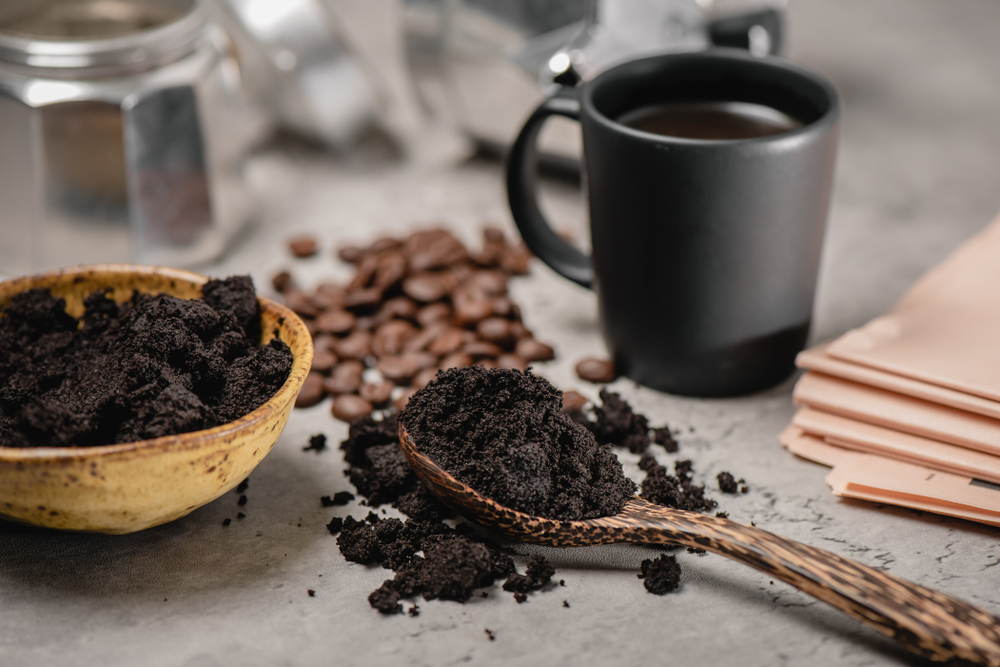

Every morning, roughly 2.25 billion cups of coffee are brewed around the world, and the spent grounds that remain after brewing wind up in the trash within seconds of the pot emptying. It’s one of the most reflexive acts of waste in the modern kitchen: scrape, toss, rinse, move on. The chemistry left behind after brewing is actually remarkable. Used coffee grounds retain many of the bioactive compounds present in the original bean – compounds that absorb odors, exfoliate dead skin cells, deter garden pests, and fix scratched wood furniture.
The list is specific, practical, and a little surprising even if you’ve been a devoted coffee drinker for twenty years. None of this requires buying anything extra, making a special trip, or owning a single piece of equipment you don’t already have. The same filter you emptied into the bin this morning had more to offer than you gave it credit for. Here are nine ways to reuse coffee grounds that hold up past the idea stage.
1. Fertilize Your Garden Soil
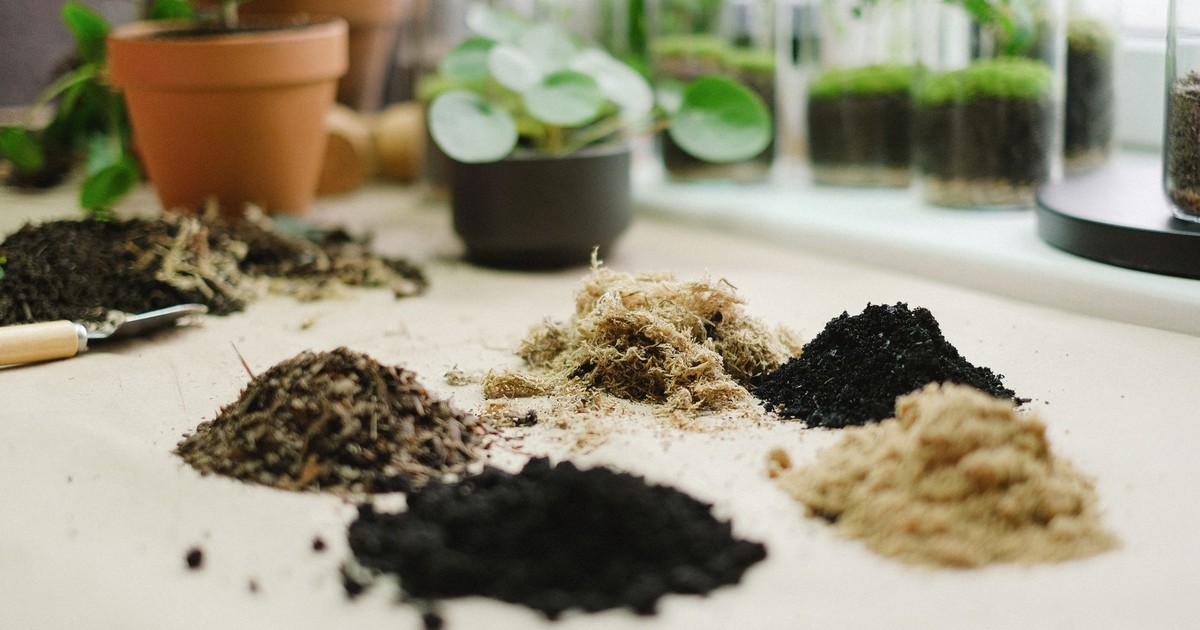
The simplest and arguably most impactful thing you can do with yesterday’s grounds is walk them out to the garden. Using spent coffee grounds for plants can enrich the soil with nutrients like nitrogen, improve soil structure, and aid in water retention when done in moderation and for plants that thrive in slightly acidic conditions. According to Healthline, used coffee grounds contain many bioactive compounds that could help enrich your garden soil and boost the nutritional value of vegetables and plants.
The method matters, though. Used coffee grounds have a neutral pH, making them a safer alternative to fresh grounds, which still carry acidity and caffeine that can burn roots. Sprinkle them thinly over the soil and lightly work them in rather than piling them on – coffee grounds tend to clump together, which can create a water barrier if applied too thickly. Think a dusting, not a blanket.
A select few plants can benefit from the acidity in fresh grounds – including hydrangeas, rhododendrons, gardenias, azaleas, lily of the valley, blueberries, carrots, and radishes. For everything else, used grounds at neutral pH are what you want. Tomatoes are a particularly good candidate: coffee grounds as fertilizer provide nitrogen to the soil as well as some resistance to common fungal rot and even blossom end rot, making them a great additive for the soil around plants that are susceptible to it.
2. Add Them to Your Compost Pile
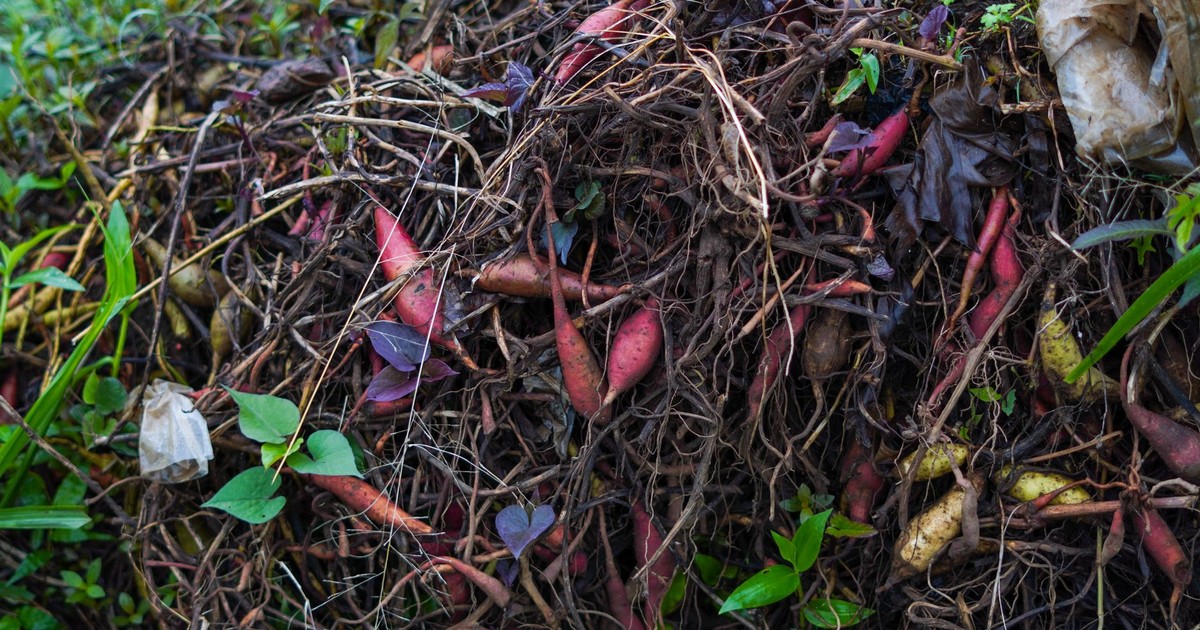
Composting is where coffee grounds genuinely earn their keep, and it’s a more forgiving method than direct soil application because the breakdown process smooths out any potential issues with clumping or pH variability. The most accepted approach is adding used grounds to your compost pile, which usually consists of vegetable peels, fruit skins, and other types of natural waste.
The nitrogen content is the key reason this works so well. The grounds are particularly rich in nitrogen, making them a great addition to compost. In composting terms, coffee grounds function as a “green” material despite their brown color – meaning they contribute the nitrogen-heavy organic matter that, combined with “brown” carbon-rich materials like dried leaves and cardboard, creates the heat and microbial activity that turns your kitchen scraps into usable soil amendment.
One important limit to keep in mind: in compost, limit coffee ground content to no more than 20 percent of the total compost volume – more than 30 percent has often been detrimental. More is not better here. Keep them as one ingredient in a balanced mix, and your compost will be richer for it.
3. Use Them as a Natural Body Scrub

Coffee grounds make a great exfoliant – the grounds do not dissolve in water, which makes them good at scrubbing away dead skin cells. That’s the physical side. The chemical side is also interesting: caffeic acid, an antioxidant in coffee, may boost collagen levels and reduce premature aging of cells, and also has antimicrobial properties that may help protect the skin against germs.
To make a basic body scrub, mix a few tablespoons of used grounds with a small amount of coconut oil or olive oil until you have a workable paste, then massage it onto damp skin in the shower. The texture is gritty enough to do real exfoliating work without being harsh enough to cause irritation for most skin types. Once or twice a week is plenty – daily use on the face especially is overkill, and sensitive skin needs even more restraint.
Research published in the International Journal of Women’s Dermatology notes that the exfoliating massage from coffee grounds may also temporarily reduce the look of cellulite, though the research emphasizes that effects are temporary. That’s worth knowing before you expect miracles, but as an everyday exfoliant that costs nothing and smells genuinely good? Hard to argue with.
4. Deodorize Your Refrigerator

The smell of last Tuesday’s leftover fish, the onion you wrapped tightly and swear shouldn’t be leaking into anything, the general low-grade mystery odor that no amount of wiping seems to eliminate – coffee grounds handle all of it without chemicals or synthetic fragrance. According to Food Republic, you can use ground coffee to deodorize your fridge, along with other stinky areas, and it’s a remarkably effective, chemical-free way to neutralize strong, pungent smells from garlic, fish, cooked eggs, and similar sources.
Coffee grounds contain nitrogen, which neutralizes odors in the same way it enriches soil – by reacting with and binding volatile compounds rather than masking them with fragrance. The porous structure of the grounds also allows them to absorb and trap smells effectively. Spread used grounds on a baking sheet, let them dry completely, then place them in an open container – a small bowl works, but a jar with a few holes punched in the lid is neater – and set it at the back of a fridge shelf. Swap them out every two weeks or when new smells appear.
The same logic extends to trash cans (sprinkle dried grounds at the bottom of the bin before you line it), gym shoes (fill an old sock with dried grounds, tie it off, tuck inside overnight), and even the inside of a stale gym bag. Anywhere odor accumulates and can’t be easily washed, dried coffee grounds will do their work.
5. Scrub Pots, Pans, and Surfaces
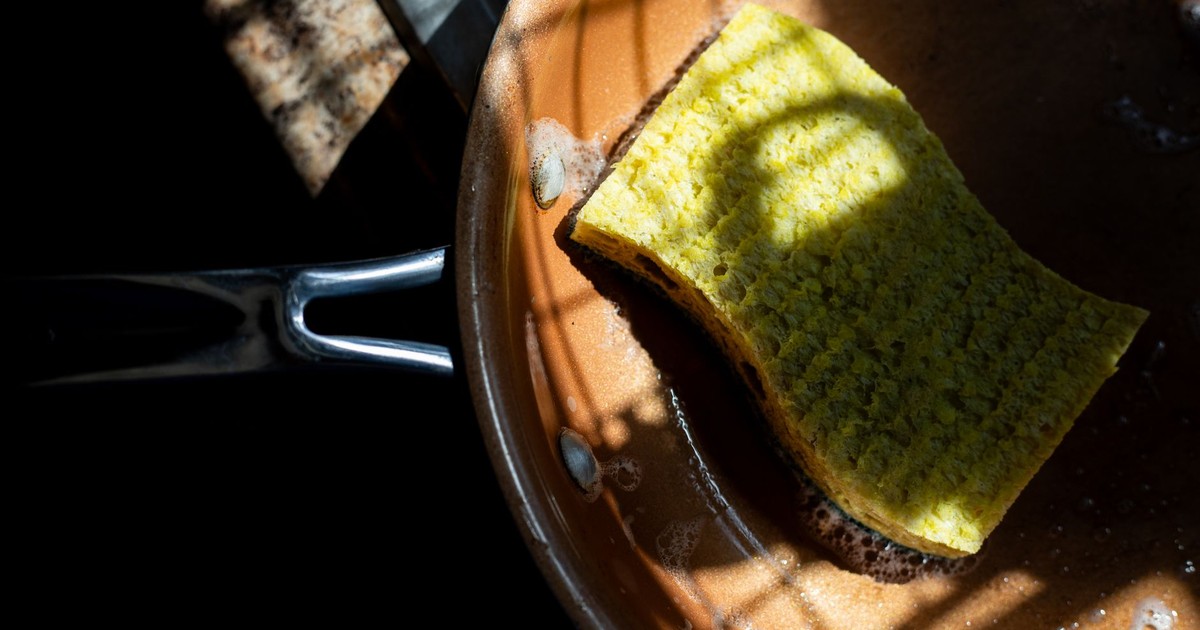
Before you reach for a steel wool pad that will scratch your pan or a chemical cleaner with a warning label, try grounds first. If your pots and pans are coated with grime or have stubborn stains, sprinkling spent coffee grounds over the spot and scrubbing with a sponge works because coffee grounds are abrasive and will help loosen stuck-on food on pots, pans, sinks, and other appliances. Coffee is also a natural odor eraser, so you don’t have to worry about lingering smells.
The grit level of used grounds is coarse enough to lift burned-on residue but gentle enough that it won’t scratch most cookware surfaces if you use a soft sponge rather than a scouring pad. It works particularly well on cast iron, stainless steel, and the stovetop grate areas that always seem to collect a baked-on film. Rinse thoroughly after scrubbing – grounds can linger in crevices if you’re not thorough – but the actual cleaning performance is solid.
An added bonus: the same abrasive and deodorizing properties make grounds excellent for scrubbing your hands after cooking. Rubbing a small amount between your palms and fingers after handling garlic, onion, or fish removes both the residue and the smell in one pass – far more effectively than a second round of dish soap.
6. Repel Garden Pests

If slugs and snails have been treating your vegetable beds as an all-night buffet, coffee grounds are worth trying as a deterrent. Creating a barrier around the perimeter of your garden with used coffee grounds can deter common pests like ants, snails, and slugs. The prevailing theory is that the texture and scent are irritating to soft-bodied insects and mollusks, discouraging them from crossing the barrier.
Horticulturists note, though, that coffee grounds are unlikely to reduce a pest population already affecting the plants. The grounds work better as a preventive perimeter than as a cure once an infestation is established. Sprinkle a thin ring around the plants most at risk, refresh after rain (which quickly dilutes the deterrent), and treat it as one layer of a broader pest management approach rather than a standalone fix.
It’s also worth knowing that while ants and slugs appear to be bothered by coffee grounds, not all insects respond the same way. Earthworms, which you very much want in your garden, are actually attracted to them – since coffee grounds are rich in nitrogen and attract beneficial worms, they make a great addition to any compost pile. The pest-deterring perimeter and the worm-nourishing compost are both true simultaneously, just aimed at different creatures.
7. Reduce Under-Eye Puffiness

The caffeine in coffee grounds can help temporarily relieve eye puffiness, according to 2024 research cited by The Healthy, thanks to its anti-inflammatory properties and ability to reduce fluid retention and strengthen skin laxity. Mix a small amount of used grounds with a few drops of water to form a loose paste, apply carefully under the eyes (not in them), leave on for about ten minutes, then rinse gently. The area under the eye is delicate and thin, so avoid scrubbing and stick to a light press-and-hold rather than a rubbing motion.
The caffeine is doing the real work here – constricting blood vessels and drawing out excess fluid – and it doesn’t need any physical pressure to be effective. Results are temporary, not permanent, and that’s the honest framing for this one. If you’ve had four hours of sleep and a full day of meetings, a ten-minute coffee ground treatment won’t make you look like you got eight. What it will do is take some of the puffiness down a notch, which is often enough to make you feel less like you’re starting the day at a disadvantage.
8. Touch Up Scratches on Wood Furniture
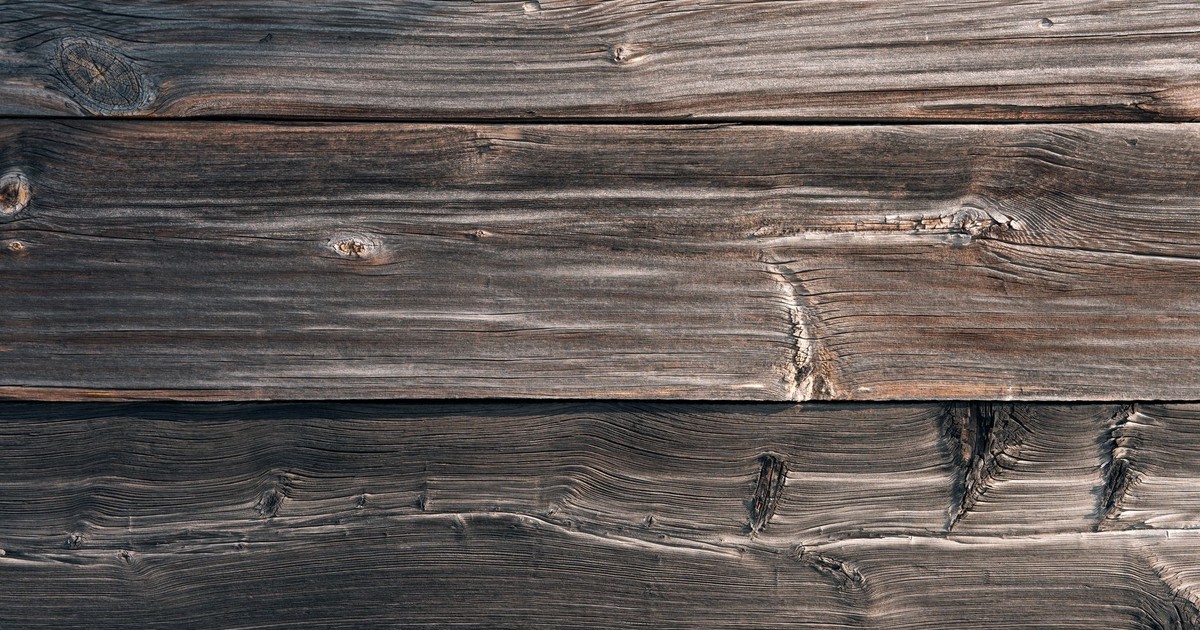
A scratch on a wooden table that wasn’t there before – not dramatic enough to justify a repair kit, not subtle enough to ignore – is exactly the kind of problem used coffee grounds solve well. The method involves mixing used grounds with a small amount of water until you have a thick, spreadable paste, then applying it directly to the scratch with a cotton swab or clean cloth. Allow it to sit for five to ten minutes, then buff gently with a clean cloth.
Repurposing used coffee grounds to touch up scratched wooden furniture works because the paste tints the exposed lighter wood grain to a darker tone, visually filling in the scratch without the chemical smell of a conventional furniture marker. The color match depends on the wood tone – this works best on medium to dark brown finishes and will be less effective on lighter or naturally blond woods. Test on a hidden area first. It’s a fix in the cosmetic sense rather than a structural repair, but for the kind of shallow surface scratch that catches the light at an annoying angle across your dining table, it handles it well.
9. Use Them as a Natural Hair Rinse

Before shampooing, a coffee ground rinse can add depth to darker hair tones and remove buildup from styling products and hard water deposits. The texture provides light scalp exfoliation, and the pigment in the grounds deposits a temporary darkening effect on brown and black hair. Coffee can be used as a natural hair tint – it doesn’t have the same effects as permanent hair dye, but it can work as a toner that makes hair a bit darker. To use it, mix brewed dark-roast coffee and coffee grounds with a leave-in conditioner, apply it to clean, damp hair, and let it sit for at least an hour before washing it out.
For a simpler scalp treatment without the toning effect, just work a small handful of used grounds into your scalp before shampooing, massage for a minute or two, and rinse thoroughly before applying shampoo as normal. This removes dead skin cells and product residue from the scalp without stripping the natural oils the way a clarifying shampoo does. Rinse very thoroughly – grounds in hair are less charming than they sound – and follow with your regular conditioner.
One practical caveat: this treatment is most appropriate for darker hair. On blonde, gray, or very light hair, the pigment from the grounds can temporarily stain the hair a muddy brownish tone that is neither subtle nor flattering. Consider yourself fairly warned.
Read More: Don’t Toss Your Take-Out Containers. Here’s How and When To Reuse Them
The Cup Runneth Over

There is something satisfying about the discovery that the thing you were about to throw away is actually useful. Not in a guilt-reducing, environmental-manifesto way – though less waste is objectively good – but in the more immediate, practical sense of realizing that a tool you already have solves a problem you already have. Coffee grounds are cheap, abundant, and biodegradable, and the only cost of repurposing them is the thirty seconds it takes not to throw them in the bin.
When you reuse coffee grounds long enough, you start looking at the morning routine differently. The grounds that went into that first cup are already working on the scratched table leg, the smelly fridge, the tomato plants, the under-eye situation from the late night before. The cup is empty. The grounds are just getting started.
Disclaimer: This information is not intended to be a substitute for professional medical advice, diagnosis, or treatment and is for information only. Always seek the advice of your physician or another qualified health provider with any questions about your medical condition and/or current medication. Do not disregard professional medical advice or delay seeking advice or treatment because of something you have read here.
AI Disclaimer: This article was created with the assistance of AI tools and reviewed by a human editor.