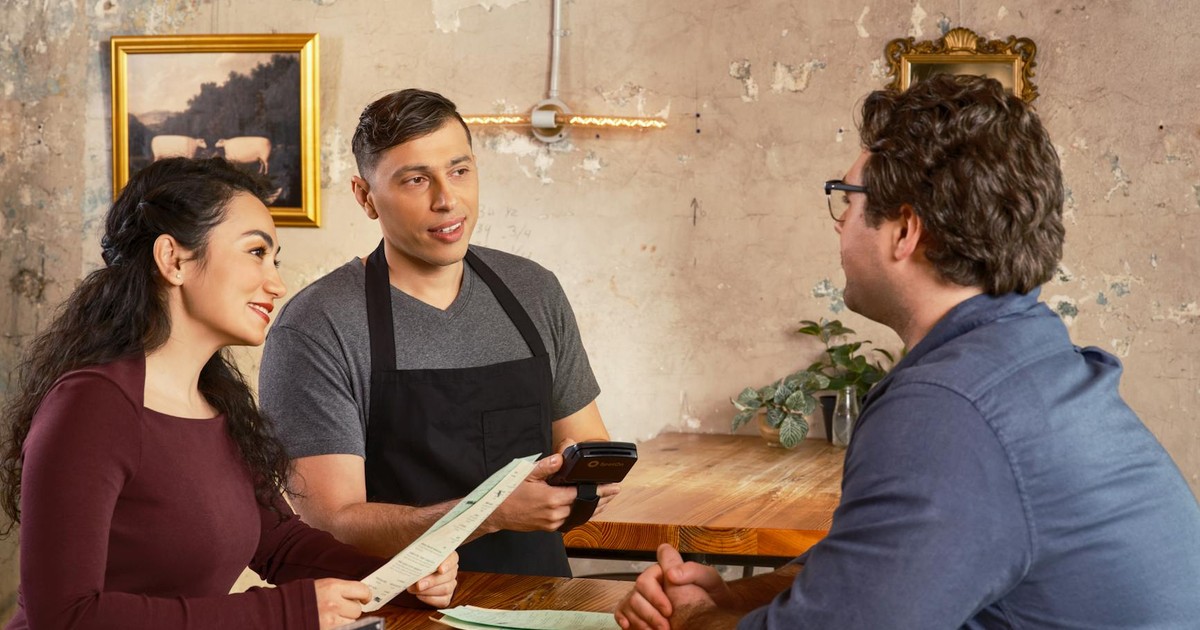
Eye contact is “the biggest indicator that someone was going to be friendly, or at least nice,” according to Darron Cardosa, a server who worked the industry for about 25 years. Most diners have no idea that observation is already being made before they’ve even opened the menu. The moment you settle into your chair, the person about to spend the next hour or two attending to your every need has already started reading you. Not in a sinister way. In the way that anyone whose livelihood depends on understanding strangers fast gets very, very good at doing exactly that.
Restaurant server observations aren’t a parlor trick or a social media curiosity. They are a professional skill, honed across thousands of tables, bad nights, and unpredictable humans. Servers learn to spot who needs to be left alone, who wants to chat, who is about to complain about something that isn’t actually wrong with the food, and who will be grateful for every small gesture. They do this not because they’re judging you, but because reading the room is the job.
What follows is a look at the 14 specific things your server clocks about you in those first few moments, drawn from serving professionals and hospitality research. Some of these you’ll recognize immediately. Others might make you think twice next time you walk through the door.
1. Your Body Language the Moment You Arrive
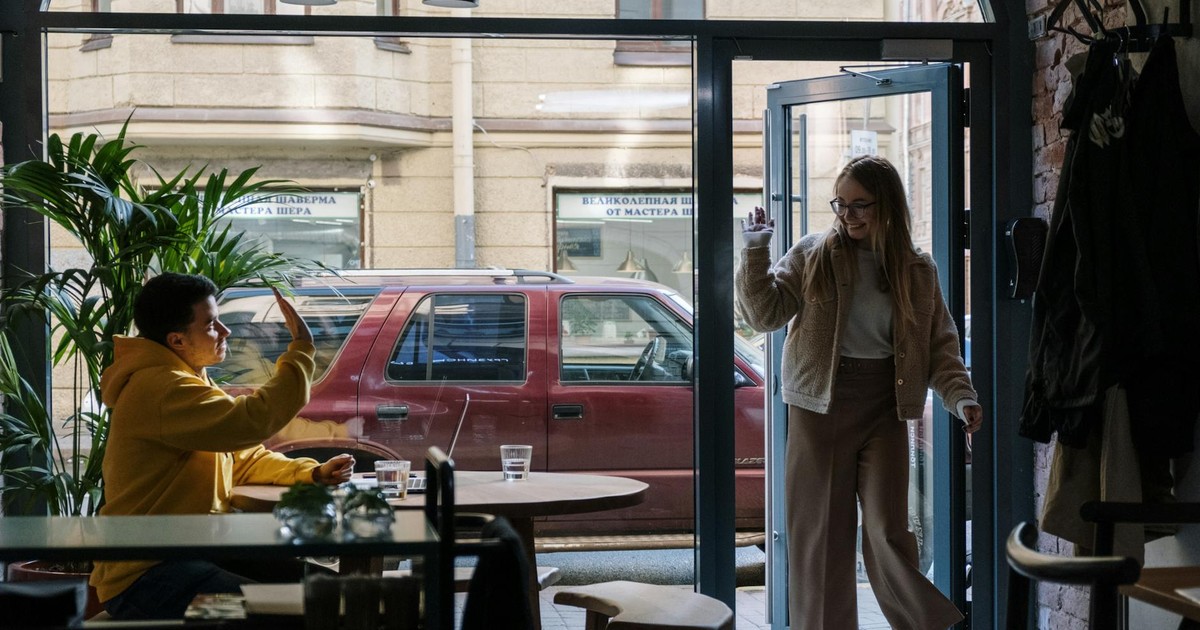
Open and relaxed body language signals a friendly and approachable demeanor. Customers who enter with a smile and open arms often suggest a pleasant interaction ahead, while crossed arms or a tense posture can indicate discomfort or reluctance to engage. Servers catch this from across the room before you’ve even made it to the table. It doesn’t require a psychology degree – just repetition, and experienced servers have seen this pattern play out thousands of times.
Servers who pick up on guests’ natural body cues can improve the customer experience and earn bigger tips. According to Mannersmith Etiquette Consulting, servers can use these signals to adjust their approach even before saying a word. The posture you arrive with tells your server how much space you need, how warm or efficient the service should be, and whether to open with warmth or efficiency.
The person who strides in confidently and starts scanning the room is sending a different signal than the one who shuffles to the table, shoulders slumped, already looking like something went wrong before they arrived. Both will receive good service, but the approach will differ. Servers aren’t unsympathetic to a rough evening – they’re adapting to what you need.
2. Whether You Made Eye Contact

Whether you make eye contact with your server when they speak, when you order, and when they deliver food tells them immediately how you view service workers. Eye contact is the detail that separates a forgettable table from a genuinely pleasant interaction for the person serving you. It costs nothing and signals everything.
Darron Cardosa, who served for about 25 years and wrote about his experiences in The Bitchy Waiter, explained that customers don’t often recognize how simple gestures like eye contact can meaningfully improve the relationship between them and their server. It doesn’t take a long, meaningful gaze. A glance upward when someone introduces themselves. Looking at the person who just brought your water. Small things, done consistently, that say: I see you as a person, not a function.
The alternative – the customer who stares at their phone or addresses questions to the air above the server’s head – gets noticed too. And while servers are professionals who won’t take it out on your food, the warmth they might otherwise bring to the table naturally dampens when they feel invisible.
3. How You Treated the Host Stand
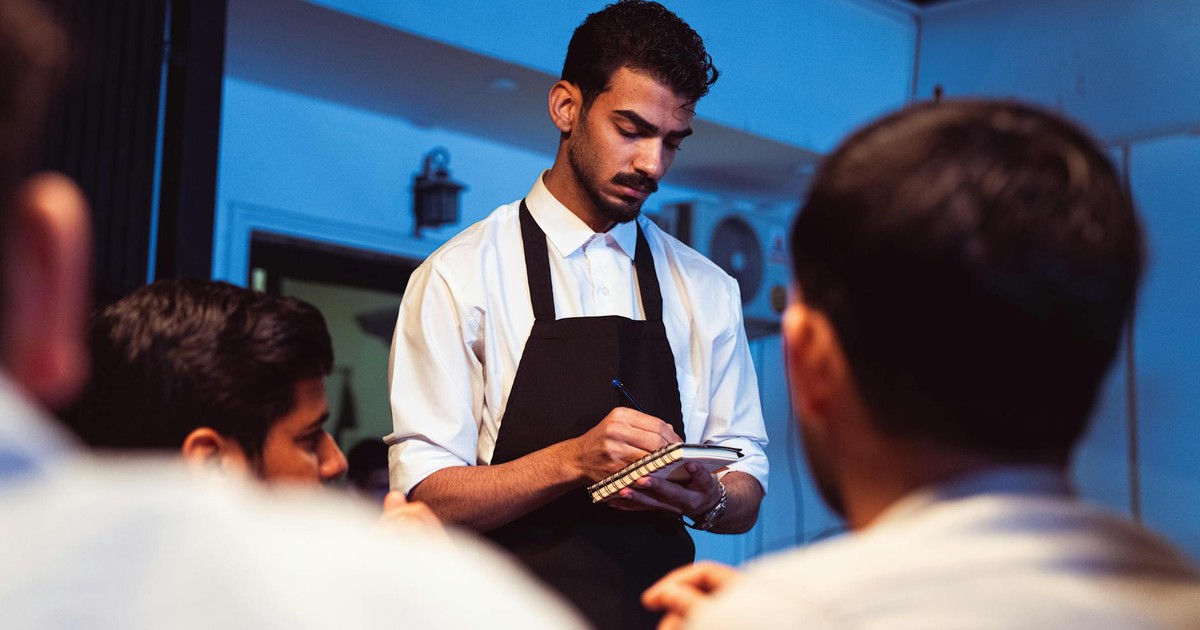
Servers pay close attention to how you interacted with the host or hostess before you even reach your table. The assumption is that how you behave at the host stand has nothing to do with the person who greets you at your seat. But restaurants are small, interconnected communities, and front-of-house staff talk to each other.
Research into hospitality settings has consistently found that customers who are dismissive or rude to front-of-house staff carry that behavior through the rest of their visit. The way you handle a ten-second interaction at the host stand is, in practice, a reliable preview of the whole evening.
Whether this feels fair or not, it’s worth understanding. If there’s a wait, or your table isn’t ready when you think it should be, that’s rarely the host’s fault and almost never the server’s. The people who arrive already irritated tend to stay that way. Servers know this and adjust their expectations accordingly – which means less of the genuine warmth and humor they’d otherwise bring to a table that walked in easy.
4. Who You’re Dining With
When you sit down at your table, servers usually notice who you’re dining with – whether it’s two friends on a catch-up, a first date, or a group of colleagues killing time on a work lunch – and piece together the purpose of the visit just by observing. A table of four in work clothes at 12:30pm on a Tuesday reads differently than two people leaning in close over candlelight on a Friday night. Servers adjust their pace, their tone, and even their humor based on what they’re looking at.
Good service is partly about reading the occasion. A first date couple doesn’t want the server hovering every four minutes; a business group on a tight lunch schedule does. The meal you’re there for shapes the kind of service that will actually feel good, and identifying it early is one of the first things an experienced server does.
Servers particularly notice power dynamics at the table – the person who orders for others without asking, the individual being talked over, or the one person on their phone while everyone else engages. These aren’t idle observations. They help servers handle potentially awkward moments, like who to hand the check to or how to manage separate orders tactfully.
5. Whether You’ve Already Looked at the Menu

Servers notice guests spending lots of time studying the food menu while skipping the drink menu entirely, which often slows down beverage service and throws off the dining flow. It seems like a small thing, but in a restaurant operating with precise timing, beverage orders typically come first because they’re fastest to deliver and give the kitchen breathing room.
The diner who has clearly thought through what they want – even if they’re still deciding between two dishes – is one of the most satisfying people to serve. Not because servers want you to rush, but because your preparedness tells them you’ve engaged with the experience. You’re here intentionally. That shifts the dynamic considerably.
Conversely, the table that needs the server to visit four times before anyone can commit to a drink order tends to create a backlog that ripples through the rest of the meal. Servers can’t always control kitchen timing, but they can predict pacing based on who’s ready. The people who scan drinks first and food second tend to have smoother, faster evenings.
6. Your Communication Style and Tone
Saying please and thank you, being patient when the restaurant is busy, and treating servers like human beings creates a positive feedback loop. Rudeness, however subtle, gets noticed immediately and can affect everything from service speed to the server’s willingness to go the extra mile with special requests.
Tone communicates far more than the words themselves. A server can hear “can I get a water” said three entirely different ways: as a polite request, as a perfunctory demand, or with the mild impatience of someone who’s already decided they’re not impressed. The words are identical. The meaning isn’t.
A warm greeting from the diner’s side humanizes the interaction and sets the mood for the meal ahead. Friendly tone and approachable body language communicate respect and ease – and servers who feel that ease are more likely to offer an extra recommendation, mention a kitchen special, or bump a request to the front of the line. Servers are not required to like every person they serve, but the ones who make the interaction feel human will consistently find the service tilts in their favor.
7. How You Handle a Busy Night
Experienced servers can tell immediately when a table is in a rush, because the job teaches you how to read people’s behaviors fast – and you develop a rapport quickly out of necessity. The impatient diner announces herself through repeated menu scanning, tracking where the server is in the room, and the slight lean-forward when food hasn’t arrived in the expected window.
The trouble is that impatience, even when completely understandable, rarely speeds things up. A genuinely busy Friday kitchen moves at its own pace regardless of how often a table catches the server’s eye. What does change is the quality of the interaction. A table that signals grace under pressure – acknowledges the busyness, doesn’t escalate – tends to get more of the server’s attention, not less, because servers naturally gravitate toward the tables that feel easiest to serve well.
If you genuinely are in a rush, saying so at the start of the meal is helpful and almost universally appreciated. “We have a show at 8, is that workable tonight?” is a sentence that changes the whole trajectory of a meal. Servers can flag the kitchen, streamline the experience, and appreciate the transparency.
8. Whether You Read the Room When Ordering
Servers find that guests who clearly explain their dietary needs early on usually enjoy their meals more. Some people order dishes exactly as listed on the menu, then act surprised about ingredients they can’t have. Seasoned servers have seen this pattern enough times that they start anticipating it before a word is spoken.
The diner who reads carefully, asks smart questions, and flags allergies or preferences upfront is the easiest person in the room to help. A good server will often proactively ask about allergies when greeting a table – but when that question is answered honestly, the whole meal becomes smoother for everyone.
The alternative – the diner who announces a dairy allergy after a cream-based sauce has arrived, or who insists on modifications to a dish that structurally can’t accommodate them – creates a chain of problems that goes all the way back to the kitchen. Servers can handle almost any request that comes in early. Late-stage surprises are a different matter.
9. How You Use Your Phone

Your phone placement tells a story. The person who flips it face-down the moment they sit signals that they’re present and here for the meal. The one who keeps it face-up on the table, glancing at it every ninety seconds, is obviously still partly somewhere else. And the one who’s actively scrolling while being spoken to has, functionally, stepped out of the room without going anywhere.
The way you position your phone, along with your clothes and how you interact with your dining companions, all tell a story that servers piece together quickly. Phone behavior is one of the most reliable indicators of what kind of table experience is about to unfold. High-phone tables tend to take longer to order, have more missed questions (“sorry, what did you say?”), and require more repeated visits before anyone’s actually ready.
This isn’t a judgment about whether you should be on your phone. It’s simply what servers observe. If work is genuinely urgent and you need to have your phone out, acknowledging it with a quick “I might need to step out for a call – sorry in advance” goes a long way. It turns a potentially irritating situation into a human one.
10. The Group Dynamic and Who’s in Charge
Every table has a dynamic, and servers notice it within minutes. Is this a group where one person is clearly running the show, ordering for others, calling across the table? Or is it more collaborative – everyone weighing in, nobody leading? Experienced servers become amateur psychologists out of necessity, reading body language and social cues to provide better service and avoid stepping into interpersonal situations they didn’t create.
Power dynamics are especially readable. The person who talks over everyone else at the table, who dismisses the server mid-sentence to finish a point to their companion, who gestures impatiently even while technically being polite – servers see all of it and make quick assessments about who actually needs attention and who just needs to be left to their conversation.
Understanding who holds authority at a table has practical implications too. Knowing who to address when asking about dessert, who’s likely to want the check, and who to approach with a concern about an order – these are all worked out by the early table read. A server who gets this wrong can accidentally make an entire table uncomfortable.
11. Whether You Acknowledge Cultural Differences in Service Expectations
Diners from different countries bring their own service expectations based on their homeland’s customs. European guests tend to prefer less attention from servers, while American diners typically want frequent check-ins and quick responses. Servers working in cities with international clientele get exceptionally good at picking up on these signals without having to ask.
The gap between what a diner expects and what they receive is exactly where frustration lives. An American diner who wants to flag their server every few minutes and a European diner who finds that level of check-in intrusive can both feel poorly served by exactly the same server, simply because the service style wasn’t read correctly.
The cues are usually subtle: the diner who makes brief eye contact to flag a need versus the one who waits for the server to notice them, the table that closes menus to signal readiness versus the one that keeps them open as a comfort object. Skilled servers learn to read all of it without being told, which is a particular kind of professional fluency that takes years to develop.
12. How You Give Feedback During the Meal
Positive feedback comes in many forms, from subtle nods to direct praise. Servers notice that guests who use their names and say “please” and “thank you” consistently tend to communicate more genuinely overall – and regular customers build reputations through their communication styles.
Negative feedback is where the real divergence happens. The diner who quietly complains to their companion about the food, then leaves a bad review online, is a much harder person to help than the one who mentions the issue to the server directly. Most servers genuinely want to fix a problem when they know about it. A dish sent back with a clear, calm explanation of what didn’t work is fixable. A vague sense that something’s off but nobody will say what is almost impossible to address.
Some guests come across as gruff but leave generous tips and kind words, showing servers that external behavior doesn’t always match internal appreciation. These experiences teach staff not to judge on first impressions. Good servers hold both possibilities open: the brusque regular who is actually delightful, and the charming stranger who turns out to be unreasonable. But how you communicate during the meal shapes how much help you’ll actually receive.
13. Your Tipping Signals (Yes, They Notice)
Servers are perceptive about tipping potential – not because they’re mercenary, but because tips make up a significant portion of their income. In 2024, the average full-service worker earned $23.88 per hour, with base pay now accounting for just 43% of total income. That means the remaining majority of a server’s earnings lives in the gratuity line of your bill.
Tipping behavior in U.S. restaurants has shifted noticeably, with the national average tip declining to 14.9% in Q2 2025, according to data from Restroworks, down from 15.5% in 2023. That trend is felt most directly by the people on the floor. Servers notice which tables tend to be generous and which don’t – not always accurately, but consistently enough that the pattern recognition becomes part of the professional skill set.
The irony is that tipping signals are often wrong. A server who anticipates a poor tip based on a guest’s early demeanor sometimes ends up surprised. The diner who seems demanding occasionally leaves the most. The one who’s all warmth early sometimes doesn’t. Servers who’ve been doing this long enough have learned to deliver the same standard of service regardless, because the pattern-matching isn’t reliable enough to act on.
14. Whether You Treat Them Like a Person
Every observation a server makes comes back, eventually, to a single question: does this person see me as a person or as a function? As one server put it, the profession requires an “I’m a server, not your servant” mindset, and being aware of who’s serving you and extending a little grace will allow you as the patron to have a better dining experience.
According to the National Restaurant Association, most restaurant servers undergo rigorous training to welcome guests within 30 seconds of their arrival, even during peak periods. They’re meeting you with professionalism from the start. The warmth you return – or don’t – shapes everything that follows. Not in dramatic ways, usually, but in the hundred small moments across a meal where a good server has a choice between the minimum and something more.
Building rapport comes through small gestures: asking considerate questions, remembering details about what someone ordered, and staying consistent in friendliness. That goes both ways. The diners who are remembered fondly, who become regulars, who get the corner booth without asking – they’re not always the biggest tippers or the most charming people in the room. They’re the ones who made the experience feel like two humans sharing a meal, not a transaction with a power imbalance baked in.
Read More: 6 Phrases People Use When They Think They’re Superior to You
What This Actually Means
None of this is meant to make you self-conscious the next time you walk into a restaurant. The point isn’t that you’re being judged – it’s that you’re being read, which is a different thing entirely. A good server isn’t building a case against you. They’re building a picture of what you need, how you’re feeling, what kind of evening this is, and how they can make it better. That process happens fast, with imperfect information, by a person who’s doing the same for seven other tables simultaneously.
The practical upshot is surprisingly simple. Make eye contact. Be decent at the host stand. Say what you need early and clearly. Acknowledge the server as a person, not a delivery mechanism. These aren’t revolutionary habits – they’re just the ones that make the difference between a meal that goes through the motions and one that actually feels good to be part of. And they’ll be noticed, every time, within moments of sitting down.
Disclaimer: This information is not intended to be a substitute for professional medical advice, diagnosis, or treatment and is for information only. Always seek the advice of your physician or another qualified health provider with any questions about your medical condition and/or current medication. Do not disregard professional medical advice or delay seeking advice or treatment because of something you have read here.
AI Disclaimer: This article was created with the assistance of AI tools and reviewed by a human editor.