
Walk into the home of someone raised with real discipline (not the punitive, walk-on-eggshells kind, but the kind where expectations were clear, effort was expected, and respect went both ways) and you’ll notice something before you even sit down. It’s not just that the place is tidy. It feels considered. Like someone actually thought about how they wanted to live in it.
The habits people carry into adulthood, including the disciplined home characteristics they recreate as adults, come directly from the environment they grew up in. Research consistently shows that the home environment correlates meaningfully with behavioral and developmental outcomes in adulthood, though genetics, peer relationships, and school environments also shape who people become.
Discipline gets misread as strictness. The two aren’t the same. Authoritative parenting, the style most associated with positive adult outcomes, is built on a close, nurturing relationship between parent and child. Expectations are high, but so is warmth. Rules come with explanations. A child who understands the why behind a rule doesn’t just follow it. They internalize it. And they carry it with them for the rest of their lives.
A Home That Has a Place for Everything
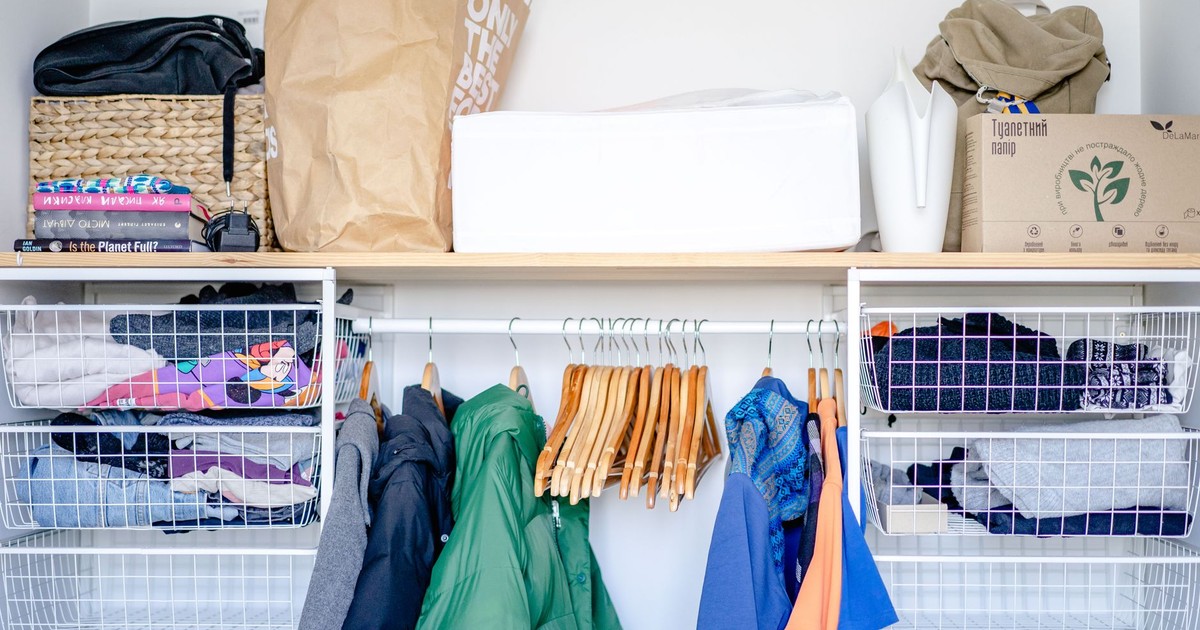
The most immediately visible disciplined home characteristic is organization. Not the Instagram-curated kind with labeled bins and color-coded shelves, but something more lived-in and practical. Shoes by the door, not scattered across the hall. Mail sorted, not piled on the counter for three weeks. A kitchen where things get put back after use.
People who grew up in homes where tidiness was expected don’t think of this as effort. It’s just what you do. The rule wasn’t enforced with yelling; it was simply the standard. Standards, repeated consistently through childhood, become defaults in adulthood. This kind of organization tends to reduce daily stress rather than add to it. When you know where your keys are, you’re not scrambling at 8:47am. When the kitchen is clear in the morning, the day starts differently.
Meals That Happen on Purpose
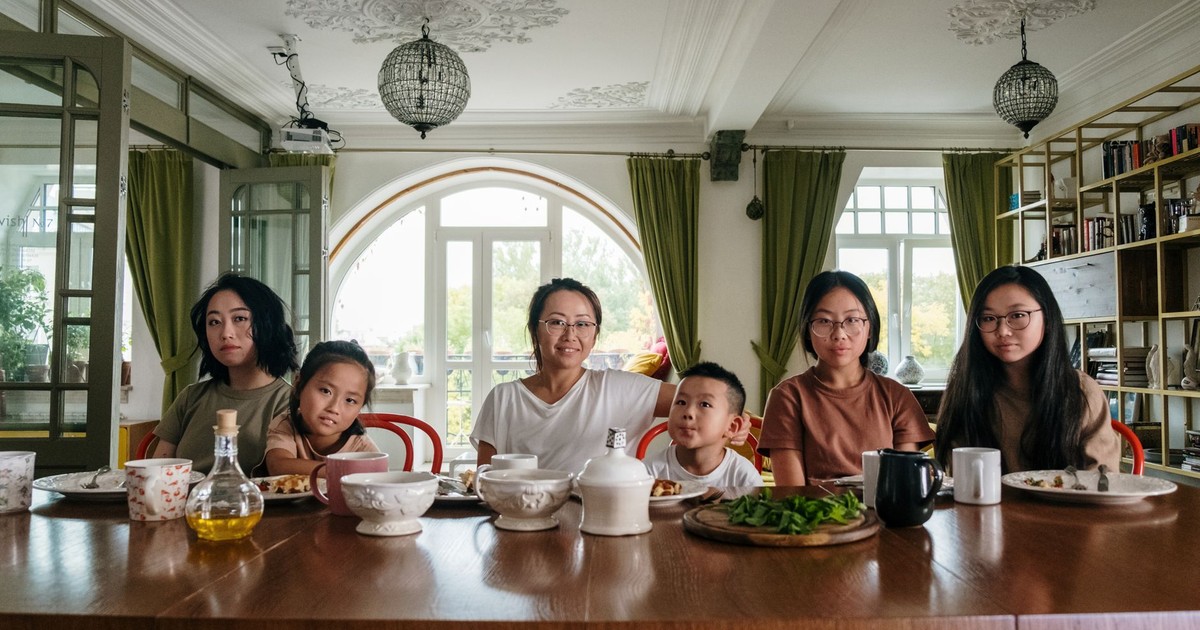
Shared meals are one of the most consistent features found in homes shaped by a disciplined upbringing. Not necessarily elaborate cooking, but meals that happen at a table, at roughly the same time, without phones. The family dinner as a non-negotiable. This is one of those childhood habits so deeply embedded that adults recreate it almost automatically, sometimes without knowing why.
In disciplined households, mealtimes weren’t just about food. They were about presence and accountability. You showed up. You ate together. You talked. The structure of it wasn’t incidental; it was the point. As adults, people who grew up this way tend to treat meals as anchors in a day that might otherwise drift. They cook more. They sit down more. The ritual survived because rituals almost always do.
A Predictable Weekly Rhythm

Children raised in authoritative households tend to display positive outcomes, including better self-regulation, creativity, and strong family ties, compared to those raised by authoritarian or permissive parents. What that looks like in a physical home is a week with shape to it. Sunday afternoons set aside for preparing for the week ahead. Laundry done on the same day. Groceries bought before the fridge runs out. Errands grouped together rather than scattered randomly through every day.
This isn’t rigidity. It’s the difference between reacting to your own life and actually running it. People who were raised with this kind of structure don’t need external accountability tools or productivity apps to keep themselves organized. They built the habit long before any of that existed. The week has a rhythm because rhythm was modeled for them. Sticking to it feels normal. Abandoning it, even for a few days, creates a low-grade restlessness that only resolves when the pattern is restored.
Books, and the Expectation of Learning
You’ll almost always find books in the home of someone raised with discipline. Not just self-help titles from five years ago, but a real mix: fiction, history, reference, something technical, something their kids are reading. The presence of books isn’t decorative. It signals something about what the household values, specifically that learning doesn’t end when school does.
In disciplined homes, intellectual curiosity was treated as a responsibility, not just a pastime. You were expected to know things. You were expected to look things up when you didn’t. That expectation translates directly into adult homes where books are still bought, still finished, and still stacked on the nightstand. It also shows up in how those adults approach problems: by gathering information before acting, by reading before forming opinions, by taking the time to actually understand something rather than just having a feeling about it.
Financial Records and a Working Budget

Open the desk drawer or check the filing cabinet in the home of someone raised with financial discipline, and you’ll find receipts organized by month, bank statements filed by year, or at minimum a spreadsheet that gets updated. NCBI StatPearls describes authoritative parenting as characterized by a close, nurturing relationship in which parents set clear expectations, explain their reasoning, and use discipline as a supportive tool rather than punishment, an approach that shapes how children eventually handle their own obligations, including money.
This is one of the less glamorous disciplined home characteristics, but it’s one of the most consequential. People raised in homes where money was tracked, discussed honestly, and managed deliberately tend to replicate that structure without being told to. They know what they spend on utilities each month. They have an emergency fund. They don’t ignore a bill because looking at it feels uncomfortable. The discipline that looks like spreadsheets on the surface is actually something older: a belief that paying attention to your finances is a basic form of self-respect.
A Functioning Household Toolkit
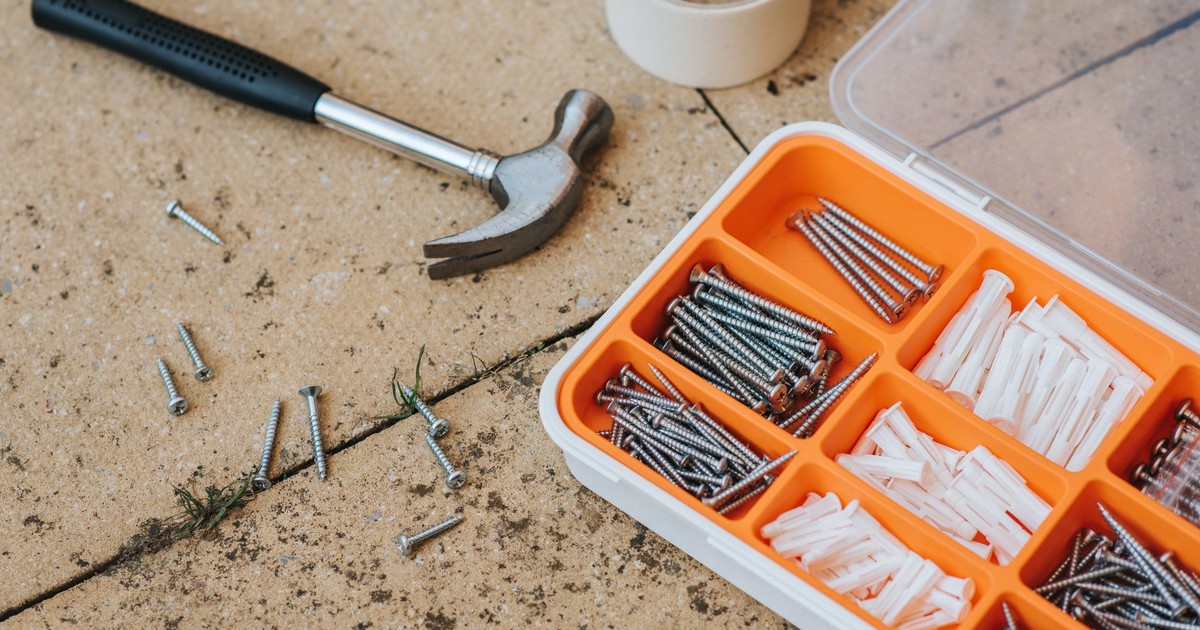
Every disciplined home has things that work. The lightbulbs get replaced. The leaky faucet doesn’t drip for six months. There’s a toolkit somewhere with actual tools in it, not just a single screwdriver rolling around in a junk drawer. Small repairs get handled before they become expensive ones.
Someone raised to treat a home as something they’re responsible for (rather than something that just exists around them) runs it that way. In disciplined households, maintenance wasn’t outsourced to the vague future. If something needed doing, someone did it. That orientation follows people into adulthood: the understanding that a home takes upkeep and that neglecting that upkeep is a choice with consequences. You can often tell a great deal about someone’s relationship to personal responsibility by the state of their baseboards.
A Space for Children That Also Has Rules
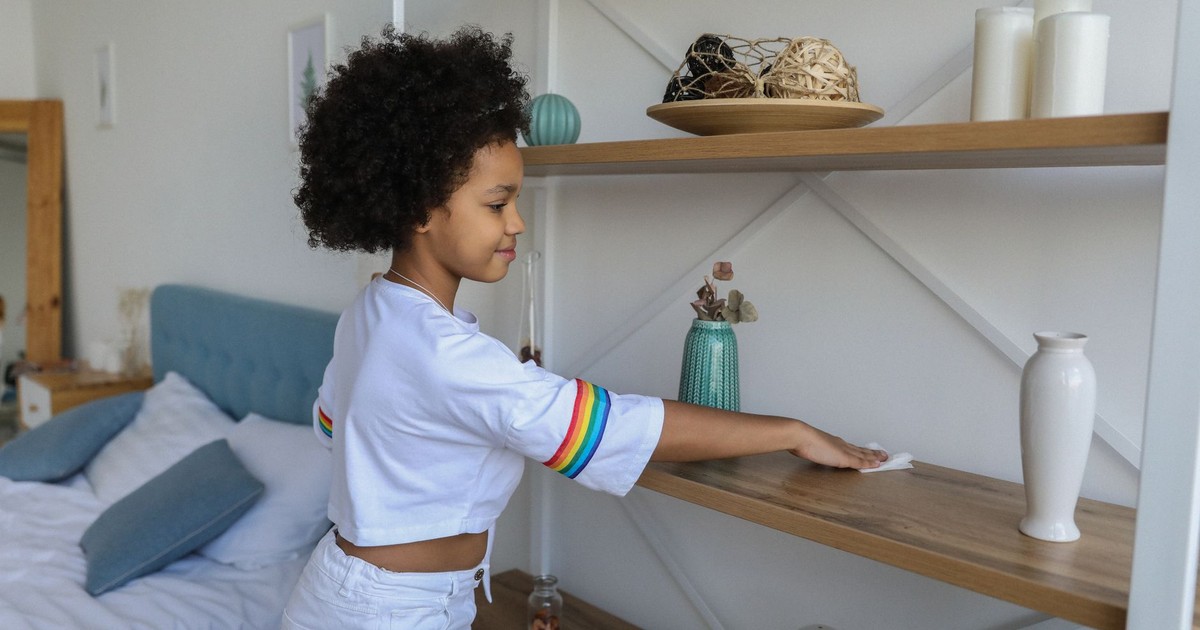
Homes shaped by disciplined upbringings look different from homes where children run every square foot. Toys have a location. Homework gets done at a desk, not on the couch while a show plays in the background. Consistent bedtimes are a routine feature of structured households, not an nightly negotiation. Giving kids structure isn’t the opposite of warmth. It’s an expression of it.
Parenting Science points out that people become more confident about their abilities when they practice doing things for themselves, and that this confidence connects directly to the self-reliance, problem-solving ability, and resourcefulness seen in adults who grew up in structured homes. Children who grow up with clear expectations learn that some things are non-negotiable, that the world doesn’t bend to a tantrum, and that completing a task earns more satisfaction than avoiding it. Adults raised this way tend to create the same environment for their own children, not because they’re recreating their exact childhood, but because the underlying logic stuck. Structure isn’t a punishment. It’s how you raise someone who can manage themselves.
Read More: 7 Truly Disturbing Things That Happen When a Narcissist is in Your Home Alone
Visitors Are Welcome, but the House Doesn’t Perform

One of the subtler disciplined home characteristics is that it doesn’t change its face for company. There’s no frantic tidying when someone calls to say they’re stopping by in 20 minutes, because the house is already in a reasonable state. The kitchen doesn’t go from wreck to spotless for a guest. The guest sees what’s always there.
That consistency says something about how internalized the discipline actually is. It’s not about appearances. It’s not about making a good impression on a particular Tuesday. People raised with consistent household standards tend to maintain them regardless of whether anyone’s watching. The tidy counter on a random Wednesday afternoon isn’t for anyone. That’s the point. Conscientiousness and reliability aren’t habits people switch on for visitors, they’re the default setting, built in early and running quietly in the background from there.
What’s Actually Going On Here

A 2025 twin study published in American Psychologist tracked 2,232 British twins from birth to age 18 and found that those who received more affectionate and structured parenting during childhood were rated as more open, conscientious, and agreeable young adults by researchers, even when compared with their genetically identical co-twins. The homes that people create as adults aren’t random. They’re expressions of a personality that got shaped very early on, and that personality carries specific patterns (follow-through, order, self-regulation, the capacity to delay gratification) that show up everywhere, including in how someone keeps a kitchen or files a tax return.
People build good habits through all kinds of routes, and not every home of someone raised with structure looks perfect. Some people raised in highly disciplined environments are actively working through what that structure cost them. The ways your upbringing shapes how you see the world run deeper than any single room in the house.
But the eight things described here, taken together, tell a coherent story. They’re not just about cleanliness or organization. They’re about a relationship to responsibility, the understanding, absorbed early and never fully unlearned, that the life you have is largely a result of the attention you pay to it. The person who grew up in that kind of home doesn’t think of any of this as impressive. They’d probably be surprised to hear that anyone noticed.
Disclaimer: This information is not intended to be a substitute for professional medical advice, diagnosis, or treatment and is for information only. Always seek the advice of your physician or another qualified health provider with any questions about your medical condition and/or current medication. Do not disregard professional medical advice or delay seeking advice or treatment because of something you have read here.
AI Disclaimer: This article was created with the assistance of AI tools and reviewed by a human editor.