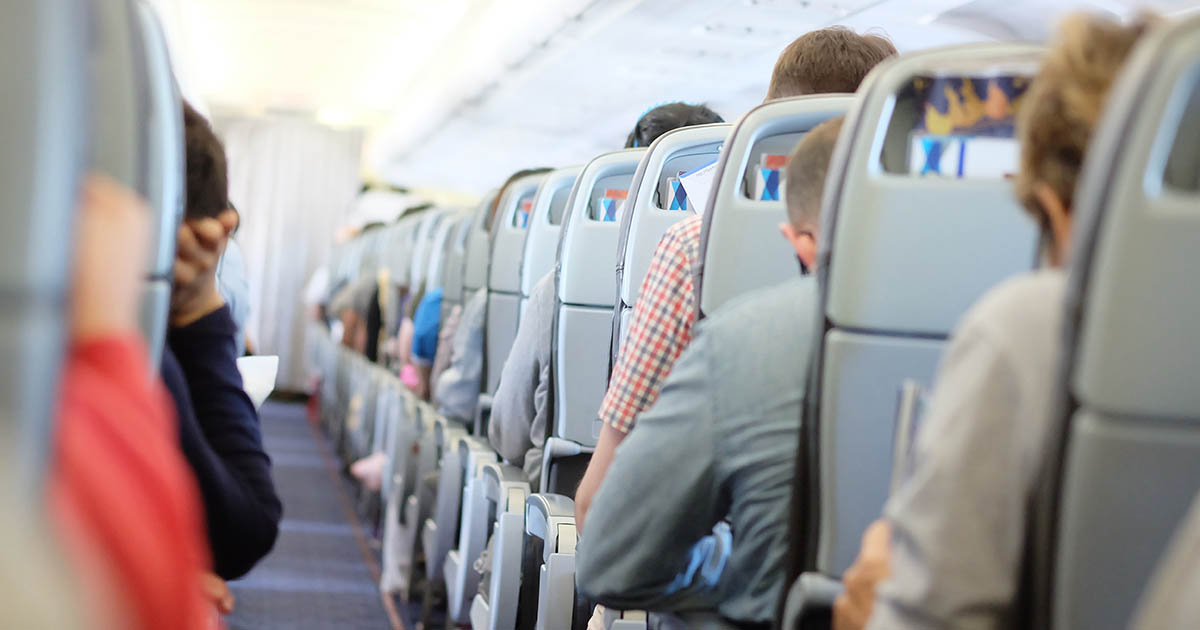

Every person who has ever chosen a window seat over an aisle, or scrolled past the emergency exit row because the no-reclining thing sounds annoying, has made a decision about their seat without really knowing what they were deciding. Most of us pick based on legroom, proximity to the bathroom, or which side of the plane has the better view. Almost nobody picks based on survival statistics – and yet those statistics exist, in far more specific detail than the airline industry tends to advertise.
The question of which seats give passengers the best odds of surviving a crash has been studied for decades, and the answers are more concrete than the official line – which is, essentially, “there is no safest seat.” That answer is technically accurate but not particularly useful. What the data actually shows is that seat position does influence survival odds in a meaningful way, and that a handful of specific choices can quietly but materially shift the numbers in your favor.
Understanding those choices doesn’t require becoming obsessive about flying or spending every flight in a state of low-level dread. It just means knowing what the research says, so that when you’re booking your next seat, you can make an informed decision instead of an arbitrary one.
What the Data Actually Shows
One of the most thorough analyses on the subject is the 2015 investigation by Time, which examined 35 years of data from the FAA’s Aircraft Accident Database, narrowing the research to 17 flights between 1985 and 2000 that had both fatalities and survivors and for which seating chart information was available. The data showed that seats in the rear of the aircraft had a 32 percent fatality rate, compared to 39 percent in the middle of the plane and 38 percent up front.
Those numbers might not look dramatic at first glance – a few percentage points separating the sections. But in a crash scenario, a difference of six or seven percentage points in fatality rate is not trivial. When the Time analysis drilled down to individual seat positions within rows, it found that the best odds came with rear middle seats, which had a 28 percent fatality rate, while the worst-performing position was the aisle seat in the middle third of the cabin, at 44 percent. That is a 16-point gap between the best and worst seat positions. By any measure, that is not nothing.
A separate analysis reinforces this picture. A July 2025 report in the Jerusalem Post covering a study of 17 fatal crashes between 1985 and 2000 found that passengers seated behind the wing had a survival rate of 68 percent, compared to 61 percent for those seated over the wing, and 62 percent for those in the front section near the cockpit. This difference is largely due to the physical dynamics of a crash: in most cases, the front of the aircraft is the first to strike the ground.
Why the Rear of the Plane Tends to Hold Up Better
A 2012 Discovery Channel experiment confirmed these findings. As part of a documentary project, researchers deliberately crashed an unmanned plane in Mexico’s Sonoran Desert. The aircraft went down nose-first, with the tail section remaining mostly intact. Cameras onboard showed that passengers in the rear had a significantly higher chance of surviving the initial impact.
The physics of this are fairly straightforward. When a plane makes an uncontrolled contact with the ground at a low angle – running off a runway, for instance, or coming in too hard on landing – the nose and forward fuselage absorb the worst of the deceleration forces. The tail section, trailing behind, experiences less of that initial shock. If the crash does not result in total catastrophe and the plane impacts at a low angle or leaves the runway, the forward section absorbs most of the impact, which means rear positioning may offer better prospects for survival. That pattern has shown up consistently enough across multiple crash analyses that aviation researchers treat it as a real, if imperfect, trend.
There is an important caveat here, and it belongs in this conversation rather than buried at the end: crash dynamics vary enormously. The type of crash is a major factor. A midair explosion, a skid on the runway, or a controlled water landing each presents entirely different survival scenarios. In the case of United Airlines Flight 232 in 1989, which crash-landed in Iowa after total engine failure, 184 of the 296 people onboard survived, and many of the survivors were seated in the center of the aircraft. The rear-of-plane advantage is a statistical lean, not a guarantee.
The Five-Row Rule That Most Passengers Ignore
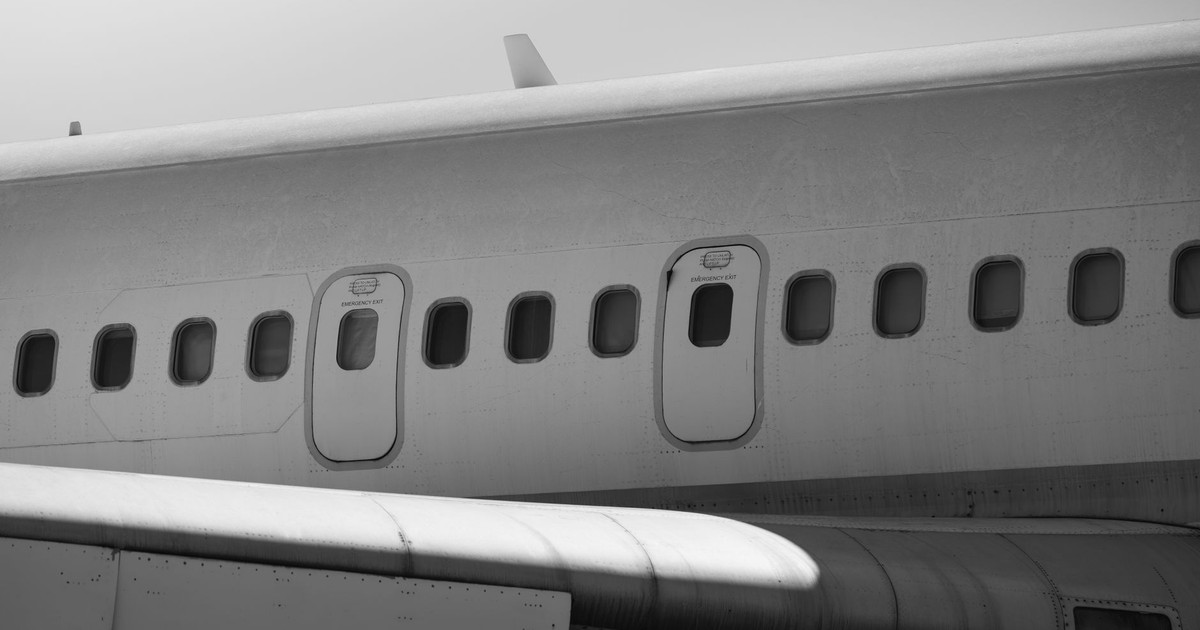
Seat position within the front-to-back axis is only part of the picture. The other factor – arguably the one that has the clearest, most actionable implication for any passenger – is proximity to an emergency exit.
Edwin Richard Galea is a British fire safety engineer and evacuation dynamics expert whose research focuses on how people react and move during emergencies, particularly airplane crashes. In his research, he analyzed data from 105 plane crashes and interviewed more than 2,000 survivors. One of the key findings from Galea’s research is the importance of being close to an emergency exit during such emergencies. He found that the nearer a passenger is to an exit, the better their chances of surviving are.
Specifically, passengers seated within five rows of an exit are significantly more likely to escape unscathed. Beyond that, the data begins to move in the wrong direction. The reason is the 90-second window. During the certification process, all commercial aircraft manufacturers have to prove that their aircraft can be fully evacuated within 90 seconds, with half of the emergency exits inoperable. This is the maximum time for evacuation, as a post-crash fire flashover is less likely to occur within that 90-second window.
Ninety seconds is less time than it sounds when a cabin is filling with smoke, passengers are disoriented, and the aisles are not clear. Being two rows from a door instead of seven is the difference between beating that clock comfortably and not beating it at all.
Aisle vs. Window: A More Complicated Answer
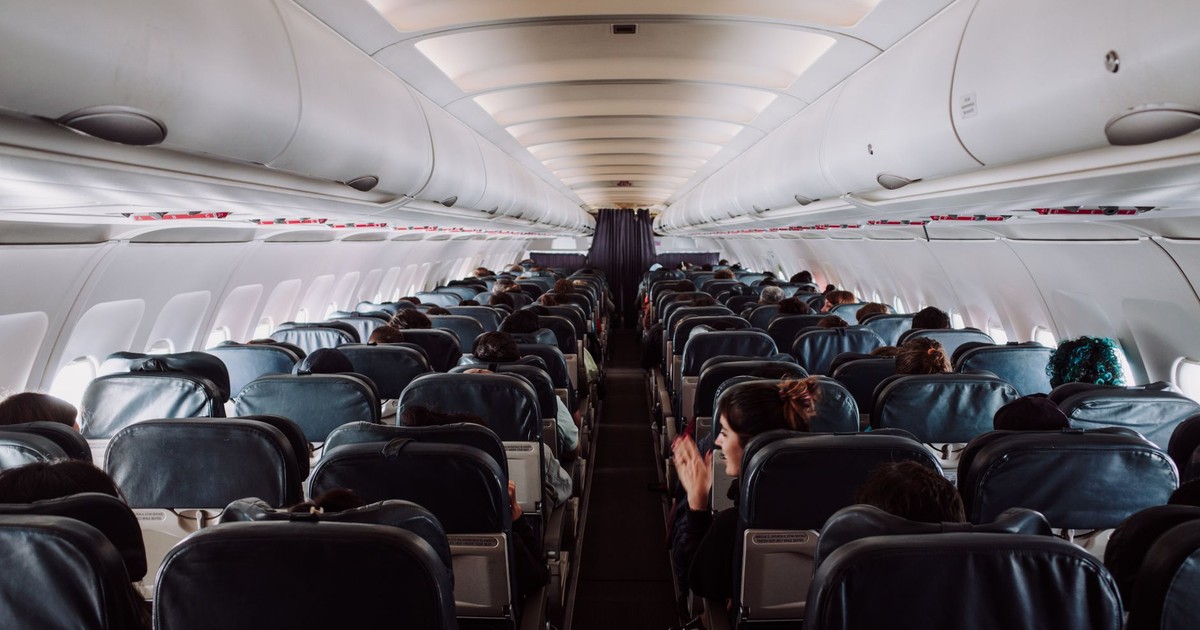
The window-versus-aisle question has no statistically clean answer. In side-impact crashes, interior seats may offer slightly more physical protection. But in emergency evacuations, being in the aisle makes it considerably easier to stand up and exit quickly.
What the FAA’s broader analysis suggests is that in narrow-body jets – the Boeing 737 and Airbus A320s that make up the majority of domestic flights – passengers seated in aisle seats near the rear were most likely to survive. That combination of rear position and aisle access makes intuitive sense: you get the benefit of being in the lower-impact section of the plane, plus you can get out of your row without climbing over anyone.
The middle seat in the rear, despite having the lowest fatality rate in the Time data, is somewhat paradoxical. The statistical edge may come from the physical buffer of having passengers on either side during impact, but in an evacuation, the middle seat is the hardest to exit quickly. One advantage has to be weighed against the other. If you’re already thinking carefully about where you sit, the mistakes travelers make during routine flight prep – ignoring the safety briefing, stowing carry-ons in distant overhead bins – are worth reviewing before your next booking.
What the NTSB’s Overall Numbers Mean
Before all of this information sends anyone into a pre-flight anxiety spiral, it is worth placing it in the context that aviation safety researchers themselves always lead with. According to the NTSB, about 94 percent of Part 121 aircraft involved in accidents had 100 percent of their occupants survive, and the chance of being killed in a plane crash is roughly one in eleven million. The vast majority of aviation incidents are minor – hard landings, runway excursions, aborted takeoffs – events where the structural differences between the front and back of the aircraft are barely relevant because everyone walks off.
The seat-position data matters most in the subset of accidents that are survivable but serious: the ones where impact forces, fire, and evacuation speed all come into play simultaneously. For that category of event, rear seats near an exit give a passenger a real, documented statistical edge.
What You Can Actually Control
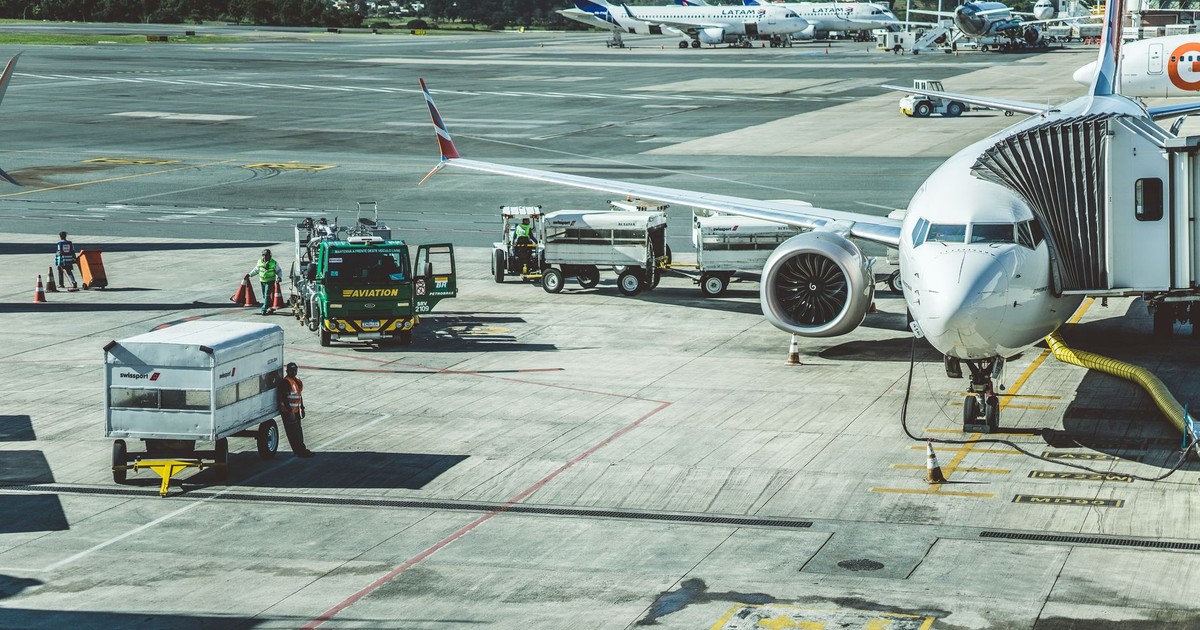
Choosing the right seat is only one variable. The behaviors that go along with it matter just as much, and most passengers ignore them entirely.
According to aviation expert Ed Galea, 80 percent of crashes happen within three minutes after takeoff or the final eight minutes before landing. Those phases of flight are exactly when most people are asleep, wearing noise-canceling headphones, or watching something on their phone. Staying alert during takeoff and landing is not paranoia – it is the time window during which your awareness of where the exits are, and whether your seatbelt is on, is most likely to matter.
Following a crash, passengers should exit the plane as quickly as possible, climbing over the backs of seats if the aisle is blocked, leaving their possessions behind, and covering their nose and mouth with clothing to prevent smoke inhalation. The instruction to leave your bags is the one most commonly ignored, and it is the one that most consistently kills people who would otherwise have made it out. A rolling carry-on in the aisle has blocked evacuations in documented crashes. Leave it.
Other factors that affect survival chances include avoiding alcohol during a flight, staying alert rather than sleeping through the critical phases, wearing appropriate clothing including sturdy shoes and long-sleeved shirts and pants, and maintaining physical readiness to move quickly. The shoes point is one most people dismiss, and then regret: flip-flops and heels do not belong on an evacuation slide. They do not belong on a plane at all if you are thinking about what happens at the moment things go wrong.
Count the rows to your nearest exit when you sit down. Not because a crash is likely, but because it takes four seconds and it is the one preparation that has actual documented value in the research.
The Seat You Should Actually Book
The research points toward one practical conclusion for plane crash survival seats: if you want the combination that the data most consistently favors, book a seat in the rear third of the aircraft, in the aisle position, within five rows of an emergency exit. On most commercial aircraft, that means looking for exit rows or the rows immediately ahead of or behind them, as far back as the configuration allows.
That is not a guarantee of anything. Every crash is shaped by physics, angle, speed, and circumstances that no passenger can anticipate or control. The survival statistics are based on patterns across hundreds of incidents, and individual crashes routinely contradict those patterns. The United Airlines Flight 232 survivors in the middle of the plane, the Azerbaijan Airlines crash survivors clustered at the rear – the data describes tendencies, not certainties.
What the research does do is give you a rational basis for a decision you were going to make anyway. You are going to choose a seat. You might as well choose one that the data slightly favors, pay attention during the safety briefing you have watched a hundred times without absorbing, and count the rows to the nearest exit before you put your headphones on. None of that will guarantee anything. But it is the most honest answer the evidence has.
AI Disclaimer: This article was created with the assistance of AI tools and reviewed by a human editor.