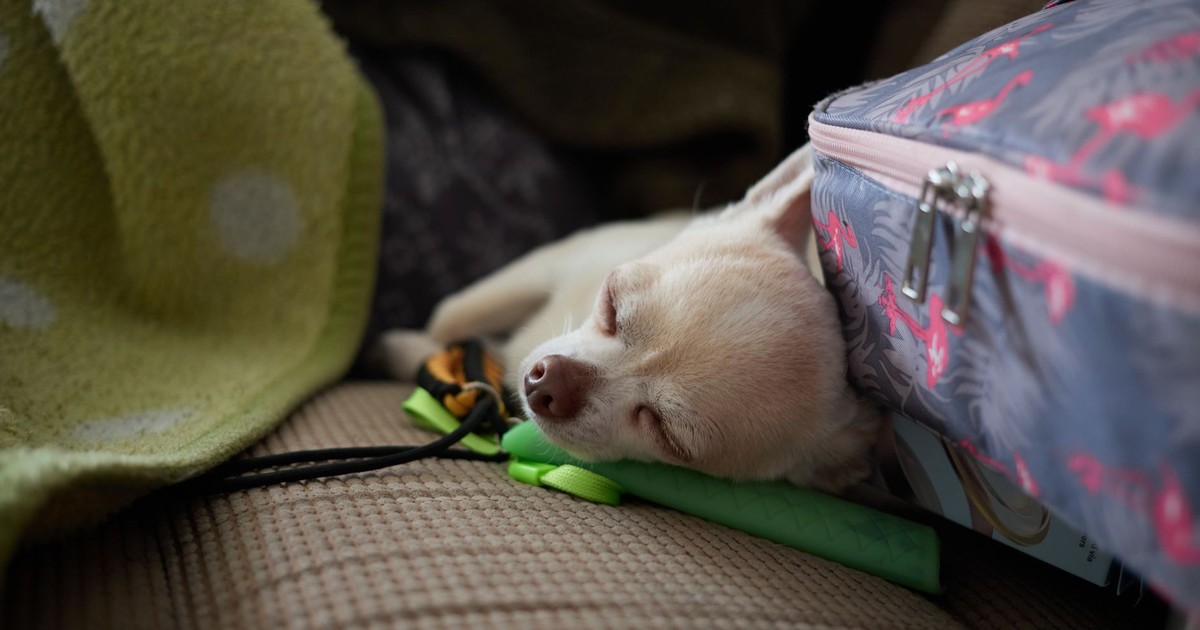

Packing for a flight with a pet is a different kind of preparation than packing for yourself. You can forget your phone charger and buy another one at the airport. You cannot forget your dog’s health certificate and figure it out at the gate. The stakes are oddly specific, the margin for error is thin, and the consequences of being underprepared fall entirely on an animal who had no say in coming along. That combination tends to make even experienced travelers second-guess themselves in the security line.
Most of what you’ll read about flying with pets covers the big decisions: which airline accepts small dogs in cabin, what size carrier fits under the seat, whether your cat is going to spend the flight announcing her displeasure to the entire plane. What gets less attention is the carry-on bag you’re bringing alongside that carrier – the collection of items that keeps a three-hour flight from turning into a genuine emergency. The carrier gets the pet to the airport. The carry-on gets you both through everything that happens after.
The eight items below are the ones that experienced pet travelers carry on every flight and first-timers often discover they need the hard way.
1. An Airline-Approved Soft-Sided Carrier
The carrier itself is technically your carry-on when you fly with a pet in cabin, which means the one you choose determines everything else about the experience. Most major U.S. airlines require pets to travel in airline-approved carriers, and for small dogs and cats flying in cabin, soft-sided carriers designed to fit comfortably under the airplane seat are the standard recommendation. According to Kiplinger’s 2025 guide to airline pet policies, fees and cabin seat-fit requirements vary significantly by carrier, so confirming the specific rules for your airline before purchasing anything is worth the ten minutes it takes. The word “soft-sided” is doing real work there – a rigid carrier might be perfectly fine for the car but won’t compress to fit under a seat with any give.
Among frequently recommended options in 2025, the EliteField Soft-Sided Airline-Approved carrier stands out for its lightweight yet durable construction, scratch-resistant mesh panels for airflow, and storage pockets accessible during the flight. Forbes identifies the key features to prioritize on any airline carrier: robust mesh ventilation panels, reinforced carry handles, and additional compartments for easy access to treats, documents, or supplies.
One detail people often miss until it’s too late: JetBlue accepts only small cats and dogs that can fit in a kennel under the seat in front of you, and the kennel counts as one personal item, meaning you can bring one other bag on board as well. Hard or soft-side kennels must not exceed 17 x 12.5 x 8.5 inches on that carrier. Dimensions vary by airline, so confirm yours before you purchase anything.
2. Verified Health and Vaccination Documents
This is the item with the least margin for error on the entire list. Most airlines require documentation showing that your pet is healthy and up to date on vaccinations, with common documents including a veterinary health certificate and proof of rabies vaccination records. For domestic travel this is already a firm requirement at most carriers; for international flights, the paperwork becomes considerably more involved.
According to USDA APHIS, a USDA-accredited veterinarian must issue all live animal export certificates, including pet health certificates, that are required to be endorsed by the USDA. Once the health certificate has been issued and endorsed (when required), you must finish any outstanding requirements before you can travel with your pet.
Airlines typically require pet health certificates that are no older than 10 days, even if the receiving country accepts an older one. That 10-day window is tighter than most people expect – you can’t get this handled weeks in advance and consider it done. Schedule the vet appointment close to your departure date, bring two copies of everything, and keep the documents in a dedicated folder at the top of your carry-on where they can be retrieved in about 10 seconds. Fumbling through a stuffed bag while a gate agent waits is not a position you want to be in.
3. A Collapsible Water Bowl and an Empty Water Bottle
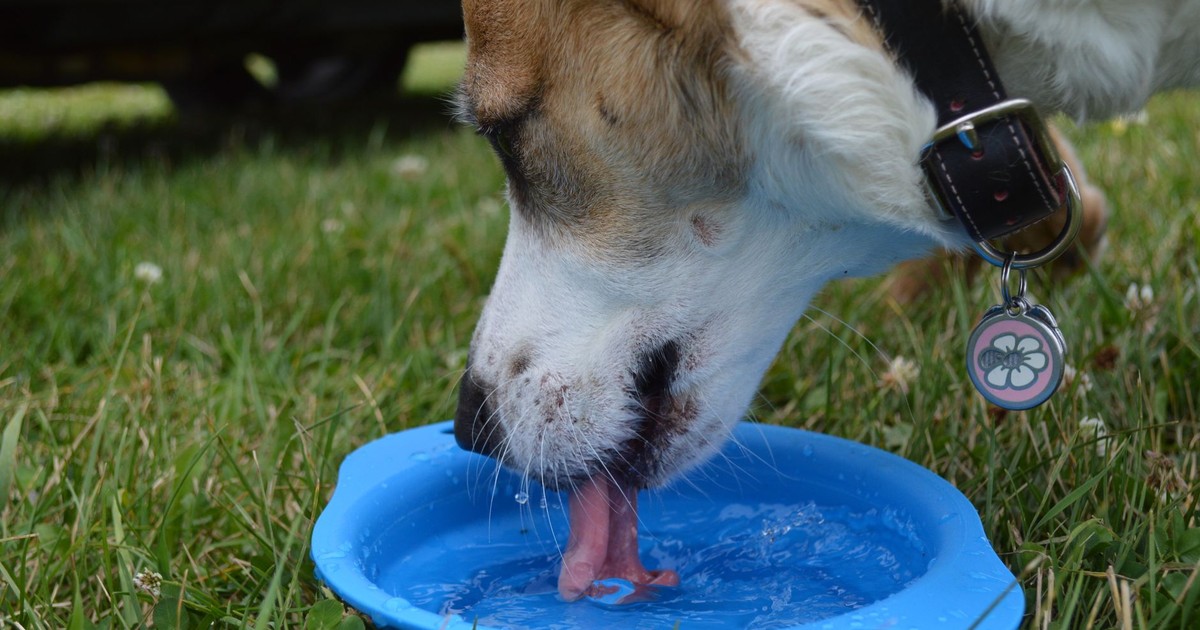
Hydration on a flight with a pet requires a bit of planning that doesn’t come up when you’re traveling solo. Collapsible bowls are essential portable travel accessories for in-flight use, and the key is keeping them empty outside of watering times to avoid spills mid-flight. Silicone collapsible bowls fold flat and weigh almost nothing – the kind of item that takes up no space and solves a real problem.
You can’t bring a full water bottle through security, but most airports have water filling stations where you can fill up after clearing the checkpoint. Bring an empty bottle, fill it post-security, and use it to fill the collapsible bowl during the flight. This system also gives you control over how much water your pet is drinking. Pets generally travel best on an empty stomach to avoid accidents and vomiting, and the same principle extends to limiting liquid intake if you’re on a longer flight without easy access to a relief area.
4. A Small Supply of Food and Familiar Treats
The food question for in-flight pet travel has a specific answer, and it’s not what most people assume. According to Tailwind Global Pet’s air travel packing list, you should pack sufficient food and treats in your carry-on to accommodate potential overnight stays or unexpected delays. The emphasis on delays is practical: airlines experience irregular operations more often than any of us prefer, and a pet who hasn’t eaten because you assumed the flight would be on time is a miserable pet.
Pack some food in your carry-on in case of an unexpected delay – otherwise, pets travel best on an empty stomach to avoid accidents and vomiting. The strategy most experienced pet travelers use is to skip the pre-flight meal but keep food accessible in the carry-on for anything that goes sideways with the schedule. Familiar treats serve double duty: they’re food in a pinch, and they’re also a calming tool. The smell and taste of something your pet recognizes can do more to settle nerves in a strange environment than almost anything else you could pack.
5. Absorbent Pads or a Familiar Blanket
The inside of the carrier needs its own consideration, and this is the item people are most likely to skip because it doesn’t feel essential until it very suddenly is. Lining the carrier with an absorbent pad or a familiar blanket adds comfort and helps manage any accidents, with the caveat that bulky blankets should be avoided since they restrict the already-limited space inside a travel carrier.
A well-chosen liner serves two purposes at once. The practical one is obvious: accidents happen, especially when a pet is stressed and the flight is longer than expected. The second purpose is less talked about but equally important. Giving nervous pets the smell of home by tossing a dirty T-shirt or familiar bedding into the carrier can help calm them, and the bedding can also be sprayed with a pheromone product like Feliway for cats or Adaptil for dogs to help soothe anxious pets. Your pet can’t see you from inside the carrier, but scent is a different kind of reassurance entirely.
6. A Pet First Aid Kit
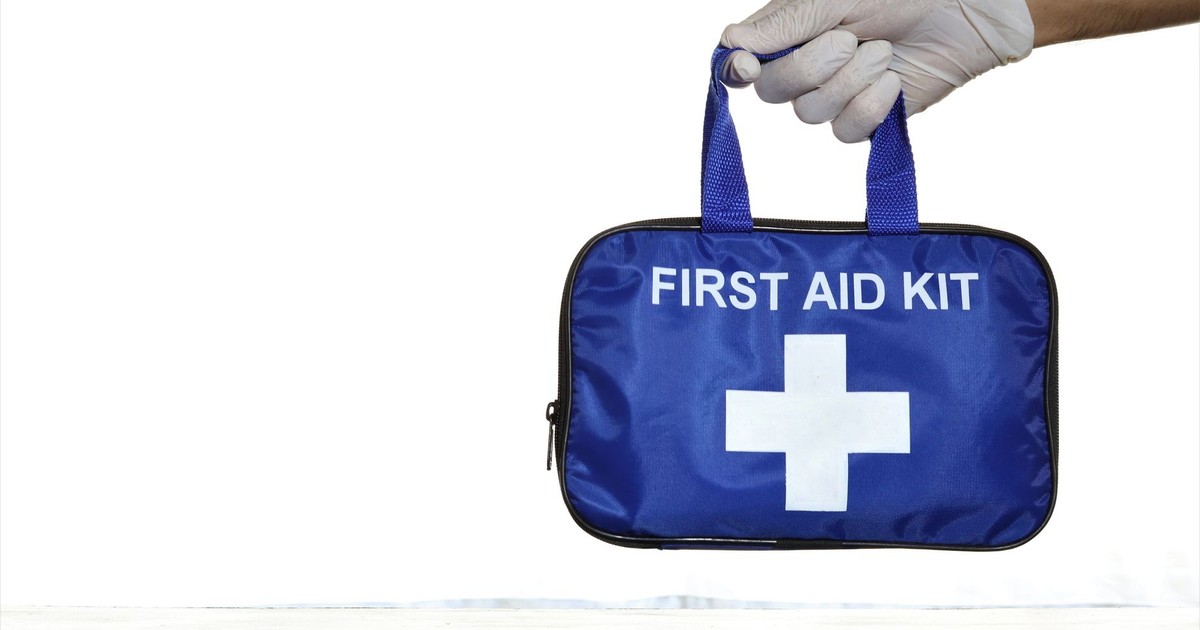
Most travelers skip this one entirely and then spend twenty minutes at the destination trying to find an open pharmacy because something minor went wrong. A basic pet first aid kit takes up minimal space and covers the kinds of small problems that airports and flights reliably produce. It’s recommended that pet owners carry up-to-date medical records and a first aid kit containing gauze, tape, and an eye dropper on flights.
Beyond the basics, include any prescription medications your pet takes, a copy of the prescription itself (useful if something gets lost or a trip extends unexpectedly), and the name and contact information for a veterinarian at your destination. Getting acquainted with local veterinarians at your destination in advance is a smart precaution in case your cat or dog gets sick or injured while away. You probably won’t need any of it. But the one time you do, you will be very glad you didn’t leave it at home to save room in your bag.
7. Waste Bags and Paper Towels
This one is unglamorous and non-negotiable. Pack waste bags in your carry-on to accommodate the needs that arise from unexpected delays or extended travel time. Airports have limited pet relief areas, layovers stretch, and flights get rerouted. Waste bags belong in an exterior pocket of your carry-on – the kind you can access in about three seconds without putting anything down.
A few loose paper towels in your travel bag are also worth including for clean-up in case of emergencies. This sounds obvious until you’re standing in an airport bathroom trying to sort out a carrier accident with only the paper towel dispenser on the wall. The paper towels you packed weigh nothing and fold flat. They solve the exact problem that otherwise requires you to bother every other person in the restroom. Pack them without overthinking it.
8. A Comfort Item From Home
Pets appreciate the comforts of home even on adventures, and a familiar blanket or toy can make a real difference during travel. The item doesn’t need to be special. It needs to smell like home and like you. Tossing one of your dirty T-shirts into the carrier is a legitimate and effective calming strategy – the kind that costs nothing and requires zero advance planning beyond remembering to do it. A small, soft toy the pet already loves works equally well.
What doesn’t work is a brand-new toy purchased at the airport gift shop, however well-intentioned: it smells like the airport, which is precisely the environment your pet is already trying to process. Flying with pets is logistically possible for most small animals, and millions of people do it every year without incident. The pet carry-on essentials you build around that carrier are what separate a trip where everything goes smoothly from one where a delay or a small accident turns into an hour of stress at 30,000 feet. None of these eight items are complicated. Most of them cost very little. What they add up to is the difference between arriving ready for whatever comes next and arriving with a list of things you’ll pack next time.
The One Thing Worth Remembering
Every airline has its own rules, its own fee structure, and its own specific carrier dimensions, and those rules change with enough regularity that checking them before each trip – not just the first time – is genuinely worth the ten minutes it takes. Thorough planning is essential to ensure both your comfort and your pet’s safety when preparing for air travel. The paperwork window is tight, the cabin pet spots are limited and first-come, first-served, and the carrier that fit under one airline’s seat may not fit under another’s.
What the list above won’t do is eliminate every variable. Pets get anxious. Flights get delayed. Gate agents occasionally have a different interpretation of “fits under the seat” than you do. What good preparation does is reduce the number of variables you’re managing in real time while also managing a stressed animal and a carry-on bag in a crowded terminal. That’s not a small thing. Pack accordingly, confirm your documents are fresh, and give your pet a piece of clothing that smells like home. The rest, you’ll figure out together.
ce of AI tools and reviewed by a human editor.