

You already know your dog gets a walk and your cat gets a bowl of food, twice a day, roughly on schedule. You’ve got the basics down. But most pet parents are quietly missing a whole category of care that sits just below the obvious, the stuff no one thinks to mention because it doesn’t come with a reminder app or a vet appointment prompt. These are the pet care tips overlooked not because you don’t care, but because nobody told you they mattered in the first place.
The list below covers dogs, cats, and in several places, both. Some of these will feel instantly familiar and you’ll wonder how you let them slip. Others you genuinely may never have considered. All of them make a difference.
1. Dental Care That Goes Beyond the Occasional Chew
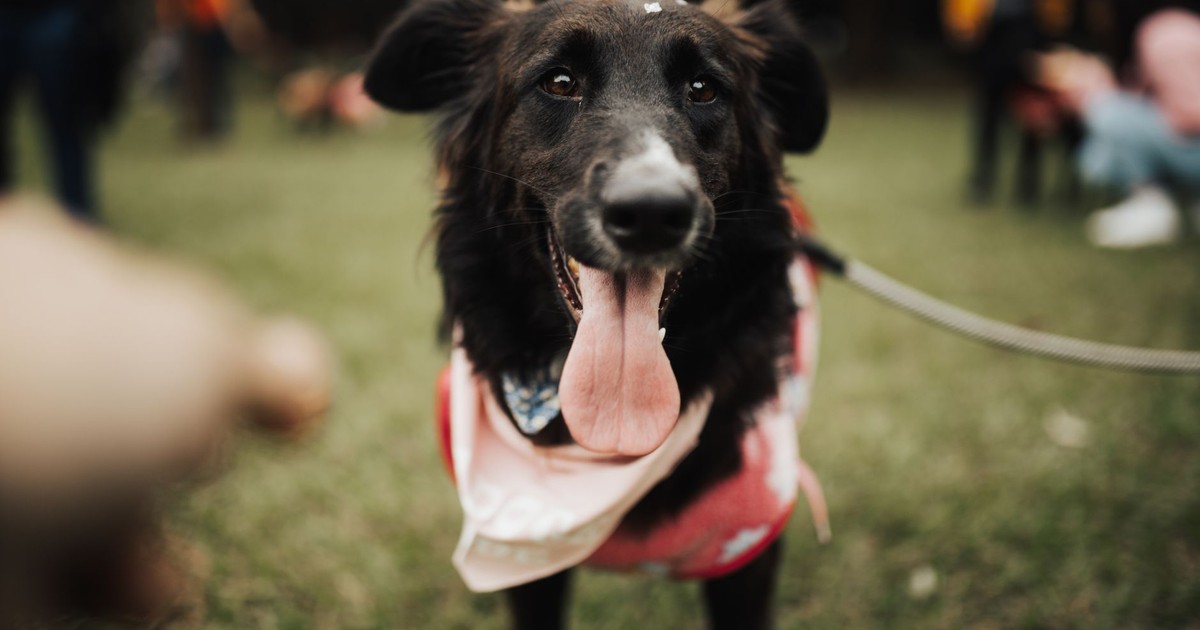
In 2023, 73% of dogs and 64% of cats seen at Banfield Pet Hospital were diagnosed with dental-related issues. Poor oral health can be associated with pain, excessive drooling, bleeding, and reluctance to eat or drink. That is not a fringe statistic. That is most pets. The problem is that dental disease is an inside job – by the time you notice your cat has stopped crunching her kibble or your dog smells like something climbed into his mouth and died, the damage is already well underway.
The goal isn’t a perfect set of sparkling teeth. According to a 2024 Banfield report, it’s interrupting the cycle of plaque hardening into tartar, which then causes gum inflammation, which then pulls back from the root, which eventually means extractions your pet absolutely did not consent to. Daily brushing with a pet-specific toothpaste is the gold standard, but even a few times a week makes a measurable difference. Dental wipes, water additives, and VOHC-approved (Veterinary Oral Health Council) dental chews are legitimate assists when the toothbrush is a non-starter. Annual professional cleanings under anesthesia are not a luxury – they are how you catch what you can’t see at home.
2. Monitoring Your Pet’s Weight With More Than a Glance
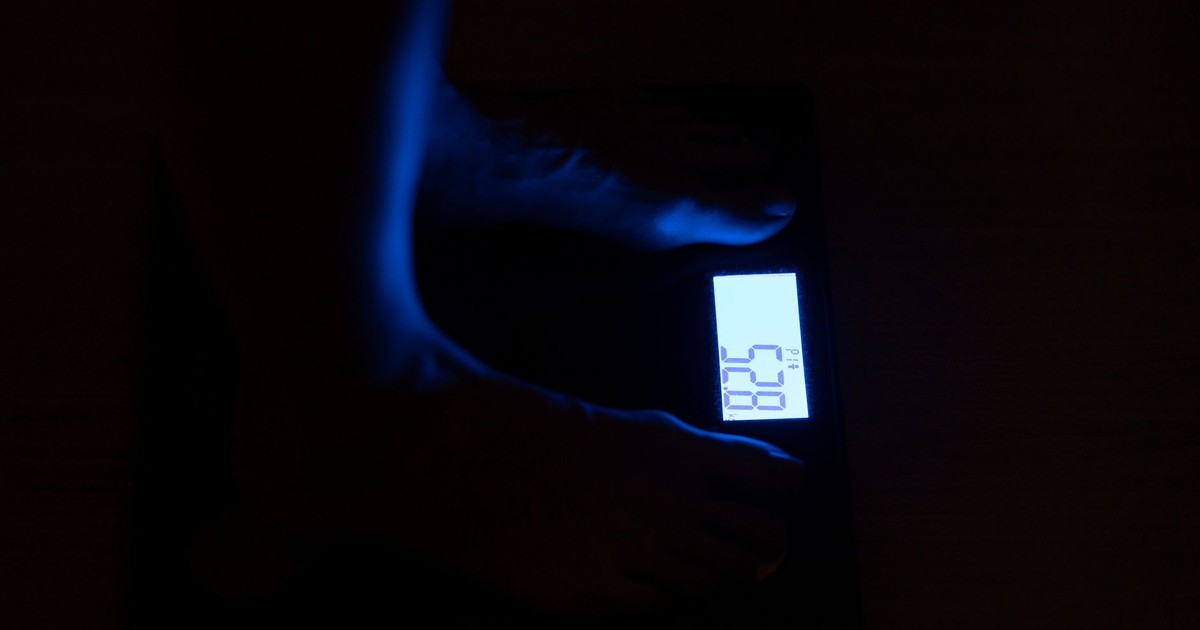
Pet obesity is a common health issue for dogs and cats. About 59% of dogs and 61% of cats evaluated in a 2022 survey were overweight or obese, which makes pets more prone to conditions like arthritis and diabetes. The tricky part is that weight gain in pets happens slowly enough that you stop noticing it. They’re in your living room every day. The change is gradual. The 2022 APOP report found that roughly a third of pet owners considered their pet’s weight normal or ideal before a veterinarian assessed the animal as overweight or obese.
According to the Association for Pet Obesity Prevention, the right tool isn’t a scale alone, it’s a body condition score. Your vet can walk you through this during any visit. The basics: you should be able to feel your pet’s ribs without pressing hard, see a visible waist when looking down at them from above, and see a slight abdominal tuck from the side. If none of that is happening, the “healthy weight” on the food bag may not be the right portion size for your specific animal. Breed, age, spay/neuter status, and activity level all shift the numbers. Ask your vet to walk you through body condition scoring at the next appointment, and then do it yourself at home once a month.
3. Nail Trimming Done on Time, Not When You Remember
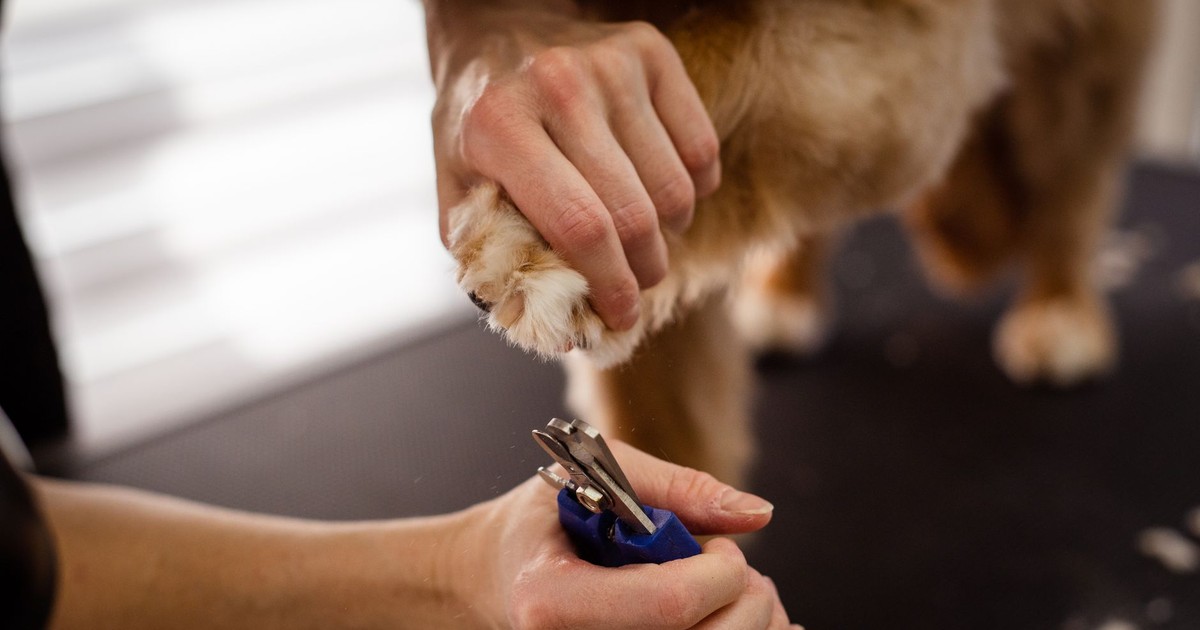
Nails that grow too long don’t just look neglected. They push the toe pads up and outward, which changes the way the foot contacts the ground. In dogs, this can cause a splayed posture that puts stress on joints across months and years. In cats, overgrown nails curve back toward the paw pad and can embed into the skin, which is as painful as it sounds and requires a vet visit to resolve.
Most dogs need their nails trimmed every three to four weeks. Cats can go a little longer, but not indefinitely. The clicking sound on hardwood floors is the obvious signal for dogs, but cats are less conspicuous about it – check their nails monthly by gently pressing the paw to extend the nail and looking at the length and curve. If you’ve never trimmed nails before, have a groomer or vet tech do the first few while you watch. The quick (the blood vessel inside the nail) is the part people fear cutting, and rightfully so, but familiarity with the anatomy makes the whole process far less fraught.
4. Ear Cleaning Before There’s a Problem

Most pet owners clean their pet’s ears after they notice head-shaking, scratching, or a smell. By then, an infection is usually already present. The better move is regular preventive cleaning, especially for dogs with floppy ears, dogs who swim, and cats with narrow or hairy ear canals, since all of these structural factors create the warm, moist conditions that yeast and bacteria prefer.
Your vet can show you the right technique and recommend a veterinary ear-cleaning solution. The approach matters: you’re not poking into the canal, you’re applying solution, massaging the base of the ear for about 30 seconds so it loosens debris, then letting the animal shake it out and wiping what comes to the outer part of the canal. Some dogs need this weekly. Others can go monthly. If you’re seeing dark brown waxy buildup, a foul odor, or your pet is rubbing an ear along the carpet, skip the home cleaning and go straight to the vet – those are signs of infection that need treatment, not just maintenance.
5. Fresh Water, Changed Daily (Not Topped Off)
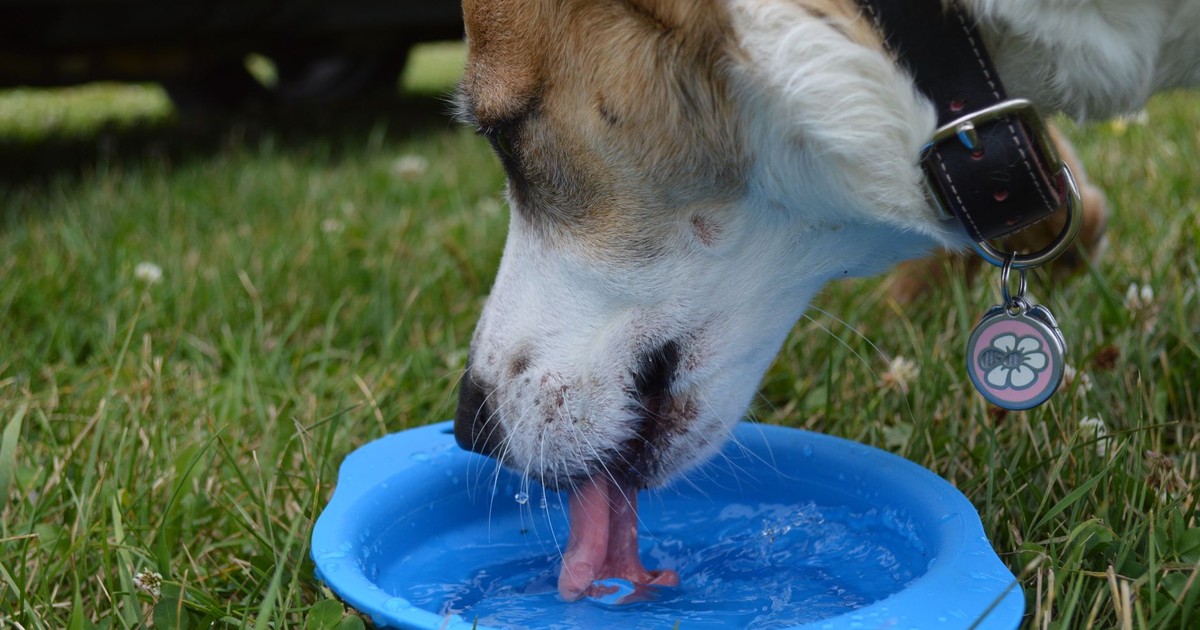
Topping off the water bowl feels sufficient, but the biofilm that forms on the inside of a water dish within 24 to 48 hours is a legitimate concern. It’s a thin layer of bacteria that accumulates even when the water appears clean. Pets often refuse water that smells off to them even if you can’t detect it yourself, and chronic mild dehydration in cats in particular contributes to urinary tract issues and kidney disease.
The standard is simple: wash the bowl with dish soap and rinse it thoroughly every day, then refill with fresh water. Stainless steel and ceramic bowls accumulate biofilm more slowly than plastic and are easier to sanitize. For cats, a pet fountain that circulates and filters water can be a genuine quality-of-life improvement, since many cats are instinctively drawn to moving water and will drink more when it’s available. More water in means better kidney function, fewer crystals, and less chance of a urinary blockage – a very expensive and painful condition that is far easier to prevent than to treat.
6. Addressing Your Pet’s Mental Health

Dogs and cats experience anxiety disorders, depression, obsessive-compulsive tendencies, traumatic stress responses, phobias, and dementia. Ways to protect your pet’s mental health include following a routine and providing an enriching environment by regularly swapping out toys. A pet that paces, chews destructively, vocalizes excessively, or hides for long stretches is not just being “weird.” These are signals that something in their environment or routine isn’t working.
Mental enrichment is not the same as physical exercise. A dog can run for an hour and still be mentally under-stimulated if the run is always the same route at the same pace. Sniffing, problem-solving, novel experiences, and social contact all engage different parts of the brain. For cats, puzzle feeders, window perches with bird feeders outside, and rotating toy selections all address boredom that often expresses itself as aggression, midnight sprinting, or stress-related over-grooming. If your pet’s behavioral changes are sudden, significant, or accompanied by physical symptoms, a vet conversation should be the first stop – sometimes anxiety has a medical component.
7. Routine Blood Work and Wellness Labs
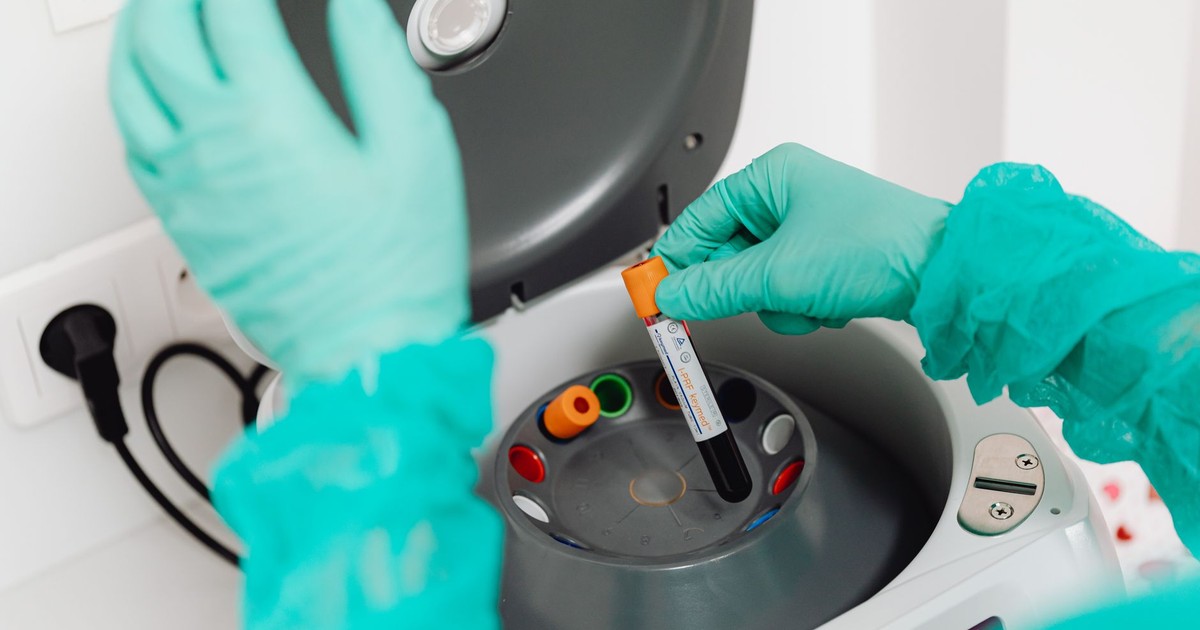
A physical exam tells your vet what they can see and feel. Blood panels tell them what’s happening inside before there are any outward signs at all. Routine wellness labs catch kidney disease, liver disease, thyroid dysfunction, diabetes, and early signs of Cushing’s disease – conditions that, identified early, are manageable, and identified late, are much harder to treat and far more expensive. Pets age faster than people do, and an annual or biannual blood panel for middle-aged and senior animals is genuinely one of the best investments in their long-term health you can make.
For young adult pets in good health, your vet may not push for annual labs, but asking for a baseline panel in their youth gives you something to compare against as they age. An elevated creatinine that’s slightly above “normal” is very different when you know the number was fine two years ago versus when you have no baseline to measure against. The “they seem fine” standard doesn’t work as well in animals as it does in people because they are, as a species, exceptionally good at hiding discomfort until it becomes impossible to hide.
8. Keeping Parasite Prevention Consistent All Year
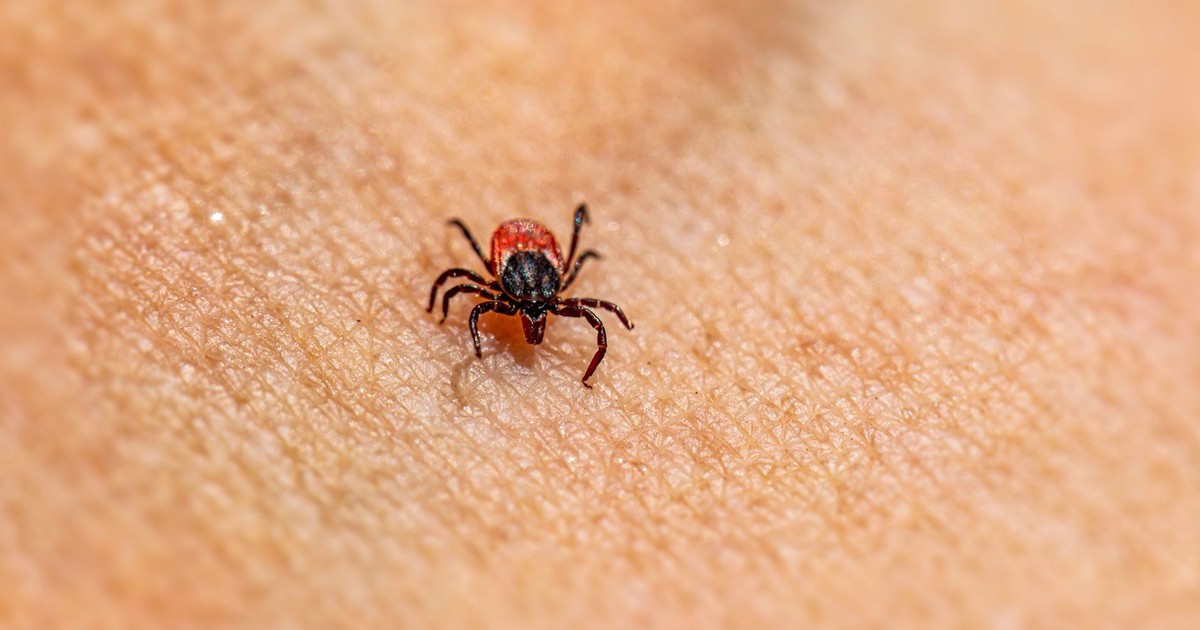
Parasite prevention is one of those things that feels most urgent in spring and summer, and then gets skipped or forgotten once the weather cools. This is a mistake. Fleas don’t disappear in winter in many climates – they move inside. Ticks can be active in temperatures as low as 35 degrees Fahrenheit. Heartworm is transmitted by mosquitoes, which means geographic location matters more than season. And intestinal parasites – roundworms, hookworms, giardia – come from soil, wildlife feces, and shared spaces regardless of the calendar.
Monthly or quarterly preventives (depending on the product your vet recommends) need to be administered consistently, not situationally. This is also where annual fecal exams earn their place: your pet can be harboring intestinal parasites and appear completely healthy, shedding parasite eggs into your yard and, in some cases, presenting a risk to human family members. Children are particularly vulnerable to certain parasites. Year-round prevention is not overcautious – it’s just accurate.
9. Microchipping and Keeping the Registration Updated
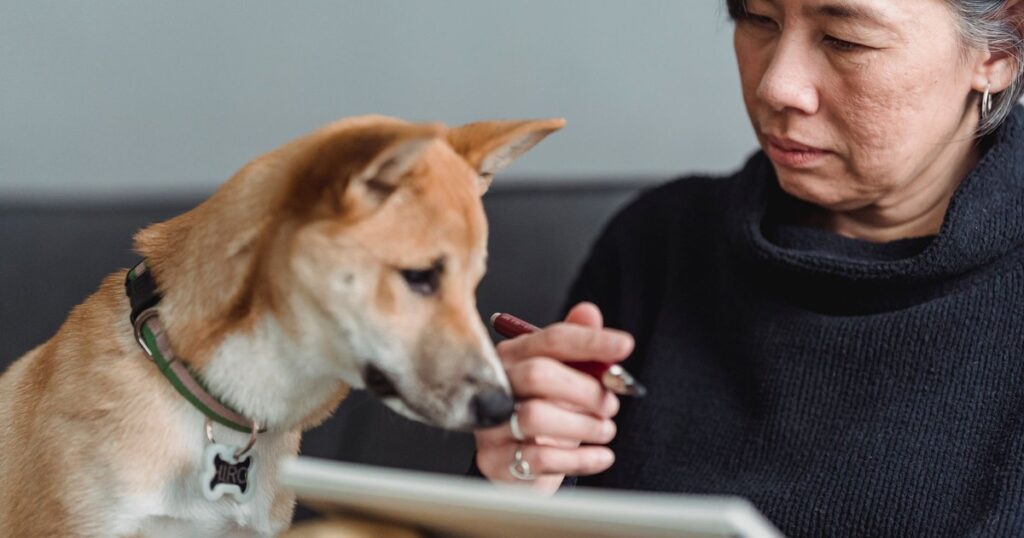
A microchip is the size of a grain of rice and takes about ten seconds to implant. It’s permanent, inexpensive, and the most reliable way to prove an animal is yours if they’re ever lost, stolen, or picked up by a shelter. Collar tags fall off, wear down, and can be removed. A microchip cannot. The chip itself is not a GPS tracker – it requires a scanner to read – but shelters and veterinary offices scan for chips as a matter of standard procedure.
The part that gets skipped is keeping the registration current. A microchip with outdated contact information is significantly less useful. Any time you move, change your phone number, or change vets, update the pet’s microchip registration in the database. This is a two-minute task that most people do once and never think about again. Check it now if you’re not sure when you last updated it. You can look up your pet’s chip number on your vet’s records and verify the contact information through the microchip registry.
10. Paying Attention to Litter Box Habits in Cats
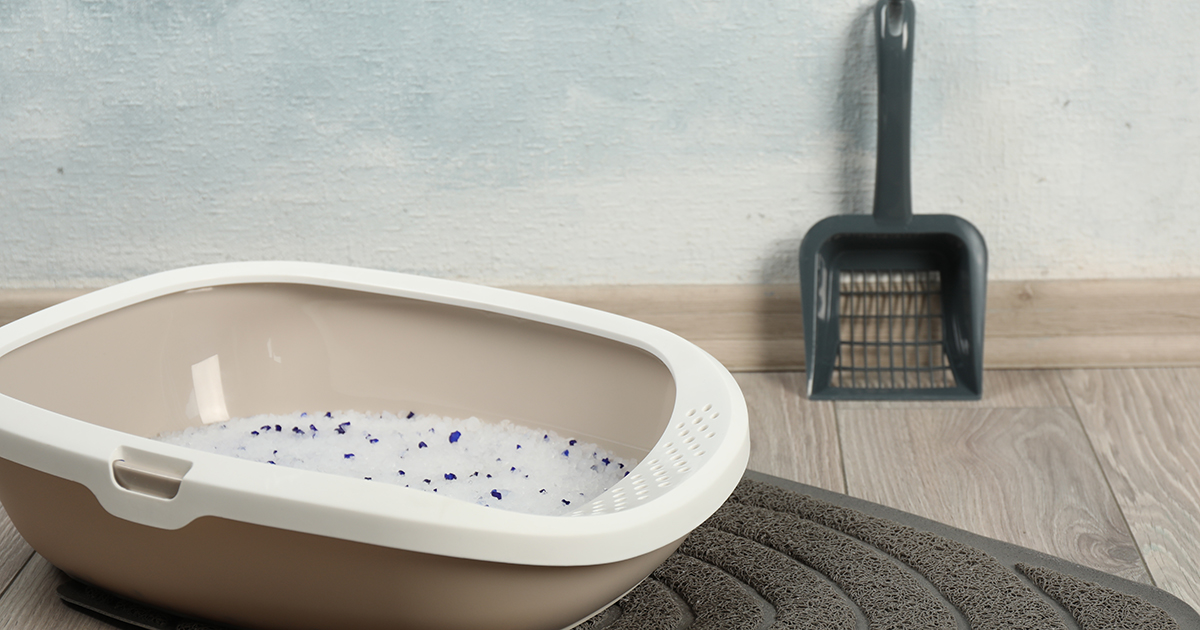
The litter box is a data source. Changes in frequency, volume, consistency, or the cat’s behavior around the box are among the earliest signs of urinary disease, diabetes, kidney problems, inflammatory bowel disease, and anxiety. A cat who starts eliminating outside the box isn’t being vindictive – she’s telling you something. The story is in the details: is she going more often? Straining? Producing very little? Leaving blood? Any of these warrant a vet visit, not a behavioral intervention.
The general rule is one litter box per cat, plus one. A two-cat household needs three boxes, in at least two different locations. Covered boxes trap odor inside, which cats find far more objectionable than the humans who installed the cover to avoid the smell. Unscented litter is almost always preferred. Boxes placed next to loud appliances like washing machines or in high-traffic areas will often be avoided in favor of a quiet corner behind a couch, which is how laundry rooms become the problem they were trying to avoid.
11. Socialization That Doesn’t Stop After Puppyhood

The critical socialization window for puppies is roughly three to 14 weeks, but the idea that socialization ends there is one of the most damaging myths in pet ownership. A dog who was socialized beautifully as a puppy and then spent two years seeing the same people, the same street, and the same dog park can still develop reactivity, fear, and anxiety. Socialization is ongoing exposure to the world in a way that builds confidence, not just a developmental phase you pass through and finish.
This means regular introductions to novel environments, different surfaces underfoot, new sounds, people in hats and sunglasses and with umbrellas, children, older adults, other dogs on neutral territory. The goal isn’t to make your dog love everything – it’s to make them comfortable enough in a wide range of situations that the world doesn’t feel like a threat. For adult cats, this looks like controlled introductions to visitors, carrier training so the carrier isn’t only associated with the vet, and environments with enough variety to prevent a boredom-based stress response. Enrichment for a pet who already feels safe in their environment is a very different project than managing anxiety in one who doesn’t.
12. Adjusting Care as Your Pet Ages

A seven-year-old golden retriever and a two-year-old golden retriever are genuinely different animals in terms of what their bodies need, even if they look roughly the same on the couch. Senior pets often need more frequent vet visits, adjusted nutrition (lower-phosphorus diets for kidney protection, joint-supporting supplements, adjusted caloric needs as metabolism slows), modified exercise, and close monitoring for the behavioral changes that signal cognitive decline.
Canine cognitive dysfunction, sometimes compared to a form of dementia in dogs, is more common than most people realize. Signs include disorientation in familiar spaces, changes in sleep-wake cycles, altered social interaction, and appearing to forget learned behaviors or commands. It’s not just “getting old.” It’s a diagnosable condition with management strategies – including medications and dietary interventions – that improve quality of life significantly when caught early. Cats develop a similar syndrome. If your senior pet is acting different, bring it to your vet’s attention rather than attributing it to age alone.
13. Grooming Between Professional Appointments
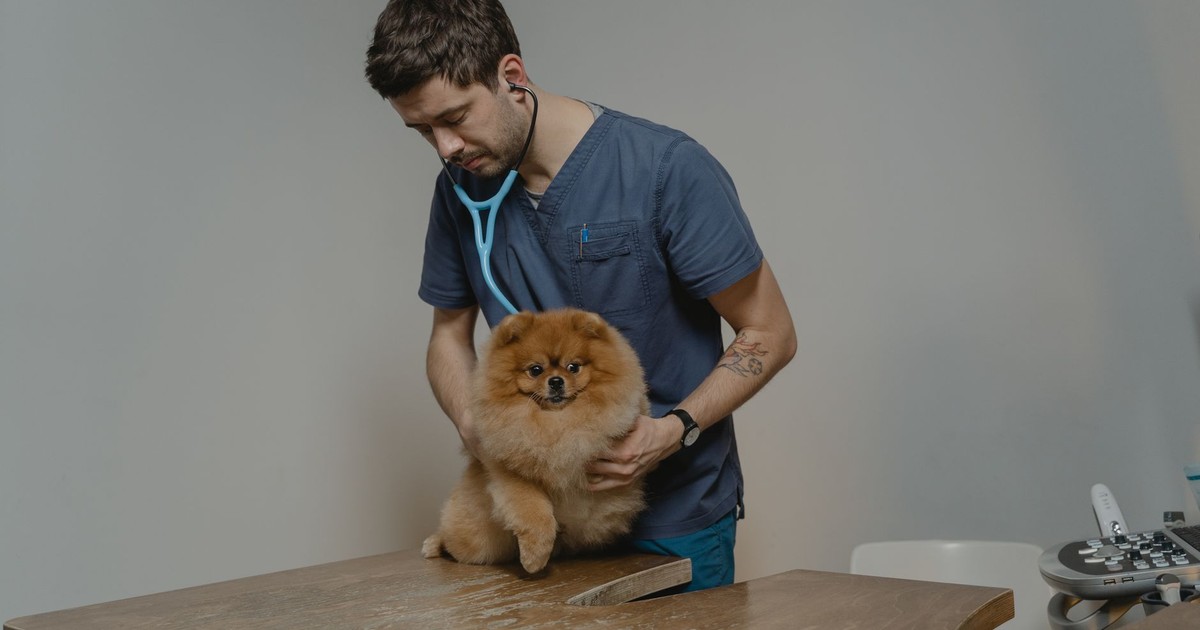
Professional grooming is a visit. Home grooming is a practice, and the gap between those two things matters. Regular brushing removes dead hair and distributes skin oils, which reduces the mat formation that professional groomers charge extra to deal with and that causes significant skin irritation in the areas where mats tighten and pull. For double-coated breeds especially, seasonal shedding creates an undercoat so dense it can trap moisture and cause hot spots – areas of infected, raw skin that develop fast and require veterinary care.
Cats who are elderly, overweight, or arthritic often stop grooming themselves as effectively as they did when younger, leading to mats, debris accumulation, and skin conditions they can no longer address on their own. If your cat’s coat looks different than it did a year ago, that’s a signal worth paying attention to, because self-grooming ability is often a proxy for overall health. Weekly brushing sessions also give you a hands-on assessment of the animal’s body condition, coat quality, and any lumps, bumps, or skin changes that might otherwise go unnoticed for months.
14. Eye Care and Knowing What Normal Looks Like
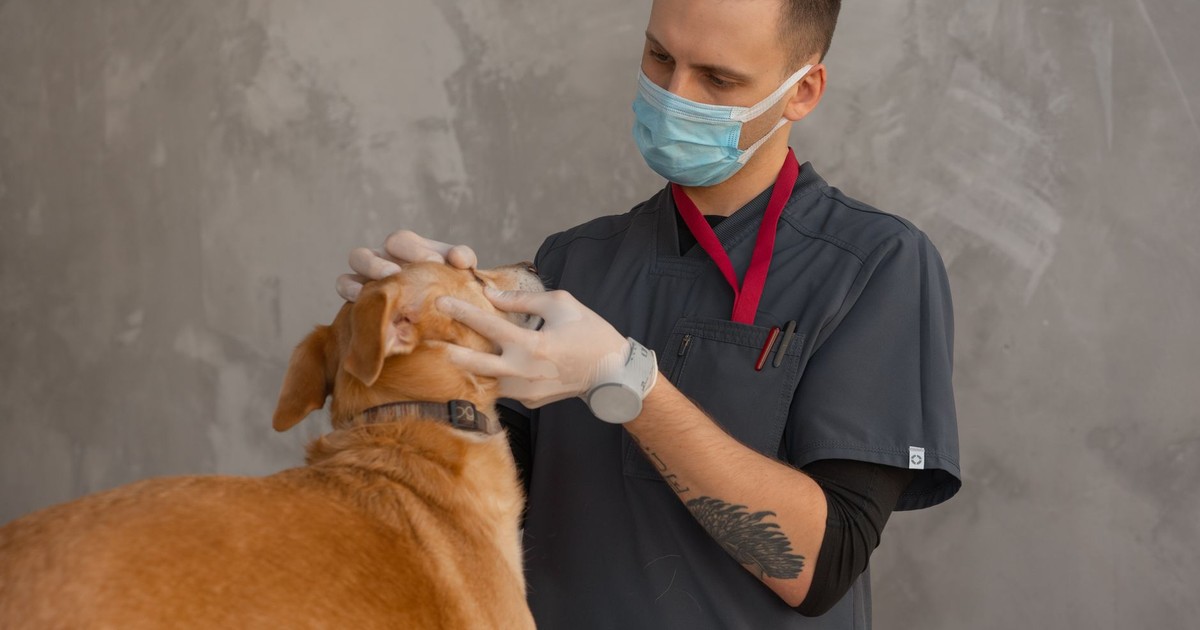
Most pet owners have a low level of familiarity with what their pet’s eyes normally look like, which means subtle changes go undetected. Redness, cloudiness, excessive tearing, discharge, squinting, or the third eyelid (the pinkish membrane sometimes visible in the inner corner of the eye) being consistently visible are all signs that warrant a vet call. Catching eye issues early matters because some conditions – glaucoma, uveitis, corneal ulcers – progress quickly and can result in vision loss if untreated.
For dogs prone to eye irritation (brachycephalic breeds like bulldogs and pugs with prominent eyes, and dogs whose face hair brushes against the eye surface), daily wipe-downs with a clean, damp cloth around the eye area reduce the risk of buildup and infection. Some tear staining is normal, but persistent discharge or staining that’s increased from the baseline suggests a blocked tear duct, allergies, or early infection. Familiarize yourself with your pet’s eye baseline when they’re healthy – it makes it much easier to recognize when something has changed.
15. Pet First Aid Knowledge and a Stocked Kit
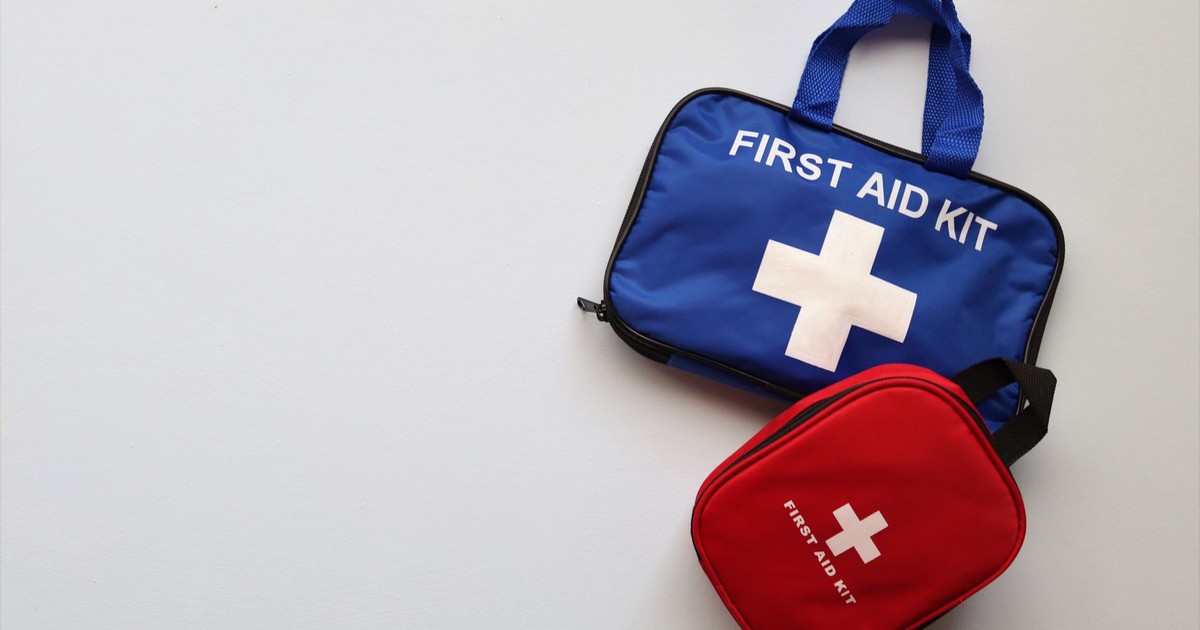
Most pet owners would not know what to do in the first five minutes of a veterinary emergency: a dog who has ingested something toxic, a cat who has been hit by a car, or a pet who is having a seizure. The gap between the moment something happens and the moment professional care is available is exactly when basic first aid knowledge matters most, and most people arrive at that moment with no preparation at all.
A basic pet first aid kit includes gauze pads, self-adhesive bandage wrap, antiseptic solution or wipes, a digital thermometer (normal temperature for dogs and cats is between 101 and 102.5 degrees Fahrenheit), a muzzle (a dog in pain may bite even the people they love), and the ASPCA Animal Poison Control Center number (888-426-4435). Knowing how to perform the Heimlich maneuver for a choking dog, how to safely transport an injured animal without worsening spinal injuries, and how to check pulse and respiratory rate takes one evening to learn and potentially prevents a tragedy. First aid courses designed specifically for pets exist online and through some veterinary clinics – they are worth the two hours.
The List You Didn’t Know You Had
The bar gets set by what’s visible. You feed them because they come to the bowl. You take them to the vet when they’re sick because there’s no way to ignore a sick animal. But the care that actually extends their lives and improves their quality of living exists in the spaces between the obvious moments: the monthly nail check, the water bowl that gets washed instead of topped off, the blood panel that catches kidney disease before your dog shows any sign of it.
None of these 15 things require a dramatic overhaul of your routine. Most require about five minutes once you know they exist. What they collectively require is the willingness to pay close attention to an animal who cannot use words to tell you when something is wrong. You are the only translator your pet has. The more fluent you get in what their body and behavior are communicating, the better equipped you are to catch the things that matter before they become the things you wish you’d caught earlier.