

What you put on your plate says more about you than you might expect. Not in a horoscope way, not in a “wellness quiz” way, but in a genuinely documented, peer-reviewed, psychologists-have-been-studying-this-for-decades way. The foods you gravitate toward, the ones you reflexively reject, the specific combination of toppings you defend with surprising passion at a dinner party – they all tend to track alongside recognizable personality patterns.
This isn’t about nutritional choices or dietary ethics. It’s about something more fundamental: the way your brain processes novelty, risk, and reward, and how those tendencies come out at the table just as clearly as they do anywhere else in your life. A person who orders the same dish every time they visit a restaurant is giving you information. So is the person who orders the most unfamiliar thing on the menu without reading the description first.
Researchers mapping food preferences against the Big Five personality model – the widely used framework covering Openness, Conscientiousness, Extraversion, Agreeableness, and Neuroticism – have found consistent, replicable associations. None of it is deterministic. But the patterns repeat, across cultures and study populations, and some of them are remarkably telling. Here are 12 foods that give more away than people realize.
1. Spicy Food
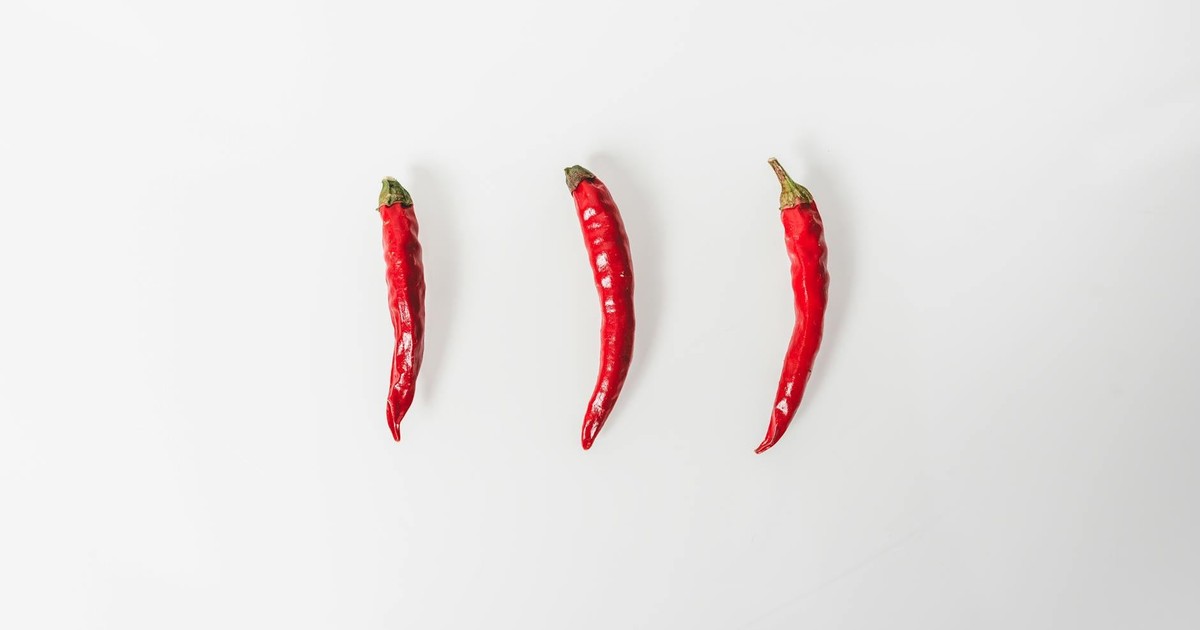
Ask someone how they feel about genuinely hot food – not “a little kick,” but the kind that requires a glass of milk nearby – and you’re essentially running a sensation-seeking personality test. Research has found that sensation seeking and reward sensitivity both correlate with a greater liking for spicy foods and more frequent chili intake. Sensation seeking, for context, is a well-studied personality trait describing people who actively pursue novel, intense, and sometimes risky experiences. The spice lover isn’t just tolerating heat; they’re often drawn to it specifically because of the intensity.
A 2026 review from Oxford’s Department of Experimental Psychology confirms that personality plays a greater role in the liking and consumption of spicy food than it does for most basic tastes, and that genetic, cultural, and personality factors all combine to shape individual spice preference. The review also notes that cross-cultural tolerance for pungency varies by country and is shaped by personality traits, and that recent social media trends – the viral hot-pepper challenge genre – have pulled in people specifically high in sensation-seeking tendencies. That’s basically sensation-seeking made visible on a mass scale.
The person who can’t eat a meal without reaching for the hot sauce is likely the same person who books trips without a detailed itinerary, changes career direction before it feels safe to, and finds predictability genuinely boring rather than comforting.
2. Dark Chocolate

The dark-versus-milk-chocolate divide turns out to be more revealing than a simple taste preference. Bitter tolerance – the willingness to eat dark chocolate, drink black coffee, or enjoy bitter greens – appears more often in people with higher sensation-seeking scores and, in some research, higher subclinical psychopathy scores. That second part sounds alarming but is worth reading carefully: subclinical means well below any clinical threshold, and the association is a tendency, not a verdict. What it points to is a personality comfortable with intensity, ambiguity, and things that don’t offer an immediate reward.
A 2025 systematic review that analyzed 30 years of research on taste and personality found that a preference for bitter and sour tastes is associated with antisocial personality traits, including Machiavellianism. Machiavellianism here describes a strategic, somewhat detached approach to social interactions – not villainy, but a tendency to be analytical, pragmatic, and less swayed by sentiment. That same review found the opposite is also true: a preference for sweetness is linked to neuroticism and agreeableness, which means the milk chocolate crowd skews more emotionally reactive, more relationship-oriented, and more likely to be the person who remembers everyone’s birthday.
In everyday life, people who insist on 85% cacao and find milk chocolate cloying are often someone who values precision, dislikes sentimentality, and holds strong opinions under pressure. Neither a flaw nor a virtue, but a consistent profile.
3. Comfort Food
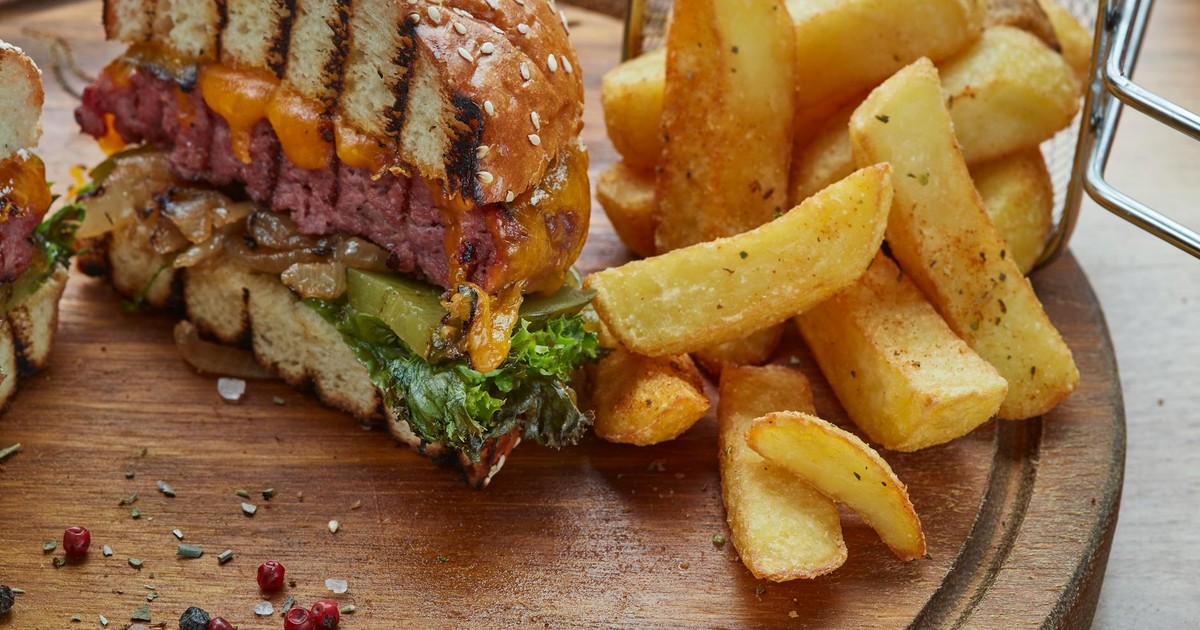
Comfort food is by definition food that makes you feel emotionally safe. The specific food varies by person and upbringing – mac and cheese, mashed potatoes, congee, a specific brand of biscuit – but the psychological function is consistent. Comfort food lovers tend to show traits aligned with stability and routine, and may prioritize nostalgia in their meals, pointing toward a personality characterized by a preference for security and familiarity.
This preference isn’t some kind of red flag. People who reliably return to familiar foods often score higher in conscientiousness, the Big Five trait associated with planning, self-discipline, and follow-through. Higher scores on a “traditional diet” have been related to lower levels of openness, while higher scores on health-aware diets correlate with higher conscientiousness. The person who eats the same weeknight dinners on rotation isn’t lacking imagination. They may simply have directed their energy elsewhere and have a very functional relationship with routine.
The comfort food question also tells you something about emotional regulation. People who reach for specific foods during stress are using food as an affect-management tool, which isn’t inherently problematic but does suggest a personality that processes difficult emotions through physical sensation and familiar ritual rather than through conversation or deliberate reframing.
4. Pineapple on Pizza
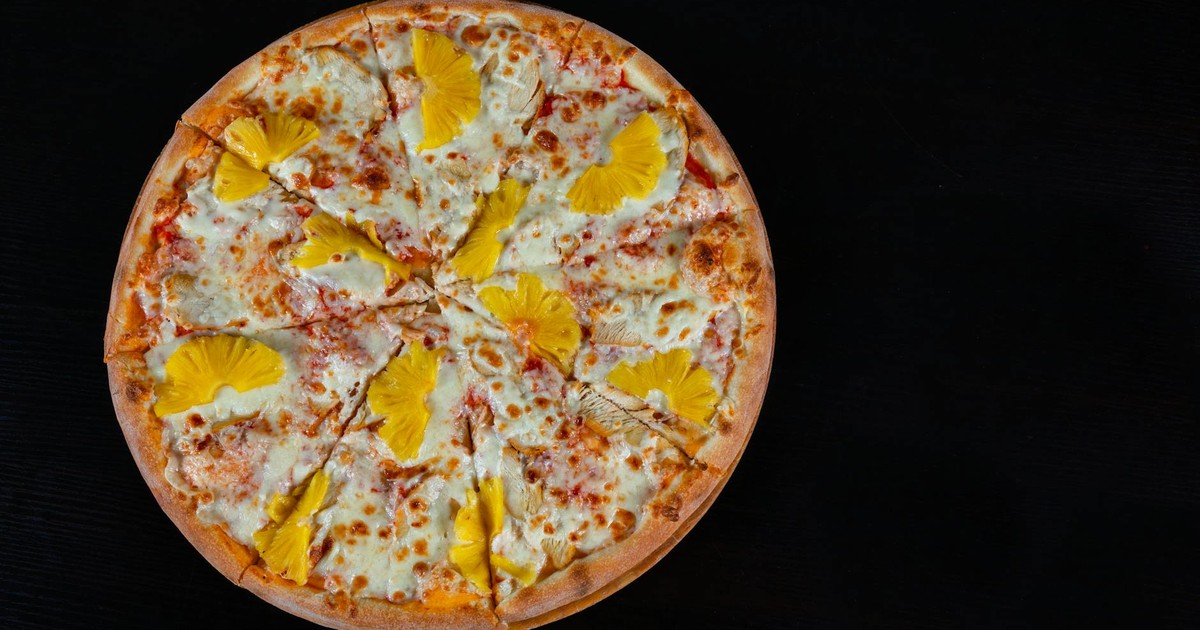
Few food preferences have generated the cultural heat of pineapple on pizza. The psychology behind the debate is fairly straightforward. People who genuinely like it tend to score higher on openness to experience. Adventurous eaters – formally called food neophiles – reliably score higher on openness to experience than cautious eaters do. The connection makes psychological sense: openness is fundamentally about a person’s appetite for novelty, ambiguity, and complexity, and food is one of the most immediate daily arenas where that appetite either gets expressed or suppressed.
Pineapple on pizza is the food world’s most culturally loaded test of whether you’re comfortable with things that violate a rule (sweet doesn’t belong with savory) without any compelling reason for that rule to exist. People who enjoy it tend to be genuinely unbothered by convention and are often skeptical of social norms that exist purely for their own sake. They’ll paint their house a strange color, combine a blazer with athletic wear, and feel no particular need to justify either decision.
The people most vehemently opposed, meanwhile, are often higher in conscientiousness and somewhat lower in openness. Not rigid exactly, but invested in categories staying where they belong. Which is, as personality configurations go, extremely useful in most areas of life. Just not at pizza night.
5. Sushi and Raw Fish
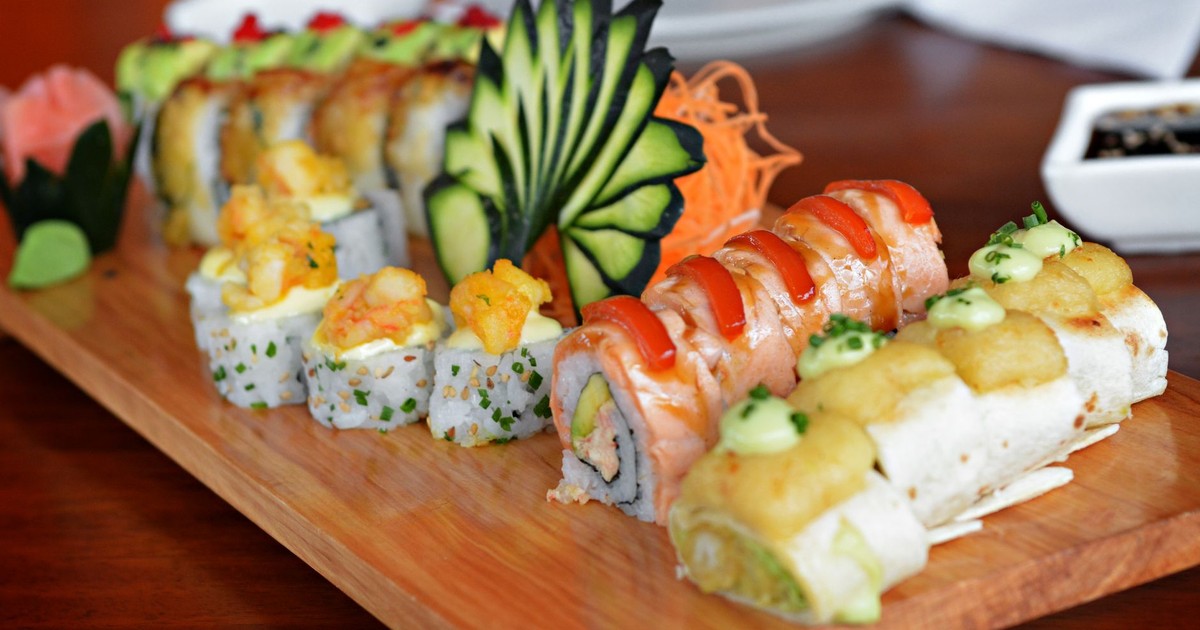
A willingness to eat raw fish is almost definitionally an openness-to-experience signal. Sushi specifically sits at the intersection of food neophilia (trying new foods), sensory novelty (unfamiliar textures and temperatures), and a tolerance for something that requires trust in the preparation. Research from Oxford University has found that personality traits are linked to olfactory sensory thresholds and flavor identification abilities, and that much of the work in this area has focused on Sensation Seeking and Openness to Novel Experiences – the latter linked to a preference for spicy, and possibly crunchy, sour, and bitter foods and drinks. Regular sushi eaters are pulling from that same personality profile.
Beyond openness, sushi regulars also tend to arrive with higher levels of cultural curiosity and a comfort with uncertainty. The willingness to sit at an omakase counter and eat whatever the chef presents is not just a food choice. It’s a fairly coherent statement about how someone approaches the unknown: with interest rather than dread.
Someone who eats sushi regularly is also statistically likely to be an adventurous traveler, to try new music, and to update their beliefs when new information arrives. Food neophilia and intellectual neophilia tend to travel together more than people expect. These food habits and personality connections extend well beyond what ends up on a plate, which is part of what makes them worth paying attention to.
6. Meat (High Consumption)
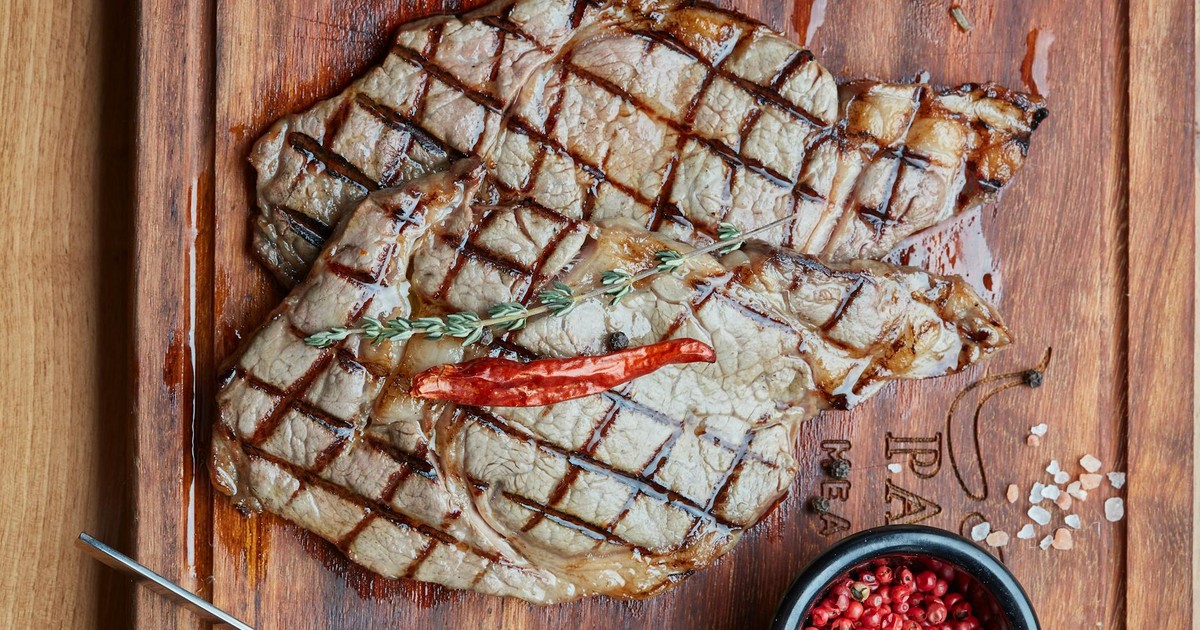
Meat-eating patterns map onto personality in ways that sometimes surprise people. Agreeableness captures how a person interacts with others and their general attitude toward people. Individuals high on this trait are open to others, altruistic, trusting, and compassionate – and this trait has been consistently linked to low meat consumption. High-agreeableness people tend to consider impact on others, including animals, and adjust their behavior accordingly.
On the other side, research published in PMC found that extraversion showed a positive correlation with preference for fast foods, ice cream, chocolate, and cocoa, while agreeableness correlated with soft drinks and sweetened fruit juices and conscientiousness with vegetables, dairy, and nuts. Heavy meat consumers specifically often score higher on dominance and lower on agreeableness, though this interaction is mediated by culture, upbringing, and economic access in ways that make simple characterizations unreliable.
Still, when you sit down to eat with someone and they order the largest, most protein-forward item on the menu with zero deliberation, you’re often looking at a person who trusts their instincts, doesn’t apologize for their appetites, and may find extensive dietary reasoning exhausting. Neither a character flaw nor a virtue, but recognizable.
7. Sweets and Sugary Food

A greater preference for sweet tastes has been found in individuals with stronger prosocial personality traits – agreeableness and neuroticism, specifically. Agreeableness makes intuitive sense: sweet is the taste most universally associated with warmth, comfort, and positive social connection. Call someone a “sweetheart” and you’re drawing on centuries of embedded cultural meaning. In everyday life, people often associate taste with personality, referring to a kind and friendly individual as a “sweetheart” in Western culture – and the research suggests that association isn’t just poetic.
The neuroticism connection is subtler. Neuroticism describes emotional reactivity – a tendency to feel anxiety, stress, and negative emotions more intensely than average. People higher in neuroticism often use sweet foods as a short-term mood-regulation strategy: highly disinhibited groups show a greater preference for sweet foods, especially sweet chocolate. It’s not weakness; it’s the brain seeking quick dopamine hits during periods of elevated stress. The problem is that it works in the short term, which makes it very sticky as a habit.
The person with a serious sweet tooth who also describes themselves as a worrier, who keeps chocolate somewhere accessible at all times, and who describes dessert as “necessary” rather than optional, is describing a very coherent neurochemical and psychological profile.
8. Coffee (Black, No Sugar)

Black coffee is a personality signal that comes up repeatedly in the research on bitter taste tolerance. The person who drinks it without sweetener or cream tends to score differently from the person who orders a heavily modified coffee drink. Coffee choices track measurably with introversion, conscientiousness, and sensation-seeking in ways that feel almost absurdly specific.
Black coffee drinkers tend to skew introverted, enjoy solitary focus, and are often described by others as people who “need their coffee before talking in the morning.” That’s essentially a description of someone with strong arousal regulation preferences who doesn’t apologize for them. They also tend to score higher in conscientiousness: the early risers, the ones who keep their calendar organized and meet their deadlines without drama.
The bitter-tolerance piece also applies here. Someone who genuinely enjoys the taste of black coffee, without finding it unpleasant, is neurologically processing a sensation that most people find aversive, and finding it rewarding instead. That’s a specific sensory-personality configuration that also tends to appear in people who enjoy intellectual difficulty, complex problem-solving, and work that other people find tedious.
9. Salad as a Regular Meal Choice

Choosing a salad as a genuine meal – not because it’s the lightest option in a calorie-conscious moment but because it’s actually what you wanted – correlates fairly reliably with conscientiousness. Individuals high in conscientiousness are more likely to maintain healthy eating habits over time, which shows up in better overall health outcomes and lower rates of obesity. Conscientiousness is the personality trait most consistently linked to long-term health behavior across study populations.
The salad-as-meal person tends to be highly organized, forward-thinking, and motivated by long-term outcomes over short-term pleasure. They meal-prep. They read labels. They are not particularly susceptible to impulse purchases and will likely have a pension sorted out before most of their peer group.
The flip side is that extremely rigid healthy eating – the person who becomes visibly stressed when the restaurant doesn’t have the right option – often correlates with higher neuroticism and anxiety rather than high conscientiousness alone. Conscientiousness in balance looks like a person who prefers healthy food and also orders dessert on vacation without a second thought.
10. Instant Noodles and Ultra-Processed Convenience Food
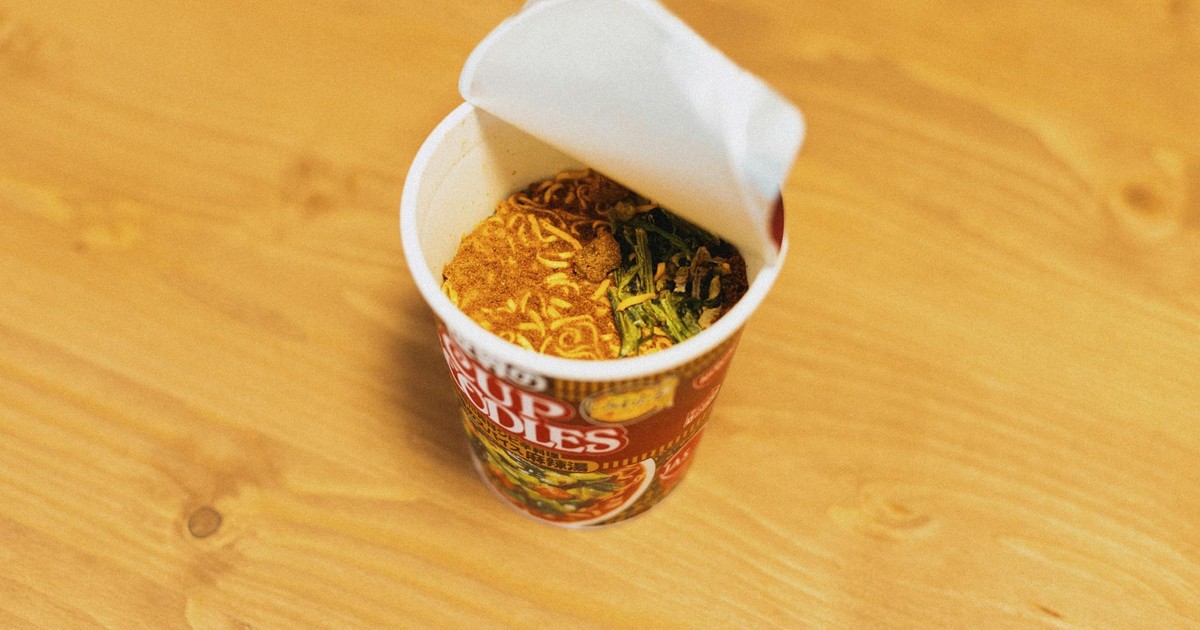
This one is less about the food itself and more about what choosing it regularly says about someone’s relationship with stress and self-care. Anxious individuals tend to eat from a much narrower range of foods, partly because anxiety activates a threat-detection system that applies to sensory novelty just as much as social situations. When someone is overwhelmed, familiar, frictionless food becomes the default – not because they lack taste or knowledge, but because the mental load of decision-making is already maxed out.
Regular reliance on ultra-processed convenience food also tends to appear in people with high neuroticism combined with lower conscientiousness. That’s essentially the profile of someone who knows what they should do, feels stressed about not doing it, and finds that the stress itself makes the healthier choice even harder to access. A self-reinforcing loop rather than a character flaw.
The more accurate read is that this food pattern is usually a symptom of a life that has more demands on it than bandwidth available. The person surviving on instant noodles at 11pm isn’t choosing that over something more nutritious because they don’t care. They’re choosing it because it’s the only decision left that feels manageable.
11. Fermented and Acquired-Taste Foods
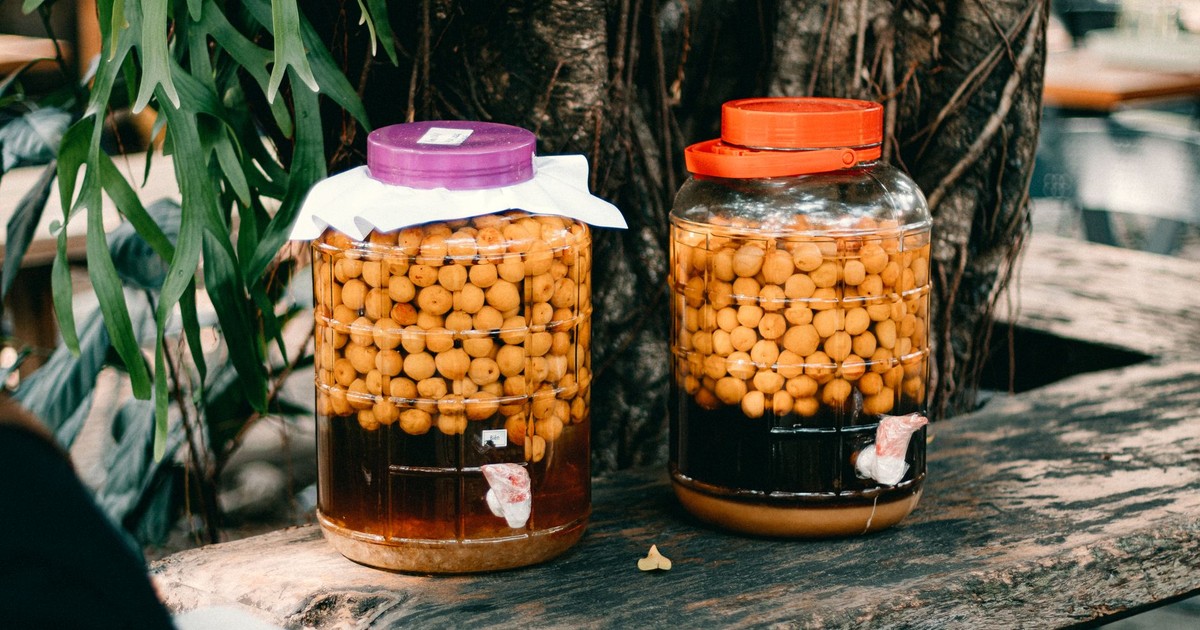
Kimchi, blue cheese, natto, marmite, very funky aged cheeses, raw oysters: foods that require your palate to develop a tolerance are a reliable marker of openness and the specific personality trait researchers call food neophilia. A person’s openness to new experiences has been linked to a preference for spicy and salty food, and possibly crunchy, sour, and bitter foods and drinks – and fermented foods hit several of those categories at once.
What makes fermented and acquired-taste foods particularly interesting as a personality signal is that they require repeated exposure before they become enjoyable. Nobody liked blue cheese the first time. The people who returned to it, kept trying it in different forms, and eventually developed a genuine preference are people who are comfortable with discomfort as a path to reward. That’s a specific cognitive orientation: delayed gratification paired with curiosity.
These are often people who describe themselves as someone who “always comes around” to things they initially rejected – whether that’s a film, a place, a genre of music, or a difficult conversation they weren’t ready for the first time. The palate and the broader orientation toward experience tend to move together.
12. Plain or “Boring” Food
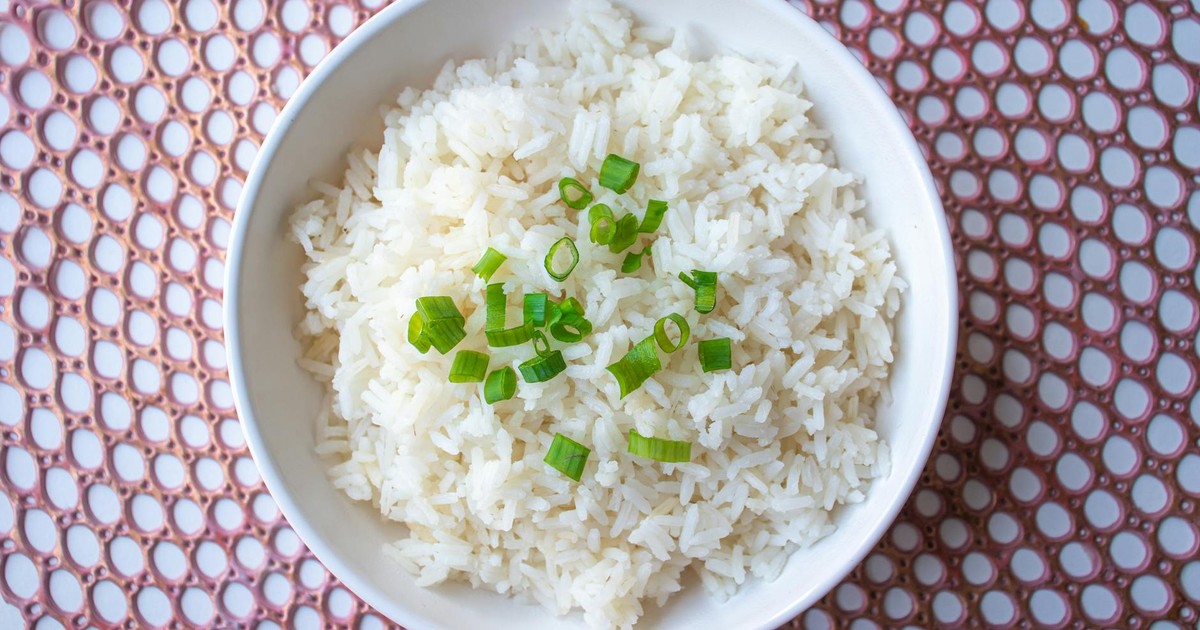
The person who orders plain grilled chicken, plain pasta with butter, or always finds the least-adorned option on a complex menu is often mislabeled as unadventurous. The psychological picture is more specific than that. Higher scores on a traditional diet have been related to lower levels of openness, but lower openness doesn’t mean low intelligence or low capacity for enjoyment. It means a consistent preference for the familiar, the predictable, and the reliable.
People who eat simply often score high in conscientiousness and have very strong, stable preferences across every area of their lives. They know what they like, they don’t need novelty for its own sake, and they find the idea of ordering something unfamiliar and potentially disappointing at a good restaurant genuinely unappealing. The logic is sound: why gamble on an unfamiliar dish when the known option is reliably good?
There’s also a sensory sensitivity dimension here. Anxious individuals tend to eat from a narrower range of foods, and for some plain-food eaters, the simplicity of their diet reflects a lower tolerance for strong or competing flavors rather than a lack of curiosity. Mixed textures, intense sauces, and complex spice combinations can be genuinely overwhelming for people with higher sensory sensitivity. What reads as “boring” to someone else is, for them, the correct amount of input.
What the Research Actually Tells Us

Here’s the thing worth sitting with: none of this is a neat system. The research on food personality traits is real and replicable, but it deals in tendencies, not predictions. Knowing someone loves spicy food tells you something about their sensation-seeking score. It doesn’t tell you how they’ll behave in a relationship, how reliable they are at work, or whether they’ll remember your birthday. Personality is a probability, not a blueprint.
What the research does offer is a genuinely useful lens for understanding why food preferences tend to feel like more than preferences. The reason the pineapple-on-pizza debate generates such intense emotion isn’t really about pizza. It’s about the collision of two different orientations to novelty and convention – two people who organize their relationship to the world differently, arguing about what topping belongs on a disc of bread and cheese. Food is where personality becomes tangible. You can see it, smell it, and argue about it across a table.
So the next time someone at dinner makes a face at your order, or defends a food choice with unusual passion, they’re probably not just talking about what’s on the plate. They’re giving you a fairly accurate summary of themselves. And if you want to understand someone quickly, you could do a lot worse than asking them how they feel about blue cheese.
Disclaimer: This article was created with AI assistance and edited by a human for accuracy and clarity.