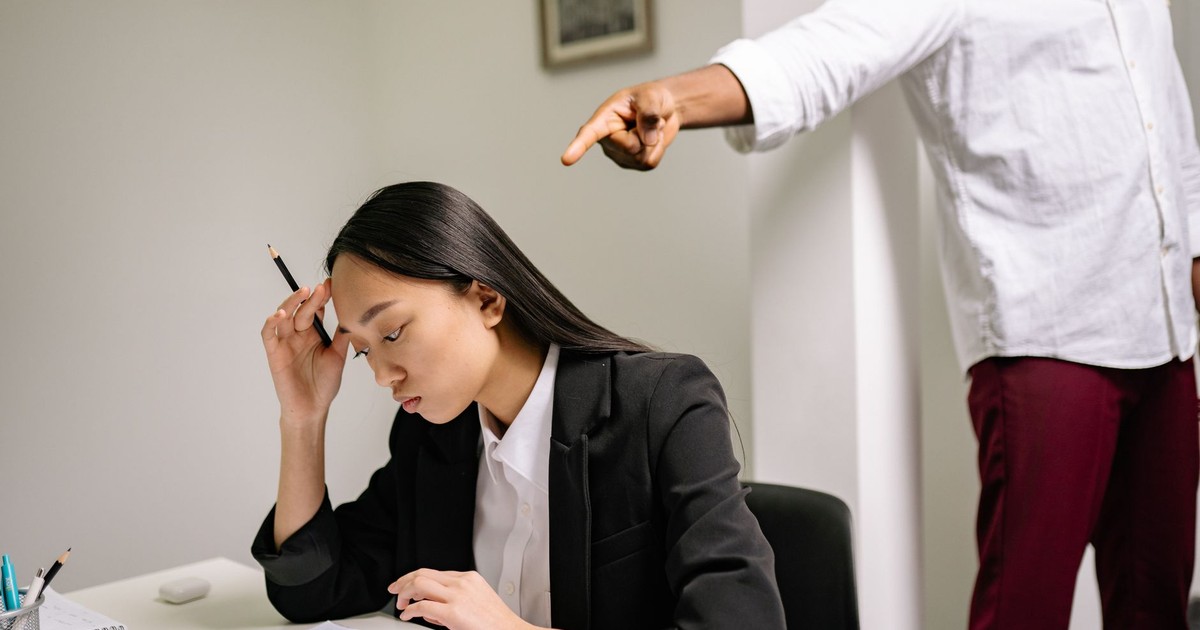

Somebody was rude to you in the parking lot this morning. Your coworker sent a reply that had no business being that sharp. The school pickup line produced three separate instances of cutting and zero apologies. You’re not imagining it, and you’re not being oversensitive. Something has shifted in the way people are treating each other, and the question of why people are mean has become a lot less rhetorical than it used to be.
Mean behavior is almost never about the person on the receiving end of it, even when it feels impossibly personal. It comes from somewhere, and understanding where doesn’t mean excusing it. It means you get to stop blaming yourself and start seeing it for what it actually is: a window into someone else’s unfinished business, most of which predates you by decades.
Here are nine real reasons the people around you have gone from occasionally difficult to seemingly unbearable, and why the trend is not entirely in your imagination.
1. Chronic Stress Has Reached a Breaking Point
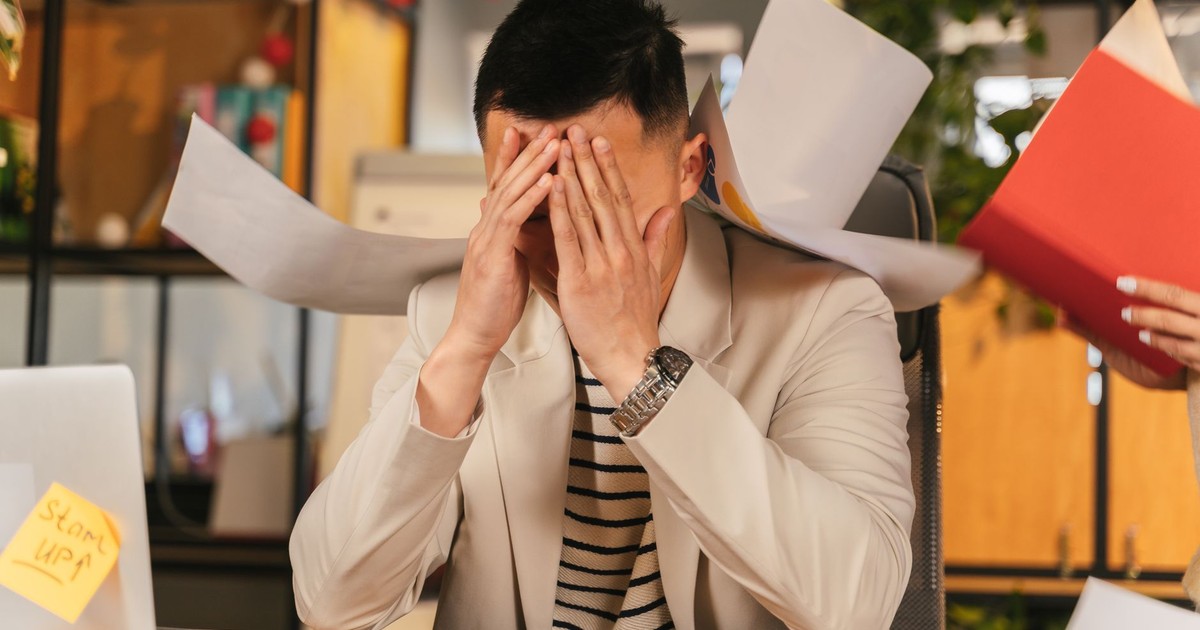
The human brain under sustained stress is not a generous, patient, or particularly civil organ. When the stress response kicks in, the body redirects resources toward survival and away from the higher-order thinking that governs empathy, impulse control, and social consideration. A person running on cortisol is not running on kindness. They are running on threat-detection, and right now, a lot of people’s threat-detection systems are permanently stuck in the on position.
Financial pressure, housing costs, job insecurity, parenting demands, caregiving responsibilities, a news cycle that never stops being alarming – most people are carrying a daily load that would have seemed extraordinary by any standard. When people are ground down by stress, their capacity for tolerance narrows. The patience they might have had for a slow cashier, an abrupt email, or a minor inconvenience gets used up before noon. What spills out in its place is short, snapping, and often disproportionate to the actual offense.
This does not make it acceptable. It just makes it explainable. The person who snapped at you probably snapped at three other people before lunch and will not be able to tell you exactly why.
2. The Pandemic Disrupted Social Norms We Hadn’t Realized Were Fragile
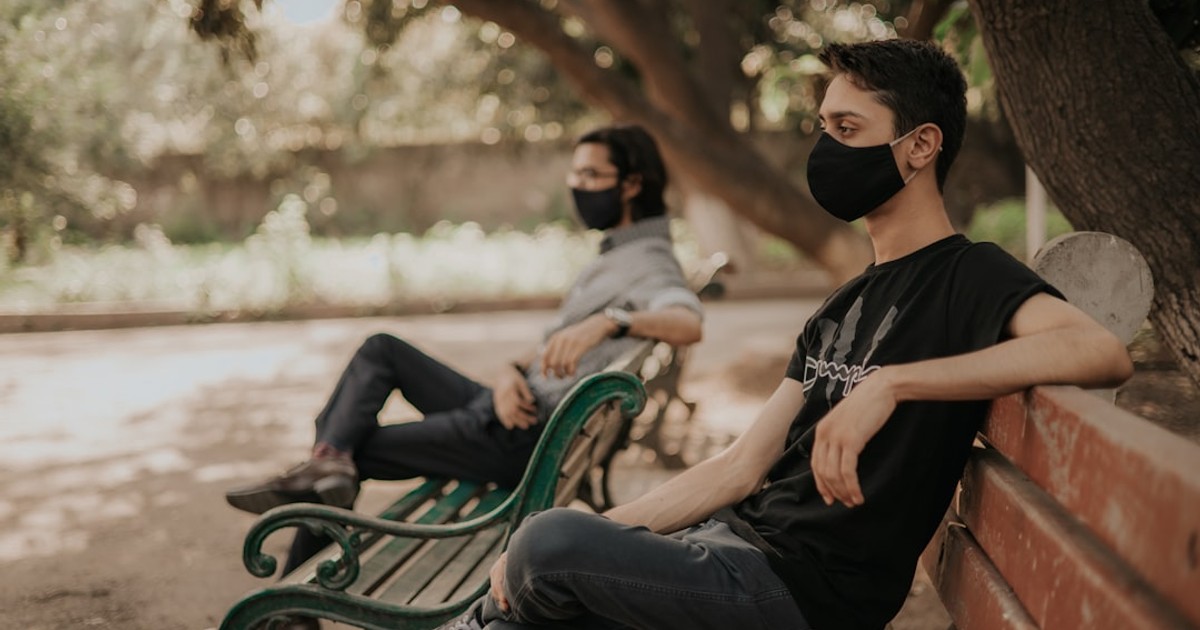
Social behavior is not instinct. It is practiced. The habits of waiting your turn, making eye contact, navigating shared space with reasonable consideration for others – these are skills, not instincts, and like any skill, they degrade without use. Two-plus years of reduced social contact, masked faces, remote everything, and enforced distance did something to the collective calibration of how people treat each other in public.
A 2025 Pew Research Center survey found that nearly half of U.S. adults (47%) say the way people behave in public is ruder than before COVID-19, including 20% who say behavior today is “a lot” ruder. That number tracks with what most people are experiencing intuitively – not just crankiness, but a baseline shift in what people feel entitled to do and say in shared spaces.
Looking back, nearly three-quarters of U.S. adults (72%) say the pandemic did more to drive the country apart than to bring it together. When you couple social disconnection with disrupted norms, the result is a population that is both more isolated and less practiced at the small rituals of getting along. Nobody’s picking up where they left off. They’re picking up from somewhere worse.
3. Loneliness Makes People Hostile
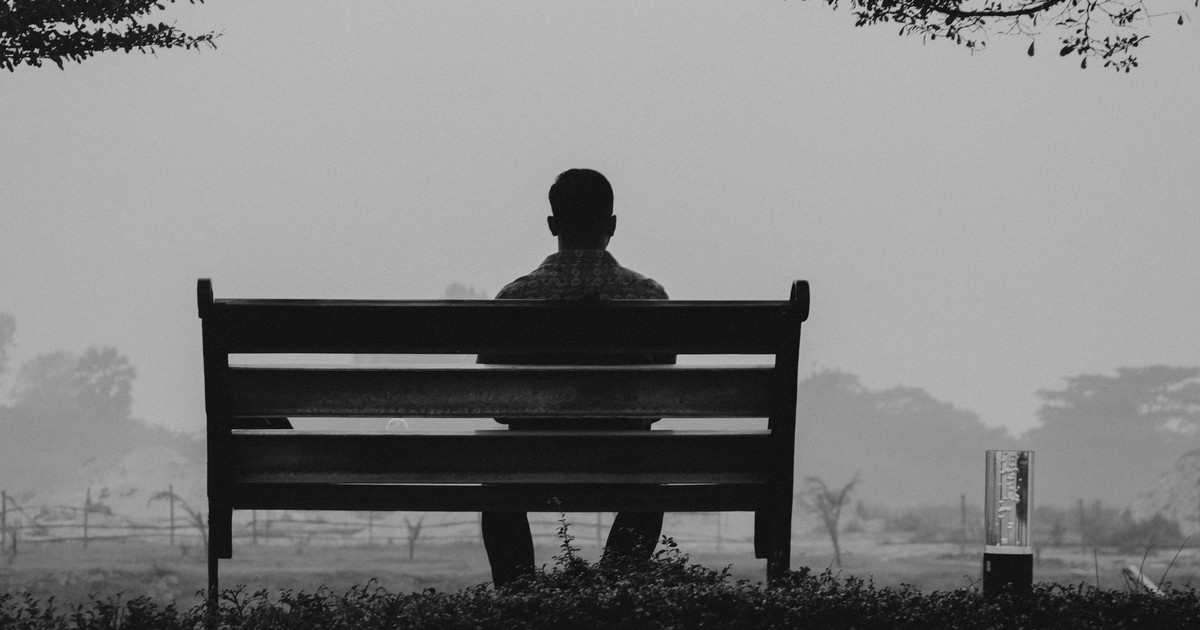
Lonely people are not, as a cultural stereotype would have it, quiet and withdrawn. They are often anxious, hypervigilant, and quicker to perceive threat in neutral interactions. When someone feels chronically unseen and disconnected, the emotional nervous system starts misreading signals. A flat tone becomes a slight. An unanswered message becomes rejection. An ordinary social exchange becomes an opportunity to pre-empt the hurt they are already braced for.
17% of Americans report having no close friends — a category that excludes close relatives — according to the Survey Center on American Life’s 2024 American Social Capital Survey, up from 12% in 2021. In 1990, only 3% said the same, according to Gallup data cited by the Survey Center on American Life. That shift represents a generational collapse in social connection, and it has consequences that go well beyond sadness. Isolated people are more likely to struggle with anxiety, irritability, and the kind of defensive sharpness that reads as hostility even when it is, at its root, fear.
About 16% of adults, including around one-quarter of adults under 30, report feeling lonely or isolated all or most of the time, according to a 2024 Pew Research Center survey. That’s a large number of people moving through their daily lives feeling fundamentally cut off. Some of them are going to take that out on the people closest to them, or the people unlucky enough to cross their path on a bad day.
4. Low Self-Esteem Projects Outward
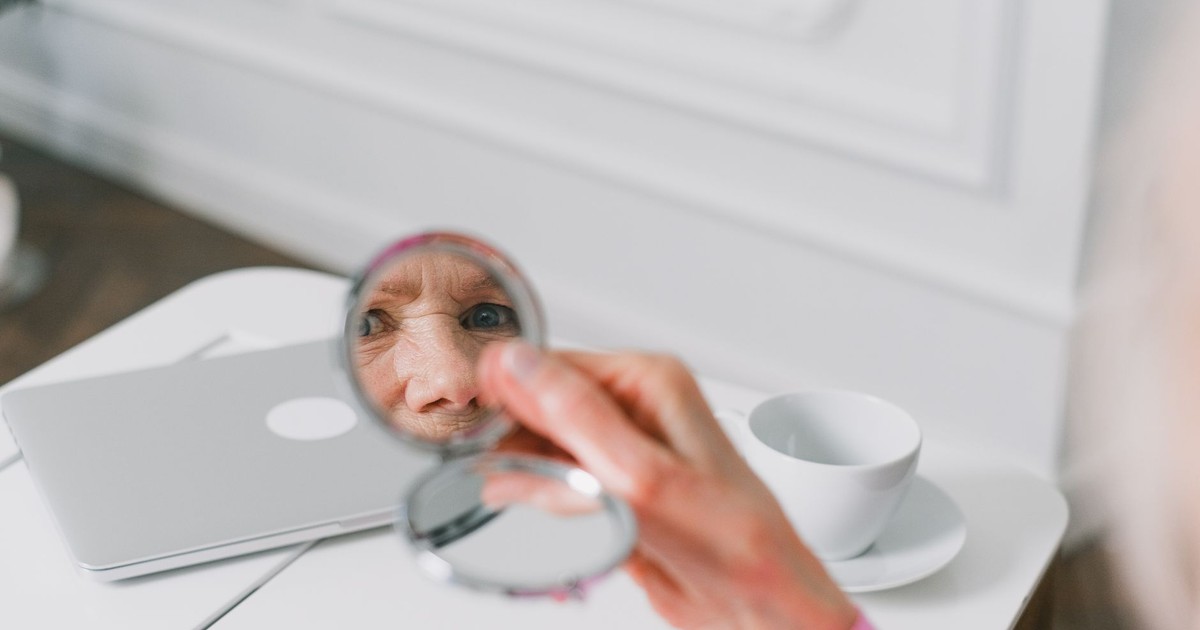
Someone who feels deeply inadequate will frequently cope by cutting others down. If they can find fault with you, they are, temporarily, not the one falling short. If they can dismiss your accomplishment, they don’t have to sit with their own stagnation. Meanness used this way functions as a pressure release valve for feelings the person cannot otherwise manage.
People often project their insecurities outward as meanness. It serves as a shield, deflecting others from truly knowing them or seeing what they feel are inadequacies – and it helps them stay emotionally safe. The operational logic: if I attack first, you can’t see how scared I am.
This is the person who makes pointed comments about your choices, your appearance, your parenting, or your career – not because any of those things are genuinely problematic, but because the comparison makes them feel better for approximately forty-five minutes. It is exhausting to be on the receiving end of. It is also, once you see it for what it is, considerably less personal than it feels.
5. Unresolved Childhood Trauma Doesn’t Stay Quiet
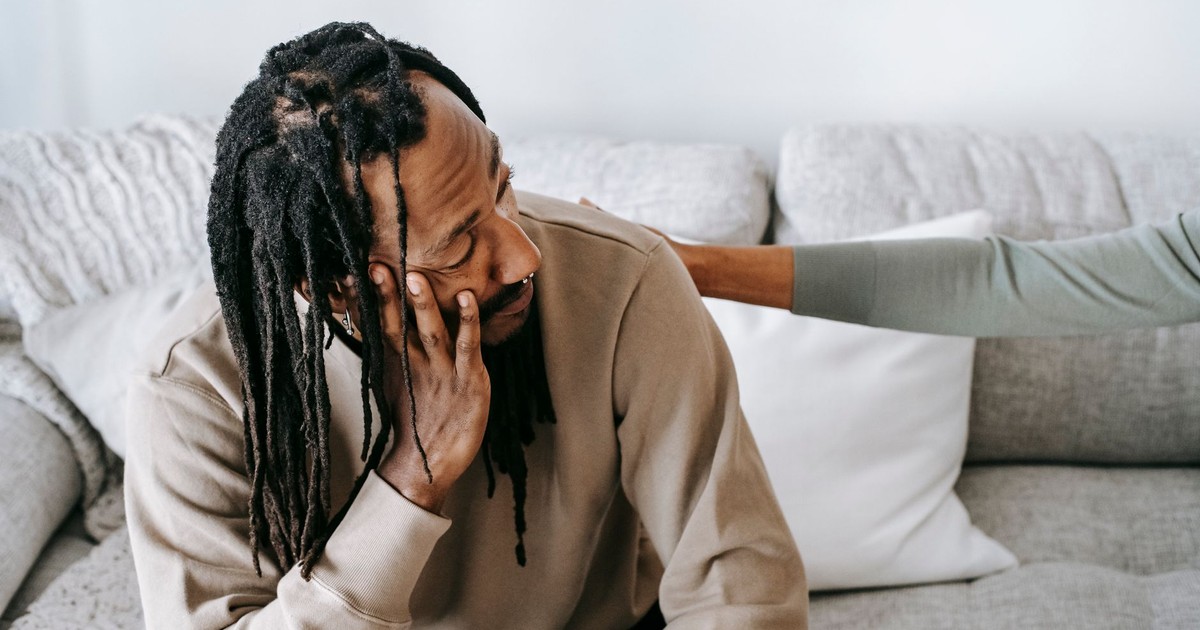
The things that happened to people before they had the language or the context to understand them do not disappear. They get absorbed into the way a person moves through the world, the way they read a room, the reflexes they default to under pressure. A child who grew up in a home where love was conditional, conflict was constant, or safety was unreliable often becomes an adult who assumes the worst, strikes preemptively, or struggles to tolerate even ordinary social friction without it feeling like an existential threat.
A child raised in an environment of physical and psychological abuse may learn to distrust others and feel threatened or angry much of the time. That distrust does not evaporate at eighteen. It rides along into adult relationships, workplaces, and grocery stores.
The adult version often looks less like a scared child and more like a difficult person – dismissive, controlling, withholding, or prone to outbursts that seem wildly out of proportion to whatever actually triggered them. The proportion is off because the current situation is not what they are actually reacting to. They are reacting to something from a long time ago, and the person in front of them just happened to press the right button. People who grew up in a toxic family often carry these patterns into adulthood without fully realizing how much of their present behavior is driven by the past.
6. The Internet Gave Everyone a Consequence-Free Stage
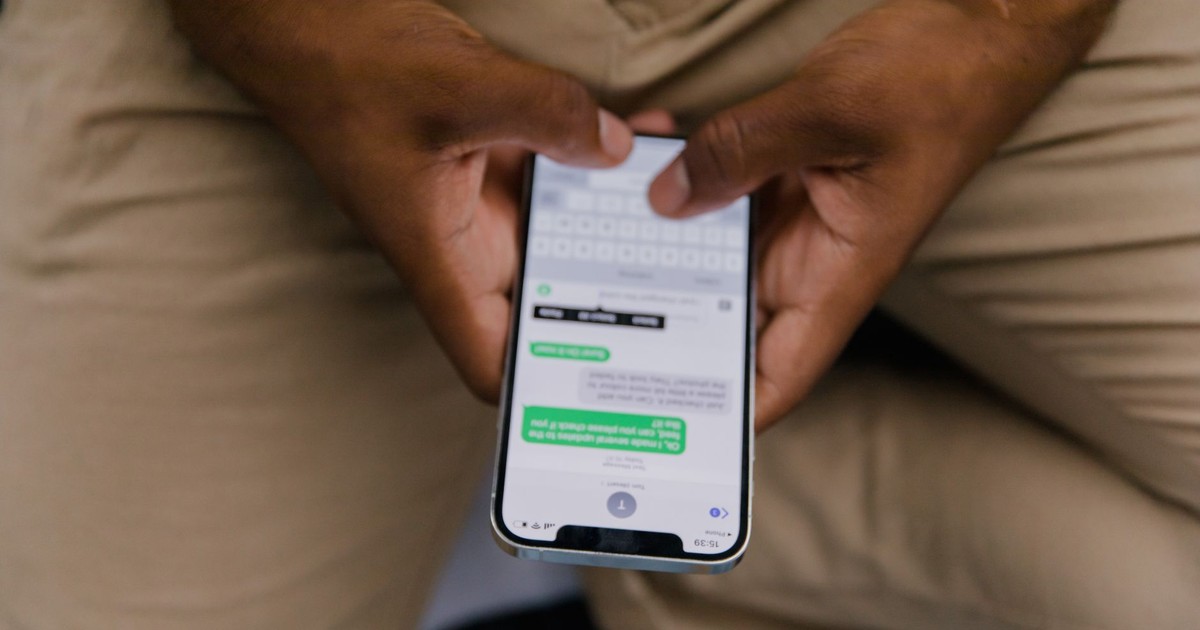
There is a well-documented psychological phenomenon called the online disinhibition effect: the absence of face-to-face accountability causes people to say things in digital spaces that they would not say in person. No eye contact, no visible reaction, no immediate social cost. The person on the other side of the screen is easier to dehumanize when they are just text on a feed.
The habits formed online do not stay online. Years of communicating in environments where bluntness, contempt, and cruelty carry no real social penalty have shifted the baseline for what feels acceptable in general. People who have spent years being sharp and dismissive in comment sections bring some of that with them into physical space. The muscle for measured, considerate social interaction gets less practice, while the muscle for saying exactly what you think with no regard for impact gets a daily workout.
This is not a fringe effect limited to extreme accounts or anonymous trolls. The norms of discourse online have moved, and they have moved in a direction that has made the average interaction, in many contexts, measurably harsher than it was a generation ago.
7. The Brain Is Wired to Notice the Bad
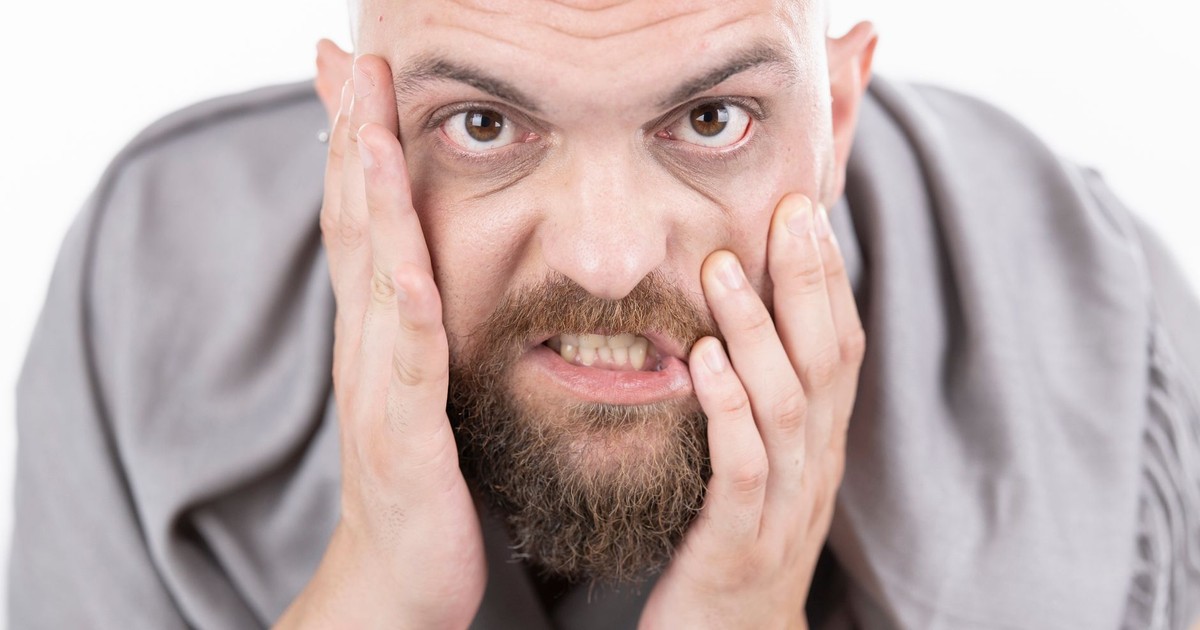
One reason we notice meanness more than niceness is negativity bias – the brain’s tendency to register negative experiences with greater intensity and retention than positive ones. It is not a flaw; it is a feature that kept our ancestors alive. But it does mean that one unpleasant interaction tends to outweigh several pleasant ones in the running tally we carry through the day.
This does not mean the meanness is not real or is being imagined. It means the experience of a world full of unkind people can be both accurate and somewhat amplified by the architecture of human attention. The rude driver stands out. The person who waved you ahead in traffic doesn’t. Gradually, that imbalance can build into a picture of universal awfulness that is slightly skewed toward the worst examples.
Knowing this can prevent the feeling of being surrounded from metastasizing into something that makes you dread leaving the house – or mistreat people preemptively because you expect them to be awful.
8. Some People Are Mean Because It Works
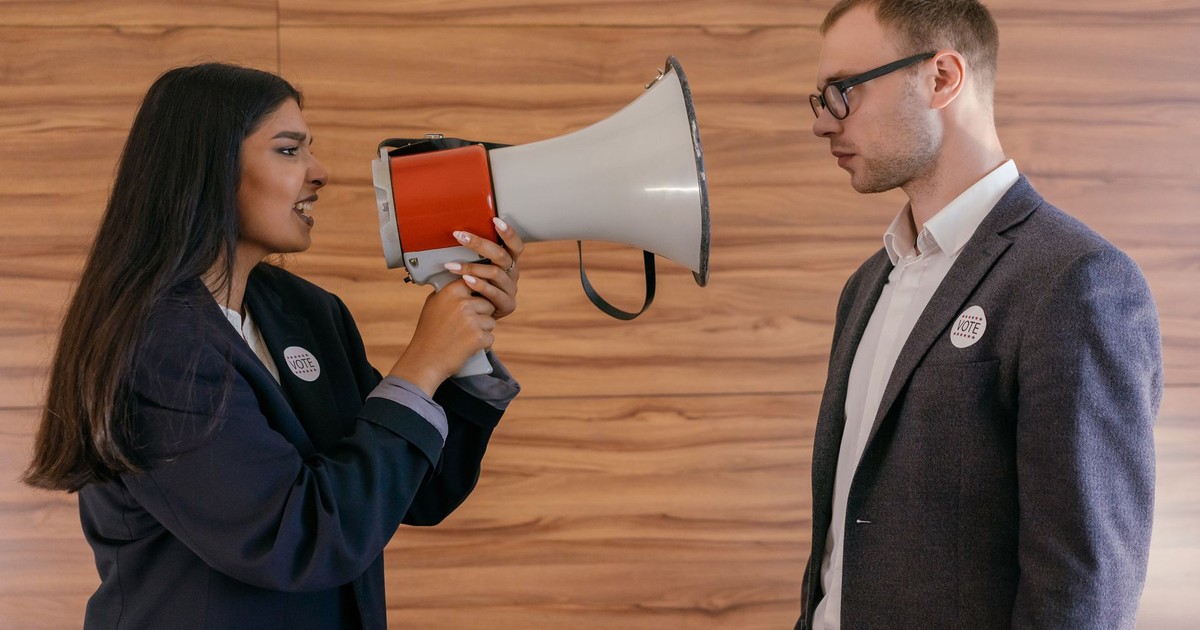
Not every explanation for why people are mean reaches into psychology or childhood history. Some of it is straightforward operant conditioning: meanness sometimes gets results. The person who yells gets the upgrade, the refund, the better table. The colleague who intimidates gets more compliance from the team. The family member who creates scenes gets accommodated to keep the peace. When mean behavior is consistently rewarded, the person doing it learns that it is a reliable tool, and they use it accordingly.
Some mean people test others to see how much they can get away with. If you’re polite, quiet, or a kind person, they may wrongly assume you won’t stand up for yourself. The meanness is calibrated to the audience – not random, but strategic, even if that strategy is mostly unconscious. People who act nice but are actually mean are often the most practiced at this – warm when warmth is advantageous and sharp when they can get away with it.
This is the most frustrating version because it has the least sympathetic explanation. The person is not struggling; they have simply decided, consciously or not, that being difficult is effective. It tends to stop working the moment the audience stops rewarding it.
9. Political and Social Polarization Has Poisoned the Default
Collective division, when it runs long enough and hard enough, becomes personal. When the cultural and political environment operates for years on the idea that people who disagree with you are not just wrong but dangerous, contemptible, or morally bankrupt, that framing starts to color how people see strangers in general. Dehumanizing discourse does not stay in the op-ed pages or the political panels. It seeps into how people talk to each other at Thanksgiving, in the school parking lot, and in the comments section of a local community board.
The APA’s 2025 Stress in America survey, conducted among over 3,000 U.S. adults, found that 62% reported societal division as a significant source of stress – and that among those adults, 61% reported feeling isolated, compared with just 43% of those who did not cite division as a major stressor. Division and isolation feed each other: the more polarized the environment, the harder it becomes to maintain the kinds of mixed, casual social connections that historically buffered people against loneliness and moderated extreme positions.
Social identity theory argues that humans have a basic psychological need for positive distinctiveness – a need to feel unique from others in positive ways. As humans naturally form groups, this need extends to the groups they belong to. People tend to view their own groups more favorably than groups they don’t belong to, and as a consequence, see people outside their group less positively. When that dynamic operates in a climate of heightened tribal tension, the difference between “my group” and “those people” stops being academic. It starts being the reason someone cuts you off in traffic and doesn’t blink.
What to Do With Any of This
None of these nine explanations make it acceptable for someone to be cruel to you. Understanding why people are mean is not the same as signing off on it, and knowing that a person’s sharpness comes from their own wounds does not obligate you to absorb it. The explanations are for your own use – for taking something that felt personal and locating it correctly, which is usually somewhere in their history rather than your worth.
Meanness is almost always a symptom. Stress, disconnection, fear, unprocessed pain, learned behavior, tribal thinking – every one of these points at something underneath the surface behavior. The person being awful to you in the parking lot or the group chat or the office kitchen is managing something. It is just not your job to manage it for them.
The harder part is noticing when those same forces are operating in you. Stress narrows everyone’s patience. Loneliness makes everyone a little more defensive than they want to be. The version of yourself at the end of a long, hard week is not always your best one. That doesn’t mean you’ve become a mean person. It means you’re human, and it’s been a genuinely difficult few years for basically everyone.
AI Disclaimer: This article was created with the assistance of AI tools and reviewed by a human editor.