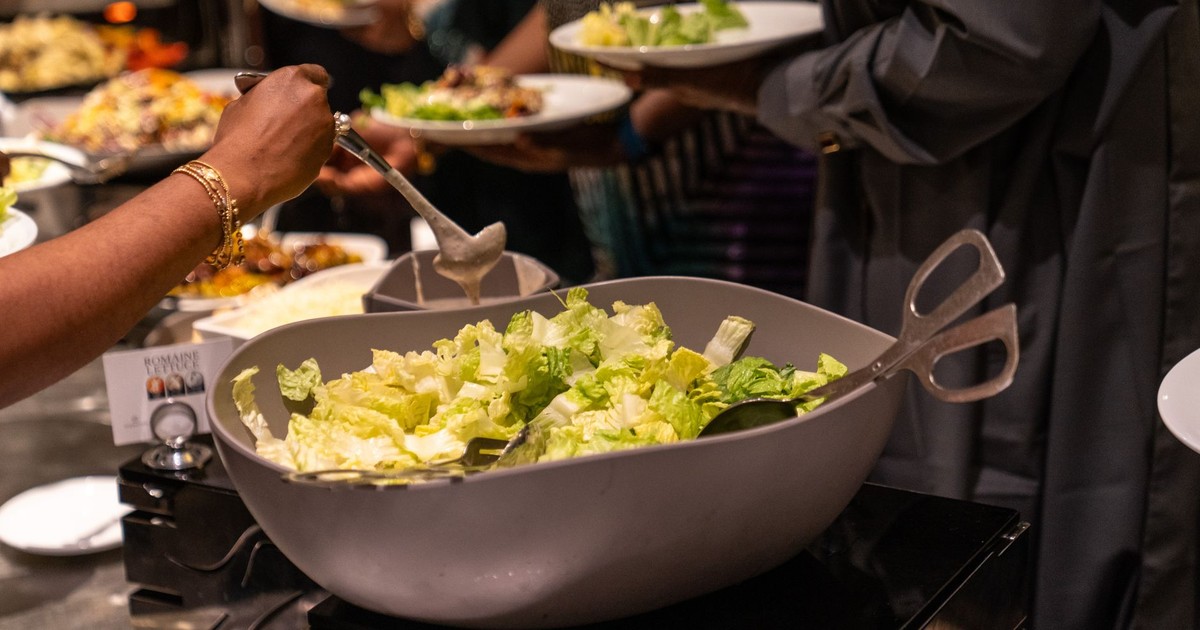

Olive Garden’s unlimited salad has been the backbone of the chain’s pitch since the early 1990s. A TikToker named @zuner99 posted a video that racked up over 162,000 views before it was deleted, laying out what he called Olive Garden’s strategy for managing the real cost of that salad bowl. He argued that Olive Garden carefully structures everything from its salad bowls to its menu layout to increase profit. His viewers split almost immediately: people who called it “shrinkflation in a pasta bowl” and people who said a restaurant charging fifteen dollars to feed you indefinitely is allowed to have a cost structure.
The detail that stuck was not the grand accusation. It was the specific, oddly precise claim about lettuce.
The Breadstick Math
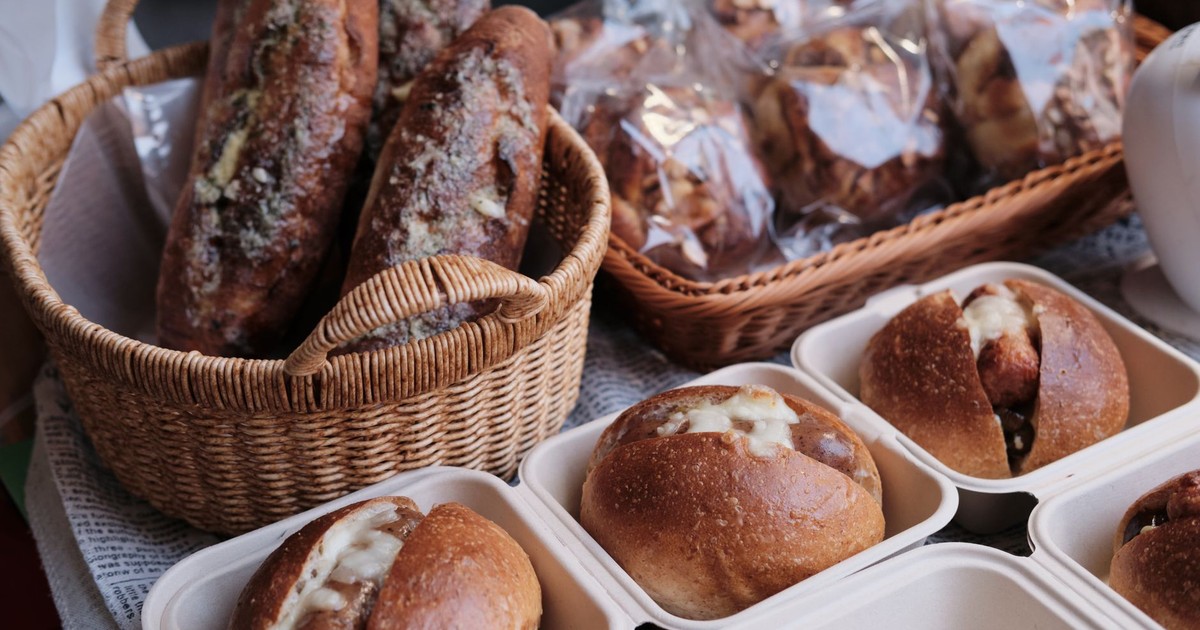
According to the TikToker, each breadstick costs the company roughly 15 cents while each bowl of salad runs between 75 cents and $1, because of the fresh ingredients and labor involved. At those numbers, a table that burns through four bowls of salad during dinner is costing the restaurant four dollars before a single entrée has been rung up. Four breadstick refills cost 60 cents.
The restaurant built the cost of those freebies into the price of the entrees, and part of how the chain affords the unlimited offer is that it prepares these foods in bulk. Every restaurant operates this way. When the breadstick basket arrives before you’ve even opened the menu, you’re not getting something free — the cost has already been factored into the price of your meal.
The unlimited model works because most people don’t actually consume enough to undermine the math. Red Lobster’s endless crab promotion famously did not account for how much crab people are willing to eat when nobody is stopping them, and the chain lost $3.3 million in seven weeks before ending the deal early. Olive Garden understood from the start that people really would order a lot of breadsticks and salad, and structured accordingly.
The Lettuce Strategy
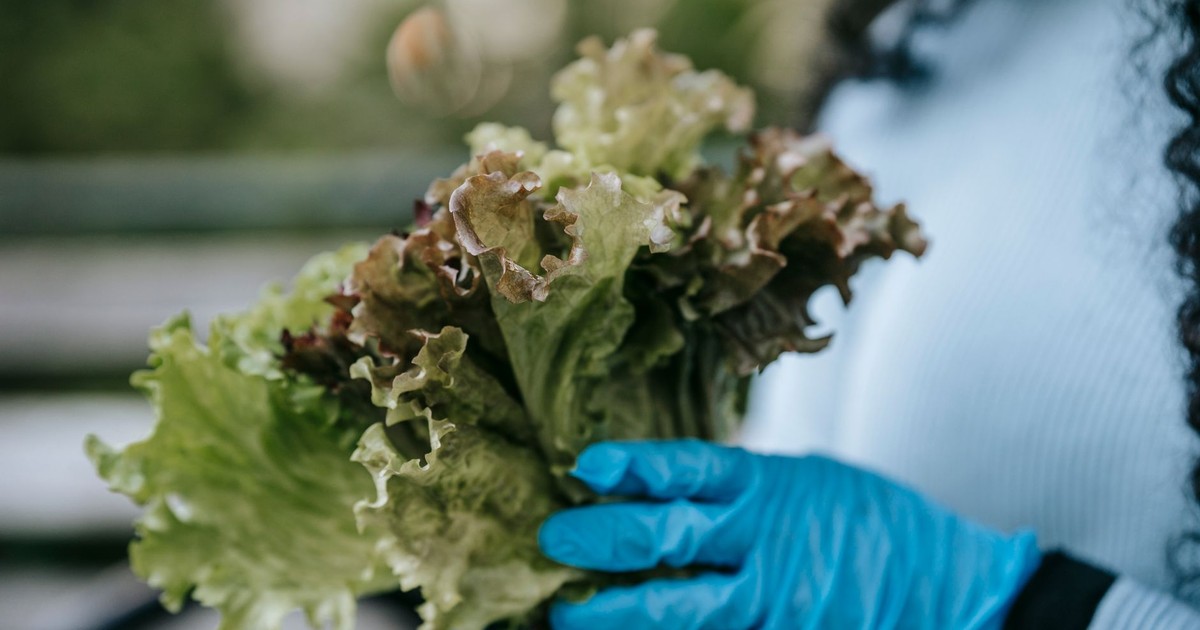
Rather than serving large portions of toppings such as pepperoncinis, tomatoes, and olives, employees reportedly fill bowls mostly with lettuce while using fewer of the costlier ingredients. To offset that expense, the chain shifted its emphasis toward breadsticks.
Unlike other restaurants that offer multiple salad varieties, Olive Garden offers just one type, their Famous House Salad, which features tomatoes, onions, olives, pepperoncini, lettuce, and the restaurant’s signature dressing. The pepperoncini, the olives, the tomatoes are what make the salad taste like something. The lettuce is what makes it fill the bowl. A heavy hand with the latter and a light touch with the former is not technically giving you less of what was promised, but it does redefine where the generosity actually lives.
Whether servers consciously calibrate their toppings ratios or whether the bowl just gets topped up with whatever is fastest in the moment is a question Olive Garden has not publicly answered. Some viewers criticized the practices as another example of “shrinkflation,” while many argued the restaurant is simply making smart business decisions, especially when refills remain unlimited.
What “Unlimited” Actually Costs You
The Never Ending Pasta Bowl has been one of the chain’s most reliable traffic drivers. In a period when restaurant prices have risen sharply across the industry, Olive Garden’s Never Ending Pasta Bowl promotion — offering unlimited pasta, soup or salad, and breadsticks — held at $13.99 through several years before moving to $14.99 for its 2026 run.
That price stability is not nothing. Grocery prices have climbed year after year. Restaurant tabs across the country have risen sharply. Thirteen dollars and ninety-nine cents for unlimited pasta, soup or salad, and breadsticks is, on its face, a reasonable offer. The question the TikToker was really asking is not whether the deal is bad. It’s whether the salad you are getting is actually the salad that was promised.
The comment section became its own source of crowd-sourced restaurant intelligence. One commenter claimed soup sizes aren’t always what they seem, advising diners to order soup by the cup rather than the bowl, because the bowl and the cup are reportedly the same size at most restaurants but the bowl costs more. Another suggested ordering off the kids menu, noting the portion is substantial and costs considerably less than an adult entrée.
If you are curious how restaurant chains balance unlimited offers against operational realities across the board, the buffet scams breakdown covers a lot of the same territory.
Why We Keep Going Back

Olive Garden’s signature salad has stood the test of time for being crisp, tangy, and perfectly tossed. Servers chill the salad plates, and the salad itself is loaded with pepperoncini, red onion, and crunchy croutons that make it feel more exciting than the standard house salad at most other establishments. If you have ever tried to replicate it at home and found yourself slightly off on some ineffable quality, chilled bowls are probably part of it.
A family of four eating their weight in breadsticks and salad at Olive Garden is, functionally, eating a meal for a reasonable amount of money, regardless of how the cost is structured on the restaurant’s side. The Unlimited Soup, Salad and Breadsticks concept emerged in 1982 at the chain’s first Orlando location as a solution to long kitchen wait times, with its enduring success lying in perceived generosity rather than caloric volume.
If you walk in expecting maximum food per dollar, you will spend the whole meal counting pepperoncinis. If you walk in expecting a comfortable, unpretentious family dinner where the bread is warm and the server does not hover, you will probably leave satisfied.
What This Is Really About
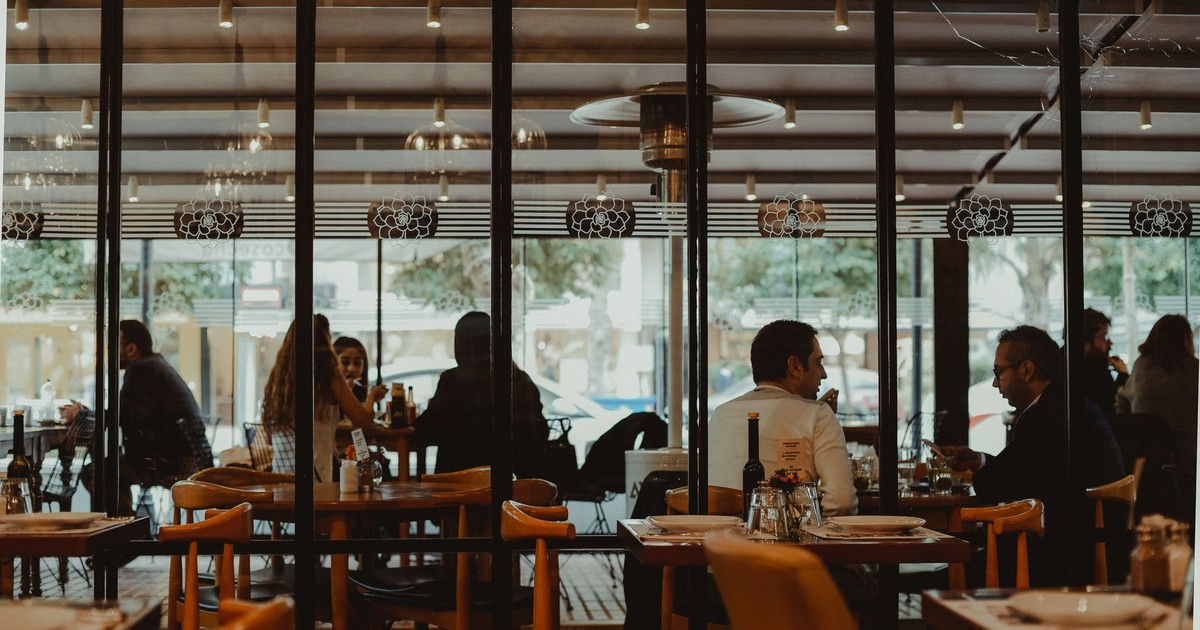
The viral video about Olive Garden’s salad strategy landed because it named something people had half-noticed but never quite articulated: “unlimited” is a promise that comes with an operating manual. The bowl will keep coming. What’s in it is where the math lives.
That is not a scandal. It is a restaurant running its numbers, the same way every restaurant does, the same way the grocery store does, the same way every business offering something for a flat fee has always had to. The pepperoncinis are the fine print. The breadsticks are the headline.
Disclaimer: This information is not intended to be a substitute for professional medical advice, diagnosis, or treatment and is for information only. Always seek the advice of your physician or another qualified health provider with any questions about your medical condition and/or current medication. Do not disregard professional medical advice or delay seeking advice or treatment because of something you have read here.
AI Disclaimer: This article was created with the assistance of AI tools and reviewed by a human editor.