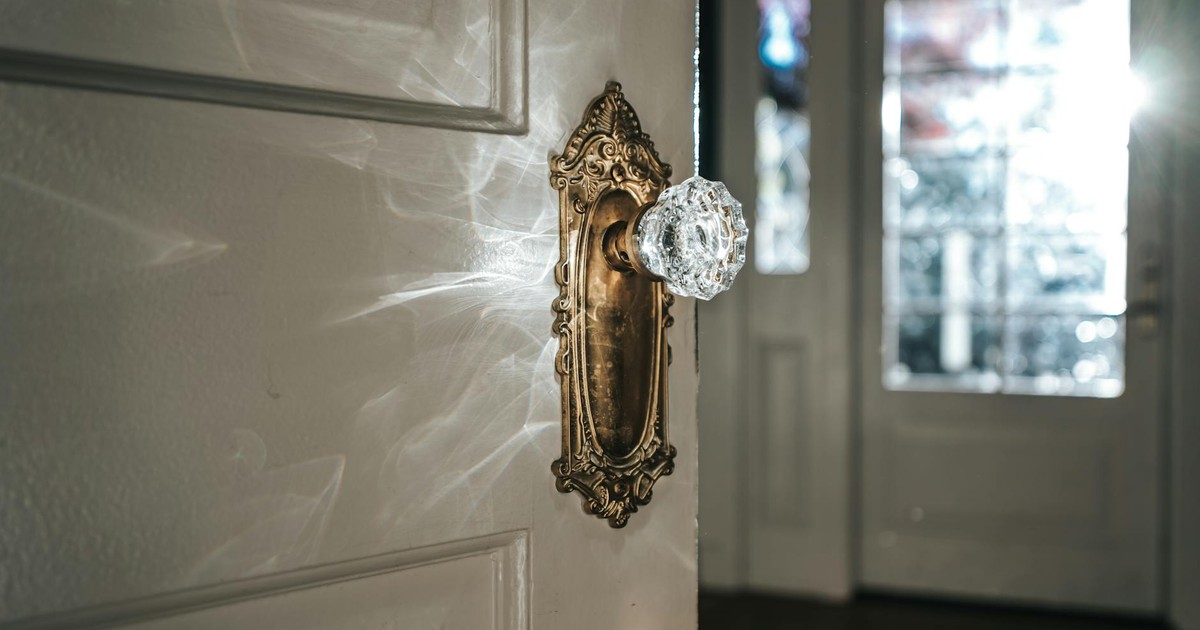

Walk through any house built before 1960, and you start to notice things. Not the fixtures or the moldings, though those are usually better too. The thing you notice is how purposeful every room feels, as if someone sat down before construction started and thought hard about where the muddy boots would go, where the extra sheets would live, where the chaos of arriving home would be absorbed before it spread across the rest of the house. There was a closet for the broom. There was a separate room for the food. There was a door that slid into the wall rather than swinging open into your shin. Someone, somewhere, had thought all of this through.
Then came the era of the open-concept floor plan, and a lot of that thinking got thrown out. What developers and designers sold as airiness and flow often translated in practice to nowhere to put anything. The shoe pile accumulated by the front door. The crackers lived in the same cabinet as the coffee maker. Every surface became fair game for the objects that used to have designated homes, because those homes had been converted into square footage. The clutter didn’t multiply because people got sloppier. It multiplied because the architecture stopped solving problems.
What’s strange is how obvious the solutions were, and how long they’ve been sitting right there in old school home features that our grandparents took completely for granted. Designers and homeowners are rediscovering them now, sometimes under new names, sometimes as luxury upgrades, and sometimes with a sheepishness that suggests everyone involved knows we probably should have left them alone in the first place.
1. The Mudroom
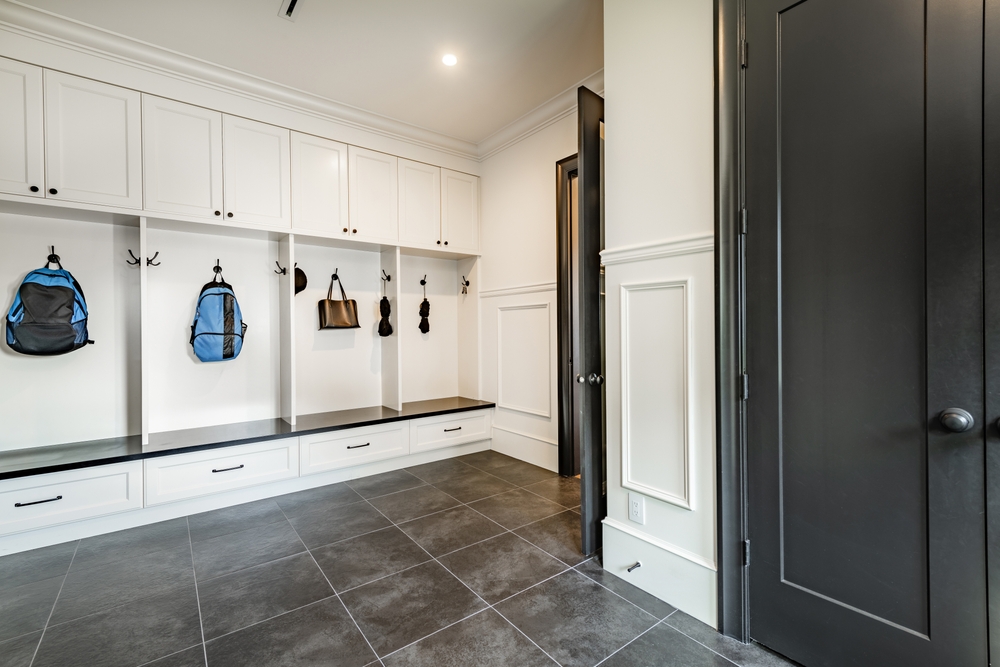
The mudroom is, at its core, one of the most psychologically useful rooms ever invented. It was designed as a place to remove shoes, coats, and messy clothes before entering the main house, and to catch the backpacks, packages, and sports equipment that would otherwise pile up and clutter the main entrance. In farmhouse culture, this was practical to the point of being non-negotiable. You came in from the field, you did not bring the field in with you.
The modern house replaced the mudroom with a front door that opens directly into the living room, or sometimes a narrow entry hall with a single coat hook if you’re lucky. The result is a house where everything arrives at once: the outdoor dirt, the school bags, the dog, the soaking umbrella. These rooms may sound like something from a Victorian estate, but mudrooms are becoming increasingly popular in new home construction to meet the storage and function demands of growing families.
A well-designed mudroom typically includes a bench, shelving, hanging hooks, and built-in cabinetry to keep things organized. What that amounts to, in practice, is a decompression chamber between the outside world and your actual home. You don’t need a grand Victorian estate to justify one. Even a six-foot recessed alcove near the back door, with a bench and a few hooks, does the job. The concept scales down just fine. The principle doesn’t.
2. The Butler’s Pantry
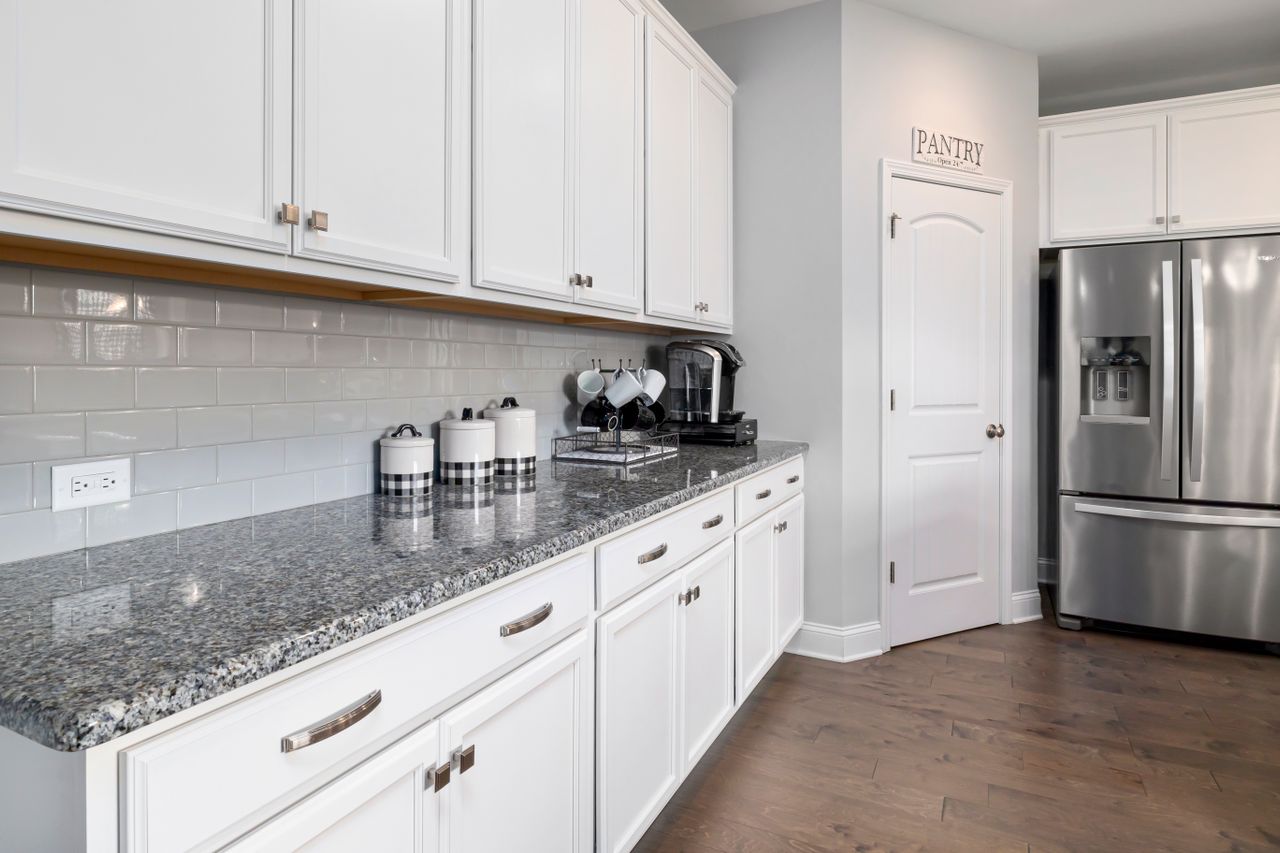
The butler’s pantry has been staging a very public comeback, and for good reason. Traditionally, it was a small room off the main kitchen for the storage of dried goods, serveware, and linens, the kind of feature found in old English country houses and stately American homes. It sounds like a relic. It functions like a revelation.
As interior designer Bethany Adams observed in Homes & Gardens, “Regular food storage has given way to the old-timey Butler’s Pantry,” with newer construction homes and remodels all including them as a mix of prep kitchens, bars, and kitchen storage. The appeal is not nostalgia. It’s the same appeal that made the butler’s pantry useful in the first place: you need somewhere to put things that is not the kitchen island. It’s also a useful place to tuck appliances that didn’t make the cut space-wise in the main kitchen, like an ice maker or a coffee maker.
As kitchens have become bigger and more open to the rest of the home, butler’s pantries have increased in popularity, often outfitted with coffee stations and acting as a secondary kitchen for messier food prep. That last part is the one nobody talks about enough. The open-concept kitchen is lovely until you are making a casserole at six in the evening while your family watches television six feet away and the smoke alarm goes off. Having a secondary prep space changes the entire equation.
3. The Walk-In Pantry
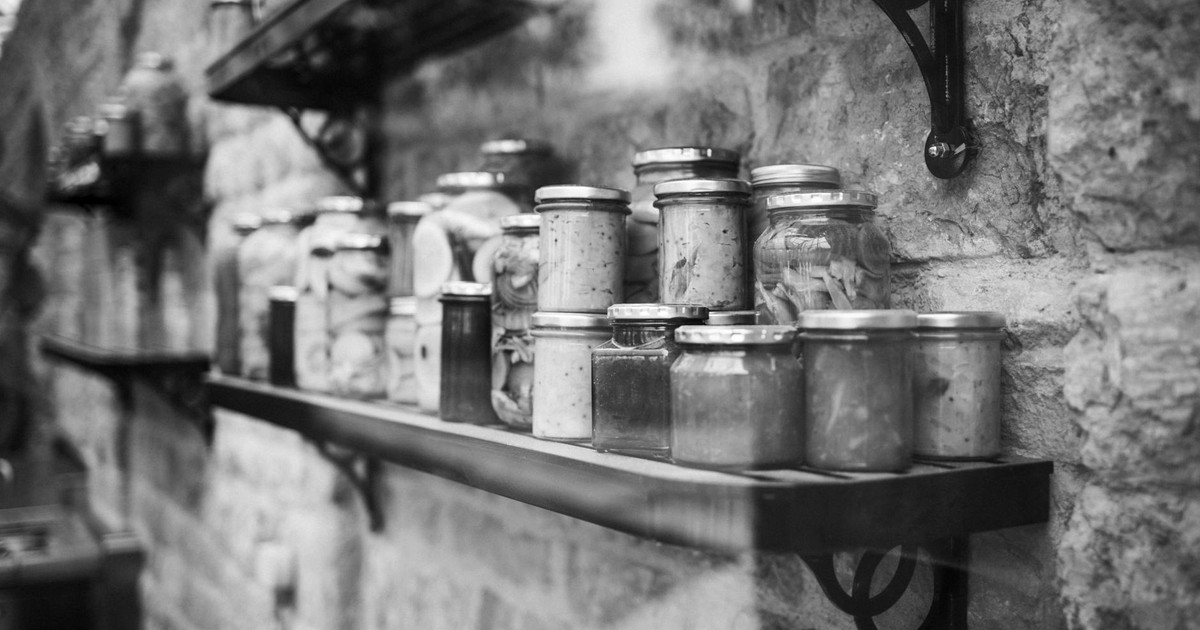
The walk-in pantry is a different animal from the butler’s pantry, though the two often get conflated. Where the butler’s pantry is a workspace and staging area, the walk-in pantry is pure storage: a dedicated room for dry goods, canned food, small appliances, and the seventeen different kinds of pasta that accumulate in any household with children. It is, in essence, a room whose entire purpose is to make the kitchen function better by getting things out of the kitchen.
What replaced it in most new builds is a set of upper cabinets with doors that are technically sufficient and practically never enough. The upper cabinets require a step stool to access properly. They hide things. They create a Tetris situation every time groceries arrive. The walk-in pantry, by contrast, puts everything at eye level and in one place. You can see what you have. You don’t buy three jars of the same mustard because you forgot one was already in there.
These seemingly antiquated spaces still offer function, practicality, and storage options fit for modern living. New construction is catching on: floor plans from 2026 are regularly featuring both a walk-in pantry and a butler’s pantry for added functionality. The two work differently and solve different problems, and homes that have both tend to have noticeably calmer kitchens.
4. The Linen Closet
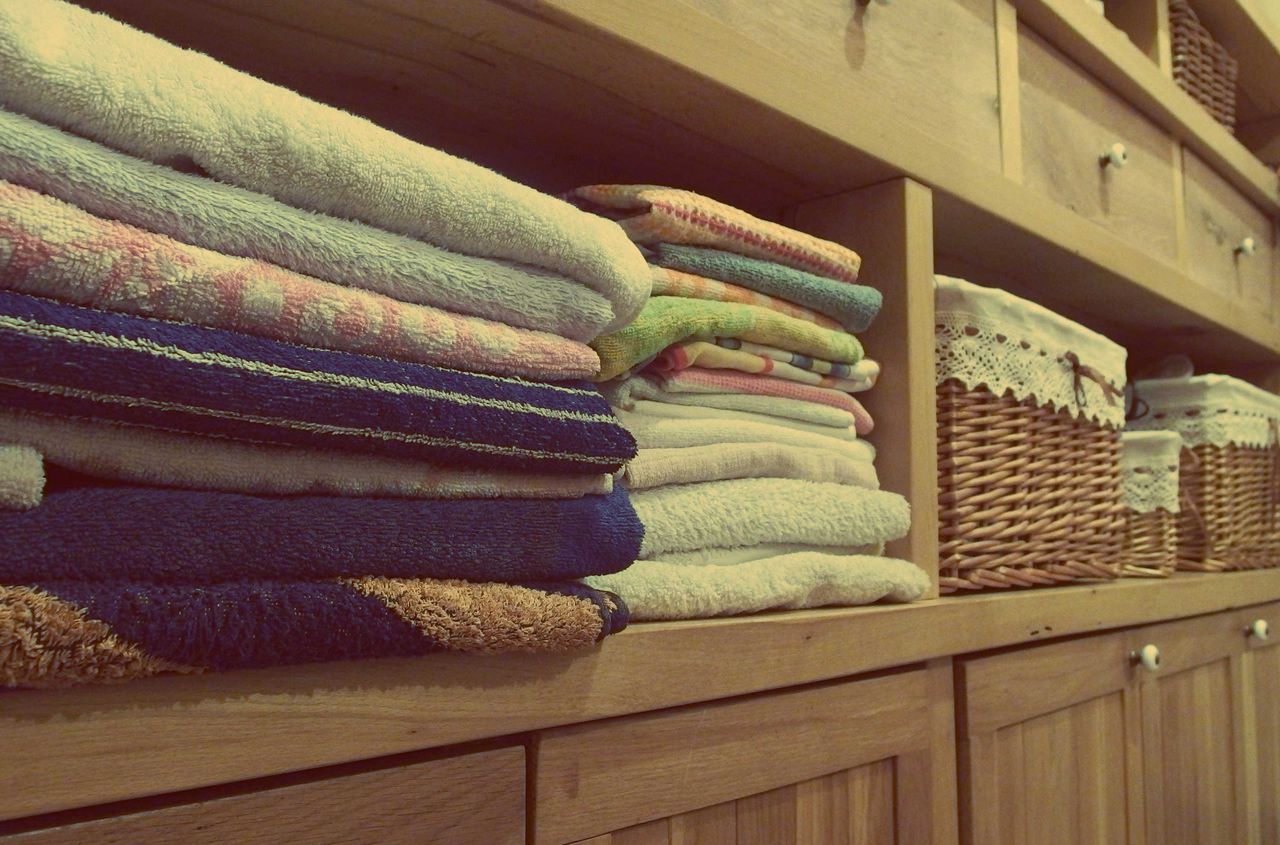
The linen closet is perhaps the most unglamorous item on this list, and also the one whose absence causes the most daily low-grade aggravation. It was, for generations, a standard feature: a closet in the hallway, near the bedrooms and bathrooms, dedicated entirely to sheets, towels, spare blankets, and the extra toiletries you bought in bulk. It was not exciting. It was enormously useful.
Modern floor plans have largely abandoned it in favor of using every square foot for something that photographs better on a listing. The sheets now live in a basket at the foot of the bed, or stacked on a closet shelf alongside the clothes, or folded into an ottoman, or otherwise distributed throughout the house in a system that made sense once and is now completely opaque. Changing the bed becomes a small expedition.
The argument for bringing linen closets back isn’t just about organization, though that’s enough of a reason on its own. As Hendel Homes notes, the ventilated storage that older homes incorporated had a practical purpose, providing airflow that helps reduce mildew and mold, which is especially valuable for linens and clothes when you want them smelling fresh. A linen closet with slatted shelving or built-in ventilation keeps the contents in better condition than a sealed bedroom drawer. The old houses understood humidity in a way modern construction often ignores entirely.
5. The Broom Closet

The broom closet’s disappearance is one of the cleaner examples of how function gets traded away for square footage. It was a narrow, tall closet built into the kitchen or hallway, sized precisely to hold a mop, a broom, a dustpan, the vacuum, and whatever else needed a vertical home. It was not wasted space. It was one of the most efficient uses of space ever devised in residential architecture.
What replaced it is the under-sink cabinet, which is too short for anything with a handle, and the hall closet, which is theoretically available but already full of coats and luggage. So the broom leans against the wall. The mop lives in the garage. The vacuum has its own corner, announced to everyone who enters. Cleaning supplies accumulate under the sink in a configuration that requires removing three other things to access the one you need. Home decor gets away with a lot, but it has never convincingly solved this problem.
A dedicated utility closet, even one that’s only 18 inches deep, changes the daily arithmetic of cleaning a house. Everything has a place that makes sense. Nothing blocks anything else. The design principle here is so simple it almost doesn’t need stating: if you have to store something, build somewhere to store it. The older houses knew this instinctively.
6. Pocket Doors
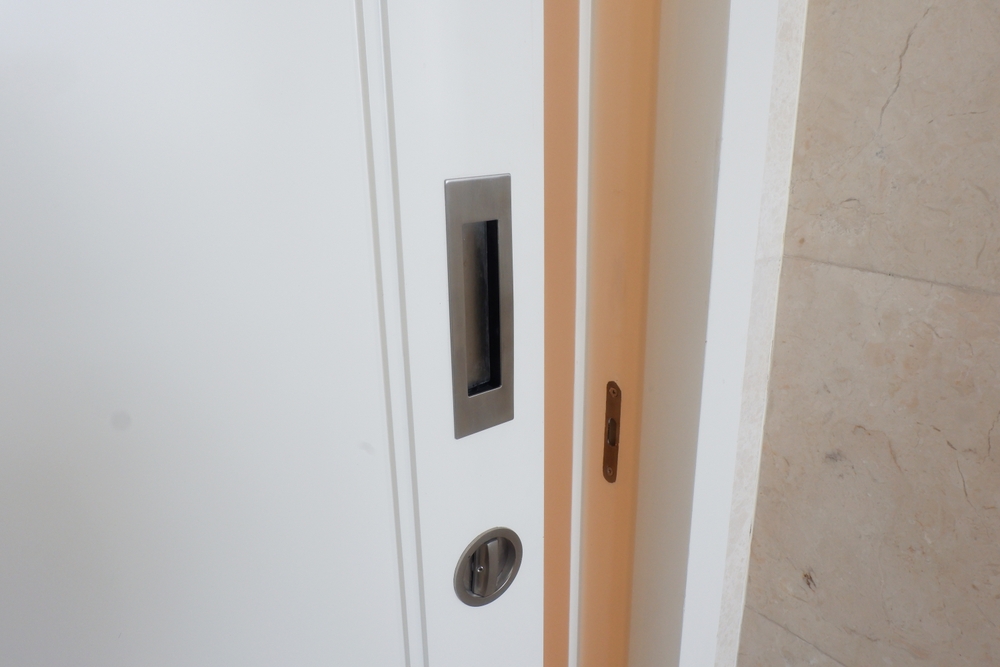
The pocket door, which slides directly into a cavity inside the wall rather than swinging on a hinge, is one of those features that seems like a novelty until you’ve lived with one and then can no longer fathom why every door in your previous house swung open. Pocket doors take space-saving a step further by sliding into the wall, effectively disappearing when open, which makes them ideal for small spaces like bathrooms, closets, or laundry rooms.
The math is straightforward. A standard interior door requires roughly nine square feet of swing clearance. In a small bathroom or a tight hallway, that nine square feet represents a meaningful portion of the functional space. According to Indigo Doors, the number one benefit of pocket doors is that they are space savers, since a sliding pocket door takes up far less space than a traditional swinging door. Older homes understood this and incorporated pocket doors routinely, particularly between the dining room and the parlor, where you wanted the option to close off a room without permanently surrendering the floor space.
In 2025, pocket doors were being designed with a focus on style, using materials like frosted glass, sleek metals, or wood with modern finishes, offering a minimalist solution for those who want to maintain the openness of a room without sacrificing privacy when needed. They have been finding their way into new home design and renovation projects at a steadily growing rate, and the reasoning is the same as it always was: why use a swinging door when you could use the wall instead?
7. Transom Windows
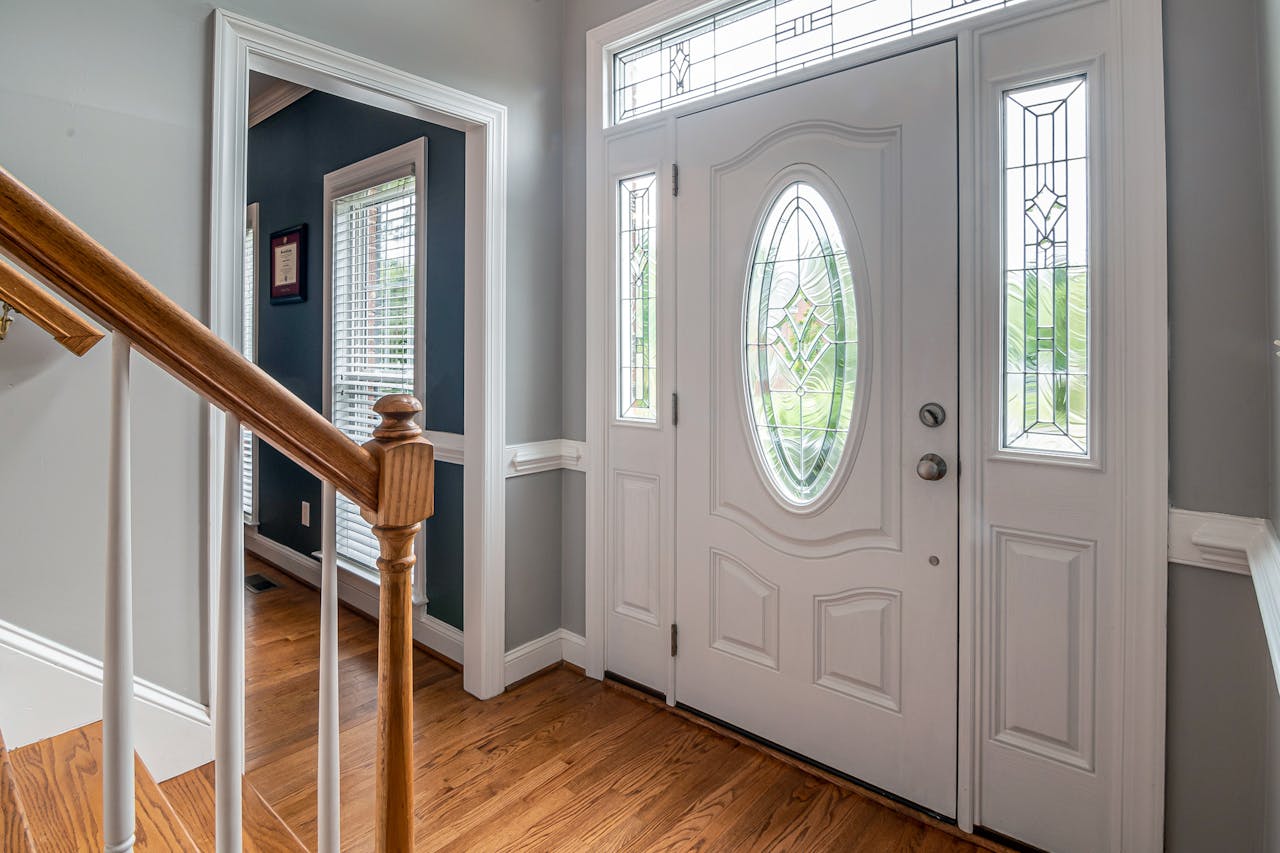
The transom window, the narrow horizontal window installed above a door or between rooms, was standard in American homes through most of the nineteenth and early twentieth centuries, and it performed a function that air conditioning later made unnecessary but never made irrelevant. It moved air. Before mechanical cooling, a house that didn’t breathe was miserable in summer. Transom windows allowed hot air to circulate between rooms and up toward the ceiling, which is where it wanted to be anyway.
The deeper value of transom windows, though, is light. A transom above an interior door allows natural light to pass from a bright room into a darker hallway without sacrificing the privacy that a glass door would compromise. A transom above an exterior door fills an entryway with daylight without requiring any additional windows. According to Clark Hall Doors, transoms first appeared in 14th-century Europe and are making a comeback in many front door styles, where they can also add a unique architectural element and give curb appeal a timeless feel.
The contemporary interest in natural light is well-documented, and transom windows deliver it without the cost of a full renovation or the privacy tradeoffs of larger windows. They are, in this sense, a very old solution to a very current problem. The fact that they also look beautiful is the part that took architects decades to rediscover.
8. The Laundry Chute

The laundry chute is the one item on this list that people who grew up with one never stop talking about, and people who didn’t immediately understand once they hear the concept. Chutes that carried soiled clothes and towels from bathrooms down to laundry rooms were easy to find a century ago. You opened a small door in the bathroom wall, dropped the dirty towel in, and it arrived in the laundry room. That was the entire transaction.
What replaced it is a hamper in the bedroom, a basket carried down the stairs, a lower back that doesn’t need the extra load, and a vague system for remembering whose dirty clothes are currently on which floor of the house. For a family with children, the laundry situation in a multi-story home is one of the more persistently annoying logistics puzzles in domestic life. The laundry chute solved it completely and elegantly and with a door that was, in most cases, about eight inches wide.
Some fire codes in certain jurisdictions prohibit laundry chutes, and some people worry about pets or children getting into them, but as Hendel Homes documents, they are still manufactured and still as practical as ever for homes where installation is possible. Any home with laundry on a different floor than at least one bedroom has a use case for one. The older houses knew this, built for it accordingly, and their occupants were measurably less annoyed.
9. The Front Porch
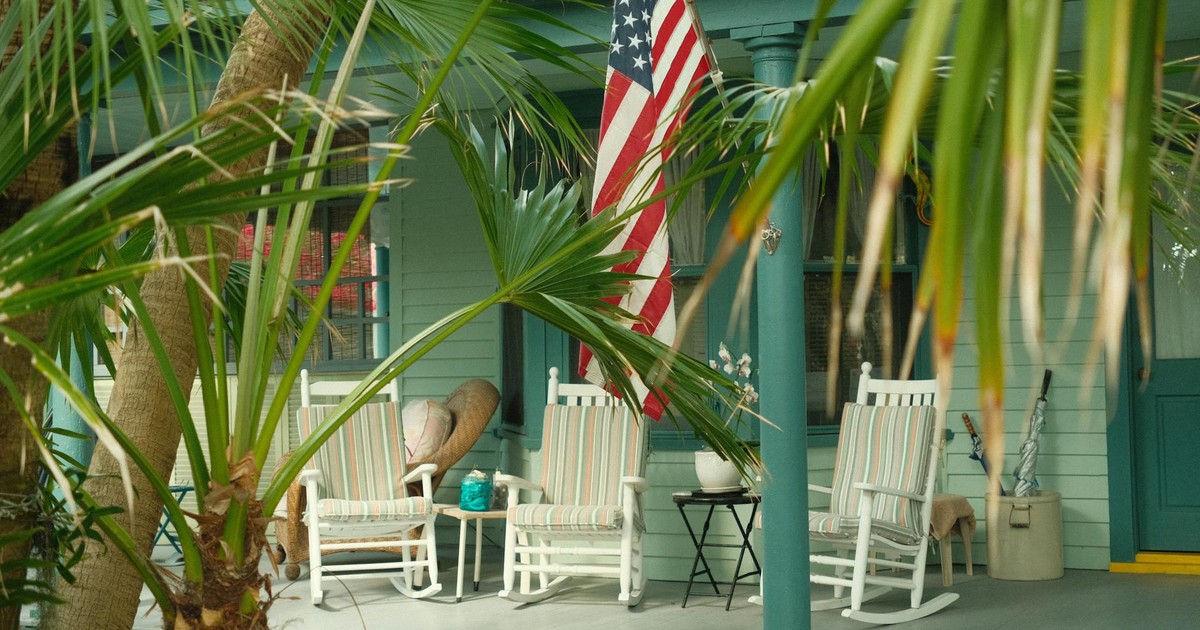
The front porch is the only item on this list that does something for the neighborhood rather than just for the house. Every other feature on this list is about managing the interior. The front porch manages the transition between the interior and the world, and it does it in a way that sits in the space between public and private life, which is a genuinely rare and useful thing for a piece of architecture to accomplish.
A deep front porch, one with enough room for furniture and not just for standing while unlocking the door, creates a space where you can be outside without being fully exposed. Custom home trend reports from 2025 identified a large front porch with furniture and potted plants as offering a welcoming and warm feel that few other exterior elements can replicate. This is not a new observation. It is a very old one that the ranch-house era and the attached-garage era managed to make us forget.
What the porch delivers, practically, is a covered outdoor room that extends the livable footprint of the house for most of the year. A family that has a porch uses it. They sit on it in the morning with coffee. They watch the neighborhood from it. Children play on it in the rain. The social dimension of a porch, the way it makes a house part of a street rather than sealed off from one, is something no amount of backyard square footage can replicate. We spent several decades building houses without them and wondering why neighborhoods felt disconnected, and the answer was there the whole time.
What We Lost When We Gained the Open Floor Plan
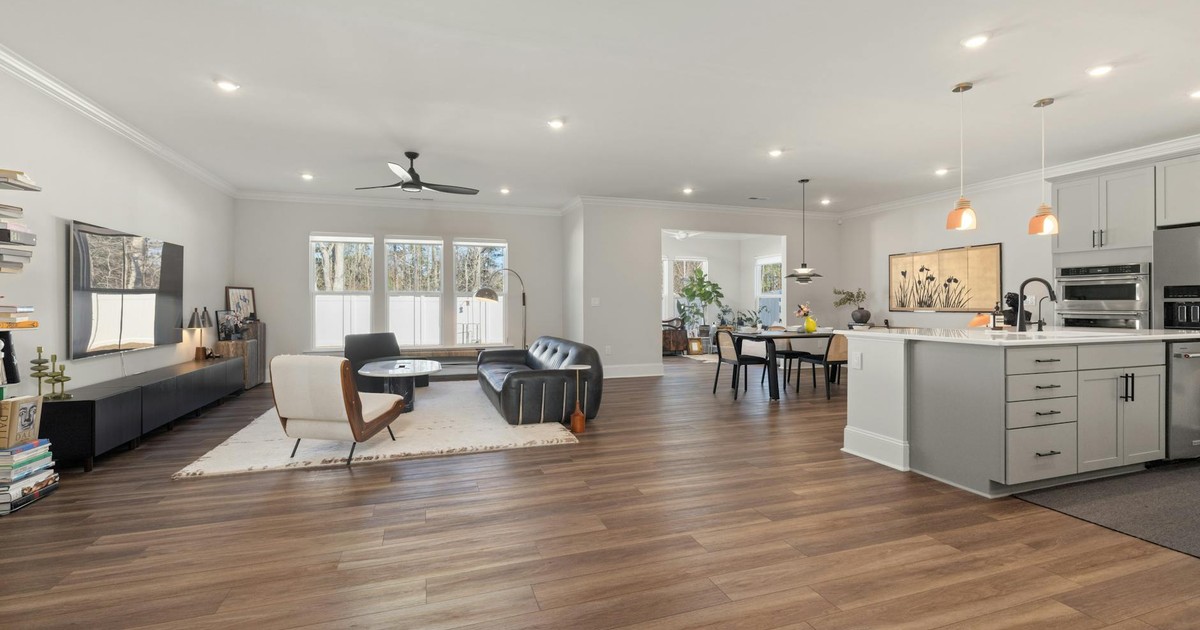
There is a version of this conversation that gets very architectural, very quickly, about flow and sightlines and the death of the defined room. That version is interesting but it misses the point. The point is simpler: the old school home features on this list didn’t survive for generations because homeowners were sentimental. They survived because they worked. A mudroom works. A linen closet works. A laundry chute, drop-zone, butler’s pantry, and broom closet all work, each in a specific and irreplaceable way, and the houses that had them were measurably easier to live in.
The open-concept floor plan gave us light and a sense of expansiveness, and those are genuine gifts. But it quietly traded away the infrastructure that kept daily life manageable. What we’re seeing now, as designers rediscover walk-in pantries and homebuilders start listing mudrooms as selling points again, is not a nostalgia trend. It’s a correction. The houses that were built before anyone decided that storage was unfashionable had already figured out most of what we’re still trying to solve with baskets and hooks and organizational systems that work great until they don’t. The archive never gets smaller, only larger, and some of its best entries were written in 1920.
AI Disclaimer: This article was created with the assistance of AI tools and reviewed by a human editor.