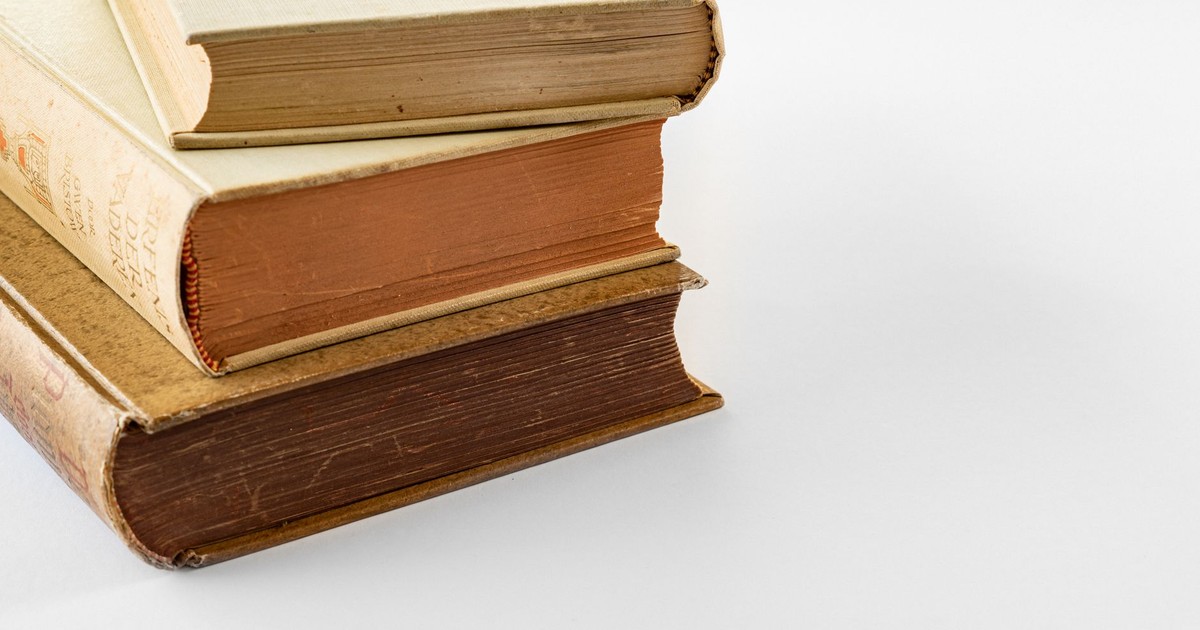

The experience is so universal it has its own word: bibliosmia, the love of the smell of books. People have built entire candle lines and perfume collections around it. Scientists have taken air samples from library shelves to analyze it. It is one of the few aromas that almost nobody argues with. You almost never hear someone complain that a used bookstore smells bad.
What is actually happening when you smell an old book is a slow, intricate chemical process that has been running for years before you ever walked into the room. The paper is transforming. The glue is transforming. The ink is transforming. And the compounds they release as they do it happen, somewhat miraculously, to smell wonderful.
Lignin Is Basically Turning Into Vanilla

Paper is made primarily from plant fibers, and those plant fibers contain two key structural molecules: cellulose, which gives paper its strength, and lignin, a natural polymer that binds the cellulose fibers together in living wood. According to a November 2025 Sciencing.com explainer, the plant fibers used in papermaking are largely made up of cellulose, a sturdy polymer, while lignin is far less durable. Lignin is also the reason old paper turns yellow – it oxidizes slowly in air, producing colored compounds and acids that then accelerate the breakdown of the cellulose around it.
Lignin shares a close chemical kinship with vanillin, the compound responsible for vanilla’s beloved aroma — vanillin is in fact one of the aromatic compounds produced when lignin degrades, alongside other phenolic breakdown products such as guaiacol and syringaldehyde. That warm, almost bakery-like base note you detect when you open an old hardcover is not your imagination and it is not coincidence. The paper is genuinely producing vanillin molecules as part of a broader cascade of aromatic chemistry.
This also explains why not all old books smell identical. Books printed before the late twentieth century tended to use paper with higher lignin content, which means more raw material for this reaction and a stronger, sweeter result. Modern, high-quality papers undergo chemical processing to remove lignin. An old paperback from 1968 will almost always smell more pronounced than a recent one.
Benzaldehyde Adds the Almond Layer
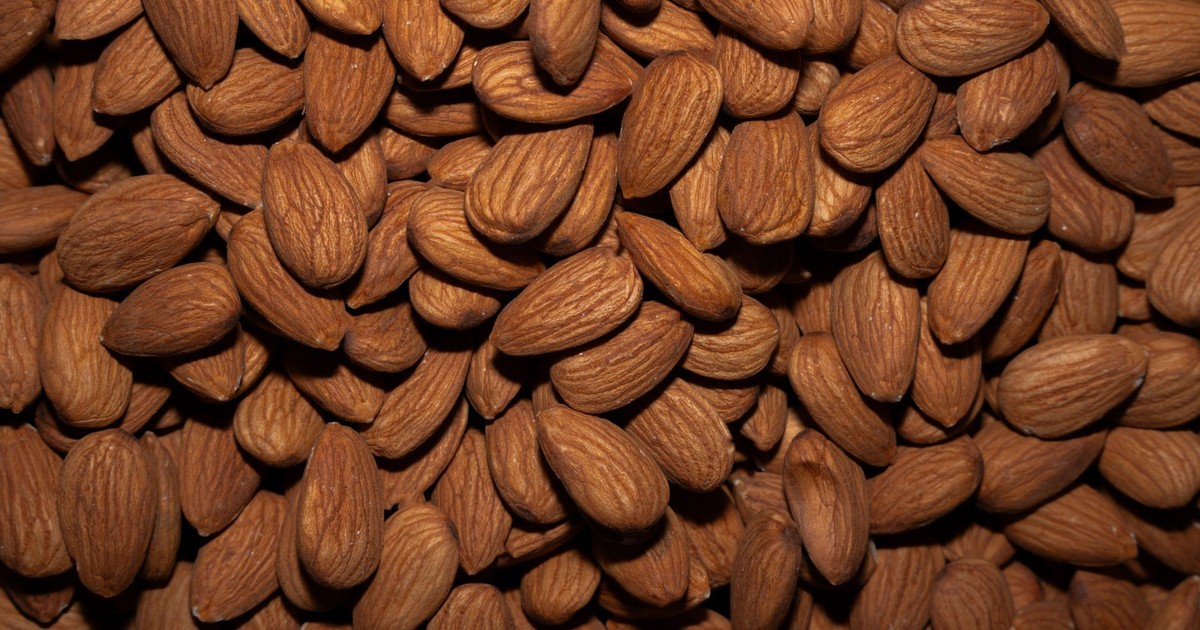
Vanillin gets most of the attention, but old book smell is not a solo performance. According to Compound Interest’s aroma chemistry breakdown, benzaldehyde adds an almond-like scent; vanillin adds the vanilla note; ethyl benzene and toluene impart sweet odors; and 2-ethyl hexanol has a slightly floral contribution. These are all volatile organic compounds produced as the paper’s molecular structure gradually comes apart, and each one adds a distinct register to the overall scent profile.
Benzaldehyde, in particular, is worth pausing on. It is the compound responsible for the smell of almonds and marzipan, and it is produced by the same acid hydrolysis process that generates vanillin. When you pick up an old book and notice something almost confectionery about the smell – something that makes you think of a bakery or a grandmother’s kitchen – benzaldehyde is doing a significant portion of that work. Almond-adjacent smells rank among the most universally pleasant to humans, so the fact that aging paper generates them is a kind of happy accident of chemistry.
Other aldehydes and alcohols produced by these reactions have low odor thresholds, meaning they are detectable at very small concentrations, and also contribute meaningfully to the overall scent. A book does not need to be heavily degraded to smell good. Even a modest amount of chemical activity is enough to produce a detectable, pleasant aroma.
Furfural and the Sweet, Oaty Undertone
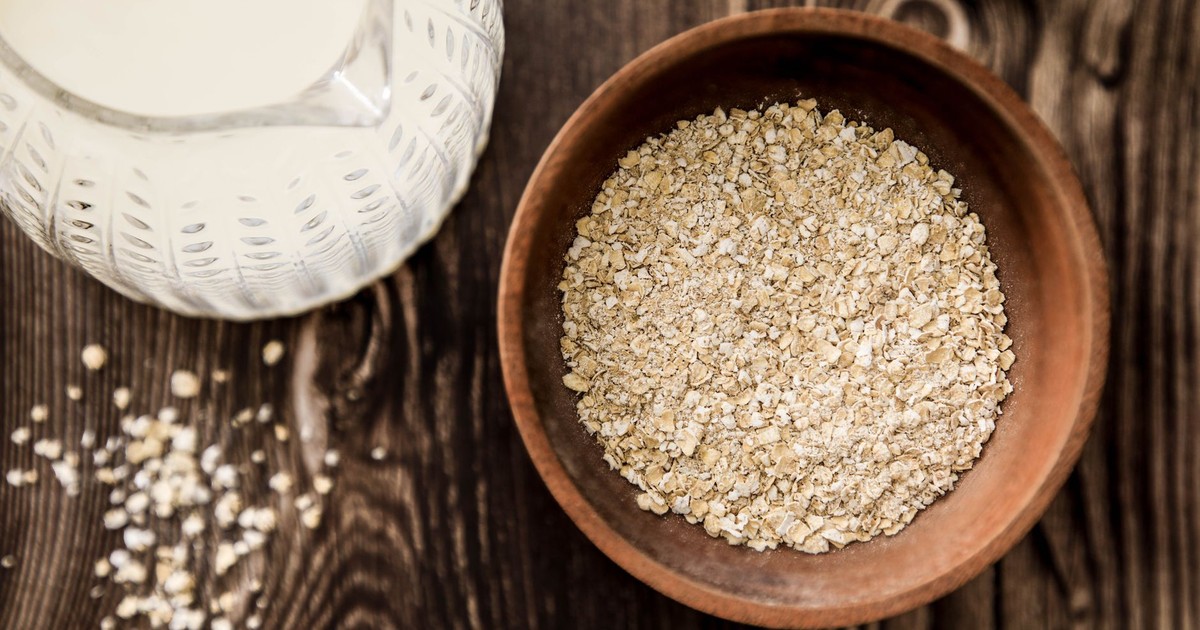
Cellulose is a long-chain polymer – essentially a very long string of sugar molecules linked together. As it breaks down through acid hydrolysis, one of the compounds it produces is furfural, a molecule with a warm, slightly sweet, oat-like character. Benzaldehyde often imparts a pleasant almond-like or cherry-like scent to the pages, while the degradation of cellulose yields molecules like furfural, which contributes an almond or slightly bready note.
Furfural is also used commercially as a flavoring agent in food, which tells you something useful about why it registers as pleasant rather than chemical. Your brain does not file it under “decay.” It files it under “food.” This is one of the reasons old book smell tends to land as cozy rather than musty for most people – several of its core components are structurally similar to food aromas, and the brain’s classification system treats them accordingly.
Furfural is also one of the compounds conservators pay attention to when assessing paper degradation. The concentration of furfural in the air around a historic document can indicate how far along the breakdown process is – essentially, the smell is a form of diagnostic data.
Acetic Acid Gives It the Edge

Not everything in old book smell is sweet. There is a sharpness underneath the vanilla and almond, something that keeps the whole thing from being cloying – and that comes largely from acetic acid. Ethyl benzene and toluene are responsible for subtle sweet or petroleum-like aromas, while acetic acid is a common indicator of paper acidification and adds a sharper, sometimes vinegary, tang to the scent profile.
Acetic acid is the same compound that makes vinegar smell the way it does, though in old books the concentration is low enough that it reads more as brightness than sour. It functions the way a squeeze of lemon does in cooking: not the dominant flavor, but the thing that makes all the other flavors more distinct. Without it, old book smell would be softer and more one-dimensional.
The presence of acetic acid also explains why some very old or poorly stored books have a faintly vinegary smell that is less appealing than the standard library aroma. When paper acidifies heavily and acetic acid becomes the dominant note rather than a background one, the balance tips. This is sometimes called “vinegar syndrome” in paper conservation, and it is a sign that a document needs attention before the degradation progresses further.
Guaiacol and the Faint Smokiness

Lignin breakdown also yields guaiacol, which adds a faint smoky edge to the overall scent. Guaiacol is a phenolic compound that appears naturally in wood smoke, roasted coffee, and cured meats – it is part of what gives smoked foods their characteristic aroma. In old books, it appears in small enough quantities that it reads not as barbecue but as something more like the warm, slightly smoky undertone of a wood-paneled room or a library that has been heated by a fireplace for generations.
This is the compound doing much of the “woody” work in the scent profile. When researchers at UCL asked visitors to a historic library to describe the smell, the resulting Heritage Science study found that visitors most frequently chose “woody” – selected by 100% of those surveyed – followed by “smoky” at 86%, “earthy” at 71%, and “vanilla” at 41%. Guaiacol accounts for a significant portion of those first two responses.
This is also why old book smell feels timeless rather than stale. The compounds it most resembles – wood smoke, vanilla, roasted almonds – are some of the oldest and most cross-culturally beloved aromas humans have encountered.
The Brain Is Not a Passive Bystander

The chemistry explains what is in the smell. It does not fully explain why the smell does what it does to you emotionally – why opening a forty-year-old novel can produce something close to a physical sensation of comfort before you have even identified the source. The answer lies in the unusual anatomy of the olfactory system.
Of all the senses, smell has the most direct anatomical route to the limbic system, the part of the brain responsible for emotion and memory. When you inhale the scent of an old book, odor molecules bind to receptors in the nasal cavity, sending signals straight to the amygdala and hippocampus, areas tied to emotional processing and autobiographical recall. Every other sense routes through the thalamus first – a kind of neural relay station – before reaching emotional processing centers. Smell takes a shortcut that bypasses this step entirely, which is why scent triggers emotional responses faster and more involuntarily than sight or sound.
A 2025 Forbes piece by a psychologist cited research confirming that memories triggered by smells tend to be older, more emotional, and feel more like time-travel than memories triggered by other senses – a phenomenon sometimes called the Proustian effect. The old book smell you encountered at your school library at age nine, or in your grandmother’s house at twelve, gets encoded alongside everything else happening in that memory. Years later, the smell retrieves the whole archive.
It Has Become a Cultural Signal

Old book smell does not just trigger personal memory – it carries collective cultural meaning about learning, seriousness, and the value of accumulated knowledge. Spending time in libraries and bookstores means spending time in environments where people are concentrating, curious, and engaged with ideas. The smell becomes associated with all of that over repeated exposure, and eventually the association runs so deep that the scent alone produces something like intellectual anticipation.
Researchers at UCL noted that heritage smells such as the aroma of old books in historic libraries have cultural significance, and that “the role of smells in how we perceive heritage has not been systematically explored until now.” The work that came out of that study – including the Historic Book Odour Wheel – was part of a broader argument that some smells deserve to be considered cultural heritage in their own right, not just pleasant side effects of physical objects. The Historic Book Odour Wheel has the potential to be used as a diagnostic tool by conservators and could also be used to recreate smells and aid the design of olfactory experiences in museums, allowing visitors to form a personal connection with exhibits.
The fact that old book smell has inspired commercial perfumes, scented candles, and entire retail categories tells you something about how widely and deeply the association has taken hold. You can now buy a candle that smells like the inside of a Victorian library. The commercial market for it runs into the millions.
No Two Old Books Smell Exactly Alike
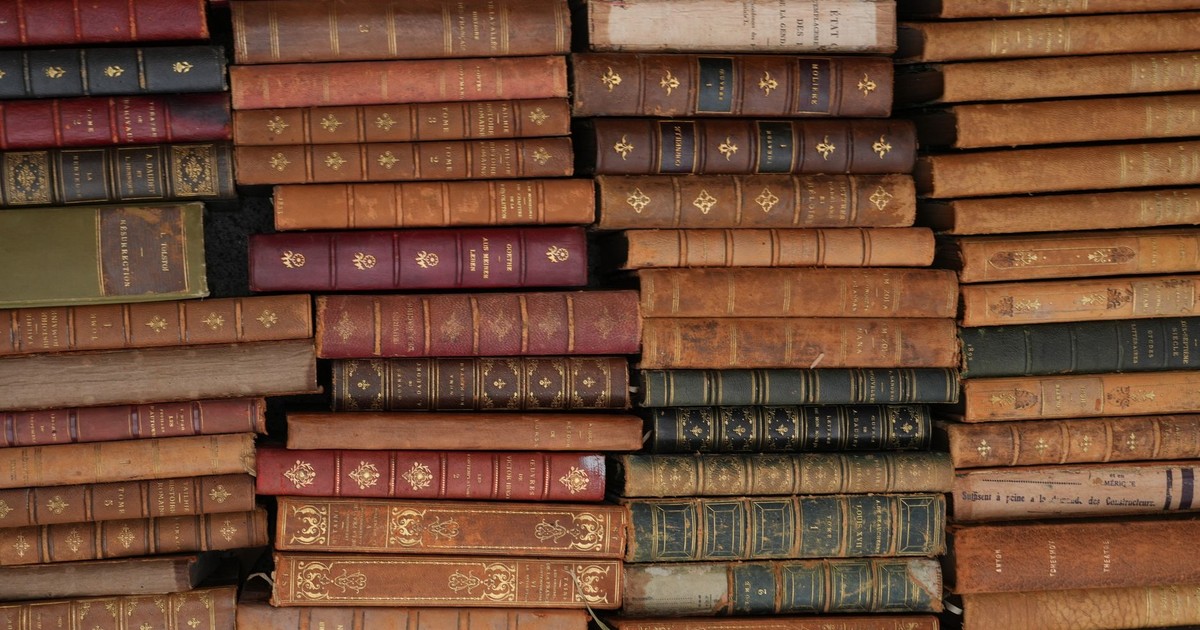
Every old book has a slightly different scent fingerprint, and the variables that determine it are surprisingly specific. The type of paper matters – books printed on acid-rich wood-pulp paper age faster and more aromatically than those printed on acid-free archival paper. The smell of old literature depends on the material it was written upon, and the papermaking process has gone through significant changes over the course of history. A Victorian novel printed in the 1880s has had 140-plus years of chemical transformation to work with, and its paper composition is fundamentally different from a mass-market paperback printed in 1995.
Storage conditions shape the scent as well. Books kept in cool, dry, dark spaces tend to degrade more slowly and produce a sweeter, more balanced aroma. Books stored in humid or fluctuating conditions develop a more pronounced mustiness – this is the earthier, almost damp-basement note that you sometimes encounter in a used bookstore’s more chaotic back shelves. The earthiness is not imaginary: it often involves actual microbial activity on the paper surface, adding biological compounds to the existing VOC cocktail.
The ink, the binding glue, and any dyes used in the cover all contribute their own compounds too, which is why a beautifully bound hardcover from a major publisher often smells different from a cheap paperback printed around the same year. The cover material, the thickness of the pages, even the humidity of the city where the book spent its first decade on a shelf – all of it leaves a chemical trace. Old book smell is not one smell. It is a category.
Read More: Mom notices drastic effects 7 months after pulling the plug on screen time for her kids
The Archive in Your Nose
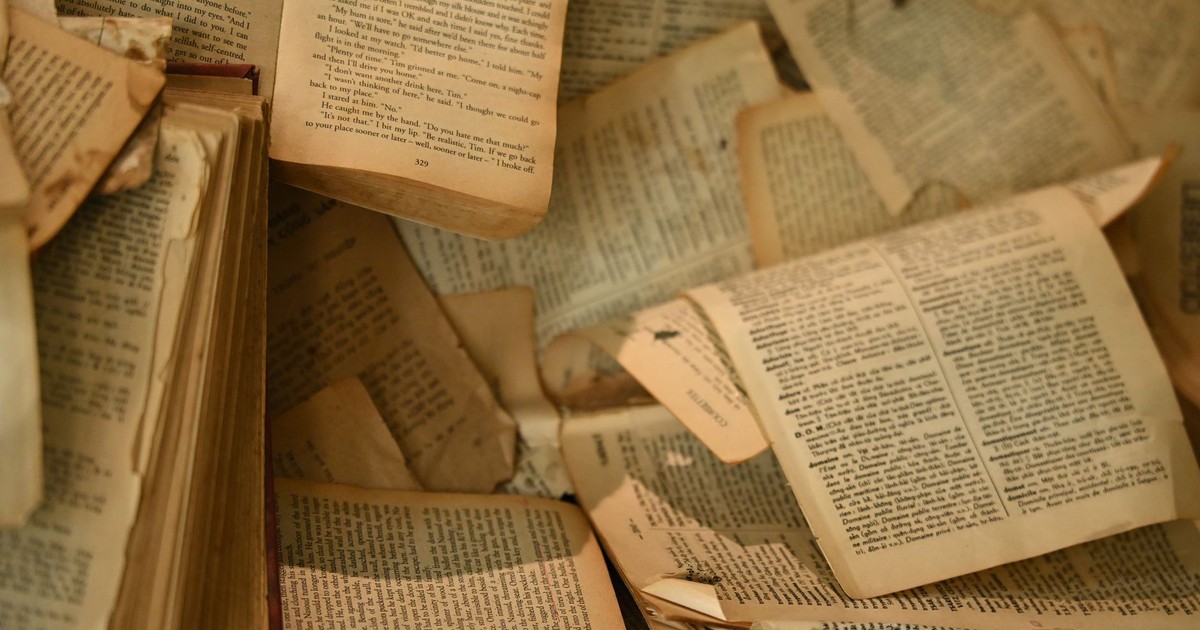
The reason old book smell is so persistent in human culture – so beloved, so immediately recognizable, so commercially viable – is that it is doing several things simultaneously. Chemically, it is the output of a slow, elegant molecular transformation in which plant-based polymers gradually yield some of the most universally pleasant aromatic compounds known: vanilla, almond, caramel, wood smoke. Neurologically, it travels the fastest route available from nose to emotional memory, arriving before the conscious mind has time to prepare a response.
And culturally, it carries the accumulated weight of every library you have ever walked into, every book you were given as a child, every afternoon that existed before you had a phone in your pocket. That weight is real, and the chemistry is real, and together they explain why picking up a secondhand paperback from a cardboard box at a street sale and lifting it briefly to your nose is one of those acts that most people perform without thinking about it. The smell calls for it. The brain answers.
Disclaimer: This information is not intended to be a substitute for professional medical advice, diagnosis, or treatment and is for information only. Always seek the advice of your physician or another qualified health provider with any questions about your medical condition and/or current medication. Do not disregard professional medical advice or delay seeking advice or treatment because of something you have read here.
AI Disclaimer: This article was created with the assistance of AI tools and reviewed by a human editor.