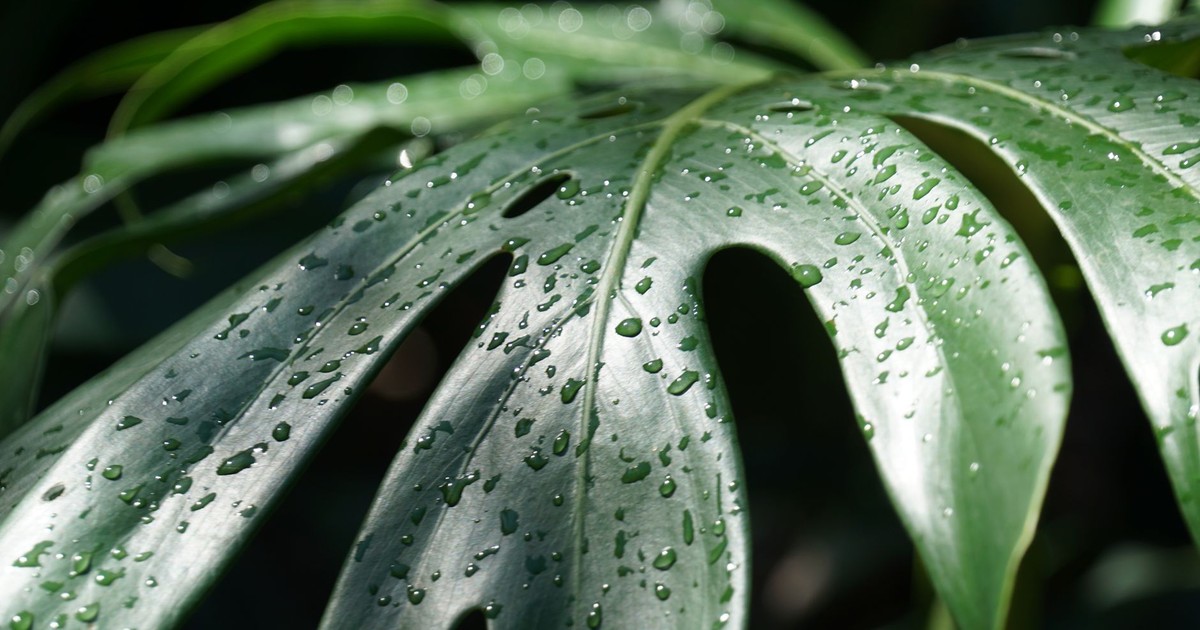

Most people who kill a Monstera don’t do it through neglect. They do it through enthusiasm – a little too much water, a little too often, out of genuine affection for that big, theatrical plant in the corner. The Monstera is forgiving in most ways, but it has one firm line it won’t cross: soggy roots.
Monstera are semi-epiphytic plants, and although they crave moisture, figuring out how much and how often to water one can be a genuine balancing act. That tension between “it’s from a tropical jungle so it must love water” and “but it’s also growing on other trees in that jungle, not sitting in a puddle” is where most of the confusion comes from. The plant’s natural habitat tells the whole story: heavy rain, then drainage, then drying out before the next downpour.
With the changing seasons, it can be tricky to know how often to water a Monstera to keep it thriving, and the golden rule of plant care appears to be that too little water is better than too much – this is especially true with Monstera. What follows is a thorough breakdown of every factor that determines your Monstera’s watering schedule, so you can stop guessing and start reading the plant itself.
The Baseline: Once Every One to Two Weeks
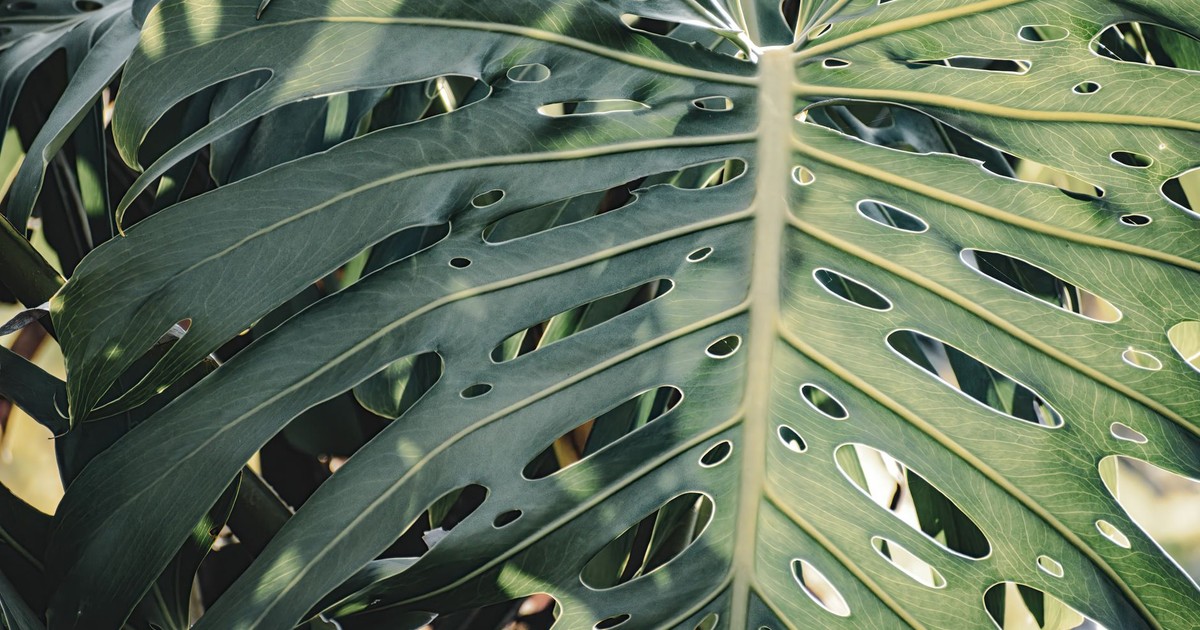
Most Monsteras should be watered about once every one to two weeks, but the actual amount your plant needs varies throughout the year. Light, temperature, and humidity levels in your home, as well as the size of your plant and its pot, all have an impact on those requirements. That one-to-two-week window is a starting point, not a prescription. The mistake most people make is treating it like a calendar event – watering every Tuesday regardless of what the soil is doing.
The more reliable approach is to treat the schedule as a prompt to check rather than a command to act. Pick two days a week when you’ll actually remember to examine the plant, then decide from there whether it needs water. A Monstera that sits in bright indirect light through a sunny summer week and one that’s spent three overcast days in January are not the same plant with the same needs, even if they’re the same pot in the same corner.
From spring to early fall, you can water Monstera once or twice a week, but in winter scale back to once every 10 to 14 days. Your watering frequency will vary depending on pot size, type of soil, humidity level, sunlight, and the growth stage of the plant. The one-to-two-week baseline is your default setting – the place you return to after you’ve adjusted for everything else.
The Finger Test (And Why You Need to Do It Every Time)

To make sure you’re watering your plant often enough, always test the soil first. Stick your finger into the soil, and water when the top few inches are dry. This sounds almost insultingly simple, but it’s genuinely the most reliable tool available for home growers. No app, schedule, or moisture meter replaces the information you get from two inches of your own finger in the soil.
Once the top 2 to 4 inches of soil are dry, your Monstera could use some watering. If you push your finger in and it comes back damp, put the watering can down. If it comes back dry, water thoroughly. The goal is never to let the soil dry out completely all the way to the bottom, but you want that top layer to have dried out enough that the roots get a breath between drinks.
Monsteras prefer slightly moist soil and generally like to dry out just a bit between waterings. They are semi-epiphytic plants with aerial roots – plants that grow on other plants in their natural habitat – so they don’t tolerate soggy soil. Those aerial roots evolved to collect moisture from rain and humid air as it passes, and the plant thrives when soil conditions reflect that pattern of wet and dry. The finger test keeps you honest about which end of the spectrum your pot is on.
More in Summer, Much Less in Winter
The light, humidity, and temperature in your home will determine how quickly the soil dries out, so keep an eye on changes in seasons and weather. During spring and summer, you’ll need to water your Monstera more often, but that frequency drops as fall and winter approach.
Monsteras are actively growing during the warmer months, and a plant that’s pushing out new leaves and extending roots is consuming water faster than a plant that’s essentially resting. In summer, a well-lit Monstera in a terracotta pot might need water every five to seven days. That same plant in December, with shorter days and lower light, could comfortably go two weeks between waterings. Keeping the same schedule year-round is one of the most common ways indoor plants get into trouble.
Winter is also when central heating works against you in a less obvious way. Forced air heat dramatically lowers indoor humidity, which dries out the air around the plant but doesn’t necessarily speed up soil drying the same way direct light does. Your Monstera’s leaves may look stressed from dry air while the soil is still holding moisture from last week’s watering. These are two different problems with two different solutions – a pebble tray or light misting addresses the air; the finger test handles the soil.
Light Levels Change Everything
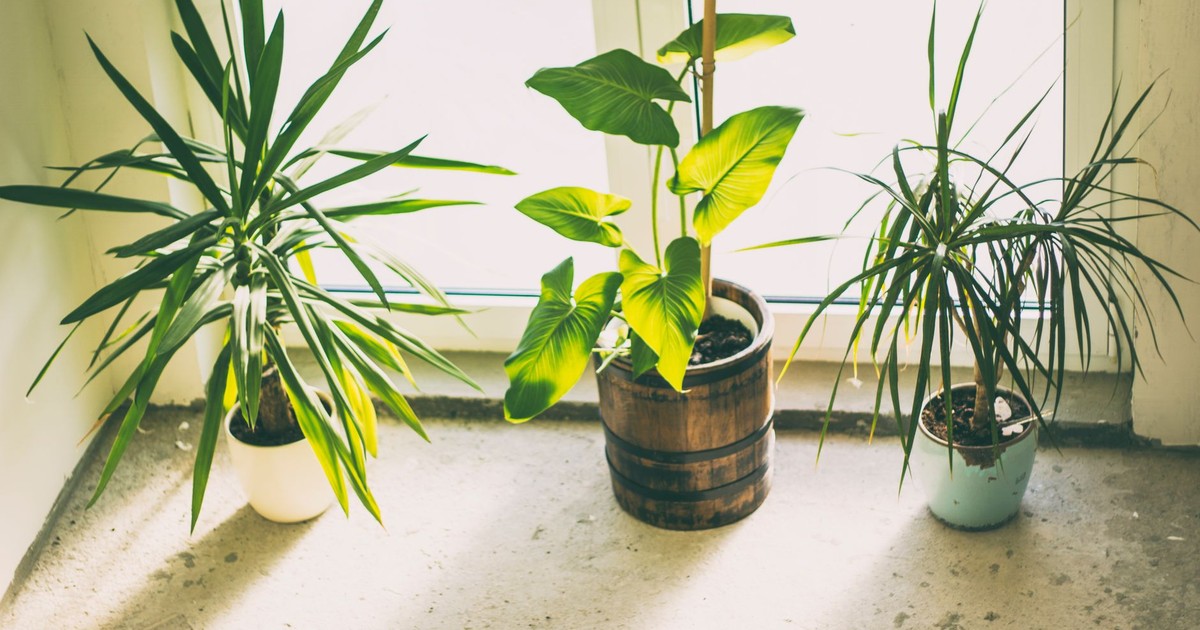
A Monstera in a bright spot near a south- or east-facing window will use water faster than one sitting five feet back from that same window. More light means more photosynthesis, which means more water moving through the plant, which means the soil dries out sooner. The equation runs the other direction, too: low light can slow down the plant’s growth and reduce its water needs.
Most houseplant advice assumes adequate light. If your Monstera is in a corner that gets honest bright indirect light, the standard one-to-two-week window probably applies. If it’s in a darker spot, you need to stretch that window and lean even harder on the soil check. Watering on schedule in low-light conditions is how overwatering happens to people who genuinely think they’re doing everything right.
The same problem arises when a plant gets moved – say, from its usual spot to a sunny windowsill while you clean the floors, and you forget to move it back. A week of significantly higher light exposure can push that soil to dry out days faster than normal. Any time the plant’s location changes, reassess your watering timing from scratch.
Pot Size, Pot Material, and Drainage
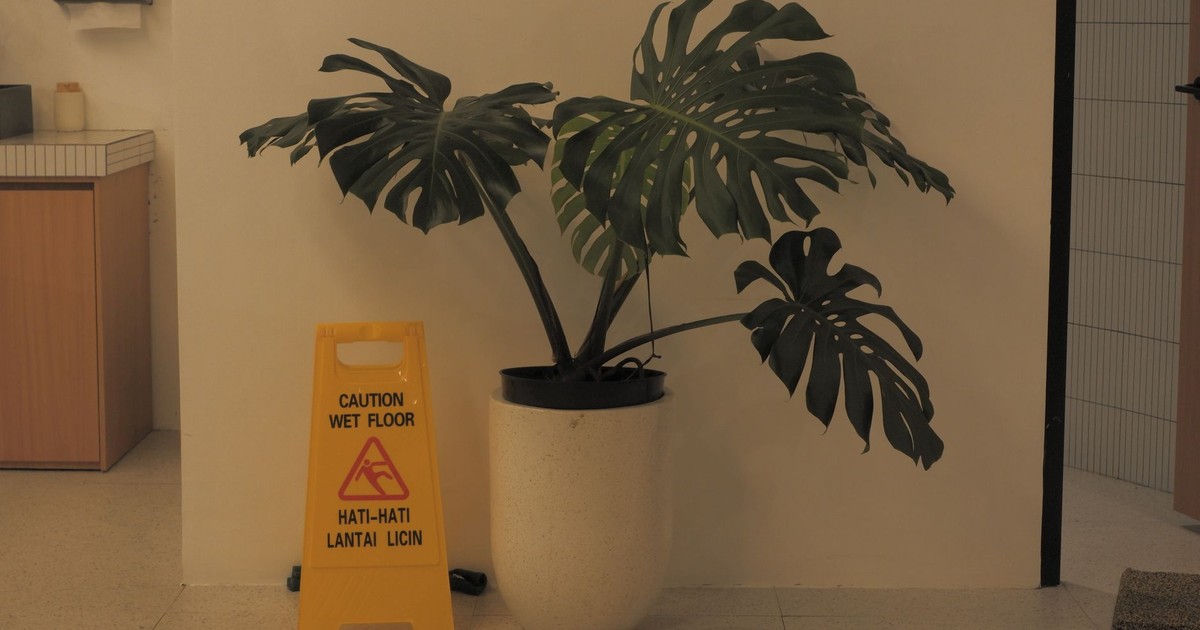
A pot that’s too large can be slow to dry out, which can lead to root rot. The pot should be about 1 or 2 inches larger in diameter than the Monstera’s root ball, and the plant should be moved to a larger pot only when the roots emerge from the drainage holes or encircle the inside of the pot. An oversized container is one of the most underrated watering problems. When there’s a lot of rootless soil around a plant’s root ball, that extra soil just holds moisture with nothing to absorb it, and eventually that standing moisture creates the exact conditions that root rot fungi love.
Pot material also affects how often you water. Terracotta pots are porous and breathe, pulling moisture out of the soil through their walls and allowing the soil to dry faster. Plastic and glazed ceramic pots hold moisture longer, meaning a Monstera in a plastic nursery pot may need watering less frequently than the same plant repotted into unglazed terracotta. Neither choice is wrong, but you need to know which one you’re working with when you set your watering expectations.
Root rot is more often caused by a lack of drainage, either in the container or in the soil itself. Leaving pots in full drip trays or pot covers leads to the same problem, and hemi-epiphytic Monsteras do not appreciate these soggy conditions. If you love the look of a decorative pot without holes, use it as a cache pot with the plant sitting inside its own nursery container, and empty the outer pot after every watering.
How to Water – Not Just When
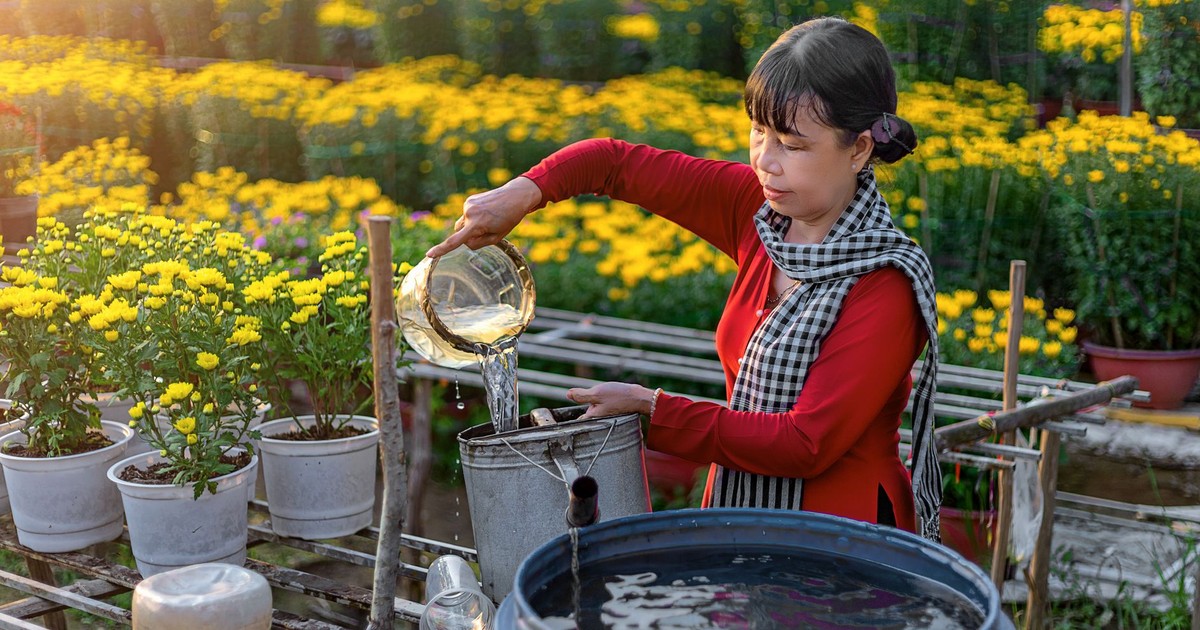
There are two ways to water a Monstera: from the top and from the bottom. Overhead watering at the top of the soil is the easiest approach – place the pot in a sink or container to catch drainage, then pour water over the soil (not the leaves) until it is saturated and water runs out of the drainage holes. Don’t let the pot sit in that water; return it to its saucer once it stops dripping and empty the saucer if any water has collected.
The key principle here is thoroughness. A light splash that only wets the top inch of soil doesn’t reach the lower roots, and the long-term result is a plant with a shallow, stressed root system that’s simultaneously underwatered at depth and susceptible to surface-level overwatering. Water until you see it drain – that’s your confirmation that the entire root zone received moisture.
Bottom watering is an alternative worth knowing about, particularly for Monsteras in well-draining soil. You set the pot in a few inches of water and let the soil absorb moisture upward through the drainage holes for 20 to 30 minutes, then remove it and allow the excess to drain. This method encourages roots to grow downward and tends to water the soil more evenly. The downside is that mineral salts from tap water can accumulate in the top layer of soil without the occasional top-flush to push them out, so most growers alternate between the two methods rather than committing to one exclusively.
Reading the Warning Signs: Overwatering vs. Underwatering
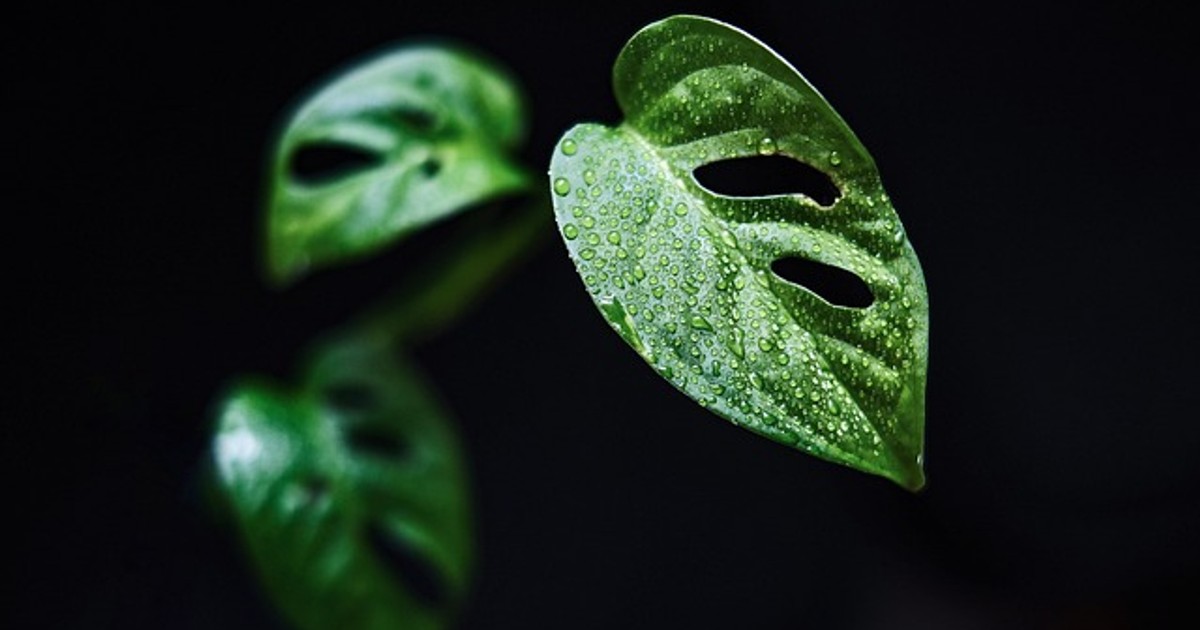
The plant itself will tell you when something is wrong. The challenge is that overwatering and underwatering can look deceptively similar at first – both produce wilting and drooping – so you need to check the soil before you draw any conclusions.
Overwatering produces soil that’s always damp, smells musty, or has mushy stems. Underwatering makes edges brown and crispy, slows growth, and causes wilted leaves. One of the first indicators that a Monstera might be getting too much water is yellowing leaves. If the leaves are yellowing and the soil is wet, reduce your watering frequency. If the leaves are going crispy and brown at the tips and the soil is bone dry, increase it.
Root rot is caused by fungi developing in the soil and attacking the roots – it is one of the most common causes of houseplant death. The fungus develops when there is too much moisture in the soil and no airflow around the roots. One of the clearest signs of root rot is a foul odor coming from the soil; if you notice a smell somewhat reminiscent of rotten eggs or a swamp, it’s time to take action. At that point, the plant needs to come out of its pot, the mushy roots need to be trimmed away with clean scissors, and the plant needs to be repotted into fresh, dry, well-draining soil before it goes back on the windowsill.
Underwatering is usually easier to reverse than overwatering. A dry, thirsty Monstera will perk back up within hours of a thorough drink. An overwatered one may take weeks to recover, and if root rot has set in, the recovery involves actual surgery on the root system. If you’re genuinely unsure which direction to err, err dry.
If you’re building your confidence with indoor plants, our complete guide to snake plants covers another low-maintenance tropical whose biggest enemy is also overwatering – and the comparison helps.
What Your Monstera Is Actually Asking For
When people talk about how often to water a Monstera, they usually want a number – every seven days, every ten days, twice a week. The number exists, and it’s a useful anchor, but the plant has never once consulted a calendar. What it’s actually asking for is attention: a quick soil check twice a week, a thorough drink when the top few inches are dry, a rest from the watering can when they’re not.
The variables covered here – season, light, pot material, pot size, watering method – don’t exist to make things complicated. They exist because your specific apartment, your specific window, and your specific pot add up to conditions that no generic care tag can account for. Once you’ve run through the checklist a few times, it stops feeling like homework and starts feeling like reading a plant that’s already trying to tell you what it needs.
The Monstera became one of the most popular houseplants on the planet not because it’s fussy but because it communicates clearly when something is wrong and bounces back reliably when you adjust. Those big, dramatic leaves that everyone wants in their living room are also a pretty honest indicator of the plant’s overall state. When they’re glossy and unfurling new growth, you’re doing it right. When they’re yellow at the base or browning at the tips, something needs to change – and now you know what to look for.
Disclaimer: This information is not intended to be a substitute for professional medical advice, diagnosis, or treatment and is for information only. Always seek the advice of your physician or another qualified health provider with any questions about your medical condition and/or current medication. Do not disregard professional medical advice or delay seeking advice or treatment because of something you have read here.
AI Disclaimer: This article was created with the assistance of AI tools and reviewed by a human editor.