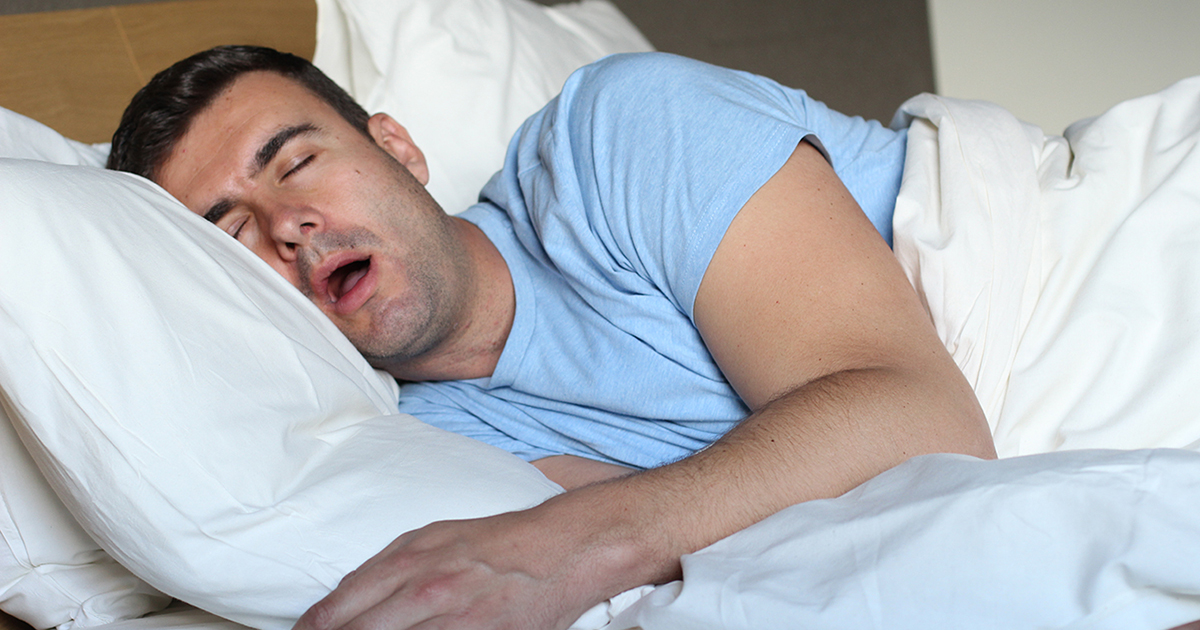

Most people wake up to a damp pillow at some point in their lives and think nothing of it. The body does strange things during sleep, and a little saliva on the pillowcase tends to rank low on the list of morning concerns. Persistent, heavy drooling at night is different.
The body is extraordinarily precise about where saliva goes during waking hours. Swallowing happens automatically, roughly once a minute, clearing saliva from the mouth in a smooth, unconscious cascade. During sleep, that reflex slows considerably. Muscles around the mouth relax, swallowing frequency drops, and gravity becomes the primary factor in deciding whether saliva stays in or escapes. Most of the time, it stays in. When it doesn’t, and the problem recurs night after night, there’s usually a reason worth investigating.
Nighttime drooling causes range from the entirely mundane (sleeping on your side, with gravity doing the work) to conditions serious enough to warrant a formal clinical workup. Adults who have always slept on their side and occasionally wake to a damp pillow are almost certainly fine. Adults who have recently developed heavy drooling without a clear positional explanation are carrying a question worth answering.
What’s Actually Happening in Your Mouth at Night
According to the Cleveland Clinic, drooling occurs when saliva flows out of the mouth unintentionally, either because of excess saliva production or because the muscles around the mouth are underdeveloped or temporarily relaxed. During sleep, both conditions can be present at once. When you sleep, your body naturally swallows less and the muscles around your mouth relax, which can allow saliva to build up and sometimes leak out. When drooling becomes excessive, it may be linked to conditions that change how well you can control your mouth muscles.
Medically, drooling may be called ptyalism or sialorrhea. The more useful distinction is not which term applies, but whether the drooling is positional and temporary versus persistent, voluminous, and new. If you’ve always been a stomach or side sleeper and have only recently begun drooling, it could be due to a medical condition such as allergies, infections, or acid reflux. A new symptom in an adult body is worth paying attention to in a way that a lifelong habit simply is not.
Sleep Position: The Most Common (and Most Overlooked) Cause

Sometimes your sleeping position is to blame. If you sleep on your back, gravity keeps saliva in your mouth. If you sleep on your side or stomach, you’re much more likely to drool. This is the explanation behind the vast majority of occasional drooling incidents in otherwise healthy adults, and it is genuinely benign.
When sleeping, the facial muscles and swallowing reflex are in a relaxed state, so saliva accumulates in the mouth. If saliva builds to a certain point, the facial muscles relax further and can no longer prevent escape. When a person lies on their back, saliva flows down to the stomach and esophagus, but when a person lies on their left or right side, saliva flows back out.
The practical implication is straightforward. If you drool only on nights when you sleep on your side, and you wake up well-rested, this is not a health concern. If the drooling is happening regardless of position, or if it’s accompanied by other symptoms, the investigation needs to go deeper.
Obstructive Sleep Apnea: The Link More Adults Need to Know About

A 2025 systematic review estimated that 83.7 million adults aged 20 and older were living with obstructive sleep apnea (OSA) in the US in 2024, translating to an overall prevalence of 32.4% among adults, with 39.1% among males and 26.0% among females. Most of them don’t know it.
Sleep apnea is a disorder that causes repeated pauses in breathing throughout the night. The most common type, obstructive sleep apnea, occurs when the muscles in the throat relax too much, blocking the airway. This disruption leads to snoring, gasping for air, poor sleep quality, and a variety of other symptoms, including excessive drooling. People with sleep apnea often breathe through their mouths because their nasal passages are blocked or their airway collapses during sleep, and mouth breathing increases saliva evaporation and production, leading to drooling.
People with OSA frequently breathe through their mouths while sleeping, and with their mouths open for hours at a time, drooling becomes a very real possibility. But drooling alone is not how you diagnose OSA. Additional warning signs to watch for include loud, frequent snoring; daytime exhaustion despite getting seven to eight hours of sleep; morning sore throats or headaches; difficulty concentrating or frequent mood swings; waking up gasping for air; and frequent nighttime urination.
If several of those sound familiar alongside the drooling, a sleep study is the appropriate next step, not a pillow adjustment.
GERD: When Your Stomach Is Waking You Up Without You Knowing
Heartburn may be the most well-known symptom of gastroesophageal reflux disease (GERD), but the Sleep Foundation notes that drooling and dysphagia (difficulty swallowing) are also common symptoms. People who experience dysphagia with GERD may feel like there is a lump in their throat, which can cause them to drool more often. When the esophagus is irritated or obstructed, the body may respond by producing more saliva to relieve the irritation.
When stomach acid refluxes into the esophagus, the body produces extra saliva to neutralize the acid. This protective reflex, called water brash, can dramatically increase saliva volume during sleep. Someone who has no obvious sleep disorder and no neurological history can still wake up to a consistently soaked pillow because GERD is active overnight: the body compensates with extra saliva, and the pillow pays the price.
Increased salivation during sleep can be triggered by regularly eating spicy foods, and eating too much late at night can also easily cause increased salivation during sleep. For people who already have a tendency toward reflux, a large or spicy meal eaten late in the evening is essentially a setup for a rough night.
Neurological Conditions: When Drooling Is a Symptom, Not a Coincidence
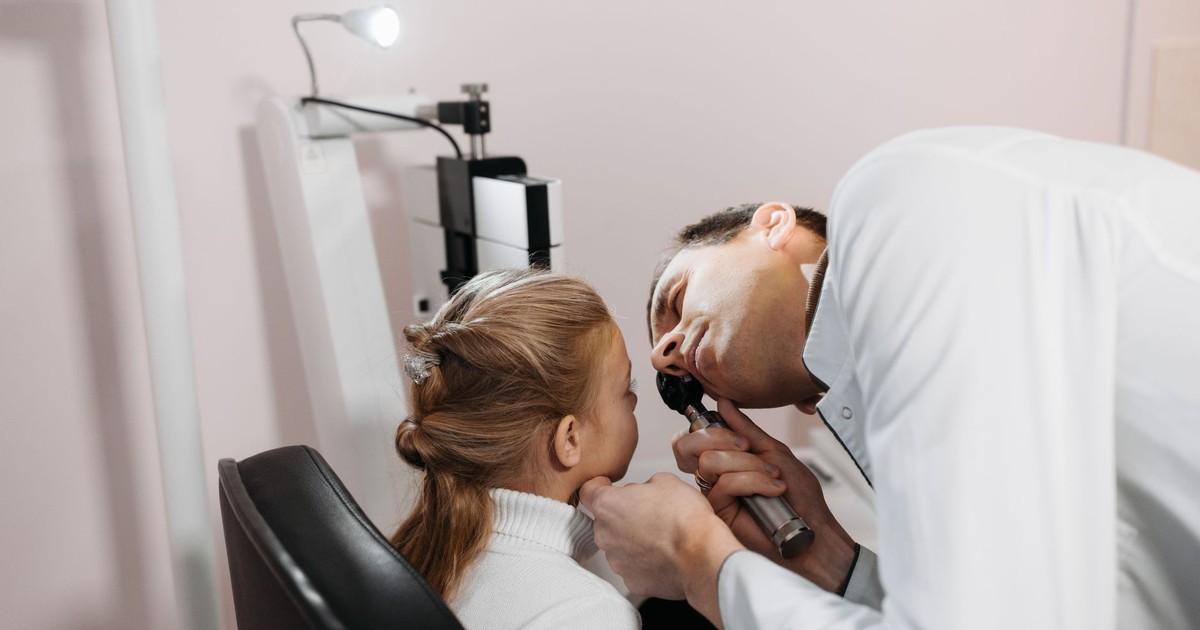
Drooling that develops in adults who did not previously have the problem, especially when accompanied by tremors, difficulty swallowing, changes in speech, or facial muscle weakness, can be an early indicator of a neurological condition.
Conditions that affect the muscles or nerves involved in swallowing can cause persistent drooling both day and night. Parkinson’s disease, stroke, ALS, and multiple sclerosis can all impair the coordinated swallowing reflex that normally clears saliva.
Parkinson’s disease is particularly associated with sialorrhea. A Non-motor International Longitudinal Study retrospective analysis of 728 consecutive Parkinson’s disease patients found a baseline prevalence of drooling of 37.2%, rising to 40.1% at follow-up after approximately three years.
In one study of Parkinson’s patients, nocturnal drooling was present in 58% of participants. Drooling in Parkinson’s disease appears to be primarily related to reduced swallowing efficiency rather than to overproduction of saliva. The problem is not that the body is making too much. It’s that the body has lost some of its ability to manage what it makes.
Parkinson’s disease and other chronic neurological conditions can affect the nerves and muscles that keep saliva in the mouth. These changes mean that even small amounts of saliva may not be swallowed properly during sleep. Problems with oromotor movements (the small muscle activities in the mouth that help control saliva) can also contribute to excessive drooling at night.
Allergies, Sinus Congestion, and Mouth Breathing

Seasonal allergies and chronic sinus issues are among the more common and more overlooked contributors to nighttime drooling in adults. The underlying process is a blocked nose forcing mouth breathing, an open mouth allowing saliva to escape, and the pillow absorbing the consequences.
If you have nasal congestion due to a cold or an infection, you might find you’re drooling more than usual. If you have regularly inflamed or blocked sinus passages, you might find yourself drooling chronically. Blocked sinuses make you more likely to breathe through your mouth while sleeping, and mouth breathing leads to more drool escaping.
Seasonal allergies, a cold, a sore throat, nasal congestion, sinus infections, and a stuffy nose can all cause drooling in your sleep. For anyone who notices that their drooling worsens in spring or during a cold, this is the most probable explanation and also the most treatable. Allergy management, nasal rinses, and humidifiers can meaningfully reduce mouth breathing during sleep and, with it, the drooling.
Medications That Trigger Excess Saliva

The pharmacological causes of nighttime drooling are underappreciated, partly because patients rarely connect a new prescription to a wet pillow three weeks later.
Certain prescription medications, particularly psychotropic drugs used for mental health conditions, directly stimulate the salivary glands and induce excessive saliva production as a clinical adverse effect. Antipsychotic drugs, especially clozapine, and medications used to treat Alzheimer’s disease have been specifically shown to cause excessive drooling.
If drooling began after a new medication was introduced, that temporal relationship is worth mentioning to a prescribing physician. It may be manageable through dose adjustment, timing changes, or an alternative formulation, but that conversation can only happen if the symptom is reported.
Dental and Oral Health Factors
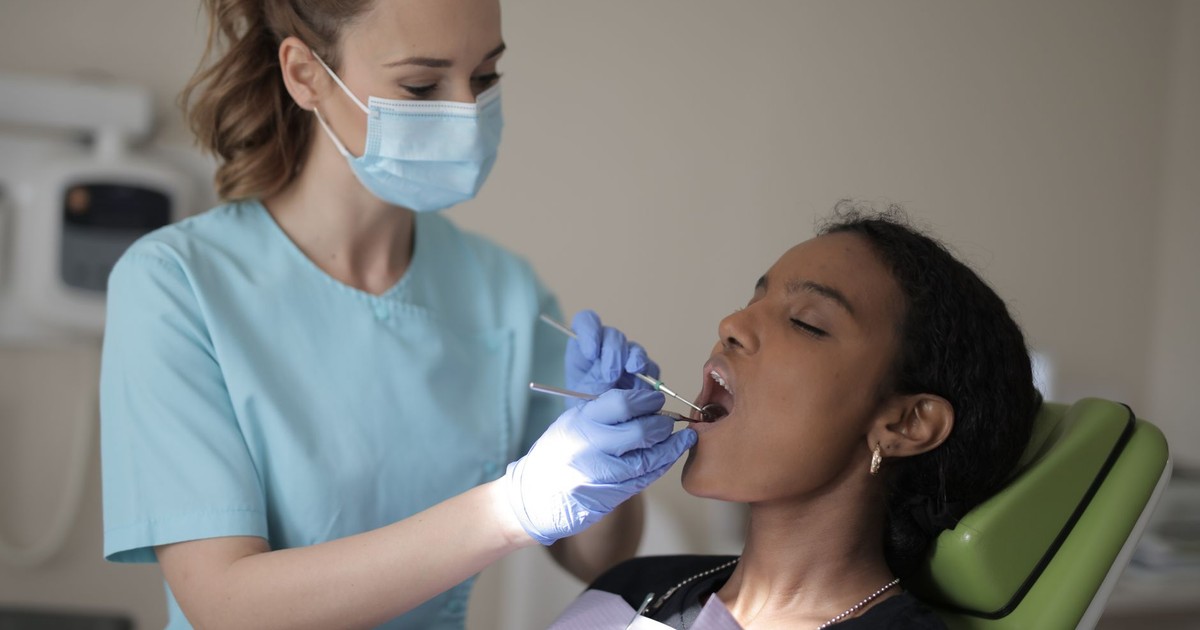
The mouth’s own structural environment contributes to nocturnal drooling in ways that often go unaddressed. Uncontrolled salivation during sleep often occurs in people with dental problems such as pharyngitis, tooth decay, and mouth ulcers.
Poor dental health creates a local inflammatory environment that can stimulate saliva production, while structural issues with bite, jaw alignment, or lip closure can make it physically harder to contain saliva overnight. Speech therapy can reduce nighttime drooling by strengthening the jaw muscles and improving lip closure, tongue movement, and swallowing ability. A speech therapist can also work to improve posture and proper trunk and head control, both of which can help reduce excessive drooling.
This is not an intervention most adults associate with drooling, but it is a clinically recognized one, particularly for individuals whose drooling stems from weakened perioral (around-the-mouth) musculature rather than from an underlying systemic condition.
When Drooling Is a Warning Sign Worth Acting On
While occasional drooling is completely normal, sudden increases in volume alongside symptoms like loud snoring, choking, or difficulty swallowing may warrant medical evaluation to rule out secondary respiratory or neuromuscular disorders.
New-onset drooling in adults, especially when combined with neurological symptoms, warrants prompt evaluation. A physician evaluating persistent nighttime drooling will typically ask about frequency and severity, whether it is accompanied by snoring or gasping, and whether any neurological symptoms are present. Sleep studies, specifically polysomnography, play a crucial role in evaluating sleep-related drooling, especially when sleep disorders are suspected.
Frequent drooling during sleep can lead to both physical and psychological complications, including dehydration, foul odor, decreased self-esteem, skin irritation, and even aspiration pneumonia (caused by inhaling excessive pooled saliva). The aspiration pneumonia risk is rare and generally applies to individuals with significant neuromuscular impairment, but it illustrates why the symptom deserves clinical attention when it is persistent and unexplained.
Read More: How missing just one hour of sleep actually harms your body, according to doctors
What the Pillow Can’t Tell You

Nighttime drooling that needs nothing more than a position change and a fresh pillowcase exists. So does the kind that is the body’s earliest legible signal of a condition that will eventually demand a name. The tricky part is that they can look identical on a Tuesday morning. Both leave the same damp spot. Both feel equally embarrassing when the person you share a bed with notices.
What separates them is pattern: how long it’s been happening, whether it’s gotten heavier, and what else has changed. A new medication three weeks before it started. A partner who has started mentioning that you snore. A swallow that occasionally catches. These details are not dramatic on their own. Together, they are the information a doctor actually needs to work with.
Nighttime drooling causes exist on a wide spectrum, and most of what lies at the benign end of that spectrum stays there. But the body rarely sends the same signal every night for weeks without a reason. If the reason is not obvious, it belongs in a conversation, not because drooling is dramatic, but because some of what sits behind it is.
Disclaimer: This information is not intended to be a substitute for professional medical advice, diagnosis, or treatment and is for information only. Always seek the advice of your physician or another qualified health provider with any questions about your medical condition and/or current medication. Do not disregard professional medical advice or delay seeking advice or treatment because of something you have read here.
AI Disclaimer: This article was created with the assistance of AI tools and reviewed by a human editor.