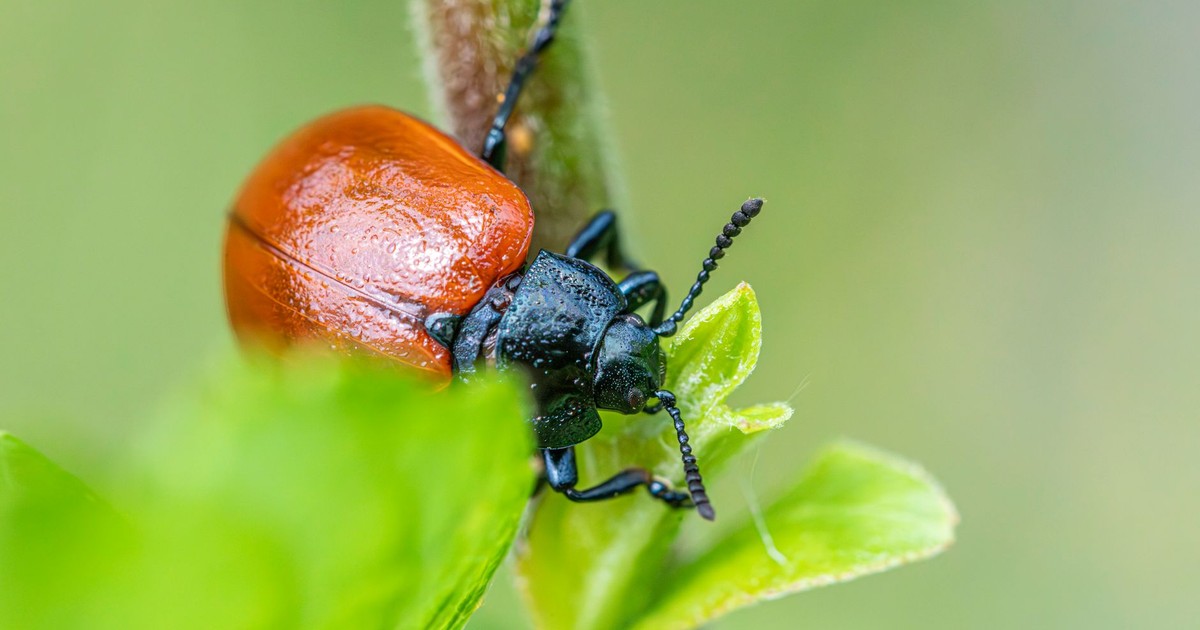

Every backyard garden has at least one nemesis. For some people it’s aphids – a soft green cloud that descends on tomatoes overnight. For others it’s the slugs that somehow find every seedling the morning after transplanting, or the squash vine borer that turns a promising zucchini plant into a wilted ruin by July. The bugs always seem to know where you’ve put your faith.
The reflex is to reach for a spray bottle with something chemical in it. But vegetable gardens are places where the tradeoffs are immediate and personal: whatever you spray ends up on food you’re going to eat. Natural pest control in the garden works with the biology of the garden instead of against it. The goal is not to eliminate every pest, but to create enough balance that your plants stay strong, your beneficial insects thrive, and you still bring in a good harvest.
These ten methods are rooted in how gardens actually function. Some are preventative, some are reactive, and a few are both. Used together, they build the kind of resilience that keeps you out of the chemical aisle entirely.
1. Companion Planting
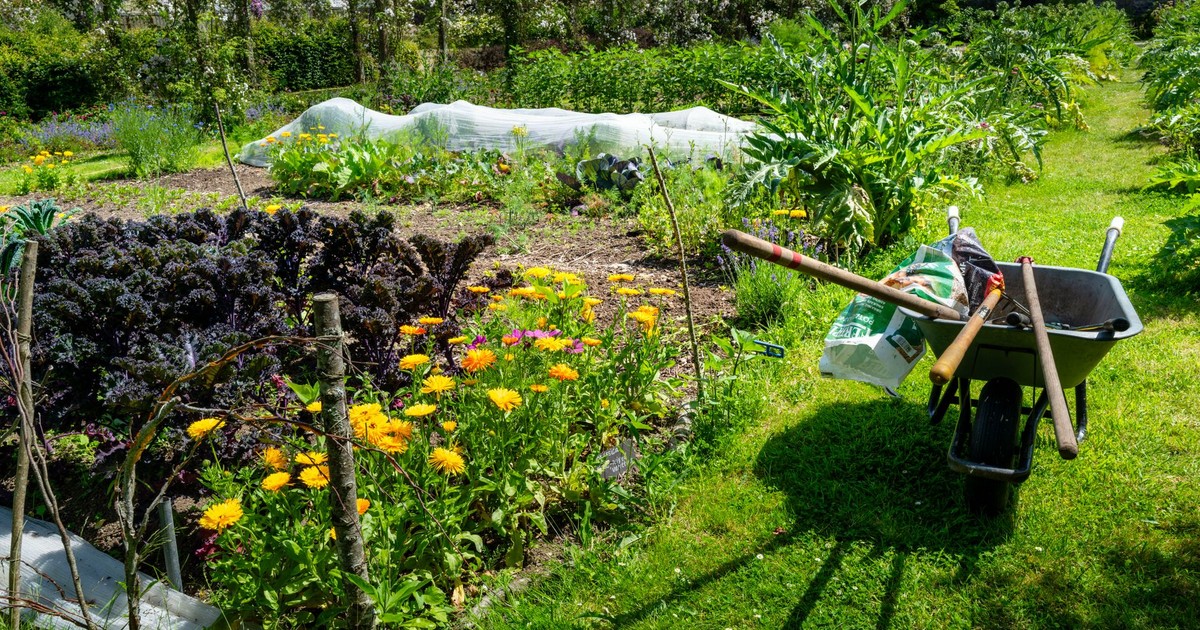
Certain plants release compounds, oils, and scents that either repel insects or attract their predators. Plant French marigolds around your tomato plants. The marigolds release a chemical called thiophene, which is toxic to root-knot nematodes – microscopic pests that can devastate tomato roots. Growing basil alongside peppers is another pairing worth knowing: the strong aroma of basil deters aphids, spider mites, and thrips.
Nasturtiums are particularly useful near squash or cucumber plants, where they act as a “trap crop,” luring pests like aphids and cucumber beetles away from your more valuable vegetables. The nasturtiums take the hit so the cucumbers don’t have to – and they’re beautiful while doing it, which is more than you can say for most pest management strategies.
2. Neem Oil Spray
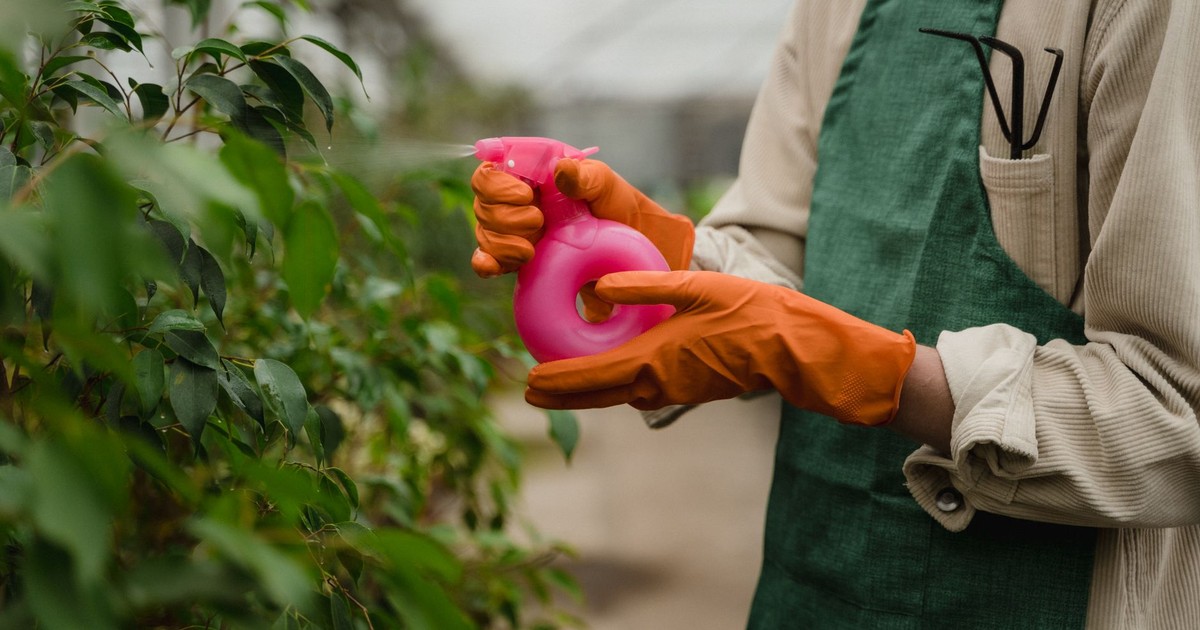
Neem oil is extracted from the seeds and fruit of the neem tree. It contains multiple bioactive compounds, of which azadirachtin is the primary insecticidal component – acting as an antifeedant, a repellent, and an insect growth regulator that disrupts molting. According to Epic Gardening, it is safe to use up to harvest day, effectively controls over 200 types of insect pests, and serves as a biofungicide.
Neem oil works all through the growing season because it can kill pests at every stage of their life cycle, including when they are eggs, larvae, pupas, and adults. Apply it early in the morning or late in the evening when beneficial insects are less active, and mix it with a small amount of dish soap to help it adhere to leaf surfaces. Repeat every seven to fourteen days during periods of high pest pressure, and after rain.
3. Crop Rotation
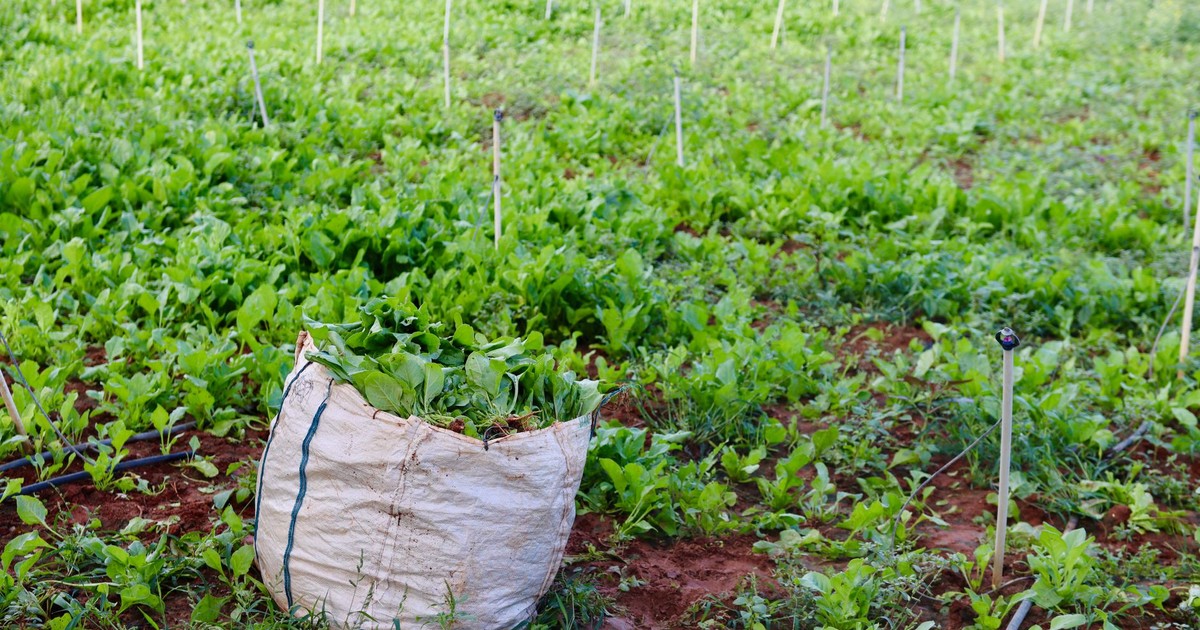
Some insect pests overwinter in the garden soil and emerge the following season in search of host plants. As High Plains Journal reported in 2025, insects and diseases are the most common threat to vegetable production. David Hillock, consumer horticulture Extension specialist at Oklahoma State University, explains it plainly: “Rotating where vegetables are planted is an excellent way of keeping harmful soil organisms to a minimum.”
Move tomatoes out of last year’s tomato bed, and the hornworm pupae waiting in that soil emerge to find nothing to eat. Iowa State University Extension recommends that for crop rotation to be most effective, gardeners should not plant vegetables belonging to the same plant family in the same location for three to four years, or five or more years if possible. In a small garden, even a simple two or three-zone rotation helps. Divide your beds roughly into legumes, brassicas, and nightshades, and cycle them through each year.
4. Row Covers and Physical Barriers
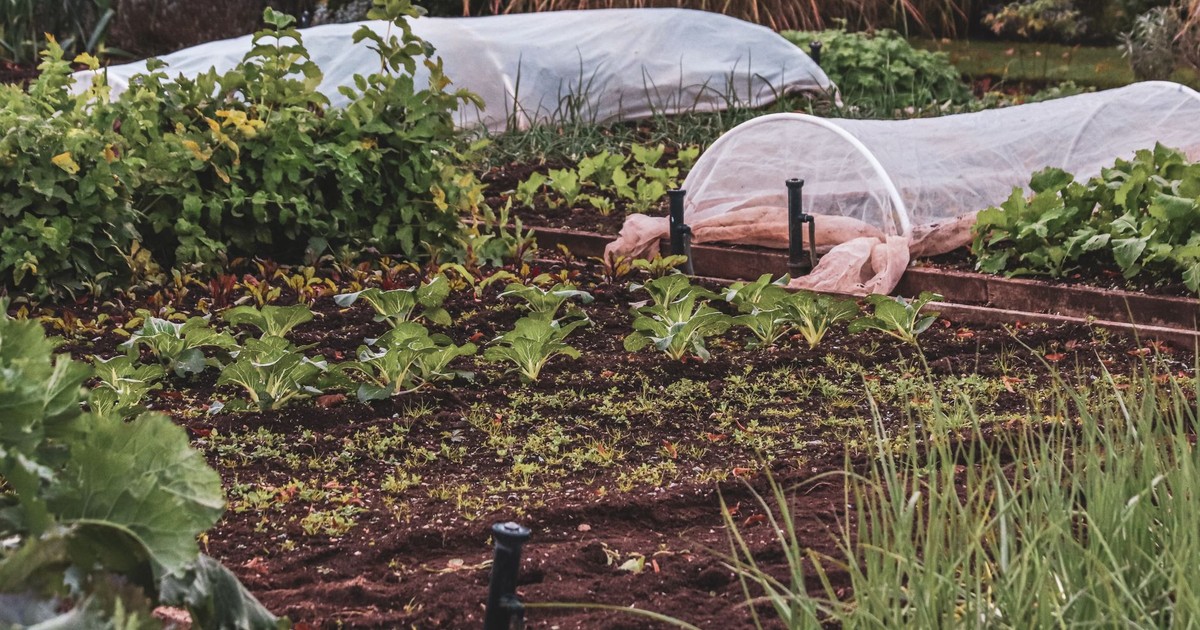
Row covers – lightweight fabric draped directly over plants or held up on hoops – create a physical barrier between your plants and the insects looking for them. They protect young plants from flying insects including cabbage moths, flea beetles, cucumber beetles, and aphids. For brassicas in particular – broccoli, cabbage, kale – a row cover installed at transplant time and kept on through the most vulnerable early weeks can mean the difference between a full head of cabbage and a skeleton of one.
The cover needs to be sealed at the edges. Floating row cover that’s just draped over plants without being anchored will let insects crawl in from the sides. Weight the edges with boards, stakes, or soil, and check regularly for any gaps. For crops that need pollination – squash, cucumbers, melons – remove the covers once flowers appear.
5. Beneficial Insects
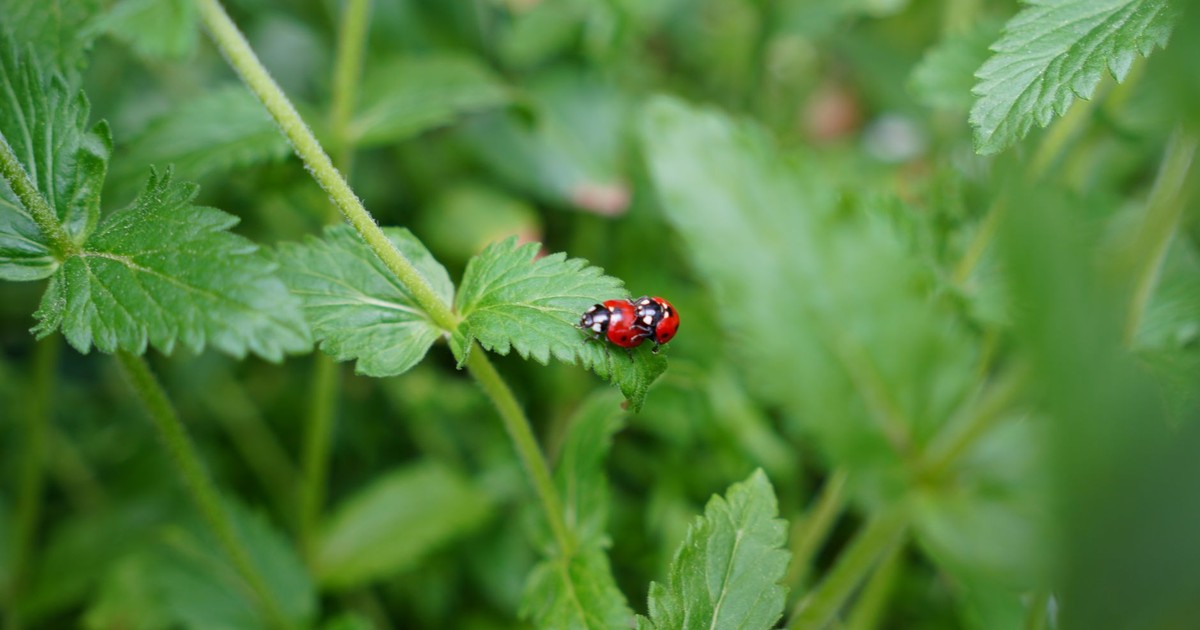
Ladybugs, lacewings, hoverflies, birds, bats, spiders, dragonflies, and even some wasps all play a role in balancing pest populations. There are more than a million identified insect species, and fewer than 2 percent are harmful. You can buy beneficial insects such as ladybugs or praying mantis egg cases, but the longer-term strategy is to create habitat so beneficial insects want to live in your garden.
Plant flowers and herbs throughout your vegetable garden – dill, fennel, yarrow, sweet alyssum, and borage are all reliable attractors of predatory and parasitic insects. The parasitic wasps that lay eggs inside aphids and caterpillars, in particular, are drawn to small-flowered umbellifers like dill and cilantro allowed to bolt.
Avoid broad-spectrum pesticides, even organic ones, during bloom periods. A single application at the wrong moment can wipe out a lacewing population that was already handling your aphid problem for you.
6. Insecticidal Soap Spray
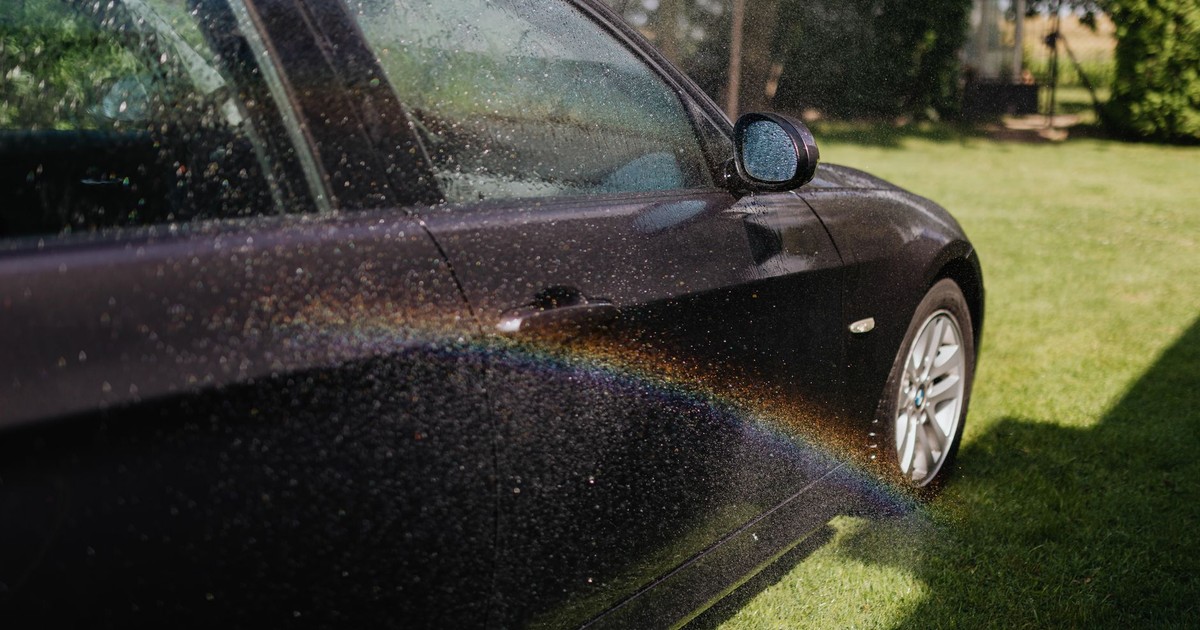
Homemade insecticidal soap spray is one of the simplest tools for a natural pest control garden. The basic formula is a teaspoon or two of pure liquid castile soap diluted in a quart of water – no additives, no perfumes, no dish soap with degreaser in it, which can damage plant tissue.
The soap works by penetrating the soft outer shell of small-bodied insects and disrupting their cell membranes, causing rapid dehydration. It is effective against aphids, spider mites, mealybugs, whiteflies, and thrips. It has no residual effect once dry, which means it’s safe to apply and re-apply without accumulating in the soil, and it doesn’t harm beneficial insects that arrive after the spray has dried.
Spray directly on insects to ensure contact – this one does not work prophylactically. Coat the undersides of leaves, where most soft-bodied insects congregate. Apply in the morning or evening and avoid spraying in full sun, which can cause leaf burn. Reapply every few days until the infestation clears.
7. Diatomaceous Earth
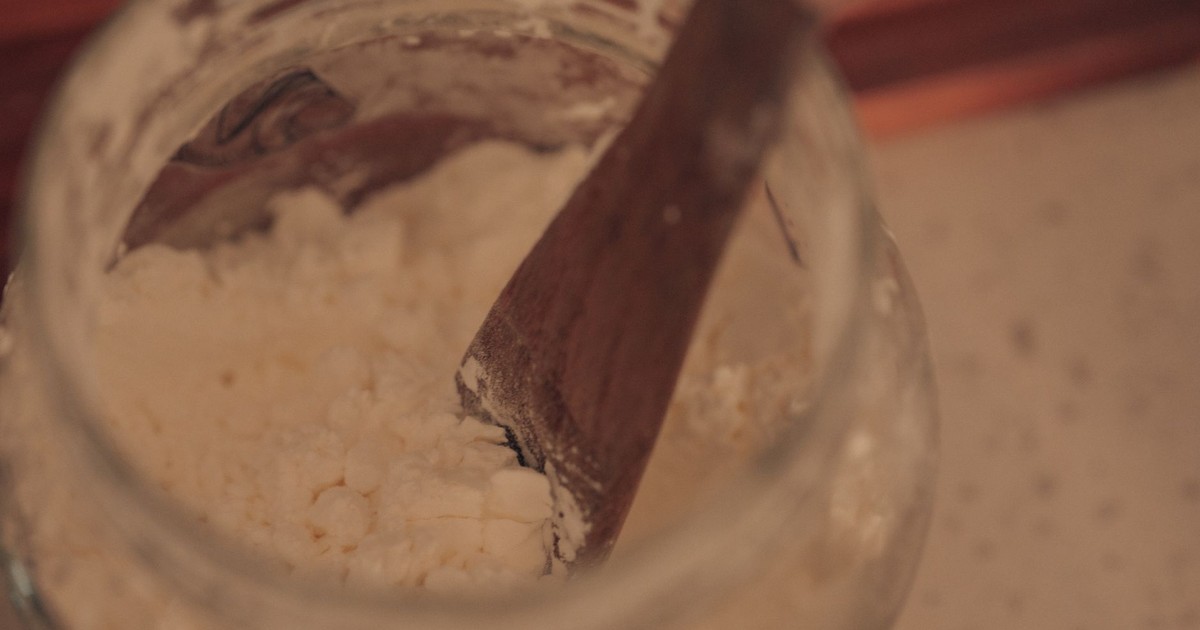
Diatomaceous earth is fossilized remains of microscopic algae, ground into a powder so fine it looks like talc but functions like broken glass at the scale of an insect’s body. It works by abrading the waxy exoskeleton of crawling insects, causing them to lose moisture and die. It is not a poison, which means insects cannot develop resistance to it.
Dust it around the base of plants and along soil surfaces where crawling pests – slugs, beetles, cutworms, earwigs – travel. For slug problems in particular, a ring of diatomaceous earth around vulnerable seedlings creates a barrier slugs are reluctant to cross. It also deters ants, which is worth noting because ants actively farm aphid colonies, protect them from predators, and move them to new plants.
One important limitation: diatomaceous earth loses effectiveness when wet. After rain or irrigation, reapply. And use food-grade diatomaceous earth, not pool-grade, which is processed differently and is not safe for garden use. A dust mask when applying is also a good idea – the fine particles are not something you want to inhale, even if they’re harmless once settled.
8. Hand-Picking and Regular Monitoring
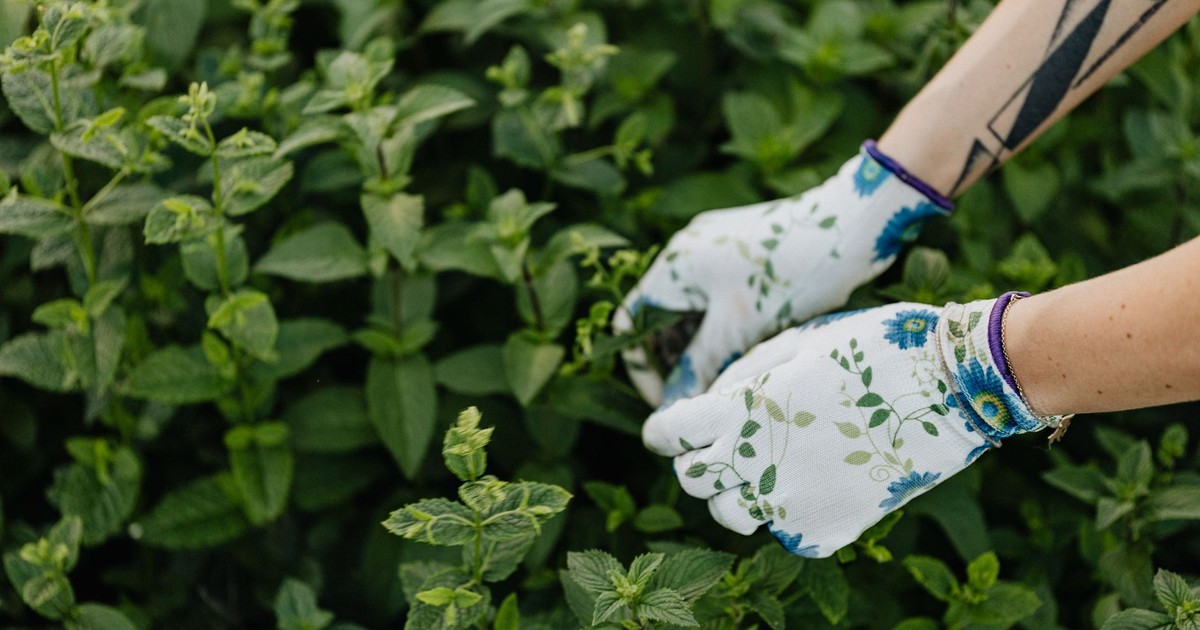
Most pest problems are solved much more easily when caught early, and most are caught early only by people who are actually looking. Walking through the garden every two or three days – not just to admire it, but to actually examine it – changes the trajectory of an infestation. Check the undersides of leaves. Check where stems meet the soil. Look for the tiny, clustered eggs that precede a population explosion.
Tomato hornworms, which are enormous when fully grown, are nearly invisible when small – the frass (droppings) on leaves below is usually what gives them away before you spot the caterpillar itself.
Hand-picking is genuinely effective for larger insects: hornworms, squash bugs, Colorado potato beetles, and their egg masses. Drop them in a bucket of soapy water. It takes ten minutes and eliminates the need for any spray at all if done consistently.
9. Build and Maintain Healthy Soil
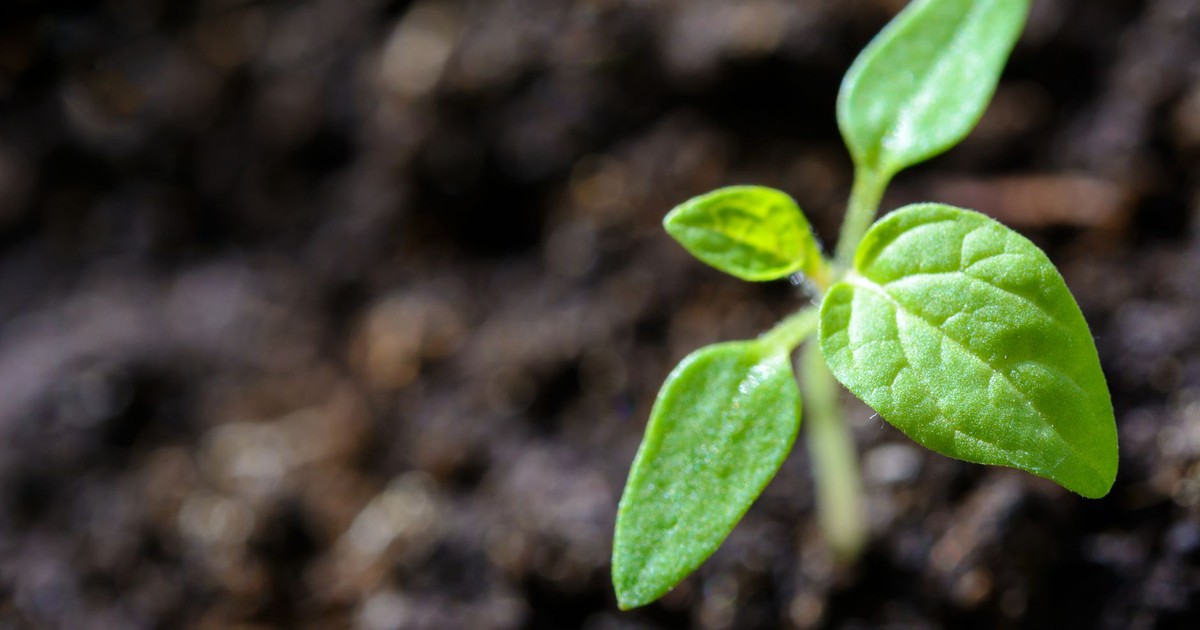
Healthy plants resist pest infestations better than stressed plants. A plant that is struggling – because of compacted soil, poor drainage, nitrogen deficiency, or irregular watering – produces stress signals that insects can detect. Aphids favor the soft, lush new growth that appears on plants weakened by poor soil conditions or uneven nutrition.
As Homesteading Family describes it, natural pest control is a layered approach that includes building healthy soil, planting for diversity, using barriers and traps, encouraging beneficial insects, and using organic sprays only as a last resort. Add compost regularly to improve structure and biological activity. Mulch around plants to retain moisture and prevent the soil temperature swings that stress roots. Avoid over-fertilizing with nitrogen, which encourages the lush, weak growth that pests favor.
Soil health also means biological health. A teaspoon of living garden soil contains millions of bacteria, fungi, and nematodes – most of them beneficial. Synthetic pesticide applications routinely kill this community as collateral damage, which is one of the compounding costs of chemical pest management that rarely gets factored into the equation.
10. Trap Crops
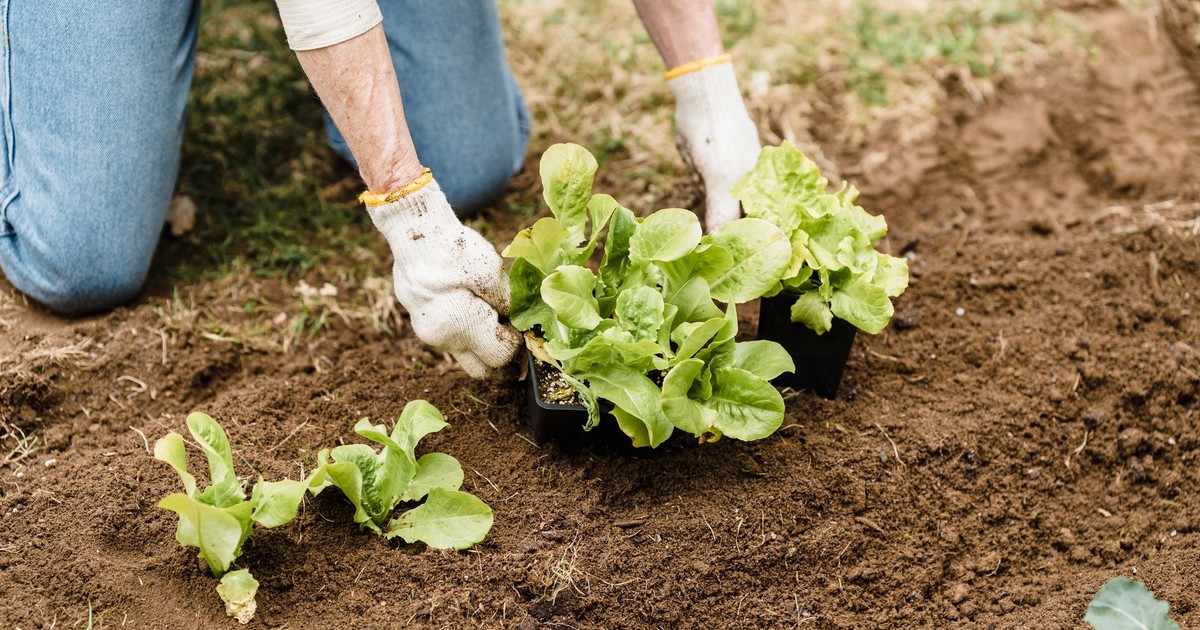
A trap crop is a plant you grow specifically to attract pests away from your vegetables, then either destroy or manage once the pests have concentrated on it. Most pests have strong host preferences that you can exploit. Nasturtiums planted near squash or cucumber plants lure pests like aphids and cucumber beetles away from your more valuable vegetables. Blue Hubbard squash is one of the most effective trap crops for squash vine borers and squash bugs – they are irresistible to these insects, which means the rest of your summer squash gets left largely alone.
Plant the trap crop at the garden perimeter, at least a week or two before your main crop, to give the pests something to find first. Once infested, remove and destroy the trap plant rather than letting pests migrate back to the garden.
Sunflowers attract stink bugs away from vegetable beds. Dill and fennel lure aphids and are then colonized by aphid predators, turning a trap crop into an insectary plant as well. The goal of any trap crop strategy is to concentrate pest pressure in a place you control – and then deal with it there.
Read More: Should Every School Have a Year-Round Gardening Program?
The Approach Behind All of This
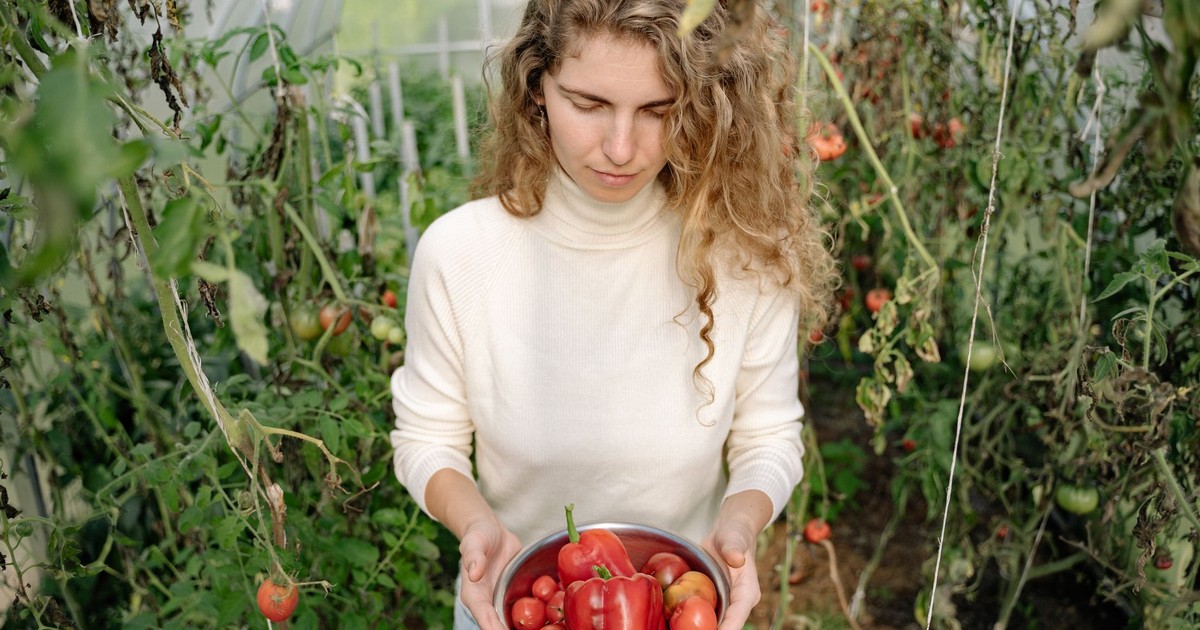
None of these methods work in isolation. A garden protected by neem oil alone will still have problems. A garden that relies only on companion planting will still have seasons where something goes sideways. Successful natural pest management combines multiple strategies working together. Focus on prevention through healthy garden practices, use physical barriers and natural controls when needed, and maintain beneficial insect populations – because some pest presence is normal in a healthy garden ecosystem.
Some damage is proof of a living system. A garden with zero pest pressure is a sterile one, or one saturated with chemicals, and neither of those is what you’re going for. What you’re going for is a harvest that works, season after season, without resorting to things you’d rather not put in your soil or on your food. These methods, used with some consistency and observation, get you there. And if some June beetle eats the corner off a leaf or two along the way – that’s the garden working exactly as it should.
Disclaimer: This information is not intended to be a substitute for professional medical advice, diagnosis, or treatment and is for information only. Always seek the advice of your physician or another qualified health provider with any questions about your medical condition and/or current medication. Do not disregard professional medical advice or delay seeking advice or treatment because of something you have read here.
AI Disclaimer: This article was created with the assistance of AI tools and reviewed by a human editor.