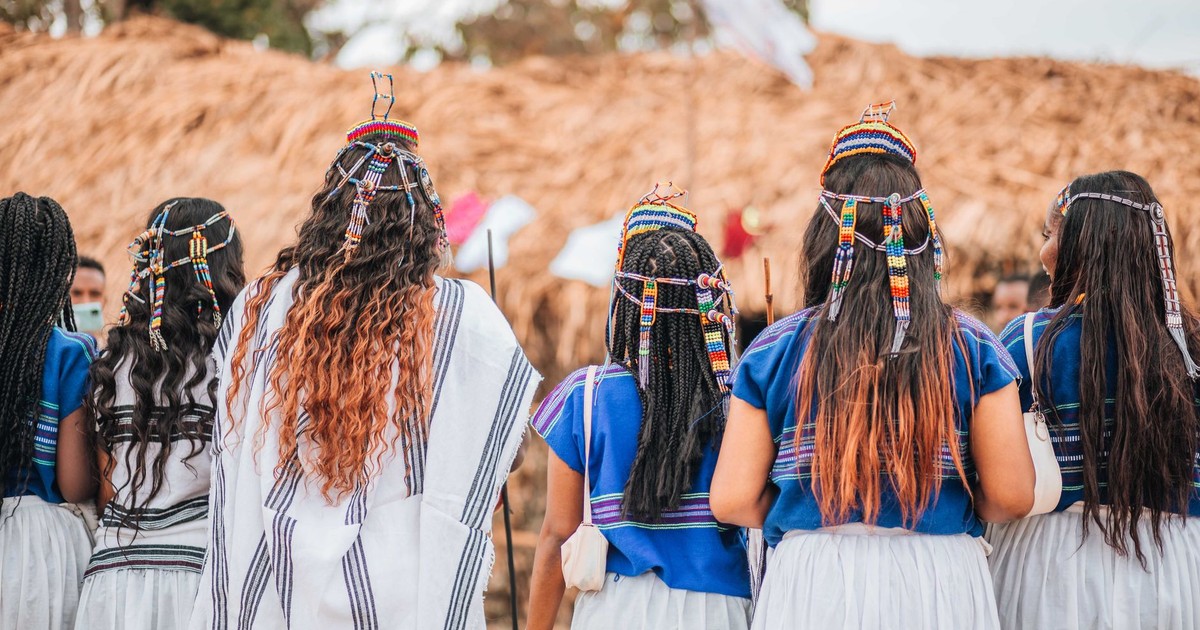

Gender as a strict binary – two boxes, male and female, everyone sorted at birth and expected to stay put – is a relatively recent invention in historical terms, and a specifically Western one at that. Long before contemporary conversations about nonbinary identities entered the mainstream, dozens of cultures around the world had already built sophisticated, named, and often spiritually significant categories for people who lived outside that binary. These weren’t marginal exceptions. They were woven into law, ceremony, family structure, and daily life.
Colonization destroyed order that was already there. The two-gender model arrived alongside missionaries, legal codes, and the kind of administrative certainty that required every person to be either one thing or another. What got lost in that process was centuries of careful thinking about what it means to be human – thinking that some communities have spent the last several decades trying to recover.
The cultures below represent only a partial accounting. Anthropologists and historians have documented multiple gender cultures across every inhabited continent. The names, the roles, the sacred functions, and the modern pressures each community is navigating right now are worth understanding in detail.
1. The Bugis of Indonesia: Five Genders, One Cosmology
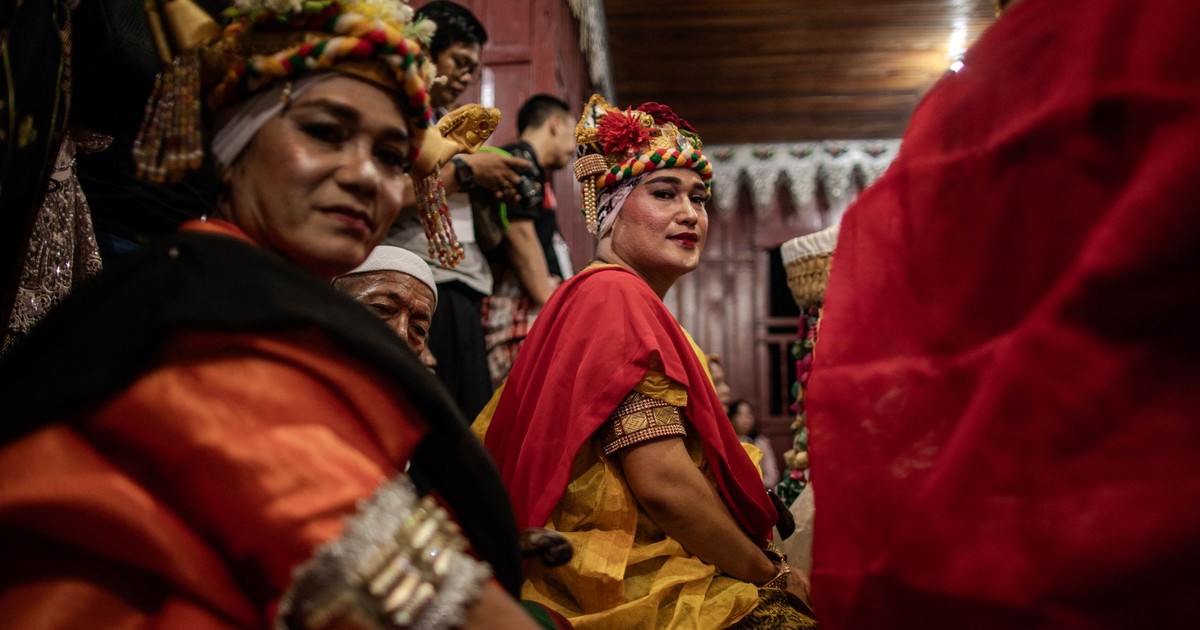
The Bugis are an ethnic group native to the Indonesian island of Sulawesi, and their society recognizes five gender categories rather than two. These categories have existed for more than 600 years, woven into rituals, community life, and personal identity.
The Bugis recognize five overlapping and complementary gender categories: oroané (men), makkunrai (women), calalai (biologically female but expressing masculinity), calabai (biologically male but expressing femininity), and bissu, which does not fall into the binary gender category. The bissu occupy the most spiritually elevated position among them. The Bugis language offers these five terms referencing various combinations of sex, gender, and sexuality, with bissu described as “transgender priests.” Historically, bissu performed sacred rituals, guided rulers, and were considered essential to the proper functioning of society and the cosmos.
The Bugis are the largest ethnic group in South Sulawesi, with current estimates placing their population at between four and six million people, and most are Muslim – but many pre-Islamic rituals continue to be honored in Bugis culture, including distinct views of gender and sexuality. These traditions exist within a rapidly changing cultural milieu and face ongoing pressures in contemporary Indonesia. Sharyn Graham Davies, an anthropologist at Auckland University of Technology, produced the foundational academic work on this community, tracing how these five categories function not as tolerance or exception, but as a complete worldview.
2. The Hijra of South Asia: Ancient Recognition, Modern Struggle
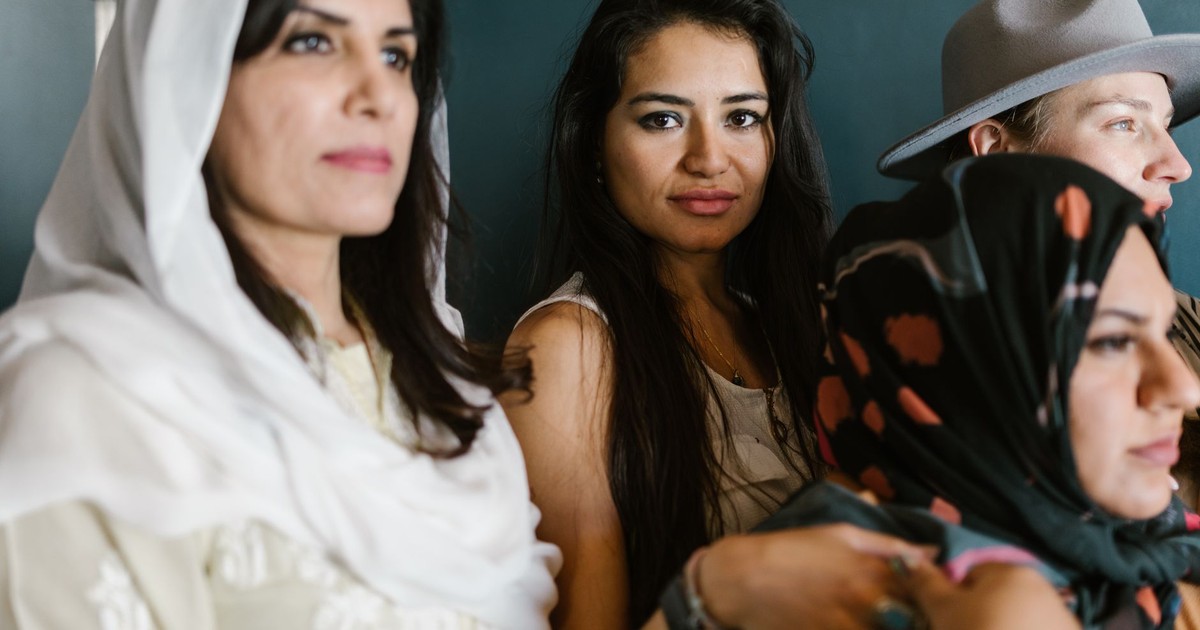
The hijra community has deep historical roots, with references to hijra characters appearing in ancient texts like the Ramayana and Mahabharata, suggesting their presence in society for thousands of years. In Hindu cosmology they hold genuine spiritual authority – hijras often leave their birth homes to join groups that educate new initiates and provide community, and they assume a minor religious role in Hindu culture, performing at rituals like weddings and births where they are thought to possess the power to bless newborns and newlyweds.
The first documentation of hijra identity in administrative records was described during the Delhi Sultanate (1226 – 1526) and the Mughal Empire (1526 – 1707), during which hijras played roles ranging from manual laborers to military commanders and political advisors. That status collapsed sharply under colonialism. During the British colonial era of the 1800s, anti-hijra laws were passed, including the Criminal Tribes Act of 1871, which resulted in registration, monitoring, and stigmatization of the group, including forbidding hijras from having children.
The legal recovery has been slow and uneven. The Indian government recognized hijras as a third sex in 1994, and in April 2014, the Indian Supreme Court formally declared transgender people to be the third official gender in Indian law under the ruling National Legal Services Authority vs. Union of India. While Indian law now recognizes transgender people, including hijras, as a third gender, other South Asian countries such as Bangladesh and Pakistan have recognized only hijras specifically as the third gender. Legal recognition and social reality remain two different things – persistent gaps between rights on paper and the discrimination hijras face in employment, housing, and healthcare across the subcontinent have been extensively documented.
3. Two-Spirit People of Indigenous North America: Roles, Not Labels
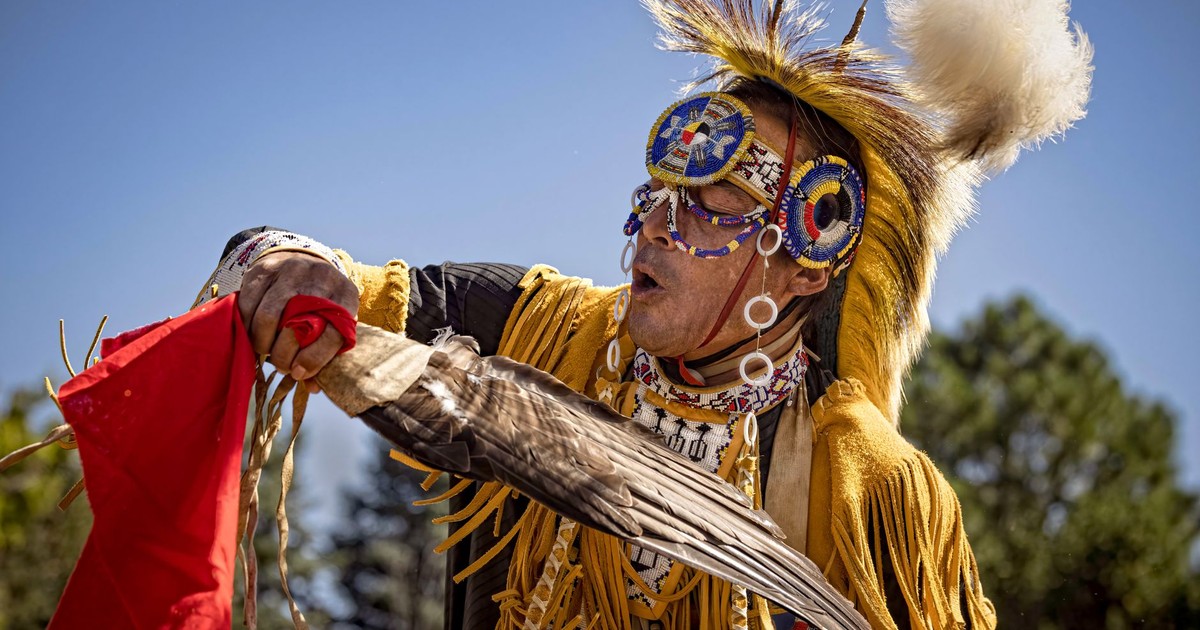
The term “two-spirit” is modern. The reality it describes is not. Traditionally, Native American two-spirit people were male, female, and sometimes intersexed individuals who combined activities of both men and women with traits unique to their status as two-spirit people. Most Indigenous communities have specific terms in their own languages for the gender-variant members of their communities and the social and spiritual roles these individuals fulfill, and with over 500 surviving Native American cultures, attitudes about sex and gender can be very diverse.
In most tribes, two-spirit people were considered neither men nor women and occupied a distinct, alternative gender status. In tribes where two-spirit males and females were referred to with the same term, this amounted to a third gender. In other cases, two-spirit females were referred to with a distinct term and therefore constituted a fourth gender. The Navajo, for example, recognize four genders, with the nádleehí – meaning “one who constantly transforms” – representing a category that combines qualities European frameworks have no single word for.
The disruptions caused by conquest and disease, together with the efforts of missionaries, government agents, boarding schools, and white settlers, resulted in the loss of many traditions in Native communities. Two-spirit roles in particular were singled out for condemnation, interference, and many times violence, and as a result, two-spirit traditions and practices went underground or disappeared in many tribes. According to the Indian Health Service, two-spirit traditions carry distinct social and spiritual roles that varied significantly across tribal nations throughout North American history.
4. Muxes of the Zapotec People: Mexico’s Third Gender
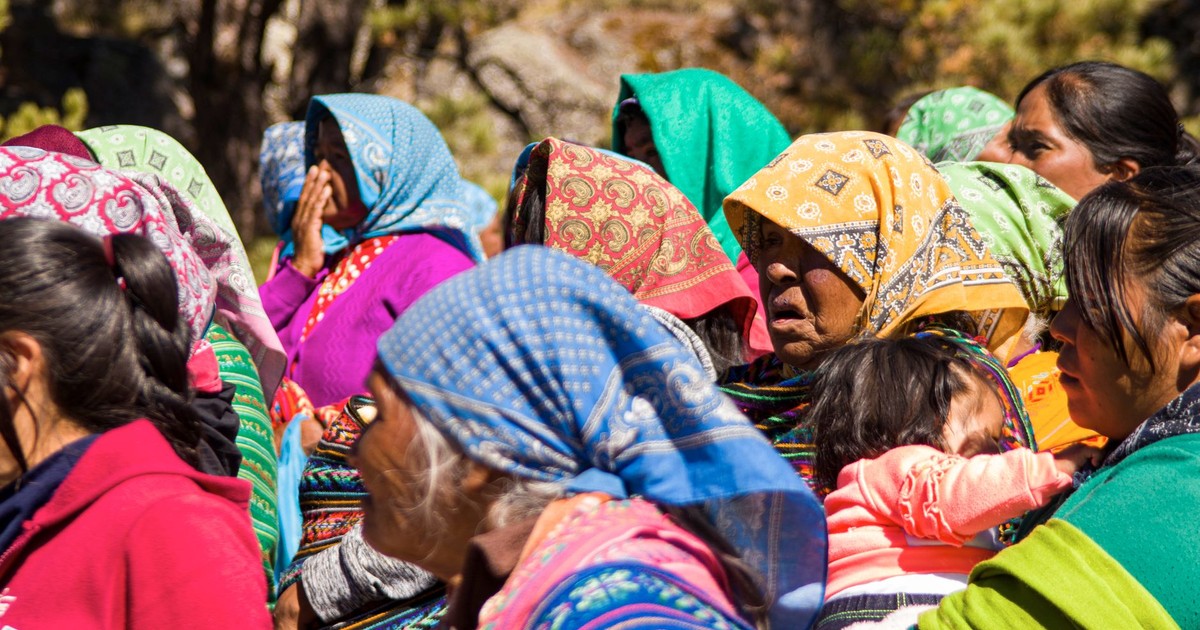
In the Isthmus of Tehuantepec in Oaxaca, Mexico, the Zapotec people have long recognized a third gender category called muxe (pronounced “moo-shay”). Among the Istmo Zapotec of Oaxaca, androphilic males are known locally as muxes, a third gender category. The Istmo Zapotec further recognize two types of muxes – muxe gunaa and muxe nguiiu – who typify the transgender and more gender-typical forms of the identity, respectively.
Muxes have historically occupied an important and practical place in family life. Muxes were embraced by the Zapotec community and played an important role in the family – they were often the caregivers of aging parents as their siblings would pair off into marriages and leave the home. That role as family anchor and caregiver gave muxes a recognized social function that was neither stigmatized nor incidental. The annual Vela de las Intrepidas – a festival in the town of Juchitán celebrating muxe identity – draws thousands of participants and has existed for generations, continuing today as one of the most visible public celebrations of a third gender identity anywhere in the world.
In both Samoa and among the Istmo Zapotec, there is widespread cultural tolerance, and in certain contexts even celebration, of fa’afafine and muxes. Research published by the National Institutes of Health confirms that muxe identity follows consistent familial patterning in the Zapotec community, suggesting the tradition is deeply embedded in how this culture understands biology, family, and social role simultaneously.
5. Fa’afafine of Samoa: Neither Man Nor Woman, and Entirely Their Own
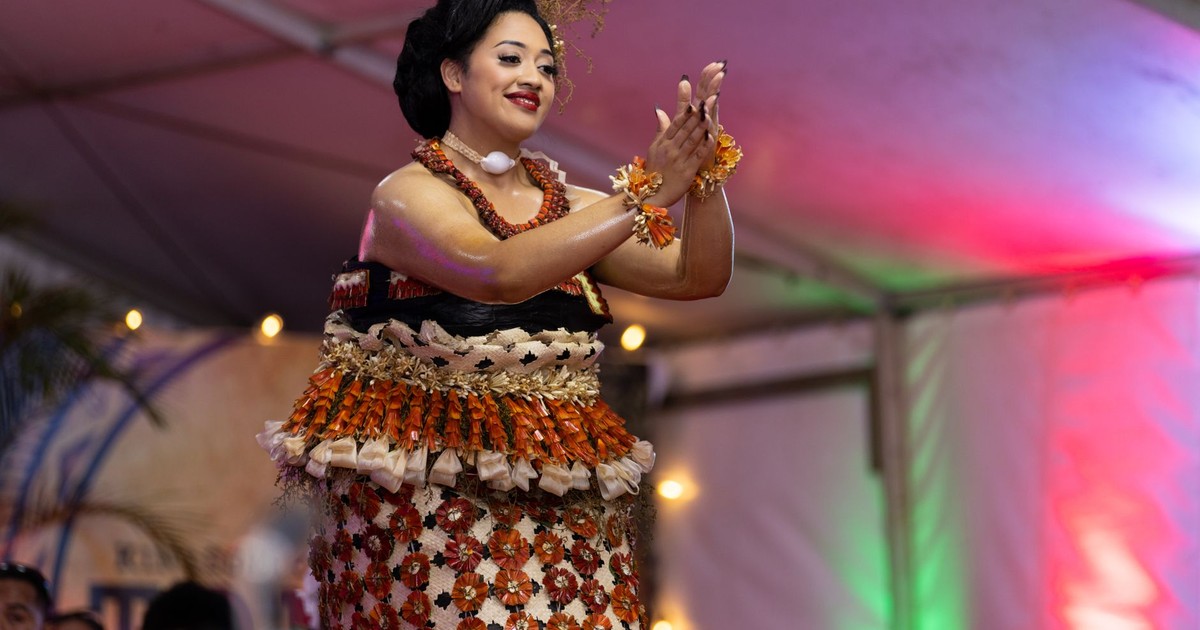
Across the Pacific, Samoan culture holds a distinct third gender category: the fa’afafine. The word itself translates roughly as “in the manner of a woman,” and fa’afafine are biologically male individuals who embody both masculine and feminine traits, dressing and behaving in ways that Samoan culture recognizes as an established third role – not an approximation of womanhood, not a failure of manhood, but something with its own name and its own expectations.
Fa’afafine are fully integrated into Samoan family and community structures, often taking on domestic and caregiving roles traditionally associated with women while maintaining their identity as a distinct gender category. They are not hidden from community life or confined to particular spaces – they participate in family gatherings, church life, and community events as fa’afafine, known to everyone and treated accordingly. This is not the product of modern progressive policy. It is a feature of Samoan culture that predates Western contact, though Western missionaries did attempt to suppress it, as they did with similar traditions elsewhere across Oceania.
The fa’afafine community has also become the subject of serious academic study. Researchers have examined what fa’afafine identity reveals about the relationship between biology, family structure, and culture – and the findings consistently point to the same conclusion: this is a stable, enduring, culturally specific gender category with its own internal logic that doesn’t map neatly onto Western frameworks for transgender identity or sexual orientation.
6. Sekrata of Madagascar and the Broader African Context
Madagascar’s Sekrata are biological males who adopt feminine dress, mannerisms, and social roles and are recognized within Malagasy culture as occupying a distinct gender position. The Sekrata are neither closeted nor recent – they are a documented part of Malagasy social life, living openly in communities where their identity is understood and accommodated even if not always fully embraced. Like many of the traditions on this list, the Sekrata identity exists at the intersection of gender role, spiritual significance, and community function.
Madagascar is not the only place on the African continent where multiple gender cultures have been documented. Across sub-Saharan Africa and among the Amhara of Ethiopia, among the Haussa of northern Nigeria, and among various southern African peoples, anthropologists have recorded gender categories and roles that exceed the binary. Many of these traditions were actively suppressed during the colonial period, when European administrative and religious structures criminalized gender nonconformity and imposed binary registration systems that had no category for what these communities had long recognized.
The African examples make particularly clear something the other entries on this list also demonstrate: the idea that the two-gender binary is the natural baseline of human civilization is not supported by the historical record. The binary was often enforced, not found.
What This Actually Tells Us
The impulse to treat gender diversity as a contemporary Western invention – a product of social media, or identity politics, or generational rebellion – falls apart pretty quickly when you look at this list. The Bugis have had five named gender categories for over six centuries. The hijra appear in texts that predate most Western legal systems. Two-spirit traditions were being systematically suppressed by missionaries in the 1600s, which means they were already there to suppress.
These multiple gender cultures share something more practical than a single theory of gender: a recognition that human beings do not always fit into two categories, and that a community which insists they must will spend enormous energy doing damage to people who never asked to be a problem. Each of the communities described above found a way to make room. Some of those ways were imperfect. Some have been eroded or lost. But the basic move – naming the reality in front of you and building something around it – is one the most “traditional” societies on Earth figured out long before it became a political conversation.
That doesn’t resolve anything about the present moment. It just means that when someone says this is new, you can know for certain that it isn’t. And that certainty is worth holding onto – not as a debate point, but as a reminder that the range of human experience has always been wider than the systems built to contain it. The bissu were revered before modernity invented the word “nonbinary.” The muxe were celebrated before gender studies became an academic field. These weren’t experiments. They were solutions, arrived at by communities paying close attention to the people actually in front of them.
AI Disclaimer: This article was created with the assistance of AI tools and reviewed by a human editor.