

Living alone as a senior can feel empowering. It gives you freedom, quiet, and the comfort of your own routines. Many older adults truly enjoy this stage of life. Still, living alone as a senior also means taking on more responsibility than you may realize at first. More people are aging in place now than ever before. The World Health Organization reports that the global population over 60 is increasing rapidly. Many prefer independent senior living instead of assisted facilities. That choice often supports dignity and autonomy. But it does not come without risks.
Mistakes usually do not happen all at once, but slowly over time. A missed doctor visit here. A little clutter there. Fewer phone calls. Over time, these small things can add up, and sometimes you do not notice the change until something goes wrong.
Neglecting Physical Health and Preventive Care
One of the biggest mistakes in independent living for older adults is putting off medical care. It often sounds harmless in your head. You tell yourself the pain is not that bad, or that you will schedule the appointment next month. Sometimes, next month never comes. Preventive care becomes more important with age. According to the Centers for Disease Control and Prevention, chronic illnesses such as heart disease and diabetes are common after age 65. Regular screenings help catch changes early and can prevent hospital stays later on. Some seniors say they feel fine, so they skip checkups, but that mindset can be risky. Many conditions show no symptoms at first. Blood pressure can rise quietly, and blood sugar can shift without obvious warning signs. So even when you feel okay, your body might be asking for attention.
Medication management is another area that gets complicated. Taking multiple prescriptions is common in later life. This increases the risk of interactions and dosage mistakes. A simple pill organizer could have prevented this. Also, using reminders on a phone or writing notes on the fridge can help. It may feel unnecessary at first, but memory changes happen gradually. Preparing for that reality is not weakness; it is smart planning.
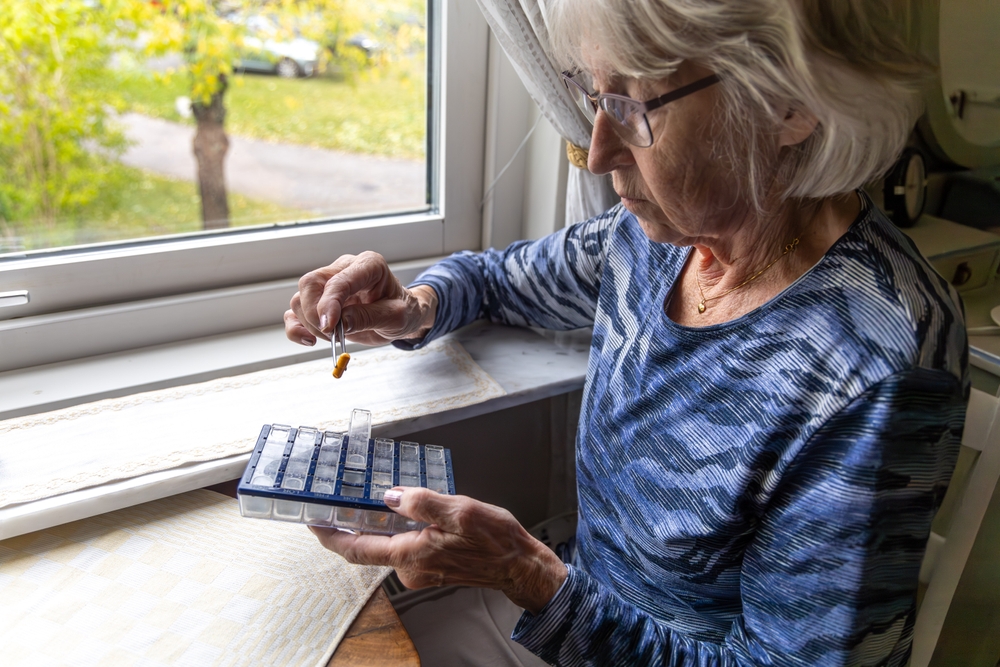
Physical activity also tends to decline. When someone lives alone in later life, it is easy to sit more and move less. Muscles weaken without regular use, and balance becomes less stable. According to the National Institute on Aging, strength training and balance exercises lower fall risk. Even light walking improves circulation and mood. You do not need a gym membership; you just need consistency.
Nutrition can become another problem. Cooking for one is not always motivating. Some seniors rely on packaged meals because they are quick. Unfortunately, those foods are often high in sodium and low in protein. Over time, that can affect blood pressure and muscle mass. Simple changes help. Adding eggs, beans, or yogurt boosts protein intake without much effort.
Sleep patterns also shift as people age. Some older adults stay up late watching television. Others nap too much during the day. Irregular sleep can impact mood and memory. Creating a steady bedtime routine supports better rest, and even small habits like dimming lights at night can make a difference.
Mental health deserves just as much attention. Living solo in later life can increase vulnerability to loneliness. Depression is not a normal part of aging, even though many people think it is. Persistent sadness, loss of interest, or changes in appetite should be discussed with a doctor. Taking care of your body while aging alone at home requires steady effort. It is not about perfection, but rather small, consistent actions. Remember to schedule checkups and track medications carefully. Move your body often and eat balanced meals when you can. These habits protect independence more than people realize.
Ignoring Home Safety and Environmental Risks
Another common mistake while living alone as a senior is underestimating how risky your own home can become. Many people assume their house is safe simply because it feels familiar. Falls are one of the leading causes of injury among older adults. The Centers for Disease Control and Prevention reports that millions of seniors experience falls each year. Many of these accidents happen at home, often in places people walk through every day.
Loose rugs are a frequent culprit. So are electrical cords stretched across walkways. Even a slightly raised doorstep can become dangerous when balance is not what it used to be. You might step over it hundreds of times without thinking. Then one day, your foot catches.

Lighting also matters more than people realize. As vision changes with age, dim hallways and shadowed staircases increase fall risk. Adding brighter bulbs or motion-sensor lights can reduce accidents. It is a small upgrade, but it can prevent a hospital visit.
Bathrooms are another area that needs special attention. Wet floors and smooth tiles create slippery surfaces. Installing grab bars near the toilet and in the shower adds stability. Non-slip mats help too. Some seniors resist these changes because they feel old-fashioned, but safety is more important than appearances.
Clutter is another hazard. Piles of newspapers, stacks of boxes, or crowded furniture reduce clear walking paths. When living independently in retirement, it is easy to accumulate items over the years. Letting go can feel emotional, but it helps reduce clutter and improves both safety and mental clarity.
Emergency planning is often overlooked. Many older adults do not think about what would happen if they fell and could not reach the phone. Medical alert systems provide quick access to help. Some devices even detect falls automatically. Keeping a charged phone nearby at all times is also wise.

Fire safety should not be ignored either. Cooking accidents increase when attention drifts. Leaving a stove unattended for even a few minutes can lead to serious consequences. Installing smoke detectors on every level of the home is essential, and checking batteries twice a year keeps them functional. Carbon monoxide detectors are equally important. This gas has no smell or color, and exposure can cause confusion or unconsciousness. Seniors may not notice symptoms quickly, so a working detector can save lives.
Weather preparedness is another factor. In colder regions, icy steps create hazards. In warmer areas, heat waves pose health risks. Staying informed about local weather alerts helps you plan ahead. It helps to keep emergency supplies such as water, flashlights, and basic medications within reach for added security.
Sometimes people think, I have lived here for thirty years, nothing has happened yet.. But aging changes strength, balance, and reaction time, so the home must adapt as well. Making these adjustments does not mean giving up independence. In fact, it protects it. Safe housing supports long-term independent senior living, and a few thoughtful changes now can prevent major disruptions later.
Withdrawing Socially and Allowing Isolation to Grow
One of the most common mistakes people make while living alone as a senior is slowly pulling away from others. It does not usually happen on purpose. It begins with skipping one gathering. Then maybe another. Before long, weeks pass without real conversation and human interaction. Independent senior living offers privacy. However, too much isolation can affect both mental and physical health. Research from the National Institute on Aging shows that prolonged loneliness is linked to higher risks of heart disease, cognitive decline, and depression. Human connection is not optional; it is part of how we stay healthy.

Some seniors tell themselves they do not want to bother anyone. Others feel that friends are busy with their own families. These thoughts can feel reasonable, yet they can quietly shrink your world. When aging alone at home, daily interaction may decrease without you noticing. You may chat briefly with a cashier or wave at a neighbor. But surface interactions do not replace meaningful connections. Real connection involves sharing thoughts, worries, and even small joys.
Social withdrawal can also affect memory. Studies suggest that regular social engagement supports cognitive health. Conversation challenges the brain, and it encourages recall, problem-solving, and emotional processing. In contrast, extended silence limits that stimulation.
Technology offers helpful tools. Video calls allow face-to-face contact even when mobility is limited. Social media groups help older adults connect with shared interests. Still, technology should not completely replace in-person interaction when possible. Even joining a local walking group once a week can improve mood.

Transportation sometimes becomes a barrier. If driving feels stressful, public transport or ride services may help. Some communities offer senior shuttle programs. It takes effort to research options, but it can restore independence. Volunteering also brings structure and purpose. Many seniors living independently find fulfillment through community service. Whether reading to children, helping at a food bank, or mentoring younger people, involvement builds connection and gives a sense of purpose.
It is important to recognize emotional warning signs. Persistent loneliness, irritability, or withdrawal from activities once enjoyed may signal deeper concerns. Talking with a healthcare provider or counselor can provide support. Therapy is not only for crisis, but it can also help maintain emotional balance. Moreover, maintaining relationships requires initiative. Waiting for others to call may lead to disappointment. Taking the first step feels vulnerable, but often, the other person is grateful you reached out.
Failing to Plan Ahead for Changing Needs and Financial Stability
The final mistake many seniors make while living alone is assuming that tomorrow will look exactly like today. It is comforting to believe that independence will stay steady, but aging brings change, sometimes slowly, sometimes suddenly. Planning ahead does not mean expecting the worst. It means preparing wisely. Independent senior living works best when there is a backup plan in place.
Financial planning is often the first concern. Retirement income may come from pensions, savings, or social benefits. However, unexpected expenses can appear. Medical bills, home repairs, or rising utility costs can strain a fixed income. Without a budget, it is easy to underestimate spending. Some older adults avoid reviewing their finances because it feels overwhelming. Numbers can feel confusing or stressful. Still, understanding monthly income and expenses gives you control. Meeting with a financial advisor once a year can provide clarity. Even a simple written budget helps track where money goes.
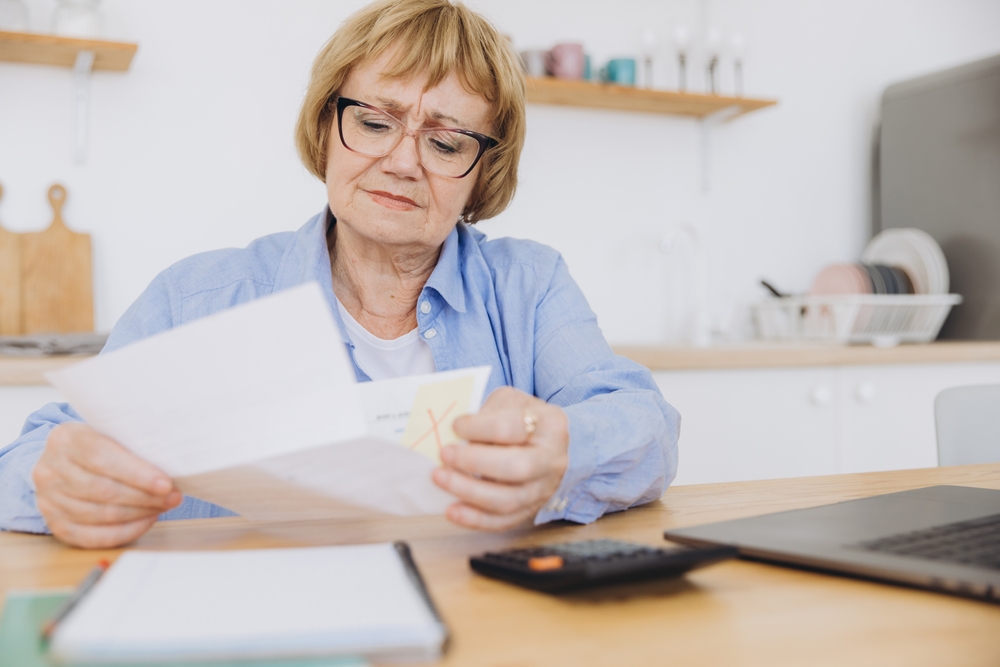
Long-term care planning is another important topic. Many seniors aging alone at home assume they will always manage independently. Yet mobility, memory, or chronic illness can change that picture. Exploring options early gives you more choices later. This might include researching assisted living communities, in-home care services, or shared housing arrangements. You may never need them, but knowing what exists reduces anxiety. It also prevents rushed decisions during a crisis.
Legal documents are equally important. A will ensures your wishes are respected, and a healthcare directive outlines medical preferences if you cannot speak for yourself. Assigning a trusted power of attorney protects financial decisions. These steps may feel uncomfortable, but they provide peace of mind.
Technology also plays a growing role in planning. Automatic bill payments reduce missed deadlines, and online banking allows easy monitoring of accounts. However, seniors living independently must also guard against scams. Fraud targeting older adults continues to rise. Never share personal information with unknown callers, and if something feels suspicious, pause and verify.
Read More: Practical Ways Seniors Can Stay Healthy, Peaceful, and Happy Without Relying on Family
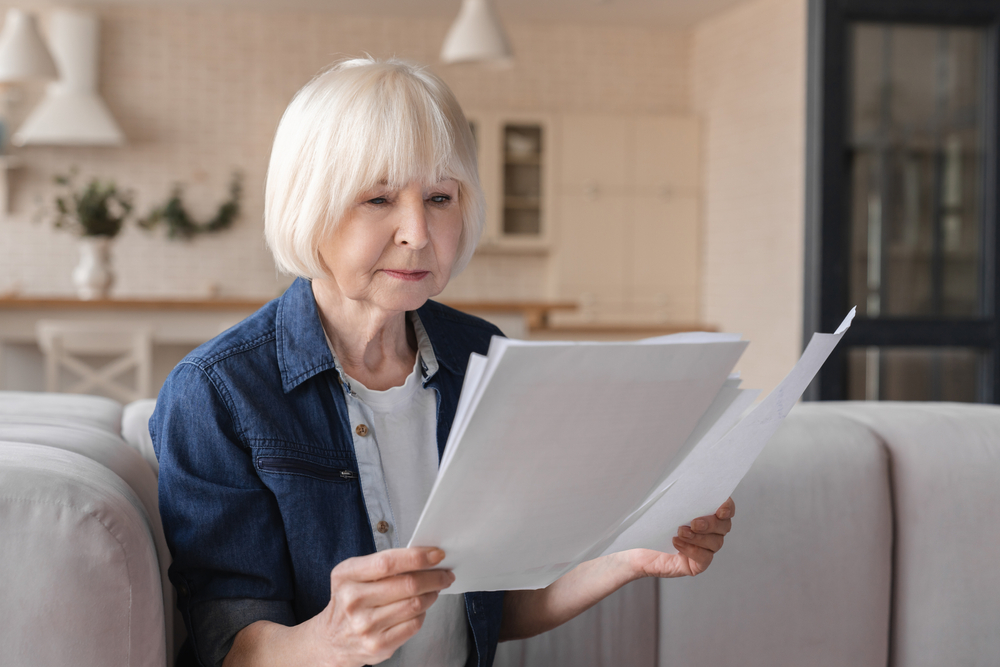
Another aspect of planning involves home maintenance. Roofs age. Plumbing wears out. Appliances eventually break. Setting aside funds for repairs prevents financial shock, and regular maintenance inspections can also catch problems early. It is also wise to have an emergency contact list clearly visible. Include family members, neighbors, doctors, and local services. In stressful situations, searching for numbers wastes precious time.
Some seniors hesitate to talk about aging changes. It can feel like admitting vulnerability, yet honest conversations with family members build trust. Discussing expectations now prevents confusion later, and it allows everyone to understand preferences. Living independently in retirement is a meaningful achievement. But independence thrives when supported by planning. Flexibility becomes your greatest asset. The goal is not to fear the future, but to approach it thoughtfully.
Ultimately, living alone as a senior can be deeply fulfilling. With proactive health care, a safe home environment, strong social ties, and practical planning, solo living can remain both safe and rewarding. Independence is not about doing everything alone. It is about creating systems that support you as life evolves.
Disclaimer: This information is not intended to be a substitute for professional medical advice, diagnosis or treatment and is for information only. Always seek the advice of your physician or another qualified health provider with any questions about your medical condition and/or current medication. Do not disregard professional medical advice or delay seeking advice or treatment because of something you have read here.
A.I. Disclaimer: This article was created with AI assistance and edited by a human for accuracy and clarity.
Read More: Why Many Seniors Choose to Keep Working After 65 (Money Isn’t the Motive)