
The middle class affordability crisis doesn’t announce itself with a single catastrophic moment. It accumulates. A car insurance renewal lands on the kitchen counter the same week as a grocery receipt that’s somehow $40 more than it was a year ago, and neither figure is wrong – the math just stopped working the way you expected it to. You did everything right. You worked hard, stayed out of serious debt, built something that looked, from the outside, exactly like what was promised. And yet the gap between what you earn and what it costs to maintain a normal middle-class life keeps widening, without apology and without much acknowledgment from anyone in a position to do something about it.
This is not a story about poverty. It is a story about something subtler and, in some ways, more disorienting: the gradual erosion of the middle class’s buying power, the slow disappearance of things that used to be ordinary. A generation ago, a household income that would today be considered solidly middle class could buy a home, send kids to college, afford reliable healthcare, and still take a vacation. Today, that same income is being stretched across costs that have climbed far faster than wages, leaving families making real trade-offs between things that used to be givens.
The following 18 entries are not predictions of doom. They are an honest accounting of where the pressure is coming from – and what the next five years are likely to make harder, not easier, for families who currently consider themselves financially stable.
1. Homeownership
Of everything on this list, homeownership carries the most emotional weight, because it was the cornerstone of what being middle class meant in America. You worked, you saved, you bought a house. That house was your stability, your investment, your place in the world. As of early 2025, home prices nationwide are up 60 percent since 2019 and still rising, while high prices and interest rates have pushed sales to their lowest level in 30 years, according to the Harvard Joint Center for Housing Studies.
Middle-class Americans are now facing a housing affordability crisis once reserved for low-income families, according to a September 2025 report from the National Housing Conference. Nearly one third of 390 metropolitan areas now require double the salary once needed to afford a home, and close to half now require six-figure incomes just to purchase a typically-priced home.
The median first-time buyer age has climbed to 40 in 2025, the highest on record, up from 31 in 2014. That single number tells the whole story. An entire generation has spent their prime earning years not buying homes but waiting, hoping the math eventually works in their favor. For many, it won’t – at least not in the markets where the jobs are.
2. Higher Education

College has long required financial sacrifice from middle-class families. What’s changed is the degree of that sacrifice, and the increasingly cruel position of families who earn too much to qualify for meaningful aid but not enough to pay without genuine pain. A Bloomberg analysis found that the squeeze begins around $150,000 of pre-tax household income, when families are expected to contribute roughly $30,000 annually toward tuition – and that middle-class families, defined by some metrics as earning between $100,000 and $300,000, earn too much to qualify for meaningful aid but too little to afford college out of pocket.
At private nonprofit four-year institutions, average tuition and fees reached $45,000 for the 2025-26 academic year, a 4 percent increase over the previous year before adjusting for inflation. Those numbers do not include room, board, books, or the compounding cost of four years of living expenses. The sticker price at a private university now routinely exceeds what many families earn in a full year, and the aid system was not built to catch the people in the middle.
What makes this particularly difficult to plan around is the trajectory. Between the 2024-25 and 2025-26 academic years, tuition and fees for both public and private schools rose faster than inflation, with early projections suggesting this trend is continuing into the 2026-27 academic year. For a parent currently looking at a seven-year-old and trying to do the math, the numbers are not reassuring.
3. Healthcare

Healthcare costs have always been a feature of middle-class financial anxiety in the United States, but the pressure is intensifying in specific and painful ways. Healthcare costs tend to increase faster than overall inflation, with out-of-pocket costs running around $1,514 per person as of 2023, and costs rising between 2 and 3 percent every year over the past several years.
That baseline increase is difficult enough. What makes the coming years particularly concerning is the structural vulnerability of middle-class families on marketplace insurance plans. Approximately 22 million Americans who receive health insurance through the Affordable Care Act Marketplace receive an enhanced tax credit that subsidizes their monthly premiums – a credit that was set to expire at the end of 2025. Many middle-class households who currently benefit from subsidized health insurance are facing an increase in their premium payments as a result.
Without renewal of the enhanced tax credit, monthly premiums will more than double on average. “More than double” is not a rounding error. For a family already working within a careful budget, a premium increase of that scale disrupts every other line item at once.
4. Childcare

Childcare is the expense that most reliably produces a certain look on the faces of new parents: the slow blink of someone who has just seen a number they were not prepared for. The average cost of center-based care for an infant in the United States is $1,230 per month, and the federal definition of “affordable” childcare is costs that amount to 7 percent or less of annual household income. By that definition, the cost of center-based infant or toddler childcare fails to meet the affordability threshold in any state in the country.
The national average price of child care rose 29 percent from 2020 to 2024, outpacing overall inflation by 7 percentage points, according to Child Care Aware of America. That is not a rounding error – it is a category that was already consuming a significant share of household income before the pandemic, now demanding more. Faced with escalating costs, many families are torn between spending a large portion of their paychecks on care, finding lower-quality options, reducing their working hours, or leaving the workforce altogether to become full-time caregivers.
For households where both partners work specifically because childcare is too expensive to afford on one income, the irony is not lost on anyone.
5. New Cars

The average new car now costs around $50,000. According to Kelley Blue Book, the average transaction price for a new vehicle crossed the $50,000 mark for the first time in September 2025 – and average monthly payments in early 2026 are running around $773, a figure that doesn’t account for gas, insurance, or maintenance on top of the loan.
Middle-class families used to replace a car every six to eight years as a matter of course. Now, many are holding onto older vehicles well past their comfort zone because the alternative – committing to a $773-a-month payment on top of everything else – is simply not viable. The vehicle you already own, with its familiar rattles and slightly unreliable air conditioning, becomes a financial asset you cannot afford to give up. This is going to become more common, not less, over the next five years as prices remain stubbornly elevated.
6. Dining Out

Restaurants are caught between their own rising costs – food, labor, rent – and customers who have less discretionary money to spend. The result is that a dinner out for a family of four at a mid-range restaurant, the kind that used to be a regular midweek treat rather than a special occasion, now routinely clears $100 before tip. Food prices rose 3.1 percent in the 12 months ending September 2025, with food away from home rising 3.7 percent, outpacing grocery price increases.
Meals out are already among the first things middle-class families cut when budgets tighten. The category absorbs the initial shock. But there is something worth naming in the loss: dining out is not just food, it’s social life, it’s not cooking on a Tuesday, it’s a kid’s birthday dinner, it’s the rhythm of a normal life that feels less normal every time the bill arrives.
7. Streaming Subscriptions
A single streaming subscription used to be the affordable alternative to cable. The logic was clean: cancel the $180 cable bill, get Netflix for $10, save $170 a month, feel clever. That math no longer holds. Each platform raised its prices, launched ad-supported tiers designed to push subscribers toward more expensive plans, and added live sports content behind additional paywalls. Staying current on television – the way most families stay culturally connected, the way kids keep up with what everyone is talking about at school – now requires managing a stack of monthly subscriptions that collectively approach what cable used to cost.
This is a middle class affordability crisis in microcosm: a cost that sounds small per line item but compounds across a household into something that quietly drains hundreds of dollars a month, invisible until someone actually adds it up.
8. Organic and Specialty Foods

The gap between what we know we should eat and what we can afford to eat is widening. Organic produce, grass-fed meat, specialty dietary items, and the foods that populate the perimeter of higher-end grocery stores have always carried a premium, but that premium has grown. For middle-class families who started buying organic when it felt like a reasonable health decision, the current price differential is forcing a genuine recalculation.
The family that used to buy organic across the board starts buying organic only for certain things, then only sometimes. The decision moves from principle to math. That shift is already happening, and five years from now, it will be more pronounced.
9. Child Extracurricular Activities

Youth sports, music lessons, dance classes, and art programs were once accessible across most of the middle class. They are becoming more expensive every year. Travel sports in particular have become a significant financial undertaking: uniforms, registration fees, hotel stays, tournament entry fees, and coaching costs can run to several thousand dollars per season, per child, for families with multiple kids. The cost of keeping a child meaningfully engaged in the kind of structured activities that build skills, community, and confidence is no longer small.
The tension is real: parents know these activities matter, and cutting them feels like making a decision that affects their child’s development and social life, not just the family budget. That guilt is part of the cost too.
10. Pet Care

Veterinary costs have risen sharply, driven by the same forces affecting human healthcare – advanced diagnostic technology, specialty care, pharmaceutical costs, and inflation in everything from equipment to labor. A pet emergency that used to cost a few hundred dollars now routinely runs into the thousands. Routine preventive care, dental cleanings, and specialty food for animals with dietary needs have all become budget line items that require planning.
Middle-class families who adopted pets during the pandemic years – and there were millions of them – are now confronting the full cost of that companionship. The emotional math of deciding what level of veterinary care you can afford for an animal that is genuinely a member of the family is one of the harder financial conversations, and it is becoming more common.
11. Professional Development

The job market increasingly requires workers to continuously add credentials, certifications, and skills to remain competitive. The cost of that upkeep is not always covered by employers. Professional courses, industry certifications, conference attendance, and continuing education programs carry real price tags – often in the hundreds or thousands of dollars – that fall on individual workers to absorb. For middle-class workers who are not in industries where employers routinely cover development costs, staying current is a personal financial investment with no guaranteed return.
The alternative – not investing in professional development – carries its own risk, particularly in fields where credentials are required to advance or even to maintain current positions. It’s a pressure that previous generations of middle-class workers did not face to the same degree.
12. High-Speed Internet
High-speed internet has graduated from luxury to utility over the past decade, and then accelerated far beyond that in the remote-work and online-learning era. It is now, functionally, infrastructure – as essential to a functioning household as electricity. And yet providers operate in markets with limited competition, meaning prices are set less by competitive pressure and more by what the local provider can get away with. Costs have risen steadily, and the plans required to support a household where multiple people are working and learning remotely are considerably more expensive than basic service.
Families who rely on home internet for work and education – which is to say, most middle-class families – are not in a position to shop around in markets where one or two providers dominate. That captive dynamic has no natural corrective mechanism on the horizon.
13. Elder Care Services

The demographics here are not subtle. The population is aging, the baby boomer generation is moving into the years when care becomes necessary, and the infrastructure to provide that care is not keeping pace with demand. Home health aides, memory care facilities, assisted living, and in-home nursing support are all expensive, and they are becoming more expensive as demand grows and qualified workers remain scarce.
For middle-class families, elder care routinely arrives as an unplanned expense: a parent’s health changes, the family home is no longer safe to live in alone, and suddenly there is a monthly cost that rivals a mortgage. The families caught in this are simultaneously trying to save for retirement, fund their children’s education, and absorb a care cost they did not budget for. All three things are real, and the money for all three often does not exist at the same time.
14. Leisure Activities and Hobbies

Concert tickets, sports events, gym memberships, recreational sports leagues, golf, skiing, and most organized leisure activities have seen price increases that outpace general inflation. What used to be a regular weekend activity is becoming an occasional splurge, and in some cases, something families genuinely cannot access anymore without a deliberate budget allocation.
This is worth paying attention to, not because leisure is frivolous, but because the erosion of affordable leisure is one of the ways the middle-class experience stops feeling like what it was supposed to feel like. The activities that create rest, social connection, and personal identity are not incidental. When they become inaccessible, something real is lost.
15. Luxury Items

High-end electronics, designer goods, and premium appliances have always required a stretch for middle-class buyers, but they were attainable on a good year, for a birthday, as a considered purchase. Inflation and the cumulative pressure on household budgets have pushed them further out of reach. The family that used to upgrade its laptop every few years is now nursing the one they have. The person who used to buy one quality item per season is buying fewer things less often.
This is less about deprivation than about the shrinking of what “treating yourself” looks like. The category of affordable luxury – things that felt special without being unreasonable – is contracting.
16. Home Security Systems
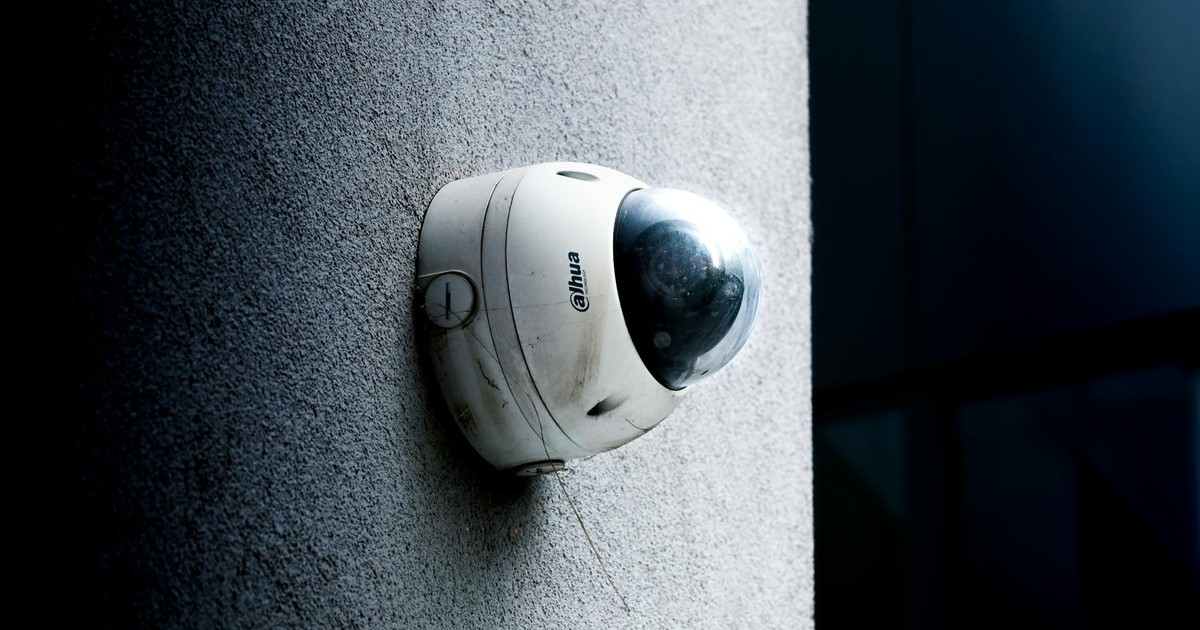
Installation costs, monthly monitoring fees, and the ongoing subscription charges that security companies now attach to camera systems and smart home integration have made comprehensive home security a notable expense. What was once a one-time hardware purchase has become a recurring bill, and the level of service that actually provides meaningful protection – professional monitoring, rapid response, smart integration – sits at a price point that requires budget justification.
For families already cutting categories, home security falls into the group of things that feel important but get deferred. The deferral has its own cost, which is harder to quantify.
17. Health and Wellness Retreats

Spas, wellness weekends, yoga retreats, and mental health-adjacent travel have expanded significantly as an industry over the past decade, and so have their prices. What began as a niche offering has become, for many middle-class households, an aspirational category – something they talk about and occasionally do on a stretched budget. As general cost-of-living pressure increases, the wellness retreat is among the first things to go, not because it isn’t valuable, but because it cannot compete with the mortgage, the car payment, and the grocery bill.
Read More: 8 of The Dumbest Things People Waste Their Money On
18. Green Energy Solutions
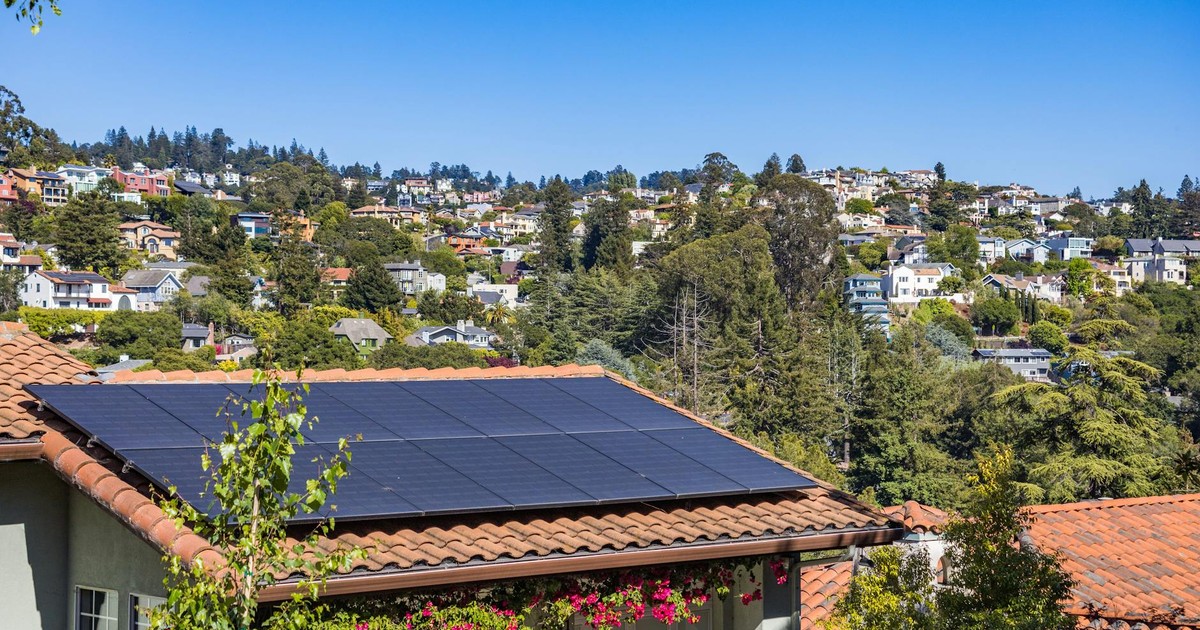
Solar panels, home battery systems, EV chargers, and energy-efficient retrofits all carry substantial upfront costs that, despite available incentives, remain out of reach for many middle-class households. The financial logic is real across a long enough timeline – lower utility bills, potentially lower transportation costs – but it requires capital that stretched households do not have. The families most likely to benefit from reduced energy costs are the ones least able to produce the initial cash for the investment.
This creates a particular frustration: being priced out of the thing that might eventually save money. The incentives exist on paper. The cash for the down payment does not.
Where This Leaves Us

None of this is a list of things you’re doing wrong. Middle-class families are not struggling because of lattes or subscription services or some failure of discipline. They are struggling because the cost of ordinary life has grown significantly faster than wages for a sustained period of time, and the gap between what this country promises the middle class and what it actually delivers has become hard to ignore.
Brookings Institution researchers have noted that if current patterns continue, homeownership could become generally unaffordable to the middle class in the majority of metropolitan areas with large numbers of good jobs – joining healthcare and higher education as important sectors where the middle class can no longer take affordable access for granted. That framing matters. This is not a temporary disruption. It is a structural shift in what middle-class life includes.
What you do with that depends on your specific circumstances, and there is no clean answer that works for everyone. But the first useful thing is simply to see it clearly – to stop feeling like a personal failure when the numbers don’t add up, and to recognize that millions of households running the same math are arriving at the same place. The middle class affordability crisis is not a personal problem that better budgeting will solve. It is a systemic one that is going to require a much larger response than any individual family can engineer on their own.
AI Disclaimer: This article was created with the assistance of AI tools and reviewed by a human editor.