

The interesting part isn’t the noticing. It’s what they notice and what they infer from it. Research on clothing perception consistently finds that people – men in particular – draw conclusions about personality, confidence, availability, and social standing from clothing cues that most women never consciously intend to send. A specific color registers as a signal. The fit of a pair of trousers reads as a proxy for self-regard. The condition of shoes tells a story nobody narrated. Clothing carries symbolic meaning whether you meant it to or not.
None of this is about dressing for men’s approval. It’s about understanding a dynamic that’s already in the room with you every day. You can dress exactly as you please – and you should – but knowing what men notice when they see what women wear is genuinely useful information, the kind that tends to shift how you think about getting dressed rather than what you actually put on.
1. How Well Clothes Fit
This one beats everything else. Men consistently rank fit as the single most noticeable clothing characteristic, and the research backs it up. Clothing type, shoes, color, and the fit of garments affect perceptions of personal behaviors, biological traits, health and hygiene, and social roles. Fit isn’t just aesthetics – it’s read as an indicator of self-awareness and how much effort someone puts into their own presentation.
The reason fit registers so strongly is that ill-fitting clothes create visual noise. They draw the eye to the wrong places, undercut the lines of a person’s body, and signal a mismatch between a garment and its wearer. A well-fitting outfit, by contrast, communicates something immediately: this person knows their own body and chose accordingly. Men may not be able to articulate this, but they respond to it every time.
Worth noting is what men infer from fit specifically. Judgments about confidence, success, and flexibility are affected by clothing style. A woman in perfectly fitted clothes that are otherwise unremarkable will tend to register as more put-together, more capable, and more assured than someone in an expensive outfit that doesn’t quite work on her body. The price tag is invisible. The fit is not.
2. The Color Red

Red has an unusually well-documented effect on how men perceive women, and it goes deeper than cultural associations with romance. Research in the U.S. and Europe has found that men perceive women to be more attractive and sexually desirable when seen on a red background or in red clothing. This holds across multiple studies, across cultures, and across contexts – which makes it one of the more robust findings in the psychology of clothing and attraction.
The explanations are layered. Many studies involving men rating women’s appearance have shown that wearing red clothing increases attractiveness and sex appeal, with the reasons thought to be traceable to our evolutionary past, as red displays in the animal kingdom often indicate sexual interest and availability, complemented by the cultural connotations of red with passion and sex. The physiological and the cultural are working in the same direction, which is why the effect is so consistent.
Women are viewed as more attractive by men when they display the color red. Men asked a target woman in red more intimate questions and chose to sit closer to her, and women wearing red clothing while working in a restaurant received better tips. Whether you wear red knowing this or simply because you own a red dress you like, the signal is in the room.
3. Shoes

Men say they don’t notice shoes. Men notice shoes. This is one of those cases where behavior and self-report diverge almost comically. The condition of shoes reads as a strong proxy for general standards of self-care – scuffed heels and worn-down soles register differently from a clean, maintained pair, even when everything else in the outfit is identical.
Perceived attractiveness is often judged by nonverbal factors including grooming and adornment practices such as clothing and color style. Shoes fall squarely into that category. They’re one of the few items of clothing that clearly signals effort – or the absence of it – because shoes are the easiest thing to neglect and the one detail that repays attention most visibly.
The style of the shoe also carries its own signals. Heels are often noticed for the way they change a woman’s posture and gait, creating a physical presence that registers before most other details. Flat shoes, sneakers, and boots each carry their own contextual meanings that men absorb without necessarily analyzing. The conclusion drawn from shoes tends to be about overall attention to detail – not about glamour, but about care.
4. Clothing Condition

A garment that is pilled, stained, or starting to come apart at the seams tells a story no one intended to tell. Men notice clothing condition more than most women expect, and what they read from it is related to but distinct from what they read from fit. Condition is about upkeep. A dress that has been beautifully maintained is a signal of different values than an expensive dress that’s been neglected.
Clothing carries symbolic meaning. When a woman puts on a specific outfit, her brain is primed to behave in ways consistent with that meaning, and we act in a manner consistent with our dress. But the observer’s brain is also primed. A worn-out garment signals that the wearer either doesn’t notice its condition – which raises questions about attention to detail generally – or noticed and didn’t mind, which tells a different story.
The irony here is that a simple, inexpensive piece in excellent condition will consistently read as more polished than a high-end piece that’s been dragged through a year of careless wear. Most men can’t identify a designer label on sight. All of them can identify a bobbled sleeve.
5. The Neckline

Necklines get noticed – consistently, immediately, and often before the man consciously processes what he’s seeing. The amount of skin visible above the collarbone is among the first visual details that register, and research on skin exposure and perception suggests that the inferences drawn from it extend well beyond the physical.
Participants in a 2023 study rated models in high-skin-exposure outfits as more promiscuous, more likely to use their body for personal gain, and less capable in comparison to models in low-skin-exposure clothing. That’s a significant set of conclusions to draw from a neckline, and most of it happens at a level below conscious thought.
This doesn’t mean that a lower neckline is a mistake – the context matters enormously, and different settings call for different reads. A plunging neckline at a dinner party reads entirely differently than the same neckline in a work meeting. Men absorb those contextual cues too, and the impressions formed shift accordingly. What remains consistent is that necklines get noticed and that they actively shape perception, not merely appearance.
6. Whether the Outfit Looks Intentional

There’s a specific quality men notice that’s hard to name but immediately recognizable: the difference between an outfit that looks considered and one that looks like it just happened. This isn’t about formality or expense. A woman in jeans and a white shirt can look completely intentional. A woman in a thoughtfully chosen dress can look like she grabbed the first thing in her closet.
Men most definitely judge women by what they wear. In her research on dating, author Chiara Atik found that men consistently brought up clothing as among the first things they notice about women. What they tend to describe when asked about it is this quality of intention – whether the choices seem deliberate. Accessories that work with the outfit, colors that complement rather than clash, pieces that suit the occasion: all of these add up to a reading of purposefulness.
The underlying perception this triggers is one of competence and self-assurance. Someone who dresses with intention appears to know what they want and how to get there. That impression takes seconds to form and is genuinely difficult to dislodge once it’s in place.
7. Accessories
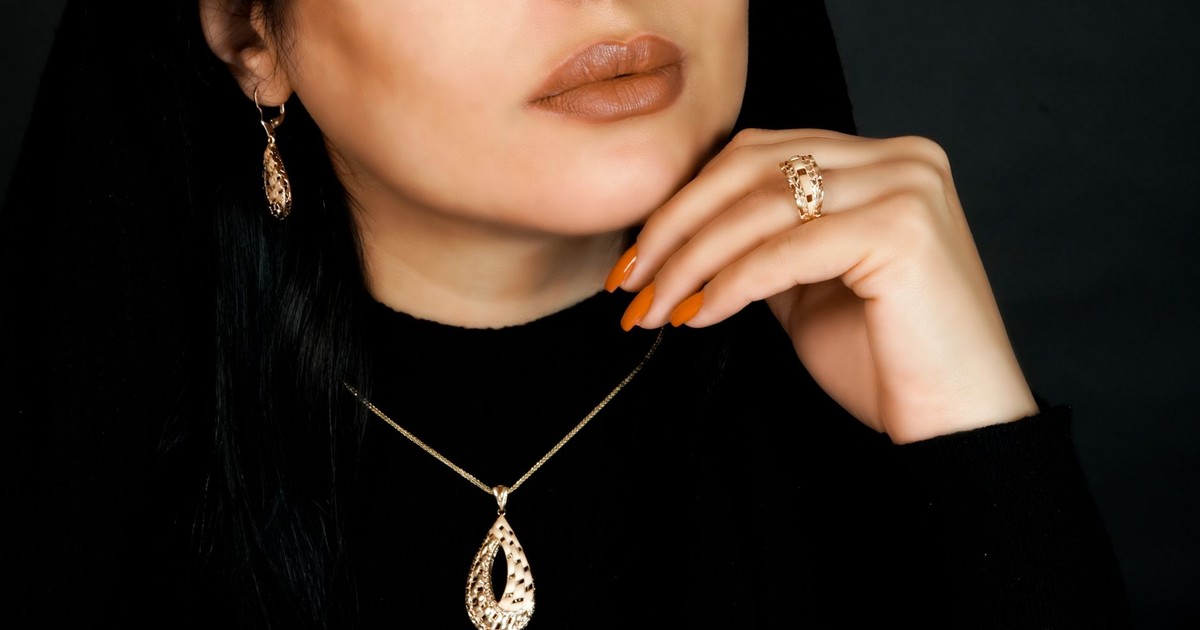
Accessories are the detail that turns a basic outfit into an opinion, and men notice them more than they typically admit. A specific earring, an unusual watch, a bag with character – these items function as conversation starters and personality cues simultaneously. They signal something about aesthetic sensibility and about how much the wearer cares about the full picture.
What men are responding to when they notice accessories is largely specificity. A piece of jewelry that looks chosen – that clearly belongs to the person wearing it – registers differently from accessories that look like afterthoughts. The same basic outfit can read as pulled-together or unfinished depending on whether the accessories were considered part of it.
Research found that simply donning a white lab coat increased performance on attention-related tasks – a phenomenon researchers called “enclothed cognition” – because the item of clothing carries symbolic meaning that functions indirectly through its significance to the wearer. The same logic applies to how observers read accessories: they’re reading the significance, not just the object.
8. How Clothes Move When You Walk
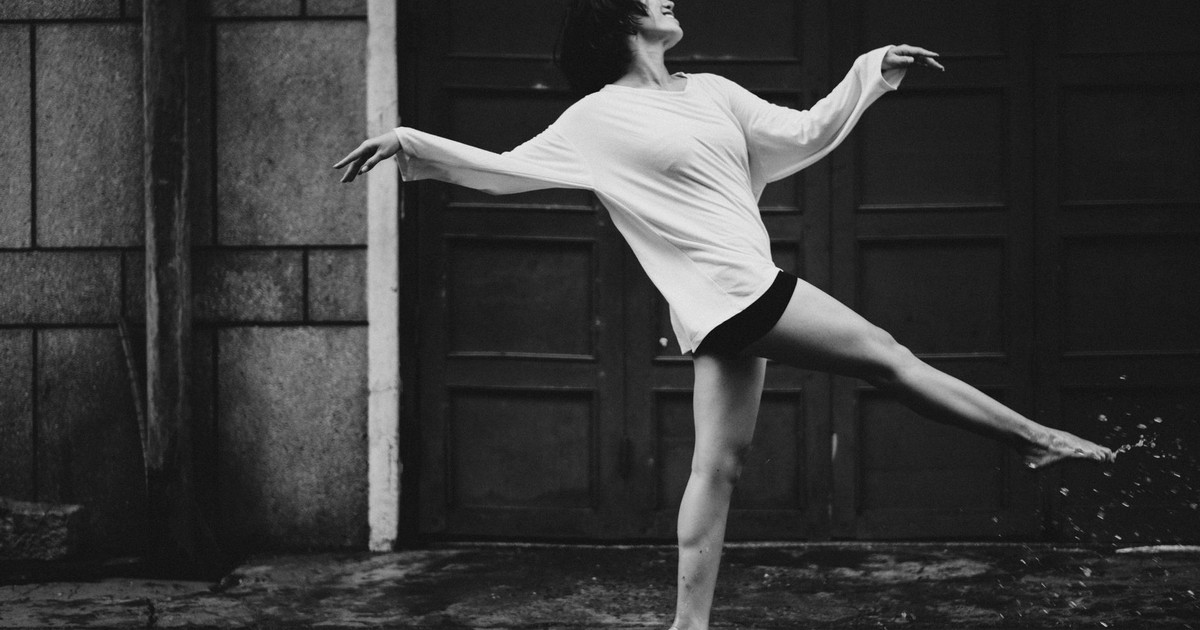
This one doesn’t make most lists, but it’s real. The way a garment moves – whether it swings and flows or bunches and pulls – is something men clock when a woman walks into a room or across it. Fabric with good drape and movement creates a visual dynamism that registers even when the viewer can’t explain why.
Clothing that moves well signals something about quality and about how the garment was chosen. A stiff, resistant piece of fabric fights the body rather than working with it, and that resistance is visible in how it wears while moving. Soft, flowing fabrics or well-cut pieces that allow for natural movement are read – often unconsciously – as both elegant and confident.
The garments that tend to generate the most attention through movement are often the simplest: a skirt cut on the bias, a well-draped blouse, a blazer with good structure. The movement isn’t about exposure or display. It’s about fluency – the sense that the wearer and what they’re wearing are in some agreement with each other.
9. Whether the Colors Work Together

Color coordination is something men notice even when they lack the vocabulary to describe what they’re seeing. The brain processes color combinations rapidly and with a strong preference for coherence. An outfit where the colors read as harmonious – whether that’s a tonal palette, a classic contrast, or a bold pairing that actually works – registers as pulled-together at a level below conscious analysis.
The inverse is equally true. Colors that clash or compete visually create a cognitive friction that men notice as a vague sense that something’s off, even when they can’t identify what. They’re unlikely to be able to tell you that your burgundy bag is fighting your mauve blouse, but they’ll register a slightly unsettled impression of the overall look.
This is an area where the effect is largely psychological rather than aesthetic. Impressions are formed unconsciously based on nonverbal signs of communication. Color dissonance reads as a type of nonverbal incoherence – which is why even minor clashes can undercut an otherwise strong outfit in ways that seem disproportionate.
10. Jeans and How They Fit

Denim deserves its own entry because it has a unique status in how men read clothing. Most men consider jeans the most reliable barometer of casual style, largely because jeans are so familiar that variations in fit and style read very clearly. The difference between jeans that work and jeans that don’t is immediately legible in a way that’s harder to see in less common garments.
The waist, the rise, and how the leg falls are all noted – often unconsciously but consistently. High-rise jeans that sit properly at the waist give a different impression than a low-rise pair that gaps at the back. Straight-leg jeans cut differently on different frames, and men pick up on whether the specific pair serves the person wearing them.
What men tend to say, when pressed, is that the right pair of jeans makes everything else look better. There’s truth in that. Jeans function as a foundation garment – everything read from the outfit is being read partly against the signal of whether the denim is working.
11. Dress Code Awareness

Men notice whether a woman’s outfit is appropriate for the occasion, and they read it as information about social awareness and attentiveness. Wearing something too formal for a casual gathering, or something too relaxed for a setting that calls for polish, sends a signal about whether the person reads their environment.
This isn’t primarily an aesthetic judgment. It’s closer to a social intelligence judgment. A woman who arrives at a beach party in a full-length evening dress looks like she either didn’t read the invitation or didn’t care. Either reading says something, and men register both. Conversely, a woman who dresses precisely right for an ambiguous occasion – who somehow understood the vibe without being told – gets noticed for exactly that calibration.
The impression here links directly to the broader quality of intentionality. Someone who dresses for the room is someone who pays attention. Men infer from that – often correctly – that the same attentiveness extends to other parts of how that person moves through the world.
12. Formfitting Versus Loose
Beyond the specifics of fit, men notice the general silhouette language of a woman’s clothing – whether pieces are close to the body or deliberately roomy – and they form impressions from it that are as much about personal style as about the physical. A woman in sharply tailored clothes that follow her shape reads differently from a woman in oversized pieces, and neither reads as better or worse, only as different.
The interesting thing about silhouette is that men’s responses to it are heavily context-dependent. In a professional setting, close-fitting clothes can read as polished and authoritative. In a casual context, the same silhouette might register differently. Oversized, relaxed pieces that look chosen – rather than borrowed or accidental – carry their own confidence signal.
What men are picking up on is whether the silhouette looks like a decision. A deliberately oversized blazer over a fitted trouser is readable as a clear aesthetic choice. The same blazer with nothing suggesting intention underneath it reads as unfinished. The decision is the thing, not the fit preference itself.
13. The Hem Length
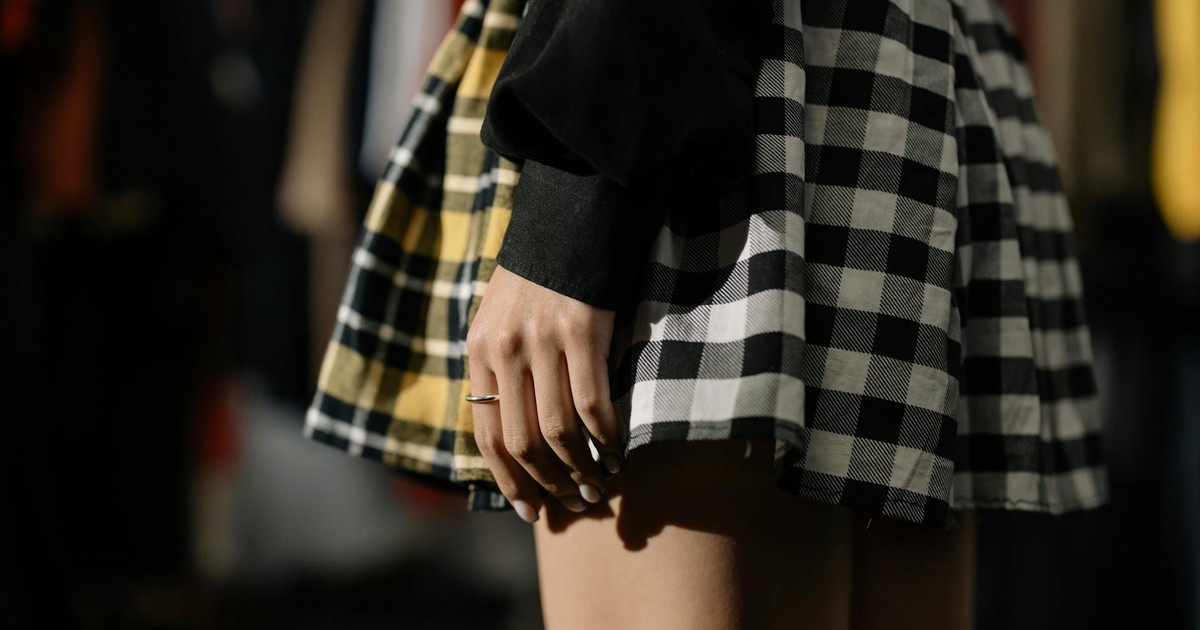
Hemlines were once considered the most politically loaded element of women’s fashion, and while some of that cultural charge has faded, hem length still registers with men as a meaningful signal. It’s one of the most direct forms of body coverage choice – which areas are revealed and which are not – and men read into it accordingly.
Research has identified three main areas of inquiry when studying dress and sexual signals: dress used as a cue to sexual information, dress and sexual violence, and dress, sex, and objectification. Hem length sits squarely in the first of those categories. A shorter hem tends to be read as an invitation to attention, whether or not the wearer intended it that way.
Context shapes this one strongly. A miniskirt in a club reads differently than the same length at a work function, and men adjust their interpretations accordingly. What remains consistent across contexts is that hem length is noticed early and that the inferences drawn from it are strong enough to color the entire first impression of an outfit.
14. Layers and Structure
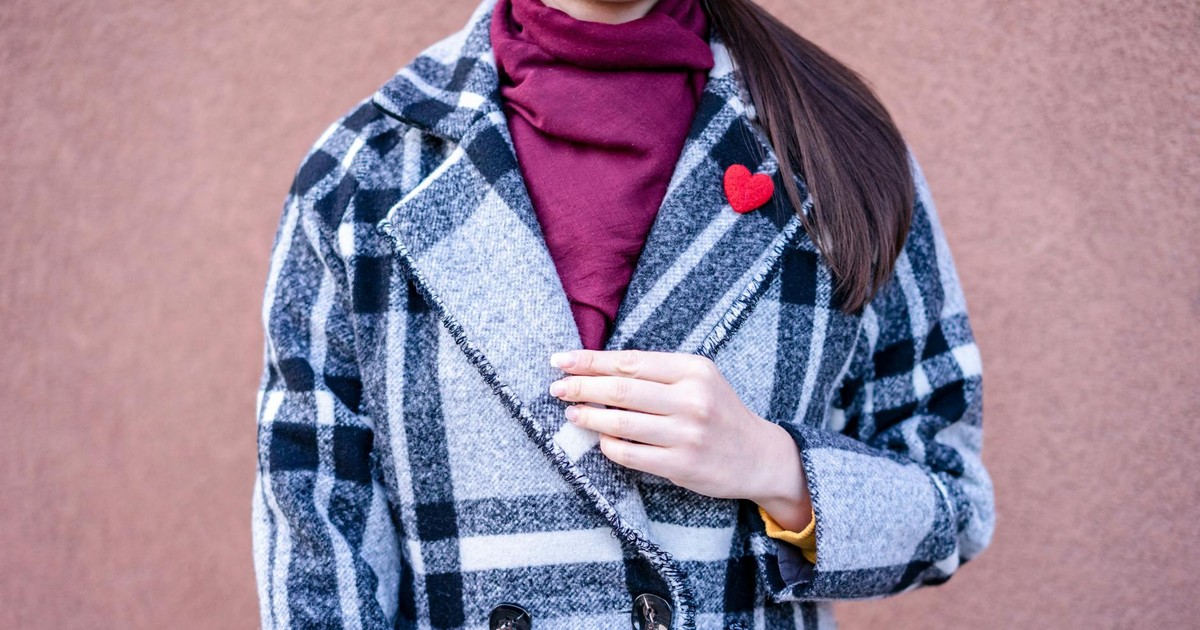
Layering has an intelligence to it that men recognize even when they can’t articulate it. A well-layered outfit – a blazer over a dress, a duster coat over separates, a turtleneck under a slip dress – signals a level of sartorial thinking that reads as distinct from simply throwing pieces together.
Structure, too, carries its own signal. Structured pieces – a blazer with good shoulders, a trench coat that holds its shape, a stiff-collared shirt – communicate intentionality and a kind of authority that unstructured pieces don’t. Men read structured clothing as a choice to present seriously, which tends to elevate the impression made regardless of the occasion.
The flip side is equally true. A deliberately deconstructed or deliberately casual approach to layering and structure can read as relaxed confidence – if it looks chosen. The tell is always in whether the choice looks deliberate. Men respond to the sense that the person dressing knew exactly what they were doing, even if the result is calculated dishevelment.
15. Scent Layered With Clothing
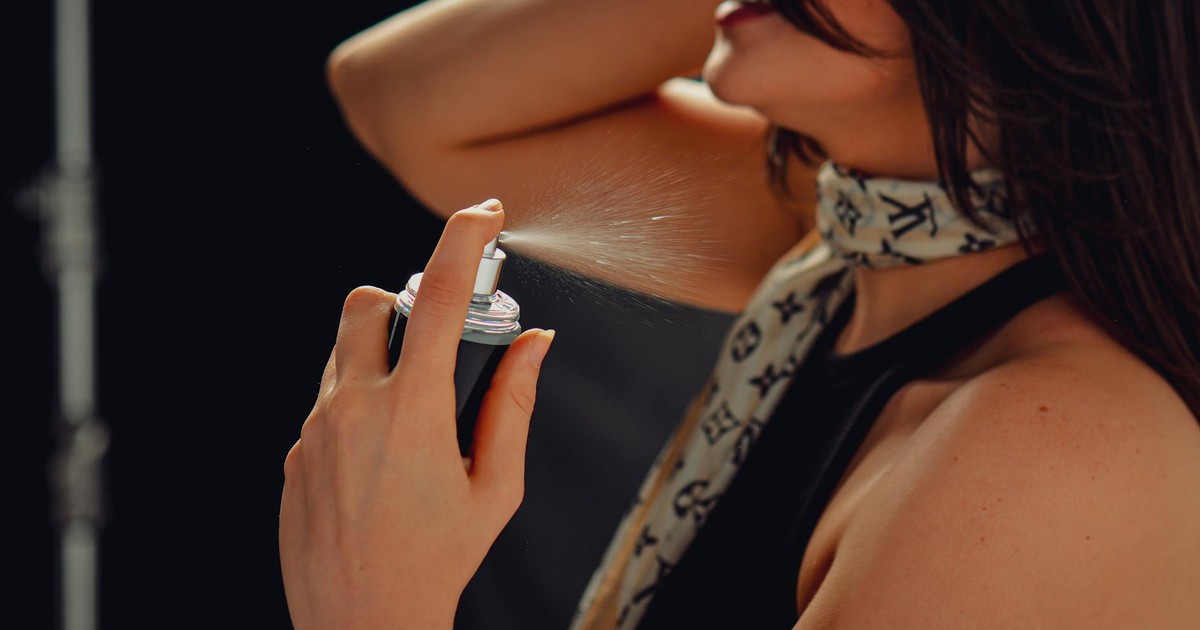
This sits at the edge of what’s strictly “clothing,” but the way scent works with a woman’s outfit is something men register as part of a unified first impression. A perfume that suits the occasion and complements the style of the outfit is experienced as coherent. A heavy fragrance with a minimalist, clean-lined outfit, or no scent at all with a deeply sensory, textured ensemble, creates a slight mismatch that men sense even when they don’t identify it consciously.
The sensory experience of how a woman presents herself is not limited to what the eyes take in. Clothing’s functional role in coping with social circumstances and internal feelings positions the garment as an active element in the wearer’s daily affective experience. From the observer’s perspective, scent is part of that same package – it amplifies or undercuts the impression the clothing has already started to form.
This is perhaps the least analyzed element on the list and the hardest to deliberately control, which is possibly why it has such disproportionate impact when it does work.
16. Overall Grooming as Part of the Outfit

Hair and makeup are experienced by men as inseparable from clothing, even when those elements aren’t technically garments. The overall picture of how a woman presents herself is read as one impression, not as individual components – which means that impeccably chosen clothes paired with hair that looks unfinished reads as something incomplete, just as the reverse does.
Grooming registers as care. Perceived attractiveness is often judged by nonverbal factors including height, weight, face, and hair color, as well as grooming and adornment practices. Men don’t always separate grooming from dressing in their reading of a woman’s overall presentation – they take it in together, and the conclusion they draw is about the person’s relationship to their own appearance generally.
The specific grooming choices matter less than the overall impression of considered care. Hair that is clearly in its intended state – whether that’s polished or deliberately undone – reads as part of the outfit. Hair that looks like it didn’t make it into the decision registers the same way a hem that’s coming undone does: as an edit that wasn’t finished.
Read More: 17 Traits Women Always Notice in Men Over 50
What’s Actually Being Read

The throughline across all sixteen of these is the same thing, and it’s worth saying plainly: men are not cataloguing individual garments. They’re forming an impression of the person wearing them, and that impression is assembled from dozens of small visual cues processed faster than conscious thought. What registers is coherence, intention, and care – not labels, not trends, not any particular style.
Clothing carries symbolic meaning. That meaning is being read constantly and by everyone, not just by men and not just in romantic or attraction contexts. The real takeaway from research into what men notice when women wear clothing is that presence comes through in the details – specifically through whether the details were attended to. You don’t have to optimize for anyone’s gaze. But understanding what’s being read from your choices, and what story the room is receiving, tends to make you more deliberate about what you put on. That’s useful regardless of who’s watching.
AI Disclaimer: This article was created with the assistance of AI tools and reviewed by a human editor.