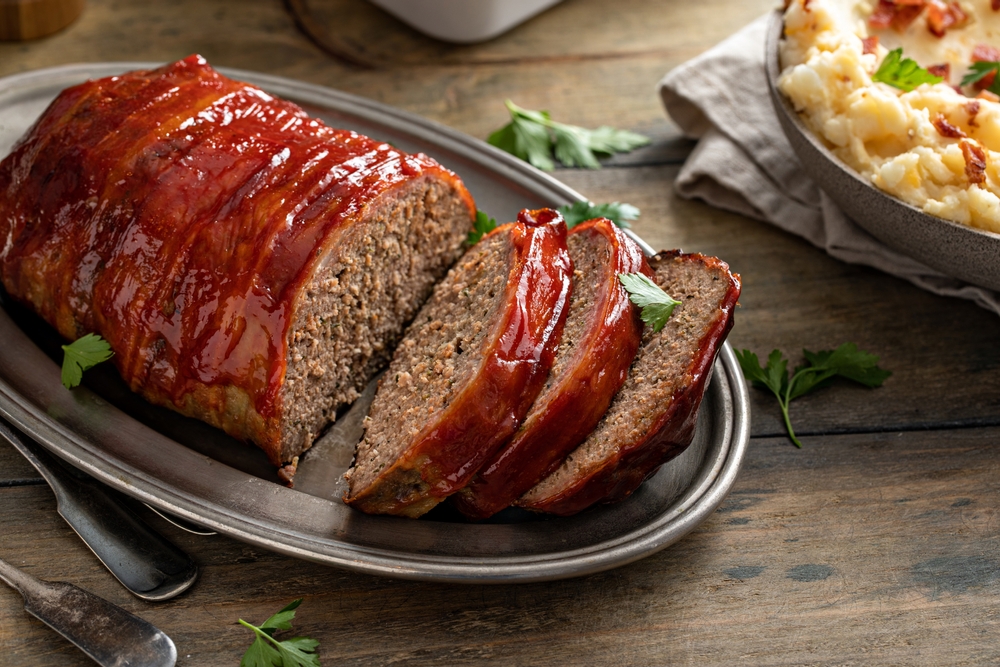

Meatloaf is one of those dishes that should, in theory, be impossible to get wrong. Ground meat, some binders, heat applied for about an hour. And yet the meatloaf secret ingredients that separate a dry, crumbly disappointment from the version you remember eating at someone’s kitchen table are almost never written down anywhere, because the person who made that version didn’t think they were doing anything special. They were just cooking. The gap between mediocre and genuinely good is wide, and it is almost entirely explained by a handful of things that never made it onto the recipe card.
That gap is almost always explained by what isn’t on the recipe card. The things a careful cook did without thinking about it, the moves she had absorbed so thoroughly that they stopped registering as techniques. She didn’t write down “soak the breadcrumbs first” because to her that was just what you did. She didn’t mention the splash of this or the handful of that because she wasn’t following a recipe anymore; she was cooking from memory and feel. The additions that made her version so good were simply invisible to her, filed under “obvious.”
So here are twelve of those things – the ones passed down, the ones food writers have spent years piecing back together, and the ones that explain exactly why a truly great meatloaf never seems like it came out of the same oven as everyone else’s.
1. Worcestershire Sauce
If there’s one ingredient that separates a meatloaf that tastes like seasoned ground beef from one that tastes like something you’d actually ask for seconds of, it’s Worcestershire sauce. A small amount stirred into the meat mixture before baking does something that’s hard to pin down until you know what it is: it adds umami, the deep, savory, round flavor that makes food taste more fully like itself. Not only does Worcestershire sauce enhance the meatiness of the loaf, it also adds a layered umami flavor that ketchup alone doesn’t provide.
The reason it works so well in meatloaf specifically is that it carries multiple flavor notes at once. Worcestershire is made from fermented anchovies, tamarind, vinegar, molasses, and spices – an odd combination on paper that produces something none of those ingredients could accomplish separately. In the context of a loaf, it doesn’t announce itself. You won’t taste “Worcestershire.” You’ll just taste a meatloaf that somehow has more going on than yours usually does.
Don’t limit it to the meat mixture, either. A mix of ketchup, brown sugar, mustard, and Worcestershire sauce makes a tangy, glossy glaze that’s just sweet enough. Adding it to both the interior and the topping means the flavor threads through the entire slice rather than sitting only on the surface. A tablespoon inside and another in the glaze is standard practice in most recipes that get described as “the best I’ve ever made.”
2. The Panade: Milk-Soaked Breadcrumbs
The word “panade” sounds like something a French chef would insist on while you stood in a home kitchen nodding politely. In practice, it’s just breadcrumbs soaked in milk before being added to the meat – and it is genuinely the single most reliable moisture-locking move in the whole recipe. Soaking the breadcrumbs in milk is key to locking moisture into meatloaf.
Here’s what’s actually happening: dry breadcrumbs added straight to ground beef will compete with the meat for moisture as everything cooks, pulling liquid away from the loaf and contributing to that dry, crumbly result everyone is trying to avoid. When you soak the crumbs in milk first, they arrive at the party already saturated. The secret to good meatloaf is milk – it hydrates the breadcrumbs to help bind the loaf and keep it moist. The breadcrumbs then release that moisture back into the loaf during baking rather than absorbing from it.
The ratio is roughly half a cup of breadcrumbs to a third of a cup of milk, left to sit for a few minutes before you introduce it to the meat. This also happens to be what makes leftover meatloaf sandwiches the next day worth looking forward to: that retained moisture means cold slices don’t turn to sawdust the way dry-mixed versions do.
3. Quick-Cooking Oats
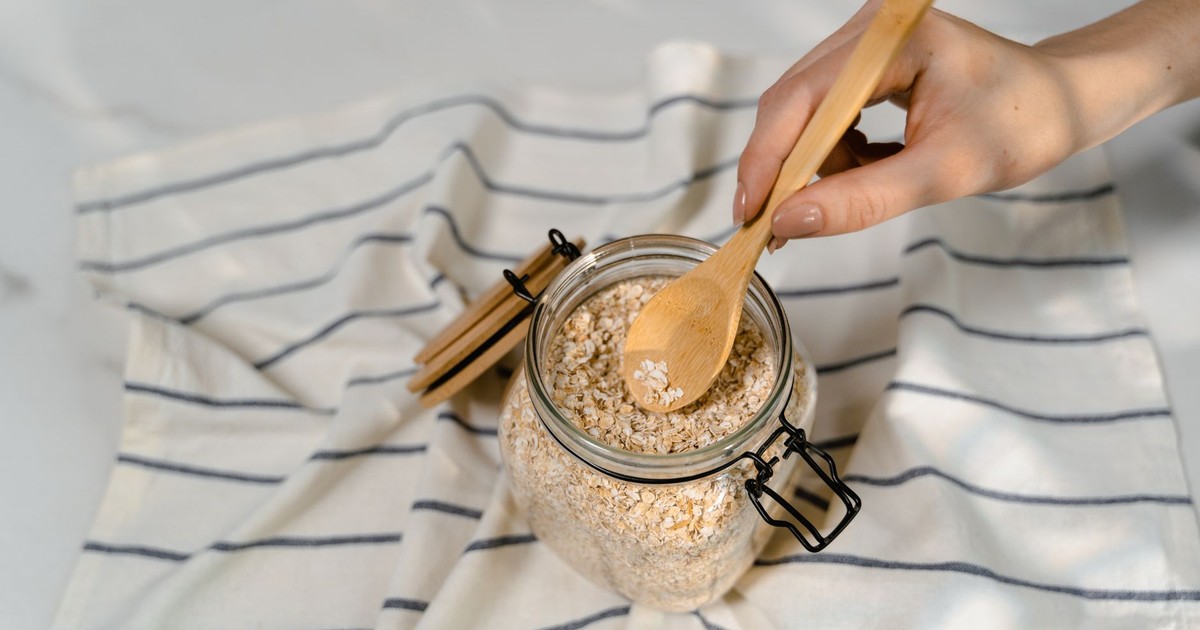
This one gets dismissed at the pitch stage by people who haven’t tried it. Oats? In meatloaf? The impulse is to assume the texture would be wrong, that you’d taste something oat-like in every bite, that the whole thing would come out with the mouthfeel of a baked granola bar. None of that is true.
Swapping traditional breadcrumbs for quick-cooking oats makes for a moist meatloaf that holds up well when sliced. The oats act as a binder so that the meatloaf keeps its shape when sliced, and they melt right into the meat – plus they are not as prone to drying out as breadcrumbs are. This is the ingredient that explains why certain grandmothers’ versions sliced so cleanly, held together without crumbling, and somehow tasted richer than the recipe justified. She just used oats. Always had.
The specific variety matters here: quick-cooking oats, not old-fashioned rolled oats, and definitely not steel-cut. Although breadcrumbs work, quick-cooking oats are a great gluten-free option with a similar texture that will keep the meatloaf moist – rolled oats work as well, though they’ll have a more noticeable texture, and steel-cut oats don’t cook through and will be too hard. One cup for a standard two-pound loaf is the right starting point.
4. Bacon Mixed Into the Meat
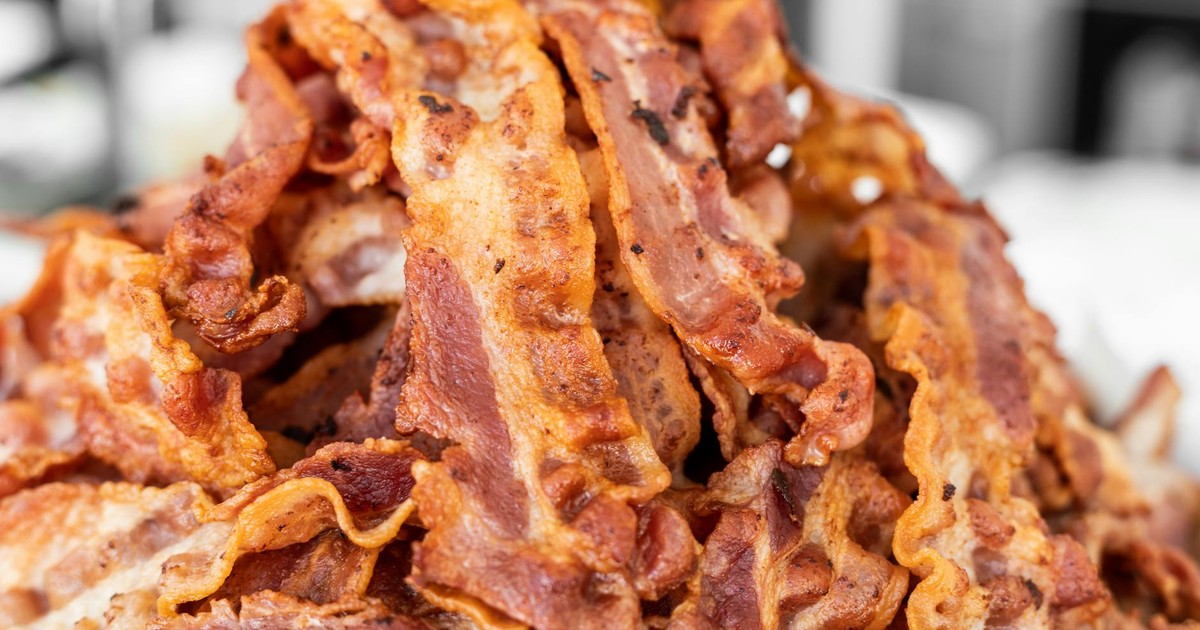
Bacon draped over the top of a meatloaf is the kind of thing that makes a dish look impressive in a photograph. Bacon chopped and folded into the meat itself is the version that makes the dish taste better. The difference is where the fat and flavor actually end up.
Bacon might just be the secret ingredient that transforms your meatloaf from good enough into a five-star dish – it’s best to finely chop it or use a food processor to trim the strips into smaller bits, and additional frying is unnecessary, as the bacon will cook inside the loaf. Adding the pieces directly to your classic meatloaf mix allows them to infuse into the whole loaf, imparting earthy and smoky flavors, while the fat provides extra moisture.
This is particularly worth trying when you’re working with leaner ground beef. An 85/20 blend is commonly recommended for flavor and moisture, but if you’re using something leaner – ground turkey, for instance, or very lean beef – the addition of finely chopped bacon compensates for the missing fat in a way that no amount of additional liquid quite manages. The flavor it contributes is also different from a seasoning: it’s a depth that reads as “this is just a really good meatloaf,” not “I can identify what that is.”
5. Mushrooms
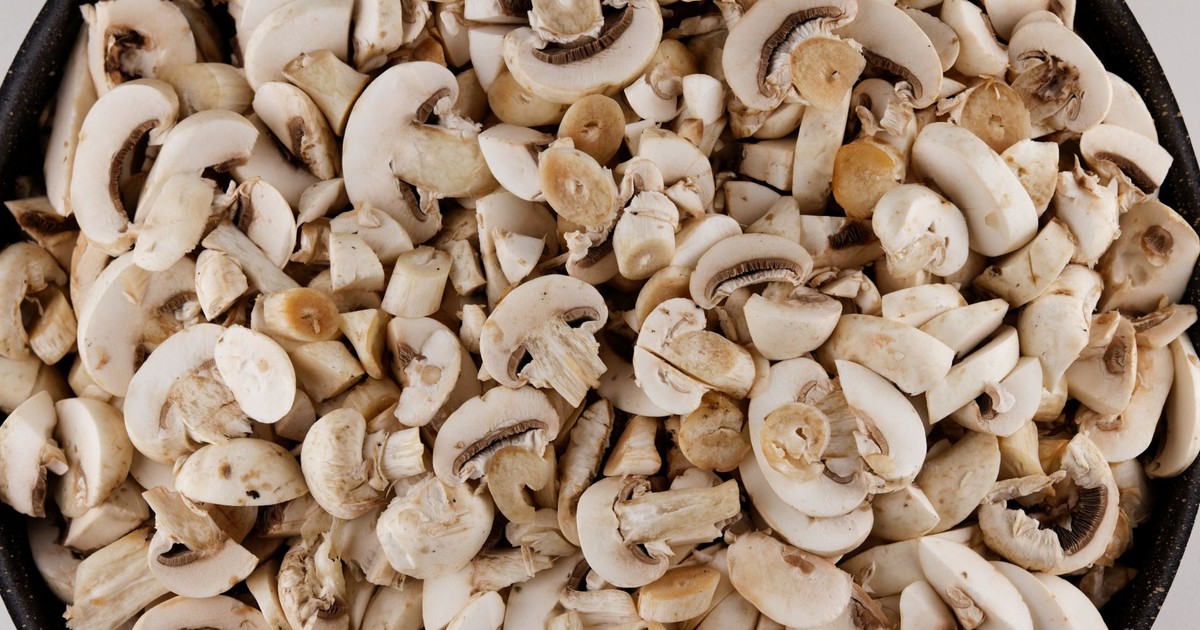
Mushrooms are one of those ingredients that people are convinced they don’t want in their meatloaf right up until they eat a meatloaf that has them. The concern is usually texture – nobody wants to bite into a loaf and find mushroom chunks. The trick is that finely minced mushrooms disappear entirely during cooking, and what they leave behind is moisture and a concentrated savory flavor that’s difficult to achieve any other way.
Mushrooms are a great addition to meatloaf – even if you’re not a mushroom fan, when you chop them really small and cook them with onions, they almost disappear into the meatloaf mixture. They shrink as they cook and release liquid, which then becomes part of the loaf rather than evaporating into the oven. The result is a slice that’s juicier than the meat content alone would suggest.
Button, cremini, portobello, or shiitake all work. Cremini mushrooms carry slightly more flavor than button mushrooms because they’re a more mature version of the same variety – a small distinction but a real one if you’re optimizing. Mince them finely enough and they genuinely vanish, leaving only their contribution behind.
6. Sautéed Onions Instead of Raw
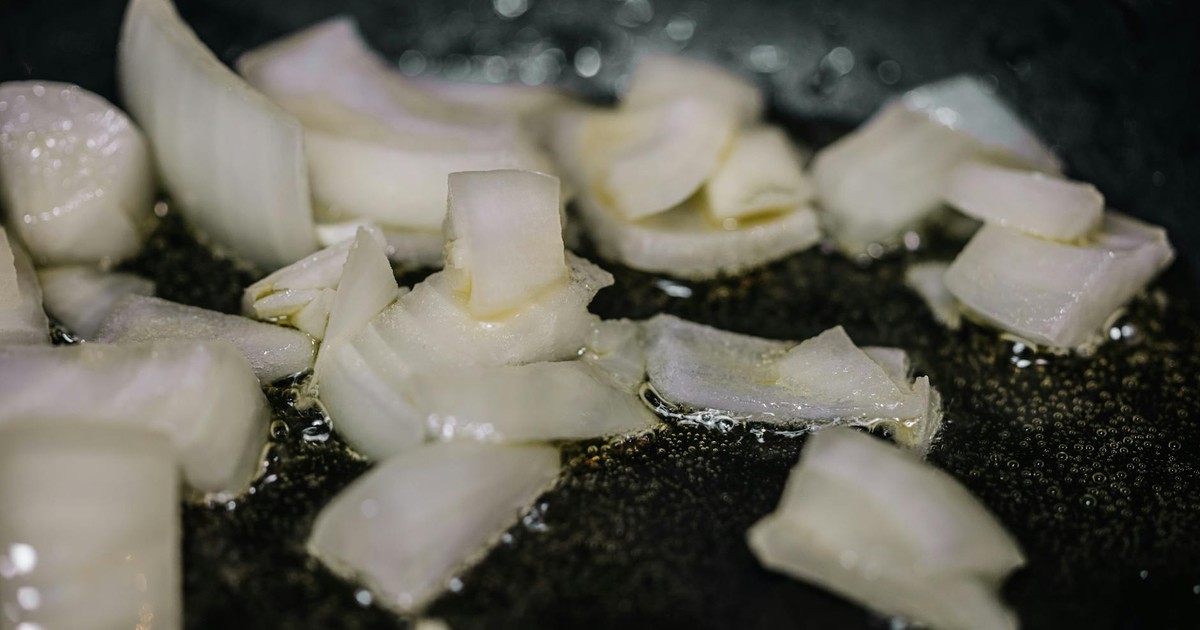
Most meatloaf recipes call for diced onion added directly to the raw meat mixture. This works, technically. The onion will cook through during baking. But it doesn’t produce the same result as onion that’s been softened in a pan first, and the difference is noticeable in both flavor and texture.
Raw onion has sharp, volatile compounds that mellow significantly with heat. When you add it raw, some of that sharpness carries into the finished loaf, and the pieces can remain slightly firm depending on how finely you cut them. Sautéed onion, by contrast, is soft, sweet, and deeply flavored before it ever touches the meat. Sautéing your onions in a little oil before adding them to the meatloaf gives it an incredible change of flavor.
The extra ten minutes this takes is probably the move most people skip and most people regret skipping. Cooked onions also blend into the mixture more evenly, which means no pockets of stronger or weaker flavor depending on which slice you get. If you’re committed to not dirtying another pan, grating the onion raw is a reasonable middle path – grated onion releases its juices and softens faster during baking than chopped onion does.
7. A Mixed Meat Blend
Meatloaf made with 100 percent ground beef is perfectly fine. Meatloaf made with a combination of beef, pork, and veal – or at minimum beef and pork – is noticeably better, and the reason isn’t especially complicated. Different meats bring different fat profiles, different textures when cooked, and different flavor profiles. No single type of ground meat contains all of them at once.
The old school way to make meatloaf is to use a combination of beef, veal, and pork. If you’re working with leaner beef, consider mixing it with pork – as it is generally fattier than beef, it can deliver the required flavor and juiciness. Ground pork in particular is what keeps the interior of the loaf from becoming dense, because pork fat renders differently from beef fat and distributes more evenly through the mixture.
The typical split is equal parts or a heavier lean proportion, with pork handling the moisture and beef handling the structure. Veal, when used, adds tenderness – it’s a softer, finer-grained meat that makes the whole loaf feel lighter in texture even when the slice itself is substantial. Butchers often sell a “meatloaf mix” that combines all three, which makes this less of a production than it sounds.
8. Brown Sugar in the Glaze
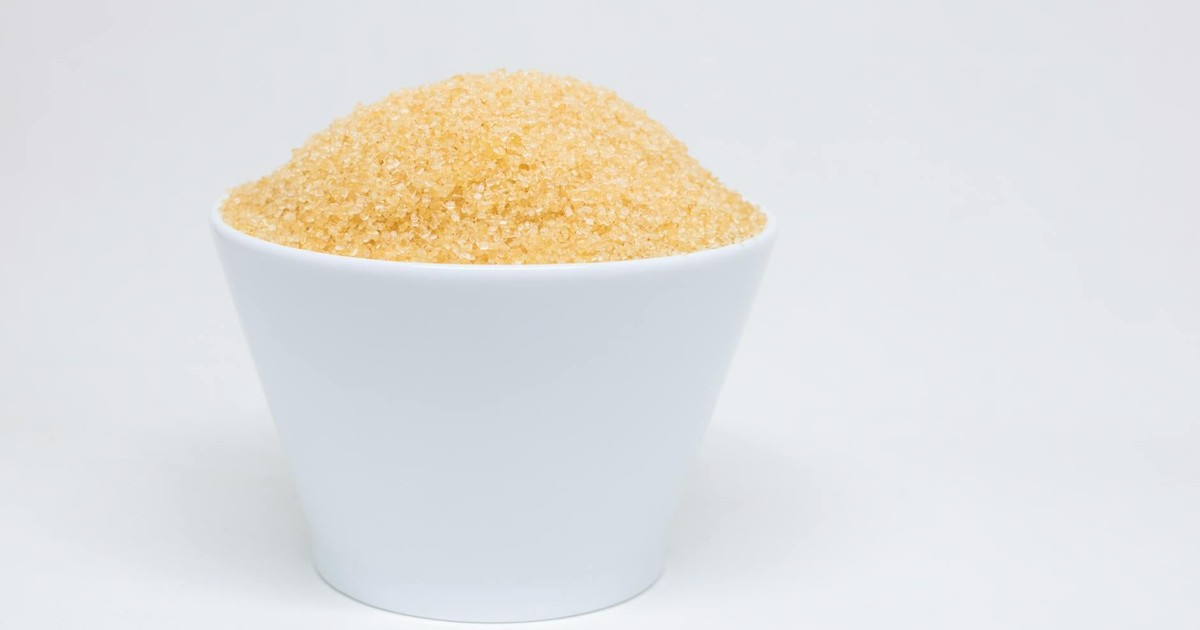
The ketchup glaze on top of a meatloaf is where most recipes treat the topping as an afterthought – just ketchup spread over the top before it goes in the oven. The versions that come out with a lacquered, caramelized, sticky surface that you find yourself carving slices specifically to include more of? Brown sugar is almost always in the glaze.
Brown sugar added to ketchup does two things: it deepens the sweetness from one-dimensional to layered (the molasses in brown sugar adds a slightly bitter, complex note that plain white sugar doesn’t), and it helps the glaze caramelize against the heat of the oven rather than simply drying out. A mixture of ketchup, mustard, and brown sugar creates a sauce that’s tangy, sweet, and coats the meatloaf perfectly. The glaze goes on in two stages for the best result – half before baking, half added in the last fifteen minutes – so the bottom layer has time to set and the top layer stays glossy.
A tablespoon or two of brown sugar per half cup of ketchup is the right ballpark. This is the move that makes people ask what you did differently, and the answer “a bit of brown sugar” always disappoints them because it sounds too simple to be responsible for something that good.
9. Dijon Mustard
Dijon mustard appears in meatloaf glazes far more often than it appears in conversations about what makes meatloaf good, which is a shame because it earns its place in two distinct ways. In the glaze, it adds acidity and a background sharpness that cuts through the sweetness of ketchup and brown sugar. Inside the meat mixture itself – where some recipes include a teaspoon or two – it does something harder to describe: it makes the loaf taste more seasoned without adding more salt.
The tanginess of Dijon is bright in a way that complements beef without competing with it. It also contains a small amount of heat that builds slowly rather than announcing itself immediately, which is part of why a meatloaf with mustard in it seems to have more going on than one without. Yellow mustard can substitute, but the flavor is blunter and simpler. Dry mustard powder, which appears in older recipes, achieves a similar effect and was likely what grandma used before Dijon became a pantry staple.
Adding a teaspoon to the meat mixture alongside the Worcestershire sauce is a small change with outsized results. It’s the kind of ingredient that doesn’t read as “mustard” in the finished dish – it reads as “this meatloaf is really well seasoned.”
10. Grated Onion for Moisture and Invisibility
This is distinct from the sautéed onion in item six, and both are worth knowing. Where sautéed onion delivers caramelized flavor, grated raw onion delivers moisture and a more evenly distributed onion flavor throughout the whole loaf. When you grate onion on the coarse side of a box grater, it breaks down into a pulp that releases its juice directly into the meat mixture.
Grated onion adds moisture to the meatloaf and also provides a flavor boost – similar to the oats, grated onion simply melts into the meat, so you don’t get any big chunks of onion in the mix. This is the version to use when the people you’re cooking for “don’t like onions” but would happily eat a bowl of French onion soup if you put it in front of them. The onion flavor is present but diffuse, embedded throughout rather than concentrated in any one bite.
The practical upside is also that grated onion doesn’t require a separate pan or step. Grate it directly into the mixing bowl, add the other wet ingredients, and the juice becomes part of the liquid that hydrates everything else. This is especially useful if you’ve chosen the oats route from item three – the extra liquid from grated onion helps the oats soften before they meet the meat.
11. Smoked Paprika
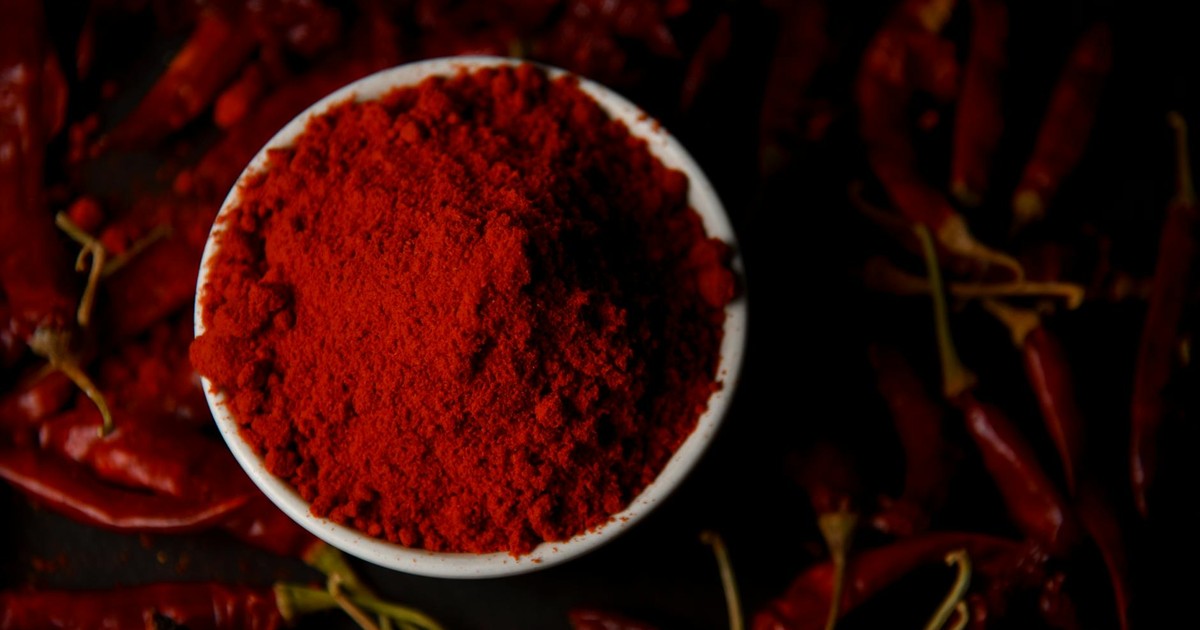
Sweet paprika is a common enough seasoning in meatloaf. Smoked paprika is the version that explains why some loaves have a low, warm depth that seems like it might have been baked somewhere outdoors over hardwood rather than in a kitchen oven. The difference between the two is significant: regular paprika adds color and mild sweetness, while smoked paprika adds the actual flavor of smoke, which is a fundamentally different thing.
Smoked paprika or chili powder added to meatloaf gives it a smoky flavor that reads as complexity rather than as any single identifiable spice. It works particularly well in loaves that use a ketchup glaze, because the smokiness plays against the sweetness and acidity of the topping in a way that makes both elements taste better. A teaspoon in a two-pound loaf is the right amount – enough to register, not enough to declare itself.
This is one of the ingredients most likely to have a generational explanation. Older recipes sometimes call for a small amount of liquid smoke, which achieves a similar effect but with a stronger, more one-note result. Smoked paprika delivers the same general impression with more finesse, and it blends into the meat rather than pooling in spots the way liquid smoke occasionally does.
12. Resting the Loaf Before Slicing
The twelfth secret isn’t an ingredient at all. It’s the ten minutes on the counter after the loaf comes out of the oven, before anyone cuts into it, and it matters more than most recipes acknowledge.
Ground meat contracts as it cooks. The juices are pushed toward the center and held under tension by the structure of the loaf. If you cut into meatloaf the moment it comes out of the oven, those juices run directly onto the cutting board and the slices are drier than they need to be. Resting the meatloaf is very important – it lets the juices reabsorb into the meat, which is what keeps the meatloaf moist. Ten minutes is enough. The interior temperature will hold and the loaf will be easier to slice cleanly.
This is almost certainly something your grandma did without explaining it as a technique. She just set the pan on a trivet and told everyone to give it a minute before she served it. The “minute” was ten, minimum. The loaf that hit the table had a texture that a loaf sliced straight from the oven simply couldn’t match. A resting meatloaf is a better meatloaf. It’s not science you need to look up – it’s the thing she always did that somehow never made it into the recipe she wrote down.
What Was Never Written Down
The recipes that get passed down in families are often incomplete, and not because anyone was being secretive. They’re incomplete because the person writing them down stopped noticing the things they always did. The Worcestershire sauce was just a given. The soaked breadcrumbs were obvious. The resting period was something you did while you called everyone to the table. None of it seemed worth mentioning.
What you’re doing when you add these things back is less about learning a new technique than about reverse-engineering someone else’s intuition. You’re not improving on a version you remember. You’re finally making it correctly. There’s a particular satisfaction in getting a dish that never quite came out right to suddenly, finally taste the way you remembered it tasting – and then realizing that the gap was always closed by things too familiar to name.
That’s a strange kind of inheritance. Not the recipe, exactly. Not the dish. The invisible assumptions underneath it, the ones so embedded in how she cooked that she couldn’t have written them down even if you’d asked. You get all twelve of them now. Use them.
AI Disclaimer: This article was created with the assistance of AI tools and reviewed by a human editor.