

Attraction doesn’t always look like an affair. Sometimes it starts in the brain, not the bedroom. One day she’s just chatting with someone interesting, and before she knows it, she’s thinking about that person more than she expected. Psychology calls this emotional infidelity—the moment emotional energy, curiosity, and validation start drifting away from a spouse and toward someone new. It’s not necessarily cheating, but it’s a shift. And the longer it goes unnoticed, the harder it is to reverse.
1. She Finds Reasons to Stay in Contact
She starts texting more often. A quick “How was your day?” here, a shared meme there. It’s light, harmless, and easy to defend. But that’s exactly how emotional bonds build—through frequent, low-effort contact that feels natural. Research shows that regular, unplanned communication increases emotional closeness faster than planned interaction because it mimics friendship while feeding attraction. When she feels a little thrill seeing that name pop up, she’s not just chatting anymore. She’s keeping a connection alive.
2. She Replays Conversations in Her Head

Psychologist Dorothy Tennov coined a term for this kind of mental loop—limerence. It’s what happens when the brain treats someone new like a reward system. Each remembered phrase or smile triggers a dopamine hit, so the mind keeps pressing play. If she’s replaying a conversation on the drive home or wondering what he meant by a certain look, it’s no longer casual curiosity. Her imagination is doing emotional work. Those mental reruns build attachment, even if nothing physical has happened.
What makes emotional attraction tricky is how normal it feels at first. The brain interprets excitement as connection, and validation as chemistry. It’s easy to justify as harmless attention, but science says otherwise. Emotional cheating follows a pattern—first attention, then anticipation, then secrecy. By the time someone admits it’s more than friendship, their focus has already moved.
3. Her Body Language Changes Around One Person
People reveal more through movement than speech. Attraction shifts how someone stands, looks, and reacts without them realizing it. Research in behavioral psychology shows that when people feel drawn to someone, they naturally align their posture, match tone, and mirror gestures. A married woman who’s emotionally drawn to another person might start doing this without awareness. Her voice sounds warmer, her attention sharpens, and she becomes more responsive when that person is near. Others often notice these cues before she does, because attraction alters rhythm and focus. Body language exposes interest long before words catch up, and that energy is difficult to hide once it begins showing through expression and timing.
4. She Shares Emotional Details Elsewhere
Emotional intimacy is built on openness, and when that openness shifts to someone new, it changes the balance of the relationship. The Cleveland Clinic points to this as a defining feature of emotional infidelity. When she starts talking about stress, ambitions, or frustrations with another person instead of her partner, the emotional dynamic moves. What begins as friendly support can quietly turn into dependency. The other person becomes the one who understands her day and her feelings, leaving her spouse outside the circle of closeness. That emotional handoff is often what partners feel before they see anything else. It’s not a dramatic change, but it’s a clear transfer of trust and comfort.
5. She Starts Adjusting Her Appearance with Purpose
Changes in appearance can say more than words. When attraction forms, people instinctively start to present themselves in a way that aligns with who they want to impress. Studies on self-presentation and attraction show that effort increases when validation from a specific person matters. A woman who feels drawn to someone might begin choosing outfits, fragrances, or hairstyles with that person in mind, often without fully realizing why. These choices aren’t random—they reflect anticipation. She feels a rush from being noticed, and preparation becomes part of that experience. The care she takes isn’t about vanity; it’s about attention. When those choices consistently connect to one person’s presence, it’s a signal that emotional focus has shifted.

6. She Keeps Certain Conversations Private
She starts guarding her phone like it’s personal property, not shared space. Messages get deleted faster, and she becomes vague when talking about who she’s been in touch with. It’s not always because she’s hiding something physical—it’s because she’s protecting the feeling that comes with being seen in a new way. That spark makes her cautious. Relationship counselors often say secrecy grows out of emotional conflict, not necessarily betrayal. She doesn’t want the conversation questioned, because questioning it means admitting it matters.
7. She Stops Engaging Deeply at Home
She still shows up for everything—dinner, errands, plans—but her interest fades. The Gottman Institute describes this stage as emotional disengagement, when the body stays but the mind is elsewhere. She’s no longer invested in the rhythm of home life because her energy is being spent somewhere else. Arguments decrease, not because things are better, but because she’s detached enough to stop reacting. Her partner starts to feel like a witness instead of a participant. It’s not absence you notice first; it’s the lack of real attention.
8. She Reacts Defensively to Curiosity
When a partner asks normal questions, like who texted or what kept her late, she snaps quicker than usual. That defensiveness comes from tension between what she’s doing and what she wants to believe about herself. Cognitive dissonance explains it well—people protect their actions when they don’t align with their values. She tells herself it’s about privacy, but the truth is she’s uncomfortable being seen too clearly. The sharper the reaction, the closer the question is to something she doesn’t want to face.
9. She Begins Questioning What Connection Means

When her emotions start landing somewhere new, her perspective shifts with them. She begins wondering why she feels understood by one person and overlooked by another. It’s not about choosing between two people—it’s about noticing where she feels most alive and asking why. Psychology Today points out that this kind of reflection happens once emotional infidelity reaches awareness; the feelings stop being automatic and start being analyzed. She may not intend to act on them, but her sense of loyalty becomes divided between honesty and longing. The hardest part isn’t the attraction itself, it’s the realization that something in her marriage stopped feeling reciprocal long before this started.
Understanding Why Emotional Attraction Happens
Emotional attraction outside a marriage doesn’t appear out of nowhere. It usually grows out of needs that were never clearly communicated or consistently met. Most people assume cheating starts with desire, but psychologists often trace it back to emotional neglect and disconnection. When one partner feels unseen, unheard, or underappreciated, attention starts to wander. That doesn’t excuse disloyalty—it explains how people reach a point where someone else feels easier to connect with than their spouse.
Marriage researcher Dr. John Gottman has spent decades studying why couples drift apart. He found that emotional disconnection often builds through what he calls “turning away.” Instead of responding when a partner seeks attention, validation, or affection, the other partner ignores or minimizes it. For example, when someone says, “Look at this,” or “Listen to what happened at work,” they’re really asking for engagement. When that bid for connection is missed repeatedly, it chips away at closeness. Over months or years, one partner may start looking elsewhere for that same emotional response.
Imagine a couple married for ten years. They share a house, children, and bills but barely share conversation. Most exchanges revolve around logistics—who’s picking up groceries, who’s handling the laundry, what’s next on the to-do list. When emotional connection gets replaced with coordination, the relationship turns functional instead of intimate. Now picture one of them meeting a colleague who laughs at their stories, remembers details, and asks follow-up questions. That feeling of being seen hits fast. It feels like something new, but in reality, it’s something old that went missing.
How Emotional Affairs Start in the Digital Age

Image credit: Shutterstock.
Technology has made emotional affairs easier to begin and harder to identify. What used to happen in person now unfolds through notifications, likes, and messages that seem harmless. According to a Pew Research Center report, nearly half of adults in relationships have admitted to communicating with someone online in a way their partner wouldn’t approve of. It’s rarely a plan; it starts with attention. A casual DM turns into regular conversation. A work chat drifts into personal topics. The interaction provides a small hit of validation that becomes habit.
A real-world example: A married woman connects with an old classmate on social media. They start catching up, trading memories, then discussing their current lives. It feels innocent because nothing physical happens. But when she starts checking his posts first thing in the morning or hiding the chat thread from her partner, that’s emotional redirection. She’s using the conversation to fill a gap, even if she can’t admit which one.
Therapists note that social media blurs boundaries because digital communication feels low-risk. People convince themselves that as long as there’s no physical contact, it doesn’t count. But constant messaging creates emotional reliance. The more private it becomes, the stronger the attachment grows. That’s how emotional cheating works—it builds through repetition, not physical contact.
The Psychology Behind Emotional Infidelity
Emotional affairs often stem from what psychologists call “unmet attachment needs.” Every person has an internal system that craves security, validation, and belonging. When those needs aren’t met in a relationship, the brain starts scanning for alternate sources. Dr. Helen Fisher’s studies on love and brain chemistry show that romantic attraction triggers the same dopamine reward pathways as addiction. That’s why someone who feels emotionally neglected at home can feel a sudden rush from a new connection. It’s not just excitement—it’s chemistry filling an emotional deficit.

Image credit: Shutterstock.
For women, emotional attraction tends to start with attention and empathy. Research from the American Psychological Association found that women are more likely to form emotional attachments before physical ones. When someone listens without judgment, remembers small details, or offers support without expectation, it creates safety. That emotional safety can be addictive when it’s missing at home.
Men aren’t immune to emotional infidelity either. They often get drawn in when someone shows admiration or respect that they no longer feel in their marriage. The pattern looks different but comes from the same place—wanting to feel valued again.
The Gray Area of Emotional Cheating
One of the hardest parts of emotional infidelity is defining when it actually starts. Most people don’t realize they’ve crossed a line until they’re already invested. The turning point isn’t physical—it’s secrecy. Once communication becomes something that must be hidden, it’s no longer innocent. The Cleveland Clinic defines emotional cheating as “when emotional intimacy, rather than physical intimacy, forms outside a committed relationship.”
In practice, this looks like sharing personal stories you wouldn’t share with your spouse, seeking comfort from someone else during conflict, or feeling anxious if you haven’t heard from that person all day. If a message lights up your mood faster than your partner’s attention does, the dynamic has already changed.
Real-life counseling examples often include phrases like, “I didn’t mean for it to happen,” or “It just felt good to talk to someone who gets me.” The intent wasn’t betrayal—it was connection. But intent doesn’t erase impact. When one person starts outsourcing emotional support, the relationship at home weakens by default.
Why Confrontation Usually Fails
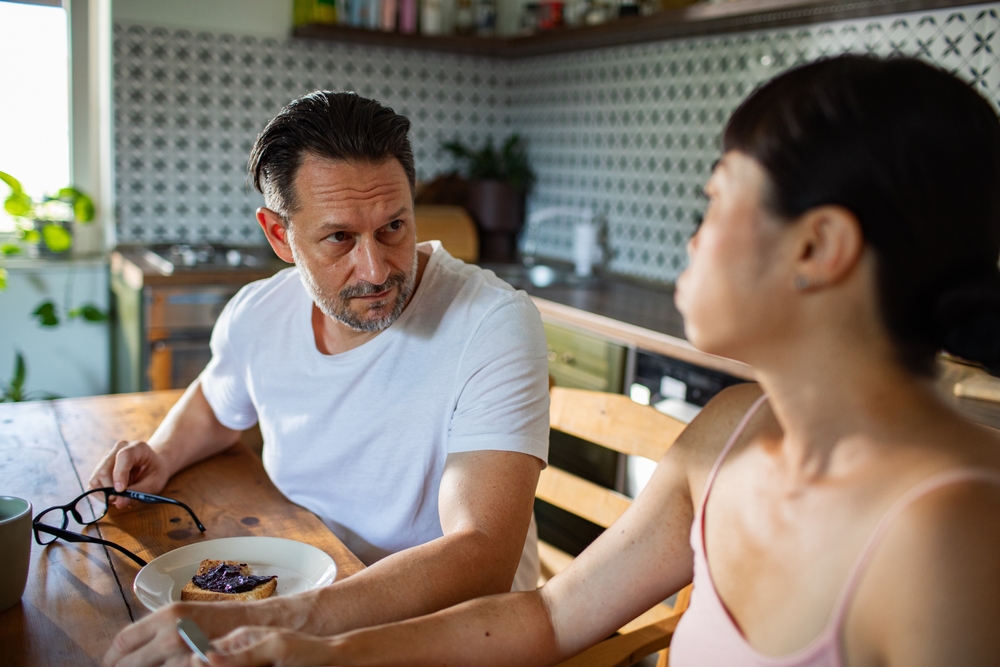
When emotional affairs come to light, confrontation often turns defensive. The partner accused of emotional cheating insists, “Nothing happened,” while the other feels dismissed and humiliated. The problem isn’t the argument—it’s what’s missing underneath. Both partners are speaking from pain: one from guilt, the other from betrayal.
Therapists advise against framing it as “caught versus caught out.” A more effective approach is curiosity: What was missing that made this connection feel easier? The point isn’t to excuse it, but to understand what drove the emotional distance. Many couples who survive this stage report that the hardest work isn’t forgiveness—it’s rebuilding honesty. Re-establishing transparency means acknowledging how easily attention can shift and choosing to redirect it back toward the marriage.
Emotional Boundaries That Actually Work
Preventing emotional infidelity doesn’t mean isolating yourself from the world; it means recognizing when a friendship begins meeting emotional needs that should belong to your partner. Clear boundaries protect relationships before temptation takes root.
Healthy boundaries include:
- Limiting one-on-one private conversations with someone who stirs emotional comfort.
- Being transparent about friendships that your partner doesn’t know much about.
- Not sharing frustrations about your spouse with someone outside the marriage.
- Noticing when communication feels emotionally charged and addressing it instead of hiding it.
Psychologist Shirley Glass, who studied affairs for over two decades, suggested a simple rule: “Build walls around your marriage and windows that let your partner see inside.” That means keeping transparency high and privacy selective.
How Couples Rebuild After Emotional Infidelity
Repair takes work, but recovery is possible. Research published in the Journal of Marital and Family Therapy shows that couples who address emotional infidelity directly can restore connection when both are willing to be honest and open. The process usually includes three steps: acknowledgement, rebuilding trust, and redefining connection.

Acknowledgement means admitting the emotional affair happened and understanding its impact. Rebuilding trust requires consistent transparency—open phones, open communication, and shared accountability. Redefining connection is the hardest part because it involves creating emotional safety again. That means prioritizing quality time, active listening, and expressing appreciation without expecting perfection.
Real progress happens when both partners stop treating emotional infidelity as a moral failure and start seeing it as a relational signal. Something wasn’t working, and the new connection made that impossible to ignore. Facing that reality together is uncomfortable but necessary.
The Takeaway
Emotional attraction outside marriage doesn’t begin with betrayal—it begins with neglect. It’s what happens when validation feels easier to find elsewhere than inside the relationship. The good news is that awareness can stop it before it grows. Couples who talk honestly about their emotional needs are far less likely to drift toward secret connections.
The most stable relationships aren’t the ones that never face temptation—they’re the ones that recognize it early and respond with honesty instead of denial. Emotional attraction is a symptom, not the root cause. When both partners take it seriously, it can become the turning point that brings them closer instead of pulling them apart.
Disclaimer: This article was written by the author with the assistance of AI and reviewed by an editor for accuracy and clarity.