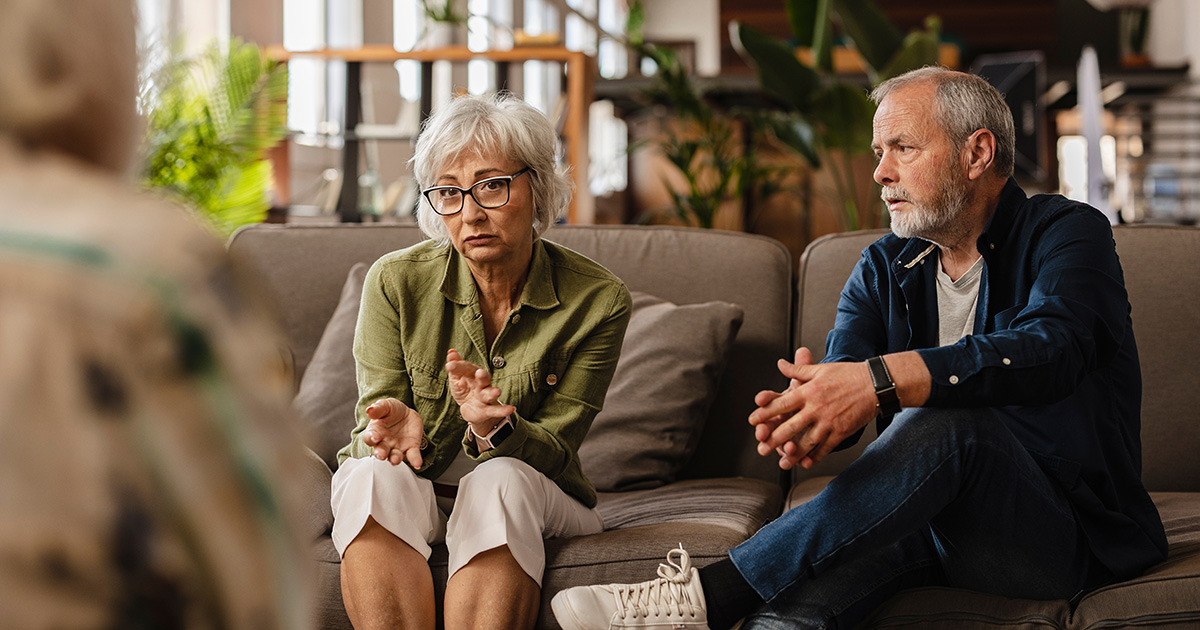

Most couples who walk into a therapist’s office are hoping to stay together. They’ve tried the conversations at home, they’ve rehashed the same argument for the fourteenth time at the kitchen table, and now they’re sitting across from a stranger in a neutral room, hoping someone can help them stop doing this to each other.
Susannah and Ron weren’t those people. They arrived in therapy with a different request: help us end our marriage without bitterness. Psychologist Sarah Gundle, Psy.D., of the Icahn School of Medicine at Mount Sinai, worked with them through what she calls “breakup therapy” – sessions designed not to save a relationship but to help two people exit one with clarity. During those sessions, Ron disclosed something he’d carried for thirty years: a sex tape he’d made shortly after college, before he met Susannah.
The disclosure changed something between them. Not the outcome of the marriage, but the understanding.
When Therapy Isn’t About Staying Together
A growing number of therapists offer what’s sometimes called “breakup therapy” or “conscious uncoupling” – structured sessions designed not to save a relationship but to help two people exit one with their dignity intact. The American Association of Marriage and Family Therapists (AAMFT) is the professional association for the field of marriage and family therapy, and its practitioners work with couples across the full spectrum of relationship stages, including those who have already decided to part ways.
The goal in these cases isn’t reconciliation. A therapist provides emotional guidance around communication and the grief, denial, anger, and hurt that surface during an ending. A therapist also attends to issues that a legal conversation won’t address – the emotional archive of a long marriage, the things that were never said, the versions of each other that no longer exist but still inform the present.
The Archive Everything Leaves Behind
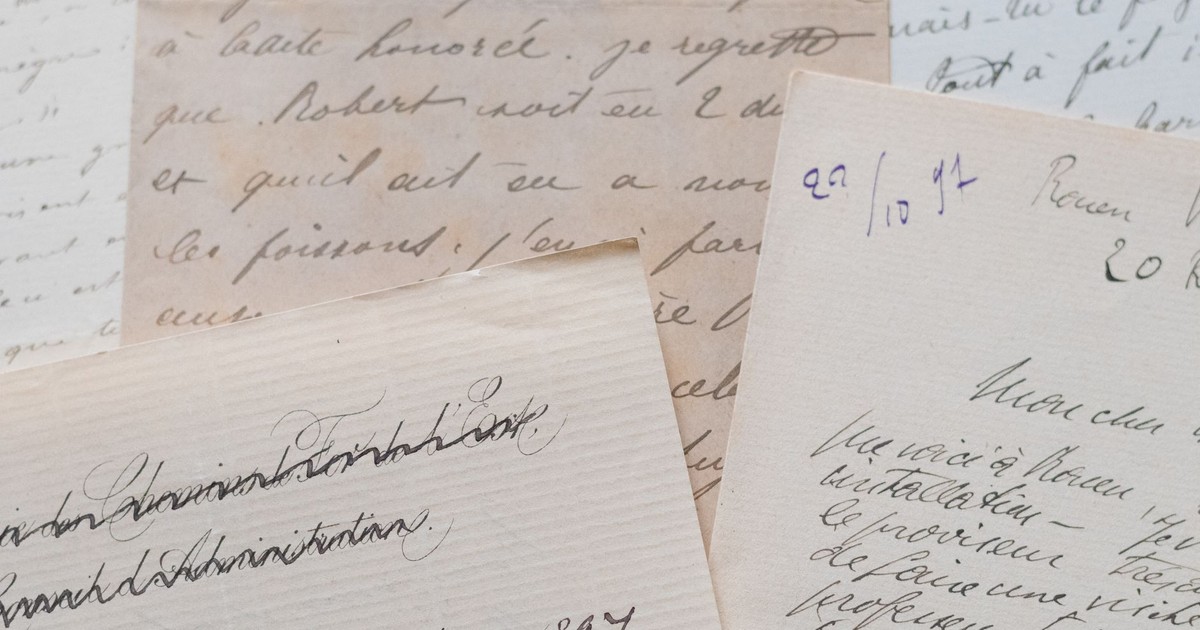
Long marriages accumulate things. Not just furniture and shared accounts and inside jokes, but a vast personal archive of experiences, impressions, and things that were never said. The person you married at twenty-eight and the person you are arguing with at fifty-eight are genuinely different people, and the relationship has absorbed all that change without anyone necessarily documenting it.
Research on why couples who don’t talk seek therapy finds that 32 percent arrive with trust erosion from lies or secrecy. For a significant portion of couples in any therapist’s waiting room, there is something one partner has not told the other. Sometimes it’s small. Sometimes it’s three decades old.
The revelation in Ron and Susannah’s case wasn’t about infidelity in the conventional sense. A sex tape made right out of college, predating their relationship, still landed with weight – because what it represented was a version of Ron that Susannah had never been allowed to know. Old secrets, surfacing at the end, have a way of reordering confusion into something more specific.
What the Research Actually Says About Couples Therapy

According to data from the AAMFT, after undergoing marriage counseling, nearly 90 percent of clients observe a notable improvement in their emotional well-being, and over 75 percent report experiencing enhanced satisfaction within their relationship. Those figures hold even when the therapy isn’t specifically aimed at keeping the couple together.
Couples who pursue therapy show significantly better outcomes than those who don’t, including lower conflict frequency, higher relationship satisfaction, and reduced divorce risk – particularly when therapy begins early in the problem’s development. The most common pattern is that couples wait years, sometimes more than a decade, before seeking any professional help. They arrive at therapy only once the resentment has compressed into something close to concrete.
AAMFT survey data consistently shows that a strong majority of couples who undergo therapy would recommend it to others – including couples who ultimately separated. The benefit of therapy isn’t always measured by whether the marriage survived. Sometimes it’s measured by whether the ending was something both people could live with.
The Problem With Waiting Until the End
There’s a specific kind of honesty that only seems to become possible once a relationship is already over. Couples who’ve been circling each other for years – avoiding the real conversation, managing around the real feeling – sometimes find in the space of ending what they couldn’t access in the space of sustaining. Therapists who work with separating couples have a phrase for it: the clarity that comes when there’s nothing left to protect.
Ron’s secret had been dormant for thirty years. It didn’t surface during any of the difficult stretches of the marriage, didn’t come up in whatever fights they’d had before this point. It emerged in the room specifically designed to hold it – a therapy room, at the end of things.
Some couples do start therapy before they’re on the verge of collapse, and the data suggests those couples fare considerably better. A 2024 study in the Journal of Marital and Family Therapy found that structured couples programs are equally effective in-person and online, which has made access easier for couples who might have previously avoided it for logistical reasons.
But access isn’t the same as willingness. The reluctance to seek help while things are still salvageable is one of the more persistent patterns in relationship research. Part of it is pride. Part of it is the sense that going to therapy means admitting the marriage has failed. Part of it is the belief that a good marriage should be able to fix itself.
The Specific Weight of What Gets Said at the End

Susannah’s reaction to the thirty-year-old secret illustrates something that gets underreported in stories about couples therapy: the way that revelations carry different emotional weight depending on the context in which they land. The same piece of information, disclosed at year three of a marriage, would not have felt the same at year thirty-plus. By then, the two people sitting across from each other in that room are not just a couple ending a marriage. They are the holders of an enormous shared history, and any piece of that history that was withheld from one of them changes the shape of everything stored alongside it.
Therapy allows for careful reflection before conversations that might otherwise spiral. It helps partners slow down, clarify their intentions, and respond rather than react. In Susannah and Ron’s case, the structure of the sessions didn’t prevent the ending of the marriage. But it may have created the conditions under which a long-buried truth could finally be spoken, and heard, without either person walking out.
Read More: 8 Things That Predict Divorce, According to Science
What This Is Really About

Couples therapy, in all its forms, operates on the assumption that the room creates the conditions for honesty that day-to-day life cannot. That assumption holds whether the goal is reconciliation or a clean ending. And it holds especially for the secrets that have been carried so long they stopped feeling like secrets and started feeling like facts – things that simply are, that don’t need to be said, that can be folded into a marriage and left there undisturbed. Until they can’t.
Some of what comes out at the end of a long marriage is genuinely shocking. Some of it would have seemed minor if it had surfaced earlier. But all of it matters, because two people who have built a life together deserve to know what that life was actually made of – even if the knowing arrives later than either of them expected.
Disclaimer: This information is not intended to be a substitute for professional medical advice, diagnosis, or treatment and is for information only. Always seek the advice of your physician or another qualified health provider with any questions about your medical condition and/or current medication. Do not disregard professional medical advice or delay seeking advice or treatment because of something you have read here.
AI Disclaimer: This article was created with the assistance of AI tools and reviewed by a human editor.