

Every few months, a headline circles the internet claiming that people in certain parts of the world barely get cancer. The implication is usually that there’s a secret – a diet, a herb, a way of life – that the rest of us are missing. The actual explanation is more complicated than that, and in some ways, more sobering.
The countries that consistently appear at the bottom of global cancer incidence charts are Niger, Sierra Leone, the Gambia, Nepal, and Bhutan. On the current global rankings, Sierra Leone has the lowest age-standardized cancer rate in the world at just 35.9 cases per 100,000 people, with Angola at 76.8 and the Gambia at 79.2 close behind. Compare that to the top of the chart, where Australia records the world’s highest age-standardized cancer rate, with New Zealand and Denmark also ranking among the highest globally.
Those numbers look like they tell a clean story. They don’t. The gap between what those figures show and what is actually happening in people’s bodies is large enough to make the entire comparison misleading without the right context.
What the Numbers Actually Measure

According to IARC (International Agency for Research on Cancer), approximately 20 million new cancer cases were recorded worldwide in 2022, with projections estimating a nearly 77 percent increase by 2050, reaching over 35 million cases annually. That projection is driven by population growth, aging, and expanding exposure to risk factors like tobacco, alcohol, obesity, and environmental pollution.
Cancer rates, as measured across countries, don’t simply count how many people have cancer. They count how many people have been diagnosed with cancer. The gap between those two numbers becomes enormous when you start comparing wealthy countries with robust hospital systems to low-income countries where many people live hours from the nearest diagnostic clinic.
Elevated rates in high-income countries largely reflect advanced healthcare systems capable of comprehensive cancer detection and reporting, alongside lifestyle factors prevalent in those societies, including tobacco use, obesity, dietary patterns, and environmental exposures like pollution and UV radiation. In other words, Australia isn’t simply a sicker country than Niger. Australia is a country where cancer is more likely to be detected and entered into a national registry.
Cancer rate figures estimate cancers that have been detected, not total cases in existence. Case tallies in underdeveloped countries such as Niger, the Gambia, and Nepal are suppressed by the fact that many people lack access to adequate healthcare, with their cancers going undiagnosed. This isn’t a minor statistical footnote. It is the central caveat without which the entire comparison is misleading.
Niger: The Country Always at the Bottom of the List
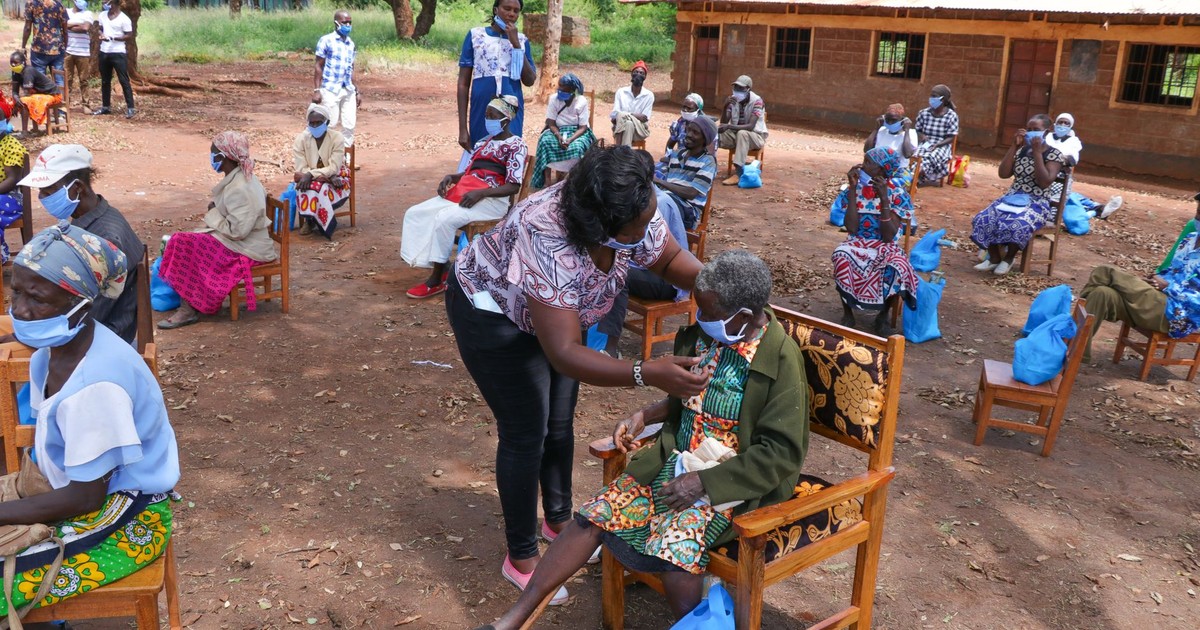
Niger appears at or near the lowest end of global cancer incidence charts in almost every major dataset. Many low-income countries, particularly in regions like West Africa and the Himalayas, report markedly lower cancer incidence rates, with Niger exhibiting an age-standardized rate below 80 per 100,000, and similar low levels seen in the Gambia, Nepal, Bhutan, and several other nations.
Niger’s number is so low partly because of what people there eat and how they live, and partly because of what the healthcare system simply cannot see. These lower figures often mask a more troubling reality: limited access to healthcare infrastructure, deficient cancer registries, and barriers to early diagnosis contribute to substantial underreporting and underdiagnosis of cancer cases in these regions.
Niger is one of the poorest countries in the world. Life expectancy there is among the lowest globally, which matters for cancer statistics in a very specific way: cancer is predominantly a disease of aging. A population where large numbers of people die young from infectious disease, malnutrition, or complications during childbirth will naturally record fewer cancer diagnoses, not because cancer isn’t present, but because the people who would eventually develop it aren’t living long enough to do so.
In some instances, cultural factors and lower health literacy further delay detection and treatment, leading not only to fewer recorded cases but also to higher mortality rates relative to incidence. Certain cancers like cervical cancer remain prevalent and deadly in low-income settings due to inadequate screening and vaccination coverage.
That last point bears repeating: lower recorded cancer rates in these countries often coexist with higher cancer death rates. The cancer exists. It just goes uncounted until it kills.
Nepal and Bhutan: The Himalayan Numbers

Nepal and Bhutan occupy a similar position in global data. Both countries are mountainous, predominantly rural, and have healthcare systems with limited reach outside major urban centers. Low reported rates don’t always mean cancer is truly rare – they may also reflect younger populations, lower screening access, underdiagnosis, and differences in cancer registry coverage.
In Nepal specifically, the cancer profile is shaped by a mix of real risk factors and real data gaps. In addition to internal risk factors like genetics, ethnicity, and race, external factors such as diet, tobacco and alcohol intake, viral infections, and exposure to chemicals and radiation all influence cancer incidence and prevalence. In Nepal, major risk factors include tobacco – both smoked and smokeless – betel quid, areca nut, indoor and outdoor air pollution, alcohol, and viral infections like Hepatitis B, Hepatitis C, HIV, and Human Papilloma Virus. These are not low-risk profiles. They are different risk profiles, and they produce different cancer patterns.
Breast cancer in Nepal illustrates the data gap clearly. Early detection through awareness and screening is available in Nepal, but mammography coverage remains limited, and most women are diagnosed at a late stage, leading to worse survival outcomes, alongside ongoing low awareness of breast cancer among Nepalese women. That combination – a real disease burden, arriving late or never to clinical attention – is precisely what makes low cancer rates in low-income countries such a poor proxy for actual cancer prevalence.
Bhutan presents its own specific picture. While the country has made significant strides in public health through its government-funded healthcare system, its geographic isolation means access remains uneven. The country’s cancer burden includes stomach cancer rates that reflect regional dietary patterns. Stomach cancer is more common in parts of Asia where preserved and salted foods are staples – a 2023 study in Cancer Innovation found that in countries like Bhutan, Japan, Korea, and Iran, stomach cancer incidence is considerably higher, linked to the regular consumption of salted preserved and pickled foods.
Why Rich Countries Have Higher Cancer Rates (and That’s Not Always Bad News)
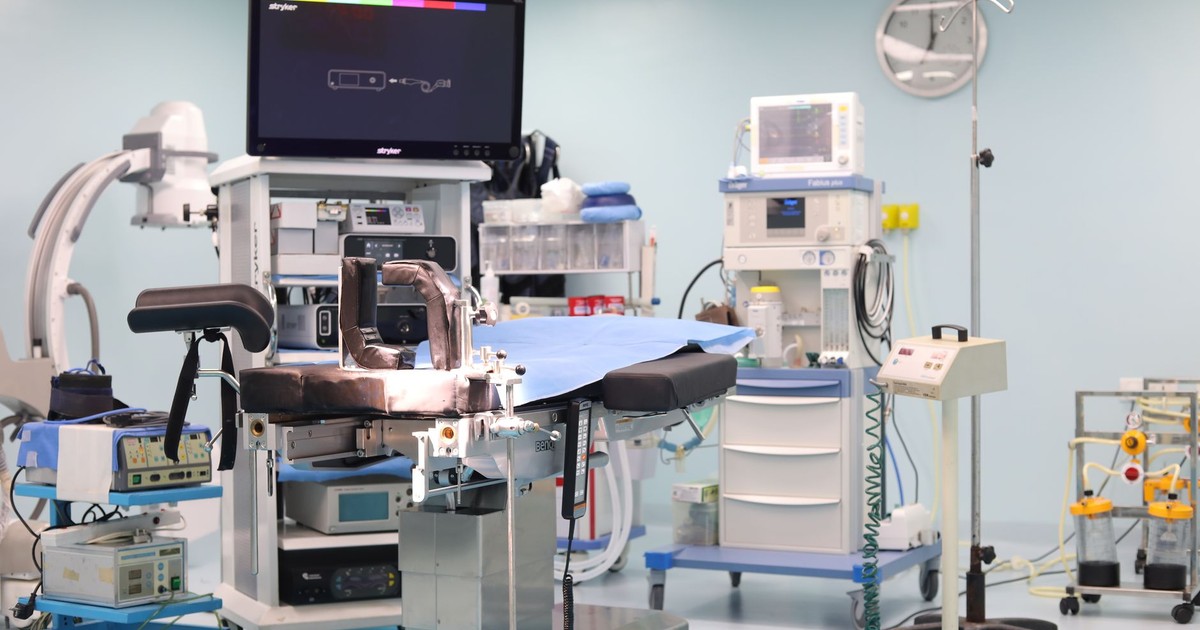
According to the Australian Institute of Health and Welfare, Australia’s age-standardized cancer incidence rate is estimated at 614 cases per 100,000 persons in 2025, the highest recorded globally. New Zealand and Denmark also rank among the world’s highest, as do the United States and several other European nations including Ireland, the Netherlands, Belgium, and France.
These countries screen more. They diagnose earlier. They have cancer registries that actually capture cases, rather than only counting the patients who made it to a hospital with a functioning oncology department. A woman in Denmark who develops early-stage breast cancer will almost certainly be found, counted, and treated. A woman in Sierra Leone with the same disease may receive none of those three things.
About 30 to 40 percent of cancers could potentially be prevented by quitting smoking, maintaining a healthy weight, eating a balanced diet, being active, and avoiding harmful alcohol use. That figure applies globally. The difference between countries is not that people in wealthy nations are uniquely prone to cancer while people in low-income countries are mysteriously protected. The difference is largely in who gets found.
Environmental exposures in daily life do play a real role in cancer risk, and some of those exposures track closely with wealth and industrialization. If you want to understand how everyday home environments can contribute to cancer risk, the causes are worth understanding – indoor air quality, chemical exposures, and dietary habits all accumulate across a lifetime. But none of that changes the fundamental arithmetic: countries with better detection infrastructure will always appear to have more cancer than countries without it, regardless of what is actually happening in people’s bodies.
The Epidemiologic Transition: When Cancer “Rises”
There’s a documented phenomenon in global public health called the epidemiologic transition. As countries develop economically, as infectious disease rates fall and life expectancy rises, cancer rates climb. This doesn’t mean development causes cancer. It means that when people live long enough to age, they live long enough to develop the diseases of aging, cancer chief among them.
The escalating global cancer burden is attributed to population growth, aging, and expanding exposure to risk factors such as tobacco use, alcohol consumption, obesity, and environmental pollution. Disparities in cancer rates are observed across the Human Development Index spectrum: while very high-HDI countries currently report the highest age-standardized incidence rates, low-HDI countries face a disproportionately rapid rise in cases and cancer-related deaths projected to nearly triple by mid-century.
That projection – cancer deaths nearly tripling in low-income countries – is the number that should be generating headlines. Not the fact that Niger currently records fewer cases than Denmark. As healthcare systems in low-income countries improve, as more people live into their fifties and sixties and seventies, the cancer burden will rise to meet what was always there. The disease doesn’t disappear when the healthcare system is absent. The record of it does.
Read More: David Attenborough’s Longevity Secrets at Age 100
What the Map Is Really Showing

None of this is an argument that lifestyle doesn’t matter, or that diet and activity levels have no bearing on cancer risk. They do. The broad body of cancer research consistently points to the same modifiable factors: tobacco, alcohol, processed food, physical inactivity, excess weight, and UV exposure. Countries where tobacco use is lower, where diets are built around whole foods rather than ultra-processed products, and where physical activity is woven into daily work rather than scheduled as a gym session do have some genuine protective factors operating.
But those genuine factors exist alongside an enormous measurement problem that no single article can resolve. When someone tells you that people in Niger barely get cancer, the honest translation is: people in Niger barely get diagnosed with cancer, and those who are diagnosed are more likely to die from it than someone in a country where the same disease was caught two years earlier.
The countries with low cancer rates aren’t showing us a path to prevention so much as they’re showing us what happens when a disease goes largely unrecorded. Some of what’s missing from those numbers is better living. A lot of what’s missing is a functional cancer registry, a screening program, and a hospital within traveling distance.
Disclaimer: This information is not intended to be a substitute for professional medical advice, diagnosis, or treatment and is for information only. Always seek the advice of your physician or another qualified health provider with any questions about your medical condition and/or current medication. Do not disregard professional medical advice or delay seeking advice or treatment because of something you have read here.
AI Disclaimer: This article was created with the assistance of AI tools and reviewed by a human editor.