

Losing 30, 50, or 100 pounds is genuinely hard work. Right on the heels of that achievement, your body hands you a new thing to think about: skin that doesn’t quite snap back the way you expected it to. It hangs where the fat used to be. It drapes. It reminds you of what was there before, which is its own particular brand of complicated when you’ve been working so hard to move forward.
Significant weight loss leads to loose skin because collagen and elastin fibers, the structural proteins that give skin its firmness and recoil, become damaged and lose their ability to retract. Think of them like the elastic waistband in a pair of leggings that’s been stretched too long. At some point, the snap-back just isn’t what it was. This is biology, not failure, and it happens to almost everyone who loses a meaningful amount of weight.
The options between “live with it forever” and “schedule a surgery” are more substantive than most people realize. Four approaches, backed by current research, address mild to moderate laxity. None of them are overnight fixes, and none of them will replicate what a surgeon can do for someone with significant excess skin. But they are real, and they work.
1. Resistance Training

Building lean muscle fills the volume beneath sagging skin, giving it a firmer surface to rest against. A 2023 study published in Scientific Reports found that resistance training improved skin elasticity and increased dermal thickness — with resistance training uniquely producing greater dermal thickness gains than aerobic training alone. The exercise itself appears to trigger real structural changes in the skin, including increased expression of dermal extracellular matrix-related genes.
Exercise increases blood flow, and that enhanced circulation delivers more oxygen and nutrients to the skin, which improves the skin’s ability to produce collagen and elastin and supports overall skin health. Two mechanisms working at once.
Dermatologists and obesity medicine specialists generally recommend giving skin at least 18 months before considering surgical options, because the skin’s collagen remodeling process is slow but ongoing. Strength training is one of the most effective non-surgical strategies available during that window. Compound movements (squats, deadlifts, rows, push-ups) recruit the most muscle groups and are a reasonable place to start. The goal isn’t aesthetics in the gym-Instagram sense. It’s rebuilding structural support beneath skin that has lost its anchor.
The rate of weight loss also plays a role here: gradual loss of one to two pounds per week gives skin more time to adapt, while rapid loss common with crash diets, bariatric surgery, or high-dose GLP-1 medications like semaglutide is more likely to leave behind loose skin. If you’ve lost weight quickly and are now dealing with the aftermath, resistance training is the most accessible place to start the recovery.
2. Collagen Supplementation
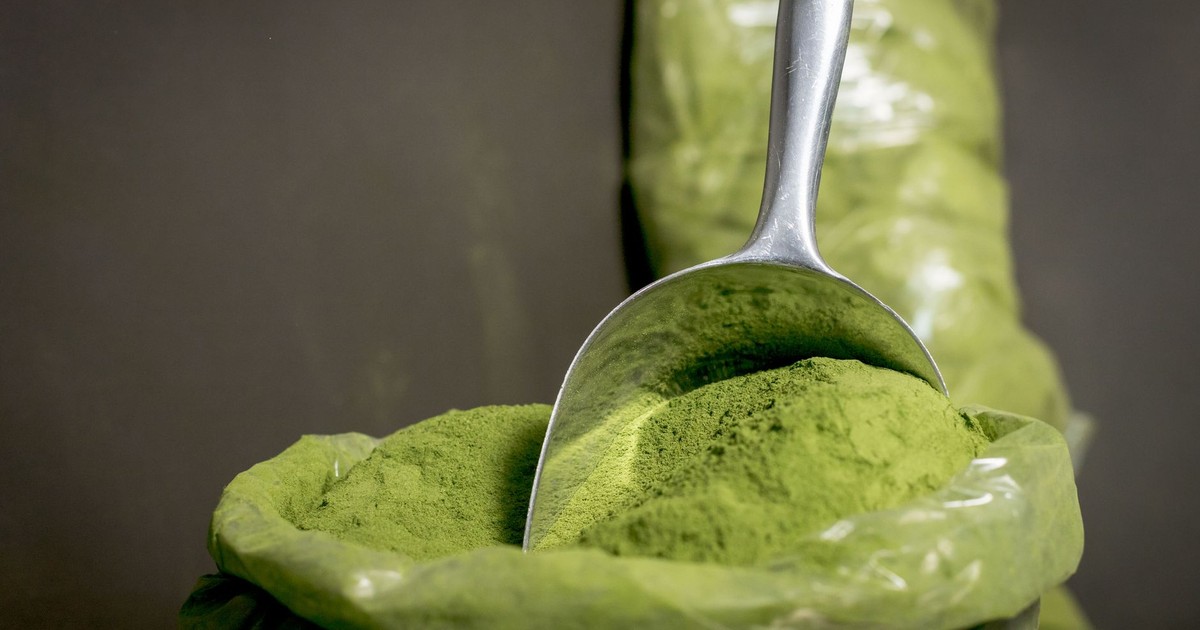
Collagen supplements have had a complicated decade in the science press: promising results in one study, industry funding concerns in the next. The 2026 research is the most helpful it’s been, largely because there’s finally enough accumulated data to analyze at scale.
An umbrella review of meta-analyses published in 2026 in the Aesthetic Surgery Journal Open Forum found that people who took collagen for longer periods tended to experience greater improvements in skin hydration and elasticity. That’s a review of reviews, which means it’s drawing on a body of evidence, not a single trial funded by someone trying to sell you a product.
The nuance, though, is worth knowing. The overall signal across the collagen literature is real, but the research quality is uneven, and improvements tend to be modest rather than dramatic. Newer, higher-quality studies within the 2026 umbrella review showed lower improvements in skin elasticity than older studies, suggesting earlier findings may have overstated the effect. Translation: collagen supplementation can support skin hydration and elasticity over time, but it is not a transformation tool.
What the data does support is consistent, long-term use of hydrolyzed collagen peptides and pairing them with vitamin C, which the body needs as a cofactor to synthesize collagen in the first place. The most evidence-supported supplements for skin tightening include collagen peptides, vitamin C as a required cofactor for collagen synthesis, and adequate protein to ensure amino acid availability for skin repair. If you’re going to try collagen supplements, the research points toward committing to at least 12 weeks rather than testing for a month and deciding it didn’t work.
3. Nutrition for Skin Repair

What you eat directly influences how much raw material your skin has to work with. Skin’s ability to stretch and recoil depends on two structural proteins in the dermis: collagen, which provides firmness and makes up roughly 75 to 80 percent of the skin’s dry weight, and elastin, which gives skin its snap-back quality. Both of those proteins have to be continuously produced, and the body needs specific nutrients to do it.
Adequate protein, vitamin C, omega-3 fatty acids, and collagen peptides directly support your skin’s ability to repair and rebuild elastin and collagen fibers. Protein deserves particular emphasis here. After significant weight loss, especially rapid loss, the body is already protein-depleted to some degree. Skin repair is a lower priority in the body’s resource allocation than organ function and muscle repair, which means if you’re not eating enough protein, the skin is the last thing that gets rebuilt.
Vitamin C is not optional for anyone trying to improve skin elasticity. It’s one of the few nutrients that has a direct, established role in collagen synthesis. The body literally cannot build collagen without it. Leafy greens, citrus, bell peppers, and strawberries are all reliable sources. Omega-3 fatty acids found in fatty fish, walnuts, and flaxseed support the skin’s lipid barrier, which keeps it hydrated and more pliable. Hydration matters too: skin that is chronically dehydrated has less elasticity to begin with, so the gap between where you are and where you want to be starts wider.
Chronic UV exposure degrades collagen and elastin in the dermis steadily and cumulatively, reducing the skin’s capacity to tighten. Sun protection is, in this sense, also a skin-tightening strategy, not a vanity measure. SPF every day preserves the collagen you’re working to rebuild.
4. Non-Invasive Clinical Treatments

For people who want faster or more visible results than lifestyle changes can produce on their own, a category of non-surgical clinical treatments has grown considerably in recent years. These sit between “something you do at home” and “something that requires a scalpel and general anesthesia,” and for mild to moderate loose skin after weight loss, the evidence is reasonably good.
Radiofrequency treatments use heat to stimulate collagen production in deeper skin layers, and multiple sessions typically provide gradual tightening over several months. They’re not a single-appointment solution, but they do work on a biological level that topical creams cannot reach. Ultrasound therapy delivers focused energy to specific tissue depths, triggering collagen production. Ultherapy is one FDA-approved option for skin tightening using this approach.
RF microneedling is one of the most effective non-surgical procedures for loose skin, using ultra-fine needles and radiofrequency energy to stimulate the remodeling of deep collagen, elastic fibers, and hyaluronic acid. It works by creating controlled micro-injuries that prompt the skin to heal itself, producing new structural proteins in the process. It sounds alarming but is generally well-tolerated, and the results accumulate across multiple sessions.
Medical treatments such as radiofrequency and ultrasound are options for tightening loose skin after significant weight loss, though they vary in invasiveness and results. Costs vary widely, insurance rarely covers them for purely cosmetic concerns, and results depend significantly on the degree of laxity and the individual’s skin quality going in. Consulting a board-certified dermatologist rather than an aesthetics spa is worth the extra effort. The technology is the same, but the clinical judgment about what’s appropriate for your specific situation is not.
Read More: Retatrutide Trial Results
What Patience Actually Looks Like

None of this is a six-week fix. Skin remodeling is one of the slower biological processes the body undertakes, and the timeline for meaningful improvement is typically measured in months, sometimes over a year. That is genuinely frustrating after working as hard as weight loss requires.
What makes the frustration harder is that the results are often invisible before they’re visible. Collagen rebuilds beneath the surface before you see the change at the surface. Muscle growth fills space before skin tightening becomes apparent in the mirror. The gap between doing the work and seeing the result is where most people give up, which is also where most of the actual improvement is happening.
Loose skin after weight loss is worth addressing directly and without embarrassment. It’s a physiological consequence of something your body went through, and there are real options. But the approaches that hold up are the slow ones. Resistance training, consistent nutrition, patience with collagen supplementation, and professional treatments where appropriate. The combination is less dramatic than a headline usually promises, and also more durable.
Disclaimer: This information is not intended to be a substitute for professional medical advice, diagnosis, or treatment and is for information only. Always seek the advice of your physician or another qualified health provider with any questions about your medical condition and/or current medication. Do not disregard professional medical advice or delay seeking advice or treatment because of something you have read here.
AI Disclaimer: This article was created with the assistance of AI tools and reviewed by a human editor.