

Nobody wakes up one morning and decides to look five years older. It just happens, gradually and without announcement, carried along by the ordinary, unreconsidered routines of daily life. The sleeping position you’ve had since college. The foundation shade you’ve been loyal to for a decade. The way you hold your body when you’re standing in line at the grocery store. None of these feel like choices anymore. They’ve dissolved so completely into the texture of the day that questioning them doesn’t really occur to anyone, which is exactly why they keep doing their quiet work.
The sneaky part isn’t the gray hair or the lines you expected. It’s the invisible stuff. The habits so built into your daily life that they don’t register as choices anymore. The looking older signs that nobody puts on the list because nobody thinks to question them – the posture that collapsed slowly under the weight of a full calendar, the moisturizer that was perfect at twenty-three and has been running on autopilot ever since, the eyeshadow technique you learned from a YouTube video in 2012 and never revisited.
The good news, if you want to call it that, is that most of these things are genuinely easy to adjust once you know what to look for. Not “easy” in the way that wellness content means easy, where you’re expected to overhaul your entire lifestyle before breakfast. Easy in the way that awareness is easy. You just have to know where to look.
1. Skipping Sunscreen on Any Day That Isn’t Summer

This is the one dermatologists have been repeating for decades, and it still doesn’t fully stick. UV radiation doesn’t take days off because the sky is overcast. It doesn’t skip you because you’re driving instead of lying on a beach. UVA rays in particular, the ones responsible for the deeper, structural damage that accelerates visible aging, pass straight through clouds and glass with very little reduction. The result is cumulative: years of unprotected incidental sun exposure stacks up and announces itself in the form of uneven tone, loss of firmness, and the kind of texture that no amount of blurring primer can fully address.
The argument that sunscreen is only necessary in summer is one of the most expensive skincare myths a person can believe. A broad-spectrum SPF 30 worn daily, even on the drive to school pickup, on the walk to the car, on the five minutes you spend checking the mailbox, is not vanity. It’s maintenance. The difference between the skin on your inner arm and the skin on your face is largely a story about decades of differential sun exposure.
2. Chronic Stress You’re Treating as a Personality Trait

A 2024 study published in Nature Aging found that ongoing stress triggers changes at the cellular level, including DNA damage, that speed up natural aging. That’s not metaphor. That’s the actual biology of what happens when cortisol, the body’s main stress hormone, stays elevated for months or years at a stretch. Think of it like a smoke alarm that never shuts off: eventually, the constant noise does structural damage to the house.
A separate 2024 study in the Journal of Cosmetic Dermatology found that even moderate, everyday stress contributes to premature skin aging, including dullness, dryness, and fine lines. Not crisis-level stress. Everyday stress. The kind that comes from running a household, managing a career, keeping everyone else’s lives organized while your own to-do list reproduces overnight. The kind of stress that gets absorbed so completely into daily life that it stops feeling like stress and starts feeling like just who you are.
The face keeps the score on this one. Tension lives in the jaw, the forehead, the space between the brows. Years of that particular kind of held-in strain does become visible, and no serum addresses the source.
3. Poor Sleep, or Sleeping on Your Stomach

A 2025 research paper on the sleep-skin axis found that poor sleep interferes with skin repair and cell regeneration, weakens the skin’s barrier, and slows collagen production, the protein responsible for the firmness that keeps skin from folding into permanent lines. You already knew sleep mattered. What you might not have known is that how you sleep matters almost as much as whether you sleep.
Even adequate hours in bed can contribute to visible aging if you sleep face-down. The prone position compresses facial skin and the repeated mechanical pressure, night after night, contributes to the formation of fine lines and wrinkles. The creases you wake up with on a stomach-sleeping night are a preview of what repeating that position for years eventually produces. Silk pillowcases help if switching positions entirely isn’t realistic, because the reduced friction means less mechanical pulling on skin that’s already losing elasticity.
4. A Skincare Routine That Peaked in Your Twenties and Never Got Updated

The moisturizer you discovered at twenty-three was probably fine for twenty-three. Skin in your twenties is largely self-sufficient: it produces its own oil, replaces its own cells at a reasonable clip, and bounces back from most insults. The product needs of skin at thirty-eight or forty-five are genuinely different, and using the same routine regardless is like still using the same running shoes from 2009 because they used to work great.
Specifically: retinoids (vitamin A derivatives that prompt faster cell turnover and stimulate collagen), peptides, and SPF make up the core of what actually addresses visible aging at the structural level. Fragrance-heavy creams that feel luxurious often irritate a compromised skin barrier. Heavy foundations that used to look seamless can settle into lines and emphasize texture instead of minimizing it. The update doesn’t have to be expensive or complicated. It does have to happen.
5. The Wrong Foundation Shade or Formula
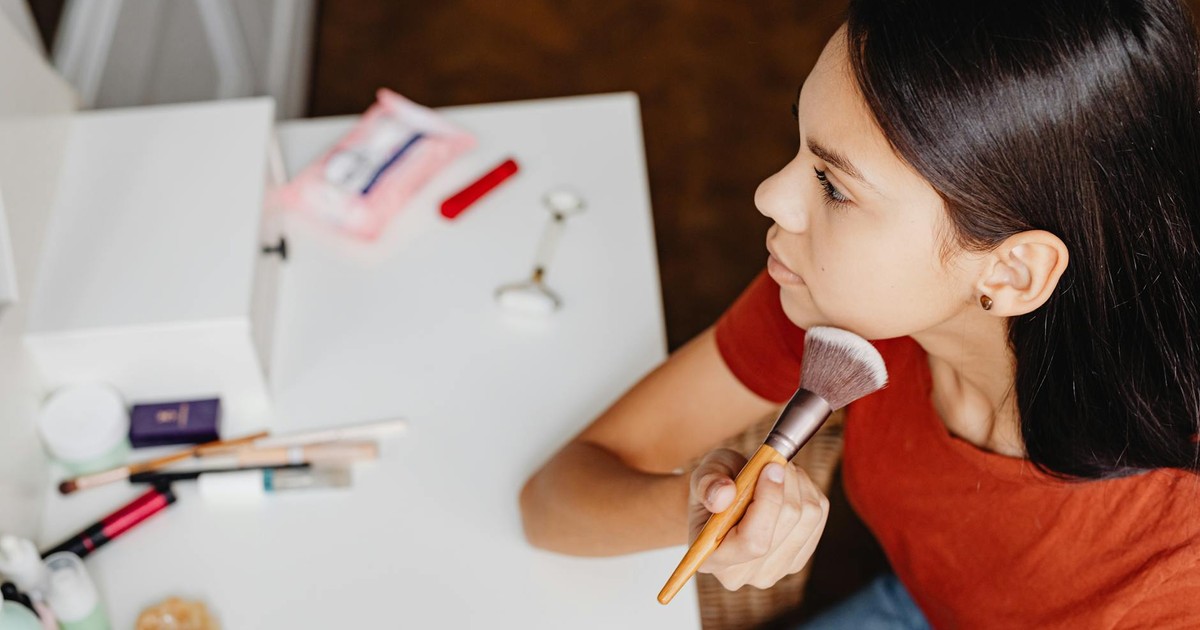
Foundation is supposed to be the thing that evens everything out. Applied wrong, it does the opposite. The two most common mistakes that add apparent years: going too dark or too orange (a shade-match error so universal that cosmetic counters have entire training protocols devoted to it), and using a full-coverage matte formula on skin that has any texture whatsoever. Matte finishes on mature skin don’t blur lines; they settle into them. They catch in every crease and sit on top of dry patches in a way that looks less like skin and more like a mask.
Light and moisturizing foundations combined with a touch of blush can maintain a youthful appearance without over-emphasizing age lines. The goal is to look like you, with better light, not like you’re wearing a layer of something. Skin-tint formulas and lightweight buildable coverage have largely replaced the full-coverage aesthetic of earlier decades for this exact reason. If your foundation is visibly sitting on your face rather than being part of it, the formula is working against you.
6. Neglecting Your Neck and Hands

The face gets all the attention, the products, the SPF, the retinol, the specialist appointments. The neck and hands get whatever is left over after the facial moisturizer has been rubbed in. And then, somewhere around the mid-forties, the neck and hands start doing what the face cannot do because it’s been so carefully maintained: they tell the actual age.
Skin on the neck is thinner than facial skin and loses collagen at roughly the same rate, but it almost never receives the same level of protection. The hands are among the most sun-exposed parts of the body and are also among the most overlooked in terms of daily SPF. The fix isn’t complicated: extend the face routine downward. Whatever you’re applying to your face in terms of SPF and moisture belongs on your neck and the backs of your hands. The ten seconds this costs is probably the highest return on time investment in any skincare routine.
7. Outdated or Ill-Fitting Clothing

Clothes that belonged to a different decade on your body have a specific effect: they don’t just look dated, they make everything around them look dated, including you. The shoulder pads that were sophisticated in their era now read as a costume. The waistband that sits two inches lower than contemporary cuts creates a visual line that changes the proportion of the entire torso. Clinging too tightly to past decades through clothing can easily age a person more than they’d like to admit.
This is not an argument for chasing trends, which is exhausting and expensive and ultimately nobody’s best look. It’s an argument for periodically assessing fit. Clothes that are too large, too long, or cut in proportions that haven’t been current for years tend to flatten the silhouette and add a visual heaviness that translates, in the eye of the observer, as age. A few well-fitting, reasonably modern pieces do more than an entire closet of things that were bought at a different point in your life and never reconsidered.
8. Heavy Eyeliner All the Way Around the Eye
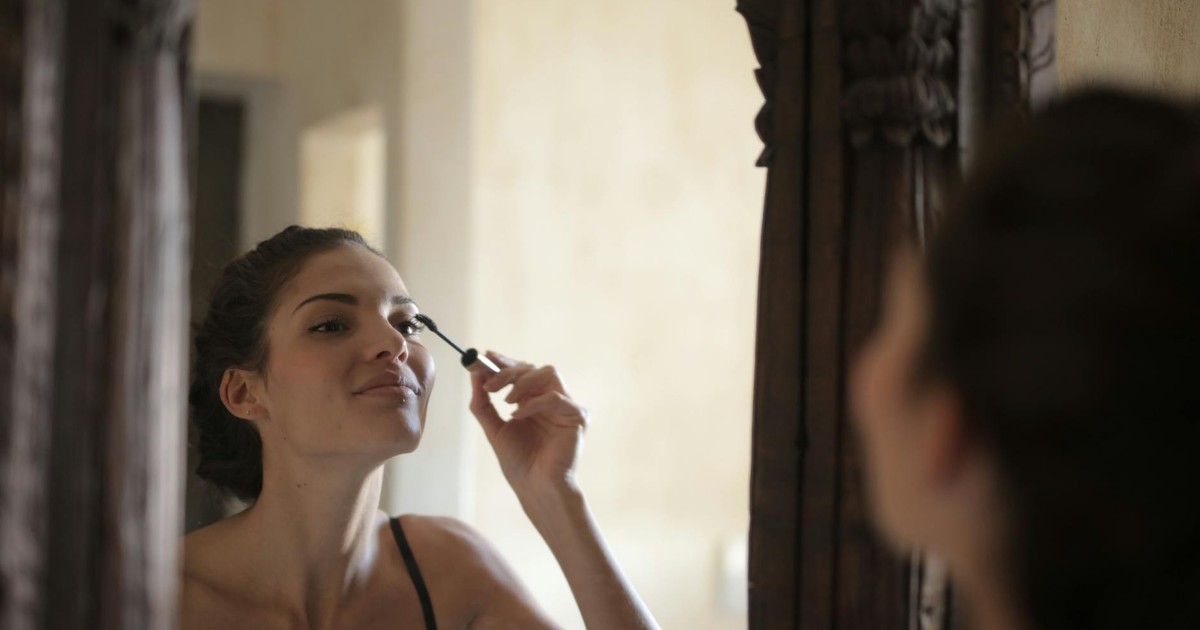
The full liner-all-the-way-around look has a specific problem on skin that has softened and lost some of its earlier tautness: it makes the eye appear smaller. The eye is one of the primary features that reads as youthful when open and large, so anything that visually contracts it works against the effect you’re going for. Heavy black liner on the lower waterline in particular drags the eye downward and creates a heaviness that a lighter touch completely avoids.
The contemporary approach most makeup artists recommend for a more open, lifted effect is to skip the lower waterline altogether, or use a flesh-toned pencil there instead, and concentrate color along the upper lash line only. A thin line, perhaps smudged slightly, with volume in the lashes rather than the liner, does what the full-circle approach was attempting to do in the first place, but without closing down the eye.
9. Hair That Hasn’t Been Reconsidered in Years
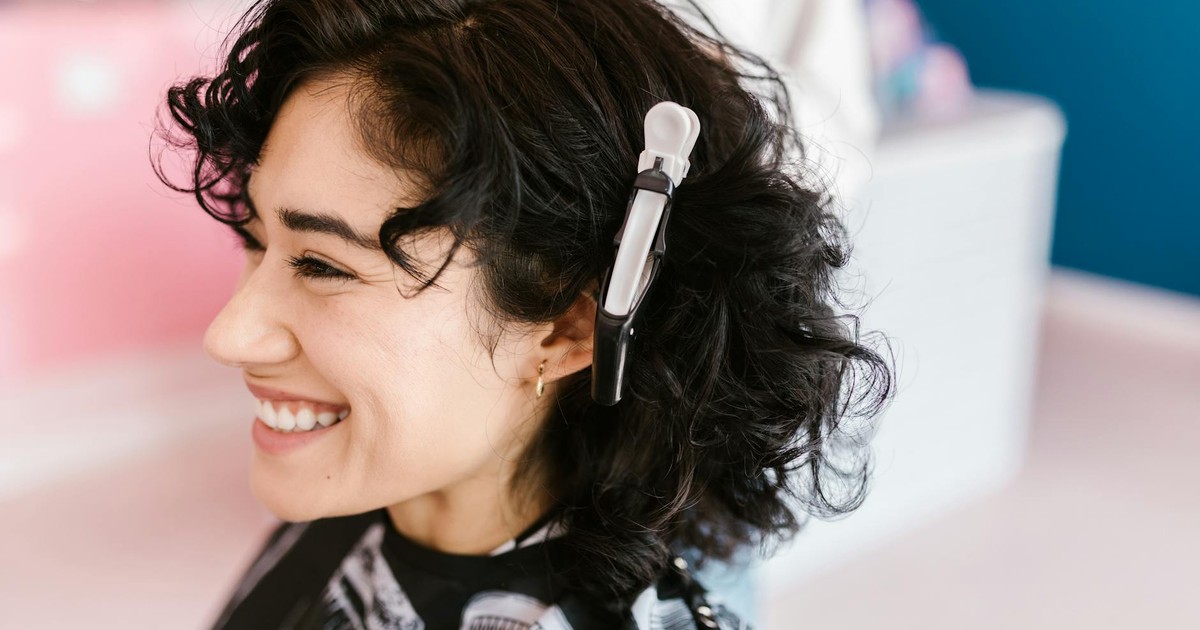
Many people find a hairstyle they like and stick with it for years, but as you age, certain hairstyles can emphasize unflattering signs of aging, such as fine lines and sagging skin, depending on face shape, complexion, and bone structure. This is not about chasing whatever is on the cover of a magazine. It’s about noticing whether the cut you’ve been loyal to is still doing what you need it to do.
Specifically: a thin, flat hairstyle is one of the most aging options because hair naturally loses thickness with age, and a cut that emphasizes this rather than working against it accelerates the visual effect. Volume, layers, and anything that creates movement around the face tend to have a lightening effect on the overall impression. A conversation with a colorist about warmer tones is also worth having, since the wrong color relative to your current skin tone can flatten a complexion that used to carry bolder contrasts easily.
10. A Diet High in Sugar and Processed Foods

What you eat makes its way to your face in ways that are more literal than the phrase usually implies. A 2025 review in Food Science & Nutrition found that a high intake of refined sugar is directly tied to more visible signs of skin aging. The mechanism is glycation, a process in which excess sugar molecules attach to collagen and elastin fibers and make them stiff and brittle, the opposite of the springy, firm texture associated with younger skin.
Fruits and vegetables supply skin-protective antioxidants that help slow visible aging, and omega-3 fatty acids, found in fatty fish like salmon, may protect against sun damage and improve skin hydration. The pattern matters more than any individual food. A diet that leans heavily on processed products, refined grains, and added sugar creates a cumulative effect on skin integrity that is not reversible by any topical product, however well-formulated.
11. Posture, Specifically the Way You Hold Your Head and Shoulders

This one is almost invisibly responsible for how old or young a person reads at first impression, and it’s almost never on any list. As we age, muscle strength in the core can decline, and hours leaning over laptops leave us with shortened muscles across the chest and weakened ones across the back. The result is the particular forward-curl that the eye reads, instantly and without conscious analysis, as older. The rounded shoulders, the slightly dropped chin, the collapsed upper chest. It changes the face, the neck, the overall silhouette in ways that no amount of skincare or wardrobe updating can compensate for.
The correction is not about military stiffness. It’s about awareness. Pulling the shoulder blades gently back and down, lengthening the back of the neck, and letting the chest open up costs nothing and can be practiced anywhere. It changes the impression a person makes from across a room before anyone has seen a single line on their face. Yoga and Pilates, as unglamorous as it sounds to add them to the list, are genuinely effective at rebuilding the postural habits that spending forty hours a week at a desk has quietly dismantled.
Read More: One Woman Wants To Know Why The Dad Bod Is Celebrated But The ‘Mom Bod’ Is Shamed
What This Is Really About
Most of the items on this list have one thing in common: they’re not dramatic. There’s no single catastrophic choice that’s adding years to your appearance. It’s the accumulation of unreconsidered habits, the routines that were set at one point in life and then left to run without any updates. The sunscreen that was skipped through winters for twenty years. The foundation shade that stopped being right but nobody said anything. The posture that collapsed gradually under the weight of everything you’ve been carrying.
None of this is about looking young. That specific chase has a short runway and a demoralizing finish line. It’s about looking like the most alive, most present version of yourself right now, which is a different project entirely. The looking older signs worth paying attention to are the ones caused by things you can actually change with minor adjustments, not the ones that are just your face being your face at this point in your life. There’s a real difference between those two categories, and only one of them is worth your energy.
AI Disclaimer: This article was created with the assistance of AI tools and reviewed by a human editor.