

Living alone is, on paper, the dream. Your cereal is where you left it. The thermostat stays exactly where you set it. Nobody eats the last of the good cheese and puts the empty wrapper back in the fridge. For millions of women especially, a solo household represents genuine freedom – the particular satisfaction of a space that answers only to you. And yet, living alone also means you are the only one responsible for every layer of your own living alone safety. There’s no one to notice that the smoke detector went silent, no one to realize you haven’t come home, no one to double-check that the back door is actually locked and not just pushed closed.
Most of us who live alone have assembled some version of a safety system – a doorbell camera here, a neighbor’s number there – and called it good. The trouble is that safety gaps rarely announce themselves. They look like ordinary life. They look like leaving the house in a rush, or posting a sunset photo from a hotel rooftop, or assuming that because nothing has gone wrong yet, nothing will. The things that quietly undermine your security aren’t usually dramatic oversights. They’re small, habitual, and entirely correctable.
What follows is a list of the most common mistakes people make when they live alone – not to alarm you, but because knowing the gap is the first step to closing it.
1. Leaving Doors and Windows Unlocked Out of Habit
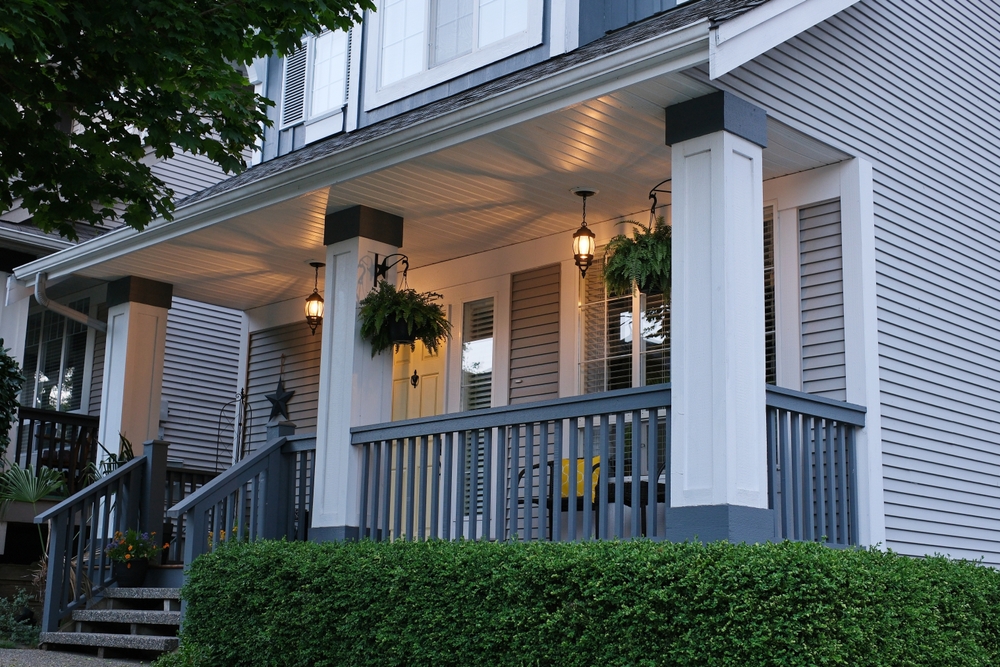
It sounds almost too obvious to include, and yet it’s the one that gets people most consistently. Locking up becomes automatic right up until the day it doesn’t – the morning you leave in a hurry, the afternoon you step outside to grab a package, the evening you crack a window for the breeze and forget to close it before you fall asleep. Building lock-up into your daily routine means adding it to the habits you already have: lock all doors and windows before bed, turn on outdoor lights in the evening, keep blinds closed at night. When those behaviors become as automatic as brushing your teeth, they stop being things you have to remember.
For ground-floor residents, windows deserve particular attention. According to Wayne Alarm Systems, checking that windows and doors are closed and locked can go a long way toward keeping your home secure, and many people living on the ground floor choose to add extra locks for added peace of mind. A secondary bolt or a window pin costs about five dollars and takes ten minutes to install. That’s a very reasonable exchange for not lying awake at 2 a.m. wondering whether you remembered to lock the kitchen window.
Don’t forget the door into the garage if you have one. That door is often the weakest point in the whole house, and because it feels interior, people treat it as if it doesn’t count.
2. Announcing Your Absence on Social Media
Few things signal “nobody home” to the wrong audience as efficiently as a real-time vacation photo or a tagged location at an airport. Reolink’s safety guide notes that sharing your location on social media puts a spotlight on your home, and the safer habit is to wait until you return before posting pictures from a trip. The gorgeous photo of your hotel pool at sunset will look just as gorgeous three days later when you’re back on your own couch.
This applies to more than just vacations. Casually mentioning on social media that you’re alone for the weekend, or that you’ll be out late for a work event, or that your usual Friday routine has you at a specific location every week – varying your daily routine whenever possible reduces vulnerability because predictable patterns are easy to exploit, and avoiding detailed plans on social media is a practical way to protect yourself. This isn’t about paranoia. It’s about understanding that what feels like connection to you can read as an invitation to someone else.
Check your privacy settings while you’re at it. Many people post to an audience far broader than they realize, having set up their accounts years ago and never revisited who can see what.
3. Skipping a Home Security System Because “Nothing Has Happened”
The logic of waiting until something goes wrong before investing in security is exactly as solid as it sounds. Security cameras give you another set of eyes on your property when you’re not home, and they can prompt a would-be intruder to think twice before targeting your house. Even a basic video doorbell, which costs less than a dinner out these days, lets you see and speak to whoever is at your door without opening it – which means more than most people appreciate until the day there’s an unfamiliar person standing on the porch at an odd hour.
Motion-sensor lights add another layer with very little friction. They provide extra safety when you’re moving around your property, and they also illuminate potential problems before they get started. Thieves and anyone with bad intentions generally prefer darkness. Bright, sudden light is a deterrent that doesn’t require a monthly subscription or a complicated installation.
For those renting, many of the best options – including battery-operated cameras, video doorbells, and smart locks – are entirely renter-friendly and leave no holes in the wall.
4. Not Knowing Your Neighbors

The neighbor relationship has gotten a bad reputation as something awkward, forced, or belonging to a different era. But your neighbors are the people most likely to notice when something is wrong. Knowing who lives nearby helps you identify unfamiliar faces and suspicious vehicles, and neighbors you trust can keep an eye on your home when you’re away, alert you to suspicious activity, and even hold a spare key for emergencies. That’s a genuinely useful network, and it costs nothing except a brief conversation.
You don’t need to become close friends. A five-minute exchange when you collect your mail, a wave that turns into a name and a phone number – that’s enough. Neighbors can monitor your home when you’re away and alert you to anyone behaving suspiciously, and having a community of people you trust around you can make a real difference when you’re living on your own. This is old-fashioned community in the most practical sense: people looking out for each other because it makes life safer for everyone.
If the thought of knocking on a stranger’s door makes you want to lie down, start with the one next door and one across the street. Two trusted neighbors is already a meaningful safety net.
5. Letting Mail and Packages Stack Up Outside
A piled-up mailbox and a cluster of packages on the front step are as clear a signal as a sign in the yard reading “away for the week.” If you’re going away for any period, having a friend or family member retrieve your mail and packages from the doorstep ensures the house doesn’t look vacant, which discourages would-be thieves.
For everyday life, consider signing up for USPS Informed Delivery, which sends you a daily email showing what mail is coming so you know when to expect something. Setting up hold mail for trips, or redirecting packages to a neighbor or a package locker service, removes the giveaway entirely. Porch piracy is common enough that leaving a package visible for hours is more of a risk than many people factor in.
This same principle applies to your car. A car parked in the same spot for two weeks, accumulating notices and dust, tells the same story as uncollected mail. If you travel, let someone move it periodically, or arrange parking elsewhere.
6. Having No Emergency Plan and No Emergency Kit
This is the one people always plan to do later. Emergency preparedness lives in the category of tasks that feel non-urgent right up until they become the only priority. A Place for Mom’s home safety guide recommends stocking an emergency kit with water, nonperishable food, a flashlight, batteries, a first-aid kit, medications, and important documents prepared in advance, with the kit easy to access and periodically updated with fresh supplies.
When you live alone, there’s no one to call across the house to look up the gas company’s emergency number, no one to find the flashlight during a power outage, no one to remind you where the first aid kit is. You are the entire infrastructure. That’s not a reason to be anxious about living alone – it’s a reason to spend one afternoon getting organized. A well-stocked emergency kit and a list of emergency contacts, kept somewhere accessible, means that when something unexpected happens, your first thought is not “where do I even start?”
Write down those numbers rather than relying entirely on your phone. If your battery is dead or your phone is cracked, a piece of paper is a better plan.
7. Following the Same Predictable Routine Every Single Day
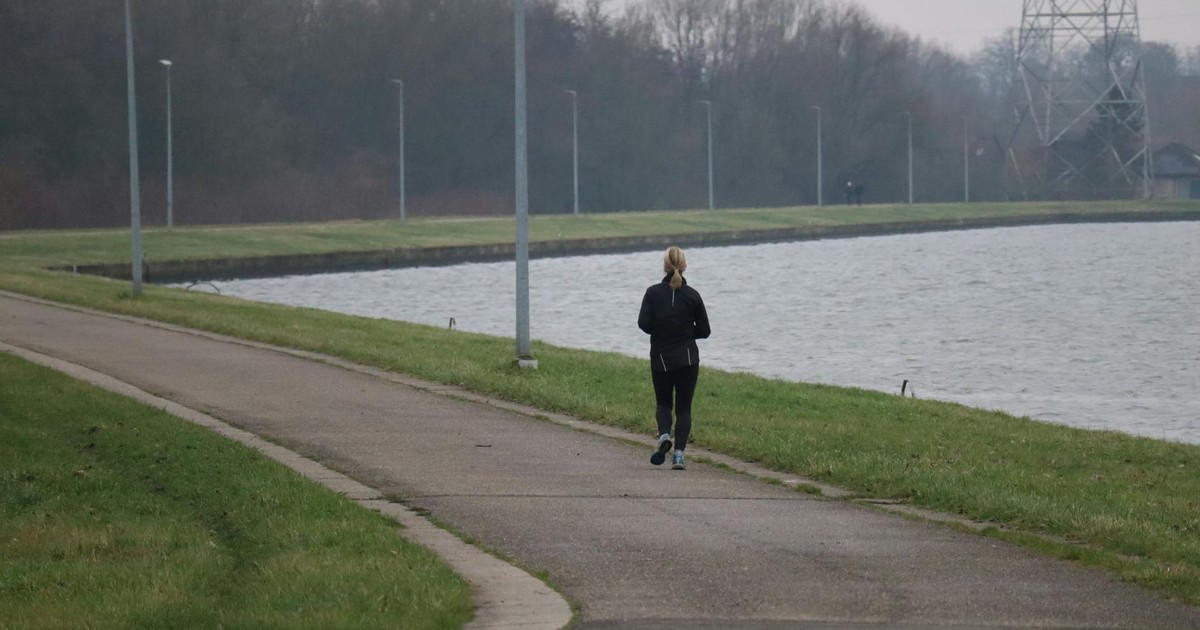
Routine is one of the great comforts of living alone – nobody else’s schedule disrupts yours, and you can arrange your days exactly as you prefer. The risk is that a perfectly consistent routine is also extremely readable from the outside. Someone watching your house learns your schedule within a week: when you leave, when you return, when the lights go on, when the car disappears. Varying your daily routine whenever possible reduces vulnerability, because predictable patterns are easy to exploit.
This doesn’t mean manufacturing chaos in your own life. It means small variations: occasionally leaving and returning at different times, varying which entrance you use, sometimes leaving interior lights on timers so the house doesn’t go dark at the same hour every night. A timer-controlled lamp is one of the cheapest home security tools available, and it does its work without any effort on your part after the initial setup.
The goal is to make your home read as unpredictably occupied rather than predictably empty. Predictability is comfortable for you and useful for the wrong people.
8. Ignoring Smoke Detectors and Carbon Monoxide Alarms
When the battery starts chirping in a smoke detector, the temptation to take the battery out entirely and deal with it later is powerful, especially at 3 a.m. This is, unfortunately, also how “later” turns into a household with no working fire alarm. According to Cedar Hurst Living’s home safety guide, smoke alarms should be installed in every room and tested regularly, with batteries replaced at least once a year; carbon monoxide detectors, which detect the odorless, colorless gas that can be deadly, should be installed near sleeping areas and tested regularly too.
Carbon monoxide poisoning is the one that catches people completely off guard because there’s no warning – no smell, no visible sign. When you live alone, the margin for a delayed response to something like this is very thin. A working detector is not optional; it’s the difference between waking up and not.
Replace smoke detector batteries when you change your clocks for daylight saving time. It’s an easy pairing that takes the “I’ll remember” guesswork out of it entirely. And if your detectors are more than ten years old, replace the whole unit rather than just the battery.
9. Opening the Door Without Verifying Who’s There
The person at the door might be a neighbor, a delivery driver, a utility worker, or a complete stranger with a plausible cover story. Never letting a stranger into your home when you’re alone is basic, but it’s the kind of advice that collides with social conditioning – the pressure to be helpful, to not seem rude, to give people the benefit of the doubt. A video doorbell lets you see who’s there and speak to them without opening the door, which resolves the social discomfort cleanly.
For service workers or repair people, it’s completely reasonable to ask for identification before opening the door, to call the company directly to confirm an appointment was scheduled, and to have someone else present if possible. Legitimate contractors and utility workers expect this and will not be offended. Anyone who reacts with irritation to a simple identity check is giving you information worth having.
The peephole is still your friend. If your door doesn’t have one, a convex wide-angle peephole costs under ten dollars at any hardware store and takes minutes to install.
10. Letting the House Look Unoccupied When You’re Away
An empty-looking house is an invitation. Closed blinds for two weeks, no lights ever on, no car in the driveway, no activity – it broadcasts vacancy clearly. Turning on outdoor lights in the evening and keeping blinds positioned thoughtfully are habits that make your home look occupied. When you travel, a combination of light timers, a trusted neighbor who moves a car or collects mail, and a porch light on a schedule keeps the appearance of activity without you being there.
Avoid posting public social media announcements about upcoming travel, including the enthusiastic countdown posts (“three more days until vacation!”) that tell the whole internet your house will be empty starting Thursday. You can share the trip retrospectively; the excitement doesn’t expire.
A security system, if you don’t already have one, is worth considering – these systems monitor your property and alert you when a door or window is tampered with. Even a basic monitored system paired with visible signage changes how your home reads to anyone casing the neighborhood. Visibility is most of the deterrent.
The Part Nobody Mentions

Most of the conversation about living alone safety focuses entirely on threat – on intruders and emergencies and everything that might go wrong. That framing is exhausting, and it’s not the point. The point is that living alone well means being the kind of person who has thought these things through so that you don’t have to think about them anymore. You do the setup, you build the habits, and then you get on with the actual business of enjoying your home.
Living alone is one of the most underrated experiences available. Your space, your rules, your routines – it’s genuinely good. The ten habits above aren’t about living in fear; they’re about not handing over easy advantages to bad luck or bad actors. A working smoke detector and a neighbor who has your number cost almost nothing. An emergency kit assembled on a rainy Sunday afternoon costs one rainy Sunday afternoon. Most of this list is a one-time decision that becomes invisible infrastructure – and invisible infrastructure is what lets you sleep without worrying.
The setup doesn’t have to be perfect or comprehensive or finished all at once. Pick two things from this list this week. The locks and the smoke detector battery. The neighbor’s name and a box under the bed with a flashlight in it. Small moves compound. One ordinary afternoon of attention is what stands between the version of your home that’s a little vulnerable and the version that’s genuinely solid – and you already live there.
AI Disclaimer: This article was created with the assistance of AI tools and reviewed by a human editor.