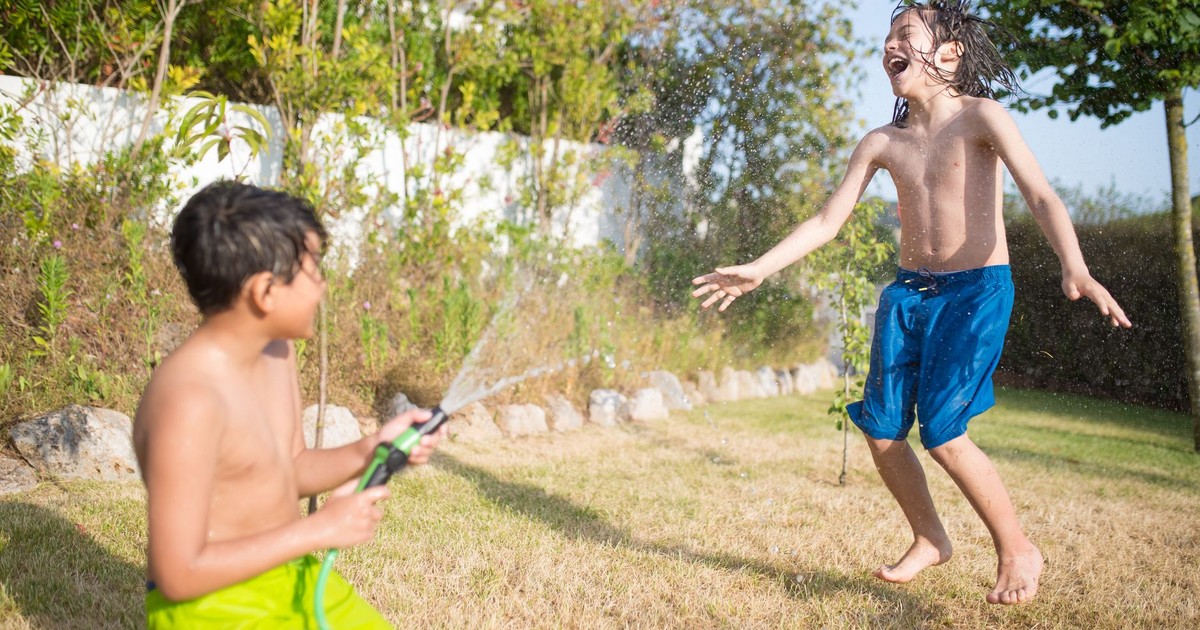

Children don’t slow down when they’re hot. A kid running through the backyard sprinkler at 2 p.m. on a 97-degree day isn’t thinking about her core temperature. She’s thinking about whether she can get her brother’s shoes wet. The adults are the ones who have to hold that number in their heads, which means the adults need to actually know what the number means.
The answer isn’t just “don’t let them out when it’s over 100.” The air temperature is only part of the story. The heat index – which factors in humidity and tells you what the temperature actually feels like to your body – is what matters. A 91-degree day with 70 percent humidity doesn’t register as 91. It registers as significantly hotter, and a child’s body handles that differently than an adult’s does, for reasons that go beyond the obvious.
The line between “too hot to be comfortable” and too hot to be safe is clearer than most parents realize, and knowing where it falls changes the way you watch a hot afternoon.
Why Kids Overheat Faster Than Adults
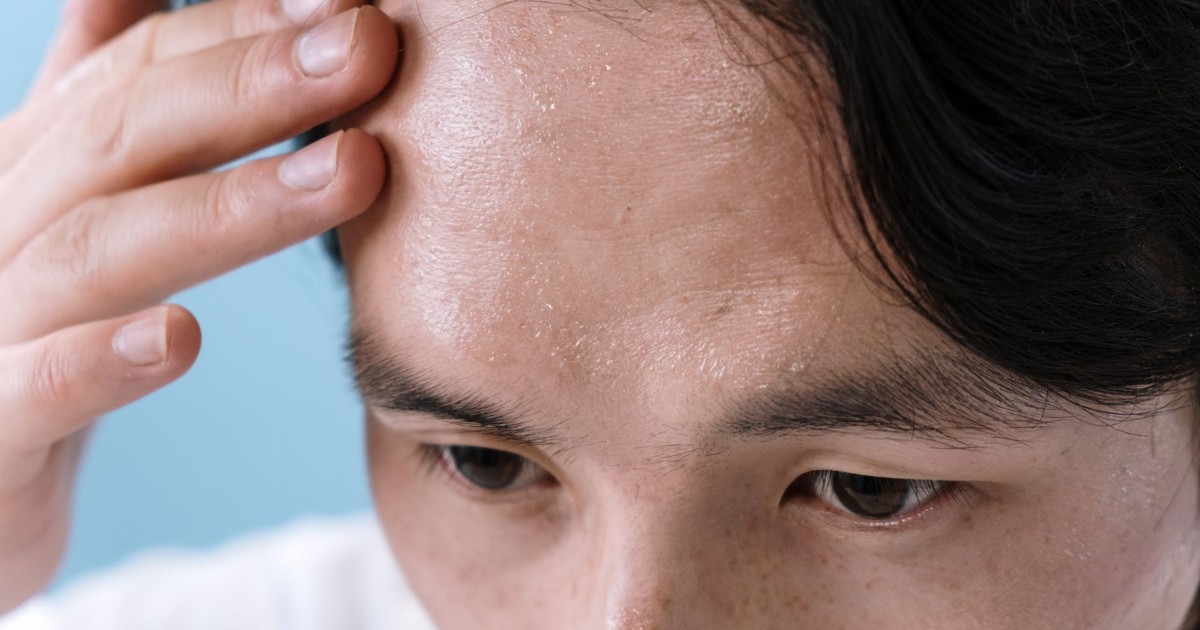
According to the American College of Emergency Physicians, in young children, heat stroke risk is heightened due to several factors, including reduced thermoregulatory capacity, an inefficient sweating process, and a greater surface area-to-body mass ratio. A smaller body has more skin relative to its weight, which means it absorbs external heat more readily from hot air, hot pavement, and direct sun. The sweating inefficiency compounds that: kids simply can’t cool themselves through perspiration the way an adult can.
The younger the child, the more vulnerable they are – and the faster they overheat. Infants and toddlers are in a category of their own. The youngest children’s bodies have a harder time regulating their own temperature, which is why pediatricians recommend that very young babies stay in the shade during high heat events.
According to UNICEF, children develop heat stress more quickly and severely than adults – and part of the reason is behavioral. Many kids get so distracted by play that they won’t notice the effects of high temperatures until those effects have already taken hold. A seven-year-old mid-game of tag is not going to stop and assess how she’s feeling. She will keep running until her body forces the issue, which is exactly the scenario you’re trying to prevent.
The Temperature Thresholds That Actually Matter
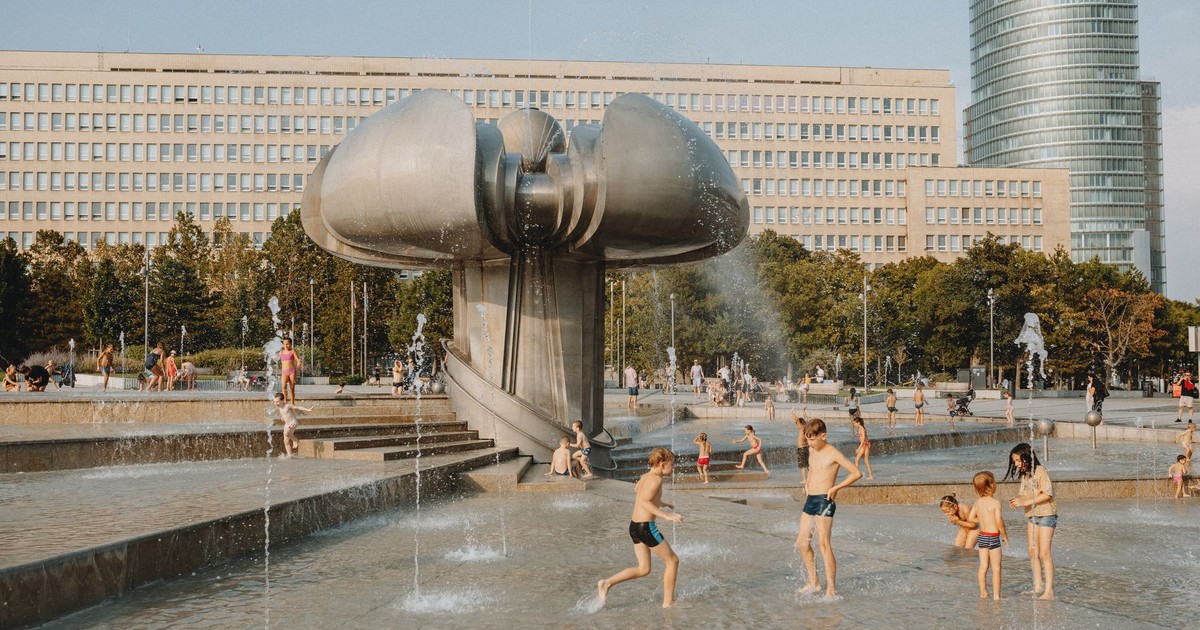
WHQR spoke with Dr. Jess Weisz, a pediatrician at Children’s National Hospital in Washington D.C., who says keeping kids safe in the heat comes down to adults using their common sense. She gets more concerned when temperatures go above 95 degrees Fahrenheit. That 95°F benchmark needs one major qualifier: it assumes dry conditions. When humidity is high, the heat index pushes that number up considerably, and the index is what your child’s body responds to.
Dr. Weisz’s clearest advice is keeping outdoor time outside the hottest hours – between 10 a.m. and 3 p.m. For schools and camps, moving outdoor activity to first thing in the morning or late afternoon can keep kids substantially safer. Solar radiation peaks during those hours, which means the ground, the play structures, and the air above them are all at their most punishing.
Metal slides, rubber surfaces, and dark asphalt absorb heat far beyond the ambient air temperature. A slide that feels warm to your palm at 10 a.m. can cause contact burns by noon on a sunny day, even if the thermometer says 88°F. If you wouldn’t hold your hand on a surface for three seconds, your child shouldn’t be sitting on it.
What the Heat Is Actually Doing to a Child’s Body
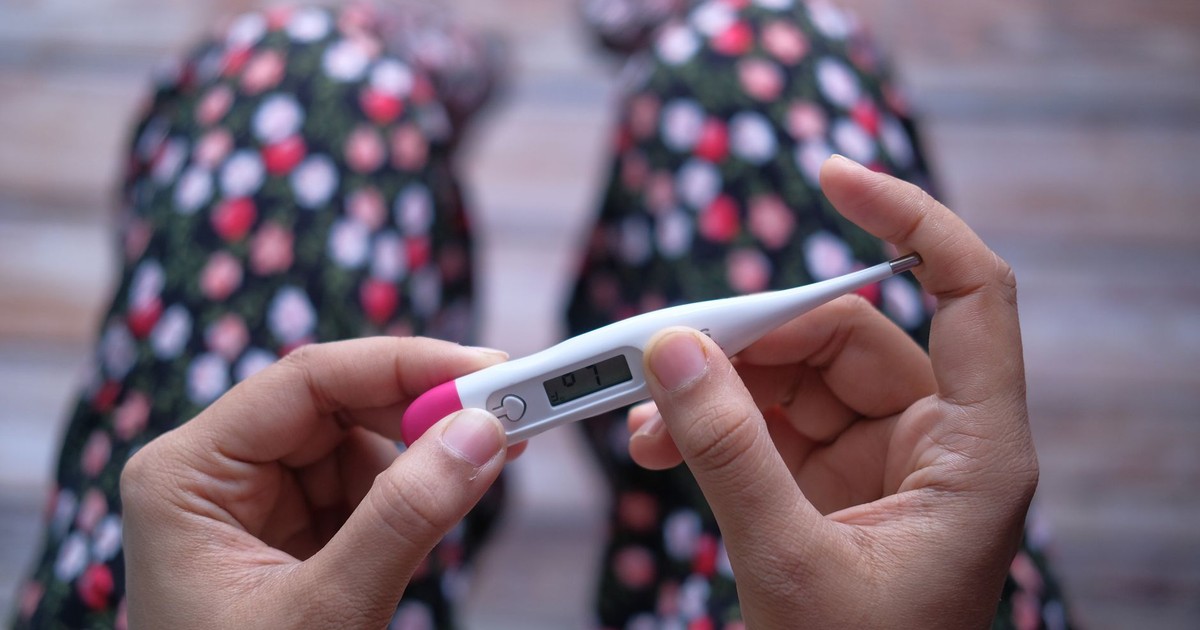
Heat illness in children runs on a spectrum from heat cramps to heat exhaustion to full heatstroke, and it moves along that spectrum faster than most parents expect. Heat exhaustion usually occurs before heatstroke, but even heat exhaustion puts serious stress on a child’s body. UNICEF notes that if a child is not cooled down within 30 minutes of showing heat exhaustion symptoms, they can develop heatstroke. Thirty minutes is not a long time, especially when you’re at the park and your child is telling you she’s fine.
Heat exhaustion and heatstroke are distinct conditions with different symptoms and different levels of severity. According to Children’s Hospital Colorado, heat exhaustion presents with pale skin, profuse sweating, and nausea. Dizziness, fainting, or weakness can also be signs. Most of the time, there is no fever, which is one of the ways you can tell it hasn’t yet crossed into heatstroke territory.
Heatstroke is a life-threatening emergency. Children’s Hospital Colorado reports that symptoms include hot, flushed skin with a fever higher than 104°F (40°C), and that more than 50 percent of children with heatstroke do not sweat. Heatstroke can cause confusion, coma, or shock. The absence of sweating runs counter to what most people expect – we associate heat with sweating – but when heatstroke sets in, the body’s cooling system has essentially shut down. A hot, dry child who is confused or unusually still needs emergency help.
The Early Signs You Might Miss
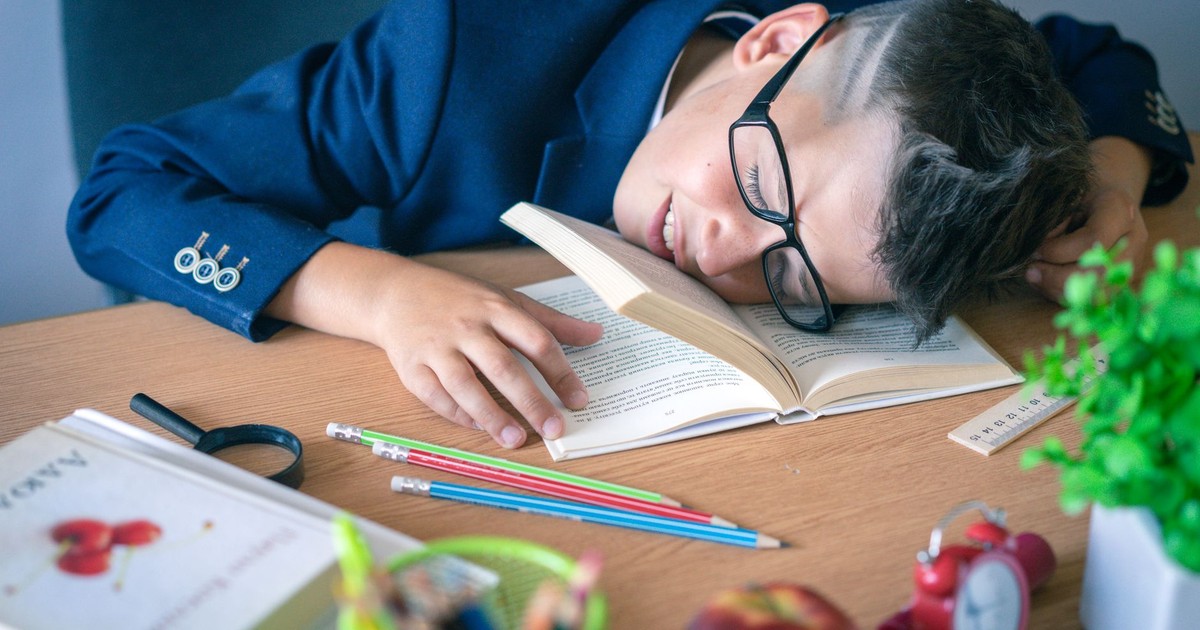
Early heat illness symptoms look like a dozen other things. A child who’s getting quieter, complaining that her stomach hurts, or has gone from high energy to suddenly wanting to sit down might just be tired. Children at risk of heat stroke may exhibit sudden irritability, restlessness, lethargy, disorientation, slurred speech, difficulty walking, or complaints of muscle cramps and weakness.
Counselors at outdoor summer camps learn to flag kids who seem out of sorts, irritable, or who say they feel sick. They might say things like “my tummy hurts” or “I want to go home.” When those signs appear, the move is to get them out of the sun and heat immediately.
For infants, the challenge is compounded because they can’t tell you anything. In babies, heat illness can look like this: sudden lethargy, flushed or very red skin, glazed eyes, labored breathing, and failure to produce the usual number of wet diapers or tears. Any of those after time in the heat warrants immediate action.
Dehydration accelerates all of it. A child who hasn’t had enough water can move from heat exhaustion to heatstroke more quickly than one who is well hydrated, because the body has less capacity to cool itself through sweating when fluid levels are already low.
What to Do When You See the Signs
Frequent breaks from activity, plenty of water, and sun protection are the core of keeping kids safer in the heat. On hot days, breaks need to happen on a schedule, not just when a child asks for one – because many children will not ask.
If a child is showing signs of heat exhaustion, move them somewhere cool immediately. Bring the child to a cool, shaded place, preferably in an air-conditioned building or vehicle. Remove any extra layers of clothing, have them lie down if they’re dizzy, and begin pushing fluids. Cool water is the goal; anything with a lot of sugar slows absorption. A cool, damp cloth on the neck, wrists, and armpits helps bring the body temperature down quickly.
Heat exhaustion can develop into heatstroke if not treated immediately. If the child’s condition doesn’t improve within 30 minutes of cooling efforts, or if they lose consciousness, become confused, stop sweating entirely, or develop a fever above 104°F, call 911. Heatstroke in a child is not a situation for a wait-and-see approach.
Kids need water before they go out in heat, during play, and after. For physically active kids, electrolyte drinks are not the enemy – a diluted sports drink on a 98-degree day is a reasonable choice for a child who’s been running around for an hour. The sugar concern matters for everyday hydration, less so as an emergency measure on a genuinely hot day.
The Part Nobody Wants to Say Out Loud
There isn’t a single number that answers the kids heat safety temperature question cleanly for every child in every situation. A healthy, well-hydrated eleven-year-old can play in 95°F heat with proper precautions. A two-year-old or a child with a health condition that affects thermoregulation needs a much more conservative approach. The heat index matters more than the thermometer. The humidity matters. Whether there’s shade matters. How long they’ve been out matters.
What doesn’t change is the direction of the risk. Children overheat faster than adults, signal it later, and move from “fine” to “emergency” on a timeline that does not give you the luxury of being slow about it. The 10 a.m. to 3 p.m. window is real. The 30-minute window between heat exhaustion and heatstroke is real. A child who stops sweating in the heat needs immediate intervention.
None of this means keeping kids inside all summer. Check the heat index before you send them out, build the water breaks in whether they ask or not, know the early signs well enough to catch them before they become the serious signs, and accept that your job here is to be the one paying attention even when they’re too distracted to notice. Which, honestly, is the job description for most of parenting anyway.
Disclaimer: This information is not intended to be a substitute for professional medical advice, diagnosis, or treatment and is for information only. Always seek the advice of your physician or another qualified health provider with any questions about your medical condition and/or current medication. Do not disregard professional medical advice or delay seeking advice or treatment because of something you have read here.
AI Disclaimer: This article was created with the assistance of AI tools and reviewed by a human editor.