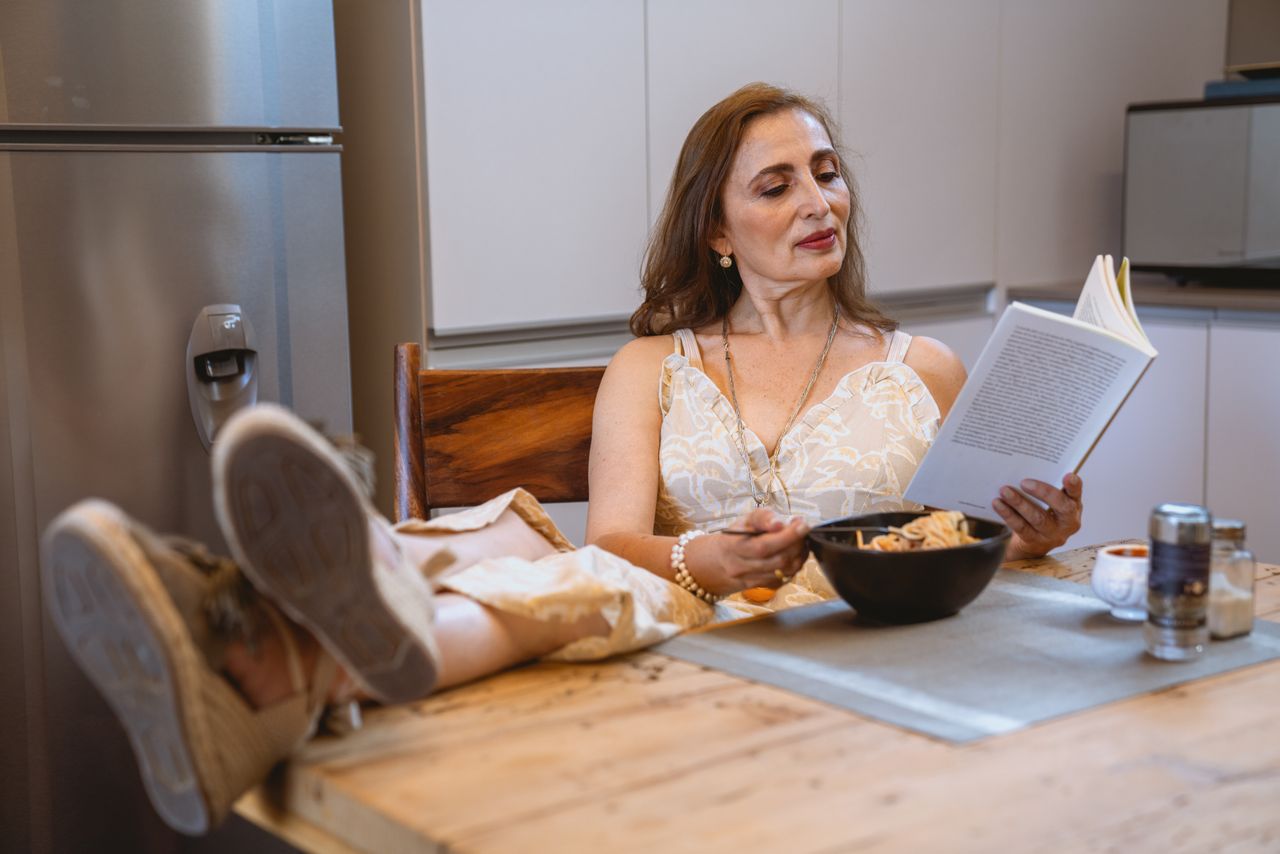

Nobody warns you about the particular jolt of self-consciousness that arrives at an Italian beach when you realize the woman in the bright red swimsuit, moving with total ease across the sand, is somewhere north of seventy. It is not that she looks young. She very much looks her age. It is that she clearly could not care less whether you think that’s a problem.
That moment captures something that takes Americans genuinely by surprise when they encounter Italian women over 60 in any setting, whether at a market in Naples, a café terrace in Bologna, or a family lunch that somehow lasts until dusk. The gap between American ideas about how women “should” age and how Italian women actually live past sixty is wide enough to drive a Fiat through. Part of it is diet, part of it is culture, part of it is a bone-deep indifference to the particular anxieties American women have been sold about getting older. And part of it is simply that several of these habits are backed by real evidence suggesting they are doing something right.
What follows is not a fantasy about Italian perfection. It is a genuine look at the specific, documented, sometimes startling habits that Italian women over 60 maintain in ways that catch outsiders off guard – and what the research actually says about why those habits matter.
1. They Treat the Mediterranean Diet as a Non-Negotiable, Not a Trend

The phrase “Mediterranean diet” gets thrown around on wellness podcasts like it was invented last year by a nutritionist in Los Angeles. In Italy, it is simply Tuesday lunch. For women over 60 in particular, the distinction between treating this way of eating as a lifestyle choice versus a dietary intervention is enormous. When it is inherited, automatic, and culturally reinforced, consistency follows in a way it never does when you are reading a food plan on your phone.
A 2024 study from Brigham and Women’s Hospital published in JAMA Network Open, drawing on data from more than 25,000 women tracked across 25 years, found that those who adhered to the Mediterranean diet had a 23% lower risk of death from any cause. That is not a preliminary finding from a small trial. The diet itself centers on olive oil, seasonal vegetables, legumes, whole grains, moderate fish, and very little processed food – which is not a special occasion plate in most Italian households. It is just what dinner looks like.
What makes the Italian version particularly durable is that it is embedded in social ritual. You do not eat this way alone at your desk. You eat it at a table, with people, in the middle of the day when possible, with bread and conversation and no particular hurry. The diet and the culture that delivers it are inseparable, which is exactly why it is so difficult to import by willpower alone.
2. They Walk Everywhere, Every Day, Without Calling It Exercise
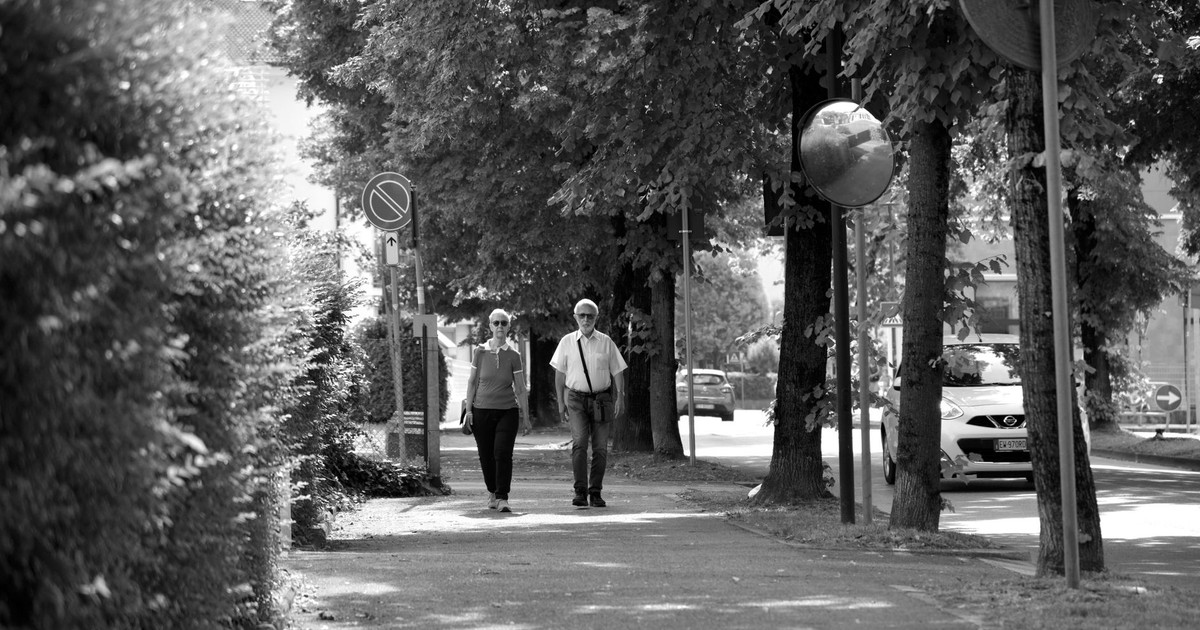
American fitness culture is built on the premise that exercise is a distinct event requiring specific clothing, a time slot, a gym membership, and ideally a motivational playlist. Italian women over 60 largely sidestep this entire apparatus. Their activity is ambient, built into the texture of daily life: walking to the market, climbing the stairs of a centuries-old building, making the evening passeggiata (a leisurely neighborhood walk that is as much social ritual as movement).
Italy leads the European Union in life expectancy, and it is a country where the number of centenarians is growing. A cluster of villages in Sardinia is one of the world’s five Blue Zones – regions where people routinely live past 100 in good health. Researchers studying these communities consistently identify daily low-intensity movement as one of the defining factors, not gym attendance or structured exercise programs.
This is not to say Italian women over 60 never work out. Some do. But the culture does not treat a sedentary day as the default that requires correction. The walking happens because the city is walkable, the food is purchased fresh and nearby, and sitting still for too long is considered a failure of social imagination, not a reasonable way to spend an afternoon.
3. They Age in Public Without Apology
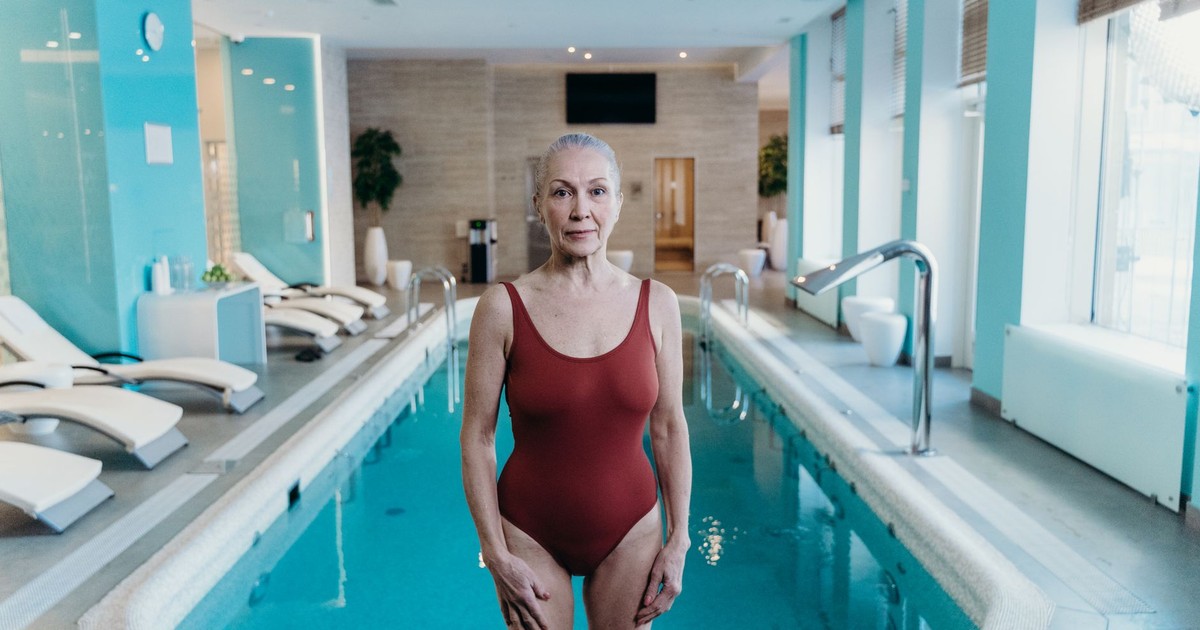
Italian grandmothers frequently look their age. At pools and beaches, it doesn’t matter how old they are – women, grandmothers included, frequently wear bikinis. It is refreshing, and it emphasizes a cultural mindset that aging is a natural part of life. Americans visiting Italy often remark on this with a mix of admiration and mild disorientation, because the contrast with American beach culture, with its corrective coverups and apologetic postures, is immediate.
The deeper habit here is the refusal to treat visibility as something that requires a certain body to earn. Italian women over 60 are present at family events, at café tables, at cultural events, in photographs – not tucked away or sidelined because they no longer fit the aesthetic template American culture reserves for public women. The wrinkles are there. The gray hair is often there. The presence is absolute.
One centenarian told SELF magazine that the mindset is key to living a long and healthy life. “Never think of yourself as old,” she said. “You are born young.” Research supports the idea that as people age, having a more positive attitude about getting older is itself associated with living longer.
4. They Dress for Themselves, Not for the Age Police
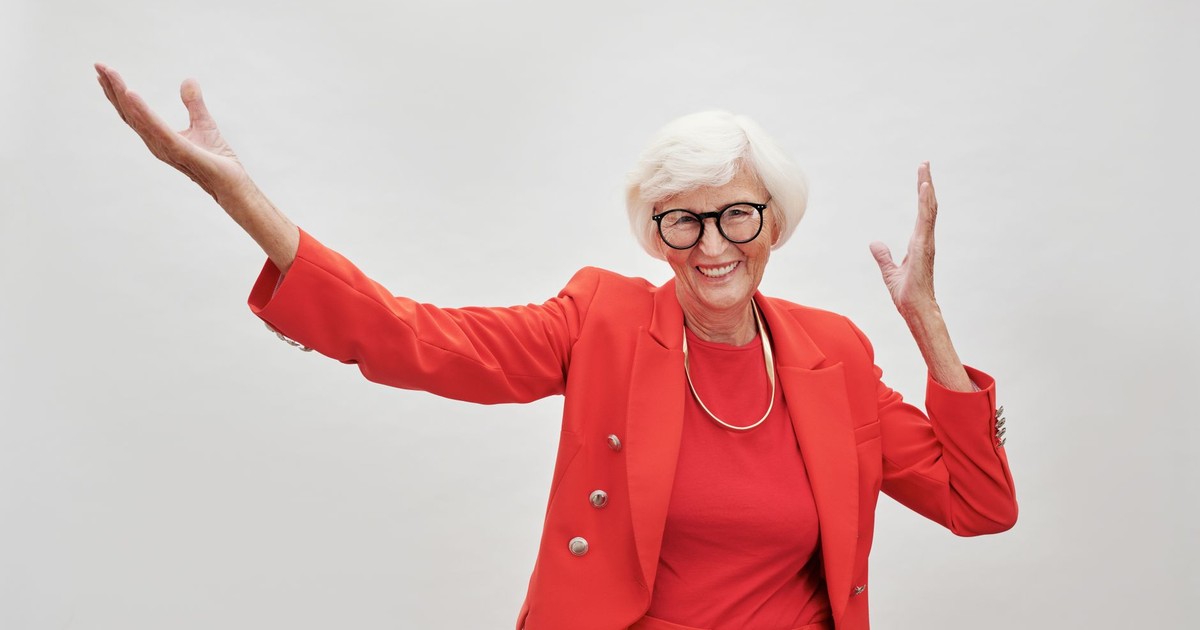
There is an unwritten American rule – never quite stated aloud, always enforced – that women past a certain age should retreat stylistically. Shorter hemlines, quieter colors, looser silhouettes. A general dimming. Italian women over 60 appear to have missed the memo entirely, or received it and returned it unopened.
The Italian approach to dressing is rooted in bella figura, a concept that translates roughly as making a good impression through effort and presentation. It applies at every age. A fitted jacket, a silk scarf, heels on a cobblestone street at 68 – these are not acts of rebellion or denial. They are continuations of a lifelong relationship with clothes as a form of self-respect. The approach is built on quality over quantity, well-cut basics, and the kind of confident accessorizing that does not require trend-chasing.
What strikes Americans specifically is the absence of apology in the presentation. There is no “for my age” qualifier attached to an outfit. The outfit is either right or it isn’t, and Italian women trust their own judgment about which is which.
5. They Prioritize Long, Unhurried Meals
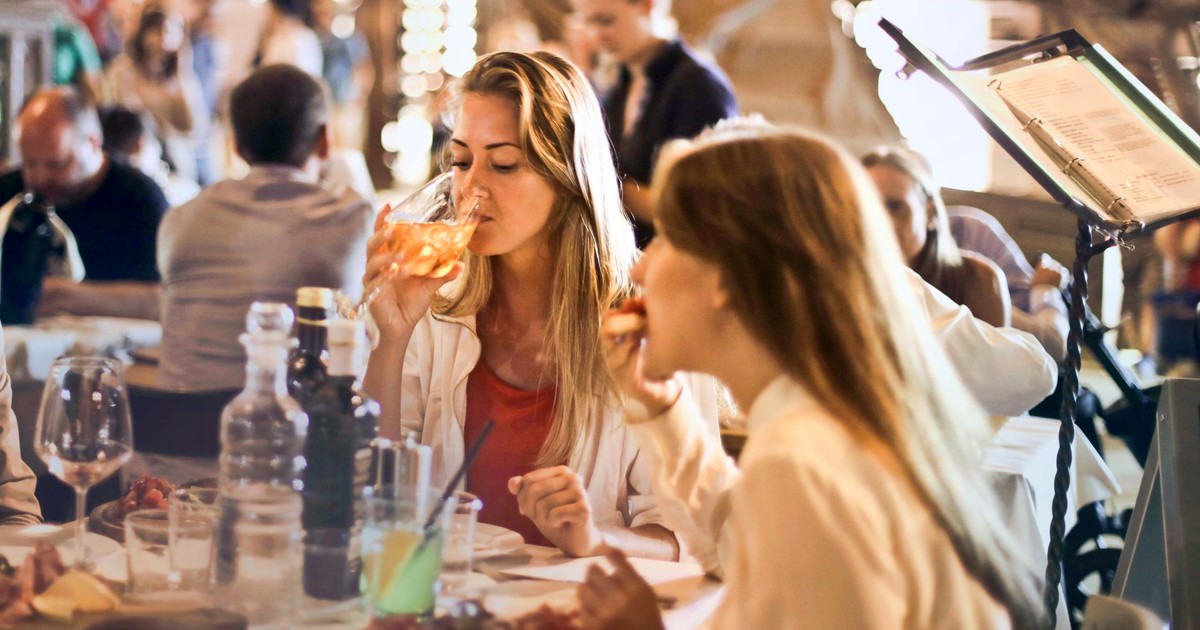
A working lunch in America is twenty minutes, eaten at a keyboard, probably involving something that arrived in a bag. The Italian midday meal is still, in much of the country, a dedicated hour or more, eaten at a table, ideally with company, with actual courses and a rest afterward. For women over 60, who are often retired or have more flexible schedules, this unhurried rhythm becomes even more entrenched.
The health implications are not incidental. Eating slowly and in company is associated with consuming less, digesting better, and experiencing lower cortisol levels after meals. The social dimension of the Italian lunch table – conversation, connection, laughter – provides benefits that no supplement has managed to replicate. The meal is not just fuel; it is a daily recalibration.
In Cilento, a region in southern Italy studied extensively for its exceptional longevity, researchers from the CIAO project found that women live on average until 91 years old, and men until 84 to 85. According to the researchers, the factors behind that longevity are diet, an active lifestyle, and strong social ties. The long lunch is not separate from the social tie. It is one of the main vehicles through which it is maintained.
6. They Maintain Fierce Social Networks
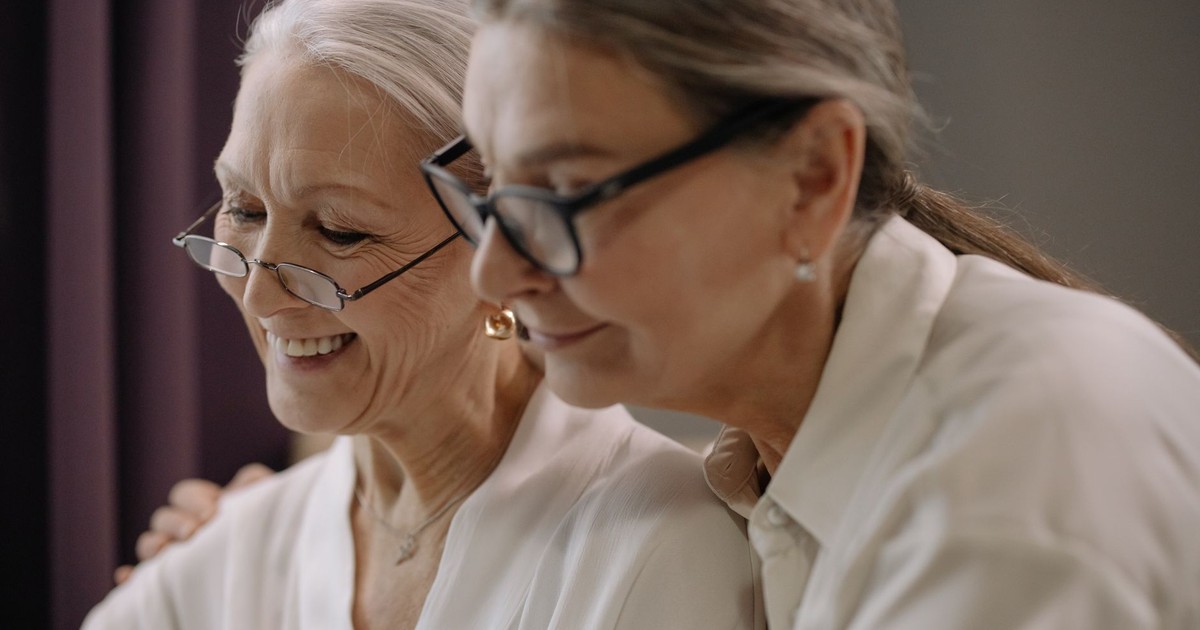
Americans tend to understand friendship in their sixties as something that requires scheduling, effort, and a fair amount of driving. Italian women over 60 tend to have social structures that are architecturally embedded into daily life: the neighborhood, the market, the church, the café where the same three women have been meeting at the same table every Tuesday morning for twenty years.
The research on social connection and longevity is by now substantial and consistent. Isolation is repeatedly identified in aging research as a predictor of cognitive decline, cardiovascular disease, and early death. The Italian habit of keeping social life close, daily, and low-effort is one of the most practical forms of preventive health behavior that exists – it just doesn’t look like health behavior from the outside. It looks like standing in the street talking to someone for forty-five minutes about nothing in particular.
What Americans often miss is that the quality of these connections is different from organized social activities. It is not book club or a planned dinner party. It is the continuous low-level hum of people who have known each other for decades and see each other without ceremony. That consistency is the thing that protects the brain and the heart.
7. They Cook from Scratch as a Matter of Course
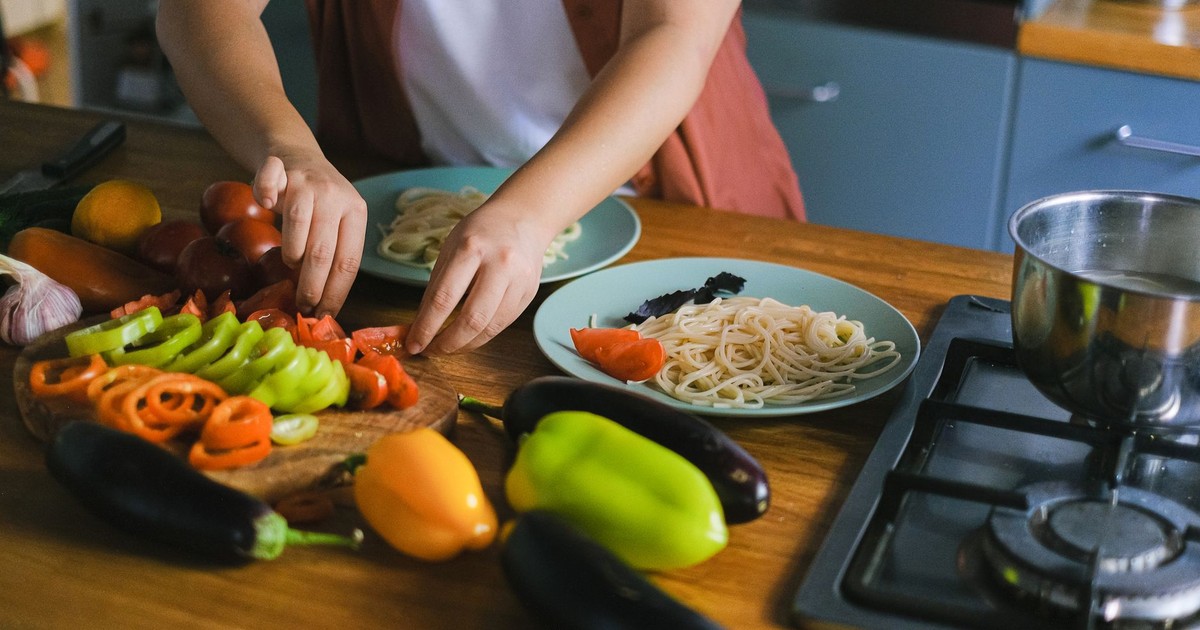
Meal kit delivery, frozen entrees, and the thirty-minute dinner workaround are largely foreign concepts in the households of Italian women over 60. Cooking from scratch is not a Sunday project or a slow-living aspiration. It is the ordinary way food gets made, because that has always been true, and processed alternatives have not yet earned the cultural standing to replace it.
This has direct nutritional consequences. A 2023 study in southern Italian older adults found that higher Mediterranean diet adherence was associated with significantly lower odds of cognitive impairment and depressive symptoms – and that the benefits were strongest in those who had maintained this dietary pattern across their lifetime. A diet consistent across decades produces different outcomes than one adopted at 55 as a health intervention.
Homemade food also means knowing exactly what went into it. No hidden sugars, no preservative lists, no portion-size engineering designed by a food technologist to override satiety signals. The meals are made with olive oil, seasonal produce, whatever legumes are in the pantry, and bread that was baked that morning. The simplicity is not a lifestyle choice. It is just what cooking looks like when it has not been industrialized out of daily life.
8. They Accept Rest Without Guilt

The Italian relationship to rest – particularly the afternoon rest, the riposo – confounds productivity-minded Americans at every turn. Shops close. Cities quiet. People stop. For Italian women over 60, the afternoon break is not a luxury or a sign of diminished ambition. It is the middle of the day.
The science on rest and aging is consistent. Inadequate sleep and chronic fatigue accelerate cellular aging, compromise immune function, and increase cardiovascular risk. Short afternoon rest periods – distinct from full sleep – are associated with improved cognitive performance and lower blood pressure in older adults. The Italian woman who closes her shutters at 2 pm and does not apologize for it is, from a physiological standpoint, making an excellent decision.
What Americans find surprising is that this habit does not appear to compromise productivity in any measurable way. Italian women over 60 maintain active social lives, manage households, care for grandchildren, and in many cases continue to work or run small businesses. The rest and the activity coexist, which is the point. Rest is not a reward for exhaustion. It is a daily practice that prevents exhaustion from accumulating.
9. They Drink Wine With Food, Not Instead of It
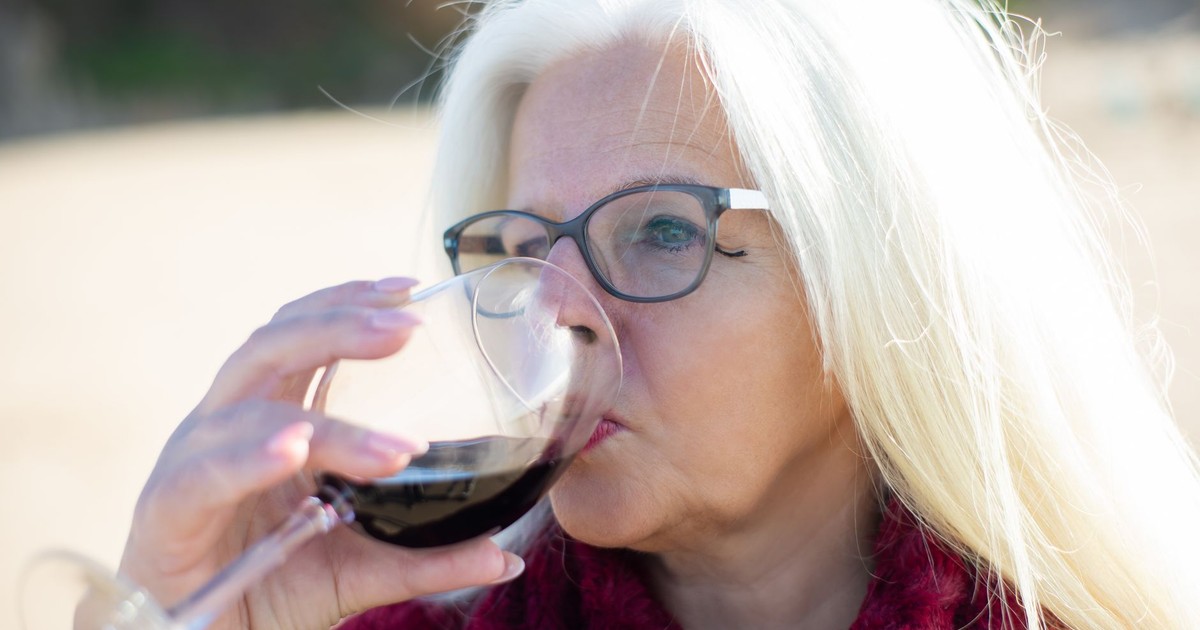
American drinking culture and Italian drinking culture share a beverage and almost nothing else. In Italy, wine is a condiment as much as a drink. It appears at the table, with food, in moderate amounts, as a consistent accompaniment to the meal rather than a separate recreational activity. Italian women over 60 who drink tend to drink this way: a glass of red with dinner, perhaps a small glass at Sunday lunch. What they rarely do is drink to unwind, drink alone, or drink in the quantities that characterize stress-driven American wine consumption.
The distinction matters because the health research on moderate wine consumption is specifically about this pattern – low amounts, with food, consistently – rather than the compensatory weekend drinking that research consistently flags as damaging. The Mediterranean approach does not treat wine as a treat, a coping tool, or a reward. It treats it as part of the meal, which keeps the quantities and the context entirely different.
This is one of the habits that is genuinely difficult to import because it requires a cultural shift in the meaning of the drink itself, not just a reduction in the quantity.
10. They Stay Close to Their Families Across Generations
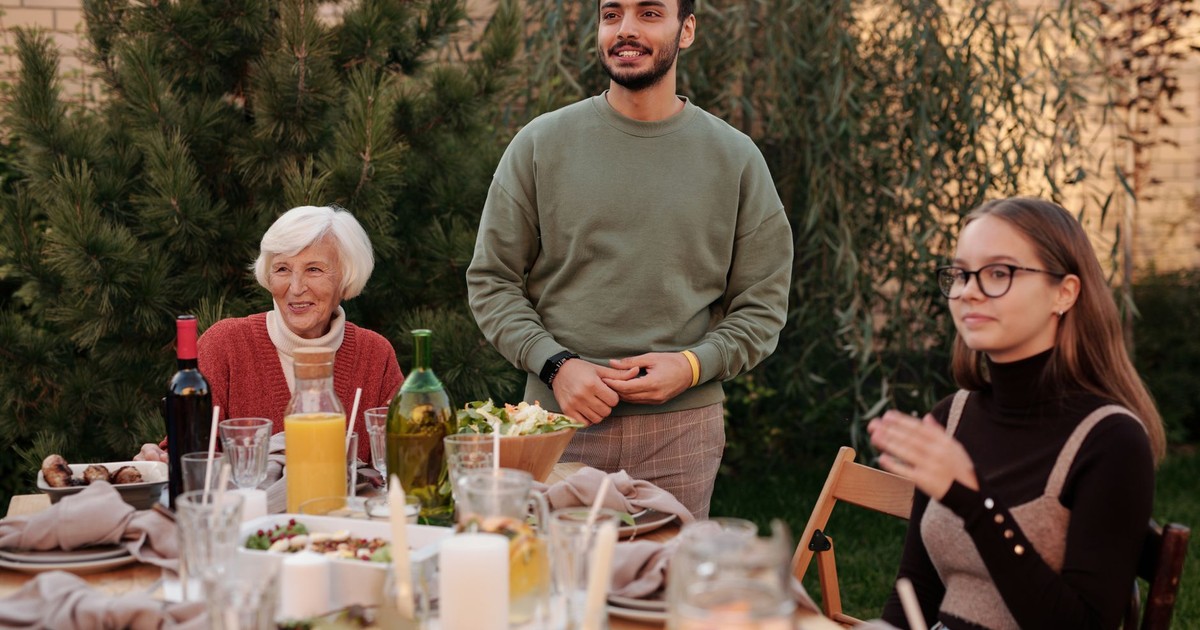
The Italian multigenerational household, or the version of it where grandparents live minutes rather than hours from their children and grandchildren, is not nostalgia. It is an active, functioning social structure that provides Italian women over 60 with daily purpose, regular human contact, and the particular grounding that comes from being needed in a specific, irreplaceable way.
American culture tends to understand proximity to adult children and grandchildren as nice-to-have, and geographic separation as the adult thing to do. Italian culture maintains the opposite assumption. The grandmother who sees her grandchildren several times a week, who cooks for the family Sunday lunch, who is consulted on family decisions – she is not dependent. She is central.
Italian research found that the transition to retirement was associated with a 36% increased probability of practicing sports – a finding that partly reflects how retirement in Italy tends to activate social and physical engagement rather than withdrawal. The family structure plays a central role in that activation. When your grandchildren want to walk to the park, you walk to the park.
11. They Engage Their Minds Without Calling It Brain Training
There are no memory apps on most of these phones. No “cognitive training” subscriptions, no five-minute daily puzzles designed to preserve neural pathways. Italian women over 60 keep their minds active because they remain embedded in complicated, demanding social lives that require attention, memory, judgment, and the management of family dynamics that would tax a diplomat.
Cooking a large Sunday lunch from memory, managing the social architecture of a multigenerational family gathering, maintaining decades-long friendships with all their accumulated history – these are genuine cognitive demands. The brain does not know it is being exercised. It is simply being used, which, the research consistently suggests, is better than any structured alternative.
The engagement is also inherently social, which adds another layer of protection. Conversation, debate, storytelling, remembering – these activities require the kind of whole-brain involvement that passive entertainment does not. An Italian woman over 60 who has spent the afternoon arguing affectionately about the correct way to make ragù has, functionally, had a very good brain workout.
12. They Speak Their Mind Directly
Italian women over 60 tend to have shed whatever filter they may have once maintained. If the soup is too salty, they will say so. If the new boyfriend is wrong for their grandchild, they will make that opinion known through a combination of direct statement, strategic silence, and very pointed questions about his employment status. This is not rudeness. It is a cultural norm around directness that, for older women in particular, operates as a form of social power.
Americans often experience this directness as startling because American women, especially as they age, are culturally trained toward a kind of verbal softening – the hedge, the qualifier, the “just to be clear” disclaimer before anything that might cause friction. Italian women over 60 have typically run out of patience for that particular performance, and the social environment they inhabit does not punish them for its absence.
There is something functionally healthy about this. Chronic self-suppression, the long habit of swallowing opinions and managing other people’s reactions to your honesty, is associated with elevated stress and diminished self-efficacy. The Italian habit of saying the thing directly, without lengthy preamble, is not just personality. It is a form of self-preservation.
13. They Find Purpose Outside of Work Identity
When American women retire, there is frequently a period of profound disorientation, because in American culture, professional identity carries more of the self than it probably should. The question “what do you do?” is not really about activity. It is about worth. For women who have built their sense of self around a career, the loss of that structure can be destabilizing in ways that surface physically as well as emotionally.
Italian women over 60 tend to have a different relationship to identity. Purpose is distributed across more categories: family, community, cooking, faith, the garden, the neighborhood. Retirement does not remove the main load-bearing wall of the self because the self was never carried by one wall alone. The grandmother who makes the best gnocchi in the family is not performing a hobby. She is holding a role that has weight and meaning and a specific audience that depends on her for it.
Life expectancy at birth in Italy is over 80 for men and over 85 for women, and researchers who study aging populations return repeatedly to this distributed sense of purpose as one of the factors that distinguishes communities with exceptional longevity from those without it. When you know what you are for, in specific and daily terms, that knowledge sustains the body as much as it sustains the mind.
What This Is Really About
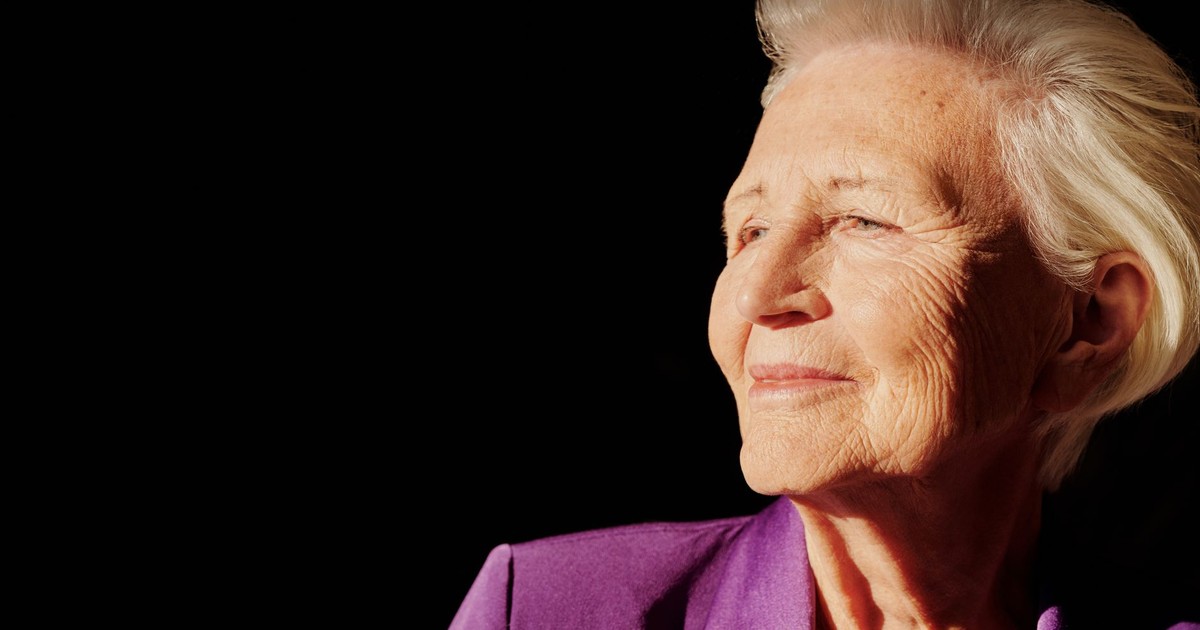
None of these thirteen habits require Italy. They do not require cobblestones or a century-old recipe or a village where everyone knows your grandmother’s grandmother. What they require is a different set of assumptions about what aging is for, and what a woman past sixty is supposed to be doing with her life.
American culture has a very specific story about women over 60: they are in the process of becoming less. Less visible, less relevant, less physically appealing, less professionally significant. The architecture of that story is everywhere – in advertising, in fashion, in how much screen time is allocated to women of a certain age, in the language of “anti-aging” that frames the ordinary passage of time as something to be defeated. Italian women over 60 have not opted out of aging. They have opted out of apologizing for it.
The evidence suggests that cultures where older women retain visibility, purpose, voice, and an unhurried relationship with food and rest tend to produce people who live longer and age better. That connection is not coincidental. The habits and the outcomes are linked, and so is the refusal – absolute and unannounced – to shrink.
Disclaimer: This information is not intended to be a substitute for professional medical advice, diagnosis, or treatment and is for information only. Always seek the advice of your physician or another qualified health provider with any questions about your medical condition and/or current medication. Do not disregard professional medical advice or delay seeking advice or treatment because of something you have read here.
AI Disclaimer: This article was created with the assistance of AI tools and reviewed by a human editor.