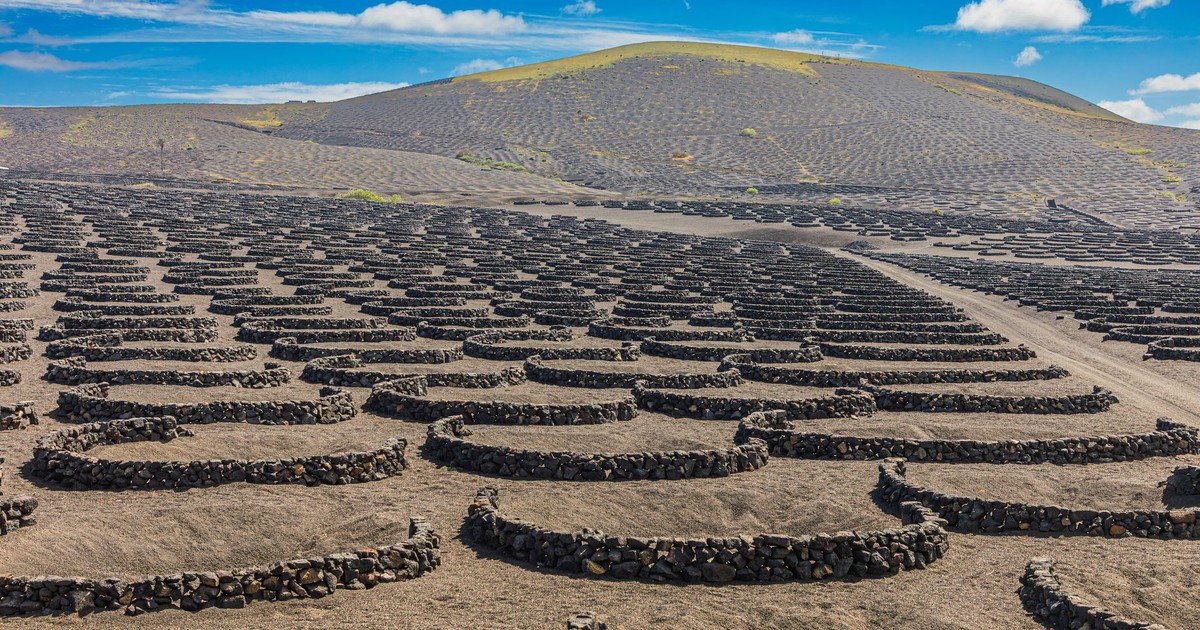

Most people assume that rules are more or less the same everywhere, give or take a speed limit or a local bylaw about noise after midnight. Then you arrive somewhere like Sark, a Channel Island where no car has ever legally touched the road, and you start to wonder how many other places quietly operate on a completely set of terms.
Islands do this more than anywhere else. Cut off from the mainland by water, they have had centuries to develop their own ways of doing things: their own rules about who can die there, who can buy land, what you’re allowed to fish, and whether a clock even needs to exist. Some of these rules are practical, born from the realities of supply chains that arrive by ship four times a year. Others are ancient and cultural, so embedded that no one bothers writing them down. A few are so specific they sound made up. They aren’t.
The 13 islands below represent the islands unusual rules traditions that the rest of the world quietly abandoned somewhere between industrialisation and the app store.
Sark, Channel Islands: The Last Car-Free Feudal State
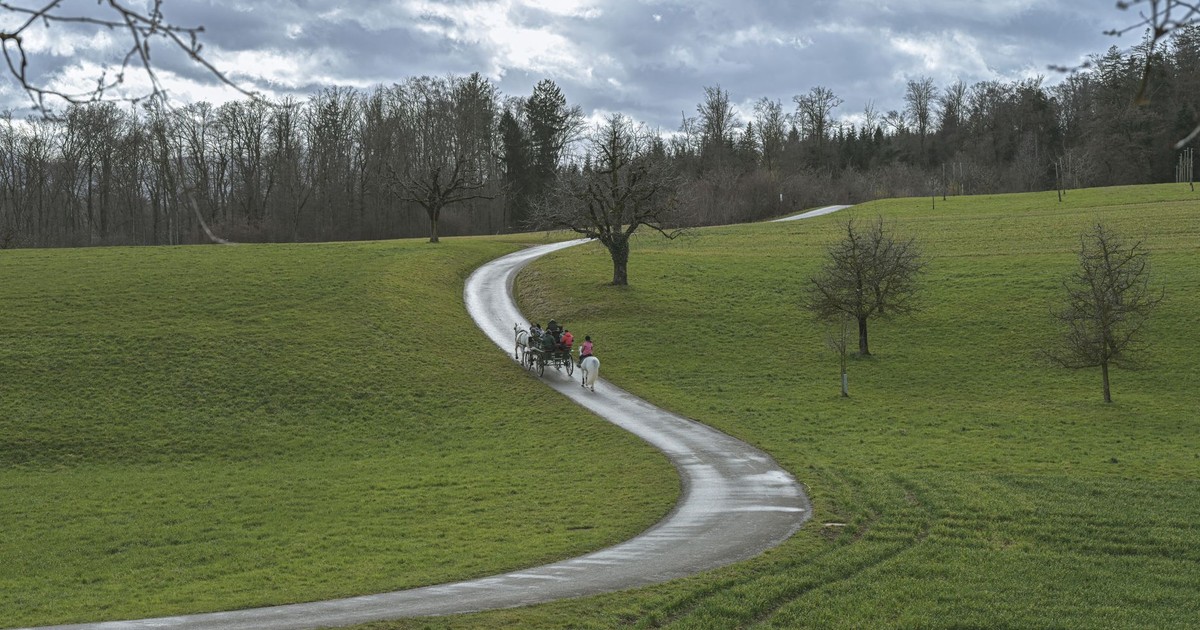
On Sark, all cars are banned from its roads. Tractors, bicycles, and horse-drawn vehicles are the main forms of transport, not as a quirky tourist gimmick, but as an actual law enforced by the island’s own parliament. The island is just 5km long and 2.4km wide, and it is the smallest self-governing island within the Bailiwick of Guernsey. It has its own set of laws, based on Norman law, and its own parliament.
Arrive by ferry and a tractor-pulled carriage meets you at the harbour to haul passengers and luggage up the hill. All carriage drivers must take a test to obtain a Carriage Driver’s Licence, which covers driving skills, horsemanship, and a knowledge of the island’s history, since the driver also acts as a guide. Sark is also one of the world’s few certified Dark Sky Islands. No streetlights means no light pollution, and on a clear night the Milky Way is visible from the middle of the road.
Tristan da Cunha, South Atlantic: Where Everyone Shares Everything
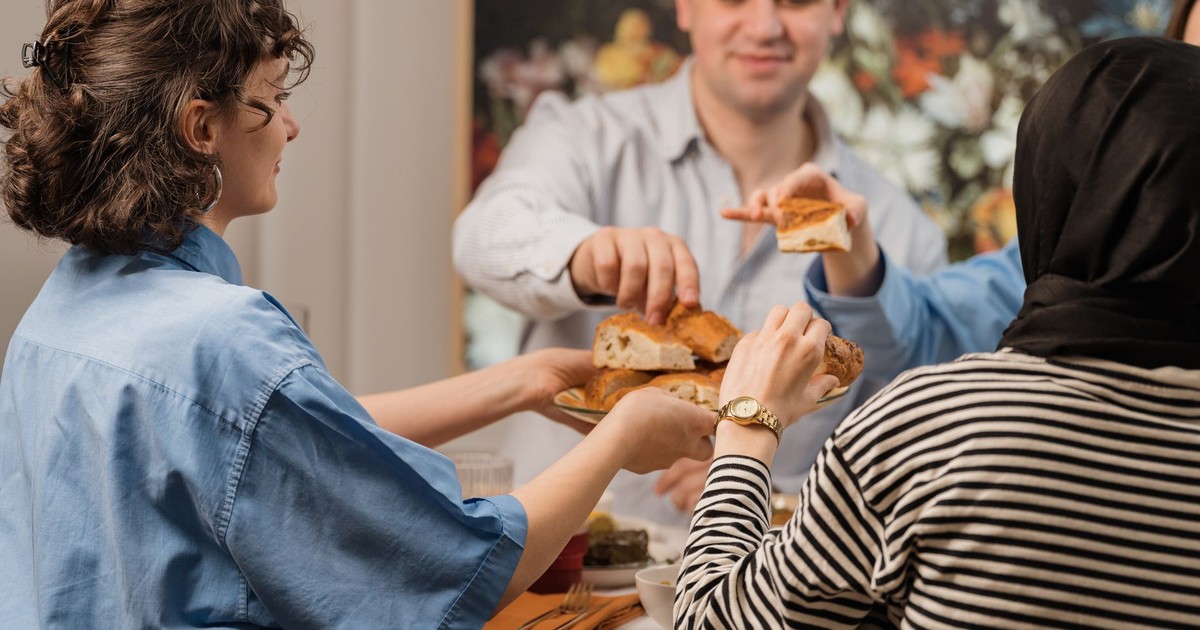
Image Credit: Pexels
Widely regarded as one of the most remote inhabited islands in the world, Tristan da Cunha sits approximately 2,800km from the coast of South Africa, and there is no airstrip. The only way to travel to or from Tristan is by ship. It is a six-day journey from Cape Town.
That isolation shaped something unusual. The island’s cooperative spirit traces back to 1817, when the British Royal Navy withdrew its garrison. Corporal William Glass, his wife, their two children, and two stonemasons chose to remain, founding what they called “the Firm”, a shared-labor model that still shapes Tristan’s collective approach to life today. Their founding agreement declared that “the stock and stores of every description” should be shared equally and that “no member shall assume any superiority whatever.” Islanders still fish communally, rotate responsibilities, and share the catch from the rock lobster season (the island’s main export) across the whole settlement of Edinburgh of the Seven Seas. NPR reported on the island’s unique New Year’s Eve tradition, known as the Okalolies of Old Year’s Night: men in costumes and masks who wander the village on December 31st, refusing to speak so their identities can’t be guessed, banging on windows and doors and roaming the streets looking for mischief until the new year is rung in.
Pitcairn Island, South Pacific: Land That Nobody Wants (for Free)
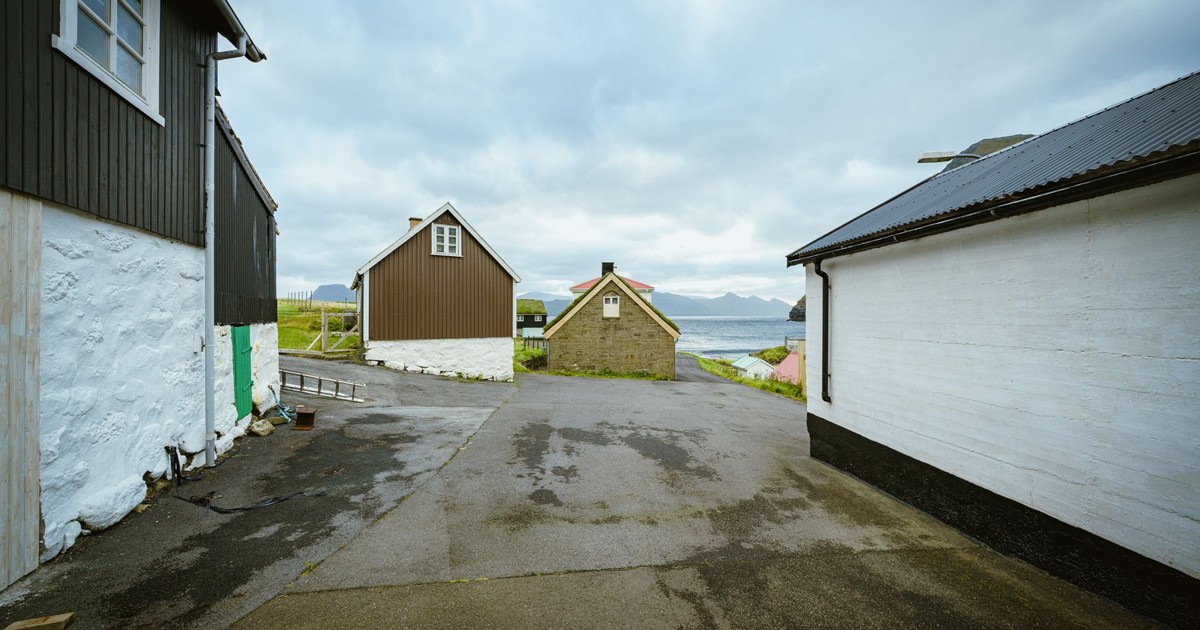
Pitcairn’s population descends from British mutineers who seized HMS Bounty in 1789 and the Tahitian men and women who sailed with them to the island in 1790, giving the community both British and Polynesian ancestry in roughly equal measure. With fewer than 50 inhabitants scattered across 47 square kilometres of volcanic rock, it sits around 5,300 kilometres from New Zealand and 2,170 kilometres from Tahiti.
To combat a population in freefall, the government offered something almost unheard of: free land to anyone willing to settle there. The official Pitcairn immigration site confirms that land is granted on a leasehold basis at no charge, and that approved settlers can apply for a home land site within six months of arrival. The catch, as it turned out, was everything else. Pitcairn has no airport and no harbour capable of accommodating large vessels. Supplies arrive quarterly via chartered freighter, weather permitting. As of August 2024, the settlement process was suspended pending review, with applications only being considered in exceptional circumstances. The island desperately needs new residents, preferably young families with skills and capital, but each new settler exerts a disproportionate impact on infrastructure, social cohesion, and the cultural fabric of a community where everyone is related by blood or marriage. Existing residents still conduct their own island court under a legal system that blends English common law with the specific ordinances of the Pitcairn Islands Council.
The Faroe Islands: Closed for Maintenance
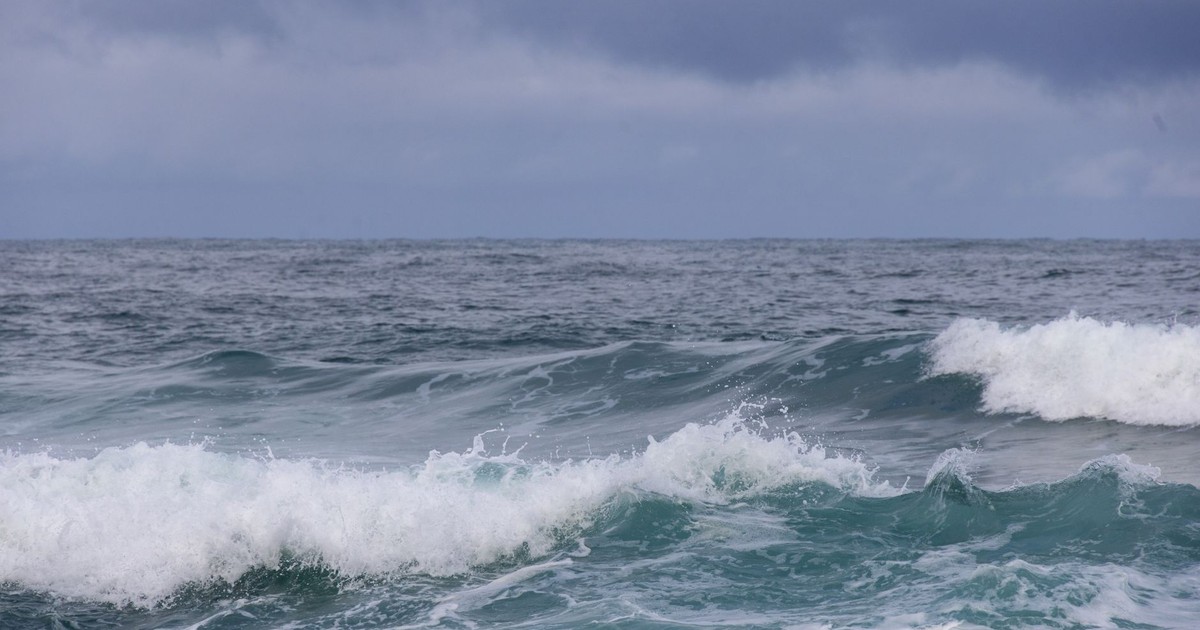
The Faroe Islands’ status as an emerging tourist nation allowed them to do something unique in travel terms: close to tourists once a year. The “Closed for Maintenance” initiative sees visitors replaced, for one weekend, entirely by volunteers who repair hiking paths and trails, effectively making tourists pay with their labour rather than their footprint.
The Faroe Islands has a long tradition of whale hunting, and its traditional hunts, called the Grindadráp, have drawn sustained international attention and controversy. The Library of Congress notes that the hunt is regulated by the Faroese Parliament Act on Pilot Whales and Other Whales, with participants required to complete a pilot whaling course and certification before they can take part, and the Ministry of Whaling empowered to halt hunts in specific areas. All meat and blubber are divided among participants, with any surplus distributed to the wider community; no part of the catch is sold commercially. The tradition of consuming pilot whale meat and blubber arises from the fact that only about 2 percent of the Faroe Islands’ land is suitable for arable crops, making the sea the dominant food source for centuries. To outsiders, the practice looks startling. To islanders, it is simply how food has always been sourced here.
Svalbard, Norway: No One Is Allowed to Die Here
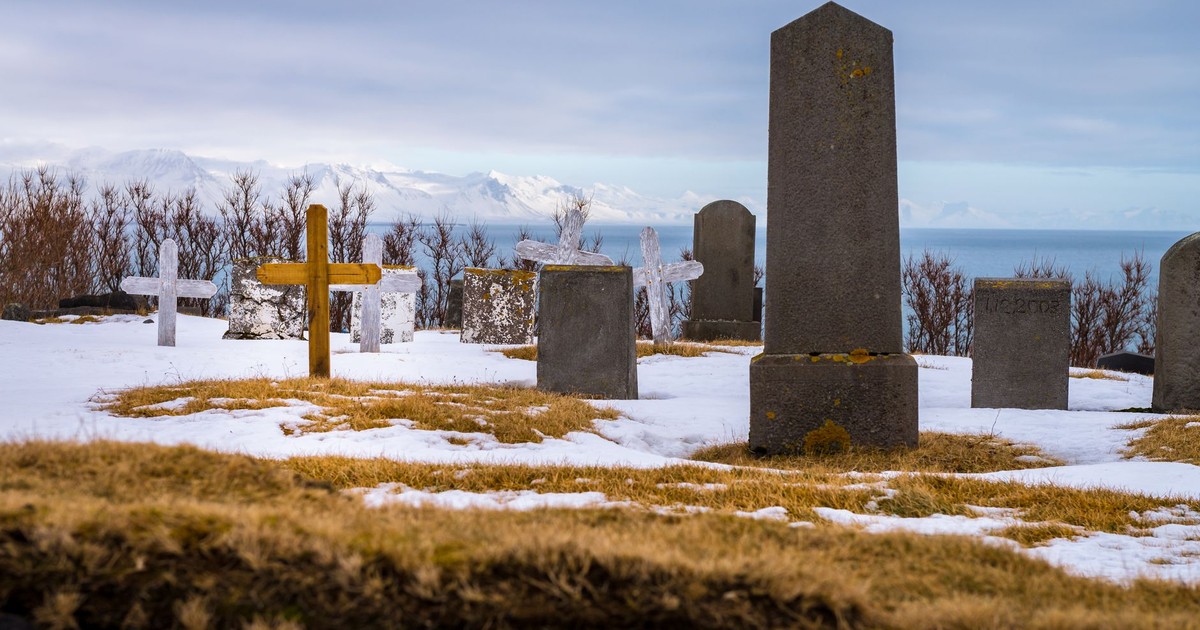
Svalbard, the Norwegian archipelago deep inside the Arctic Circle, has one of the strangest rules on earth: dying there is effectively forbidden. The frozen ground means bodies won’t decompose, creating a permafrost preservation problem that the island has avoided by shipping terminally ill residents to the mainland. Anyone who looks like they might not make it through the winter gets a one-way ticket south. The rule has been informal for decades but the practical enforcement is real; the island’s tiny cemetery stopped accepting new residents in the 1950s.
Residents also cannot be born on Svalbard; pregnant women must travel to mainland Norway before giving birth, which means almost no one on the island is technically from there. Despite all of this, Svalbard’s open-border policy is equally unusual: under the 1920 Svalbard Treaty, citizens of more than 40 signatory nations can live and work there without a visa.
Palau, Micronesia: The Pledge You Sign on Arrival

Every visitor to the Pacific island nation of Palau must sign a pledge, stamped directly into their passport on arrival, promising to act as a responsible and caring guest, specifically committing to protect the ocean, the reefs, and local wildlife. The Palau Pledge was introduced in December 2017 and is the world’s first immigration policy centred on environmental responsibility, requiring every visitor to sign an eco-pledge as a condition of entry. It has teeth: Palau has also established one of the largest marine sanctuaries on the planet, the Palau National Marine Sanctuary, which covers 80 percent of its waters and bans all commercial fishing and mining within that zone. The remaining 20 percent is reserved for local fishermen only. Tourists who arrive expecting to slather on regular sunscreen will also find themselves politely redirected: chemical sunscreens containing oxybenzone are banned by law to protect the coral.
Ikaria, Greece: The Island That Forgot to Age
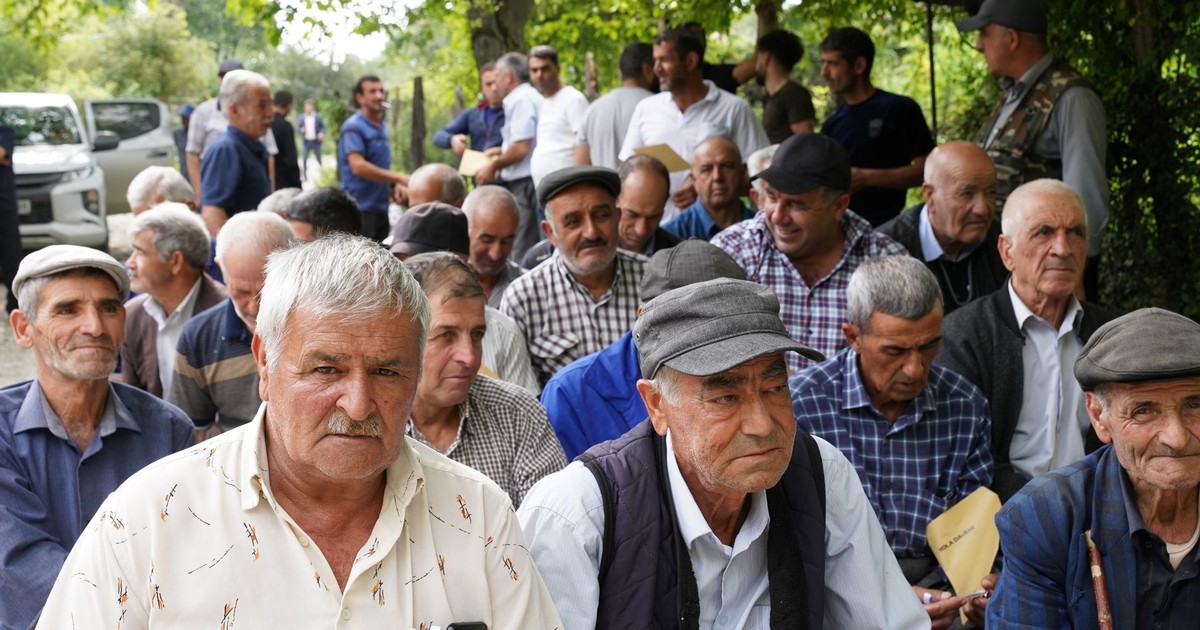
Ikaria, a small Greek island in the Aegean, is one of the world’s five so-called “Blue Zones”, places where people regularly live past 90 and centenarians are not unusual. What makes Ikaria genuinely strange isn’t the longevity itself, it’s what the islanders attribute it to. The afternoon nap is close to sacred here: businesses shut between 2pm and 5pm with a seriousness that would embarrass most European countries. Ikarians are also famously unbothered by clocks. The island runs on its own sense of time, parties beginning at midnight, and the concept of being late being essentially unenforced. Sleep, red wine, olive oil, physical activity, and a very low-stress relationship with schedules have attracted researchers from Harvard and elsewhere who study why Ikarians keep living decades longer than most Europeans.
North Sentinel Island, India: Entry Is Illegal and Potentially Fatal
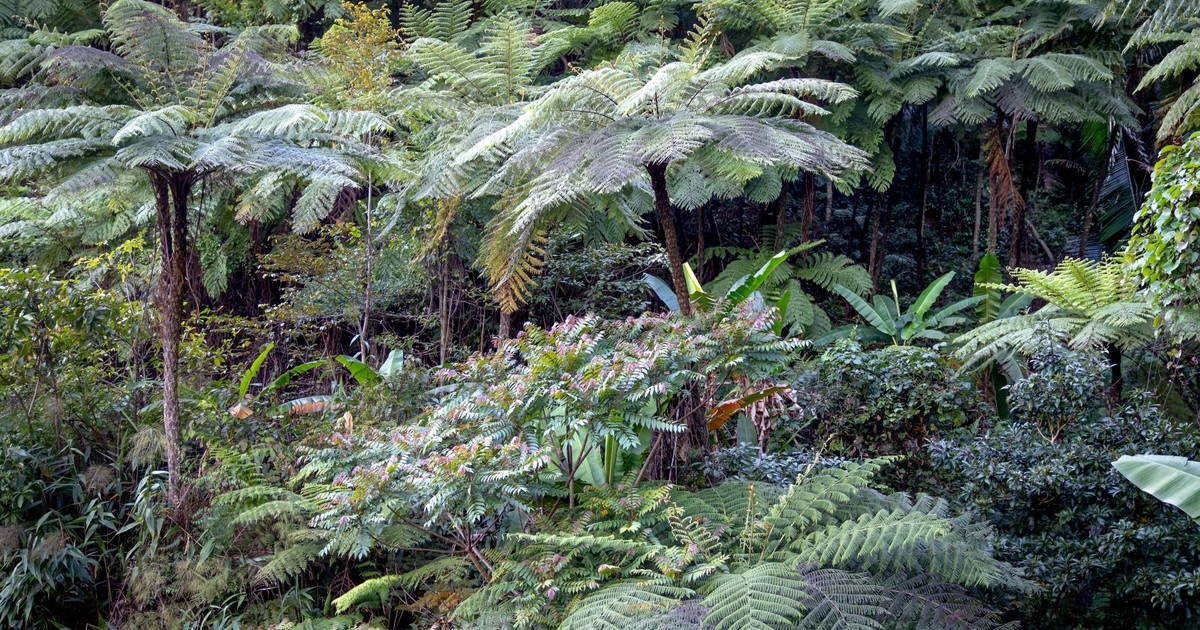
North Sentinel Island, in India’s Andaman archipelago, is home to the Sentinelese people, one of the last uncontacted tribes on earth. The Indian government has declared the island off-limits under the Andaman and Nicobar Islands (Protection of Aboriginal Tribes) Regulation, making any approach within three nautical miles a criminal offence. The ban is not simply bureaucratic: the Sentinelese have made their position on visitors extremely clear for decades, responding to any approach with arrows. In 2018, an American missionary who ignored the restriction was killed shortly after reaching the shore. India enforces the exclusion zone actively, both to protect outsiders and to protect the Sentinelese from any disease exposure their immune systems have never encountered.
Socotra, Yemen: An Island That Exists on Its Own Evolutionary Track
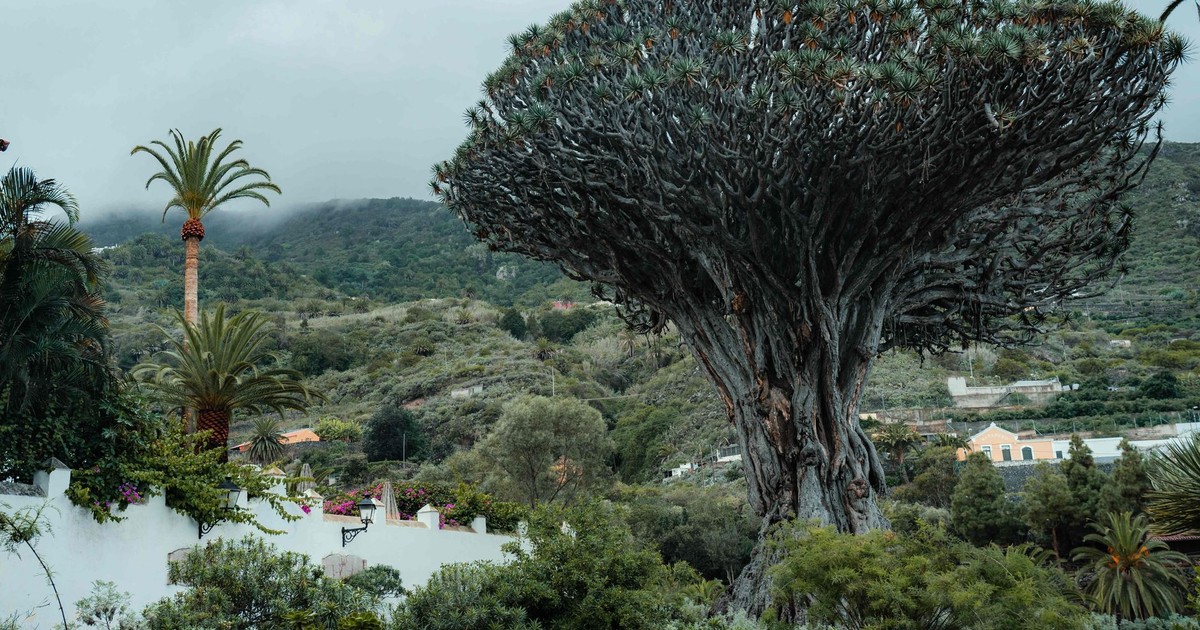
Socotra, a Yemeni island in the Arabian Sea, spent so many millions of years isolated from the mainland that roughly a third of its plant and animal species exist nowhere else on earth. The Dragon Blood Tree (a surreal, mushroom-shaped plant with deep red sap) grows here and almost nowhere else. UNESCO designated Socotra a World Heritage Site in 2008. The rules that protect it are not especially complicated, but they’re firm: exporting plant specimens, soil, or wildlife is prohibited, and large parts of the island are accessible only with government permission. The harder reality is political: the ongoing conflict in Yemen has made reaching Socotra extremely difficult, and conservation efforts are currently strained.
Easter Island (Rapa Nui), Chile: You Can Visit, But You Can’t Stay
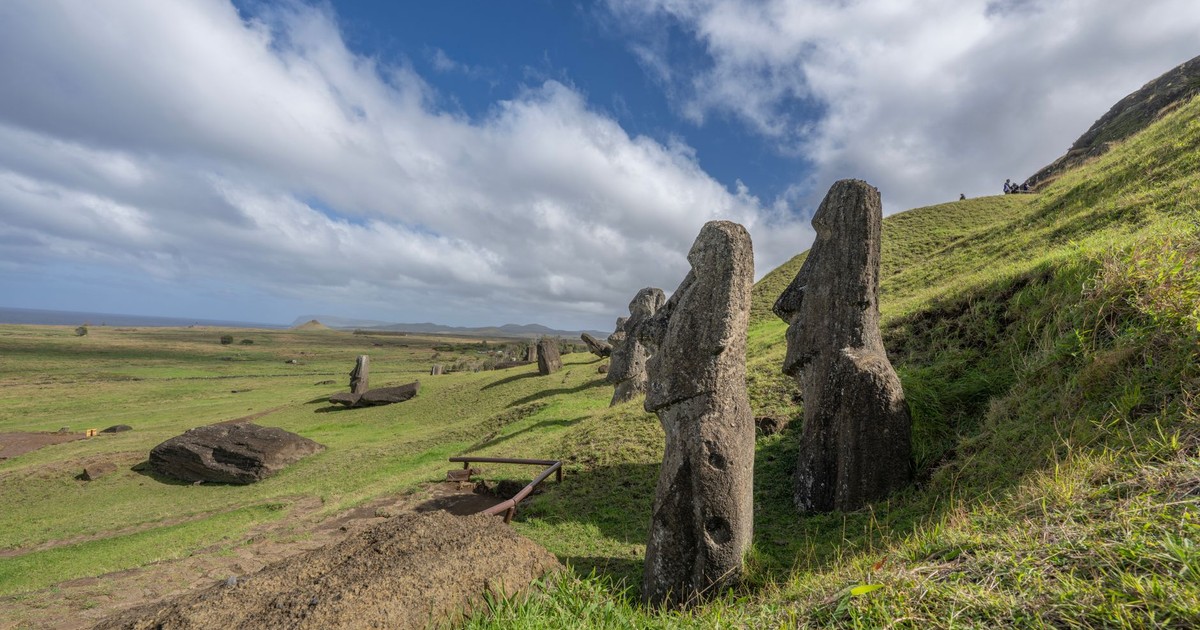
Easter Island, known to its Polynesian inhabitants as Rapa Nui, is famous for its 900-plus moai statues. Less well known is that the Chilean government now strictly limits who can actually live there. Since 2018, a residency law restricts non-native residents to a maximum 30-day stay, renewable only under very specific conditions. The law was pushed through by Rapa Nui people themselves, alarmed by a rapid population influx that was pricing locals out of their own island and straining infrastructure on a land mass that has no way to expand. Foreign nationals cannot buy land on Rapa Nui at all; it can only be owned by people of Rapa Nui descent, a rule that dates back to the island’s formal annexation by Chile in 1888 and which the community has fought to maintain ever since.
Lamu Island, Kenya: Donkeys and Dhows Only
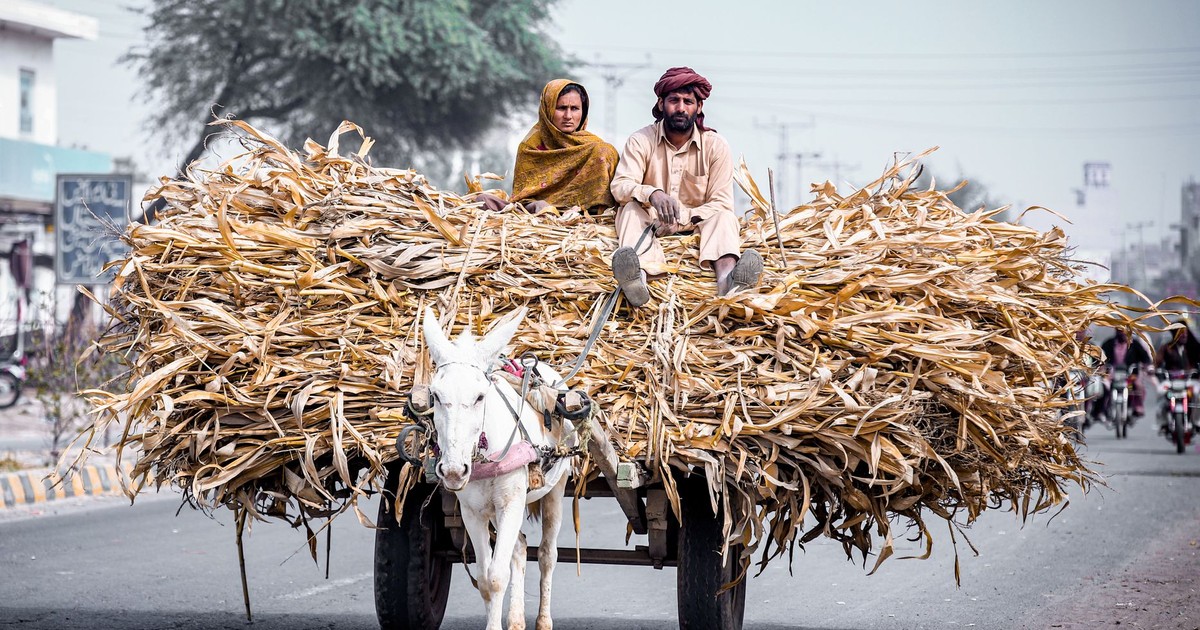
Lamu, a small island off the Kenyan coast, is a UNESCO World Heritage Site and one of the oldest and best-preserved Swahili settlements in East Africa. Cars are banned here, not by a recent eco-policy but by centuries of tradition and geography. The streets of Lamu’s old town are simply too narrow for vehicles; the island’s primary form of transport has always been donkeys and traditional wooden dhows on the water. There are an estimated 3,000 donkeys on Lamu island, and the Lamu Donkey Sanctuary has been operating for decades to provide them with veterinary care. The pace of life is shaped by Islamic prayer times, with the call to prayer marking the day more reliably than any clock. Lamu also has its own annual cultural festival celebrating Swahili poetry, dhow racing, and traditional music in a way that has changed very little in hundreds of years.
Saba, Caribbean Netherlands: The World’s Shortest Commercial Runway

Saba, a tiny Dutch island in the Caribbean, is home to what was long certified as the world’s shortest commercial runway: Juancho E. Yrausquin Airport, which stretches just 400 metres. Both ends of the runway drop off sharply into the sea, meaning pilots who overshoot have only two outcomes and neither involves a runway extension. Only a handful of specially certified pilots are permitted to land there; most flights come from neighbouring St. Maarten on small propeller aircraft. The island bans most large cruise ships, not by formal law but by the practical impossibility of docking them anywhere. Saba also has no beaches in the traditional sense (its coastline is almost entirely cliff) and it has declared its surrounding waters the Saba Marine Park, one of the Caribbean’s most protected reef systems.
Niue, South Pacific: A Nation That Became Its Own Internet Domain

Niue, a tiny coral island nation in the South Pacific, made history in 2003 when it became the first country in the world to offer free wireless internet to its entire population and all visitors. But the stranger legacy is the island’s country code top-level domain, “.nu.” Because “nu” means “now” in Swedish, Danish, and Dutch, the domain became enormously popular in Scandinavia, and Niue has licensed it extensively, generating revenue that dwarfs many of the island’s other economic activities. Niue’s population of around 1,500 people also operates under an open-access tradition: the island has no traffic lights, and the pigs that wander the roads have an informal right of way that is, practically speaking, absolute.
Read More: Finland’s Pink Grocery Basket Trend Lets Shoppers Know They’re Single and Looking for Love
What the World Loses When Islands Go Mainstream
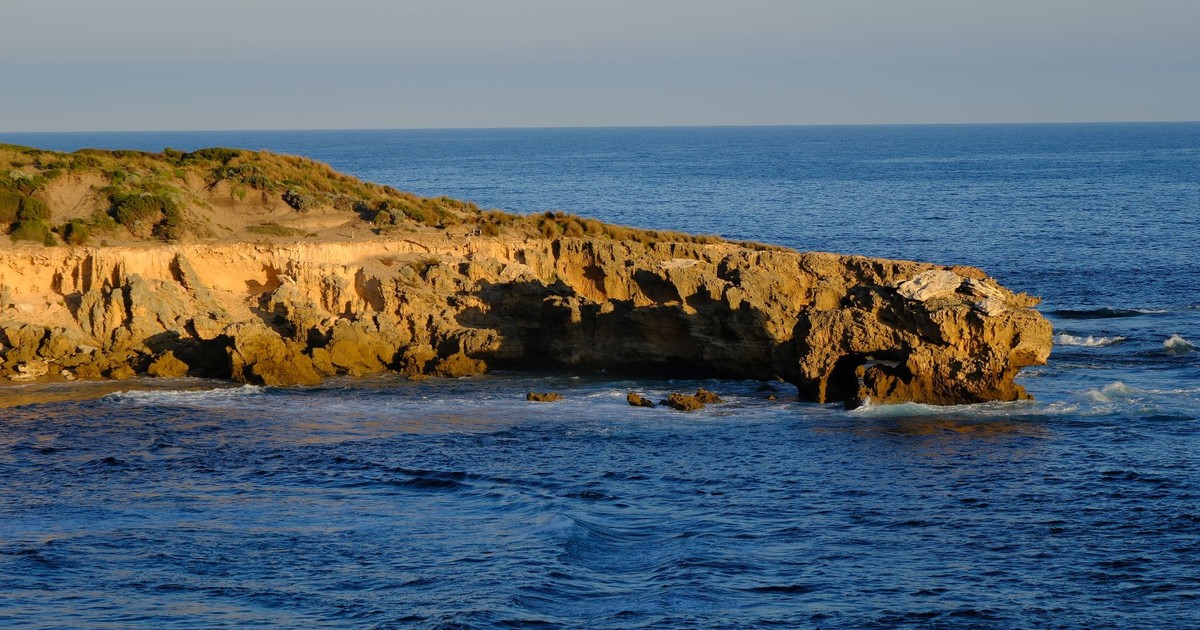
The rules that seem strangest (no dying allowed, no cars, sign a pledge before you get your passport back) are usually the ones with the longest histories. They didn’t arrive from a policy committee. They came from geography, from survival, from centuries of working out how to share a small piece of land with the same families, generation after generation.
Islands tend to preserve their unusualness because of their isolation. Mainland rules blur together because nations influence one another constantly. Islands don’t have that problem. Sark has been car-free not because of a recent green initiative but because the road infrastructure was never built for cars in the first place. Pitcairn’s land-sharing customs go back to nine people deciding, in 1790, how to stop themselves from killing each other on a volcanic rock in the middle of the Pacific. Tristan da Cunha’s cooperative model was agreed on paper in 1817 and is still operating today.
Some of these places are currently under pressure from climate change, from population decline, from the slow gravitational pull of the global tourism economy, and their rules are shifting. Others are holding firm. Either way, the islands unusual rules and traditions documented here represent ways of organizing human life that developed entirely apart from the assumptions the rest of us take for granted.
Disclaimer: This information is not intended to be a substitute for professional medical advice, diagnosis, or treatment and is for information only. Always seek the advice of your physician or another qualified health provider with any questions about your medical condition and/or current medication. Do not disregard professional medical advice or delay seeking advice or treatment because of something you have read here.
AI Disclaimer: This article was created with the assistance of AI tools and reviewed by a human editor.