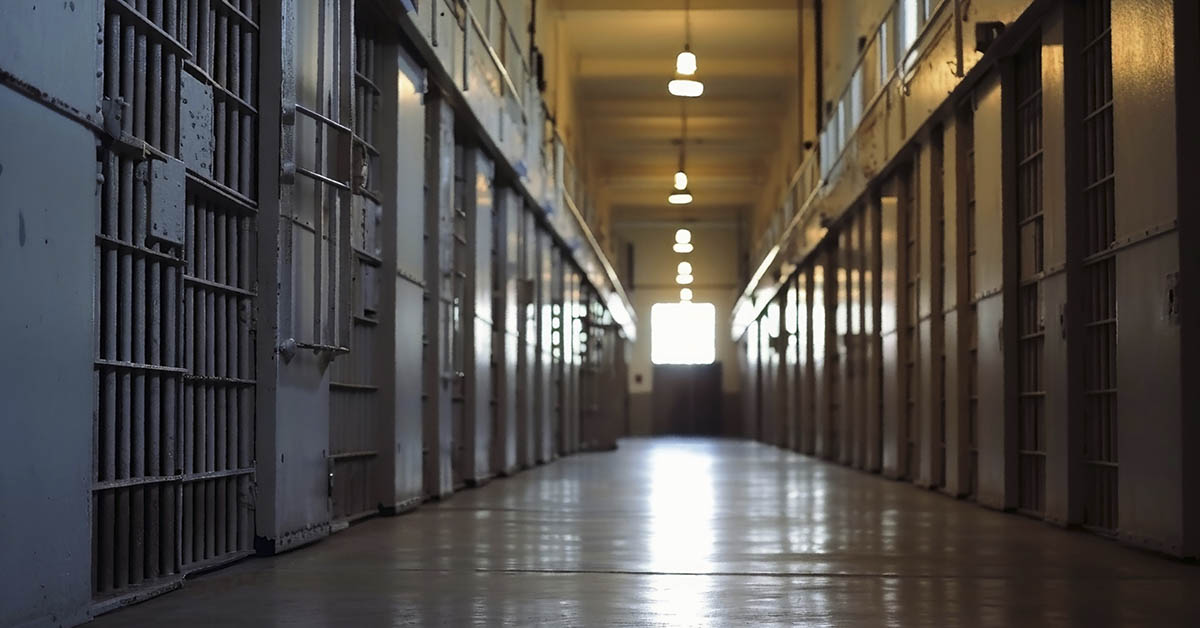

Ian Watkins, the disgraced former frontman of the band Lostprophets, was murdered at HMP Wakefield on October 11, 2025. According to authorities, the 48-year-old died after sustaining a stab wound to the neck during an assault by fellow inmates. At the time of his death, Watkins was serving a 29-year sentence for a series of horrific child sex offences that a judge had previously described as “plumbing new depths of depravity.”
Two prisoners, Rashid Gedel, 25, and Samuel Dodsworth, 43, face murder charges for Ian Watkins and remain in custody as their trial is provisionally set for May 5, 2026.
In a further development, West Yorkshire Police have arrested two other men, aged 23 and 39, on suspicion of conspiracy to murder in connection with the death. They have since been returned to prison as the investigation continues.
Meanwhile, the coroner has opened the official inquest into why Ian Watkins was murdered but has adjourned it until the criminal trial concludes.
A History of Violence at HMP Wakefield
This was not the first time Watkins faced violence at Wakefield. In August 2023, three inmates held him hostage for 6 hours and stabbed him. He survived but required hospital treatment for his injuries, according to reports at the time.

HMP Wakefield houses more than 600 of Britain’s most dangerous offenders. The facility has earned the nickname Monster Mansion because it holds a high concentration of sex offenders and notorious criminals. A prison inspection report published in July 2025 found that violence had increased markedly since 2022. Violent incidents rose by 62%. Serious assaults jumped by 72%. Nearly three-quarters of prisoners told inspectors they felt unsafe.
The report found that older men convicted of sexual offenses felt particularly vulnerable as younger prisoners arrived at the facility. Inspectors found that Wakefield lacked a clear strategy to reduce violence, and serious flaws in physical security undermined daily safety procedures.
The prison holds several notorious criminals. Roy Whiting, who murdered eight-year-old Sarah Payne, serves his sentence there. So does Reynhard Sinaga, convicted of 159 sexual offenses against 48 men. Both men have been attacked in jail in recent years. The facility has also housed Harold Shipman, Ian Huntley, and Piran Ditta Khan.
From Arrest to Guilty Plea
Police arrested Ian Watkins in June 2012 on drug charges and then released him on bail. Four months later, officers arrested him again for drugs and for possessing an image of a child. The court granted him bail a second time.
In December 2012, police launched “Operation Globe,” making a third arrest and searching his home in Pontypridd, Wales. Officers seized computers, phones, and storage devices with 27 TB of data, including a hidden drive encrypted with the password “IFUKKIDZ“. He also conspired with two women, both mothers, to abuse their own children.
Watkins denied all charges for nearly a year. In October 2013, Lostprophets announced they were disbanding after months of grappling with the allegations against their singer.
His trial began on November 25 at Cardiff Crown Court. The next day, after the jury was sworn in, Watkins changed his plea to guilty. He admitted attempting to rape a baby and conspiring to rape another child. The charges he confessed to included sexually assaulting children and possessing indecent images of them. Watkins pleaded guilty to possessing extreme pornographic material involving an animal. The two women pleaded guilty to the abuse.
After pleading guilty, he showed no remorse and mocked his crimes on a prison phone call, calling them “mega lolz.”
The Sentence
Four days later, the remaining band members released a statement on Facebook saying they were heartbroken, angry, and disgusted. Personal relationships with Watkins had deteriorated to the point where working together was a constant, miserable challenge. But despite his battles with drugs and egotistic behaviour, members never imagined him capable of these crimes.
Judge John Royce told the court during sentencing in December that the case broke new ground. “What you three did plumbs new depths of depravity,” he said. The judge noted that Watkins showed an almost complete lack of remorse. Watkins received 29 years in prison with six more years on licence. The two women received 14 and 17 years in prison.
Watkins tried to appeal his sentence in 2014, but judges turned him down.
The Rise of Lostprophets
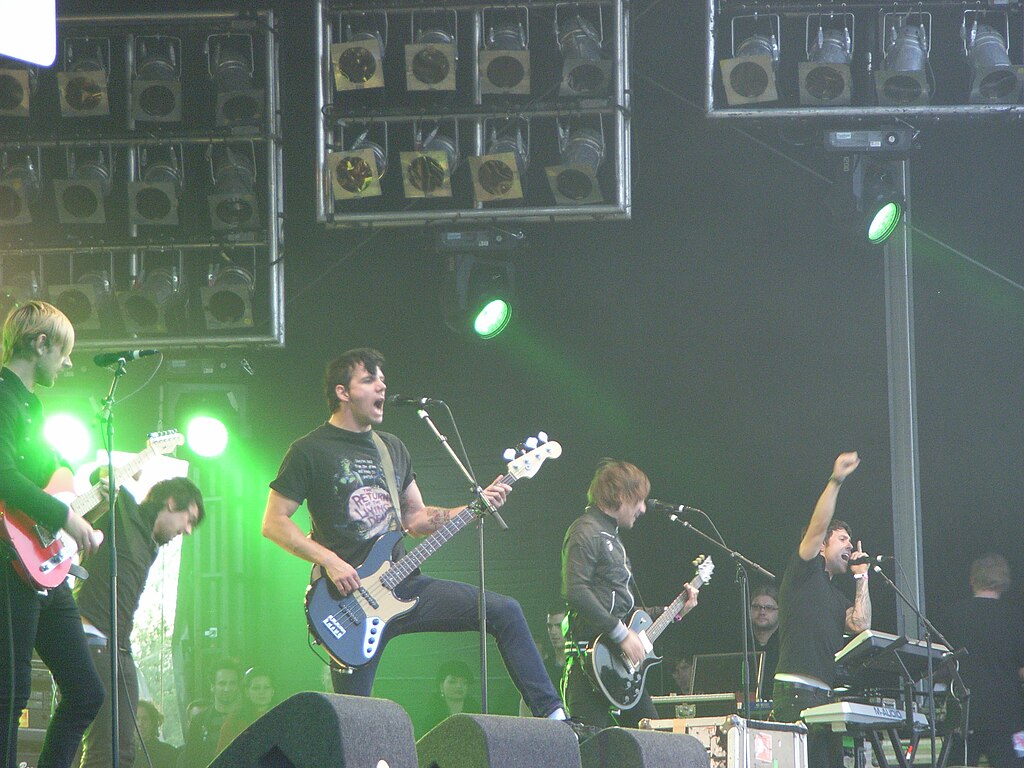
Watkins co-founded Lostprophets in Pontypridd in 1997. The band grew into one of Wales’ most successful rock groups, releasing five studio albums that sold millions worldwide. Their 2006 album Liberation Transmission reached number one on the UK Albums Chart. They played major festivals across Europe and the United States and built a devoted international following.
Guitarist Lee Gaze told The Guardian in 2014 that Watkins was “incredibly charming and manipulative” and could “win anybody over.” Gaze said, “You wouldn’t expect a handsome rock star in his 30s to be a paedophile.” That disconnect became one of Watkins’ most effective tools.
Around 2008, his behavior started changing. According to his bandmates, he became obsessed with online pornography and images depicting abuse. He began grooming female fans who had young children. On tour, he distanced himself from bandmates and insisted on a private dressing room. Evidence showed he took fans there and carried out abuse.
Mr. Justice Royce noted in his official sentencing remarks that Watkins had “many fawning fans,” and that gave him power. He said, “You knew you could use that power to induce young female fans to help satisfy your apparently insatiable lust and to take part in the sexual abuse of their young children.” His trial heard he had used his fame to manipulate and control others, often under the influence of hard drugs, including crystal meth.
Royce called Watkins “a deeply corrupting influence” who was “highly manipulative,“ “a sexual predator,” and “dangerous.”
After Watkins’ guilty plea, the other band members posted a statement on Facebook: “We are heartbroken, angry, and disgusted at what has been revealed,” they wrote. “Our hearts go out to the victims.”
Murdered Alone, Ian Watkins Is Unmourned
Ian Watkins died violently and alone, but being murdered brings no closure to the children he hurt or the families he damaged. Those he abused will live with what he did to them. That healing takes years and depends on proper care, yet an NSPCC study found that 77% of local authorities in England and Wales offer no specialist support for children who have experienced sexual abuse. Most must navigate a system that often lets them down.
His murder has also raised questions about responsibility when prisoners kill each other. Prison policy expert Ian Acheson wrote in The Spectator that few will mourn Watkins, but his death still matters. The state must enforce court sentences, not let inmates die through neglect. Prison staff must control dangerous offenders and not let violence run unchecked behind bars.
Lostprophets’ music still remains online. And Former fans sometimes stumble across songs that once meant something to them, only to feel the weight of what they now represent. What endures is a story about power and how it can be used to harm. Fame gave Watkins access. Charm gave him trust. Both became weapons against those least able to protect themselves.
Read More: Britain’s Most Notorious Paedophile Dies in Jail After Serving Life Sentence for Child Abuse